

Industrial Wastewater Treatment Equipment
Dissolved Air Flotation (DAF) System for Industrial Wastewater Treatment
A dissolved air flotation system that separates suspended solids, emulsified oils, grease, and biological flocs from industrial wastewater using micro-bubble flotation. DAF is used in plastic recycling, food processing, oil and gas, meat and poultry, paper and pulp, chemical, and municipal sectors where settling tanks alone cannot deliver consistent effluent quality or regulatory compliance.
Why Industrial Plants Choose DAF Over Conventional Clarifiers
Gravity settling works well for heavy, dense solids — but most industrial effluents carry light suspended solids, emulsified fats, oils, and biological flocs that will not settle reliably. DAF lifts these contaminants to the surface using micro-bubbles, giving operators consistent removal in a compact footprint.
High TSS and FOG Removal from Difficult Streams
DAF is designed for wastewater where suspended solids and fats, oils, and grease are too light or too emulsified for settling tanks to capture reliably, delivering up to 95–99% removal when the system is correctly paired with coagulation and flocculation chemistry.
Compact Footprint vs Conventional Clarifiers
DAF units operate at much higher hydraulic loading rates than traditional gravity settlers, allowing the same throughput in a fraction of the plan area — important for plants with space constraints or retrofit needs.
PLC-Controlled and Suitable for Continuous Operation
Automated dosing, skimmer speed control, and recycle pump management allow the system to handle variable influent loads with minimal operator intervention, supporting 24/7 continuous production schedules.
Corrosion-Resistant Build for Harsh Process Environments
SS304 or SS316L stainless steel tank and component options are available for applications involving caustic, acidic, or saline wastewater streams, where carbon steel would require frequent replacement.
Reduces Load on Downstream Biological Treatment
By removing suspended solids and much of the oil and grease upstream, DAF reduces BOD and TSS load on aerobic or anaerobic biological stages, improving their stability and reducing aeration energy costs.
Drier Sludge Reduces Disposal Cost
Floated sludge from DAF typically has higher solids content than sludge from settling, which means lower volume for dewatering and reduced hauling and disposal cost when paired with a press or centrifuge.
Essential for Plastic Recycling Wash Water Loops
With the integration of our dedicated recycling water treatment solutions, this DAF system is highly optimized for post-consumer plastic washing lines dealing with variable contamination.
Closed-Loop Water Recycling Stability
By removing suspended solids and floatable contamination more consistently, DAF helps keep wash water usable for recirculation and reduces the risk of dirt redepositing on cleaned plastic flakes.
Supports High-Ratio Water Reuse
Cleaner process water means less fresh water demand, fewer water-quality swings, and a more stable washing line overall.
Adapts to Post-Consumer Materials
When incoming contamination swings day to day with post-consumer feedstocks, DAF helps smooth out the impact on wash water quality better than purely passive settling systems.
Fits as a Core Auxiliary Module
In many recycling plants, DAF is best treated as part of the washing line design rather than an afterthought added once water problems appear.
Industry Applications
DAF systems are applied wherever industrial processes generate wastewater with suspended solids, oils, greases, or floatable biological material that must be clarified before discharge or reuse.
Plastic Recycling Washing Lines
Used after screening and equalization to remove fines, labels, oils, detergent carryover, and microplastics from recycling wash water to support closed loops.
Food and Beverage Processing
Removes fats, oils, grease, starch, proteins, and suspended organics from process water before biological treatment or discharge to comply with trade effluent consent.
Meat, Poultry, and Seafood Processing
Handles high-strength effluent with elevated BOD, blood, animal fats, and protein solids that would overload biological treatment if not removed first.
Oil and Gas, Refinery Effluent
Separates emulsified hydrocarbons and suspended solids from produced water, wash water, and refinery effluent streams where oil-water separation is required before further treatment or discharge.
Pulp, Paper, and Board Mills
Recovers fine fibers, fillers, and coating pigments from white water and screen room effluent, supporting both fiber recovery and clarification before discharge or reuse.
Chemical and Specialty Manufacturing
Applied for removal of emulsified solvents, pigments, surfactants, and suspended particles from process effluents where chemical pretreatment assists micro-bubble attachment.
How a Dissolved Air Flotation System Works
DAF uses pressurized air dissolved into water under pressure, which is then released to form micro-bubbles that attach to suspended particles and carry them to the surface as a skimmable float layer. For a stage-by-stage breakdown, see our guide on how a DAF system works.
Pretreatment and Chemical Dosing
Wastewater passes through screening and equalization, then receives coagulant and flocculant to destabilize colloids and form larger flocs that micro-bubbles can carry to the surface.
Pressurized Air Dissolution
A recycle stream of clarified water is pressurized to 400–600 kPa and saturated with compressed air in a pressurization vessel, dissolving air into solution.
Micro-Bubble Release and Flotation
The saturated recycle is released into the flotation tank through nozzles. The pressure drop causes millions of micro-bubbles (20–70 µm) to form and attach to flocs and particles, lifting them to the surface.
Surface Skimming and Sludge Removal
A mechanical skimmer continuously removes the floated sludge blanket and discharges it for dewatering. Clarified water exits from the bottom of the flotation tank.
Clarified Effluent to Discharge or Reuse
Treated effluent exits the tank ready for discharge to drain, biological treatment, or internal recirculation depending on the required effluent quality standard.
Pretreatment and Chemical Dosing
Wastewater passes through screening and equalization, then receives coagulant and flocculant to destabilize colloids and form larger flocs that micro-bubbles can carry to the surface.
Pressurized Air Dissolution
A recycle stream of clarified water is pressurized to 400–600 kPa and saturated with compressed air in a pressurization vessel, dissolving air into solution.
Micro-Bubble Release and Flotation
The saturated recycle is released into the flotation tank through nozzles. The pressure drop causes millions of micro-bubbles (20–70 µm) to form and attach to flocs and particles, lifting them to the surface.
Surface Skimming and Sludge Removal
A mechanical skimmer continuously removes the floated sludge blanket and discharges it for dewatering. Clarified water exits from the bottom of the flotation tank.
Clarified Effluent to Discharge or Reuse
Treated effluent exits the tank ready for discharge to drain, biological treatment, or internal recirculation depending on the required effluent quality standard.
DAF vs Gravity Settling vs Lamella Clarifiers
Each clarification technology handles a different contamination profile. DAF is not always the right choice — but for light, floatable, or emulsified contamination it consistently outperforms gravity-based methods.
| Decision Factor | DAF System | Gravity Settling Tank | Lamella Clarifier |
|---|---|---|---|
| Best at Removing | Light suspended solids, emulsified oils, grease, biological flocs | Dense, fast-settling solids such as sand, grit, heavy sludge | Medium-density suspended solids in high-flow, low-footprint applications |
| Performance on FOG | Strong — micro-bubbles lift emulsified oil to surface | Weak — emulsified FOG does not settle by gravity | Limited — lamella plates do not address emulsified oil |
| Footprint | Compact — high hydraulic loading rate | Large — requires long residence time | Compact — inclined plates increase effective area |
| Sludge Characteristics | Drier float sludge — easier to dewater | Wet settled sludge — higher water content, higher disposal volume | Similar to conventional settling — depends on influent and chemistry |
| When to Choose | When TSS or FOG removal is the primary target and space is limited | When the main goal is coarse solids removal as a pretreatment stage | When high flow rate and medium solids removal are needed in a compact unit |
Technical Specifications
Standard ERM-DAF models cover 2–100 m³/h, producing 10–30 μm microbubbles with gas-water mixing efficiency above 95% and surface loading up to 10–30 m³/(m²·h). Higher-capacity and custom configurations match specific wastewater loads, influent characteristics, and effluent targets.
| Model | Capacity (m³/h) | Total Power (kW) | Dimensions L × W × H (mm) | Weight (kg) |
|---|---|---|---|---|
| ERM-DAF-005 | 5 | 2.0 | 4500 × 1000 × 1960 | 1,600 |
| ERM-DAF-010 | 10 | 2.65 | 5600 × 1200 × 1960 | 2,000 |
| ERM-DAF-030 | 30 | 5.1 | 7100 × 2000 × 2050 | 3,800 |
| ERM-DAF-050 | 50 | 9.8 | 8100 × 2700 × 2050 | 5,500 |
| ERM-DAF-070 | 70 | 13.65 | 10100 × 3000 × 2050 | 6,800 |
| ERM-DAF-100 | 100 | 18.35 | 11600 × 3600 × 2050 | 9,000 |
Swipe horizontally to view the full table on mobile.
SS304 or SS316L tank material, PLC control panel, automatic chemical dosing integration, and CE certification are available as configuration options depending on application requirements.
Machine Gallery
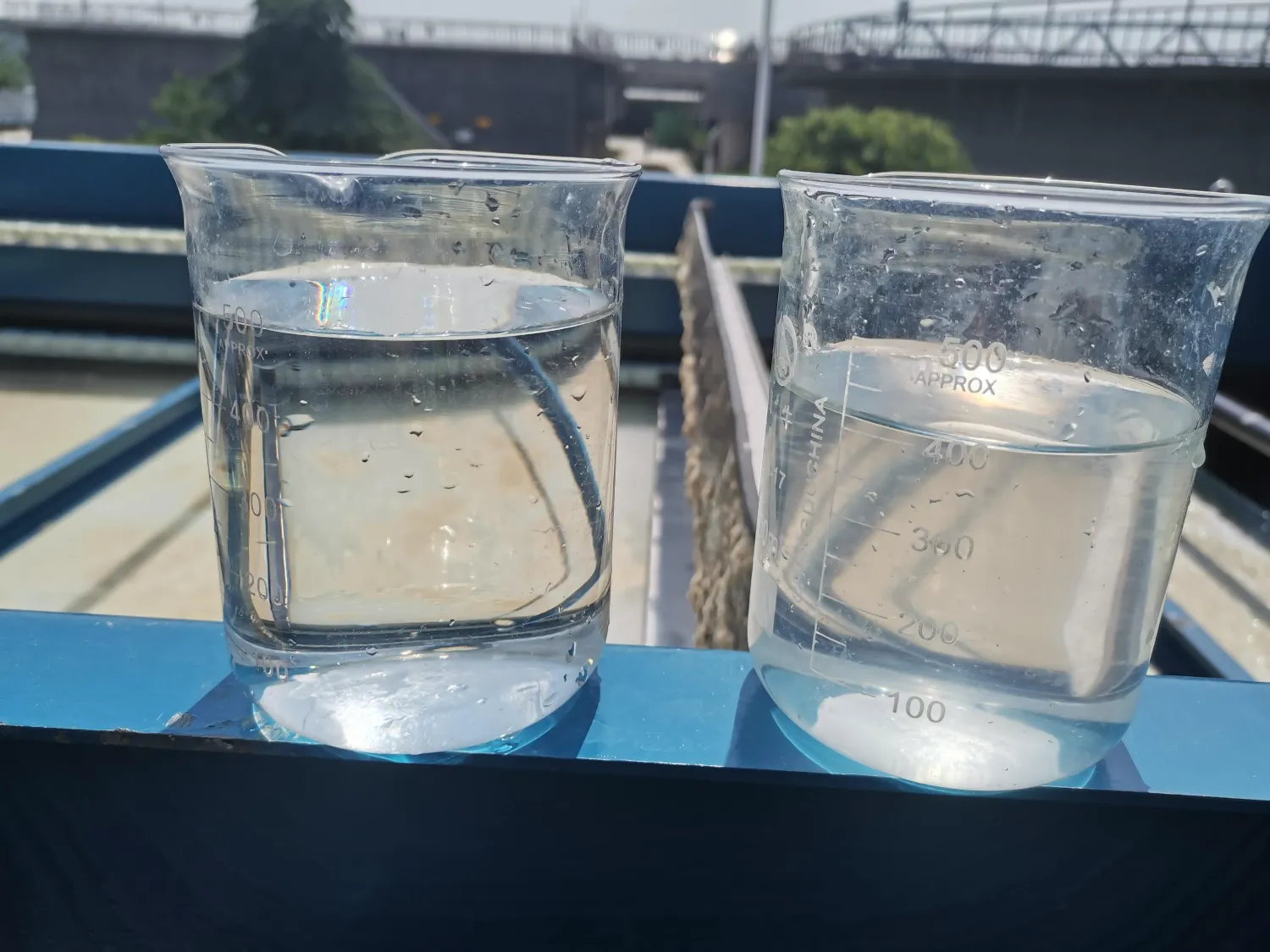
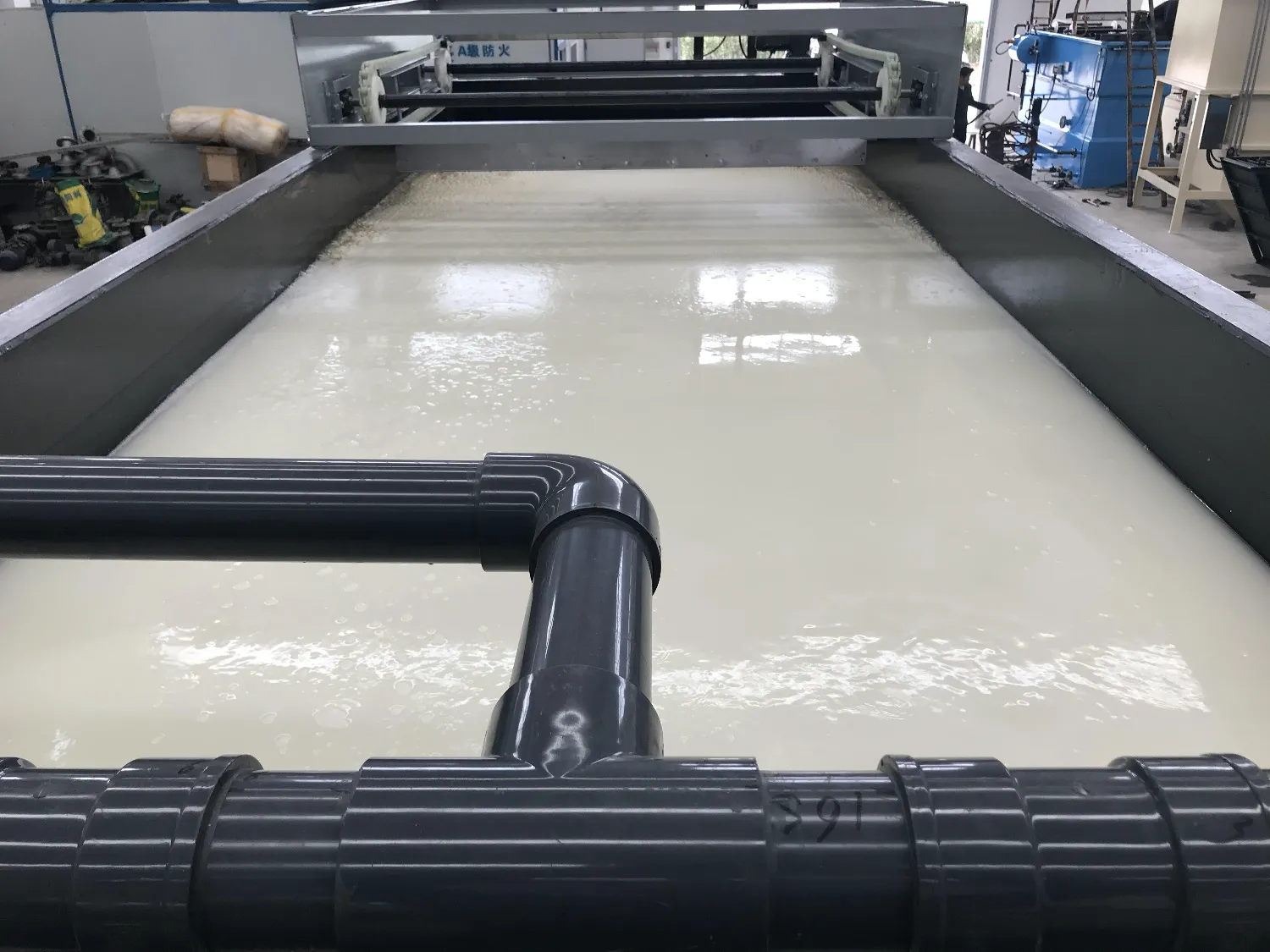
Reference views of Energycle DAF systems in industrial wastewater treatment installations.
Reliable Support Throughout the Equipment Lifecycle
From installation planning to routine maintenance, our service team helps keep your equipment operating safely, consistently, and efficiently.
1-Year Limited Warranty
Coverage includes manufacturing defects in major mechanical and electrical components for one year. Normal wear parts and damage caused by improper operation are handled separately.
Installation Guidance
We provide layout, foundation, utility, clearance, line-integration, and commissioning guidance to support a smooth installation and reliable startup.
Spare Parts Supply
Replacement wear parts, bearings, seals, sensors, electrical components, and other service items are available for scheduled maintenance and long-term operation.
Technical Assistance
Remote troubleshooting, operating recommendations, maintenance guidance, and optional on-site service are available when your project needs additional support.
Frequently Asked Questions
Common questions from plant engineers and facility managers evaluating DAF systems for industrial wastewater treatment.
When correctly paired with coagulation and flocculation chemistry suited to the specific wastewater, DAF systems typically achieve 95–99% TSS removal and similar FOG removal efficiency. Exact performance depends on influent characteristics, chemical dose, and recycle ratio, and should be confirmed through a jar test or pilot trial.
For most industrial applications, coagulant and flocculant dosing significantly improves performance, especially on emulsified oils and fine suspended solids. Some clean single-phase feeds can be treated without chemistry, but wastewater with complex contamination nearly always benefits from chemical conditioning upstream of the flotation cell.
Timeline varies with project complexity. Standard packaged units can be delivered and commissioned within a few weeks. Larger or custom-engineered systems designed around specific influent conditions, flow rates, and integration requirements will have longer lead times confirmed during the engineering phase.
Yes. PLC-controlled recycle ratio, chemical dosing, and skimmer speed allow the system to adapt to fluctuating loads. An equalization tank upstream further stabilizes the influent, which is the most effective way to protect DAF performance during production peaks or batch discharge events.
Please provide peak and average wastewater flow rate, influent TSS, FOG, and BOD concentrations, pH and temperature range, effluent discharge standard or reuse target, available footprint, and whether an equalization or chemical dosing system is already in place. A jar test with your wastewater sample allows the team to confirm chemical type, dose, and expected removal efficiency before system design.
In many applications, such as plastic recycling and industrial washing, yes. DAF dramatically improves water stability by removing suspended solids and floatables, allowing for a high ratio of process water recirculation.
Need a DAF System Sized for Your Industrial Wastewater?
Share your flow rate, influent characteristics, effluent standard, and available footprint. Our engineers will recommend the right DAF configuration, recycle ratio, and chemical pretreatment approach for your application.