

Compact Plastic Granulator · Sprue & Runner Crusher for In-House Regrind
Small Crusher Machine for Plastic Scrap Recycling
A compact plastic crusher and in-house regrind machine built for runners, sprues, reject parts, trim, and small rigid plastic scrap generated at injection molding, blow molding, and extrusion lines. Delivers screen-controlled regrind output (reference: 50–150 kg/h) with enclosed, low-noise operation and flexible voltage configuration — a practical, low-investment path to closed-loop scrap recovery on the shop floor.
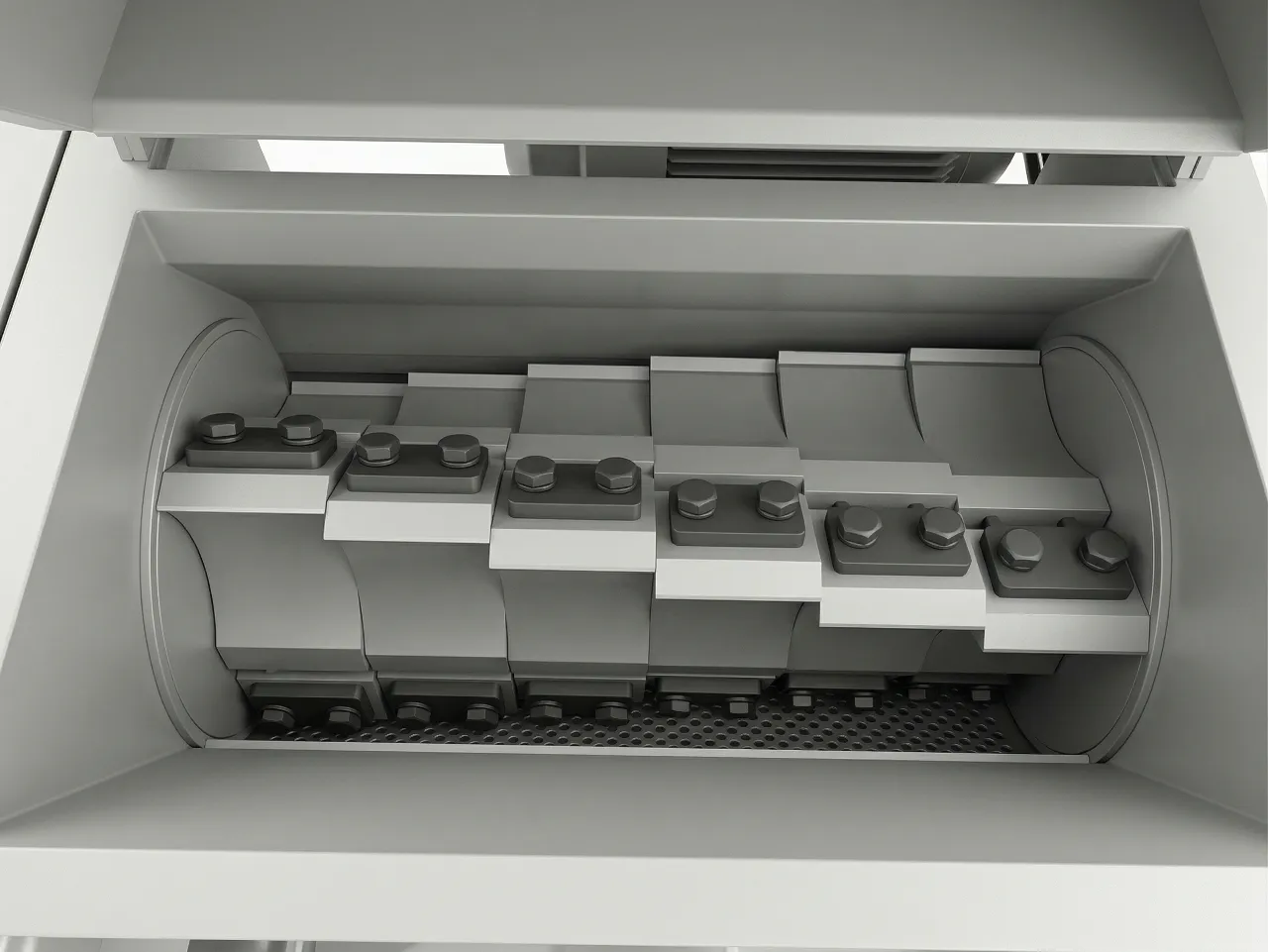
Why This Small Crusher Works for In-House Plastic Regrind
This machine is aimed at plants that need fast scrap recovery, controlled particle size, and a footprint that fits beside molding or extrusion equipment instead of inside a full central crushing room.
Compact Footprint for Shop-Floor Installation
The crusher is sized for in-plant use, making it easier to place beside injection molding, blow molding, or extrusion machines where scrap is generated continuously.
Enclosed Noise Control
The enclosed body helps reduce operating noise and keeps material splash better contained around the cutting chamber.
Screen-Controlled Regrind Size
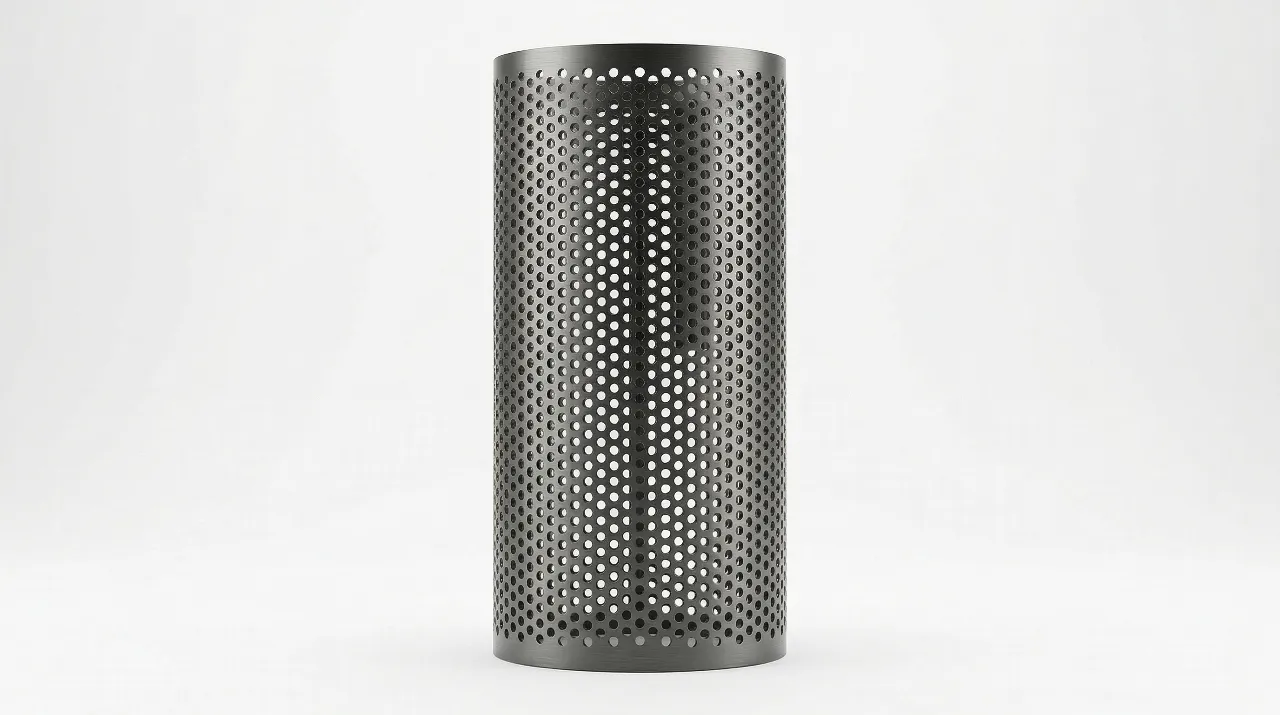
Interchangeable screens let the plant match particle size to blending, conveying, feeding, or direct in-house reuse requirements.
SKD-11 Knife Set for Routine Industrial Duty
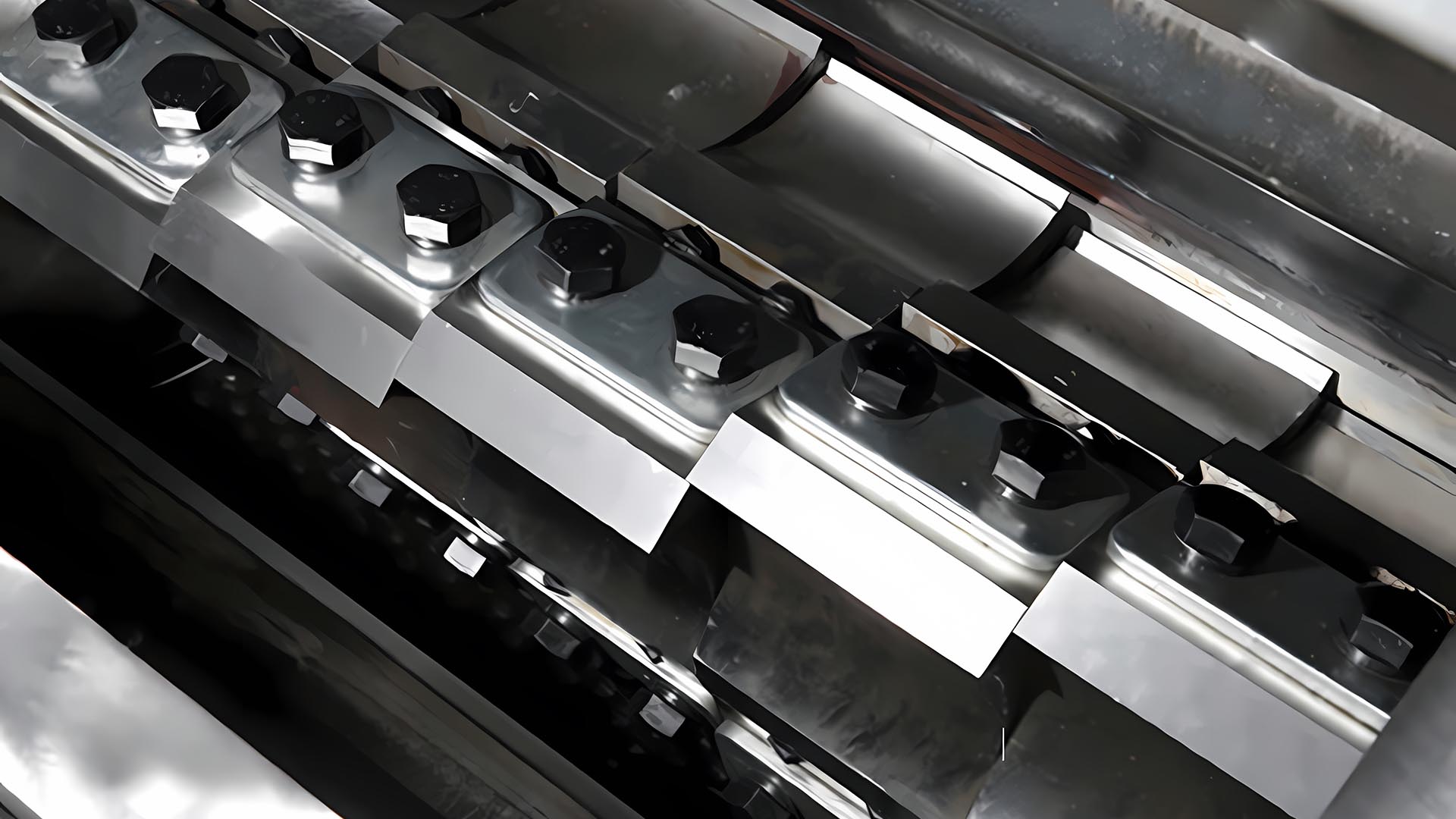
The reference configuration uses SKD-11 knives, helping the machine maintain stable cutting performance on rigid sprues, runners, and reject parts over longer operating cycles.
Flexible Power and Screen Configuration
Voltage, frequency, phase, and screen size can be adjusted to fit different plant standards, resin types, and reuse targets instead of forcing a one-spec machine into every workshop.
Supports Closed-Loop Scrap Recovery
By reducing scrap immediately into reusable regrind, the machine helps plants cut disposal cost and return more plastic to internal production.
Typical Materials and Plant Uses
This compact crusher is best matched to in-house recovery of rigid plastic scrap that does not require the volume reduction or throughput of a larger central crushing system.
Injection Runners and Sprues
A common fit for molding runners, sprues, startup scrap, and short-shot parts that need immediate recycling beside the press.
Rigid Reject Parts
Suitable for small molded housings, covers, thick-wall rejects, and similar rigid plastic components.
Extrusion Trim and Edge Waste
Useful for profile offcuts, sheet trim, and startup scrap when the line needs quick size reduction and re-feed.
Blow Molding Trims
A practical option for smaller bottle and hollow-part trimming waste where a large wet bottle crusher would be excessive.
Cell-Level Recycling Stations
Works well in decentralized recycling cells where each workshop or line wants its own compact scrap-reduction machine.
Internal Regrind Loops
Helps operators recover regrind for blending, conveying, or transfer to a larger downstream recycling route.
How the Small Crusher Machine Works
The workflow is simple: feed, crush, screen, and collect. The value comes from stable regrind size and easy integration into daily plant scrap handling.
Feed the Scrap
Runners, reject parts, or trim enter the hopper directly from the molding or extrusion process.
Shear with Rotor and Fixed Knives
The rotor works against the fixed knife set to reduce the incoming plastic into smaller particles suitable for screening.
Control Output with the Screen
Only particles that meet the target aperture pass through, giving the plant more consistent regrind size.
Collect Regrind for Reuse
Finished regrind can be collected for blending, conveying, storage, or transfer to the next recycling stage.
Feed the Scrap
Runners, reject parts, or trim enter the hopper directly from the molding or extrusion process.
Shear with Rotor and Fixed Knives
The rotor works against the fixed knife set to reduce the incoming plastic into smaller particles suitable for screening.
Control Output with the Screen
Only particles that meet the target aperture pass through, giving the plant more consistent regrind size.
Collect Regrind for Reuse
Finished regrind can be collected for blending, conveying, storage, or transfer to the next recycling stage.
Small Crusher vs Larger Crusher Routes
The correct machine depends on whether the project is an in-house scrap loop, a sheet and tray crushing job, or a combined shred-and-granulate workflow.
| Decision Factor | Small Crusher Machine | Plastic Tray & PVC Sheet Horizontal Crusher | Integrated Shredder-Granulator |
|---|---|---|---|
| Best Fit | In-plant recovery of small rigid scrap and molded rejects | Long trays, sheets, and wider rigid offcuts | Bulky materials needing shredding before granulation |
| Footprint | Compact and workshop friendly | Larger machine for wider material form | Larger and more complex combined system |
| Material Form | Sprues, runners, reject parts, trim | Flat, wide, and continuous rigid scrap | Thick lumps, bulky pieces, and difficult feedstock |
| Output Control | Screen-controlled regrind for internal reuse | Screen-controlled flakes from larger scrap pieces | Granulation after a primary shredding stage |
| Throughput Range | ~50–150 kg/h reference (resin & screen dependent) | Higher throughput for wider continuous sheet scrap | Volumetric reduction before granulation stage |
| Knife Material | SKD-11 tool steel for extended blade life | D2 or SKD-11 depending on model | Heavy-duty alloy steel for primary shredding loads |
| Noise Level | Enclosed body reduces operating noise | Higher noise from open wider-chamber design | Highest — two-stage system with shredder noise |
| When to Choose | When a plant needs a simple, compact scrap grinder beside production | When material width and geometry exceed small crusher convenience | When feedstock is too bulky or difficult for direct small-crusher feeding |
Technical Specifications
The following reference configuration is intended for compact in-plant plastic scrap crushing. Voltage, frequency, screen size, and other details can be adjusted for the actual project.
| Drive | 7.5 kW (10 hp), 500 rpm reference |
| Knives | SKD-11, 12 rotating knives and 2 fixed knives |
| Crushing Chamber | 400 x 250 mm |
| Screen Aperture | 8 mm reference, other mesh sizes available |
| Power Supply | 440 V / 60 Hz / 3-phase reference, customizable |
| Net Weight | 550 kg |
| Machine Size | 1150 x 820 x 1280 mm |
| Packaging | Film wrap inside, wooden case outside |
Specifications shown are for reference. Final sizing depends on resin type, part thickness, target regrind size, and plant utility standards.
Machine Gallery
Reference photos of the cutting chamber, machine body, and rigid plastic feedstock used with this compact crusher platform.
Reliable Support Throughout the Equipment Lifecycle
From installation planning to routine maintenance, our service team helps keep your equipment operating safely, consistently, and efficiently.
1-Year Limited Warranty
Coverage includes manufacturing defects in major mechanical and electrical components for one year. Normal wear parts and damage caused by improper operation are handled separately.
Installation Guidance
We provide layout, foundation, utility, clearance, line-integration, and commissioning guidance to support a smooth installation and reliable startup.
Spare Parts Supply
Replacement wear parts, bearings, seals, sensors, electrical components, and other service items are available for scheduled maintenance and long-term operation.
Technical Assistance
Remote troubleshooting, operating recommendations, maintenance guidance, and optional on-site service are available when your project needs additional support.
Frequently Asked Questions
These are the practical questions buyers usually ask before choosing a compact scrap crusher for in-house plastic recycling.
It is mainly designed for rigid plastic scrap such as runners, sprues, molded rejects, trim, and small rigid components. Final suitability depends on resin type and part thickness.
Output size is controlled by the screen aperture. You should specify the target regrind size and how the material will be reused or conveyed downstream.
Please confirm voltage, frequency, phase, available floor space, hopper access, discharge collection method, and any plant noise-control requirements.
Choose this machine when the job is local in-plant scrap recovery with moderate feed size. If the material is wider, bulkier, or more difficult to feed, a larger horizontal crusher or shredder-granulator is usually the better route.
The installation should leave room for routine knife inspection, screen changes, and safe cleaning around the cutting chamber and discharge area.
The reference throughput is roughly 50–150 kg/h for typical rigid plastic scrap such as runners, sprues, and small reject parts. The actual rate depends on resin type, part thickness, screen aperture, and feed consistency. Please share your material details so we can give a more accurate estimate.
Yes. The compact footprint and direct hopper feeding make it well suited for placement beside a molding press as a dedicated sprue and runner crusher. The enclosed body also helps manage noise in a production environment.
Knife service life depends on resin type, feed hardness, and operating hours. SKD-11 knives offer extended durability for routine industrial duty. Many plants inspect knives periodically and rotate or replace them based on edge condition rather than a fixed interval. We can advise on a maintenance schedule based on your specific material and throughput.
Need a Small Crusher Matched to Your Scrap Stream?
Share your resin type, part size, target screen aperture, throughput, and plant power standard. We will recommend the right compact crusher configuration for your workshop.