

Fine Grinding for Tire Rubber Recycling
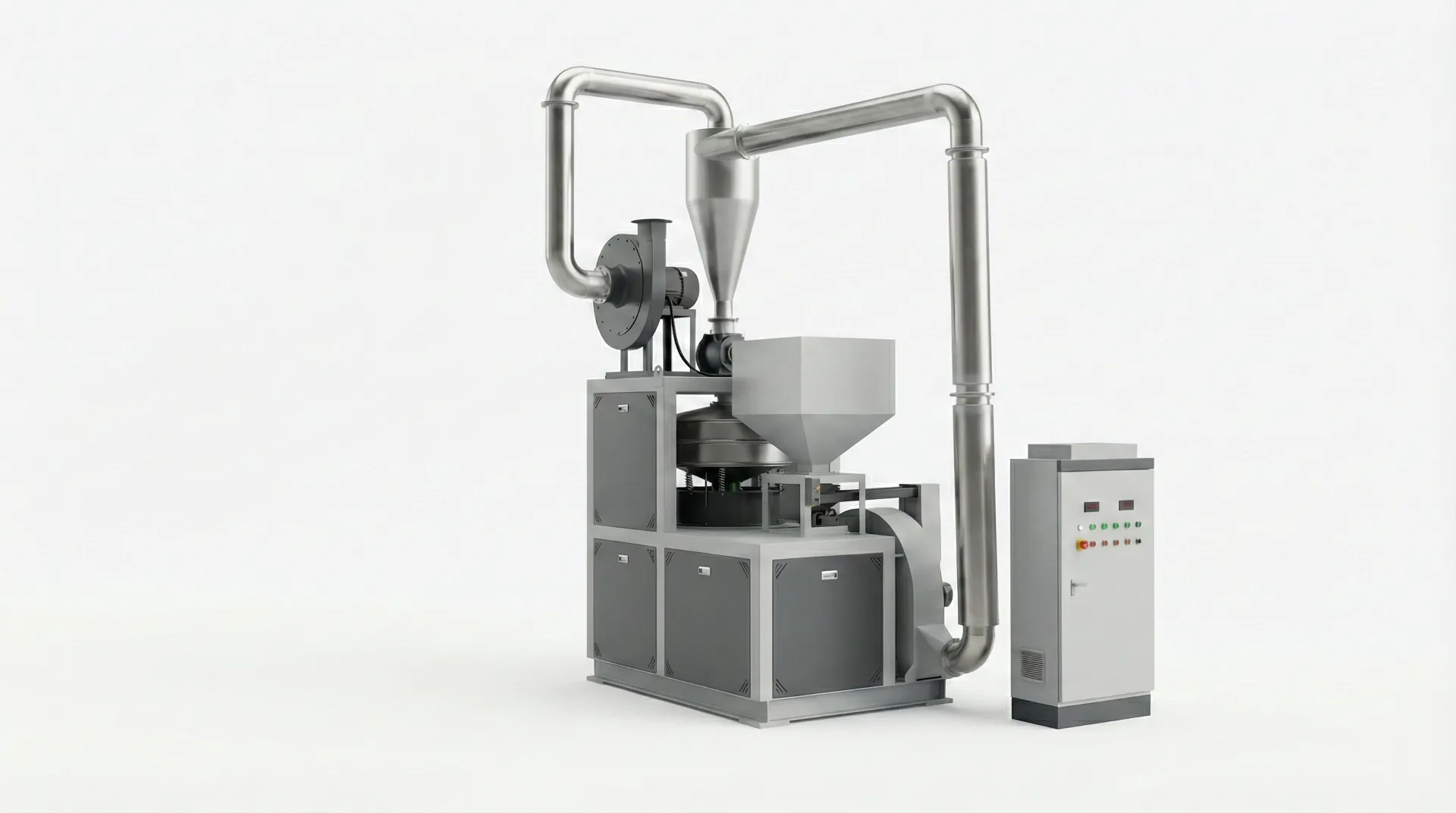
Tire Rubber Recycling Pulverizing Grinder
Produce specification-grade rubber powder from clean pre-sized tire granules with controlled mesh, stable throughput, and cooling support that helps reduce smearing, heat buildup, and inconsistent powder quality.
Why This Rubber Powder Pulverizer Fits Fine Grinding Lines
At the powder stage, the line is judged by mesh stability, temperature control, and how well the mill turns prepared crumb into marketable fine powder instead of heat-damaged dust.
Stable Throughput with Repeatable Fine Grinding
Designed for consistent feeding and controlled disc grinding so the line can maintain more predictable rubber powder output across long runs instead of drifting into a broad mix of fines and oversize particles.
Common Mesh Targets Available
Disc gap and disc tooth configuration support common 20, 40, 60, and 80 mesh powder targets, with custom fineness options when the end market requires it.
Cooling Helps Preserve Powder Quality
Water-assisted and air cooling help manage friction heat so rubber is less likely to smear, agglomerate, or lose flowability during fine grinding.
Wear Parts Built for Abrasive Rubber Service
Tungsten carbide or equivalent long-life disc options help keep wear under control in abrasive tire rubber duty, while service access supports faster maintenance windows.
Upgrades Granules into Higher-Value Powder
Fine rubber powder is easier to dose, blend, and sell into spec-driven applications than coarse crumb, which can open better downstream acceptance and higher-value product positioning.
Easy to Integrate into Tire Recycling Lines
The pulverizer fits after shredding, steel separation, granulation, and fiber removal, making it a logical finishing stage for powder-focused recycling projects.
Where Fine Rubber Powder Is Used
Powder-grade tire rubber works where controlled particle size, surface area, and cleaner blending performance matter more than simple coarse crumb output.
Rubberized Asphalt
Specification-grade powder is used as crumb rubber modifier in asphalt systems that require controlled mesh and better mixing performance.
Reclaimed Rubber Compounds
Fine powder supports more controlled dosing into reclaimed rubber production and compound reformulation.
Mats, Tiles, and Flooring
Finer powder helps deliver denser products and smoother surface quality in molded goods, safety tiles, and flooring systems.
Sports and Surface Products
Powder-grade rubber can support elastic surface products where finer blending and more uniform binder distribution are preferred.
Spec-Driven Custom Blends
Custom mesh targets make the system useful for buyers who purchase by powder fineness, cleanliness, and application-specific formulation needs.
Integrated Tire Recycling Projects
Use the pulverizer as the finishing stage after pre-shredding, steel liberation, fiber removal, and granule preparation.
Recommended Rubber Powder Production Flow
Fine grinding performs best when the feed is already cleaned, pre-sized, and matched to the target mesh before it reaches the pulverizer.
Prepare Clean Granules
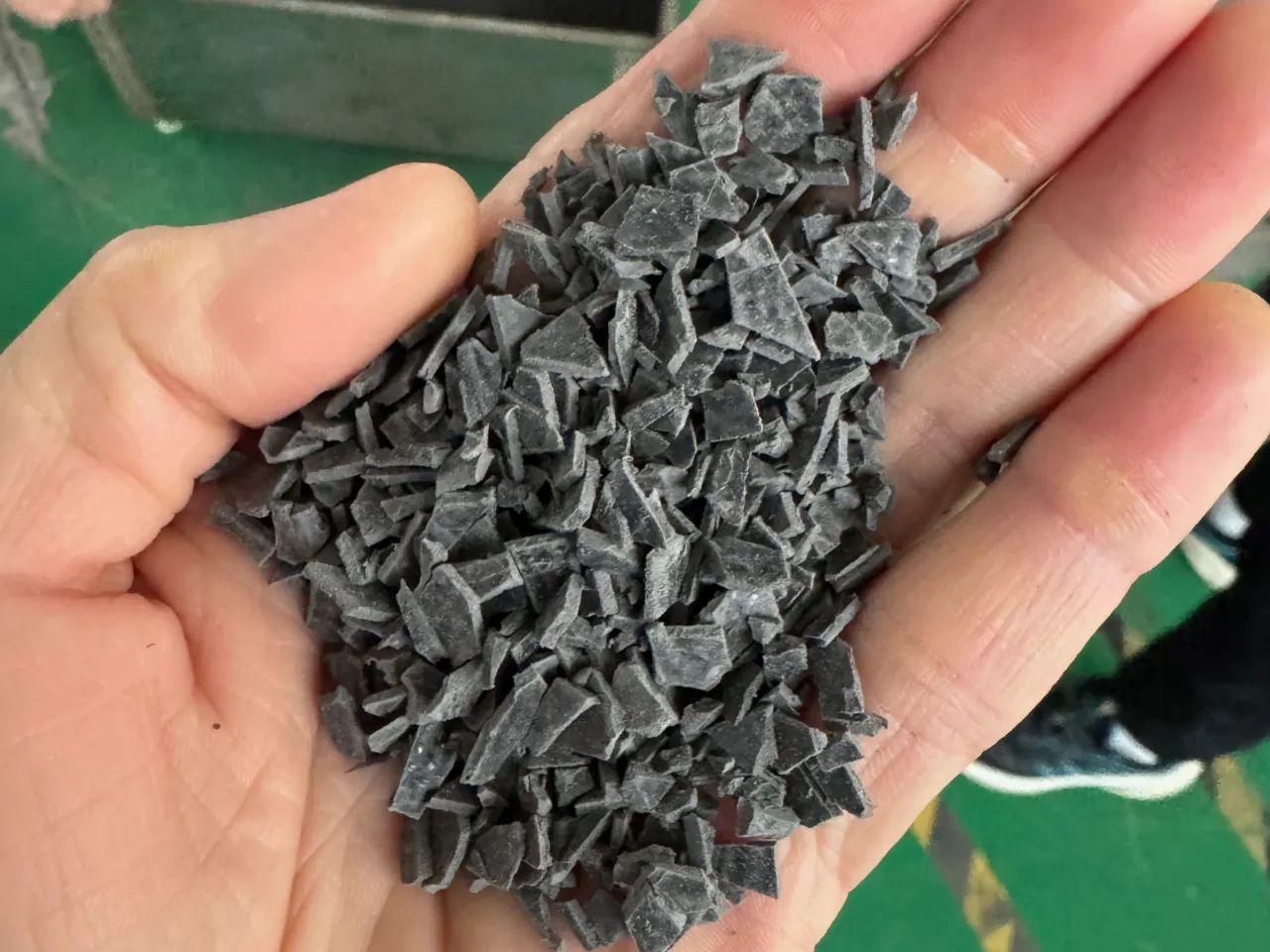
Rubber feed should already be shredded, granulated, and largely cleared of steel wire and textile fiber before fine grinding begins.
Meter Feed into the Mill
Prepared crumb, commonly 6-8 mm or smaller, is fed at a stable rate so the disc set can maintain a predictable grinding load.
Cooled Disc Pulverizing
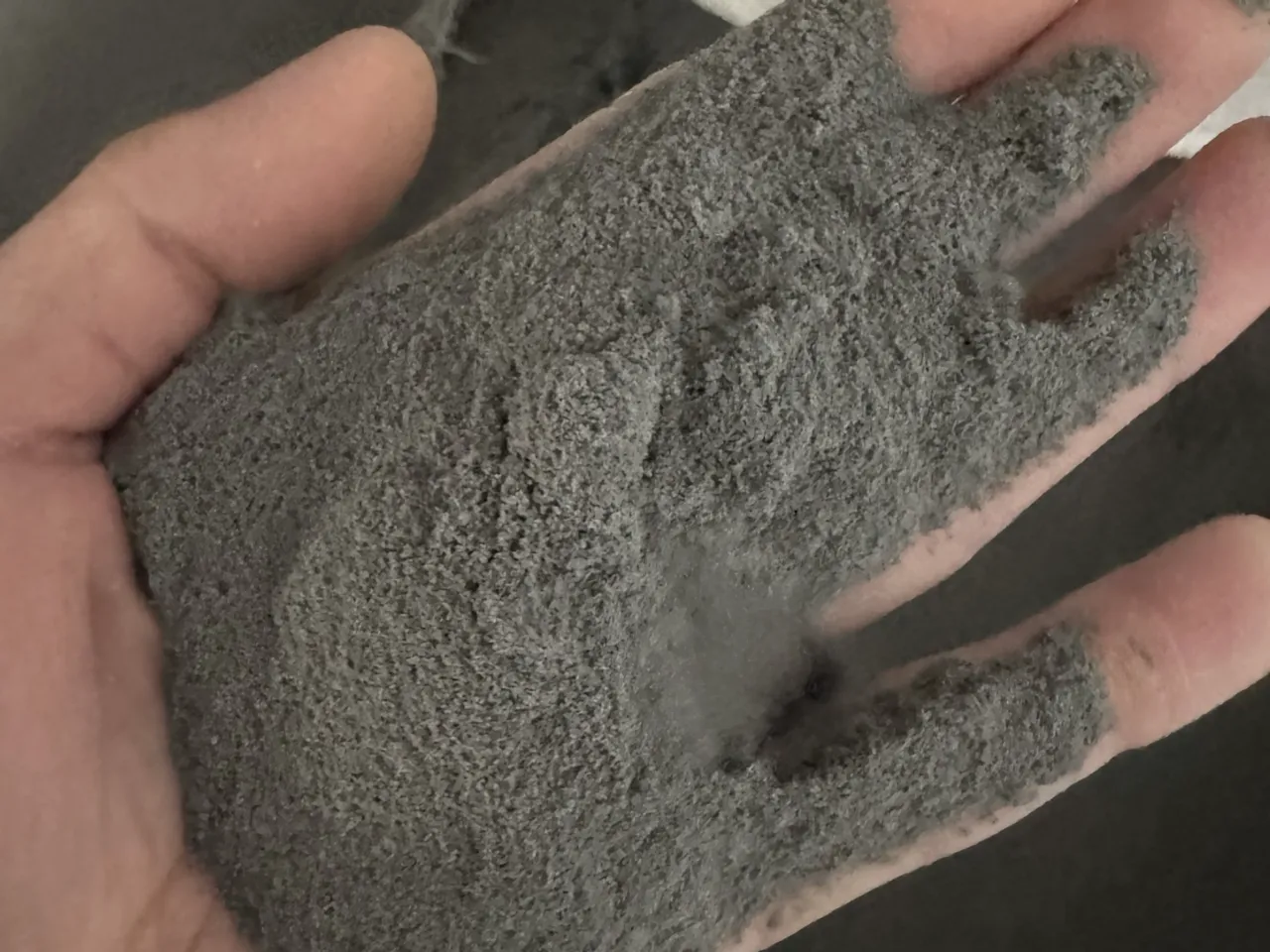
The grinding discs reduce the rubber into fine powder while cooling helps limit heat buildup and preserves flowable powder characteristics.
Classify and Collect Powder
Qualified powder is collected while oversize can be screened or recirculated to achieve a tighter mesh specification.
Prepare Clean Granules
Rubber feed should already be shredded, granulated, and largely cleared of steel wire and textile fiber before fine grinding begins.
Meter Feed into the Mill
Prepared crumb, commonly 6-8 mm or smaller, is fed at a stable rate so the disc set can maintain a predictable grinding load.
Cooled Disc Pulverizing
The grinding discs reduce the rubber into fine powder while cooling helps limit heat buildup and preserves flowable powder characteristics.
Classify and Collect Powder
Qualified powder is collected while oversize can be screened or recirculated to achieve a tighter mesh specification.
Controlled Pulverizing vs Selling Coarse Crumb Only
Not every tire recycling project needs powder, but when the market buys by mesh and consistency, fine grinding creates a different commercial product category.
| Decision Factor | This Pulverizing Grinder | Coarse Crumb Only Output |
|---|---|---|
| Particle Size Control | Supports common 20, 40, 60, and 80 mesh powder targets | Usually too coarse for powder-grade applications |
| Temperature Management | Cooling support helps reduce smearing and unstable powder flow | Less critical at coarse size, but not suitable for controlled fine powder production |
| Market Fit | Better for asphalt modifiers, reclaimed rubber blends, and fine molded products | Better for lower-spec crumb and general-purpose applications |
| Feedstock Requirement | Requires cleaner, more consistent pre-sized granules | Easier to produce, but with lower downstream control |
| Value per Ton | Can support higher-value spec-driven powder sales | Often limited to simpler crumb rubber markets |
Technical Specifications
Configuration depends on feed cleanliness, incoming crumb size, target mesh, and whether classification or recirculation is included in the line.
| Parameter | Value |
|---|---|
| Grinding Method | Disc pulverizing with rotor and stator grinding discs |
| Common Target Mesh | 20 / 40 / 60 / 80 mesh, custom targets available |
| Recommended Feedstock | Clean pre-shredded tire rubber granules or chips |
| Recommended Feed Size | ≤ 6-8 mm for stable fine grinding |
| Particle Size Control | Adjustable disc gap and disc tooth configuration, optional downstream classification |
| Production Capacity | Model dependent, based on feed condition and target mesh |
| Motor Power | Model dependent |
| Cooling | Air and water-assisted temperature management options |
| Wear Parts | Grinding discs with long-life material options |
| Controls | PLC and safety interlock options available |
Machine and Material Gallery
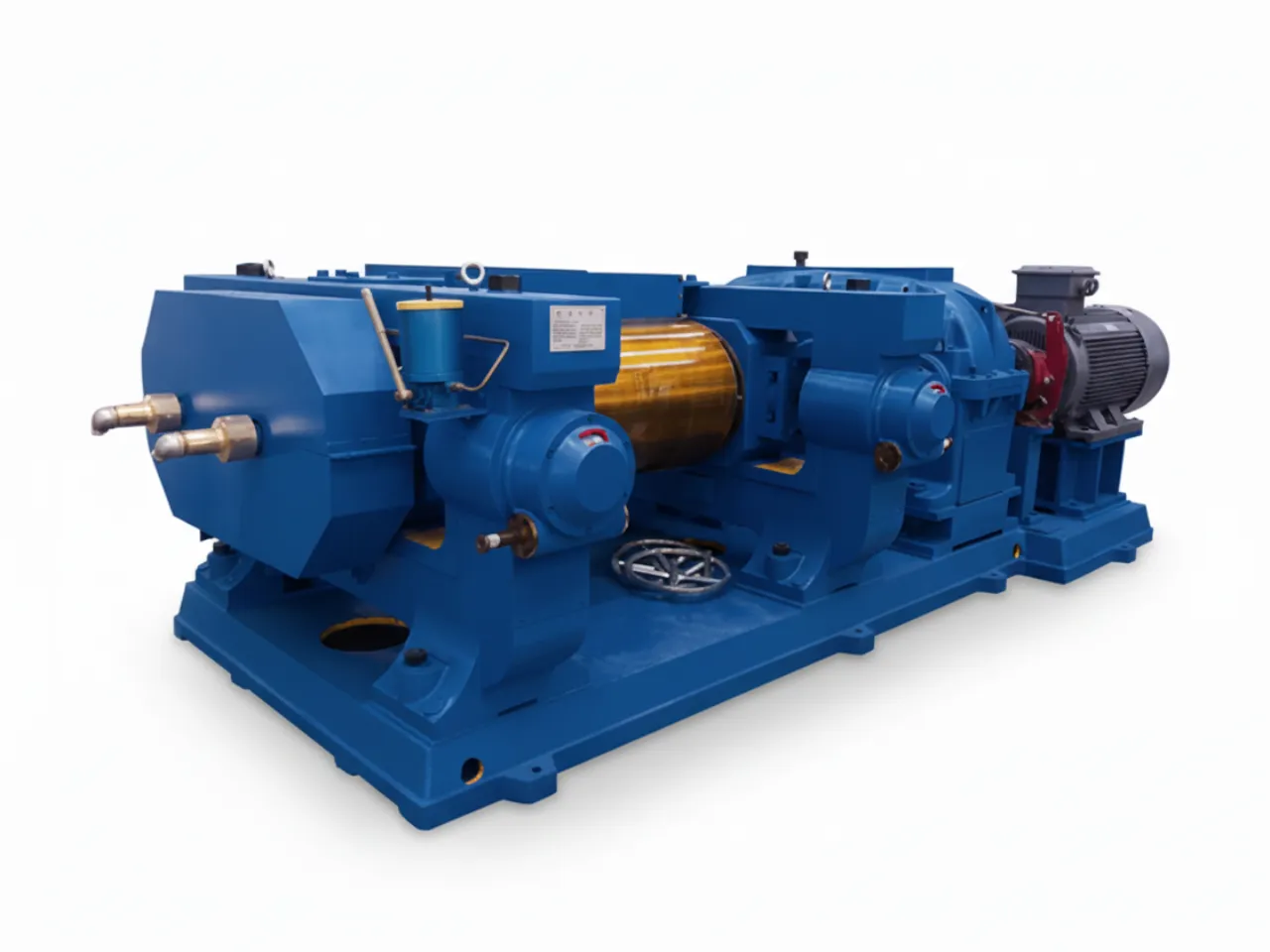
Reference views of upstream crumb preparation, powder-stage equipment, and typical material before and after pulverizing.
Watch the Pulverizing Grinder in Operation
See how prepared tire rubber feed is reduced into fine powder under controlled grinding and cooling conditions.
Frequently Asked Questions
Common questions about feedstock preparation, mesh control, heat management, and product fit.
No. This machine is for fine grinding prepared rubber granules or chips, not whole tires. Upstream shredding, steel removal, fiber separation, and pre-sizing are required before pulverizing.
Common targets are 20, 40, 60, and 80 mesh. Final fineness depends on disc configuration, feed condition, cooling performance, and whether a downstream classifier is included.
Fine grinding generates friction heat. Without sufficient cooling, rubber can smear, agglomerate, or lose free-flowing characteristics, which hurts throughput, mesh stability, and final powder quality.
Feed should be consistently sized and as free as possible from steel wire, tramp metal, and excess fiber. Cleaner feed protects the discs and helps maintain a more saleable powder specification.
This page describes an ambient fine grinding system with cooling assistance. Cryogenic powder production is a different process route and would require a different equipment configuration.
Size the Right Rubber Powder System
Tell us your incoming rubber size, cleanliness level, target mesh, and expected hourly output. We will recommend the right pulverizer, cooling arrangement, and classification setup for your powder line.