

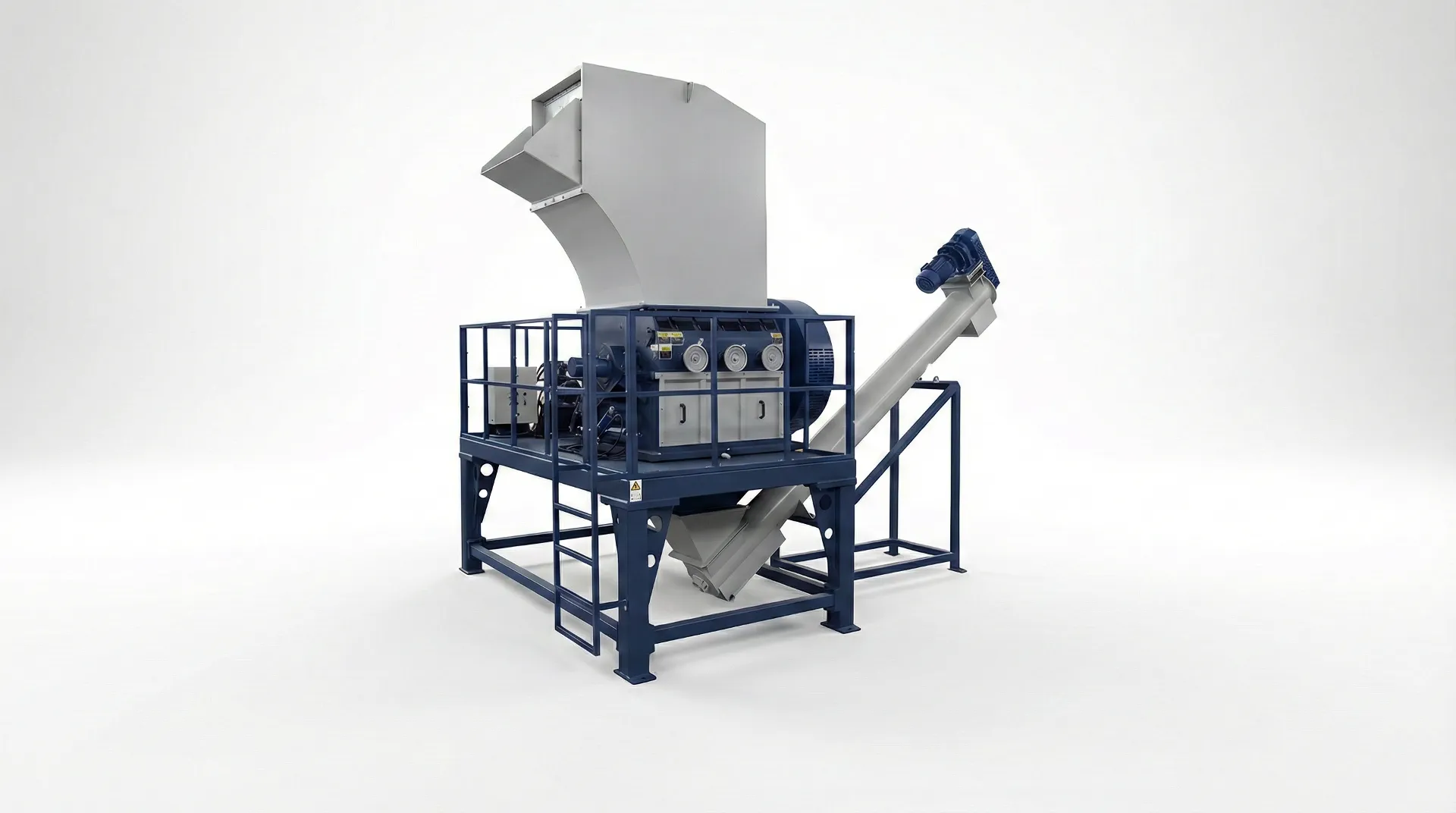
Wet Plastic Crusher & Granulator
Built for demanding plastic recycling, our wet plastic crusher integrates water injection to crush and granulate while simultaneously washing and cooling the material, extending blade life and delivering cleaner, higher-quality regrind.
The Wet Crushing Advantage
By integrating water into the cutting process, our wet plastic crusher (wet granulator) overcomes the limitations of traditional dry grinding, delivering multiple key benefits in a single, efficient step.
Integrated Pre-Washing
The continuous flow of water actively washes away dirt, dust, and other surface contaminants during crushing and granulation, reducing the burden on downstream washing equipment and improving overall line efficiency.
Extended Blade Life
Water acts as a natural coolant and lubricant, drastically reducing friction and heat buildup. This prevents blades from dulling quickly, significantly extending their service life and reducing maintenance costs.
Superior Regrind Quality
The combination of efficient cutting and constant cooling prevents plastic from melting or degrading. This results in uniform, high-quality regrind with minimal fines, ideal for high-end manufacturing.
Simultaneous Crushing, Grinding & Washing
Water-Injected Feed
Plastic waste enters the cutting chamber as a precisely engineered system sprays water directly onto the material and blades.
Cooled Crushing & Granulation
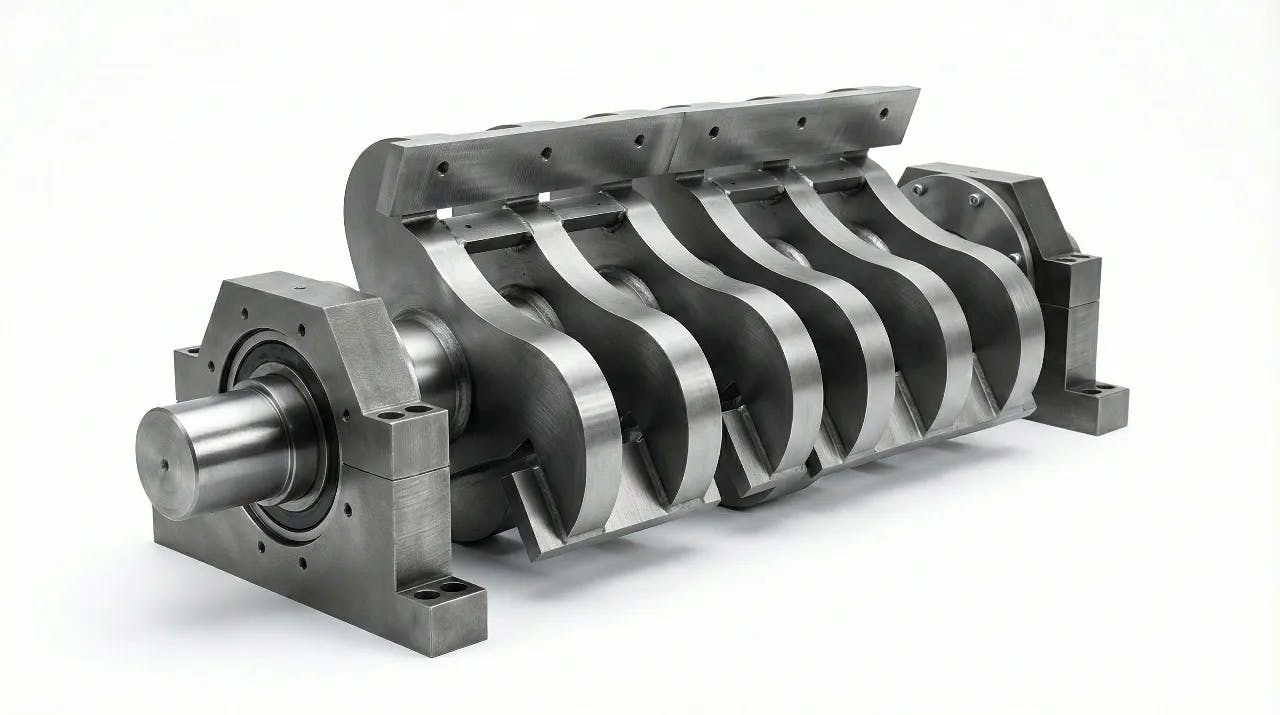
The high-speed rotor with D2 steel blades crushes and granulates the plastic. Water continuously lubricates and cools the components.
Simultaneous Washing
As the plastic is cut, the water actively washes away dirt, labels, and other impurities, which are flushed out of the system.
Sized Discharge
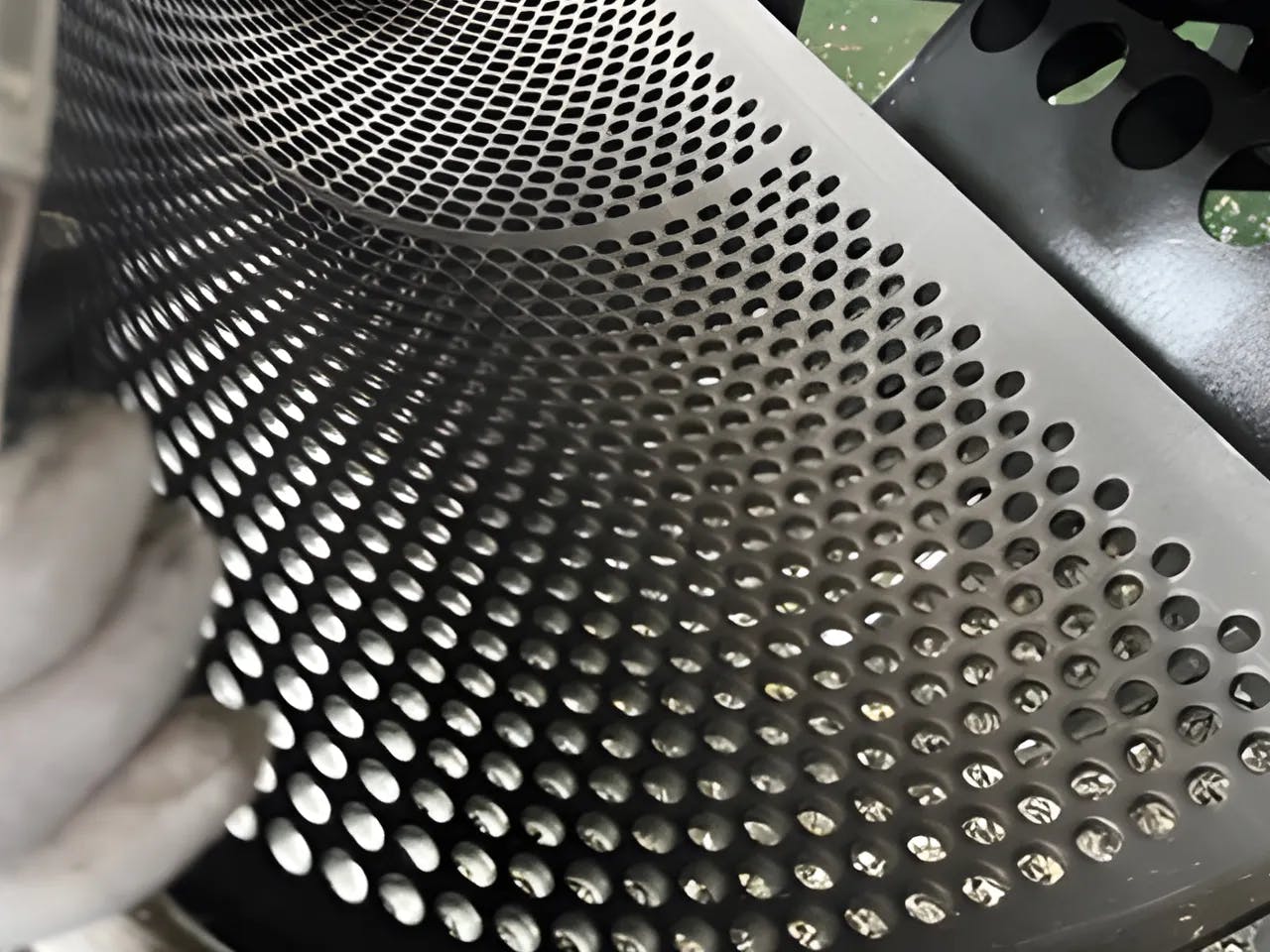
Clean, cool, and uniformly sized regrind passes through the screen at the bottom of the chamber for collection.
Key Application Areas
An invaluable asset for any facility focused on high-efficiency plastic recycling and material processing.
Post-Consumer Recycling
As a cornerstone of plastic washing lines, it is ideal for processing contaminated bottles, films, and containers into high-quality reusable flakes.
In-House Industrial Scrap
Provides an efficient solution for converting internal scrap plastic from injection or blow molding back into valuable, clean raw material.
Feedstock Preparation
The consistent, high-quality regrind serves as an excellent feedstock for pelletizing extruders and other manufacturing processes.
Technical Specifications
| Model | Rotor Diameter | Rotating Speed | Motor Power | Blade Material | Capacity (kg/h) |
|---|---|---|---|---|---|
| ERM-WPG-500 | 500 mm | 550 RPM | 45 kW | SKD11 / D2 | 500 - 800 |
| ERM-WPG-600 | 600 mm | 500 RPM | 55 kW | SKD11 / D2 | 800 - 1500 |
| ERM-WPG-700 | 700 mm | 428 RPM | 90 kW | SKD11 / D2 | 1500 - 2000 |
| ERM-WPG-800 | 800 mm | 370 RPM | 110 kW | SKD11 / D2 | 2000 - 2500 |
Warranty & Installation
1-Year Limited Warranty
All of our wet plastic crusher systems include a comprehensive one-year limited warranty.
Commissioning Support
We provide installation guidance, parameter setup suggestions, and after-sales support for stable production.
Frequently Asked Questions
What is the main advantage of a wet plastic crusher over a standard dry one?
The primary advantage is the triple-action of the water: it pre-washes material, lubricates the blades to extend their life, and cools the entire system to prevent plastic degradation. This results in cleaner regrind, lower maintenance costs, and more consistent output compared to dry crushing.
Does this replace the need for a full washing line?
While the wet plastic crusher performs an excellent pre-washing function, it is typically the first step in a complete plastic washing line. For heavily contaminated materials, it is usually followed by additional friction washing and float-sink separation to achieve the highest purity levels.
What kind of blade configuration is used?
Our wet plastic crushers are equipped with high-quality D2 steel blades arranged in a highly efficient "V-shape" or double-scissor cutting configuration. This design ensures an optimal shearing action, reduces energy consumption, and produces consistently sized regrind.
What materials can the wet plastic crusher process?
It is commonly used for rigid and flexible plastics such as PE/PP films, HDPE/PP bottles and containers, injection/blow molding scrap, and general post-consumer plastics after sorting. For abrasive or reinforced materials, we recommend discussing blade and wear-part configurations with our engineers.
What is the typical water requirement during operation?
Water flow is adjustable and depends on material contamination level and target cleanliness. In most installations, water is recirculated through a simple filtration/settling system to reduce consumption while maintaining stable cooling and washing performance.
Need a Standard Plastic Granulator?
For clean or lightly contaminated materials, we recommend a standard granulator platform.
Equipment Recommendation
Standard Plastic Granulator (Dry Type)
Best suited for in-house scrap or pre-cleaned material streams where integrated washing is not required.
Upgrade Your Recycling Capabilities
Contact our technical experts to learn how a wet plastic crusher can enhance your operational efficiency, reduce costs, and improve the quality of your recycled materials. We offer customizable configurations to match your exact needs.
