

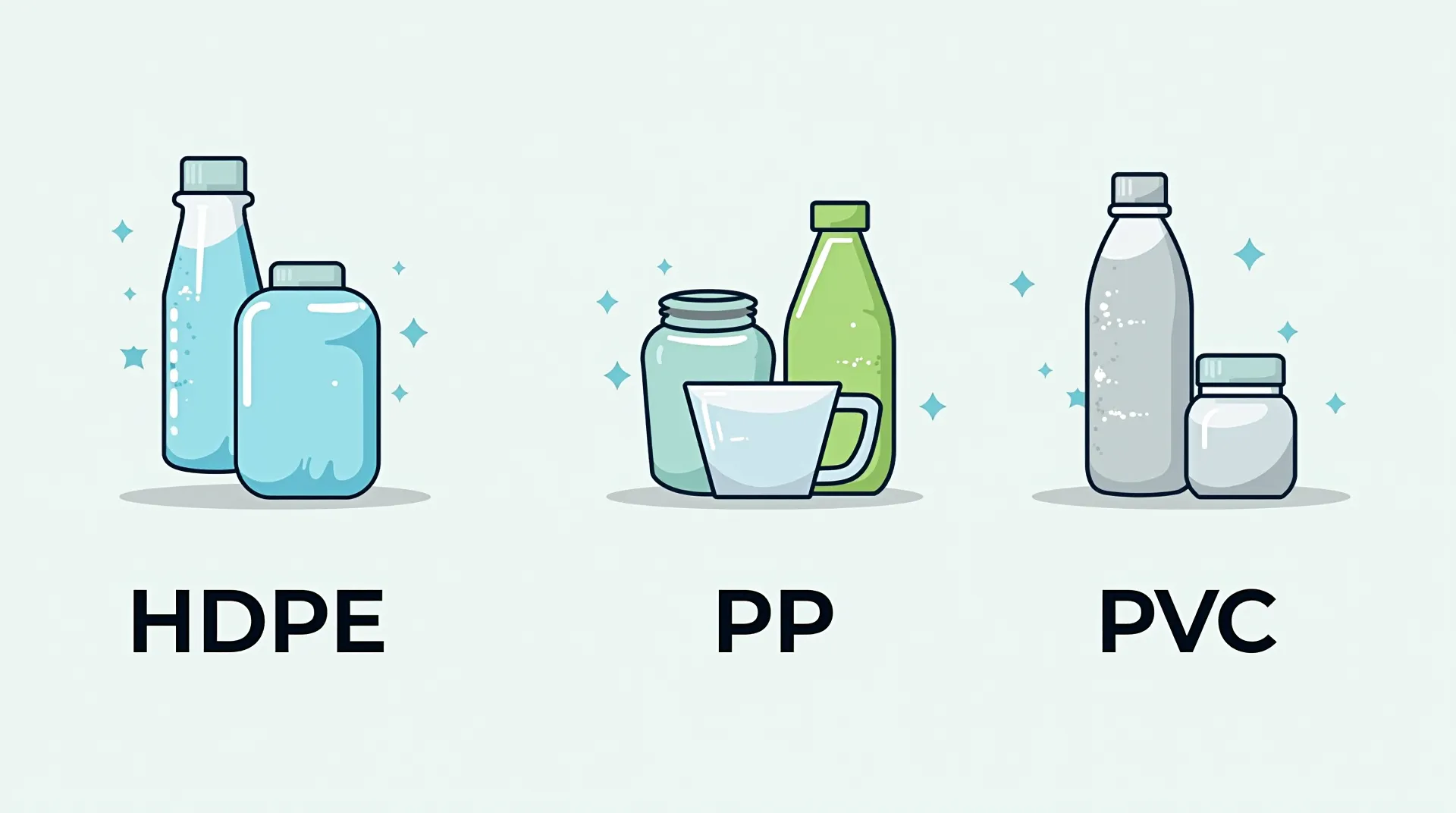
Rigid plastics are foundational materials across a multitude of industries, prized for their exceptional durability, versatility, and manufacturing efficiency. They are integral to countless aspects of modern life, from everyday conveniences to sophisticated technological advancements. This exploration focuses on some of the most prevalent rigid plastics, including High-Density Polyethylene (HDPE), Polypropylene (PP), and Polyvinyl Chloride (PVC), detailing their distinct characteristics and diverse applications.
1. High-Density Polyethylene (HDPE) – The Tough & Reliable Choice
Core Properties & Advantages:
- High Strength-to-Density Ratio: Delivers exceptional strength while remaining lightweight, providing an optimal balance for load-bearing applications.
- Excellent Chemical Resistance: Exhibits outstanding resilience against a wide array of solvents, acids, and bases, making it suitable for chemically demanding environments.
- Superior Moisture Resistance: Absorbs negligible water, rendering it ideal for humid conditions or liquid packaging.
- Durable and Impact Resistant: Its robust nature allows it to withstand significant impacts without cracking or breaking easily.
Common Application Areas:
- Containers and Bottles: Essential for everyday items like milk jugs and detergent bottles, valued for their safety and reliability.
- Pipes and Fittings: Extensively used in plumbing and irrigation systems due to their proven durability.
- Plastic Lumber: Employed for outdoor furniture, decking, and playground equipment, offering both aesthetic appeal and weather resistance.
- Children’s Toys: Frequently chosen for durable toys owing to its high strength and non-toxic properties.
2. Polypropylene (PP) – The Lightweight & Heat-Resistant All-Rounder
Core Properties & Advantages:
- High Melting Point: Suitable for applications involving elevated temperatures, such as microwaveable food containers.
- Excellent Fatigue Resistance: Capable of enduring repeated bending without failure, exemplified in bottle cap hinges.
- Broad Chemical Resistance: Effectively resists many common acids, bases, and organic solvents.
- Lightweight: Possesses a lower density than many other plastics, contributing to lighter end products.
Common Application Areas:
- Automotive Parts: Used for bumpers, battery cases, and interior components, effectively balancing lightweight design with durability.
- Packaging: Ideal for food containers, caps, and closures, ensuring product safety and hygiene.
- Textiles: Features in carpets, upholstery, and non-woven fabrics, showcasing its versatility.
- Medical Devices: Employed in syringes and laboratory equipment, favored for its sterilizability.
3. Polyvinyl Chloride (PVC) – The Versatile & Economical Material
Core Properties & Advantages:
- Versatile Mechanical Properties: Can be formulated to be either rigid or flexible, depending on the additives used.
- Good Chemical Resistance: Demonstrates resistance to acids, bases, and salts.
- Effective Electrical Insulator: Serves as an ideal insulating material for various electrical applications.
- Durable and Long-Lasting: Resists environmental degradation effectively, ensuring a long service life.
Common Application Areas:
- Construction Materials: Widely used for pipes, window frames, and siding due to its economy and practicality.
- Electrical Cable Insulation: Protects electrical wiring, enhancing electrical safety.
- Medical Devices: Utilized for blood bags, tubing, and containers, known for safety and reliability.
- Consumer Goods: Found in credit cards, toys, and various household items, available in diverse forms.
4. Polyethylene Terephthalate (PET/PETE) – The Clear & Strong Packaging Star
Core Properties & Advantages:
- High Tensile Strength: Offers a combination of strength and light weight, resulting in robust and durable products.
- Excellent Barrier Properties: Provides good resistance to gases and moisture, crucial for preserving freshness in packaging.
- Highly Recyclable: Stands as one of the most widely recycled plastics, significantly contributing to environmental protection efforts.
- Transparent and Glossy Finish: Offers an aesthetically pleasing appearance for packaging, enhancing product appeal.
Common Application Areas:
- Beverage Bottles: The predominant material for soft drink and water bottles.
- Food Packaging: Used for trays, containers, and clamshell packaging, ensuring safety and hygiene.
- Textiles: Processed into polyester fibers for clothing and upholstery.
- Electronics: Incorporated into components within electronic devices due to its insulating properties.
5. Polystyrene (PS) – The Lightweight & Insulating Molding Expert
Core Properties & Advantages:
- Rigid and Transparent: Typically clear and hard, offering good visual appeal for many products.
- Good Insulator: Provides excellent thermal and electrical insulation.
- Easy to Mold and Shape: Its moldability makes it suitable for creating intricate designs.
Common Application Areas:
- Packaging Materials: Includes foam packaging, disposable cutlery, and CD cases.
- Consumer Electronics: Forms housings for televisions, computers, and appliances.
- Medical Equipment: Used for disposable items like syringes and laboratory containers.
- Toys and Models: Chosen for detailed and lightweight items due to its ease of molding.
6. Acrylonitrile Butadiene Styrene (ABS) – The Tough & Impact-Resistant Engineering Plastic
Core Properties & Advantages:
- High Impact Resistance: Exceptionally tough and resistant to physical impacts and shocks.
- Good Dimensional Stability: Maintains its shape effectively under stress and temperature variations.
- Easily Molded and Machined: Facilitates the manufacturing of complex parts with precision.
- Glossy Finish: Can be produced with a high-gloss surface, suitable for aesthetically driven products.
Common Application Areas:
- Automotive Parts: Includes dashboard components, wheel covers, and interior trims.
- Consumer Electronics: Forms durable housings for computers, printers, and gaming consoles.
- Toys: LEGO bricks are a renowned example of ABS’s application in durable toys.
- Household Appliances: Used in parts for vacuum cleaners, refrigerators, and washing machines.
7. Polycarbonate (PC) – The Exceptionally Strong High-Performance Material
Core Properties & Advantages:
- Exceptional Impact Resistance: Virtually unbreakable, offering superior protection even under extreme conditions.
- High Transparency: Provides a clear, glass-like appearance.
- Heat Resistant: Capable of withstanding high temperatures without deforming.
- Good Electrical Insulator: Suitable for a variety of electronic applications requiring insulation.
Common Application Areas:
- Safety Equipment: Used in helmets, bulletproof glass, and protective shields.
- Optical Discs: The material of choice for CDs, DVDs, and Blu-ray discs.
- Automotive and Aerospace Components: Valued for creating lightweight yet strong parts.
- Electronics: Features in smartphone screens, laptop casings, and other display devices.
Quick Comparison of Common Rigid Plastics
| Plastic Type | Density (g/cm³) | Tensile Strength (MPa) | Common Applications |
| HDPE (High-Density Polyethylene) | 0.93–0.97 | 20–37 | Bottles, pipes, plastic lumber |
| PP (Polypropylene) | 0.90–0.92 | 30–50 | Automotive parts, packaging, textiles |
| PVC (Polyvinyl Chloride) | 1.16–1.58 | 50–60 | Pipes, electrical insulation, medical devices |
| PET (Polyethylene Terephthalate) | 1.38–1.40 | 55–75 | Beverage bottles, textiles, electronics |
| PS (Polystyrene) | 1.04–1.06 | 30–50 | Packaging, electronics housings, toys |
| ABS (Acrylonitrile Butadiene Styrene) | 1.04–1.06 | 40–50 | Toys, electronics, automotive parts |
| PC (Polycarbonate) | 1.20–1.22 | 60–70 | Safety equipment, optical discs, electronics |
Note: The values provided are approximate and can vary based on specific formulations and manufacturing processes.
Environmental Considerations: Rigid Plastics & a Sustainable Future
While the advantages of rigid plastics are numerous, their environmental impact is a significant consideration. We are committed to advancing sustainable development through dedicated practices:
- Enhancing Recyclability: Plastics such as PET and HDPE are highly recyclable. We are dedicated to improving recycling efficiency, thereby reducing waste and conserving valuable resources.
- Optimizing Production: We continuously explore more energy-efficient and environmentally conscious production processes to lessen dependence on non-renewable resources.
- Responsible Waste Management: For plastics that are challenging to recycle, we actively seek appropriate disposal methods designed to minimize their environmental persistence and protect ecosystems.
Our Commitment to Sustainable Practices:
- Promoting Recycling Programs: We encourage broad societal participation in rigid plastic recycling initiatives to collectively lessen the environmental burden.
- Investing in Biodegradable and Innovative Materials: We focus on and invest in the research and development of biodegradable plastics and other eco-friendly alternatives, diligently seeking greener material solutions.
- Advocating for Rational Usage: We promote the selection of reusable products and the minimization of single-use plastic consumption, aiming to contribute to environmental protection at the source.
Conclusion: Smart Choices, Shaping the Future Together
From the resilience of HDPE to the formidable strength of PC, each type of rigid plastic fulfills a critical role in modern industry and daily life, distinguished by its unique set of properties. A thorough understanding of their characteristics and applications not only empowers us to make informed material choices tailored to specific needs but also underscores the importance of addressing environmental impacts and championing sustainable development. Through innovative thinking and a responsible approach, we can collectively shape a more sustainable and prosperous future.
