

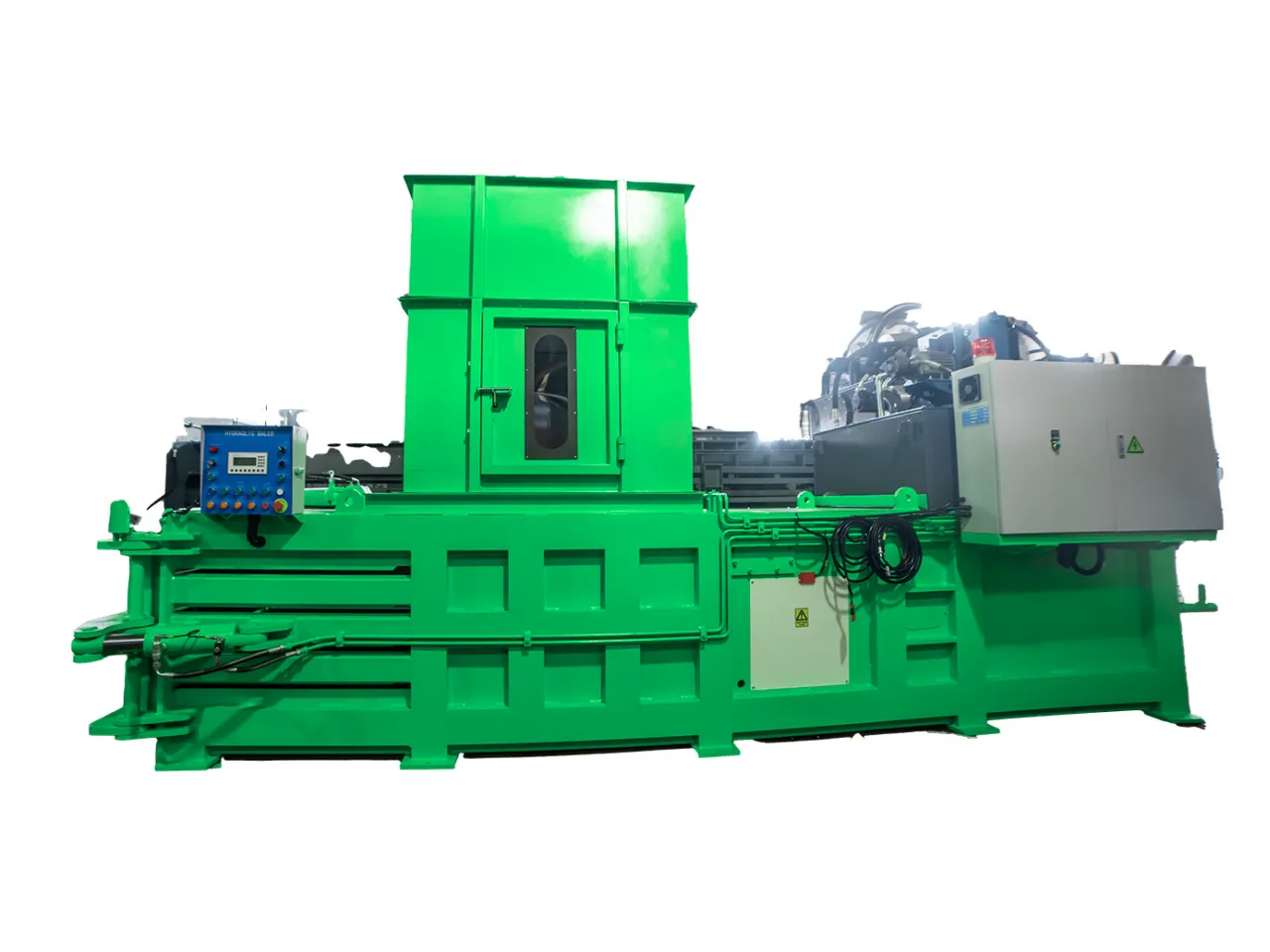
Continuous High-Volume Baling Solutions
Fully Automatic Horizontal Hydraulic Baler
A fully automatic horizontal baler designed for continuous, high-volume compaction of OCC, paper, cardboard, plastic film, PET bottles, and other loose recyclable materials. With conveyor feeding, automatic tying, adjustable bale length, and dense bale output, it helps large recycling operations reduce labor dependence and improve transport efficiency.
Why Choose a Fully Automatic Horizontal Baler
When the site handles large and continuous material flow, the goal is not just compaction. The real advantage comes from automating feeding, tying, and bale consistency so the entire waste-handling operation runs with less interruption.
Continuous Automatic Operation
Conveyor feeding, photoelectric sensing, and automatic tying reduce manual intervention and let the machine operate as part of a larger continuous handling system.
Dense, Uniform Bale Output
The hydraulic system and anti-slide design help produce more stable bales, which improves loading efficiency and lowers storage and freight cost.
Faster Cycles at Lower Operating Effort
Differential hydraulic design helps shorten no-load cycle time while reducing the labor intensity of high-volume baling work.
Built for Heavy-Duty Throughput
The heavy-duty frame, trunnion-mounted main cylinder, and industrial-grade hydraulic system support long production runs in demanding recycling environments.
Adjustable Bale Length and Control Logic
The PLC system lets operators adapt bale length and monitor machine status, making the baler easier to integrate into different plant layouts and bale standards.
Better Fit for Large-Scale Sites
Compared with batch baling, this architecture makes sense when daily material flow is high enough to justify automation and continuous feeding.
Typical Materials and Use Cases
This machine is intended for facilities where recyclable material is generated or consolidated continuously rather than in small batch quantities.
OCC and Waste Paper
A strong fit for cardboard, cartons, paper, and other large-volume fiber waste streams requiring dense outbound bales.
Plastic Film and Packaging Scrap
Useful where large amounts of packaging film, trim, and flexible plastic waste must be compacted continuously for transport or resale.
PET Bottles and Hollow Containers
Suitable for high-volume bottle streams where conveyor-fed loading and automatic tying improve plant throughput.
Large Recycling Facilities
Best matched to MRFs, paper plants, plastic recycling hubs, and industrial waste centers running continuous material flow.
Freight and Storage Optimization
Helps produce more transport-efficient bales when shipping cost and storage density are major commercial priorities.
Conveyor-Fed Waste Handling Lines
Works especially well where infeed conveyors, sorting platforms, and downstream bale logistics are already part of the plant design.
How the Fully Automatic Horizontal Baling Process Works
The machine is designed to convert a continuous loose feed stream into consistent finished bales with minimal operator handling.
Feed by Conveyor
Loose waste enters the baler through a conveyor-fed infeed section sized for continuous loading rather than manual batch charging.
Hydraulic Compression
The main ram compresses the incoming material horizontally to build bale density and reduce wasted storage volume.
Control Bale Length
The PLC logic and sensing system control bale length so finished bales stay more consistent for transport and stacking.
Tie the Bale Automatically
Automatic tying and wire tensioning hold the bale securely and reduce the labor required to finish each cycle.
Discharge for Handling and Shipment
Finished bales exit in a consistent format that is easier to store, stack, and move into freight or downstream bale management.
Fully Automatic Horizontal Baler vs Semi-Automatic and Vertical Baling
The three routes solve different scale problems. The wrong choice usually appears when a site buys too little automation for its tonnage, or too much machine for its real daily volume.
| Decision Factor | Fully Automatic Horizontal Baler | Semi-Automatic Horizontal Baler | Vertical PET Baler |
|---|---|---|---|
| Best Fit | Large-scale, continuous baling operations | Mid-scale lines needing horizontal baling with lower automation | Small to mid-scale sites with batch baling demand |
| Feeding Method | Conveyor-fed continuous loading | Organized infeed with more operator involvement | Manual batch loading |
| Tying Method | Automatic tying | Lower automation level | Manual bale tying |
| Labor Reduction | Highest labor savings at scale | Moderate labor savings | More manual handling |
| Investment Logic | Best when throughput and bale output justify full automation | Step-up solution for growing operations | Best when site flexibility and lower initial investment matter more than continuous tonnage |
Technical Specifications
These reference models are aimed at high-volume OCC and mixed recyclable baling. Final throughput depends on material bulk density, infeed consistency, and bale density requirement.
| Model | RTM-600W11075-30 | RTM-800W11075-50 |
|---|---|---|
| Main Cylinder Force | 60 tons | 80 tons |
| Main Motor Power | 22 kW | 37.5 kW |
| Cycle Time | 24 sec | 16 sec |
| Feed Opening | 1600 x 1050 mm | 1600 x 1050 mm |
| Bale Size | 1100 x 750 mm | 1100 x 750 mm |
| Bale Length | Adjustable | Adjustable |
| Bale Density for OCC | 400 – 500 kg/m3 | 420 – 500 kg/m3 |
| Throughput for OCC | 3 – 7 tons/hr | 4 – 8 tons/hr |
| Tying Wires | 4 lines | 4 lines |
| Wire Diameter | 2.7 – 3.0 mm | 2.7 – 3.0 mm |
| Machine Weight | Approx. 13 tons | Approx. 14 tons |
| Feeding Method | Conveyor belt | Conveyor belt |
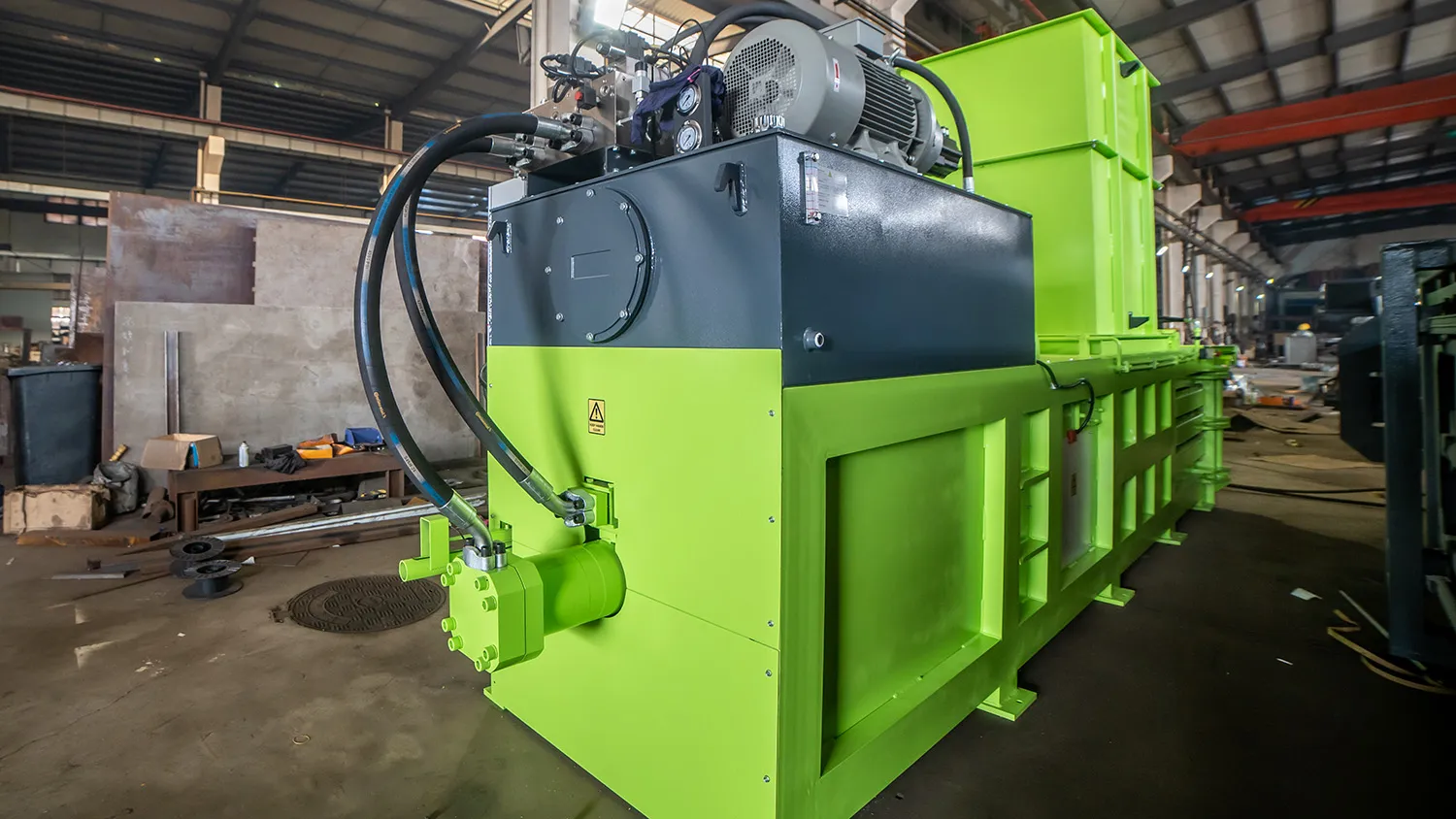
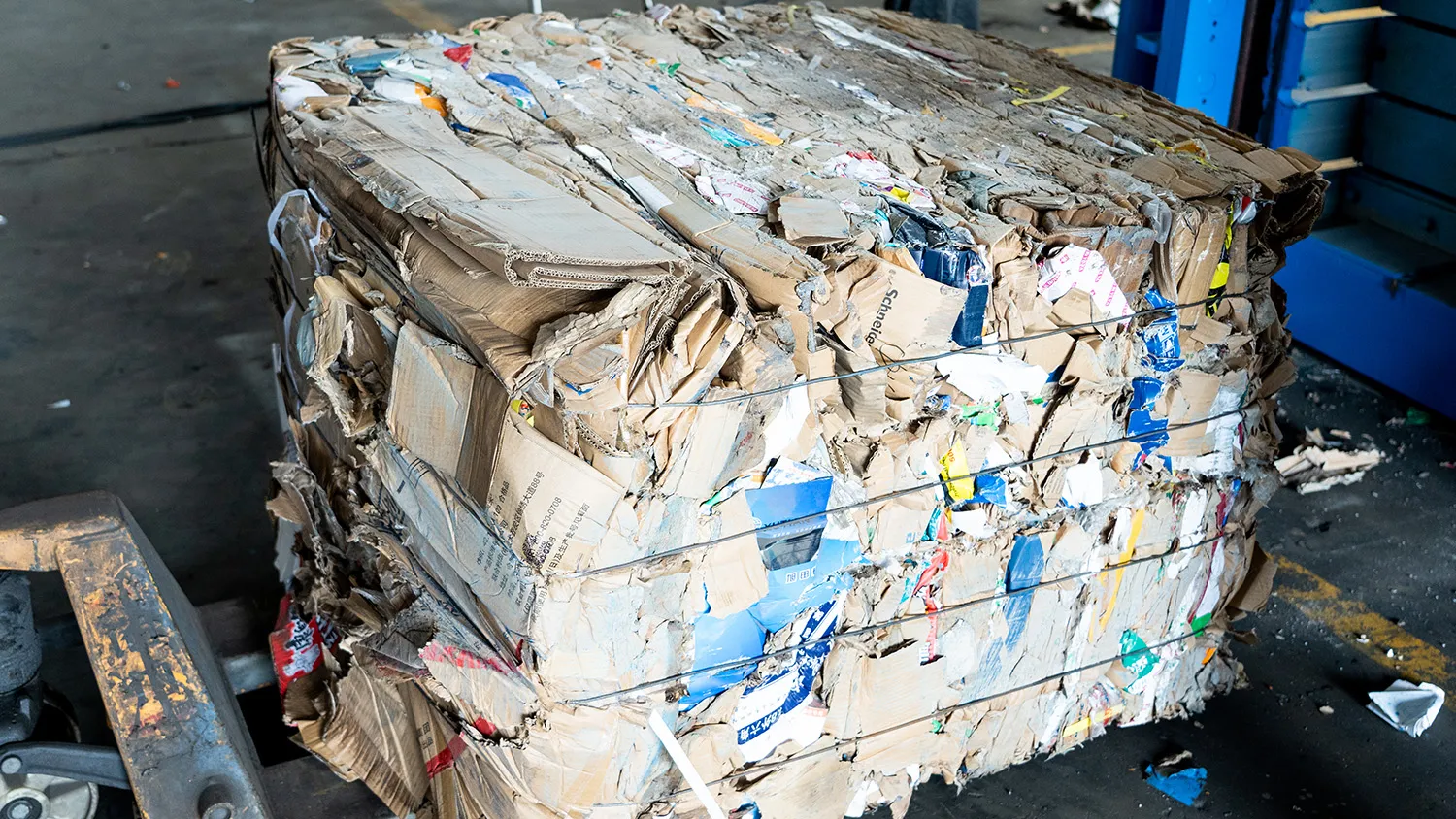
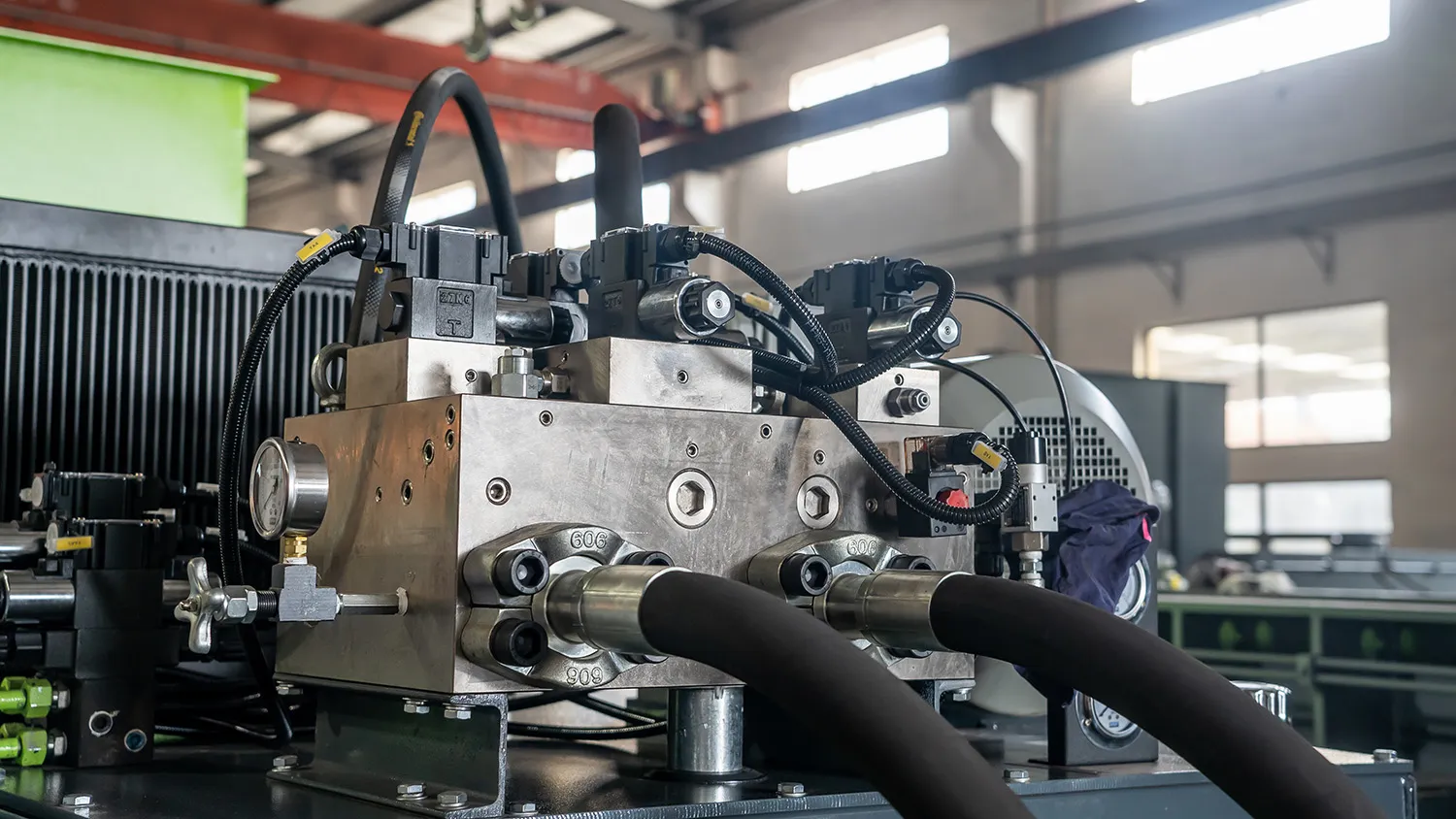
Machine Gallery
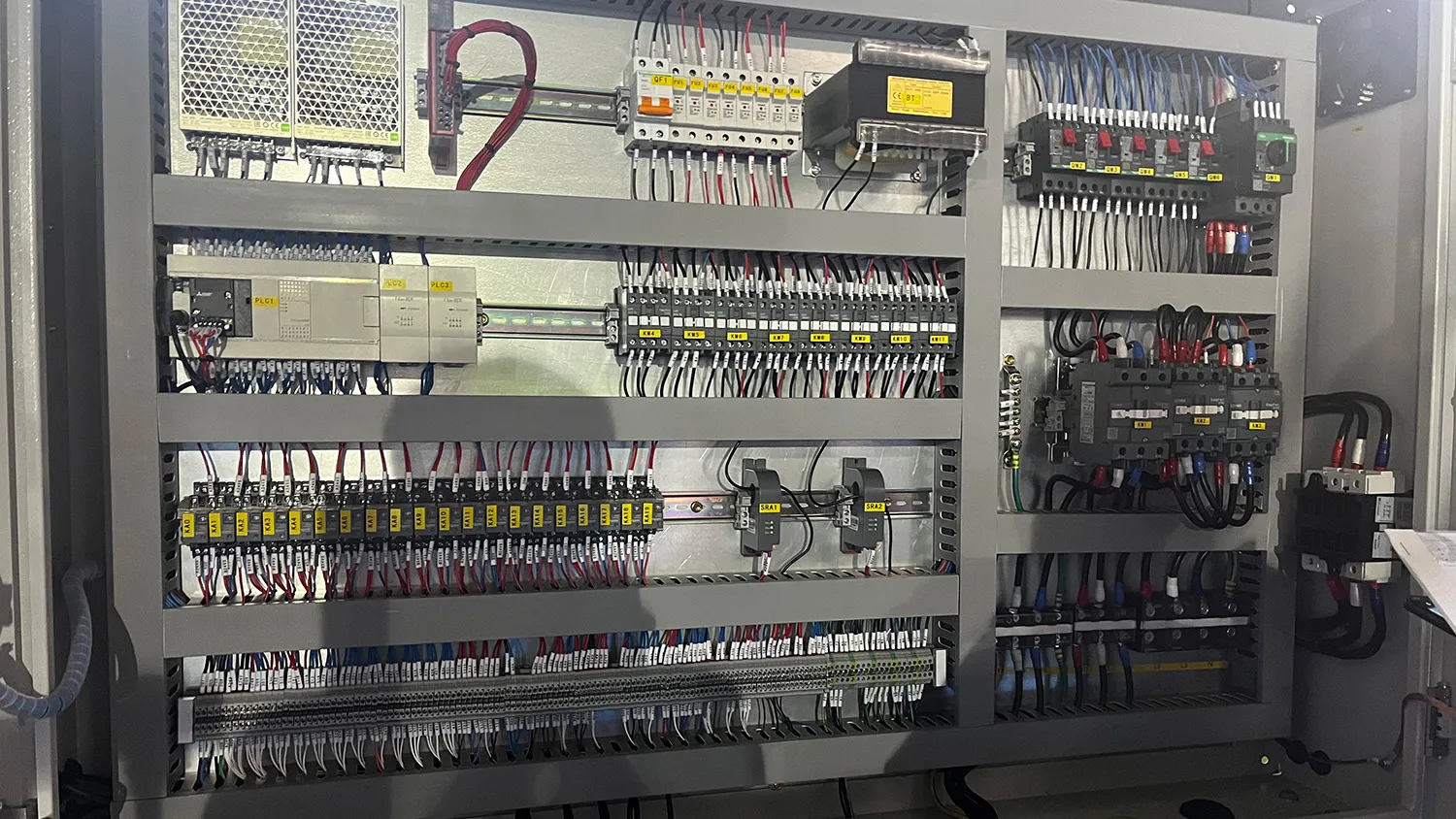
Reference views of the fully automatic horizontal baler, tying section, hydraulic unit, and overall machine layout.
Watch the Baler in Operation
A quick look at how the fully automatic horizontal baler handles continuous material flow and finished bale output.
Frequently Asked Questions
Questions large recycling and waste-management sites usually ask before selecting a fully automatic horizontal baler.
Horizontal balers are designed for higher-volume, continuous operation and are usually conveyor-fed. Vertical balers are more compact, use batch loading, and fit smaller waste volumes or tighter site layouts.
The key inputs are material type, hourly throughput, target bale density, feeding method, and available site space. These factors determine cylinder force, chamber size, and automation level.
The machine typically needs a flat reinforced concrete base, suitable electrical supply, and enough working space for conveyor infeed, bale discharge, maintenance access, and wire handling.
Common applications include OCC, waste paper, cardboard, plastic film, PET bottles, and mixed recyclable streams where dense bale output and continuous feeding are important.
It usually makes sense when material flow is steady and large enough that labor savings, faster cycle time, and more consistent bale output offset the higher equipment investment.
Need a Full-Automatic Baler for Your Site?
Send us your material mix, expected tons per hour, bale target, and facility layout. We will help define the right model, conveyor arrangement, and installation scope.

Comments are closed.