

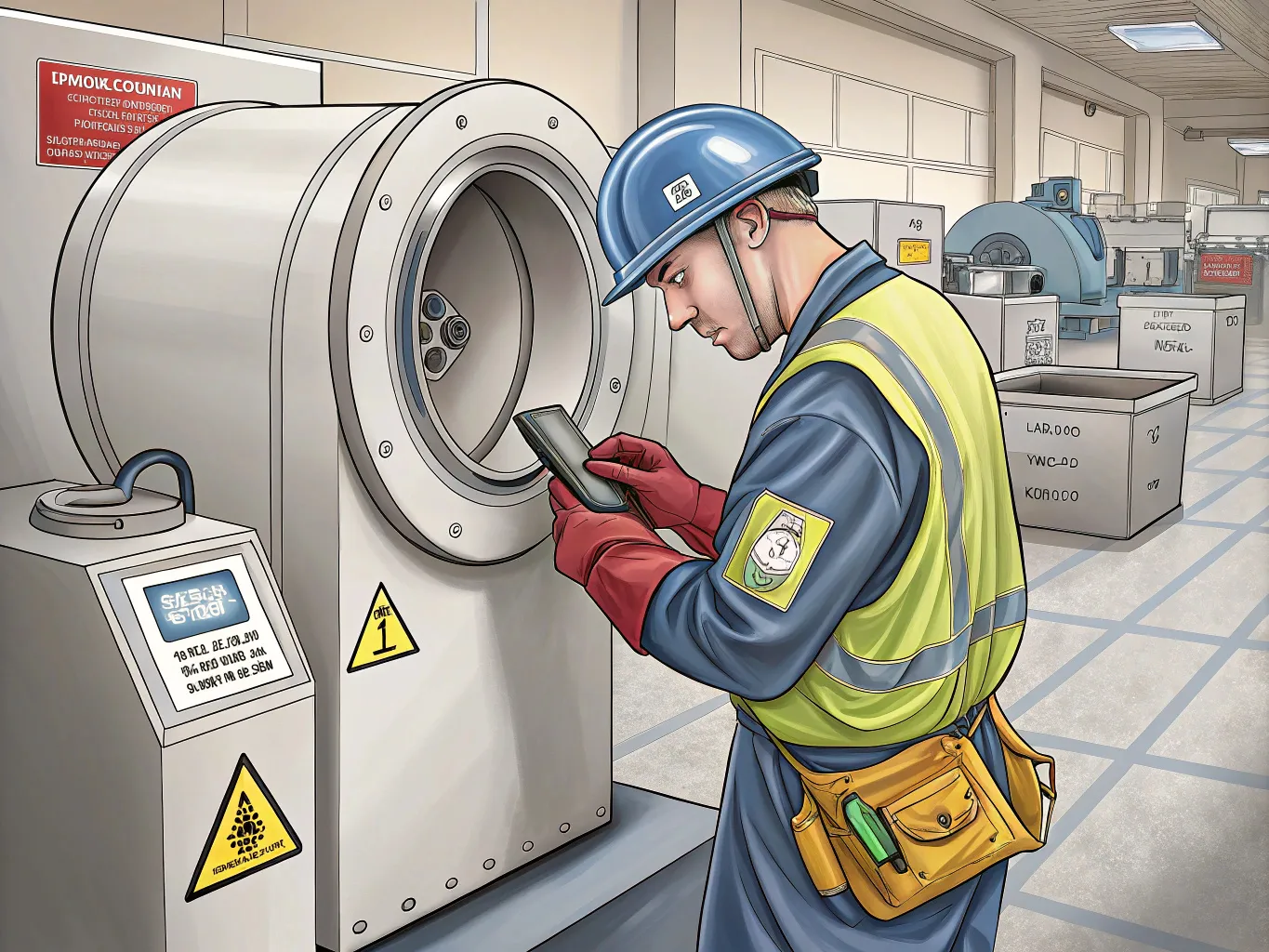
A centrifugal dryer runs fast, sees abrasive fines, and lives in a wet environment. That combination makes it one of the highest-maintenance machines in a washing line—especially when you process post-consumer film, bottles, or label-heavy streams.
The good news: most failures follow predictable patterns. If you keep the rotor clean, the screen healthy, and the bearings protected, a centrifugal dryer can deliver long service life with stable dewatering performance.
Quick Takeaways
- Vibration is a warning sign; do not normalize it.
- Screen baskets wear and blind; plan cleaning and replacement as consumables.
- Bearing contamination causes more failures than “lack of grease” alone.
- Drain and exhaust restrictions can re-wet flakes and accelerate buildup.
- Track a baseline (amps, temperature, vibration/noise) so drift is obvious.
Start With a Baseline (So “Normal” Is Measurable)
Before you talk about longevity, define what “good operation” looks like on your line:
- no-load motor current baseline
- normal operating amps at a stable feed rate
- bearing temperature baseline (or at least a “warm vs hot” reference and trend)
- typical outlet moisture range when upstream conditions are stable
When you have baselines, you catch problems early and avoid “run it until it fails” maintenance.
The Four Failure Modes to Plan Around
1) Rotor imbalance from buildup
Sticky fines, label glue, and sludge can accumulate unevenly on paddles and inner surfaces. That creates imbalance, which increases bearing load and vibration.
What helps: – routine clean-out access (inspection doors you can actually use) – stable upstream separation to reduce paper and fines carryover – a cleaning schedule tied to contamination window (not only calendar time)
2) Screen problems (blinding and wear-through)
Screens are consumables. Blinding reduces open area and raises outlet moisture; wear-through increases plastic loss to wastewater and can send plastic into drain loops.
What helps: – inspection under good lighting – cleaning methods that do not deform the screen – keeping a spare screen set for fast swap during planned downtime
3) Bearing degradation (water + fines + heat)
Bearings fail faster when water and fines enter the lubrication system or when excessive heat damages seals.
What helps: – effective seals and correct lubrication type/interval – clean grease points and disciplined greasing (over-greasing can also damage seals) – basic trending of bearing temperature and vibration/noise
4) Drive system issues (belts, alignment, couplings)
Slipping belts generate heat and reduce effective rotor speed. Misalignment increases vibration and bearing load.
What helps: – belt/coupling inspections – alignment checks after major service – avoiding repeated stop-start cycles that shock the drive train
Symptom-to-Cause Map (Use This During Troubleshooting)
| Symptom | Likely Root Cause | What to Check First |
|---|---|---|
| Outlet flakes suddenly wetter | Drain restriction, screen blinding, feed surges | Drain line, screen condition, inlet loading stability |
| Vibration increases over days | Rotor buildup, uneven wear, bearing deterioration | Clean rotor and inspect for buildup before assuming bearings |
| Hot bearing housings | Seal damage, lubrication issue, misalignment | Seal condition, grease condition/interval, alignment |
| Plastic loss to wastewater | Screen wear-through or incorrect screen | Inspect screen openings and mounting points |
A Practical Maintenance Checklist
| Interval | Task | What You’re Looking For |
|---|---|---|
| Every shift | Listen for unusual noise; check for new vibration and leaks | No new rumble/rattle; no fresh oil/water leaks; stable motor load |
| Weekly | Inspect screen; confirm drain and exhaust are free-flowing | Screen openings clear; no sludge buildup in drain paths |
| Monthly | Inspect belts/couplings and fasteners; verify guarding | No glazing/cracks; fasteners secure; guards intact |
| Quarterly | Trend bearing temperature and vibration/noise; check seals | Stable trend; no rapid increase that suggests damage |
| Annually | Planned stop for deeper inspection and wear-part replacement | Replace screens and seals as needed based on condition and hours |
Lubrication: Simple Rules That Prevent Seal Damage
Bearing issues are often blamed on “not enough grease,” but many failures come from contamination and damaged seals. Keep lubrication simple and consistent:
- use the grease type specified by the supplier (mixing grease types can create separation issues)
- clean grease points before greasing so you do not inject grit
- avoid aggressive over-greasing that can push grease past seals
- record lubrication events so you can connect changes in temperature/vibration to real actions
If your plant has multiple dryers, standardize lubrication practice and keep a baseline log. Consistency is what makes trend changes meaningful.
Upstream and Integration Fixes That Extend Dryer Life
Dryers often “take the blame” for upstream problems. If the same failure repeats, look upstream:
- too many fines/labels: separation and washing control may be letting fines carry over, increasing buildup
- surging feed: unstable feeding makes dewatering inconsistent and increases shock loading
- poor drain design: backpressure and sludge traps re-wet flakes and increase internal residue
If you are planning a line upgrade, Energycle’s recycling washing system overview helps frame the dryer as one module inside the full water and separation plan.
Spare Parts That Prevent Long Outages
Keep these items available (or confirm lead times with your supplier):
- screen basket / screen segments
- belts or coupling elements (depending on drive design)
- bearing and seal kit
- wear paddles (if your design uses replaceable paddles)
When to Stop and Investigate Immediately
Stop and inspect if you observe:
- sudden vibration increase compared to baseline
- bearing temperatures trending upward quickly
- repeated wet output when upstream washing conditions are stable
Running “through” these warnings often turns a manageable wear issue into a rotor or bearing failure.
For line integration support and service planning, contact Energycle via its contact page.
FAQ (Real Procurement Questions)
1) What maintenance items should I require when I buy a new centrifugal dryer?
Require a written maintenance schedule and a wear-parts list with lead times, not just a “manual included” promise. Ask the supplier to define inspection access points, screen type and expected life range on your contamination window, and the lubrication specification (grease type, interval, and where to grease). Also ask what baseline values you should record at commissioning: no-load amps, normal operating amps, and bearing temperature expectations. Finally, confirm what guarding and safety interlocks are included, because a machine that is hard to service safely is a machine that will not be maintained consistently.
2) How do I choose screen type and hole size for my dryer?
Choose screen configuration based on the polymer stream, fines level, and downstream requirements. A more restrictive screen can reduce carryover and protect wastewater systems, but it can blind faster on label glue and fines and may raise outlet moisture if it restricts flow. A larger opening can reduce blinding risk but may allow more plastic loss and carryover. Ask the supplier to recommend a screen for your contamination window and to describe the cleaning method and expected cleaning interval. Budget a spare screen set so you can swap during planned downtime rather than extending a shutdown.
3) What are the warning signs that bearings are failing (before a breakdown)?
The earliest signs are trend changes: rising temperature, new noise (rumble, grind), and increasing vibration compared with your baseline. You may also see more frequent seal leakage and inconsistent outlet moisture if internal clearances change. Start by checking for rotor buildup and drain restrictions, because those can create vibration that looks like bearing failure. If vibration remains after cleaning and alignment checks, inspect seals and lubrication. Do not keep restarting the machine after trips—repeated shock loading accelerates bearing damage. A small planned stop for inspection is usually cheaper than an emergency failure.
4) Why does my dryer run fine for two weeks and then performance collapses?
This pattern usually points to gradual restriction or buildup: screen blinding, sludge accumulation in drain paths, or fines accumulating on the rotor. The dryer “works” until open area and drainage are reduced enough that moisture rises and vibration increases. Fix it by designing maintenance access and a realistic cleaning routine into operations: inspection doors, clean-out points, and a defined cleaning interval tied to contamination level. Also check upstream: if washing and separation allow too many labels and fines to carry over, the dryer becomes the filter for your entire line, which is not sustainable.
5) What safety requirements should I include in my dryer installation and maintenance plan?
Include guarding and an energy-control procedure for every routine task: screen inspection, cleaning, belt checks, and bearing service. Rotating equipment in wet environments increases slip and entanglement risk, and dryers can restart if controls are reset without proper isolation. Use a lockout/tagout procedure and verify zero energy state before opening guards or reaching inside. OSHA’s guidance on machine guarding and lockout/tagout is a useful baseline when you build your plant procedure and confirm what safety devices the supplier includes.
