Plastic pelletizer pricing varies because pelletizers are built around the material. A line designed for clean post-industrial scrap is not the same machine as...
PVC recycling maintenance is often harder than PP/PE recycling maintenance for two reasons: abrasive wear (fillers, dirt, grit) and fine dust (especially in gri...
The value of recycled PVC depends less on where the scrap comes from and more on what you can reliably produce: mixed regrind, clean granules, or consistent pow...
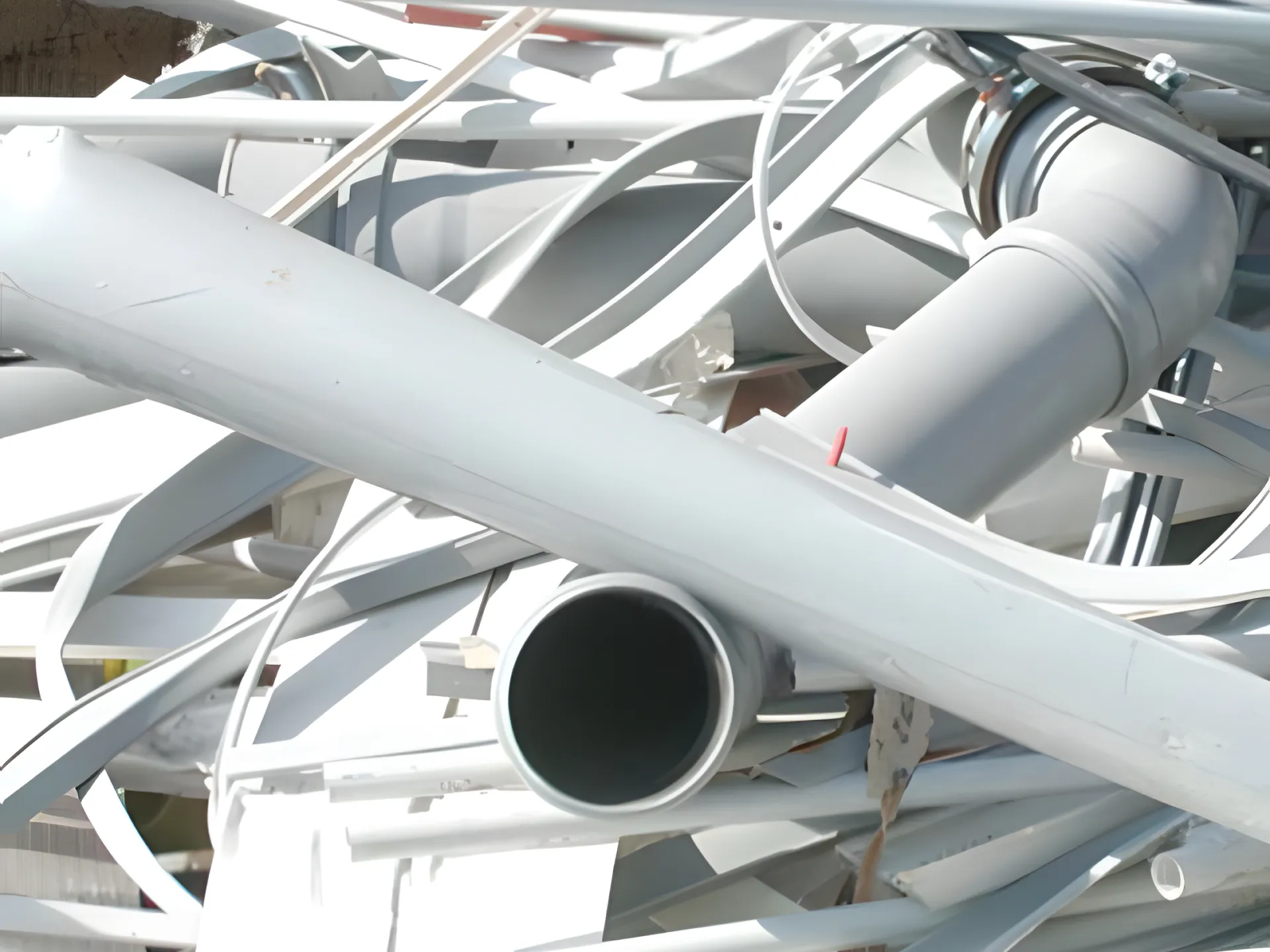
Pipe extrusion plants generate long scrap: start-up material, off-spec lengths, color-change purge, and profile offcuts. Traditional recycling methods often for...
Long PVC pipes and profiles are awkward to handle with standard top-feed granulators. Many plants end up cutting scrap into short sections just to fit the hoppe...
PVC (polyvinyl chloride) is widely used in construction and industrial products, which means it often appears in environmental discussions about plastics. Some...
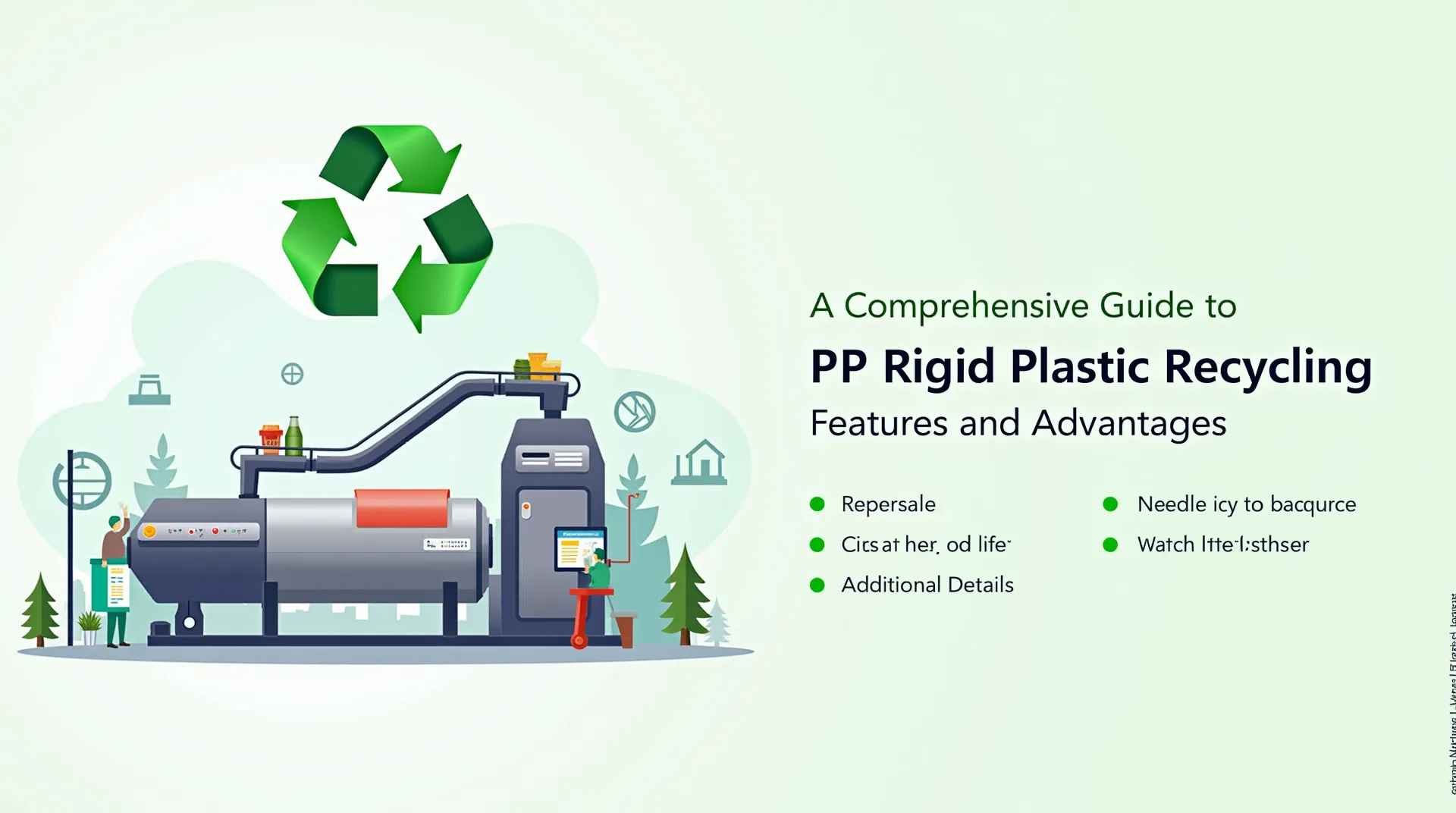
PP rigid scrap can be a profitable feedstock—if you control contamination, moisture, and polymer mix. For plant managers and industrial buyers, the “right�...
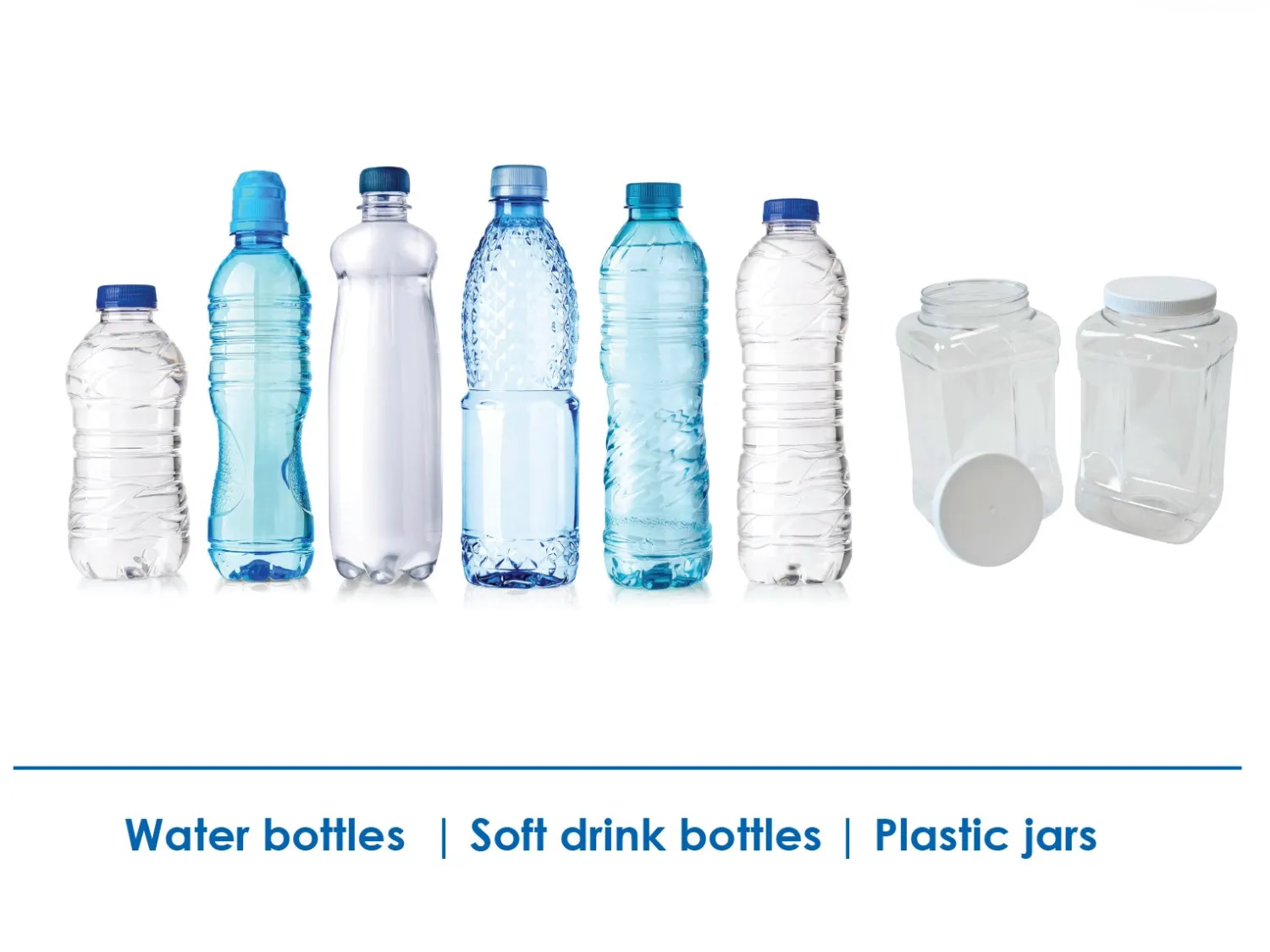
PET projects succeed when you design backward from the end market. “A PET recycling machine” can mean anything from a basic wash plant that sells hot-washed...
PET recycling equipment keeps moving toward tighter quality control. The driver is simple: more brands and regulators want higher recycled content in packaging,...
“Efficiency” in PET recycling is not only about running faster. It’s about producing sellable rPET flake or pellets consistently with minimal downtime and...