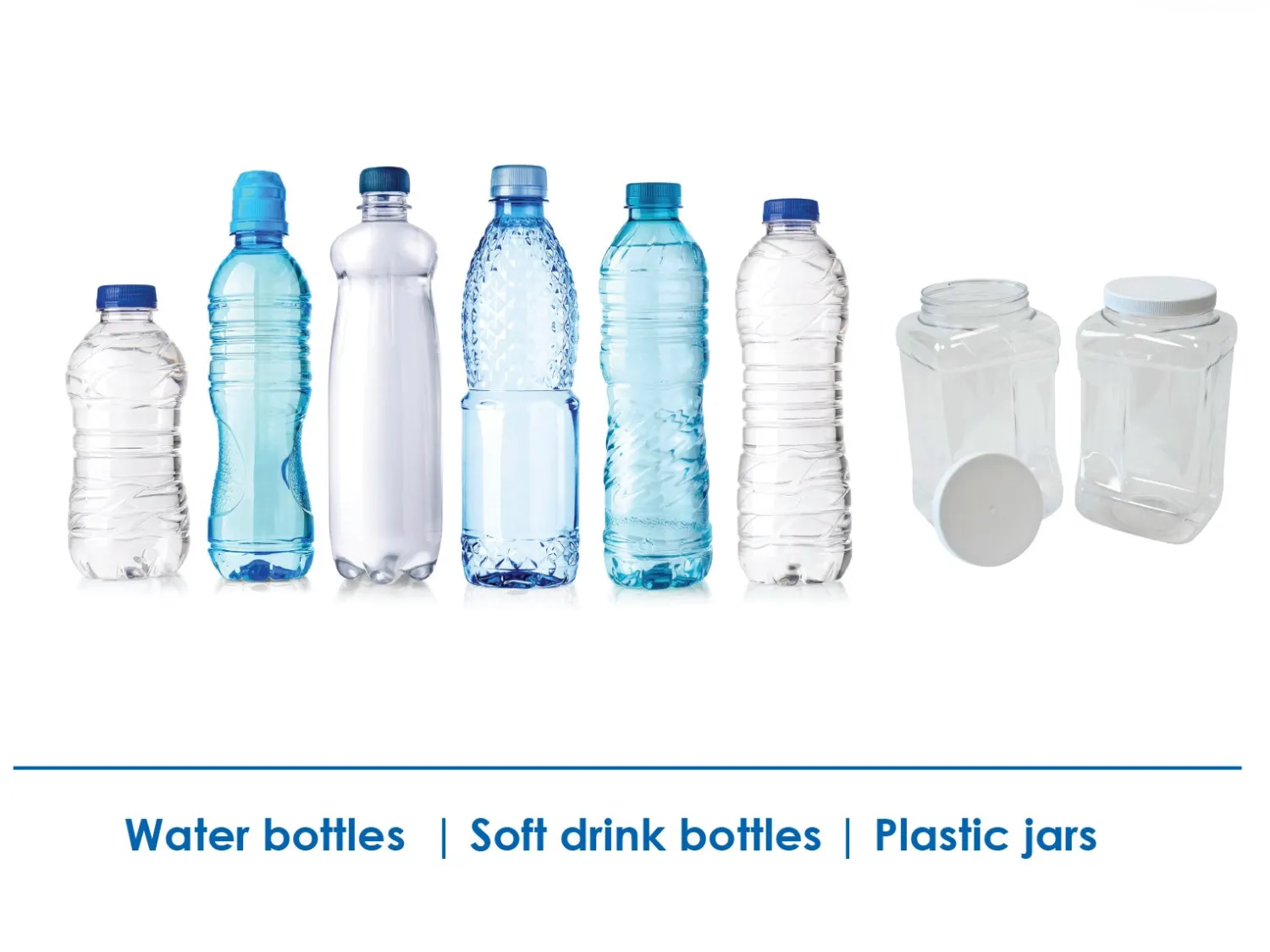
PET projects succeed when you design backward from the end market. “A PET recycling machine” can mean anything from a basic wash plant that sells hot-washed...
PET recycling equipment keeps moving toward tighter quality control. The driver is simple: more brands and regulators want higher recycled content in packaging,...
“Efficiency” in PET recycling is not only about running faster. It’s about producing sellable rPET flake or pellets consistently with minimal downtime and...
Industrial shredder blades are the teeth of your recycling operation. When they dull, your entire production line slows down, energy costs spike, and output qua...
Every percentage point of recovery matters when you’re processing thousands of tons per year. If you purchase 1,000 tons of baled plastic and only sell 70...
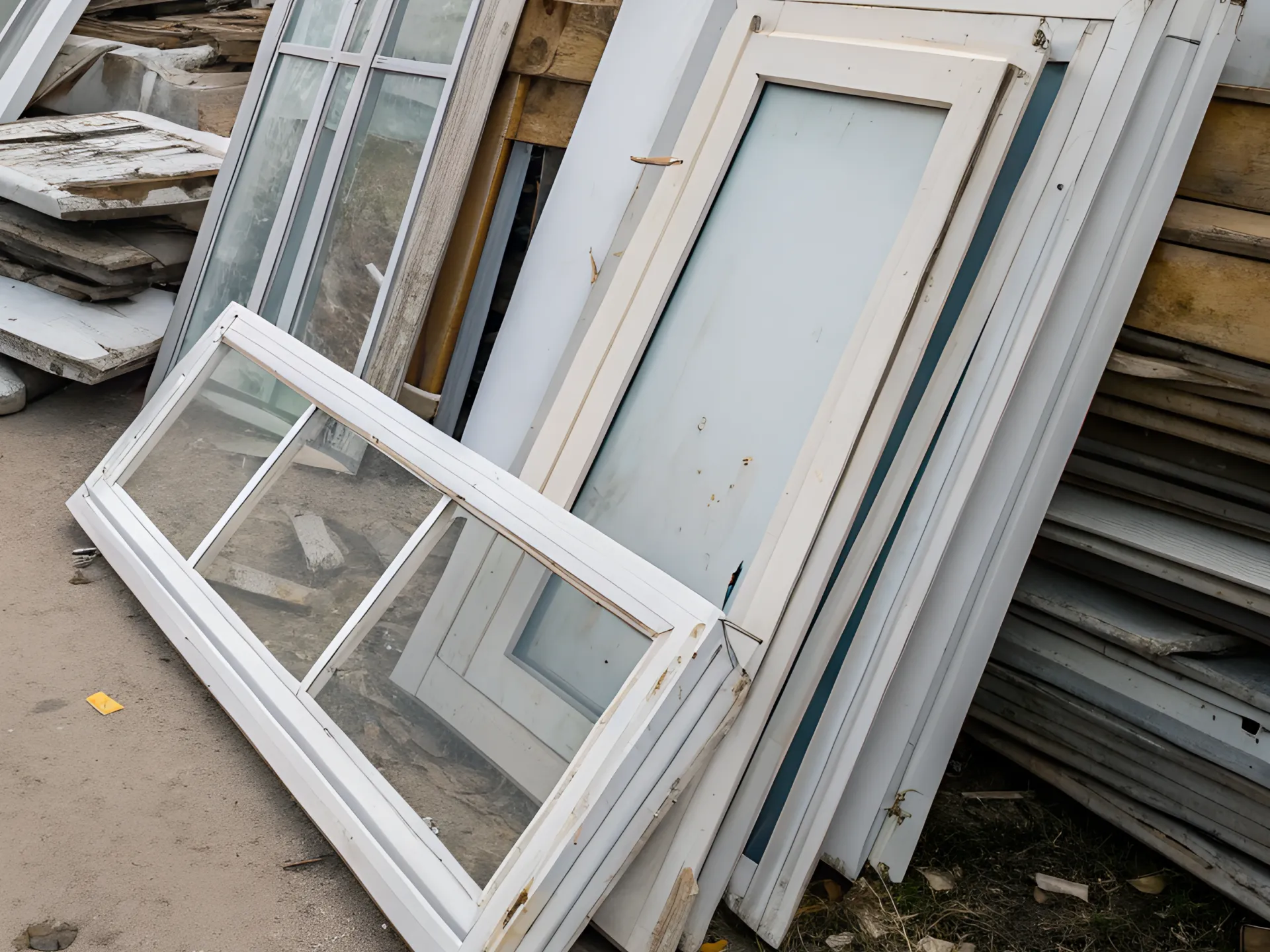
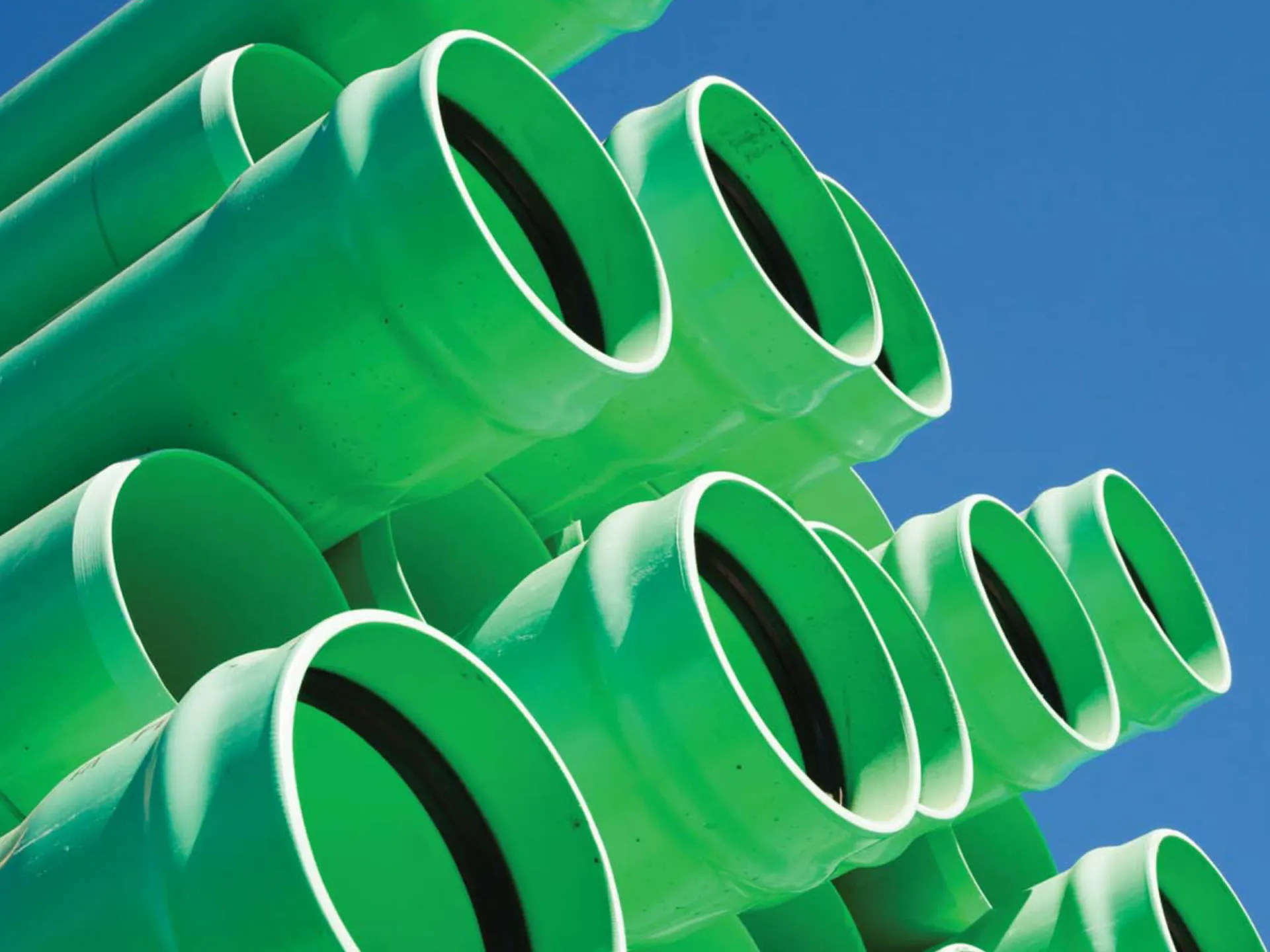
PVC is widely used in long-life applications such as pipes, profiles, and building products. When that material reaches end of life, recyclers and manufacturers...
Polyvinyl Chloride (PVC) is a cornerstone material in modern infrastructure, from underground piping to window profiles. However, its complex formulation—ofte...
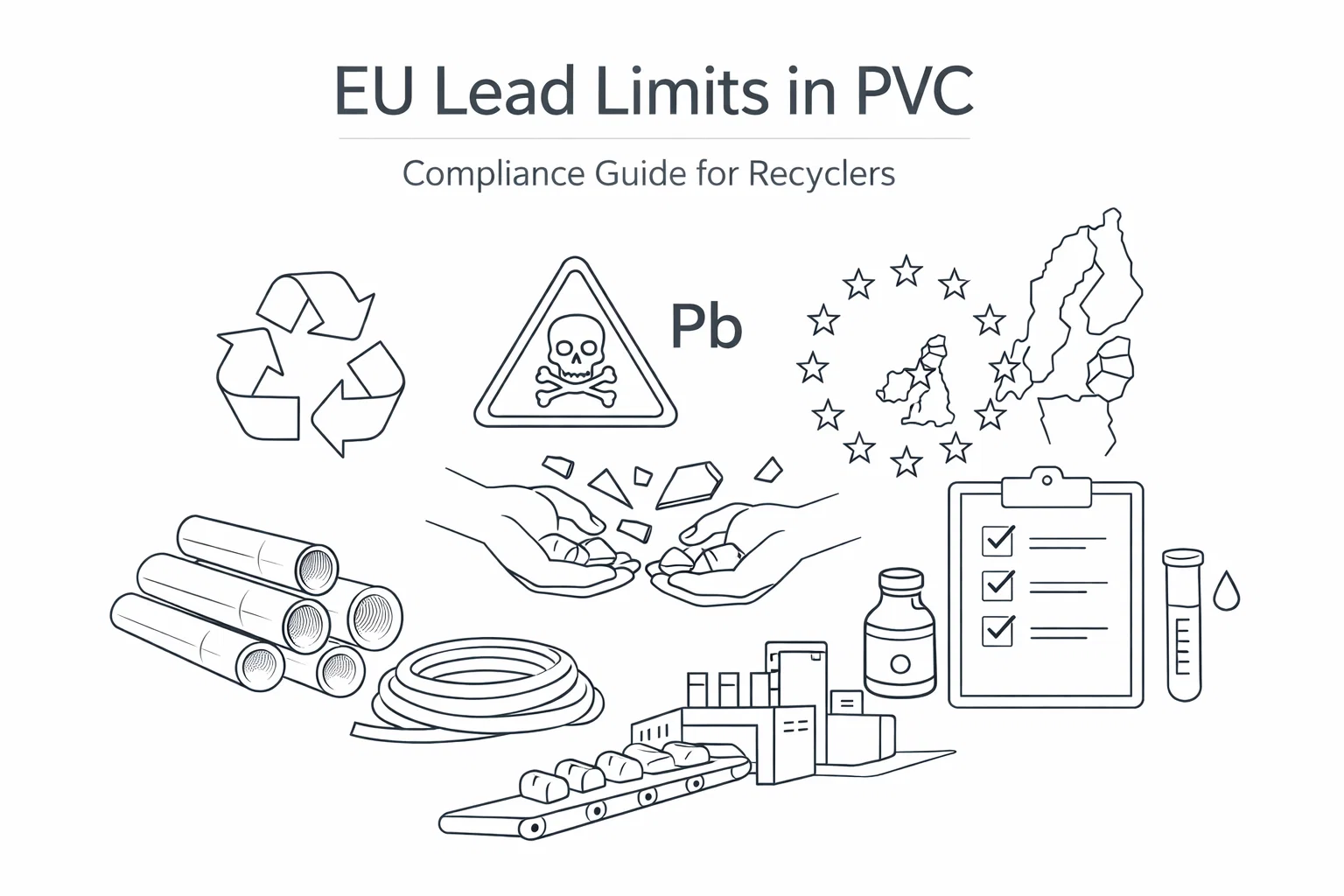
Some older PVC products—especially in building applications—used lead-based stabilizers. As those products reach end of life, recyclers can encounter “leg...
Expanded polystyrene (EPS) is technically recyclable, but it’s often treated as “not worth it” because of one practical issue: volume. Loose EPS is mostly...
Drying is one of the biggest operating costs in a plastic recycling line. The choice is not “centrifugal dryer vs hot air” — and it does not matter whethe...