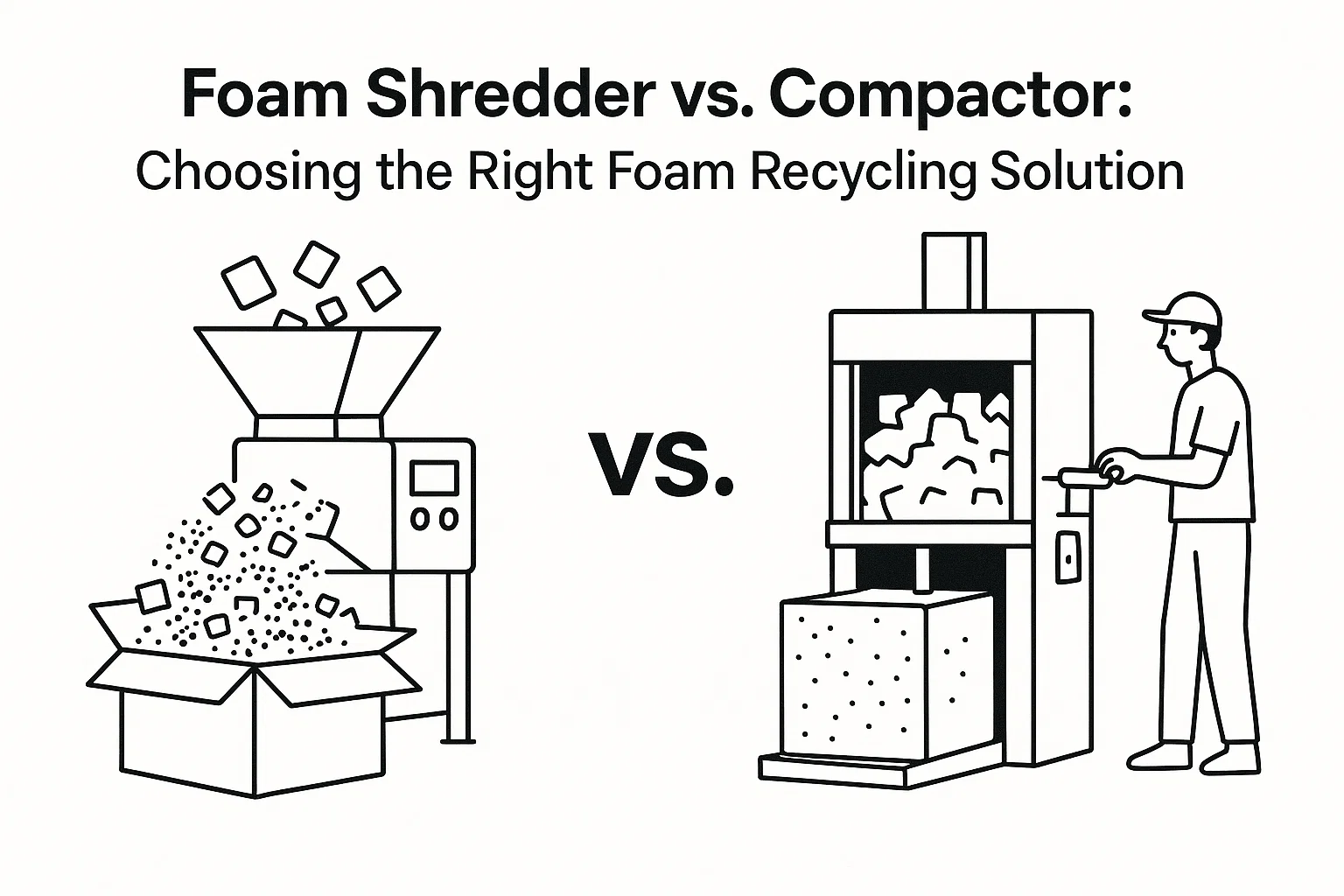
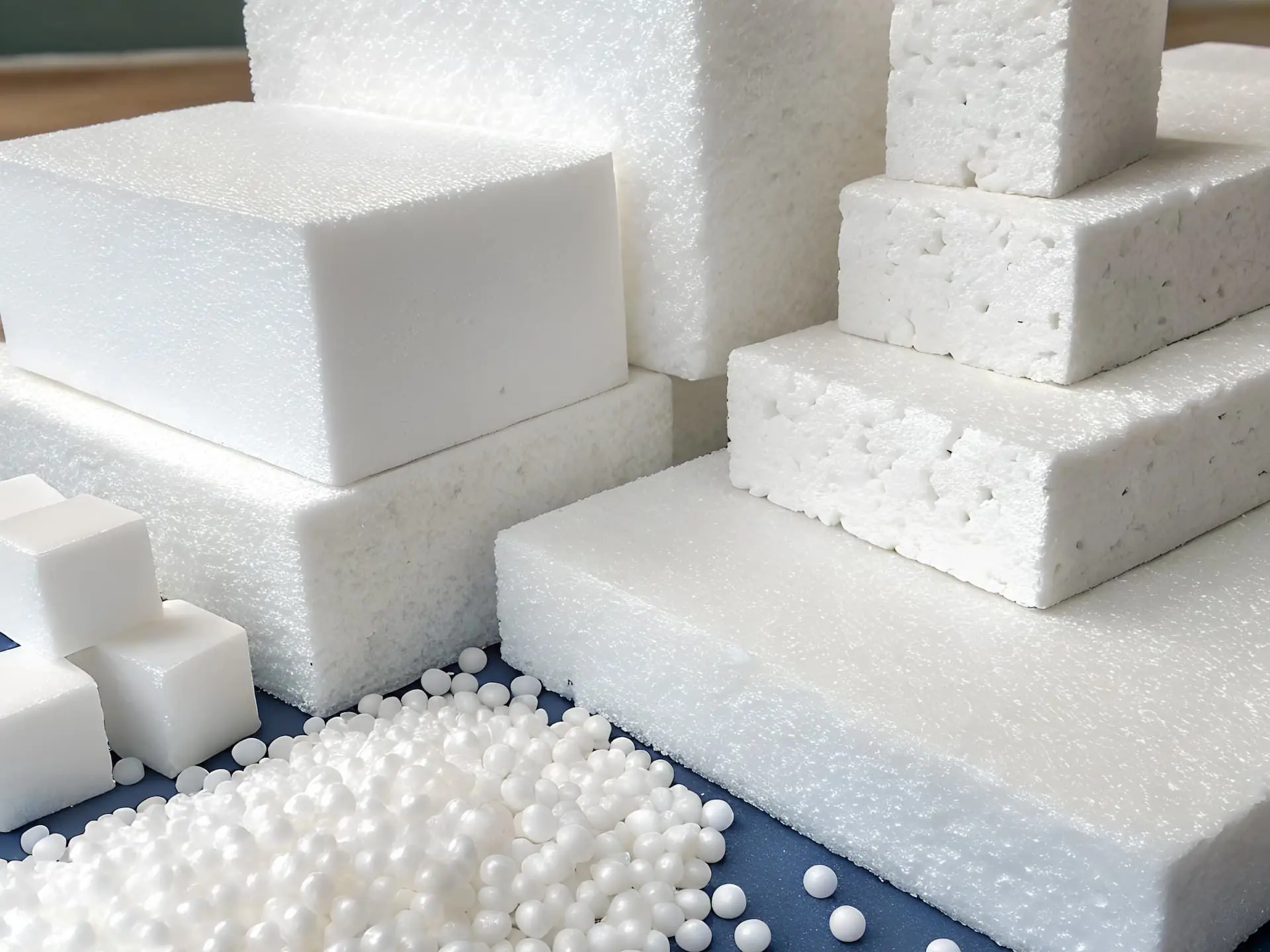
Expanded Polystyrene (EPS/Styrofoam) is mostly air by volume, so logistics often dominate the economics: a 53-foot trailer full of loose EPS can be volume-limit...
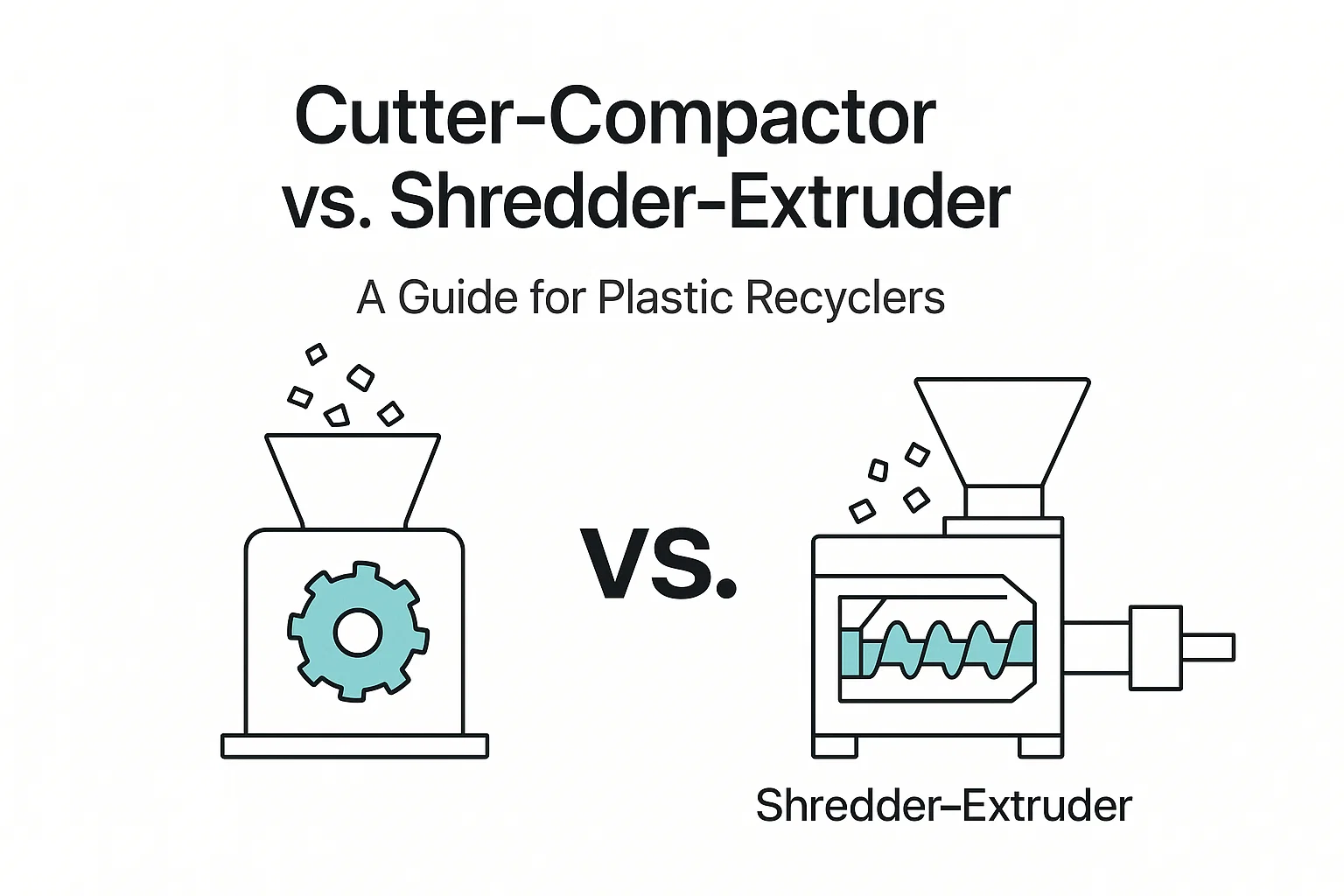
How Each System Works — Technical Principles The two architectures solve the same problem — getting plastic into an extruder at a consistent rate — thr...
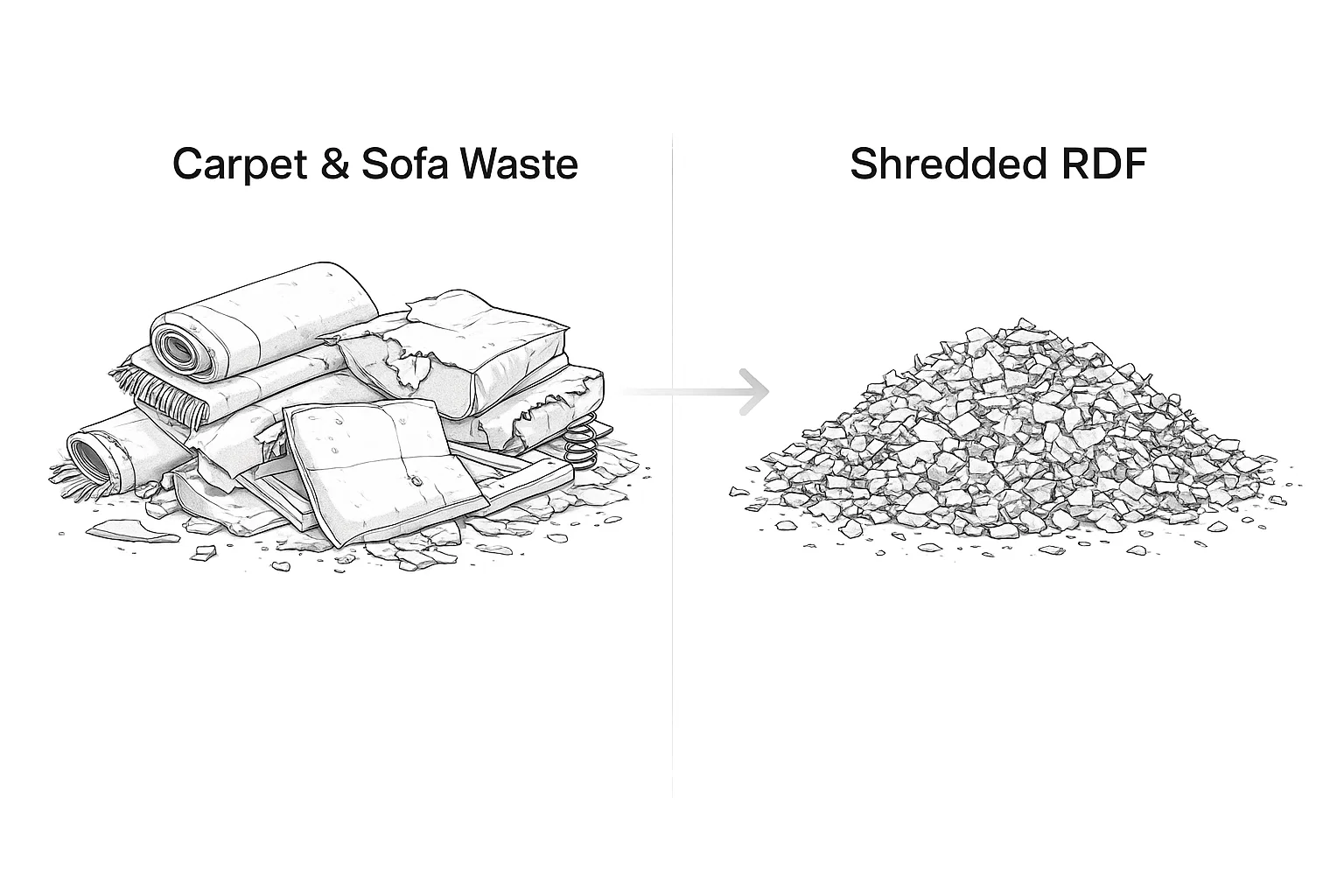
Post-consumer carpet is the “nemesis” of standard shredders. While the face fiber (Nylon, PP, or PET) is tough, the real killer is the backing. Ofte...
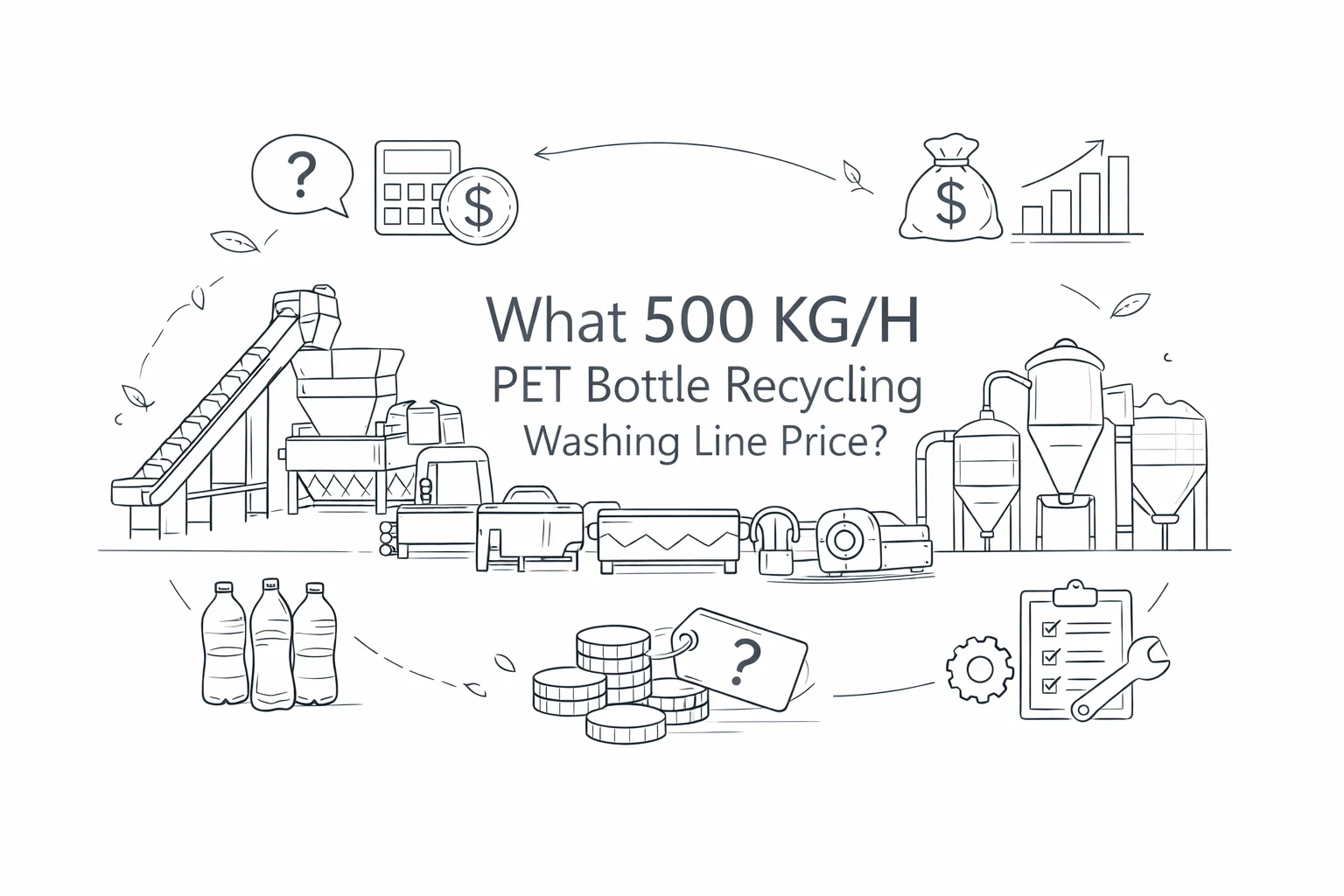
500 KG/H PET Bottle Recycling Washing Line Price (Reference) This page provides a reference price range and a standard configuration list for a 500 kg/h PET...
Flexible Intermediate Bulk Containers (FIBCs)—often called big bags, bulk bags, or jumbo bags—are widely used to move powders and granules in logistics, agr...
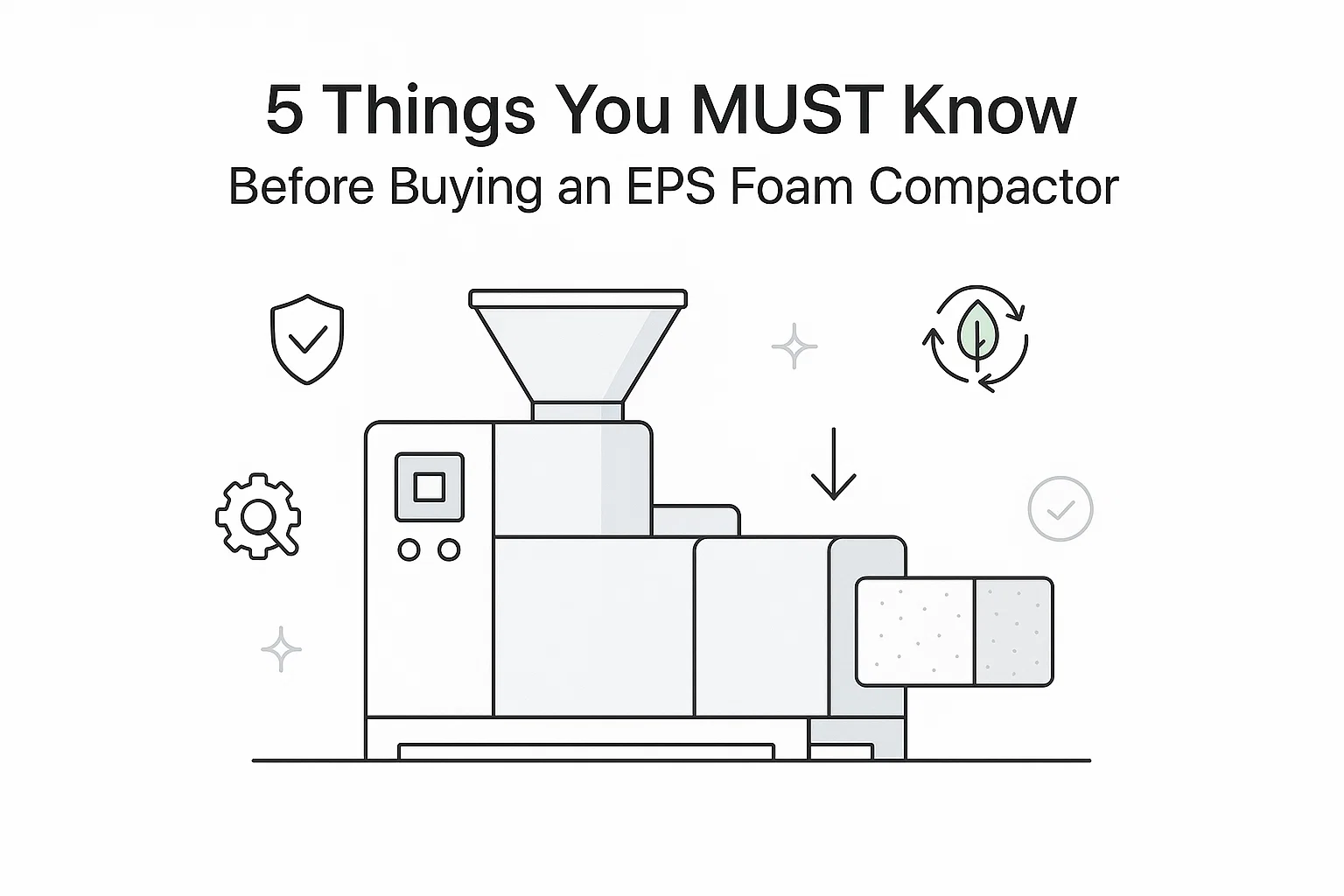
Foam can be recycled, but the answer depends on two things buyers control: foam type and how you handle it at your site. For most operations, the real barrier i...
Expanded polystyrene (EPS) is a classic “big volume, low weight” waste stream. The EPS Industry Alliance summarizes the core problem well: EPS is a lightwei...
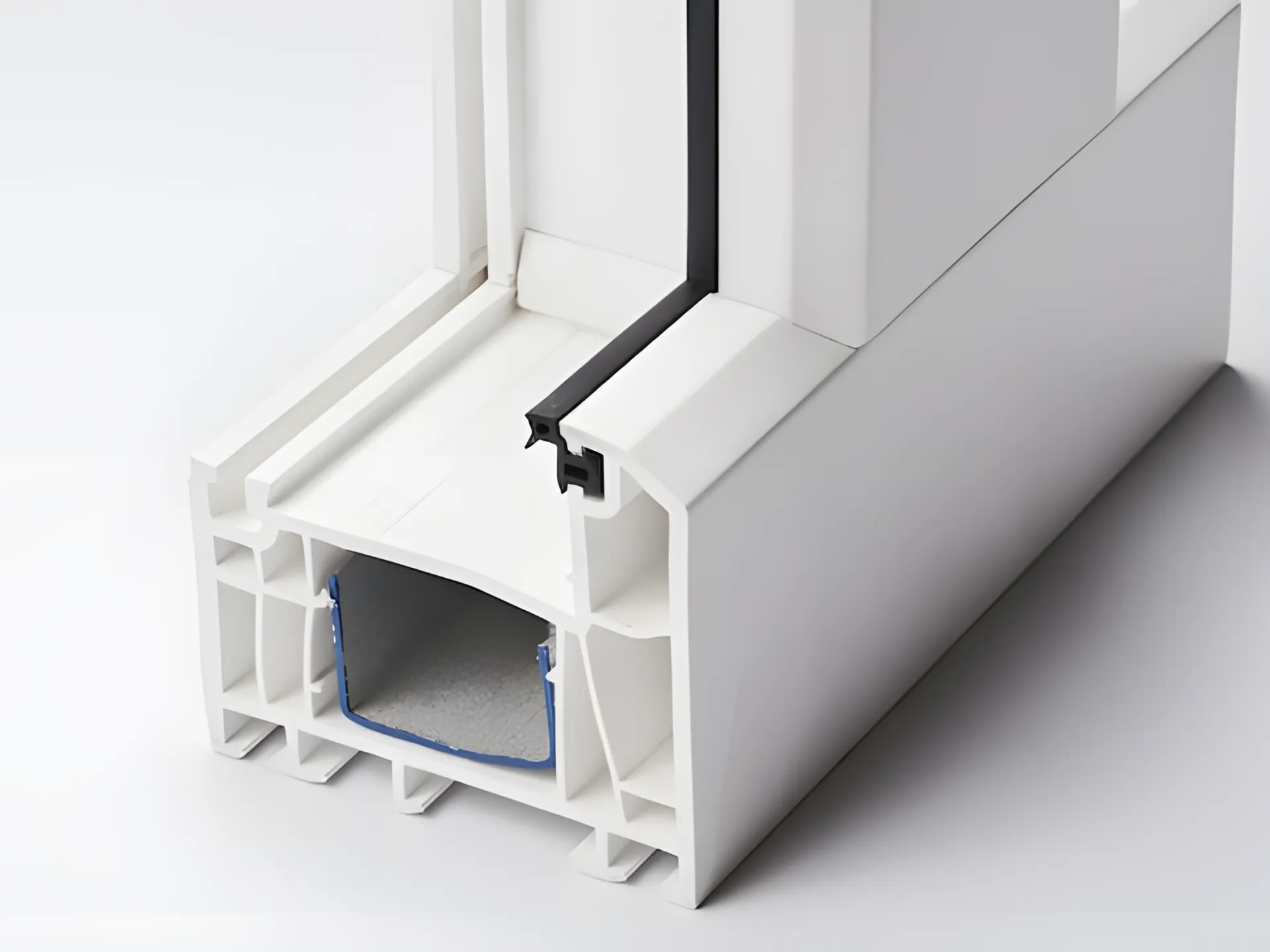
PVC recycling machines transform how manufacturers handle polyvinyl chloride waste in construction and industrial applications. These systems convert discarded...
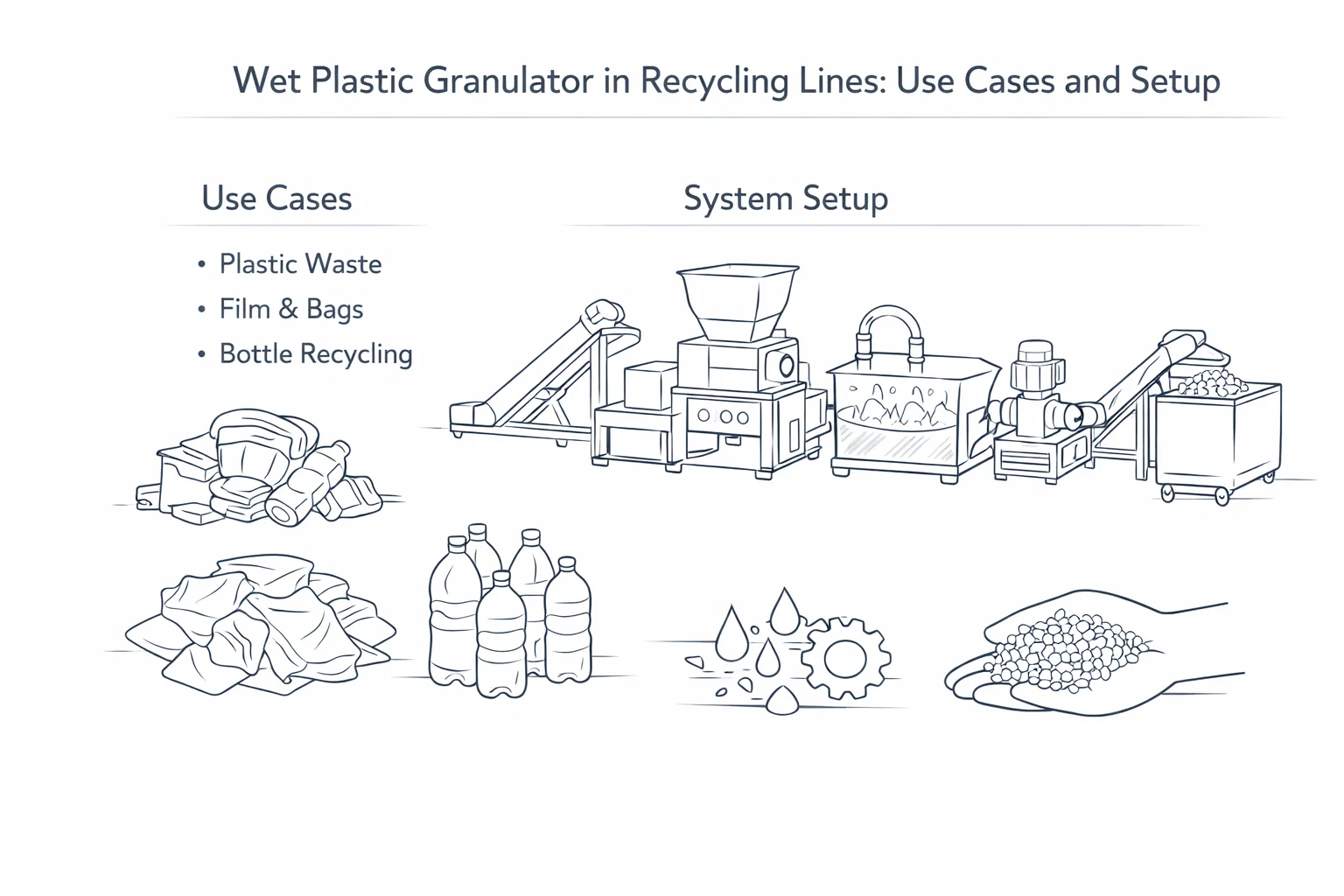
As global demand for recycled plastics grows, efficient processing technologies become critical. Wet plastic granulator machines are at the heart of modern recy...