

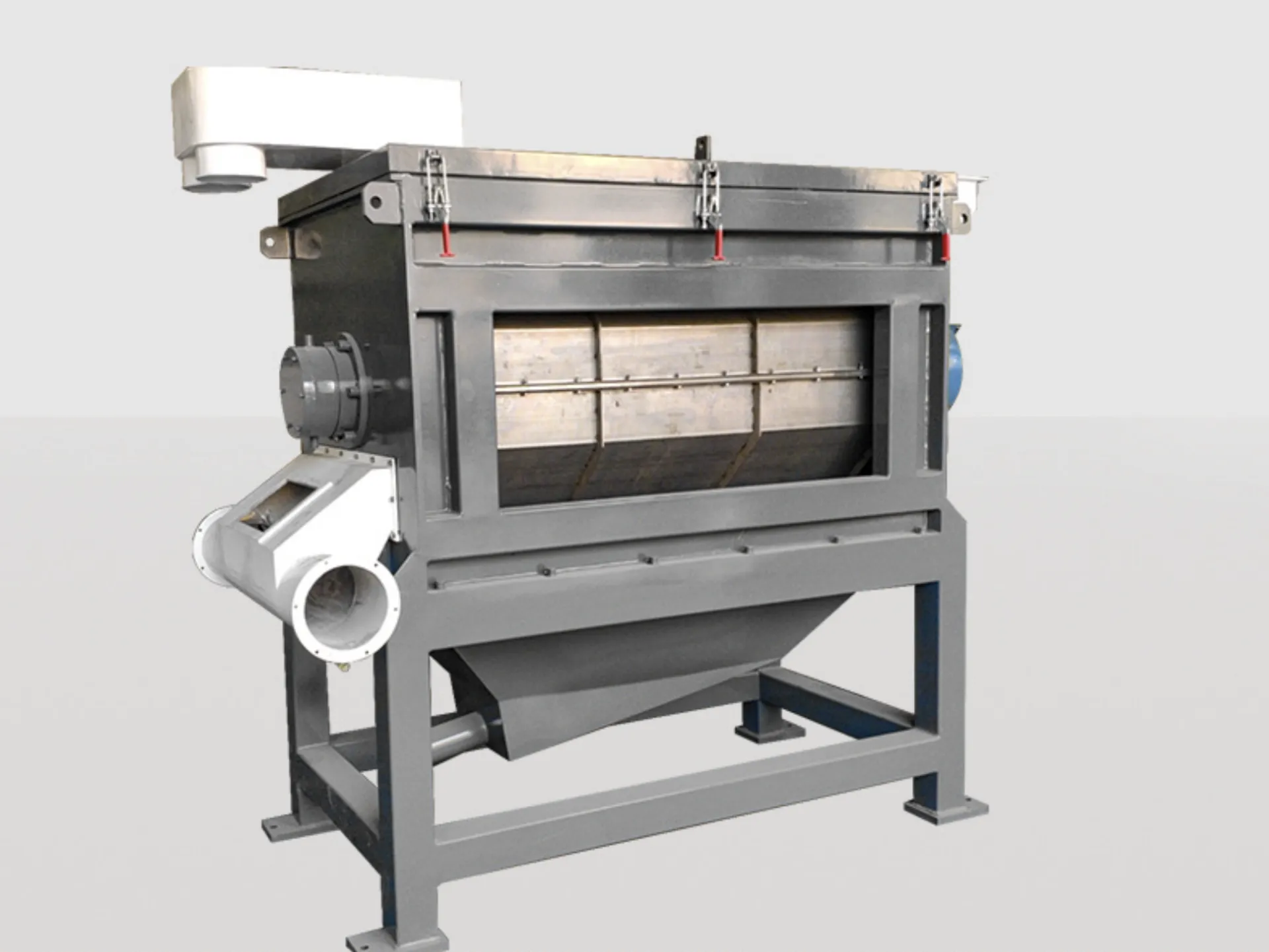
In modern plastic recycling operations, performance is measured by more than just throughput. Efficiency, uptime, energy consumption, and final material quality all directly affect profitability. Among the most critical pieces of downstream equipment, the centrifugal dryer for recycling applications plays a decisive role in determining whether a recycling line operates at its full potential.
While most professionals understand the basic function of a centrifugal dryer—mechanical moisture removal—many facilities fail to unlock its full value due to improper selection, suboptimal operation, or reactive maintenance practices.
This in-depth guide is written for plant managers, process engineers, and recycling equipment buyers who need reliable, production-proven insights. We go beyond surface-level explanations to cover advanced design features, operational best practices, and maintenance strategies that directly improve ROI. Most importantly, we explain how choosing the right manufacturing partner makes a measurable difference in long-term performance.
Why Centrifugal Dryers Are Essential in Modern Recycling Lines
A centrifugal dryer removes surface and residual moisture from washed plastic materials—such as PET flakes, PE film, and PP regrind—using high-speed mechanical force rather than energy-intensive thermal drying alone.
When properly integrated, a centrifugal dryer delivers two critical advantages:
-
Protects Material Integrity
Excess moisture entering an extruder can cause hydrolytic degradation, bubbles, and inconsistent melt quality. Effective dewatering preserves polymer structure and ensures stable downstream processing. -
Reduces Energy Consumption
Mechanical dewatering dramatically lowers the load on thermal dryers or eliminates the need for them altogether, resulting in significant energy savings per ton of processed material.
In short, a high-performance centrifugal dryer ensures that the quality achieved in the wash line is carried through to the final, sellable product.
Advanced Features That Separate Industrial-Grade Dryers from Basic Machines
Not all centrifugal dryers are engineered to the same standard. Buyers evaluating long-term performance should look beyond capacity ratings and focus on design features that improve reliability, usability, and output quality.
1. Visual Inspection Windows for Real-Time Process Control
What it is:
A reinforced, transparent inspection window integrated into the dryer housing.
Why it matters:
This feature allows operators to visually monitor material flow and drying behavior without stopping production. Early detection of clumping, uneven loading, or abnormal flow enables immediate feed adjustments, preventing blockages and unplanned downtime.
For high-throughput recycling lines, real-time visibility directly translates into higher uptime and safer operation.
2. Integrated Filtration for Higher Product Purity
What it is:
Advanced screening systems, dirt-lifting screws, and optimized internal airflow design.
Why it matters:
During centrifugal separation, fine contaminants, labels, and residual dirt are expelled along with water. High-quality filtration systems ensure these impurities are removed from the plastic stream rather than reintroduced downstream.
The result is cleaner flakes or regrind, improved extrusion stability, and higher acceptance rates from demanding end buyers.
3. Optional Hybrid Heating for Ultra-Low Moisture Requirements
What it is:
A compact hot-air or auxiliary heating module combined with mechanical drying.
Why it matters:
Certain applications—such as PET processing—require extremely low moisture levels (often below 0.5%). A hybrid centrifugal dryer removes bulk moisture mechanically, while targeted heating eliminates residual moisture efficiently.
Compared with standalone thermal dryers, this hybrid approach delivers lower operating costs, smaller footprints, and better energy efficiency.
Daily Operational Best Practices That Maximize Dryer Performance
Even the most advanced machine will underperform without disciplined operation. Successful recycling plants treat the centrifugal dryer as a precision process unit, not just a transfer machine.
Maintain a Stable, Controlled Feed Rate
Centrifugal dryers are designed for consistent material input. Overfeeding leads to poor drying efficiency, excessive vibration, and accelerated wear. Underfeeding wastes energy and reduces throughput.
A properly sized screw conveyor or rotary valve ensures stable feeding and optimal drying results.
Protect the Dryer with Effective Upstream Sorting
Centrifugal dryers are not designed to handle large foreign objects. Metal, stones, or oversized debris can severely damage rotors and screens.
Robust upstream sorting and washing systems are essential to protect the dryer and avoid costly emergency repairs.
Ensure Seamless Integration with Downstream Equipment
The dryer’s discharge must flow smoothly into the extruder or storage system. Poor transitions cause material backup, uneven loading, and process instability.
Well-integrated system design ensures continuous material flow from washing to extrusion—without bottlenecks.
Proactive Maintenance: The Key to Long-Term Reliability
Reactive maintenance is one of the most expensive mistakes recycling facilities make. A structured, proactive maintenance plan significantly extends equipment lifespan and protects production uptime.
Daily Checks (Before and After Each Shift)
-
Inspect fasteners, guards, and housings for looseness or wear
-
Listen for abnormal sounds indicating bearing or rotor issues
-
Verify that water outlets and material discharge paths are clear
Weekly Maintenance Tasks
-
Clean the screen thoroughly – blocked perforations are the leading cause of poor drying performance
-
Inspect rotor paddles or blades for wear or imbalance
-
Lubricate bearings according to manufacturer specifications
Quarterly and Annual Inspections
-
Check vibration dampers and isolation components
-
Inspect motor connections, cooling systems, and load performance
-
Conduct a full mechanical and safety inspection of the machine
Following these steps not only prevents breakdowns but also ensures consistent drying efficiency year after year.
Troubleshooting Common Operational Issues
Excessive Vibration
Typical causes:
Unbalanced rotor, material buildup, worn dampers, or improper installation.
Recommended action:
Shut down immediately. Clean the rotor and inspect vibration components. If the issue persists, consult technical support before restarting.
High Moisture Content in Output Material
Typical causes:
Clogged screens or excessive feed rate.
Recommended action:
Clean the screen and reduce feed rate to within design limits.
Choosing the Right Partner for Long-Term Performance
A centrifugal dryer for recycling applications is not a commodity product—it is a long-term production asset. Its performance depends not only on design, but also on engineering expertise, material selection, and after-sales support.
At Energycle, we go beyond supplying machines. We work closely with recycling professionals to design solutions tailored to specific materials, throughput targets, and quality requirements. Our proven centrifugal dryer dewatering machine for plastic drying is engineered for durability, energy efficiency, and consistent output across demanding industrial environments.
If you are planning to upgrade or optimize your recycling line, our technical team is ready to help you select the right configuration and maximize your return on investment.
Contact the Energycle team today to discuss your application and performance goals.
