

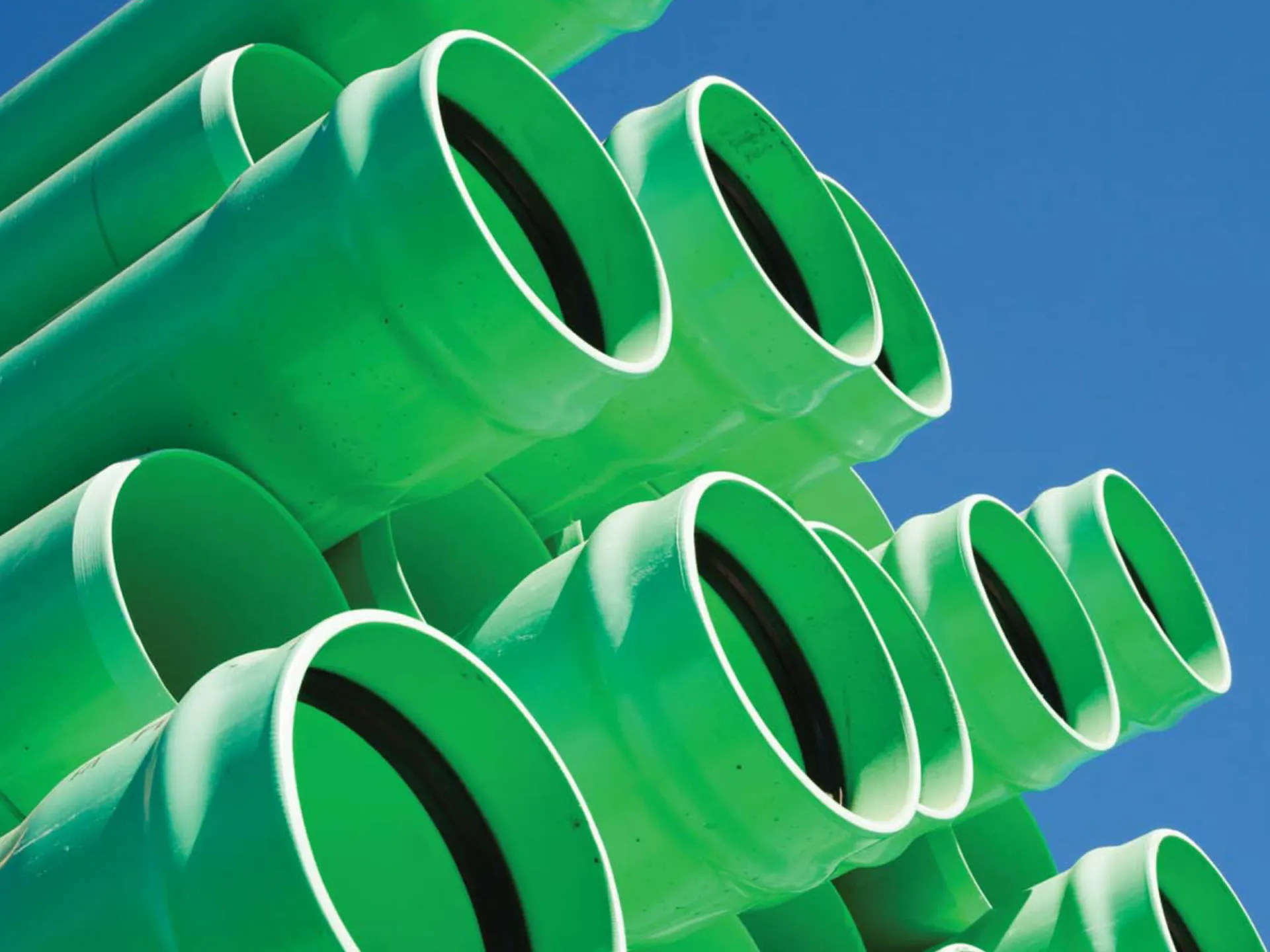
Polyvinyl Chloride (PVC) is a cornerstone material in modern infrastructure, from underground piping to window profiles. However, its complex formulation—often including stabilizers, plasticizers, and flame retardants—makes it one of the most challenging polymers to recycle.
For waste management professionals and recyclers, the choice between Mechanical Recycling (physical reprocessing) and Feedstock Recycling (chemical breakdown) determines both the economic viability and the environmental impact of the operation. This article analyzes both approaches to help you select the right technology for your specific waste stream.
Quick Takeaways
- Mechanical recycling works best when PVC is clean and well-sorted; contamination control is the main job.
- Feedstock approaches are typically considered when the stream is too mixed, too contaminated, or too composite for stable mechanical output.
- PVC’s chlorine content creates corrosion and emissions-control requirements for thermal processes; treat this as an engineering constraint, not a footnote.
Related Energycle references: – PVC recycling explained – PVC recycling equipment selection guide – Global PVC production and disposal statistics
Mechanical Recycling: The Industry Standard
Mechanical recycling is the dominant method for processing clean, sorted PVC waste. Ideally suited for post-industrial scrap (like pipe off-cuts) and select post-consumer streams, it preserves the polymer’s chemical structure.
The Process
- Sorting: PVC must be separated from other plastics (like PET or PE) using optical sorters or electrostatic separators.
- Size Reduction: Large items are processed through a heavy-duty PVC pipe crusher or shredder.
- Micronization: For rigid PVC (uPVC), the regrind is often milled into a fine powder (<800 microns) using a PVC grinding machine.
- Extrusion: The powder is mixed with virgin resin (typically a 30% recycled / 70% virgin blend) and co-extruded into new products.
Pros and Cons
- Advantages:
- Typically lower energy and simpler operations than chemical processing routes.
- Can retain useful properties when temperature history and contamination are controlled.
- Mature technology with readily available machinery.
- Limitations:
- Sensitivity: Extremely sensitive to contamination. A small amount of PVC in a PET stream destroys the PET batch (causing acids), and vice versa.
- Downcycling: “Legacy additives” (like lead or cadmium-based stabilizers used in older pipes) restrict where the recycled material can be used today due to REACH regulations.
Feedstock (Chemical) Recycling: Solving the Contamination Issue
Feedstock recycling breaks down the polymer chains into their chemical constituents. This is the solution for complex, composite, or highly contaminated PVC waste that mechanical methods cannot handle.
The Problem of Chlorine
Unlike many other commodity plastics, PVC contains a high proportion of chlorine. Conventional thermal cracking can release corrosive hydrogen chloride (HCl), which drives corrosion-resistant materials, gas handling, and emissions control requirements. Specialized dechlorination strategies are typically required.
Operational Approaches
- Vinyloop® Process (Solvent-Based): Dissolves the PVC resin in a solvent, separating it from reinforcing fibers, metal inserts, or other plastics. The solvent is evaporated, recovering pure PVC compound.
- Thermal Cracking / Pyrolysis: Heats the PVC to break it into HCl (which can be captured and reused in chemical industries), syngas, and oils.
Pros and Cons
- Advantages:
- Handles “unrecyclable” waste (e.g., PVC-coated fabrics, automotive dashboard skins, blister packs).
- Decouples the waste from legacy additives (heavy metals remain in the residue).
- Limitations:
- High Cost: Requires massive capital investment and operates like a chemical plant rather than a recycling facility.
- Energy Intensity: Significantly higher carbon footprint per ton compared to mechanical recycling.
Comparative Decision Guide
| Feature | Mechanical Recycling | Feedstock Recycling |
|---|---|---|
| Target Waste | Clean Pipes, Windows, Profiles | Coated Fabrics, Mixed Plastics, Flooring |
| Capital Cost | Low / Medium | Very High |
| Output Product | Regrind / Micronized Powder | Basic Chemicals / Heavy Oils |
| Primary Risk | Contamination (Cross-polymer) | Process Complexity (Corrosion) |
FAQ
When should I choose mechanical PVC recycling instead of feedstock recycling?
Choose mechanical recycling when you can keep the stream PVC-dominant and consistent (source control, sorting, predictable contamination). Mechanical routes usually win on cost and simplicity when input quality is stable.
Is PVC suitable for pyrolysis or “plastic-to-fuel” processes?
PVC’s chlorine content is the problem: thermal processes must manage HCl and corrosion and meet emissions requirements. If your stream contains meaningful PVC, treat dechlorination and gas handling as core design items—not optional extras.
Why do some PVC recyclers make powder instead of pellets?
Many rigid PVC applications use dry blends and powders for profile/pipe compounding. Powder also helps avoid repeated melt histories for certain workflows, but it adds cooling, classification, and dust-control requirements.
What’s the fastest way to lose value in a PVC stream?
Cross-polymer contamination and uncontrolled heat history. If you want higher-value output, invest first in segregation/sorting + temperature control + consistent particle sizing.
Conclusion
For many standard recycling operations, mechanical recycling remains the most practical path. Investing in sorting and PVC grinding equipment can help convert construction waste into usable raw material for pipe and profile applications. Feedstock recycling can support localized streams of difficult-to-recycle composites but is typically the domain of large petrochemical partnerships.
References
- ISO — ISO 15270, “Plastics — Guidelines for the recovery and recycling of plastics waste”
- CDC/NIOSH — Pocket Guide to Chemical Hazards: Hydrogen chloride
- Energycle — Recycling solutions
- Energycle — Contact us
