

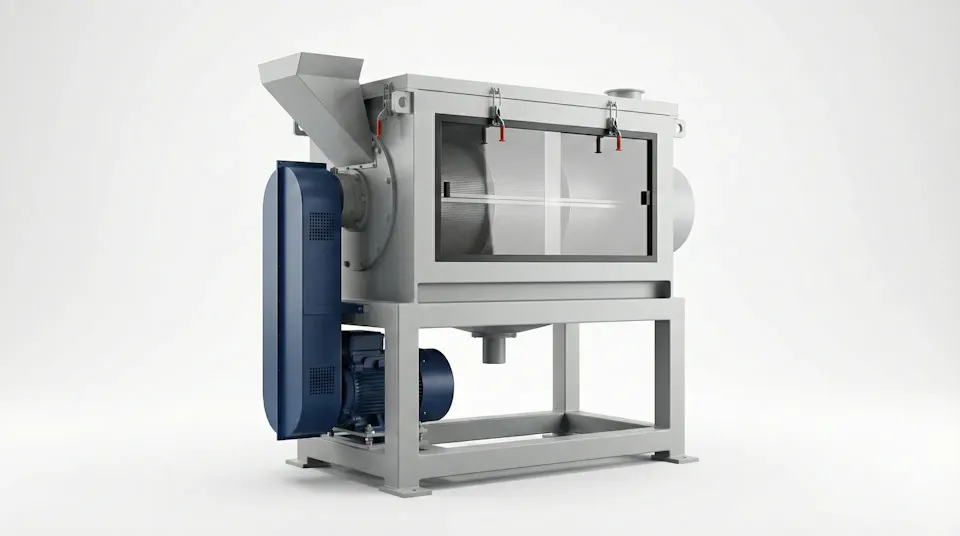
High-Speed Centrifugal Dewatering Machine for Plastic Film
Mechanical bulk water removal for LDPE/LLDPE film, PP woven bags, and agricultural film—typically achieving ~3–5% moisture (material dependent) to stabilize extrusion and improve pellet quality.
Request a QuoteSizing support: share your material type, target kg/h, and upstream washer configuration to get a recommended model and screen specification.
Struggling With These Recycling Challenges?
Our High-Speed Centrifugal Dewatering Machine turns your biggest operational headaches into opportunities for higher profit and efficiency.
High Energy Costs
Are thermal dryers consuming a huge portion of your electricity budget just to evaporate water?
Our Solution: Mechanical Dewatering
Our machine uses centrifugal force—not heat—to instantly remove over 90% of water, drastically cutting the energy load and cost for any downstream thermal systems.
Poor Pellet Quality
Do wet flakes cause gas bubbles, foaming, and brittle, low-value pellets in your extruder?
Our Solution: Consistent Dryness
By delivering flakes with a stable moisture content below 5%, we ensure your extruder produces dense, smooth, high-quality granules that command a better price.
Frequent Downtime
Are you constantly stopping production to clear clogs and jams caused by lightweight films or dirty material?
Our Solution: "Non-Clog" Design
Our optimized rotor and paddle geometry create powerful airflow that keeps material moving, ensuring continuous, reliable operation even with challenging materials.
From Wet Flakes to Dry Material in 3 Steps
Mechanical dewatering removes free water quickly and consistently. Use this stage to protect your extruder from foaming, bubbles, and unstable melt caused by wet flakes.
1. Feed Wet Material
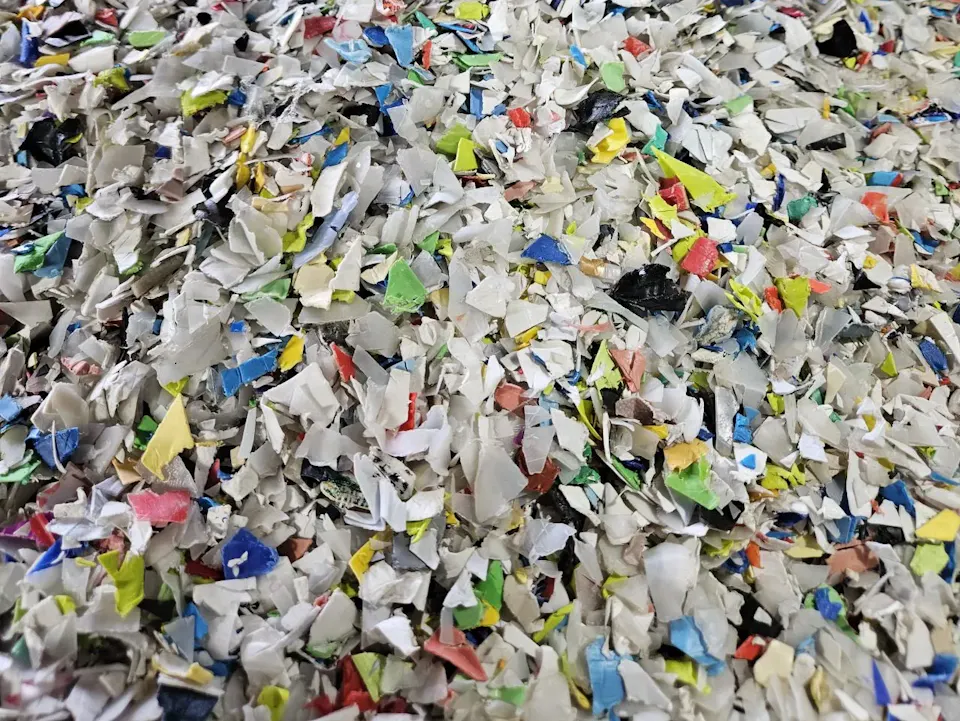
Wet film flakes from the washing line (friction washer or sink-float tank) are fed into the machine's hopper.
2. High-Speed Dewatering
The rotor spins at up to 1,500 RPM, generating immense G-force that ejects water through a perforated screen.
3. Collect Dry Flakes
The dewatered plastic flakes (typically ~3–5% moisture, material dependent) are discharged, ready for a hot-air stage, buffer silo, or the pelletizing extruder.
How to Choose the Right Model
A centrifugal dewatering machine is sized by real throughput (kg/h), how the flakes drain, and the dryness you need before extrusion. Use the guide below to shortlist a model, then we’ll confirm screen perforation and integration details.
Step 1 — Start with throughput (kg/h)
Select a model where your normal production rate falls in the middle of the rated range (avoid running continuously at the top end).
Model capacity ranges are listed in the Technical Specifications table below.
If your line surges (uneven feeding), size up to keep residence time stable.
Step 2 — Match to material behavior
Different soft plastics behave differently in the basket. Tell us what you run so we can confirm rotor/screen configuration.
- LDPE/LLDPE film flakes: high surface area; moisture depends heavily on upstream drainage
- PP woven / non-woven: typically drains better; stable feeding improves dryness consistency
- Mulch/agricultural film: abrasive contamination requires wear protection and correct screen selection
Step 3 — Define your target moisture
Centrifugal dewatering is primarily bulk water removal. If you need very low moisture for direct extrusion, plan the correct downstream stage.
- ~3–5%: often achievable with centrifugal dewatering (application dependent)
- <1–2%: add a downstream drying stage (hot-air or squeezer/densifier)
Step 4 — Confirm integration points
Best results come from a stable upstream wash and a correctly matched downstream conveying/drying path.
- Upstream: friction washer / sink-float drainage quality
- Downstream: buffer silo vs. hot-air conveying vs. densifying stage
- Site constraints: layout height, discharge direction, and power supply
If you share your current line diagram or a short video of the wet flakes, we can confirm sizing quickly.
Ideal for Soft Plastic Washing Lines
Engineered for the rigorous demands of drying lightweight, high-surface-area plastics that standard dryers can't handle.
LDPE / LLDPE Film
Efficiently dry post-consumer and post-industrial films to prevent hydrolysis and foaming in the extruder.
PP Woven Bags
Process and dewater shredded PP woven and non-woven materials for consistent, high-quality granule production.
Agricultural Mulch Film
Our non-clog design handles sand-laden, abrasive films without blockages, ensuring continuous operation.
General Plastic Recycling
Serves as the primary, high-throughput drying stage in any soft plastic washing and recycling facility.
Engineering Superiority
Every component is designed for maximum drying efficiency, longevity, and minimal downtime.
Ultra-High Velocity Rotor
Heavy-duty rotor balanced for speeds up to 1,500 RPM generates extreme G-force, physically ejecting water far more effectively than low-speed tumbling.
Optimized Airflow Design
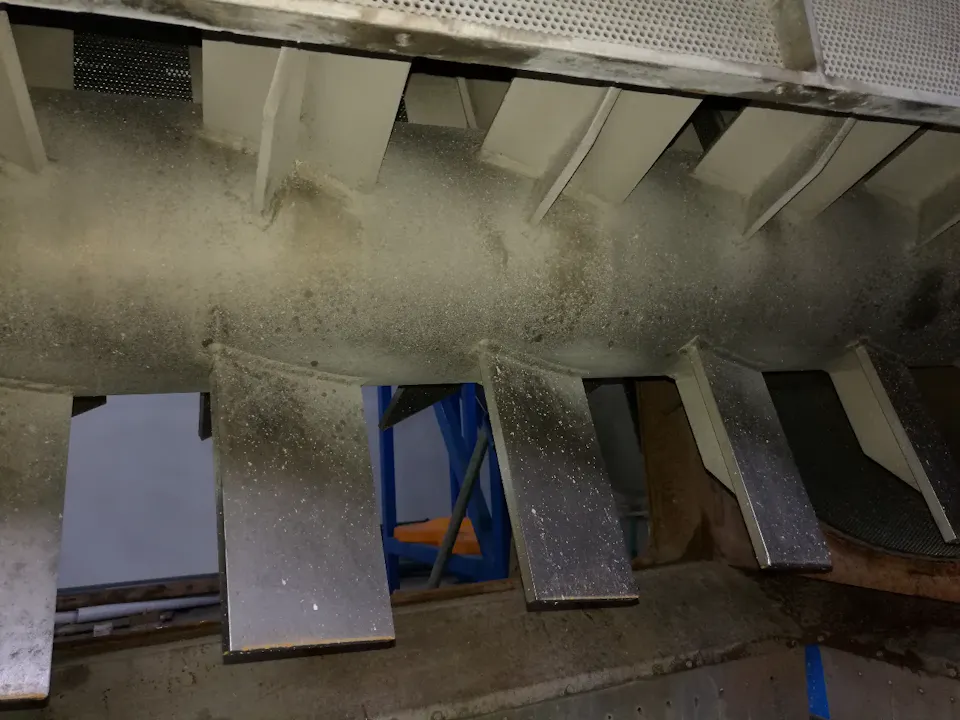
The angled paddles create a powerful air vortex that transports light flakes, prevents clogging, and strips surface moisture through evaporative separation.
SUS304 Stainless Steel
The screen basket, housing, and all water contact points are fabricated from high-grade SUS304 stainless steel, making it impervious to corrosion.
"Non-Clog" Paddle Geometry
Aggressive, stepped paddle design tipped with wear-resistant alloy steel ensures a continuous material flow, even with abrasive, sand-laden films.
Premium Bearing Houses
We use top-tier international bearings (SKF, NSK, FAG) in external, water-cooled blocks to prevent heat transfer and extend service life significantly.
Maintenance-Friendly Access
A segmented polygonal screen and pneumatic cover allow a single operator to swap screens or inspect blades in minutes, minimizing downtime.
Factory Testing, QC, and Delivery Scope
Industrial buyers evaluate more than a spec sheet. Below is what we typically provide to reduce commissioning risk and shorten time-to-production.
Typical factory checks (before shipment)
- Rotor dynamic balance verification and no-load running inspection
- Bearing temperature and vibration spot-check during trial run
- Screen basket fitment check and access/cover safety interlock check
- Motor rotation direction and electrical insulation check
Delivery scope (typical)
- Main machine assembly (motor + rotor + basket + housing)
- Selected screen configuration (based on material and target dryness)
- Standard wear parts and service access hardware
- Basic operation/maintenance guidance and wiring reference
If you have special requirements (abrasive film, low noise, specific bearing brand, emissions control), we can configure options during quotation.
Technical Specifications
Choose the model that fits your production needs. Detailed data on each machine's performance and construction.
| Model | Motor Power | Main Shaft Diameter | Rotating Speed | Capacity (kg/h) |
|---|---|---|---|---|
| CFD-400 | 37KW | 400mm | 1400 RPM | 400 – 800 |
| CFD-550 | 45KW | 550mm | 1200 RPM | 600 – 1000 |
| CFD-750 | 55KW | 750mm | 1080 RPM | 1200 – 2000 |
Gallery
See our High-Speed Centrifugal Dewatering Machine in detail.
Get a Custom Solution & Quote
To recommend the correct model and screen perforation, please provide the inputs below. If you’re not sure, send what you know—we’ll help you finalize the configuration.
Frequently Asked Questions
Centrifugal dryer vs. squeezer: which should I choose?
They solve different problems. A centrifugal dewatering machine removes bulk water with high throughput (often ~3–5% moisture) and low energy compared with thermal evaporation. A squeezer is chosen when you also need densification and very low moisture (<1–2%), but it typically has higher capital and operating cost. Many film lines use centrifugal first, then a smaller squeezer or hot-air stage.
What affects the final moisture after centrifugal dewatering?
Material type (film vs. woven), flake size, feed stability, contamination (sand/dirt), water temperature, and upstream drainage all impact output moisture. We size the rotor/screen for your kg/h and your target dryness.
Where does this machine sit in a plastic film washing line?
Most commonly after the final friction washer or sink-float tank. The discharge can feed a hot air pipe dryer, buffer silo, or the pelletizer/compactor depending on required moisture and layout constraints.
Can it handle agricultural film with heavy sand contamination?
Yes—provided the upstream washing configuration is appropriate. For abrasive film, we recommend confirming wear protection options and selecting the correct screen perforation and wear parts for your contamination level.
What information should I send to get the right model selection?
Please share: material type (LDPE/LLDPE, PP woven, mulch film), target throughput (kg/h), average flake size, contamination notes, and your upstream/downstream equipment (friction washer, hot air dryer, pelletizer). We will recommend a model and screen specification.