

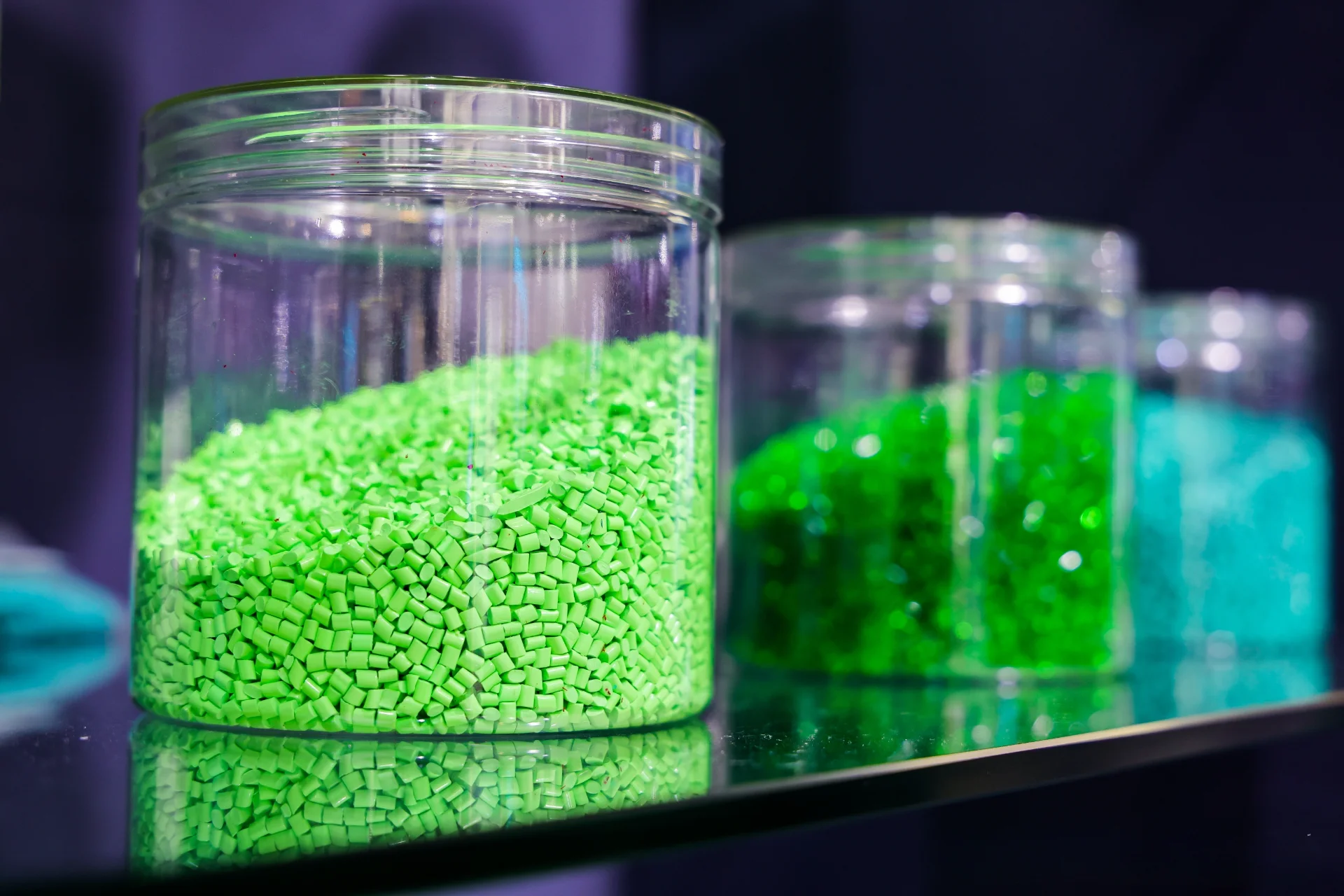
If you’re managing plastic recycling operations or considering entering this industry, understanding how plastic granules are manufactured is fundamental to making informed equipment and process decisions. Plastic granules—also called pellets—represent the final output of the recycling process, transforming waste materials into valuable feedstock for manufacturing new products.
This comprehensive guide walks you through the entire granulation process, from raw waste collection to finished pellets ready for resale or remanufacturing.
Understanding Plastic Granulation: From Waste to Value
Plastic granulation converts discarded plastic materials into uniform, dense pellets that manufacturers use as raw material for new products. This transformation process not only diverts waste from landfills but creates a commodity product with real market value.
The global recycled plastic pellet market continues to grow as manufacturers seek sustainable alternatives to virgin plastics. Companies that master the granulation process can command premium prices for high-quality pellets, particularly when they meet stringent purity standards required for food-grade or medical applications.
The Complete Granulation Process: Step by Step
Collection and Sorting
The process begins with proper material separation. Different plastic resins require distinct processing parameters, so accurate sorting determines your final product quality. Most operations use a combination of manual sorting and automated systems that employ optical scanners or density separation to categorize materials by resin type.
Common recyclable plastics include:
- PET (Polyethylene Terephthalate): Beverage bottles, food containers
- HDPE (High-Density Polyethylene): Milk jugs, detergent bottles, pipes
- LDPE (Low-Density Polyethylene): Plastic bags, squeezable bottles
- PP (Polypropylene): Food containers, automotive parts, textiles
- PVC (Polyvinyl Chloride): Pipes, window frames, medical tubing
Shredding: Reducing Material Size
Industrial shredders break down large plastic items into smaller, manageable pieces. This size reduction serves multiple purposes: it facilitates washing, increases surface area for contamination removal, and prepares material for efficient melting.
Modern shredders use hardened steel blades arranged in various configurations—single-shaft, dual-shaft, or quad-shaft—depending on the material type and desired output size. The resulting flakes typically measure 10-30mm, creating optimal feed material for subsequent processing.
Washing: Removing Contaminants
Washing systems eliminate dirt, labels, adhesives, and other contaminants that compromise granule quality. This stage typically involves hot water baths (60-80°C) combined with friction washers that scrub material surfaces.
Advanced washing lines incorporate chemical solutions to remove stubborn contaminants like printing inks or adhesive residues. The process may include multiple wash cycles and float-sink tanks that separate materials by density, removing any remaining foreign materials.
Drying: Moisture Removal
Mechanical dryers extract moisture from washed plastic flakes. Excess water causes steam formation during extrusion, creating voids and defects in the final pellets.
Centrifugal dryers spin material at high speeds, forcing water away through centrifugal force. Thermal dryers then reduce moisture content to below 2%, ensuring optimal extrusion performance.
Extrusion: Melting and Forming
The heart of granulation lies in the extrusion process. Dried plastic flakes feed into the extruder hopper, where a rotating screw conveys material through heated barrel zones. Temperature profiles vary by resin type—PP typically requires 200-250°C, while PET needs 260-280°C.
As plastic melts, the screw’s shearing action provides additional heating through friction while homogenizing the material. This mechanical work eliminates air pockets and ensures uniform melt quality.
Advanced plastic pelletizing lines integrate sophisticated degassing systems that remove volatile compounds, moisture, and trapped air. These vacuum zones prove essential when processing materials with high contamination levels or printed films, where ink residues release gases during melting.
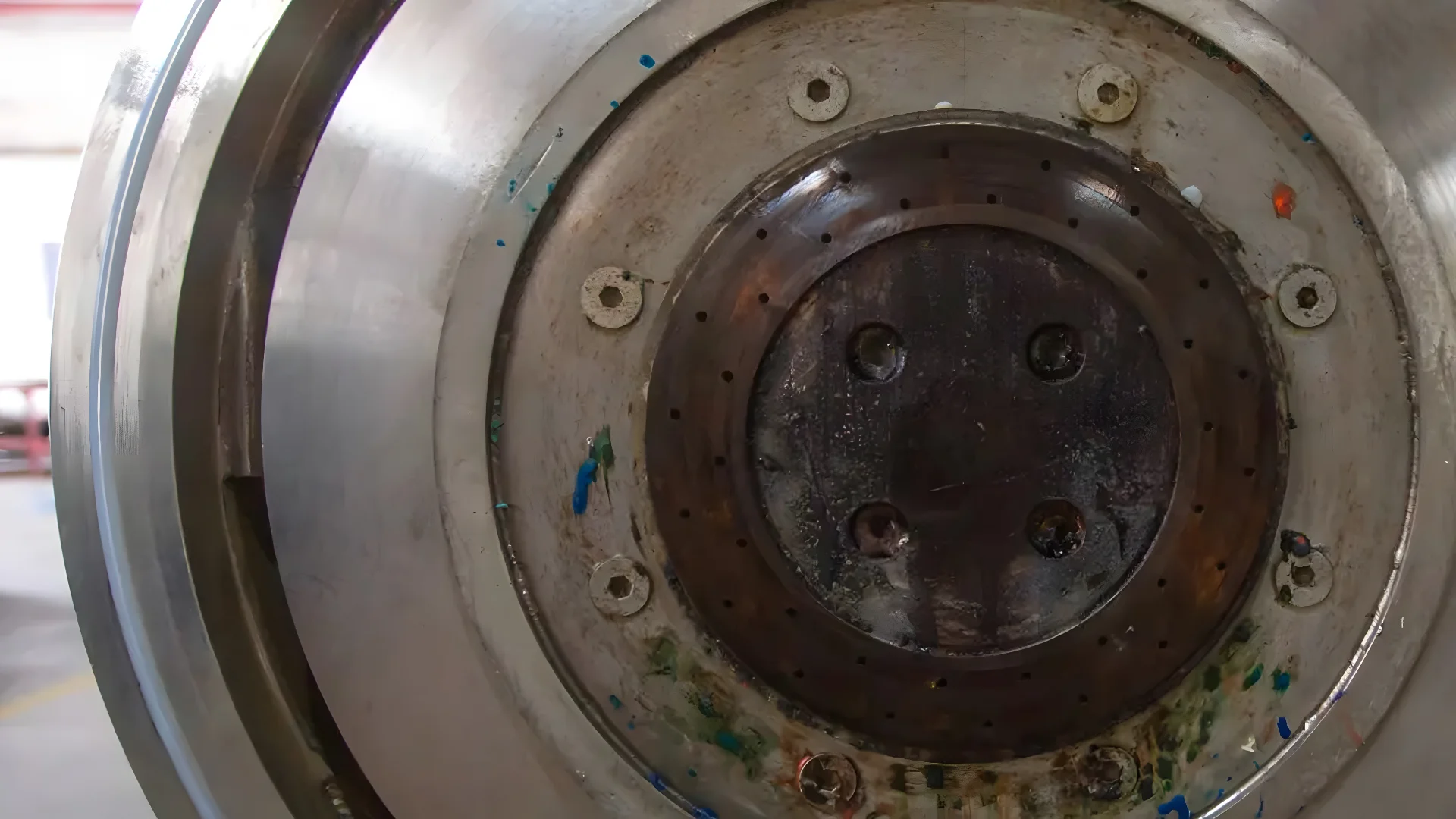
The molten plastic passes through filter screens that capture any remaining solid contaminants. Filter mesh sizes range from 80 to 200 microns, depending on quality requirements. The filtered melt then exits through a die plate with multiple small holes, forming continuous strands.
Cooling: Strand Solidification
Hot plastic strands emerging from the die immediately enter a water bath or air cooling system. Rapid cooling stabilizes the strand structure and prevents crystallization patterns that could weaken pellet integrity.
Water ring pelletizing systems combine cooling and cutting in a single step, offering higher throughput for large-scale operations. Strand pelletizing systems use separate cooling troughs followed by a cutting unit.
Pelletizing: Final Size Reduction
Rotating blades cut cooled strands into uniform pellets, typically 3-5mm in length. Pellet size affects handling characteristics, melting behavior, and suitability for different manufacturing processes.
Consistent pellet dimensions ensure predictable material flow in injection molding machines, blown film extruders, and other downstream processing equipment. This uniformity represents a key quality indicator that buyers evaluate when sourcing recycled pellets.
Drying and Storage
Final moisture removal and cooling prepare pellets for packaging and storage. Dewatering systems remove surface water, while thermal dryers reduce moisture content to specification levels—usually below 0.5% for most applications.
Properly dried and cooled pellets flow freely without clumping, simplifying material handling and preventing quality degradation during storage.
Quality Factors That Determine Pellet Value
Purity and Contamination
High-quality granules contain minimal foreign materials. Contamination affects mechanical properties, appearance, and processing behavior. Buyers pay premium prices for pellets with contamination levels below 50 ppm.
Melt Flow Index (MFI)
This measurement indicates how easily plastic flows when melted. Consistent MFI values ensure predictable processing behavior, making your pellets more valuable to manufacturers.
Color Consistency
While natural (uncolored) pellets command higher prices due to their versatility, color-sorted pellets also find ready markets for specific applications. Consistent color within batches demonstrates process control and quality management.
Moisture Content
Low moisture content prevents processing defects. Most applications require moisture levels below 0.5%, while engineering plastics may need even lower levels (below 0.1%).
Economic and Environmental Benefits
Resource Conservation
Recycling plastic into granules conserves petroleum resources and reduces energy consumption. Manufacturing products from recycled pellets uses 50-75% less energy compared to virgin plastic production.
Waste Diversion
Every ton of plastic converted to granules represents material diverted from landfills or, worse, environmental contamination. This waste diversion creates both environmental value and revenue opportunities.
Cost Advantages
Recycled granules typically cost 20-40% less than virgin resin, providing significant savings for manufacturers. This price differential makes recycled content attractive even beyond sustainability considerations.
Market Opportunities
Growing regulatory requirements mandate recycled content in packaging and products. Companies that produce high-quality recycled granules position themselves to serve this expanding market.
Applications for Recycled Plastic Granules
Recycled pellets feed numerous manufacturing processes:
Packaging: Bottles, containers, films, and protective packaging represent the largest market for recycled plastics. Food-grade applications require the highest purity levels.
Construction Materials: Pipes, roofing membranes, insulation boards, and composite lumber incorporate recycled content while meeting performance specifications.
Automotive Components: Interior trim, under-hood parts, and bumper systems increasingly use recycled plastics, driven by automaker sustainability commitments.
Consumer Products: Furniture, storage containers, toys, and household goods provide diverse outlets for recycled granules.
Textile Fibers: PET granules produce polyester fibers for clothing, carpets, and industrial textiles, creating closed-loop systems for bottle-to-fiber recycling.
Equipment Selection Considerations
Choosing the right granulation equipment significantly impacts your operation’s profitability and product quality:
Processing Capacity: Match equipment capacity to your material supply and market demand. Undersized systems create bottlenecks, while oversized equipment increases operating costs.
Material Compatibility: Ensure equipment handles your specific plastic types. Some resins require specialized screws, barrel configurations, or temperature control systems.
Automation Level: Higher automation reduces labor costs and improves consistency but requires greater capital investment and technical expertise.
Energy Efficiency: Energy represents a major operating cost. Modern systems incorporate heat recovery, optimized drives, and efficient heating systems that reduce power consumption.
Quality Requirements: Target markets determine necessary quality levels. Food-grade or medical applications demand sophisticated filtration and contamination control systems.
Frequently Asked Questions
What types of plastic can be converted into granules?
Most thermoplastics can be granulated, including PET, HDPE, LDPE, PP, and PVC. Each resin requires specific processing parameters—temperatures, screw designs, and filtration levels—to achieve optimal results. Mixed plastics present greater challenges and typically produce lower-quality granules, which is why proper sorting remains critical.
How do granule quality standards affect market value?
Quality directly determines market value. Food-grade pellets with low contamination levels (under 50 ppm) command premium prices, often 50-100% higher than industrial-grade material. Key quality indicators include contamination levels, melt flow index consistency, moisture content, color uniformity, and pellet size distribution.
What is the typical yield rate in plastic granulation?
Yield rates typically range from 85-95%, depending on input material quality and process efficiency. Losses occur during washing (labels, dirt removal), filtration (contamination capture), and purging (startup and grade changes). Operations that invest in thorough washing and sorting achieve higher yields and better granule quality.
How much does it cost to start a plastic granulation operation?
Entry-level operations processing 200-300 kg/hour require approximately $150,000-$250,000 in equipment costs. This includes washing systems, extrusion lines, and auxiliary equipment. Larger operations processing 1-2 tons/hour may require $500,000-$1,000,000+ in capital investment. Operating costs include electricity (major expense), water, labor, maintenance, and facility overhead.
What are the key challenges in plastic granulation, and how can they be addressed?
Material variability: Inconsistent input materials affect process stability and output quality. Solution: Implement rigorous sorting and quality control for incoming materials.
Contamination control: Foreign materials compromise granule quality. Solution: Invest in comprehensive washing systems and multi-stage filtration.
Energy costs: Extrusion requires significant power. Solution: Modern equipment with heat recovery systems and efficient heating elements reduces energy consumption by 20-30%.
Market access: Finding consistent buyers at acceptable prices. Solution: Develop long-term relationships with manufacturers, obtain quality certifications, and consider vertical integration into manufacturing.
Making the Investment Decision
Plastic granulation offers compelling economics when you match equipment capabilities to material supply and market opportunities. Successful operations share common characteristics:
- Consistent, quality-controlled material supply
- Appropriate equipment sized to processing volume
- Rigorous quality control systems
- Established customer relationships or market channels
- Technical expertise in plastics processing
- Efficient logistics for material collection and product distribution
The growing demand for recycled plastics, combined with increasing regulatory requirements for recycled content, creates favorable market conditions for well-managed granulation operations. By producing consistent, high-quality pellets, you position your business to capture premium prices while contributing to circular economy objectives.
Understanding the complete granulation process—from waste collection through final pellet production—enables you to make informed decisions about equipment selection, process optimization, and market positioning. Whether you’re expanding existing recycling operations or entering this market for the first time, this knowledge provides the foundation for building a profitable, sustainable business.
