

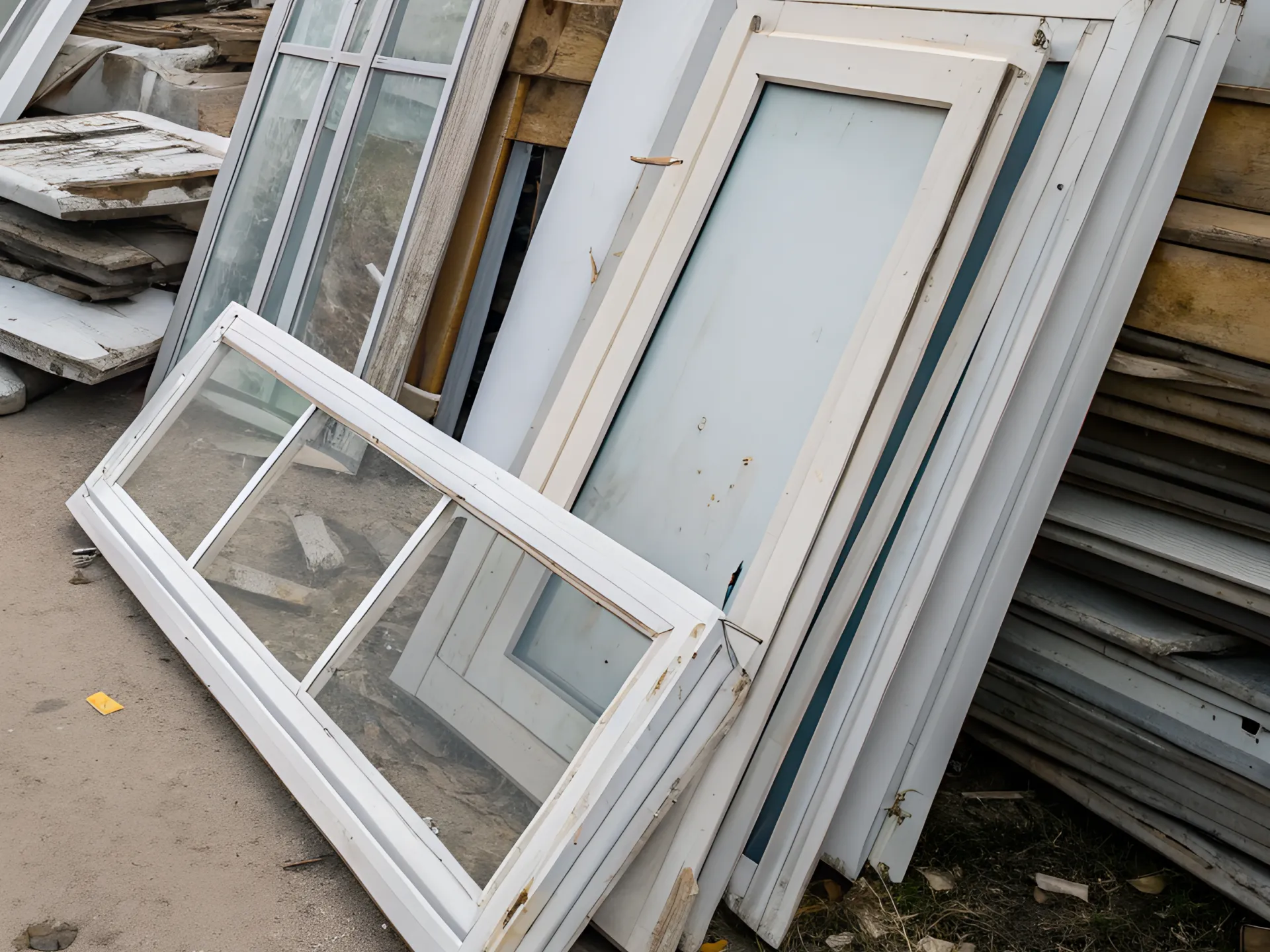
PVC is widely used in long-life applications such as pipes, profiles, and building products. When that material reaches end of life, recyclers and manufacturers have two practical choices: dispose of it—or recover it as a feedstock for new products. Recycling usually improves both outcomes: less landfill/incineration volume and less demand for virgin resin.
The climate benefit comes mostly from avoided virgin production and, in some cases, avoided disposal impacts. The exact numbers vary by electricity mix, transport distance, and how clean the PVC stream is, so it’s better to understand the drivers than to rely on one headline percentage.
Quick Takeaways
- The main emissions benefit comes from replacing virgin resin with recycled PVC in new products.
- Clean, well-sorted PVC streams recycle more efficiently and yield higher-value output.
- Additives matter (especially legacy stabilizers); sorting and traceability protect end markets.
Where the Carbon Benefit Comes From
1) Avoided virgin resin production
If you substitute recycled PVC for virgin PVC in an application, you reduce the need for new raw material production and processing. That usually lowers lifecycle emissions, assuming reasonable transport distances and efficient recycling operations.
2) Avoided disposal
Recycling reduces the volume sent to landfill or incineration and can reduce disposal-related impacts. Disposal pathways and their impacts differ significantly by region.
What Makes PVC Recycling More or Less Efficient
PVC recycling projects perform best when the stream is: – single-source or well-segregated (windows and pipes are easier than mixed demolition waste) – low in non-PVC contamination (rubber gaskets, metals, wood, insulation) – controlled for additives (legacy lead-stabilized PVC is regulated in some markets)
Equipment Used in Practical PVC Recycling
Most rigid PVC recycling lines combine: – size reduction (shredding/granulation) – contaminant removal (metal separation, washing as needed) – drying and classification – reprocessing into regrind, granules, or powder depending on end market
For powder applications, grinding/pulverizing is common (see industrial PVC pulverizers for pipe, profile & scrap recycling).
If you process mixed rigid plastics (not only PVC), start from a modular rigid line concept and add PVC-specific steps where needed (see rigid plastic washing line for PP, HDPE, PVC).
Related Energycle references: – PVC recycling explained – Global PVC production and disposal statistics – Industrial PVC pulverizers for pipe, profile & scrap recycling – Rigid plastic washing line for PP, HDPE, PVC
Compliance and “Legacy Additives” Note
Some PVC waste streams contain legacy lead stabilizers. In the EU, restrictions and derogations apply, and buyers often require documentation showing compliance and appropriate use conditions.
FAQ
Does recycling PVC always reduce carbon footprint?
Not automatically. The benefit depends on avoided virgin production, your electricity/heat source, transport distance, and how much yield you lose to contamination and fines.
What is the biggest factor that reduces the climate benefit of PVC recycling?
Unstable feedstock quality. When you lose yield (excess fines, rejects, rework) or run inefficiently due to contamination, emissions per ton of usable output increase.
Is mechanical recycling “greener” than chemical/feedstock recycling for PVC?
Often, when the PVC stream is clean and mechanical output is usable. Chemical routes can address complex streams, but they must manage chlorine/HCl and typically have higher energy intensity.
Which equipment choices matter most for energy and emissions?
Stable size reduction (less fines), efficient washing/separation (when needed), and correct drying strategy. Oversizing or “brute force” thermal steps usually increase operating emissions.
Conclusion
PVC recycling can reduce emissions mainly by displacing virgin resin—but the real-world benefit depends on yield and process stability. The most reliable “emissions lever” is often simple: keep the stream clean and consistent, then design the line to minimize rejects and fines (with washing/separation and controlled grinding when the market demands it).
