

Desktop Plastic Shredder for Small-Batch Recycling
Mini Desktop Small Shredder for 3D Print Scrap, Bottle Caps, and PET Regrind
Convert failed prints, rigid scrap, prepared PET bottle pieces, and clean caps into 3-6 mm plastic regrind for drying, storage, and small-scale filament extrusion workflows.
Why This Desktop Shredder Works for Small Recycling Cells
Built for labs, makerspaces, education programs, and pilot lines that need controlled output without moving up to a full industrial shredder footprint.
Compact Desktop Footprint
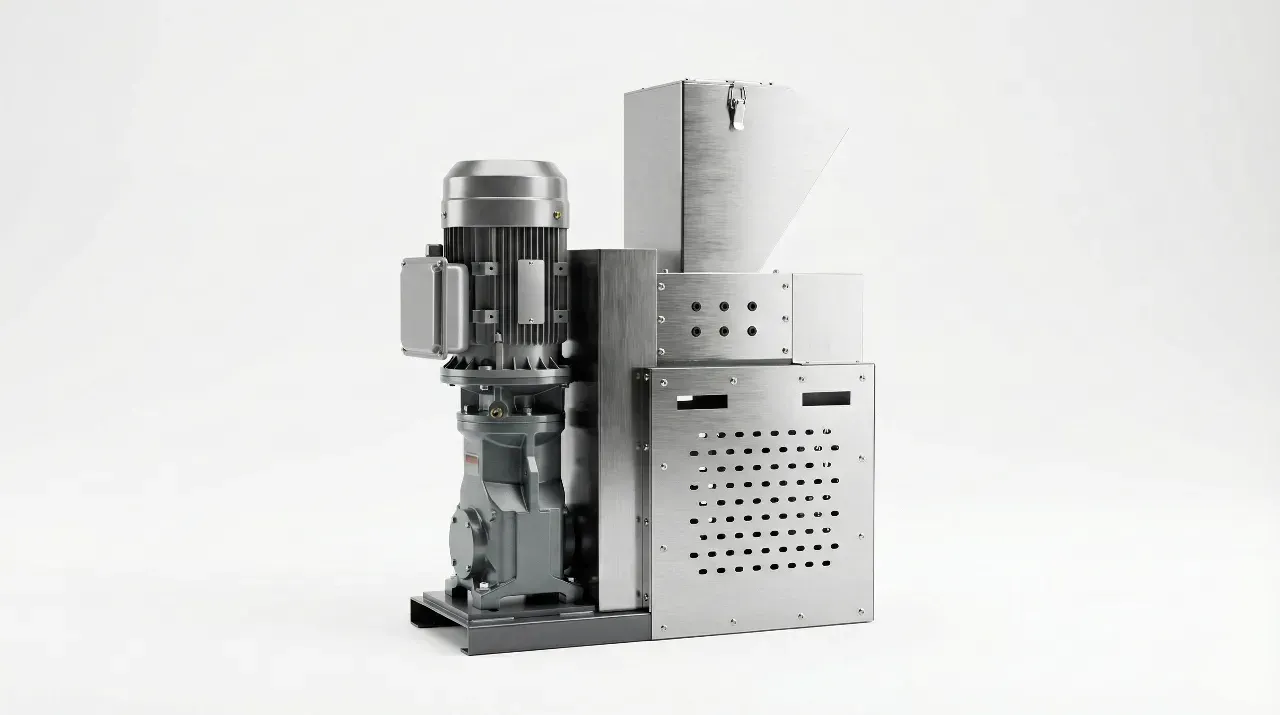
The 650 x 300 x 780 mm machine body fits small workshops, R&D benches, and compact recycling rooms where floor space is limited.
3-6 mm Regrind Target
Produces a particle size range that is easier to dry, batch, dose, and feed into small extruders or secondary screening steps.
Geared 1.5 kW Drive
Pairs a compact motor package with geared torque delivery for steady cutting on rigid parts, caps, and prepared bottle flakes.
Two Blade Configurations
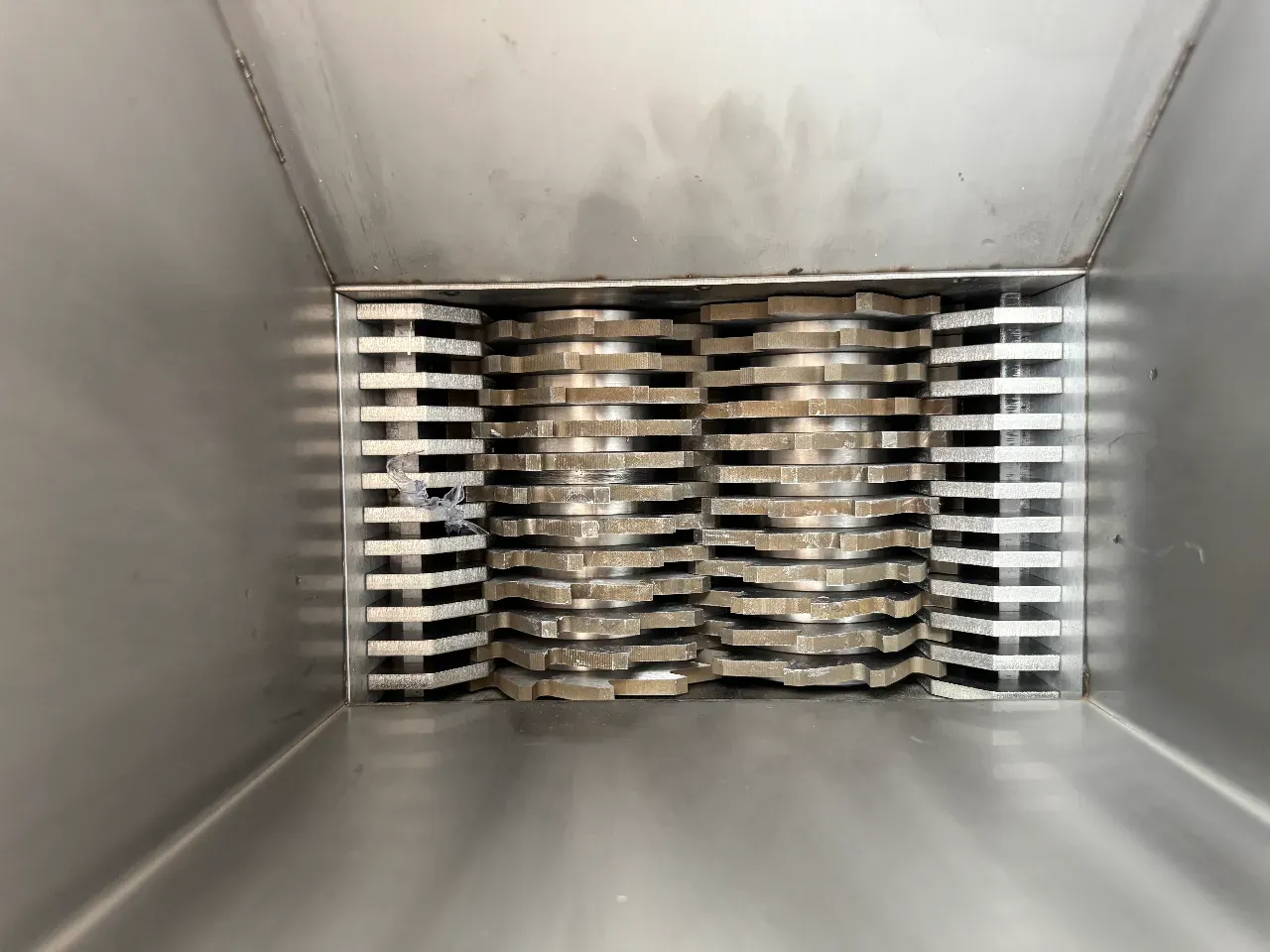
Select the 5 mm knife set for thicker pieces and general regrind, or the 3 mm knife set when you want finer and more consistent output.
110V or 220V Options
The electrical setup can be matched to your region so the machine is easier to deploy in classrooms, studios, and small recycling startups.
Fits Closed-Loop Material Reuse
Ideal as the first reduction step before drying, extrusion, or lab trials when you want to reuse in-house plastic waste instead of discarding it.
Typical Materials and Use Cases
This compact shredder is best suited to clean, sorted plastic streams where consistent regrind matters more than maximum hourly output.
3D Printing Waste
Handles failed prints, support structures, purged material, and prototyping offcuts in PLA, PETG, and ABS workflows.
Prepared PET Bottles
Suitable for rinsed, dried, label-free PET bottle pieces that have been pre-cut to fit the 120 x 200 mm feed opening.
Bottle Caps and Rigid Parts
Processes clean HDPE and PP caps plus sprues, runners, and rigid production scrap from small molding or assembly cells.
Material Trials and Education
A practical size for universities, recycling labs, and makerspaces running material characterization or demonstration projects.
Desktop Regrind Workflow
A straightforward small-batch process for turning sorted scrap into reusable regrind.
Sort and Prepare
Keep polymer types separated, remove labels and moisture, and cut oversize parts so they feed smoothly.
Load the Cutting Chamber
Feed prepared scrap through the 120 x 200 mm opening and match the blade model to your target regrind profile.
Shred into Regrind
The geared rotor and H13 blade set reduce material into a 3-6 mm output range, depending on feedstock and knife geometry.
Collect, Dry, and Reuse
Store regrind by material type, dry when needed, and move it to extrusion, filament making, or batch trials.
Why a Small Desktop Shredder Is the Right Scale for Lab Work
For prototyping, education, and low-volume recycling, the right machine size usually matters as much as throughput.
| Decision Factor | This Mini Desktop Shredder | Manual Cutting | Large Industrial Shredder |
|---|---|---|---|
| Footprint | Fits compact rooms and desktop-adjacent recycling cells | No machine footprint, but poor consistency and high labor | Often oversized for small workshops and pilot projects |
| Output Control | Designed for a 3-6 mm small-batch regrind target | Irregular manually cut pieces | High throughput, but not always practical for tiny trial lots |
| Power Requirement | 1.5 kW with 110V or 220V options | Low power, high operator effort | Usually requires heavier infrastructure |
| Material Trials | Practical for testing blade setups and material recipes in small lots | Difficult to reproduce results from batch to batch | Often uneconomical for short trial runs |
| Downstream Pairing | Easy to match with benchtop drying and filament extrusion equipment | Feed shape is inconsistent for extrusion | May create more output than a lab-scale downstream system can absorb |
Technical Specifications
Core machine data for confirming fit, utilities, and the right blade package.
| Parameter | Specification |
|---|---|
| Feed Opening | 120 x 200 mm |
| Target Regrind Output | 3-6 mm, material dependent |
| Typical Throughput | 1-5 kg/h, material dependent |
| Blade Model A | 22 rotating blades + 22 fixed blades, 5 mm width |
| Blade Model B | 36 rotating blades + 36 fixed blades, 3 mm thickness |
| Rotating Blade Diameter | 100 mm |
| Blade Material | H13 industrial tool steel |
| Motor Power | 1.5 kW with gearbox |
| Voltage | Customizable, 110V or 220V options |
| Machine Weight | 101 kg |
| Overall Dimensions | 650 x 300 x 780 mm |
Machine Gallery
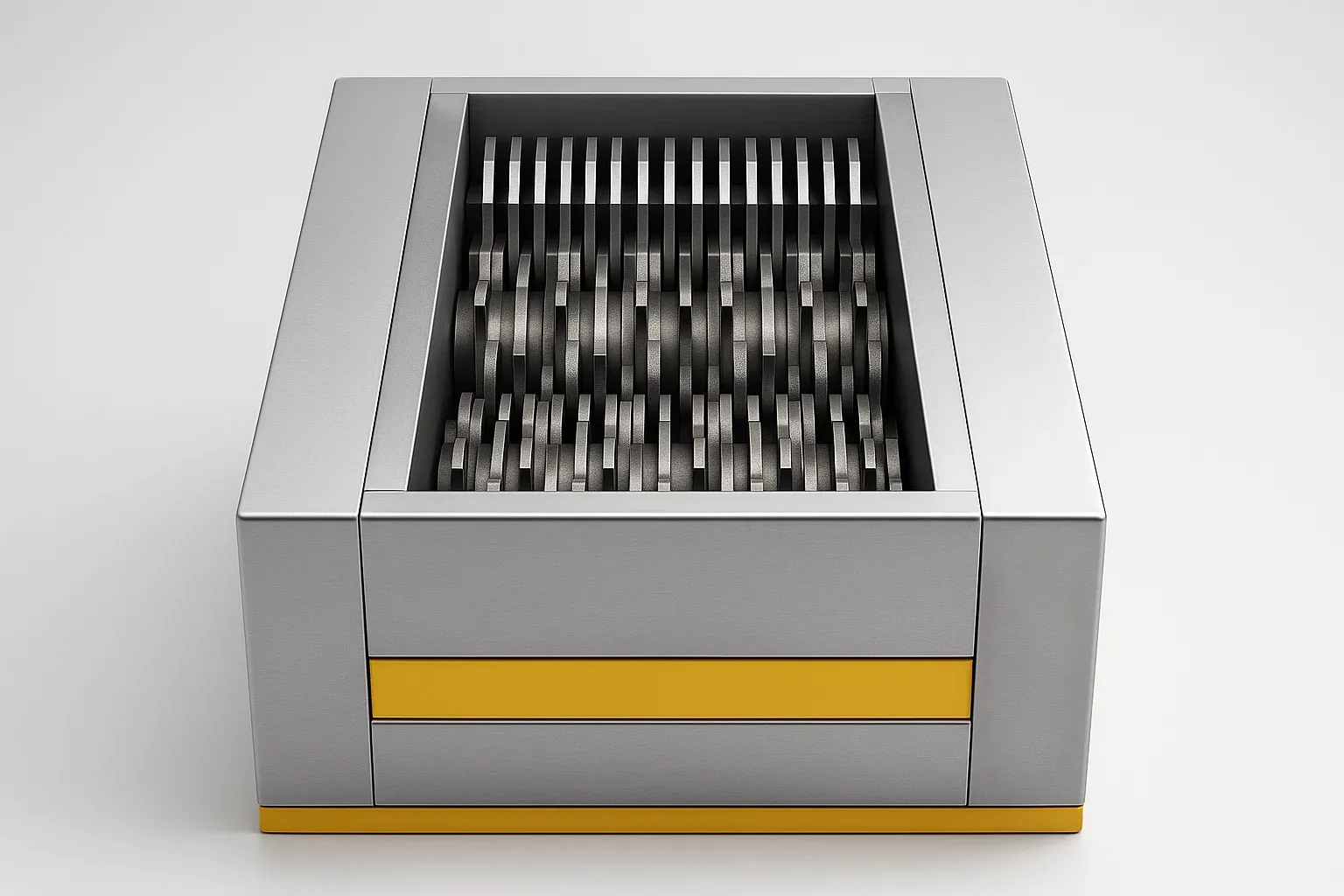
See the compact machine body and the blade configuration used for controlled small-batch shredding.
Watch the Shredder in Operation
Video preview of the compact cutting chamber and regrind generation workflow.
Frequently Asked Questions
Key answers for buyers comparing small plastic shredders for lab and studio use.
Typical inputs include failed 3D prints, bottle caps, sprues, runners, rigid containers, and prepared PET bottle pieces. Material should be clean, dry, and sorted by polymer for the most stable results.
The target output is 3-6 mm, but the exact regrind profile depends on plastic type, wall thickness, blade model, and feed preparation.
The 5 mm configuration is commonly chosen for thicker or less uniform rigid pieces, while the 3 mm configuration is preferred when finer, more consistent regrind is needed for feeding a small extruder.
Yes. The machine can be supplied in 110V or 220V versions. Share your country, plug type, and installation environment when requesting a quotation.
It is well suited as the first size-reduction step. Many users still add drying, screening, or mixing before extrusion to improve consistency, especially for hygroscopic or mixed-shape scrap.
Our mini desktop shredder is priced for small-scale users including makerspaces, schools, and research labs. Contact us with your voltage requirement (110V or 220V) and blade preference (3mm or 5mm) for an accurate quote.
Yes, with preparation. Remove labels and caps, and cut bottles into strips that fit the feed opening. The shredder produces 3-6mm flakes suitable for filament extrusion or craft projects. For industrial-scale PET bottle recycling, see our PET bottle recycling system.
A desktop shredder processes 1-5 kg/hour and is designed for labs, classrooms, and small workshops. An industrial granulator handles 200-3,000+ kg/hour and is built for continuous production environments. The desktop shredder is ideal for prototyping, education, and closed-loop 3D printing workflows.
Request Pricing for the Mini Desktop Small Shredder
Tell us your material type, expected batch size, preferred blade model, and local voltage. We will confirm the right configuration and quote accordingly.