

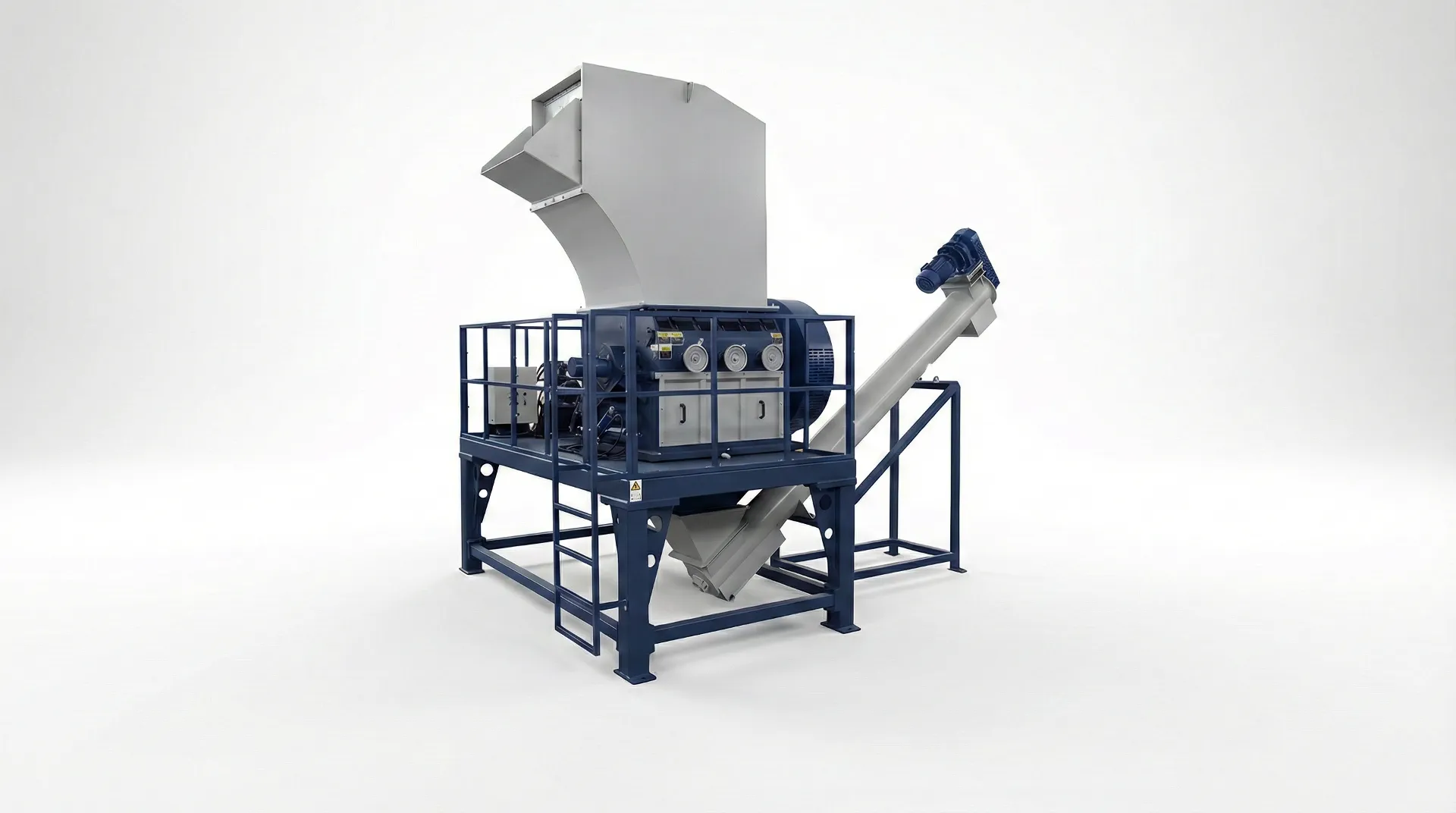
Wet Crusher · Bottle Granulator · Pre-Washing in One Machine
Wet Plastic Crusher & Bottle Granulator for Recycling
A wet plastic granulator combines size reduction, cooling, and pre-washing in one machine. Water injection helps clean the material, reduce heat buildup, extend blade life, and improve flake quality before downstream washing and drying.
Why Wet Granulation Works Better for Contaminated Plastic Streams
By adding water directly into the cutting chamber, a wet plastic crusher handles washing, cooling, and granulation in a single stage instead of forcing a dry machine to do everything alone.
Integrated Pre-Washing During Crushing
Water flow helps remove dirt, dust, labels, and loose contamination while the material is being cut, reducing the burden on downstream washing equipment and improving overall line efficiency.
Continuous Cooling
Cooling inside the chamber helps limit heat buildup so flakes are less likely to smear, soften, or degrade during granulation.
Longer Blade Service Life
Water acts as both coolant and lubricant, reducing friction on the rotor and blades and helping wear parts last longer.
Cleaner and More Uniform Regrind
Stable cutting with cooling and washing helps generate more consistent flakes with fewer fines, making the output better suited for flotation, friction washing, drying, and pelletizing.
High-Efficiency Wet Line Integration
Ideal for PET bottle, rigid container, and mixed post-consumer lines where crushing, washing, and cleaning need to work as one coordinated system.
Custom Blade and Screen Setup
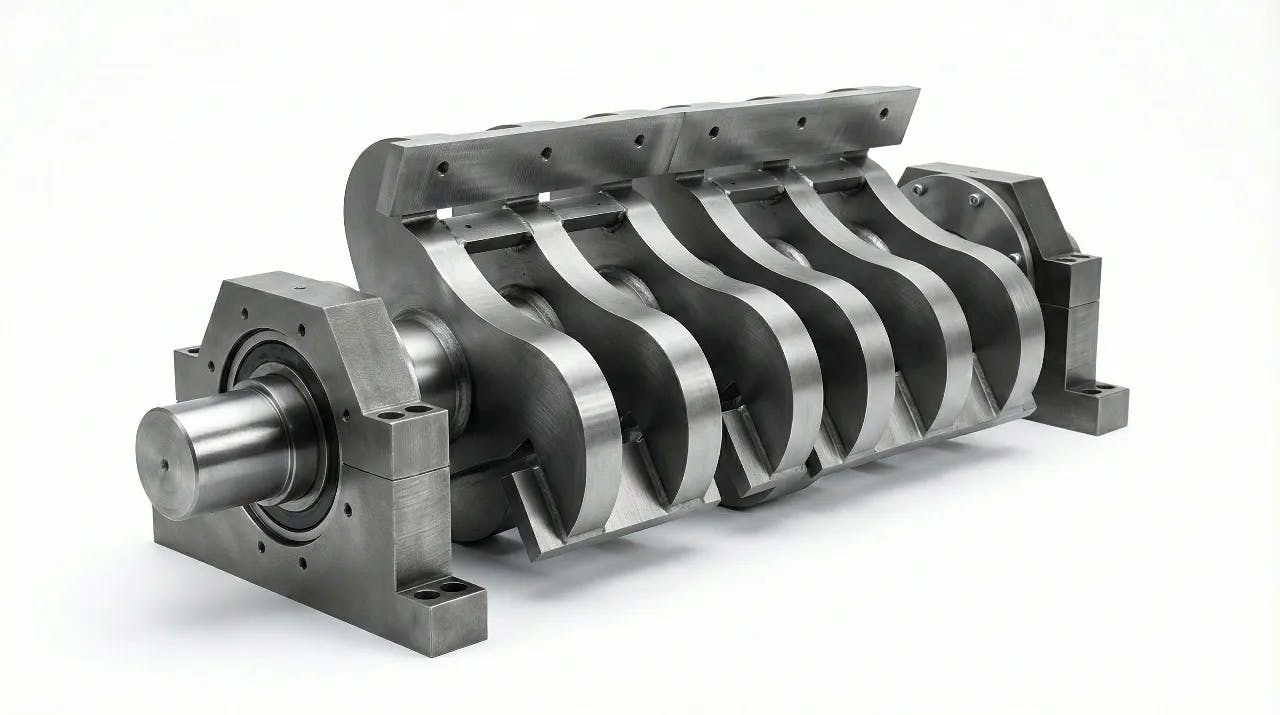
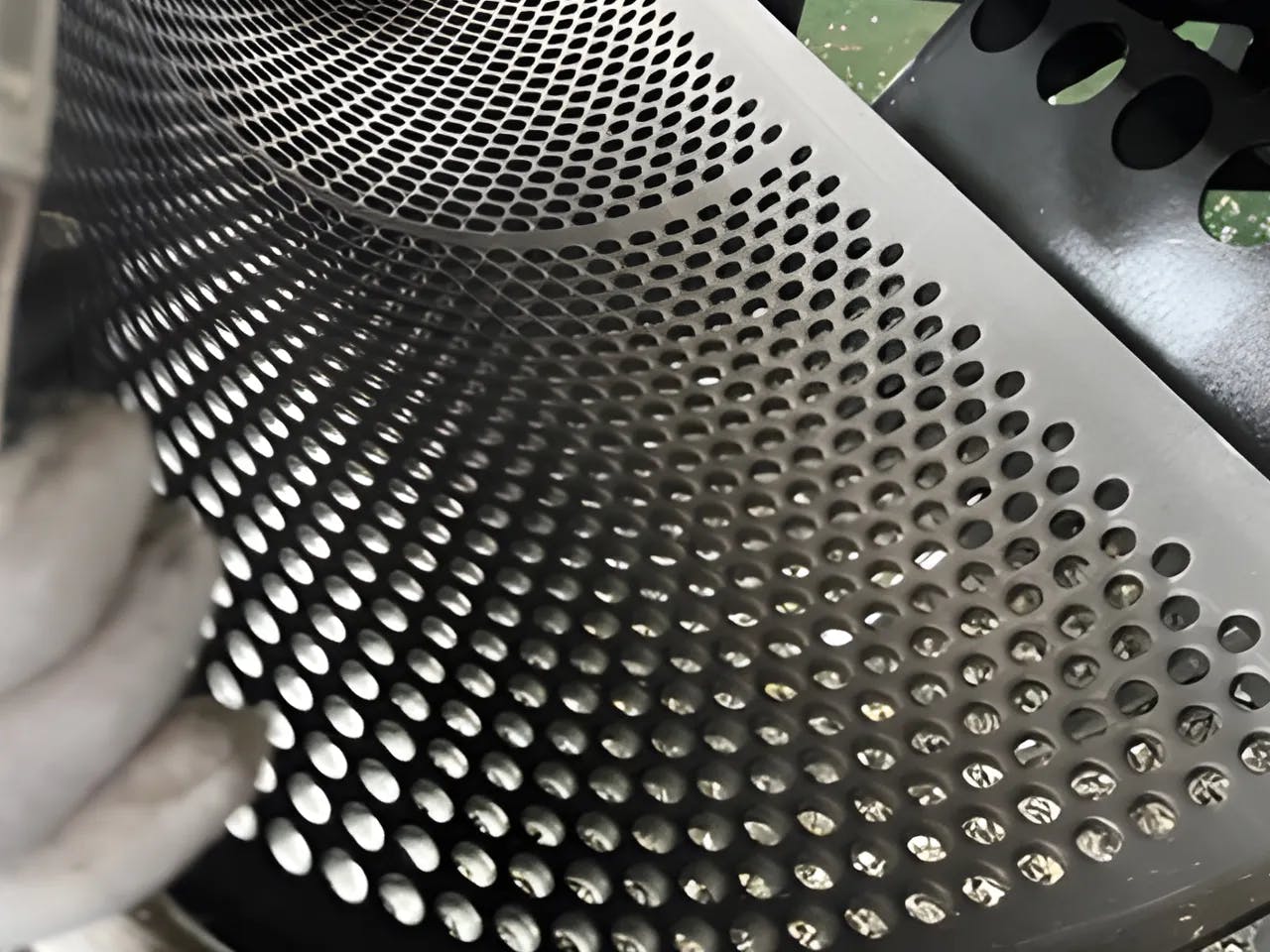
Rotor geometry, D2 blade configuration, and screen opening can be matched to different materials, contamination levels, and target flake sizes.
Typical Applications for a Wet Plastic Granulator
This machine is most valuable when material needs both size reduction and wet cleaning before the next washing or drying stage.
Post-Consumer Bottles and Containers
Crushes and pre-cleans PET, HDPE, and PP bottles or rigid containers before flotation and friction washing.
In-House Wet Scrap Recovery
Useful for converting molding, blow-molding, or trimming scrap into cleaner reusable flakes when contamination is present.
Washing Line Feedstock Preparation
Creates a more uniform flake size for sink-float tanks, friction washers, dewatering machines, and thermal dryers.
Rigid and Flexible Plastic Recycling
Can be configured for rigid plastics, bottles, films, and mixed post-consumer streams depending on blade and screen selection.
How the Wet Plastic Crusher Process Works
A continuous wet granulation workflow that combines cutting, washing, cooling, and discharge in one stage.
Feed Material with Water Injection
Plastic enters the cutting chamber while water is sprayed onto the feed and cutting area.
Crush and Granulate
The high-speed rotor with D2 blades cuts the material into flakes while reducing friction and heat buildup.
Wash Away Loose Contamination
Water helps carry away dirt, paper, dust, and other light residue released during cutting.
Discharge Sized Regrind
Uniform flakes pass through the screen and move to downstream washing, separation, dewatering, or drying stages.
Wet Plastic Granulator vs Standard Dry Granulator
If your material is already clean and dry, a standard granulator may be enough. If contamination, heat, and wash efficiency matter, wet granulation is usually the better fit.
| Selection Factor | Wet Plastic Granulator | Standard Dry Granulator | Separate Washing After Dry Crushing |
|---|---|---|---|
| Contaminated Material Handling | Better for dirty, dusty, or post-consumer streams | Better for cleaner feedstock | Possible, but adds more washing burden downstream |
| Blade Cooling | Water helps cool and lubricate the cutting chamber | No integrated water cooling | No direct cooling during crushing |
| Pre-Washing Effect | Cleans during size reduction | No integrated washing | Requires a fully separate washing stage afterward |
| Best Use Case | Wet lines, contaminated bottles, mixed post-consumer plastics | Clean in-house scrap and pre-cleaned materials | Used when line layout already separates crushing and washing |
| Line Simplicity | Combines crushing and pre-cleaning in one stage | Simple machine, but may require more downstream support | More transfer points and wash load |
Technical Specifications
Reference models for wet crushing and granulation of plastic waste. Final output and throughput depend on material type, contamination, and screen selection.
| Model | Rotor Diameter | Rotating Speed | Motor Power | Blade Material | Capacity (kg/h) |
|---|---|---|---|---|---|
| ERM-WPG-500 | 500 mm | 550 RPM | 45 kW | SKD11 / D2 | 500 – 800 |
| ERM-WPG-600 | 600 mm | 500 RPM | 55 kW | SKD11 / D2 | 800 – 1500 |
| ERM-WPG-700 | 700 mm | 428 RPM | 90 kW | SKD11 / D2 | 1500 – 2000 |
| ERM-WPG-800 | 800 mm | 370 RPM | 110 kW | SKD11 / D2 | 2000 – 2500 |
Machine Gallery
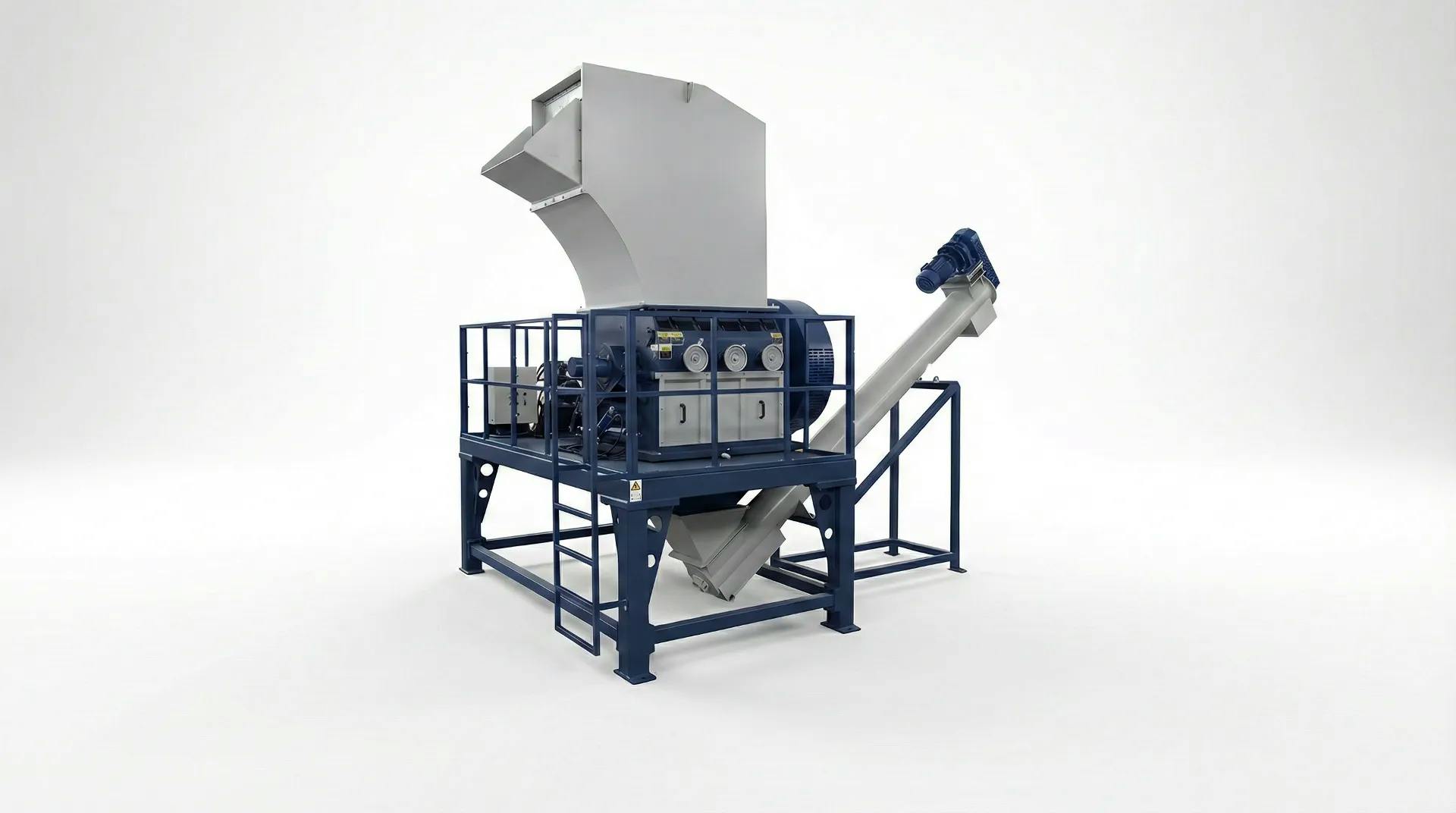
Key wet granulator components and machine views used in plastic recycling lines.
Plastic Bottle Crusher: PET & HDPE Bottle Recycling
When used as a plastic bottle crusher, this wet granulator is the ideal first-stage size reduction unit in PET and HDPE bottle washing lines. Water injection during crushing pre-washes label glue, dirt, and residual liquids off the bottle flakes — eliminating a separate pre-wash step and reducing your total equipment footprint.
PET Bottle Crushing
Crushes whole PET bottles to 12–18 mm flakes while water flushes away labels and cap fragments. Output feeds directly into a hot wash tank or friction washer for deep cleaning.
HDPE Container Crushing
Handles HDPE milk jugs, detergent bottles, and chemical containers. Wet crushing neutralizes residual chemicals and reduces dust — critical for food-grade HDPE regrind production.
V-Cut Rotor for Bottles
The V-shaped rotor blade geometry creates a scissor-cut action on hollow bottles, producing uniform flakes with minimal fines. Screen mesh sizes from 10–20 mm control output particle size.
Pre-Wash During Crushing
Water nozzles inject 2–5 m³/h during crushing, removing 60–80% of surface contamination before the main wash stage. This significantly reduces chemical consumption and hot wash time downstream.
Frequently Asked Questions
Common questions about wet crushing, blade configuration, water use, and line integration.
The key advantage is that water helps wash material, cool blades, and reduce friction during crushing. This supports cleaner regrind, lower maintenance, and more consistent flake quality than dry crushing alone.
Usually no. A wet plastic granulator provides valuable pre-washing, but heavily contaminated material typically still needs friction washing, sink-float separation, and drying for higher-purity output.
These machines commonly use high-quality D2 or SKD11 blades in efficient cutting arrangements such as V-type or double-scissor geometry to improve shearing efficiency and flake consistency.
It is commonly used for PE and PP films, PET bottles, HDPE and PP rigid containers, injection or blow-molding scrap, and general post-consumer plastic streams after sorting. Final configuration depends on your material and contamination profile.
Water flow depends on material contamination, desired cleanliness, and line design. Many systems recirculate water through a settling or filtration loop to control consumption while maintaining stable washing and cooling.
Configure a Wet Plastic Granulator for Your Recycling Line
Send us your material type, contamination level, target throughput, and downstream process. We will recommend the right wet crusher model, blade setup, and supporting equipment.
