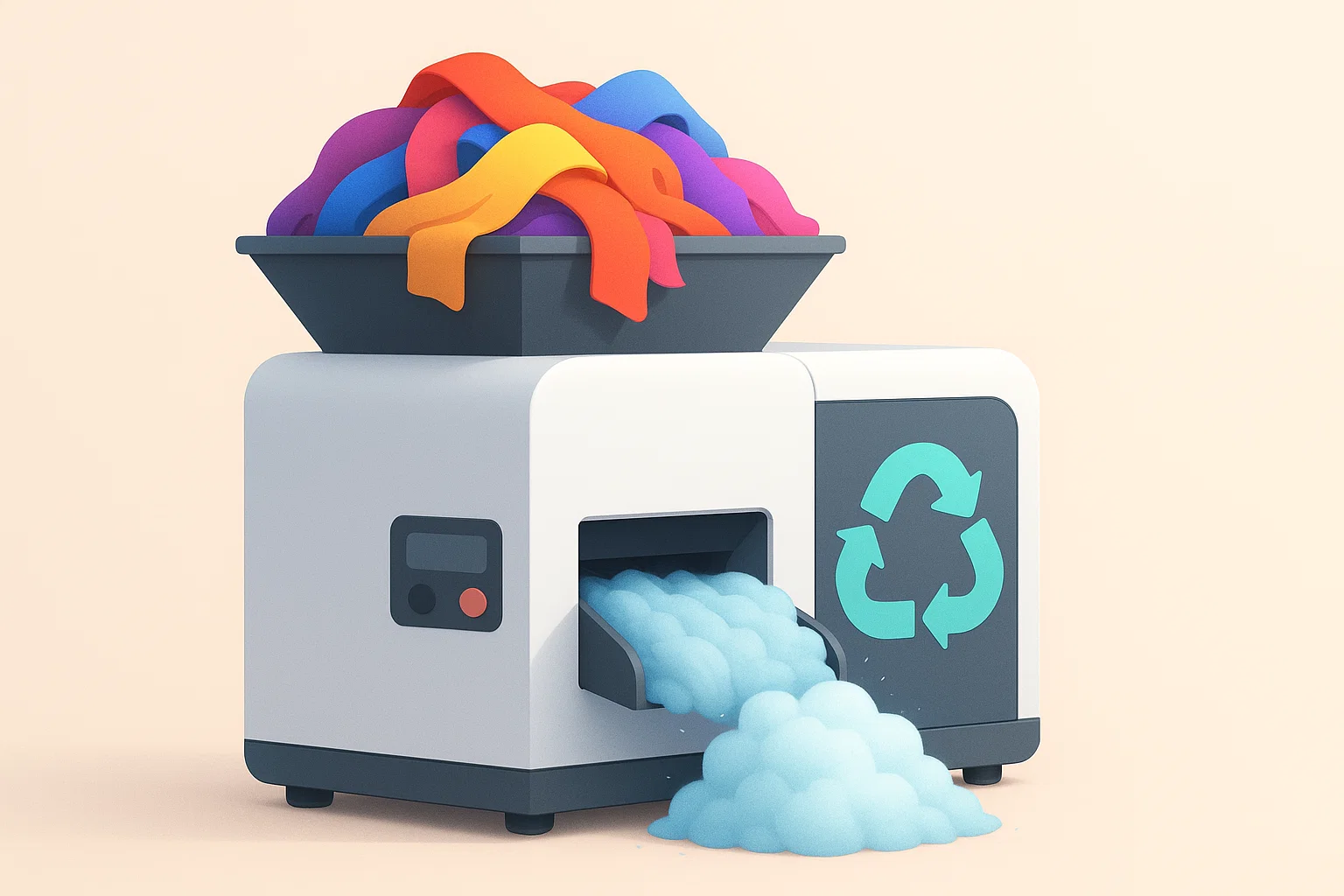
Textile recycling facilities statistically face higher fire risks than plastic plants. “Cotton fly” and synthetic microfibers create a perfect storm...
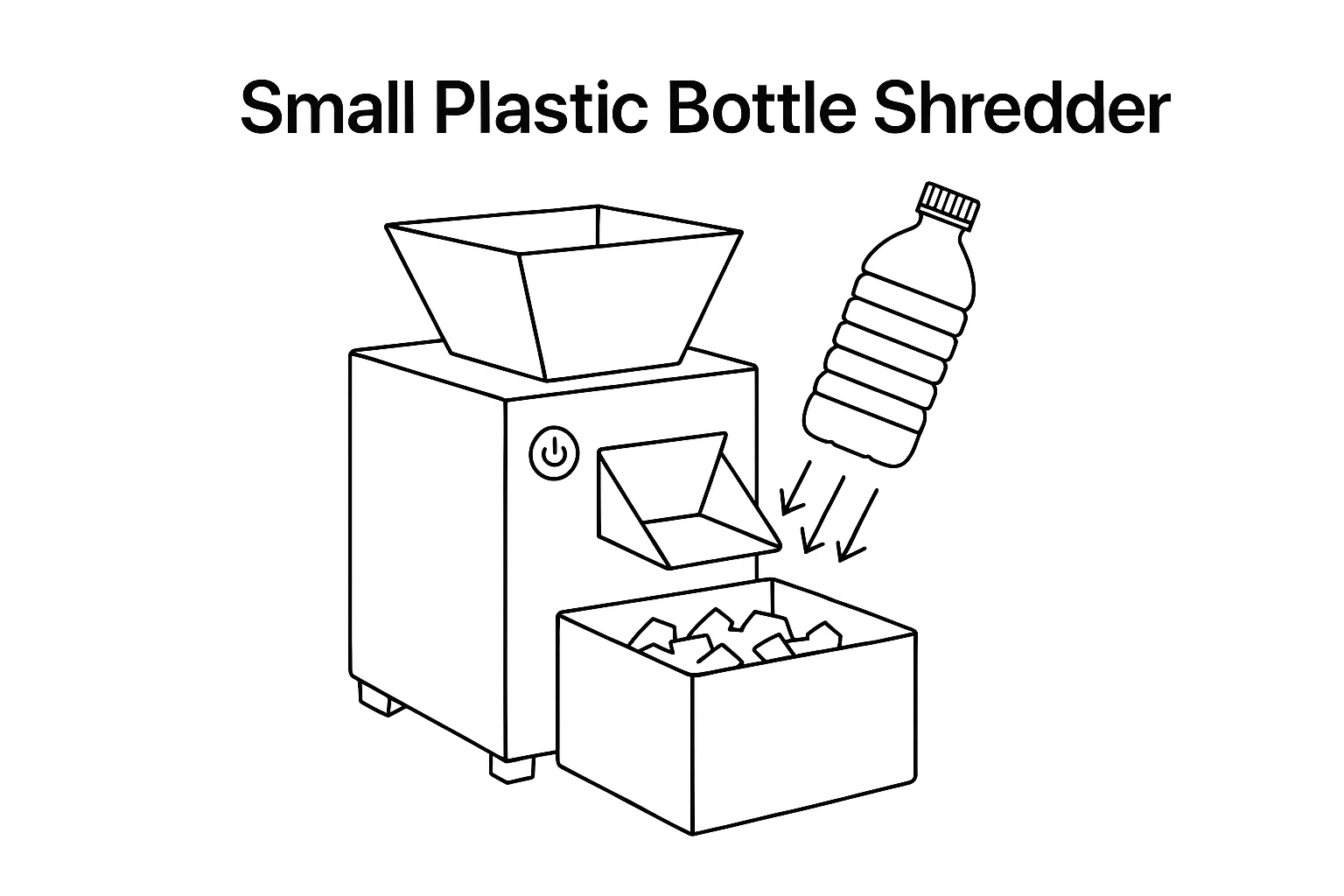
Best small plastic bottle shredder machines optimize space constraints without compromising throughput efficiency in recycling lines. For localized recycling ce...
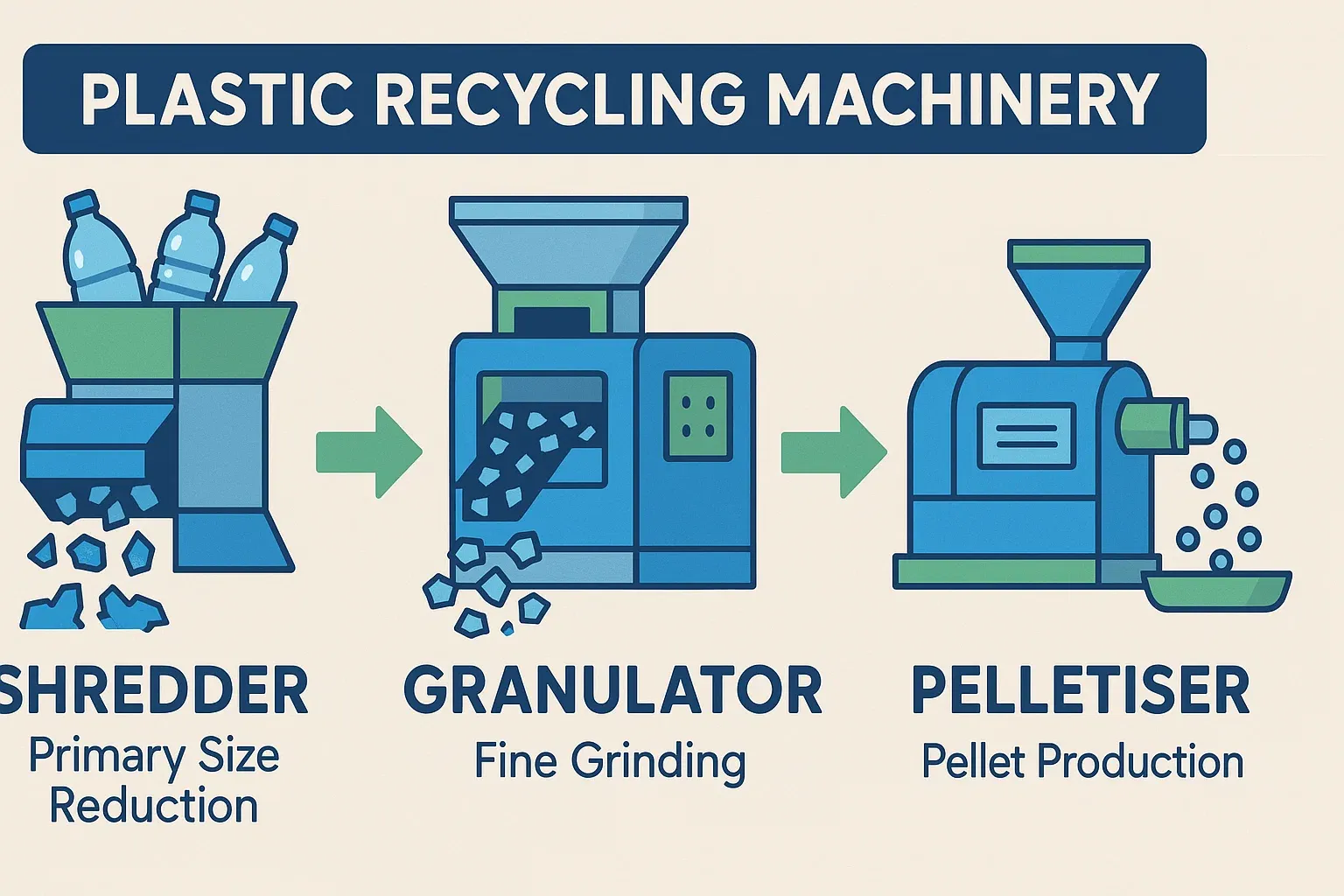
A recycling line is a cascade of size reduction. Attempting to granulate a whole pipe will destroy the machine. Attempting to extrude dirty flake will block the...
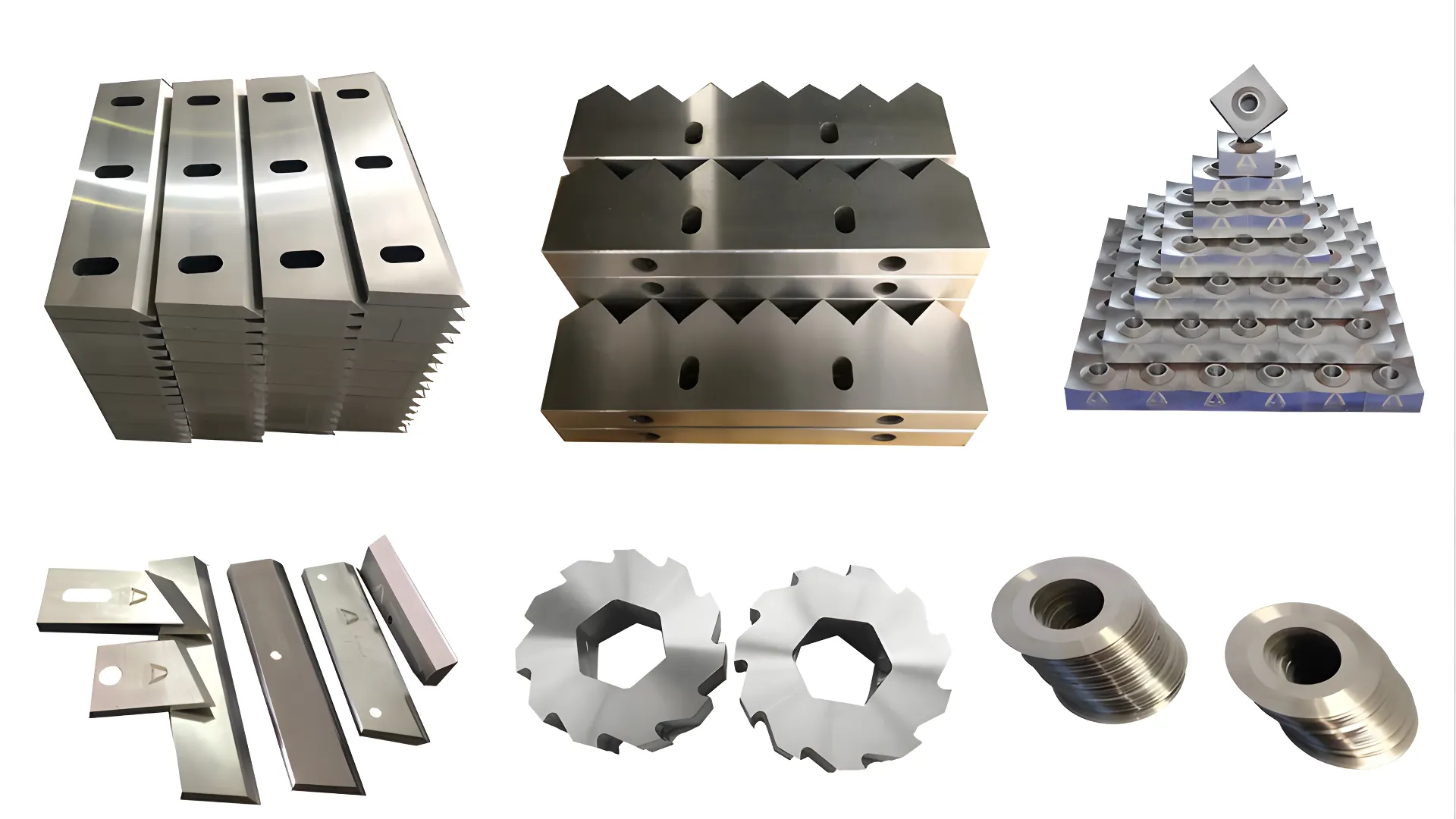
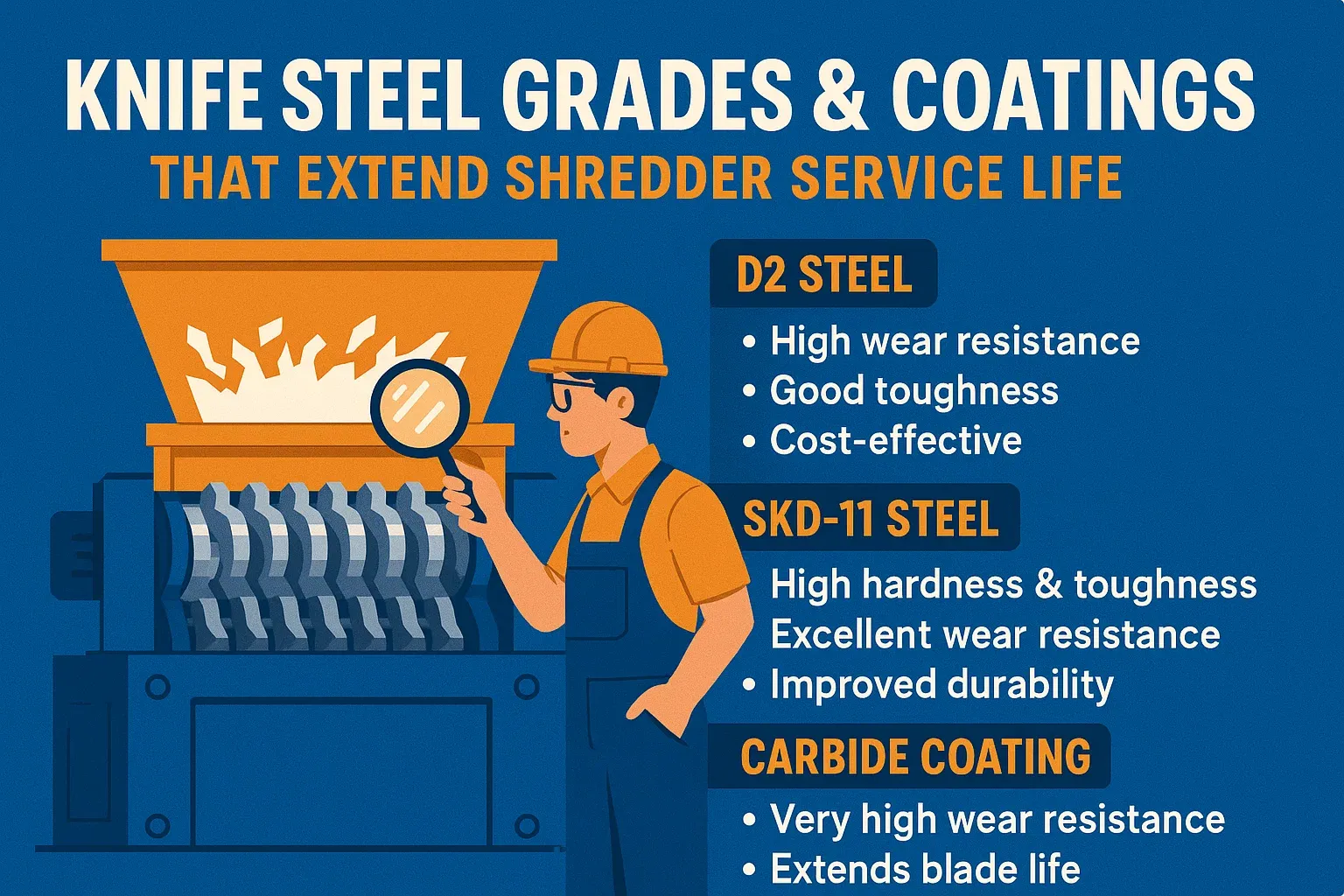
The profitability of a recycling line is often determined by a single consumable: the Rotary Knife. A set of blades that dulls in 200 hours versus one that last...
In industrial shredding, Wear Cost Per Ton is a key performance indicator (KPI). A set of D2 blades costing \$2,000 that lasts 500 hours (\$4/hr) is far more ex...
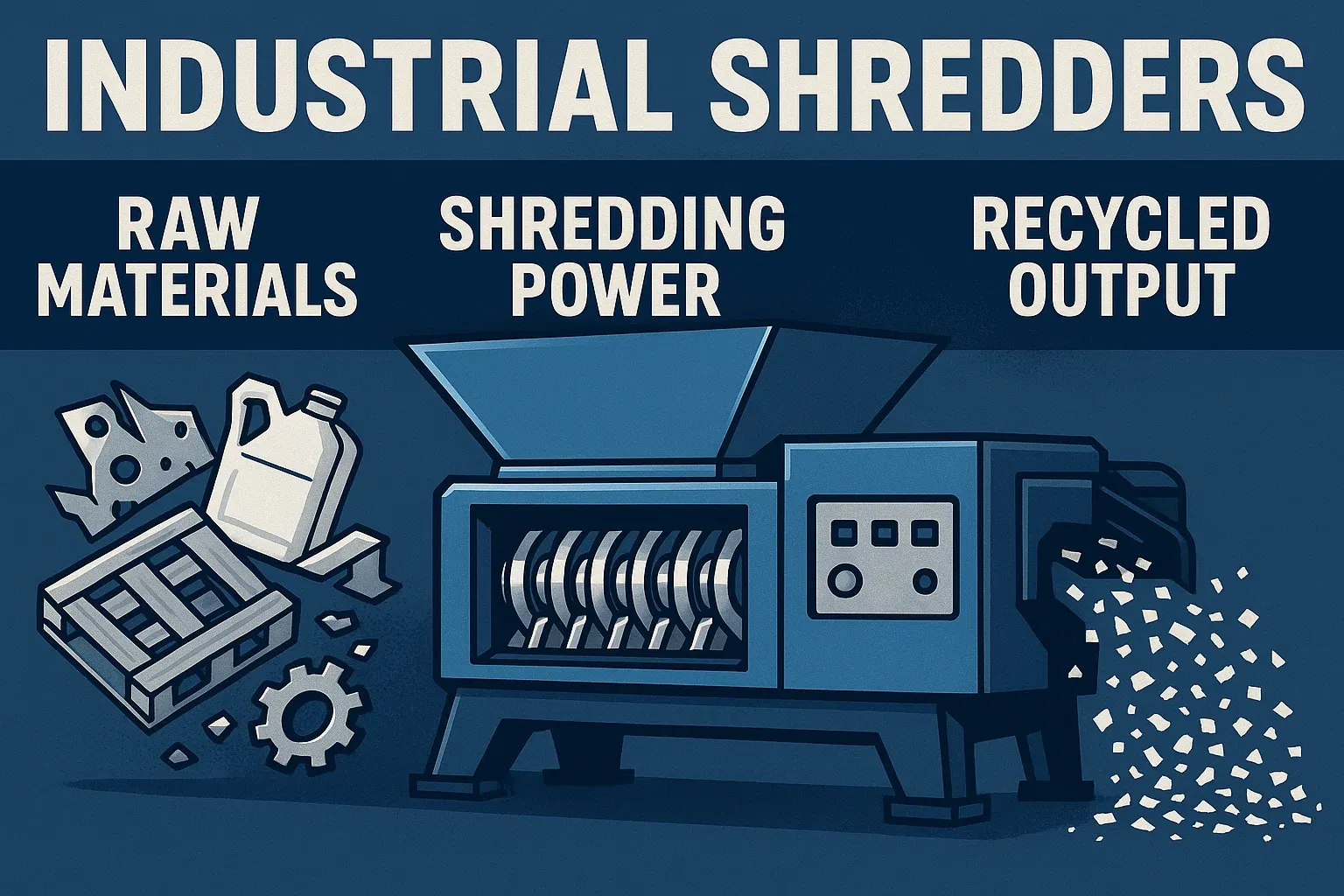
Industrial shredders are not random crushers; they are precision-engineered machines that exploit the mechanical properties of materials to induce failure. Whet...
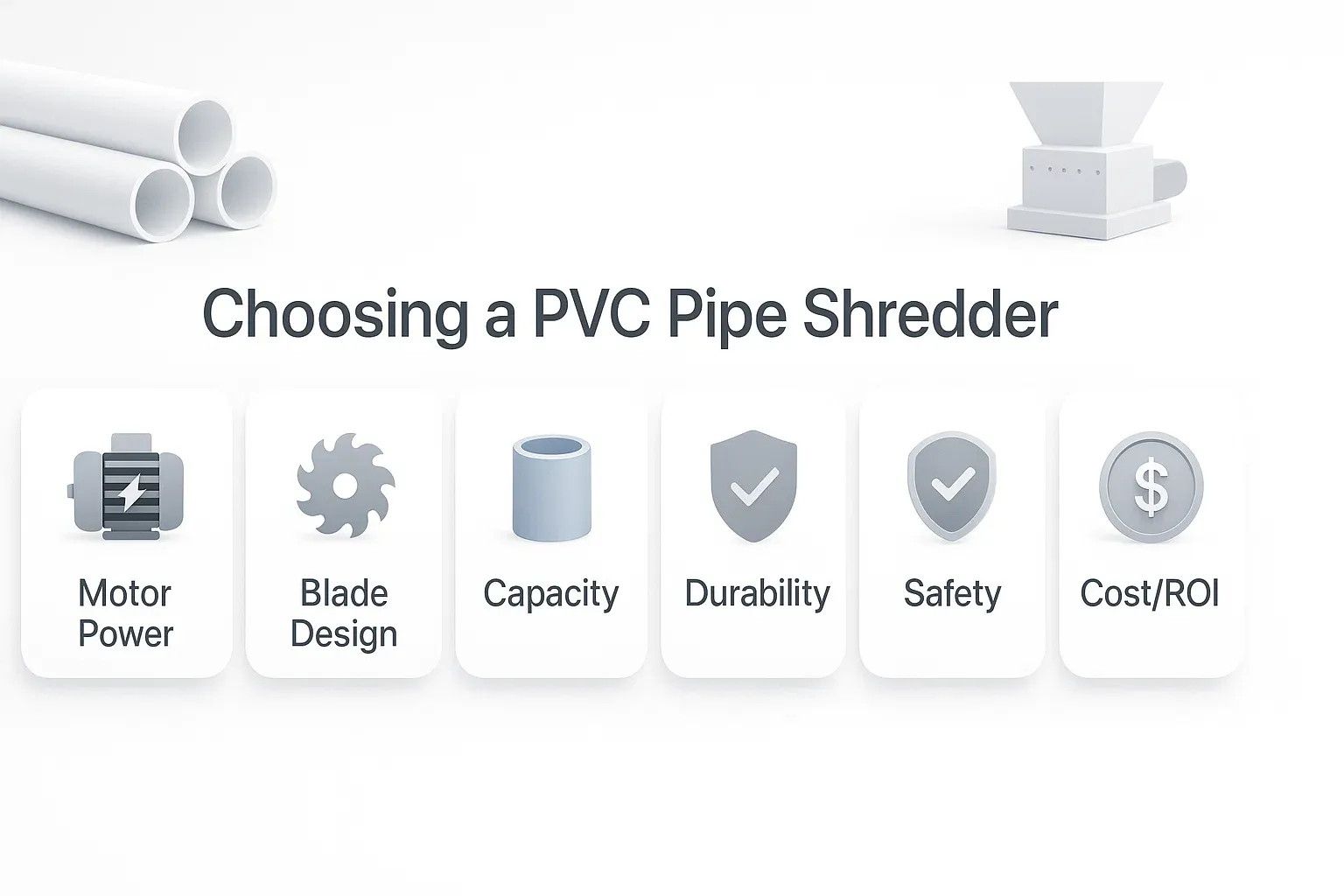
Recycling Polyvinyl Chloride (PVC) pipes presents three distinct engineering challenges: the brittleness of the material, the length of the feedstock (often 6m+...