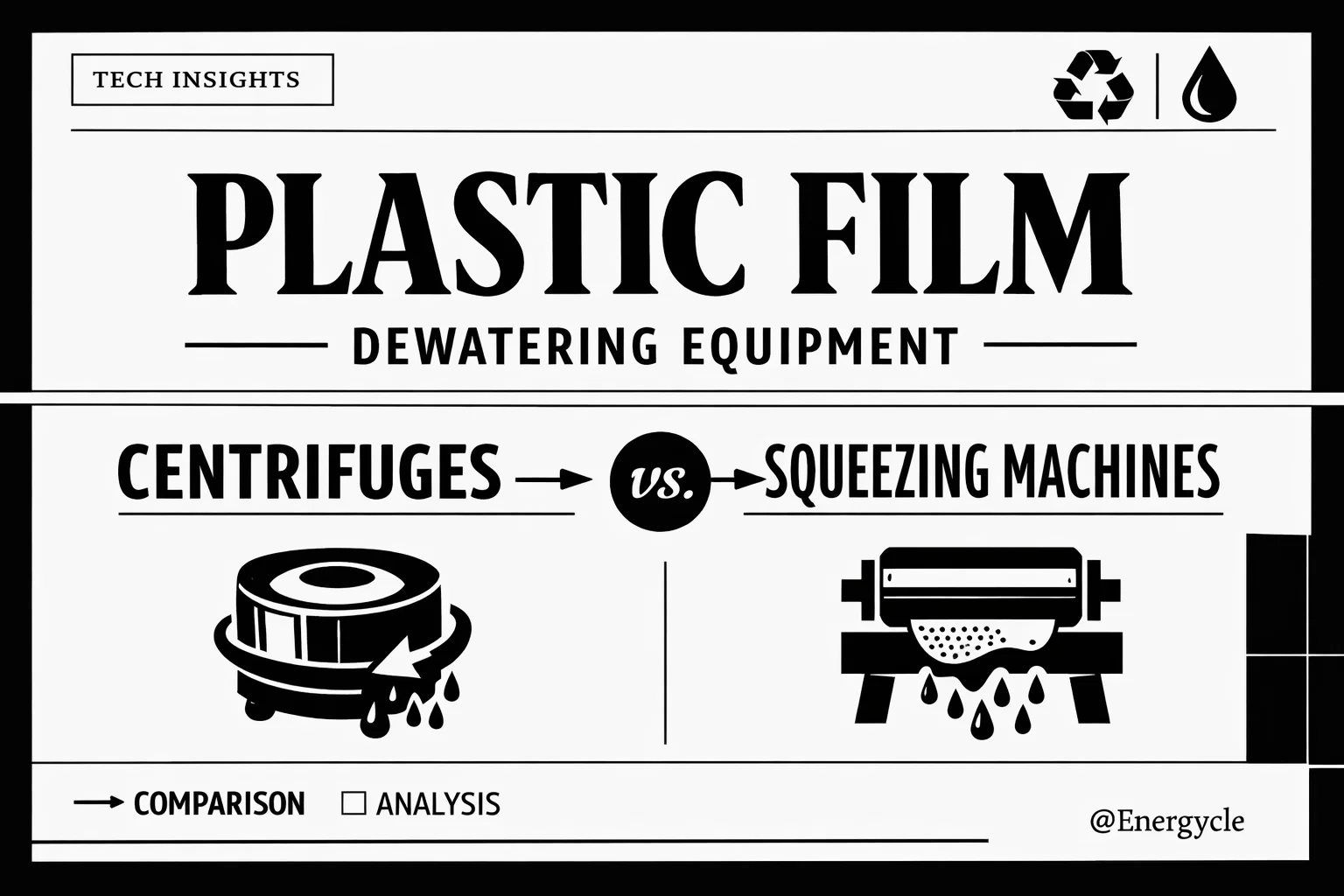
Plastic film dewatering equipment determines the thermal load and volumetric efficiency of downstream extrusion lines. Wet polyethylene (PE) and polypropylene (...
With rising energy costs and stricter recycled-content mandates expected in 2026, relying on outdated grinding technology is no longer viable. Choosing the righ...
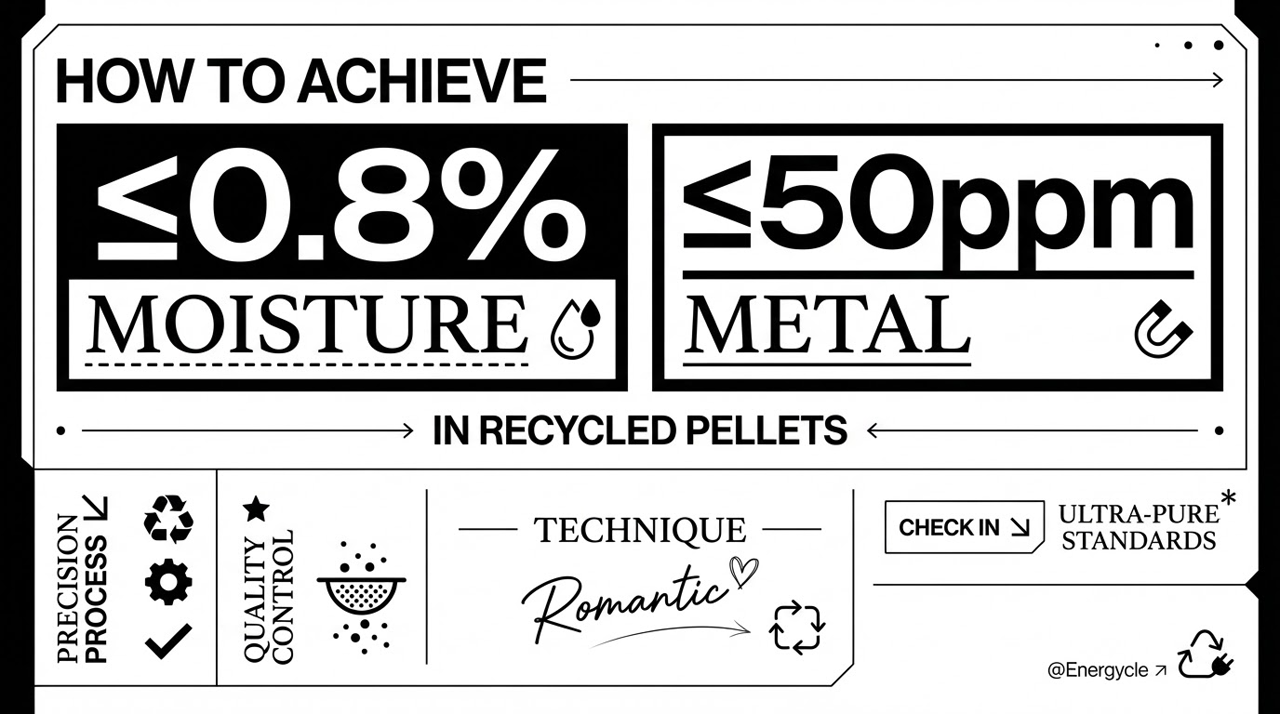
You run a recycling plant. You wash film or flakes, and you need the final pellets to hit two tight targets: moisture at 0.8 percent or lower and metal contamin...
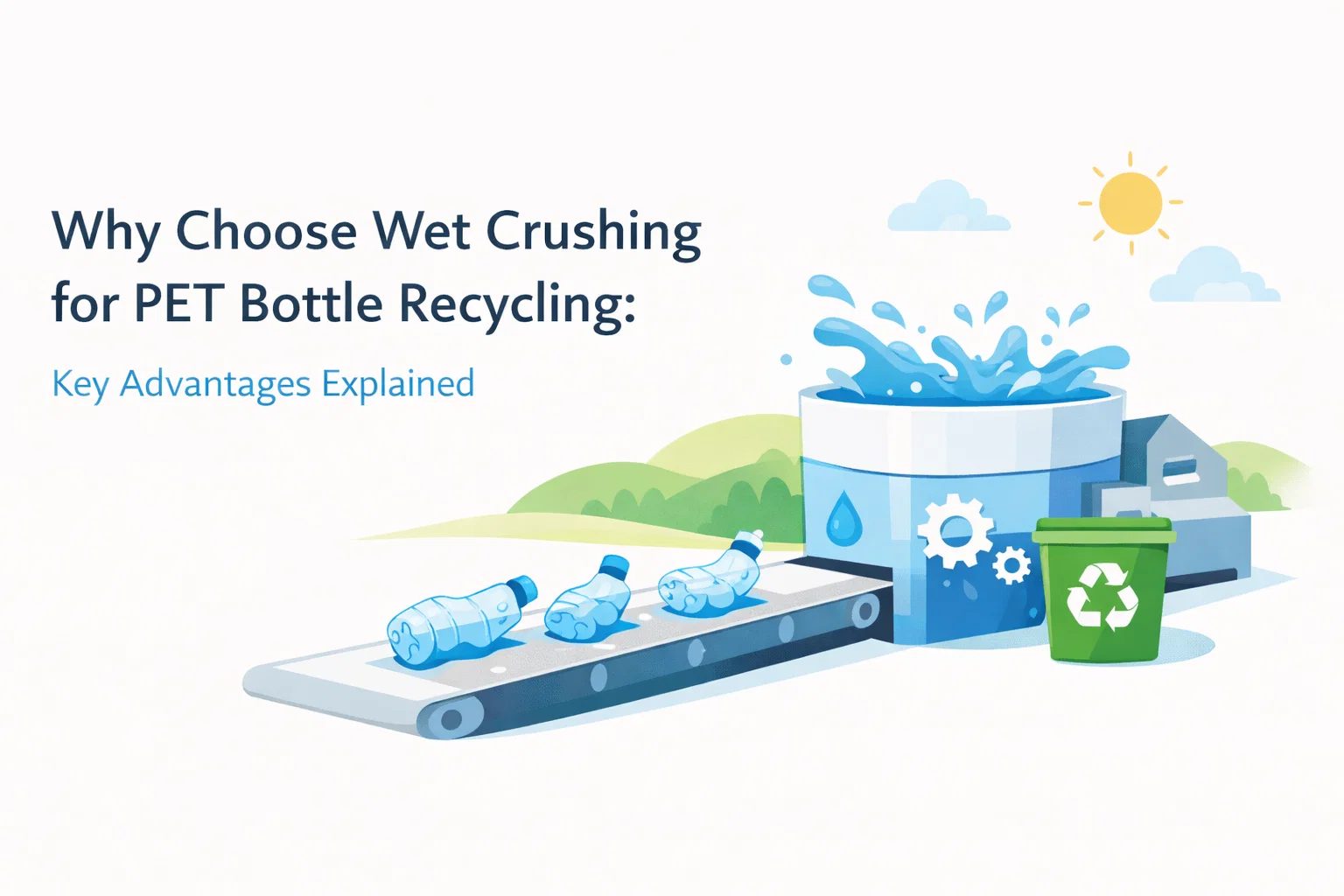
At Energycle, we process thousands of tons of PET bottles each year. We have tested both wet and dry crushing methods in real facilities. Time and again, wet cr...
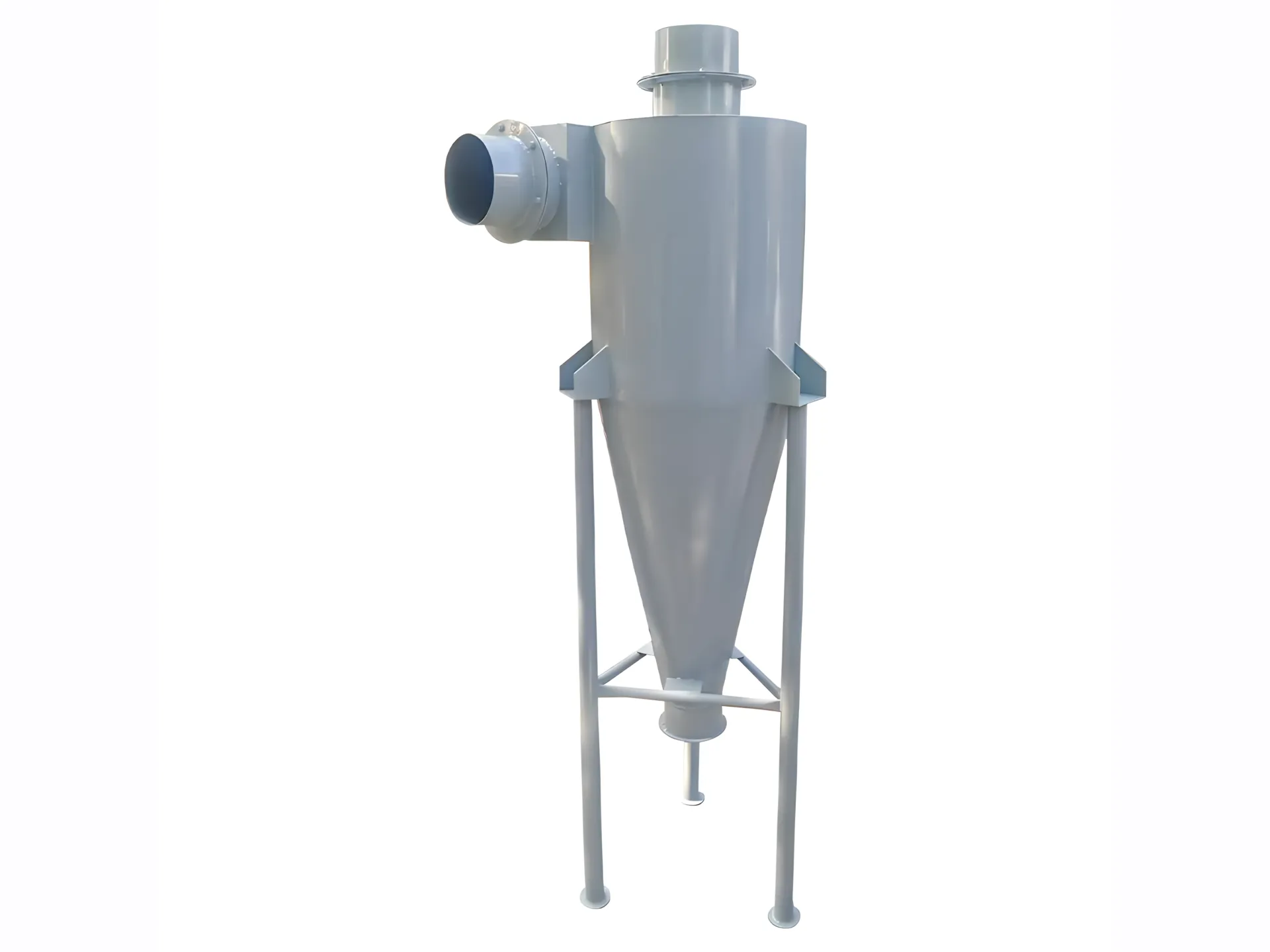
Cyclone separators in plastic recycling help remove dust, fines, labels, and lightweight contaminants from shredded or granulated materials. These systems use a...
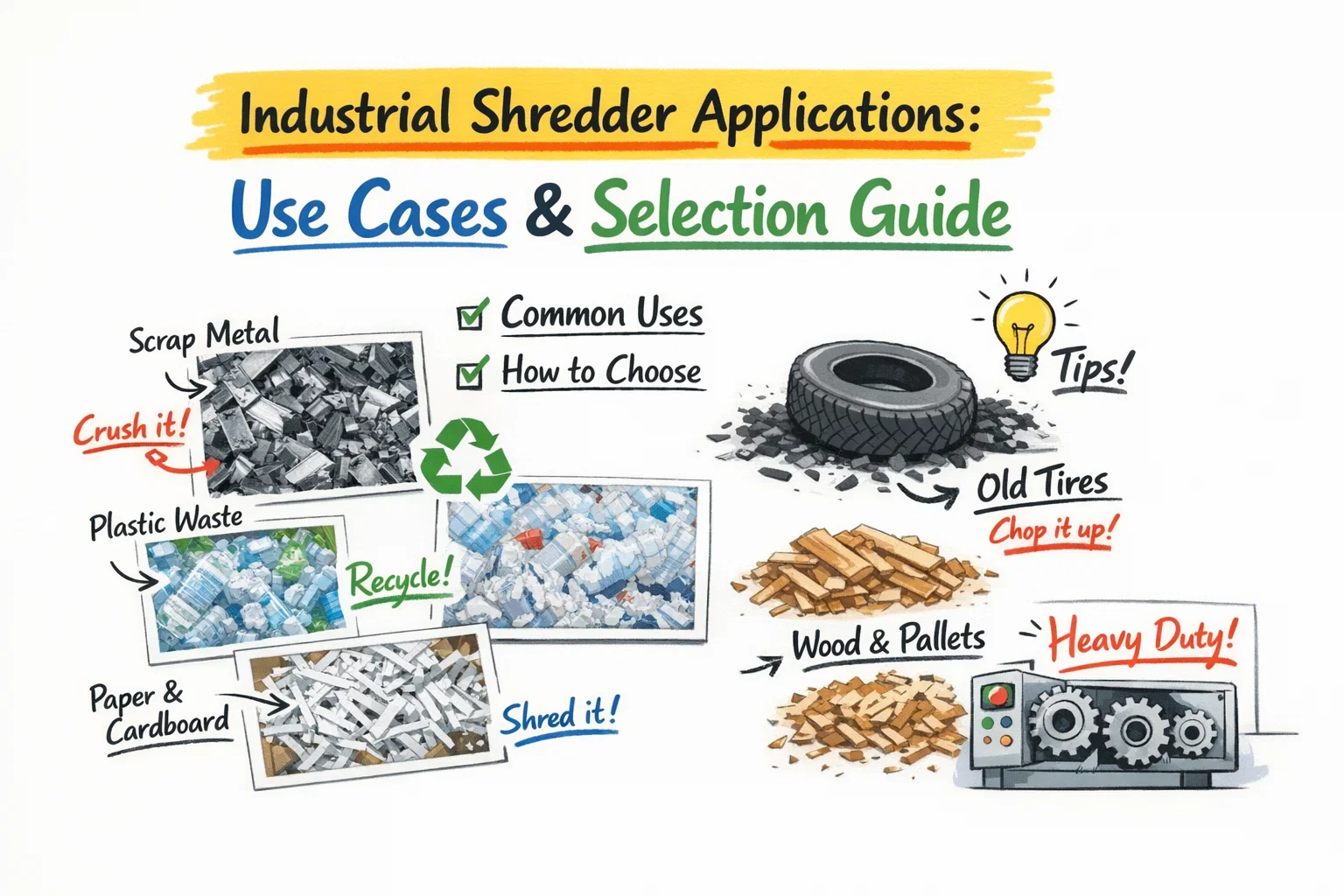
Overview Industrial shredders and grinders are used for more than “waste reduction.” In practice, they are usually the first step in a material-handling...
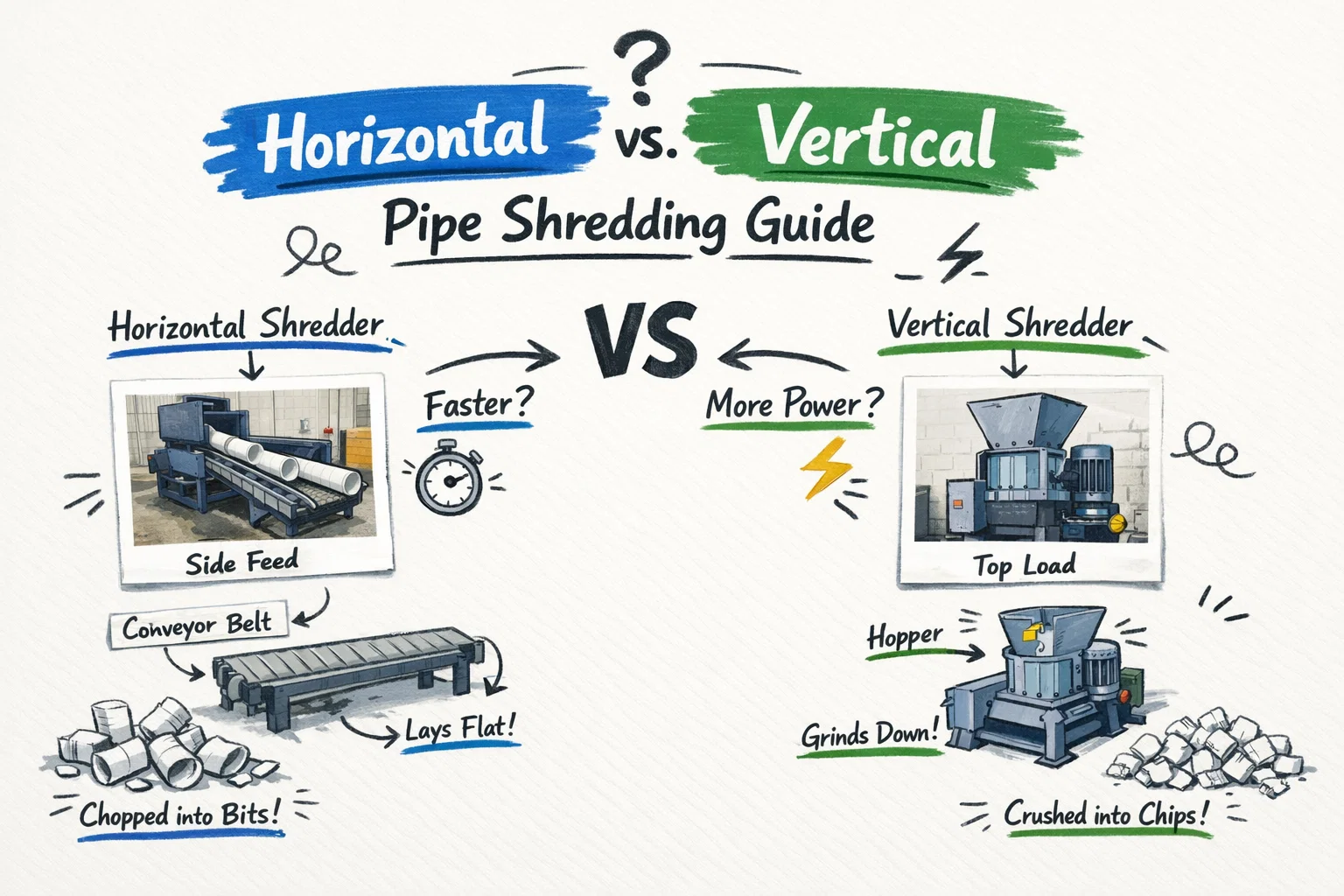
If you are trying to decide between a horizontal pipe shredder and a vertical pipe granulator, the real question is not “Which machine is better?” The quest...
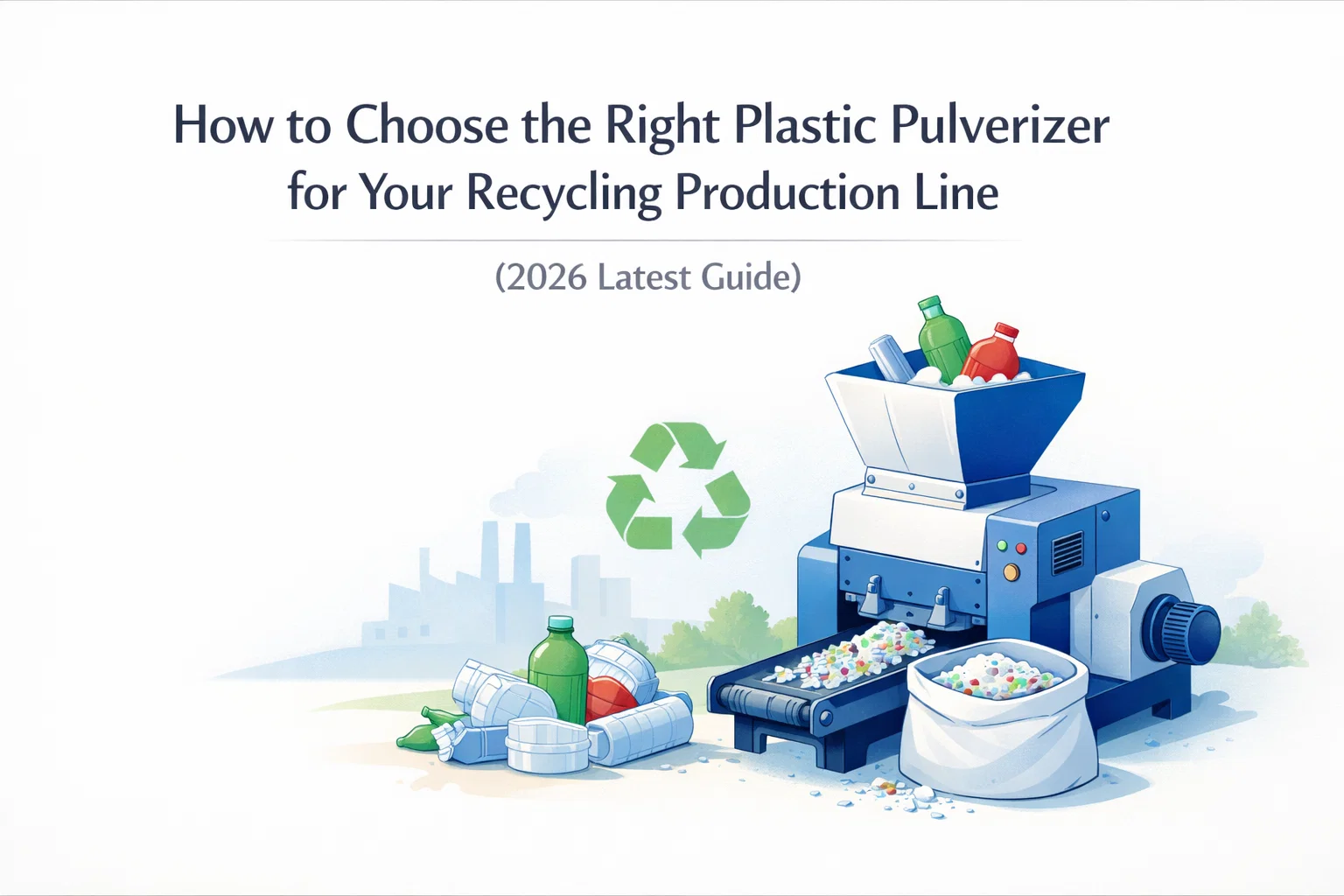
Industrial shredder machine selection for plastics is mainly a trade-off between throughput, cut quality, and uptime risk under real feedstock conditions. For m...
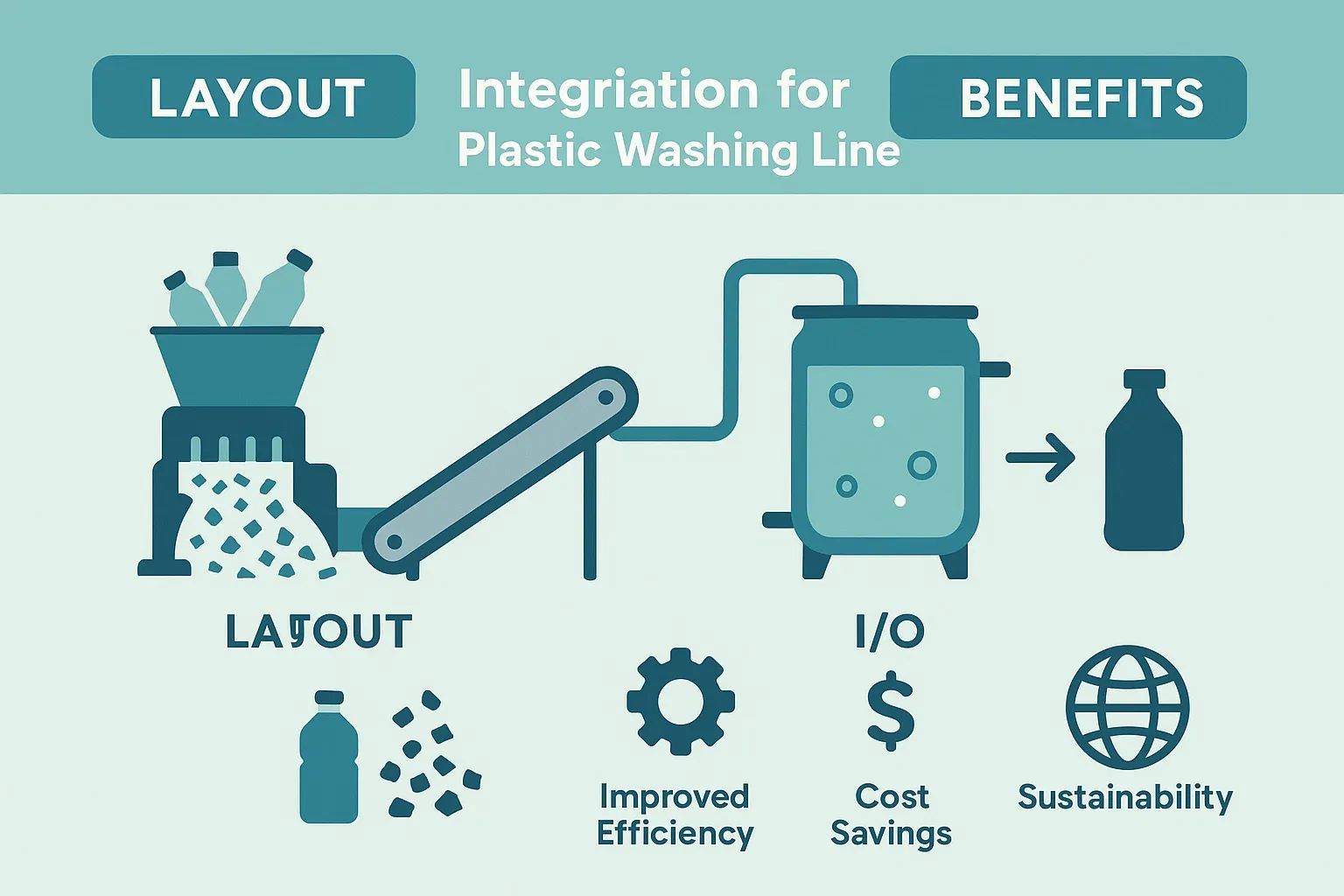
A plastic washing line is a continuous process. A shredder is a batch process. Connecting them directly without buffering and controls often causes instability...
A tire shredder is not a waste disposal machine; it is a manufacturing plant. The defining specification of your shredder (Output Size, Cut Quality, Steel Separ...