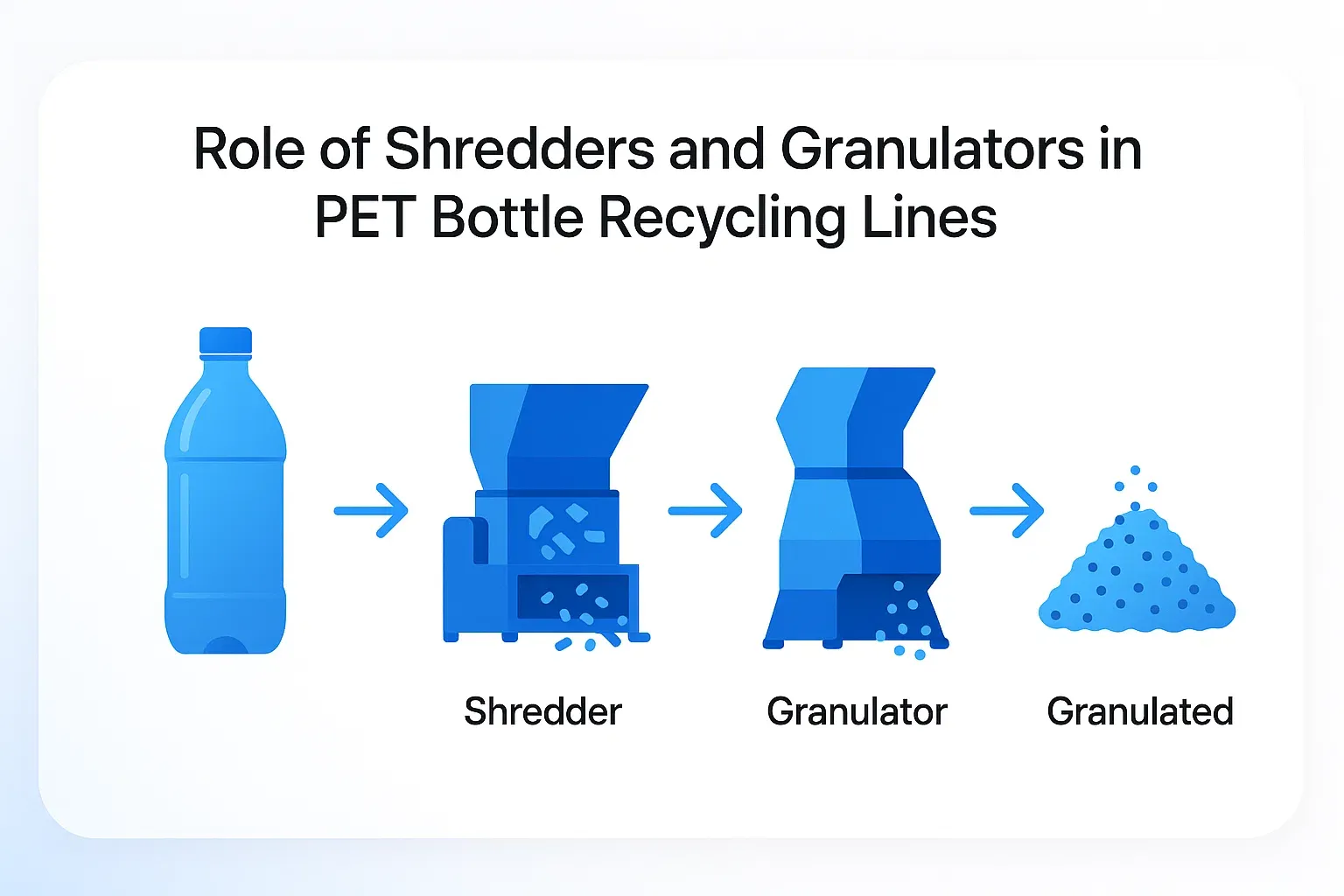
In PET Bottle-to-Bottle (B2B) recycling, yield is everything. Even small increases in fines (dust) generation can translate into meaningful annual losses depend...
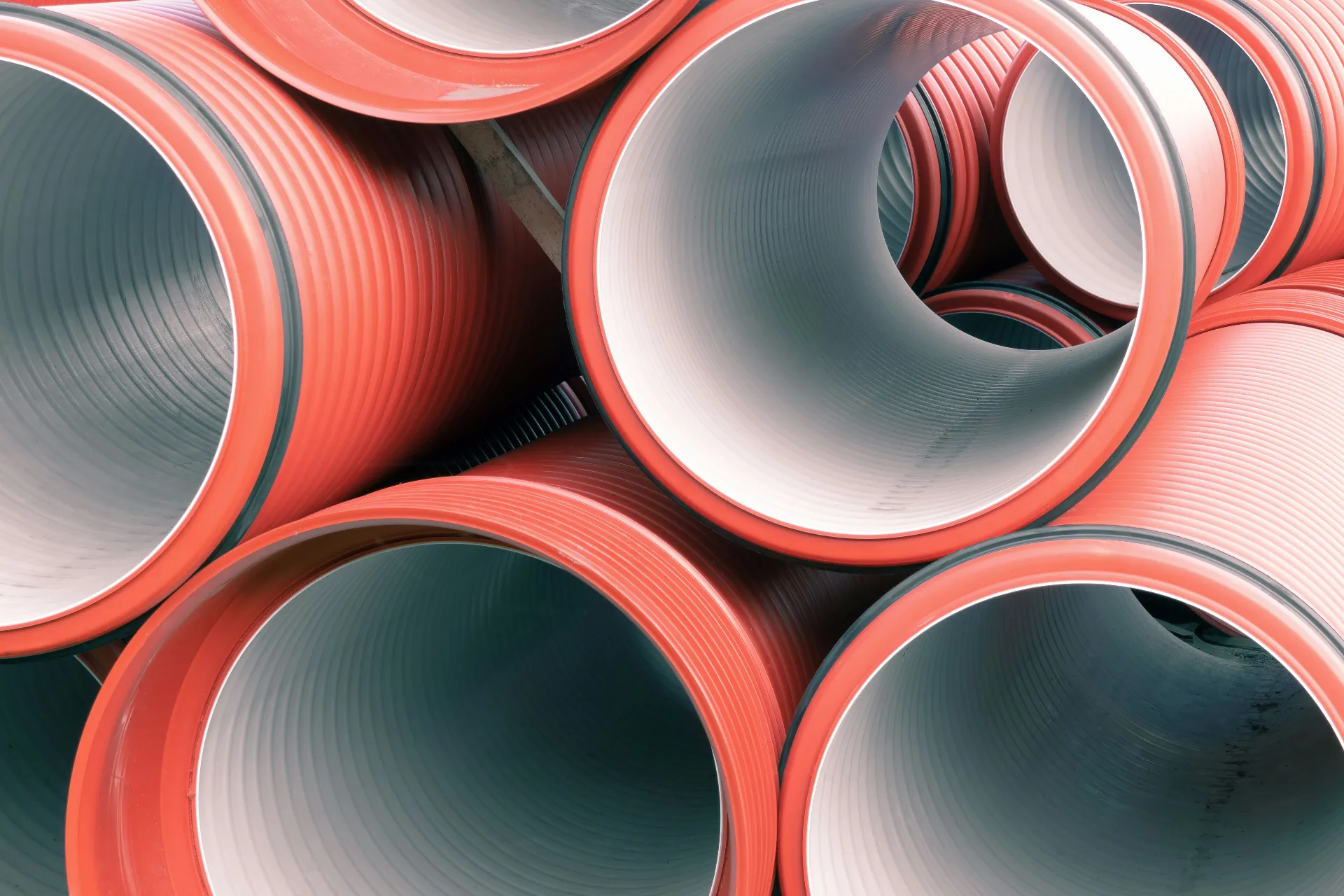
Transporting waste pipe is often a highly inefficient logistics problem: large-diameter pipe is volume-limited, so trucks can haul a lot of air and relatively l...
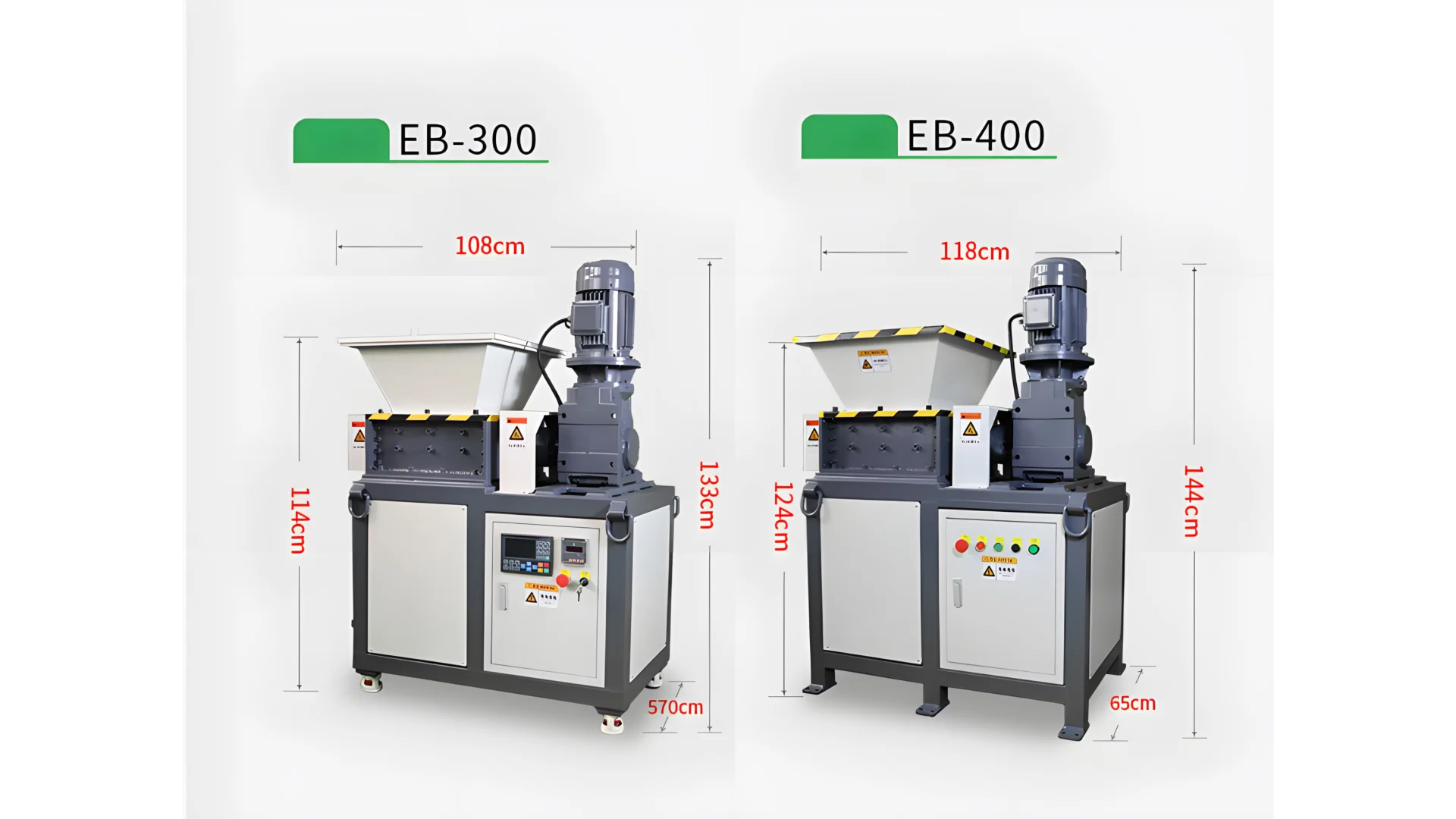
Purchasing an industrial shredder is a capital expenditure (CapEx) that will define your facility’s Operational Expenditure (OpEx) for the next decade. A...
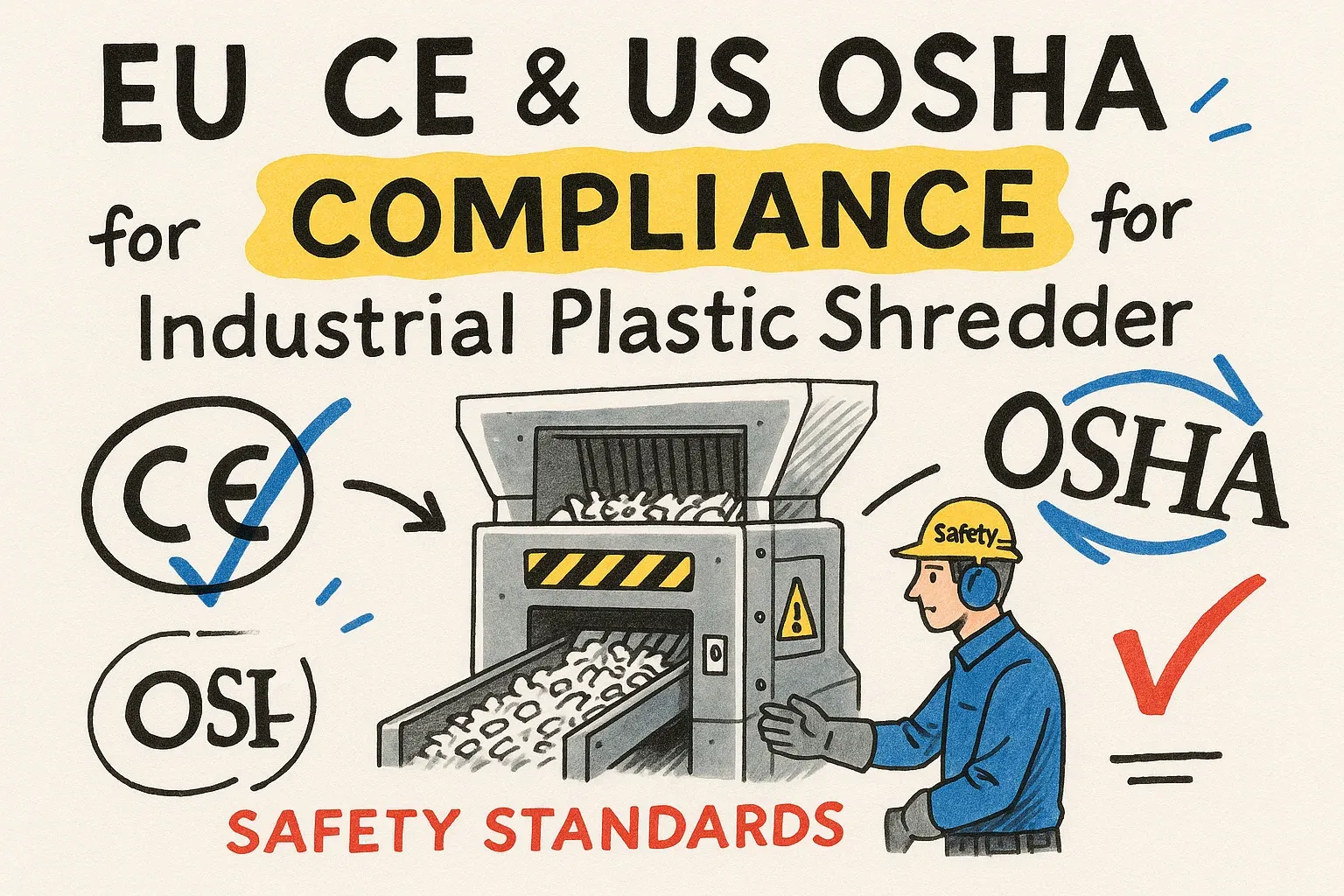
Regulatory compliance for industrial shredders is bifurcated by geography and responsibility. In Europe, CE marking is tied to manufacturer obligations under th...
When data breaches can cost millions in fines and reputational damage, software wiping may be insufficient for some threat models. Physical destruction is widel...
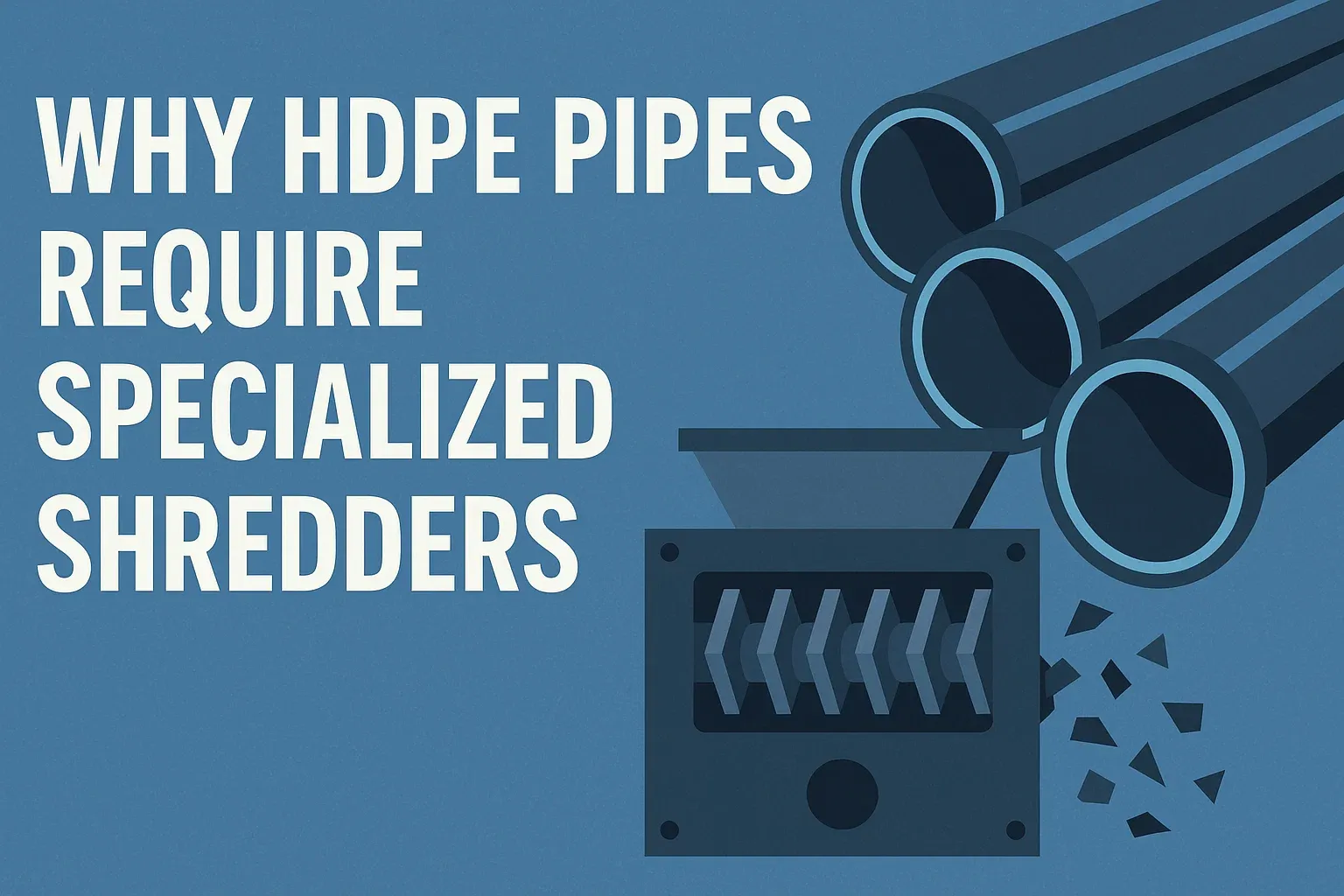
Shredding HDPE pipe is not about power; it is about geometry. A standard vertical-hopper shredder cannot accept a 12-meter (40ft) length of pipe without dangero...
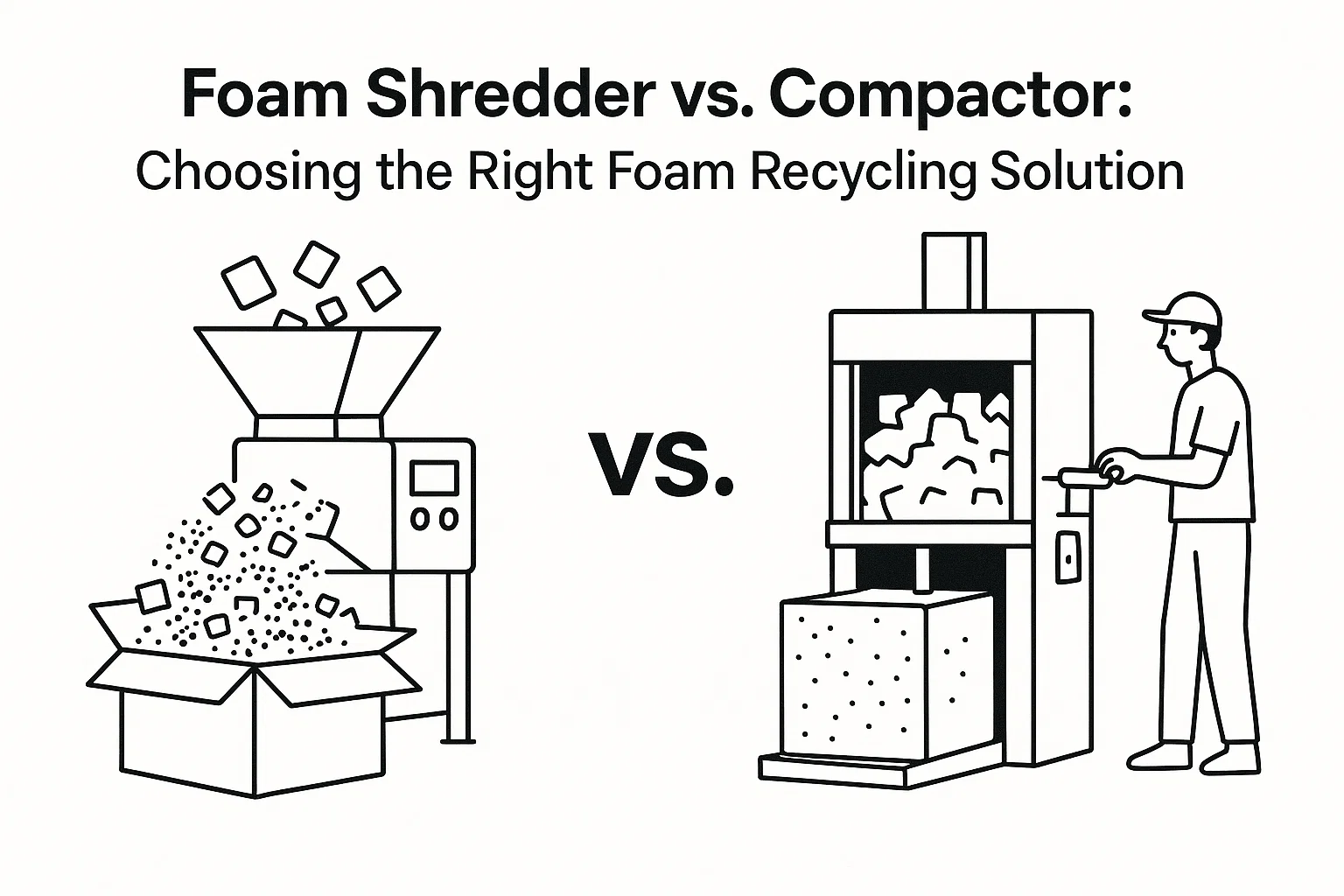
Expanded Polystyrene (EPS/Styrofoam) is mostly air by volume, so logistics often dominate the economics: a 53-foot trailer full of loose EPS can be volume-limit...
The global e-waste stream presents two conflicting imperatives: liberating noble metals (gold, copper, palladium) and ensuring data security. Industrial E-Scrap...
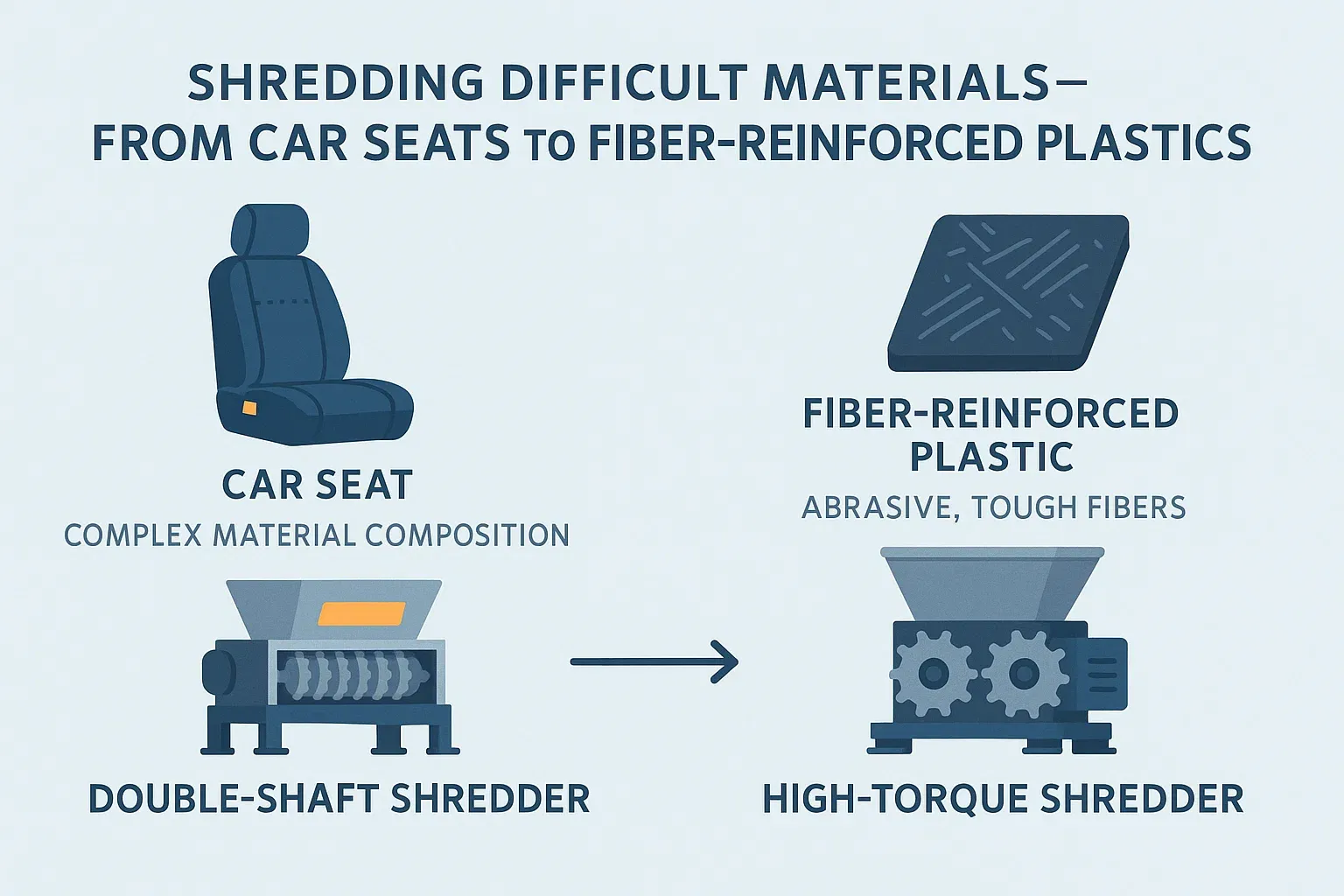
Some materials fight back. Shredding a PET bottle is trivial; shredding a car seat with a steel frame, polyurethane foam, and polyester fabric is an engineering...