

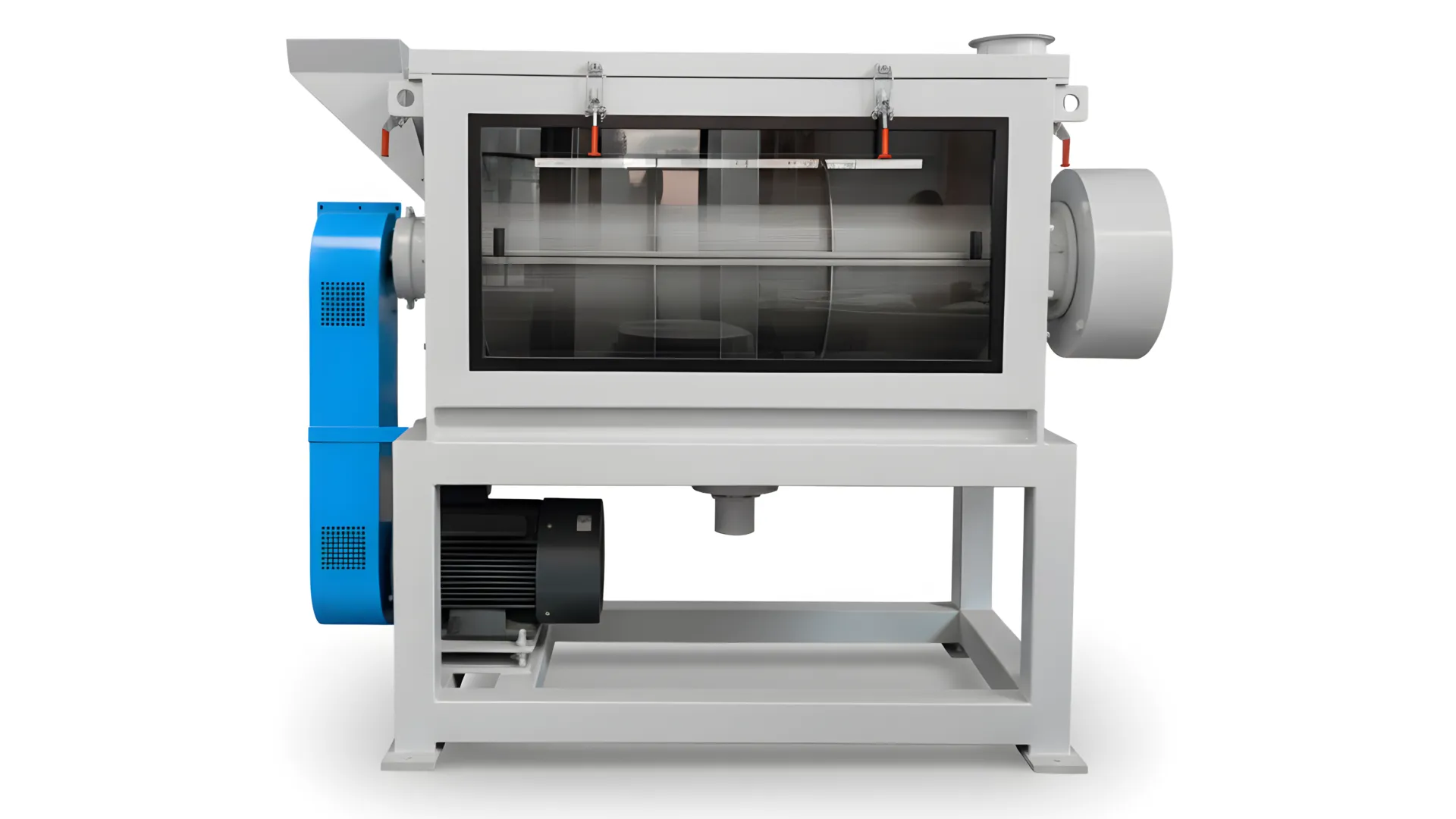
Industrial Plastic Recycling Drying Systems
Achieve <3% Moisture - Increase Throughput - Maximize Value
Professional dewatering and drying solutions for washed plastic films and rigid flakes. The goal is stable extrusion, better pellet quality, and lower operating cost.
Drying is the final quality gate before pelletizing
Most lines remove bulk water mechanically (squeezer or centrifugal dryer) before final hot-air drying. Proper moisture control supports stable extrusion and higher pellet value. If you plan downstream extrusion, see Plastic Pelletizers.
Technology for Peak Performance
High-Efficiency Dewatering and Drying
These systems run continuously for mixed plastic streams and deliver low residual moisture before pelletizing.
-
Precise Moisture Control
Final moisture can reach 1-3% for films and under 2% for rigid flakes.
-
Mechanical and Thermal Paths
Use centrifugal, squeezing, or thermal stages based on material behavior and utility limits.
Line-Level Integration
Each module connects with upstream washing and downstream extrusion to keep output and flow stable.
-
Material Range
Configured for PE/PP film, PET flakes, and rigid HDPE/PP.
-
Energy Strategy
Mechanical dewatering lowers thermal load and reduces operating cost.
Higher Throughput
Water removal reduces bottlenecks and increases practical line output.
Better Pellet Quality
Stable moisture helps prevent extrusion defects and improves finished pellet consistency.
Explore Our Drying Systems
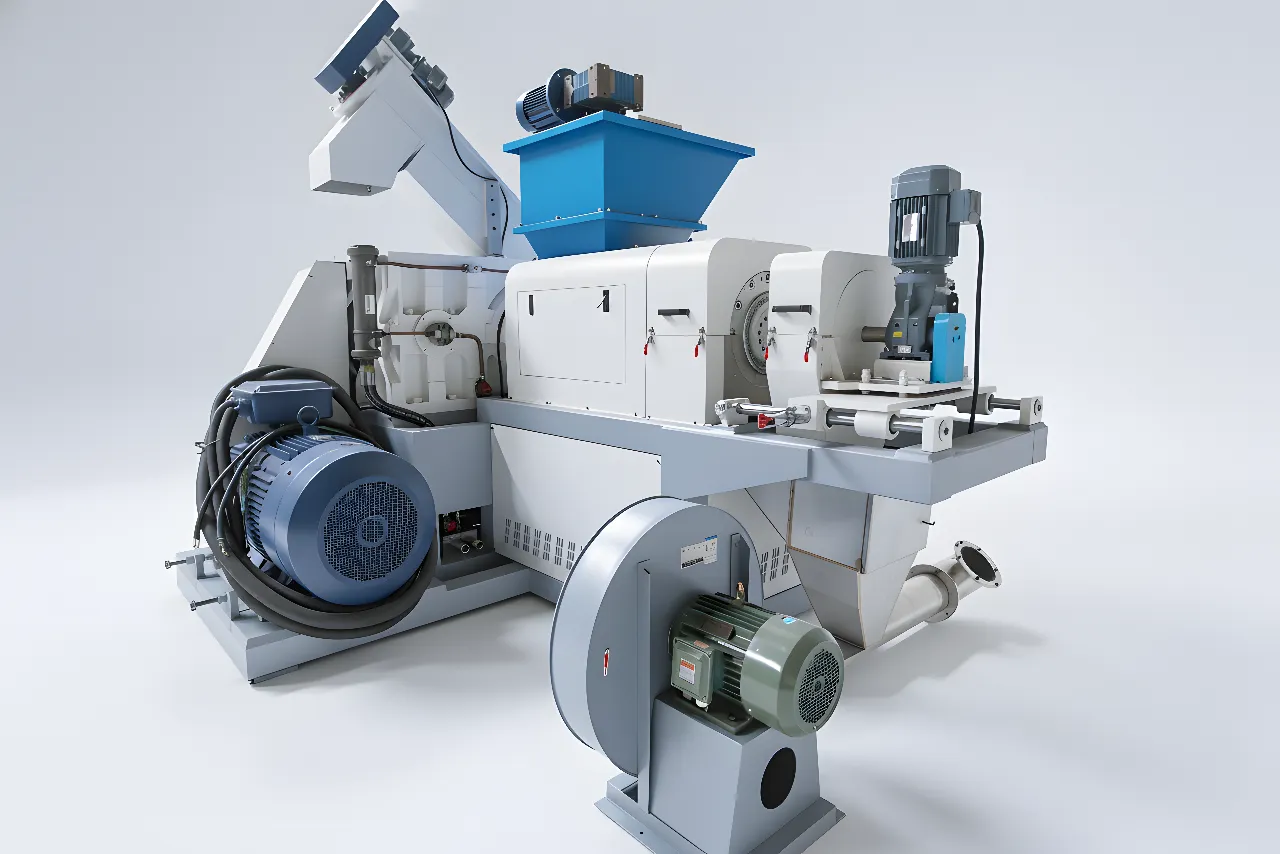
Plastic Film Squeezer and Densifier
Removes moisture to 1-5% and densifies washed film into feed-ready output.
View Details ->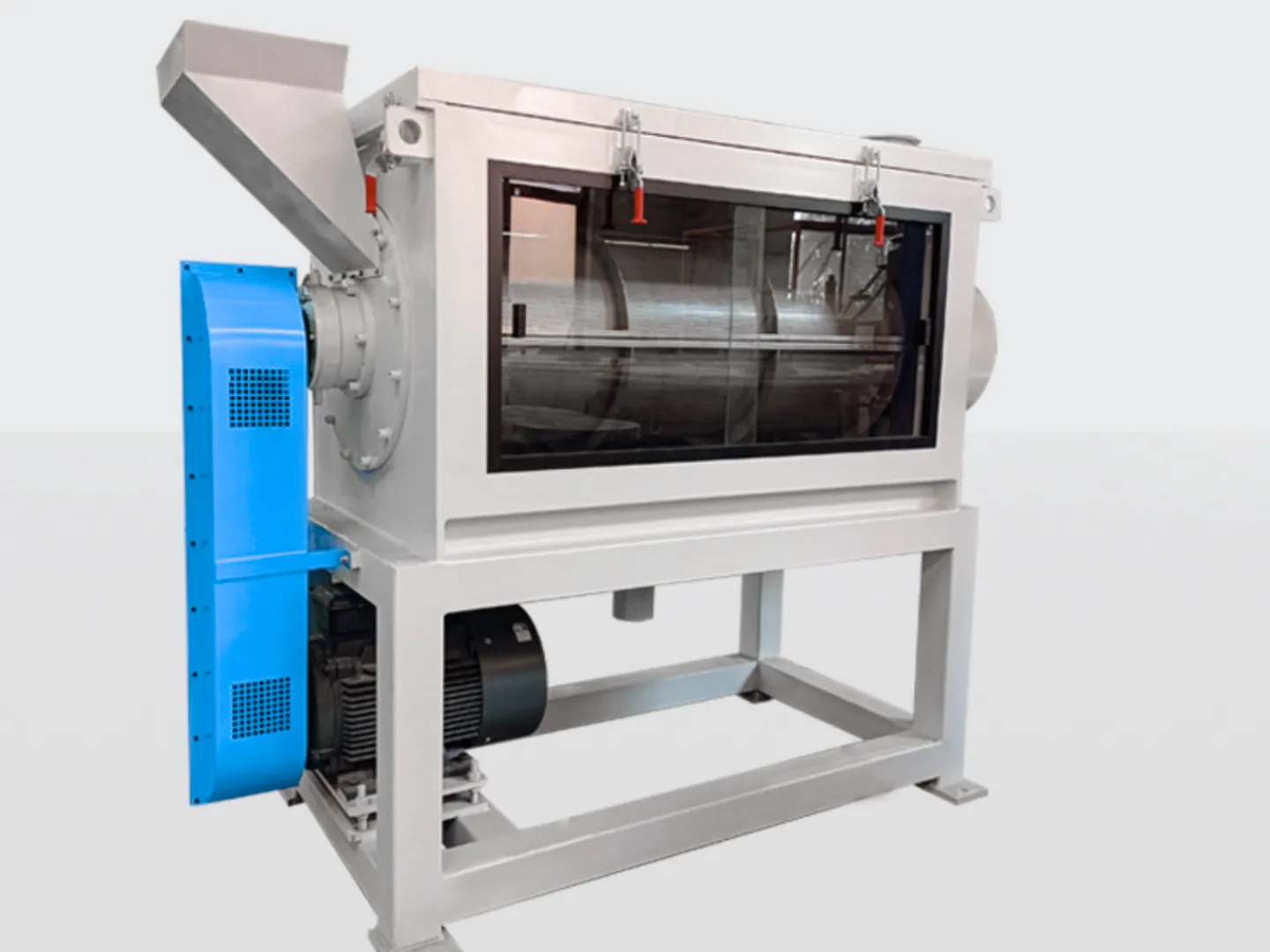
Centrifugal Dryer for Rigid Flakes
High-speed centrifugal drying for PET/PP/PE flakes, typically under 2% moisture.
View Details ->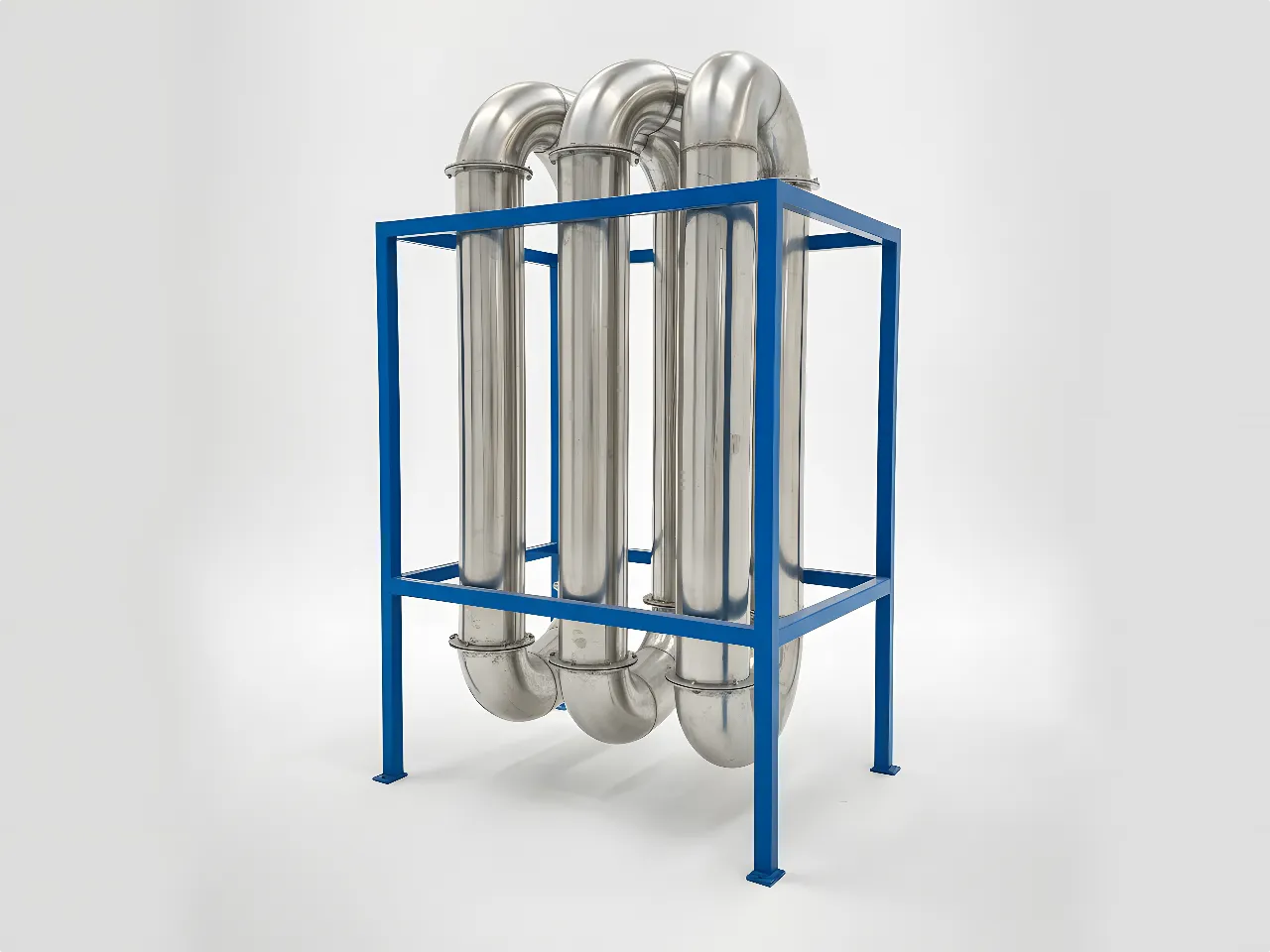
Thermal Dryer for Plastic Recycling
Hot-air and cyclone drying for film and PET lines, commonly under 3% moisture.
View Details ->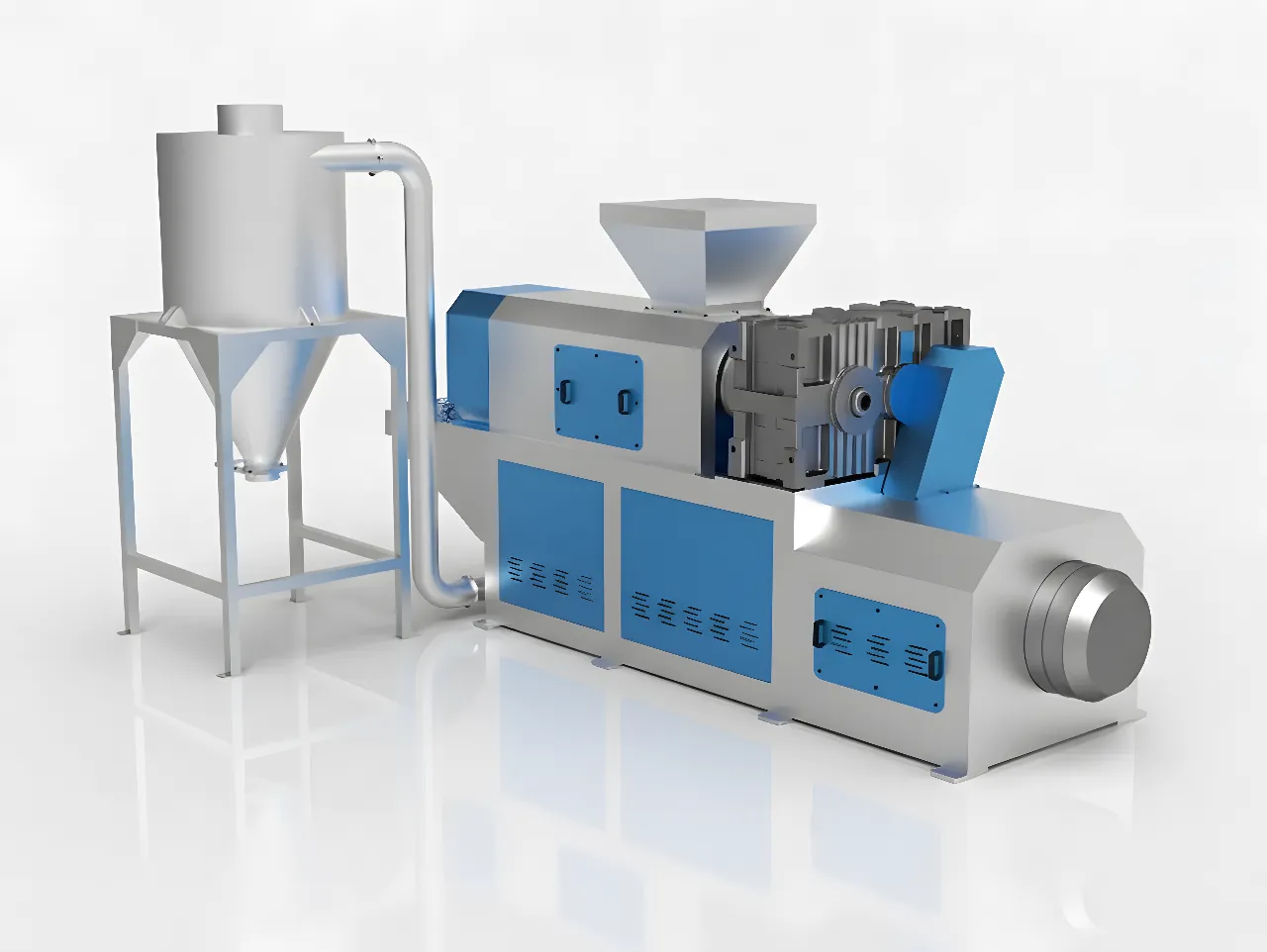
Screw Press Dewatering System
Mechanical dewatering for PE film streams, commonly below 15% moisture.
View Details ->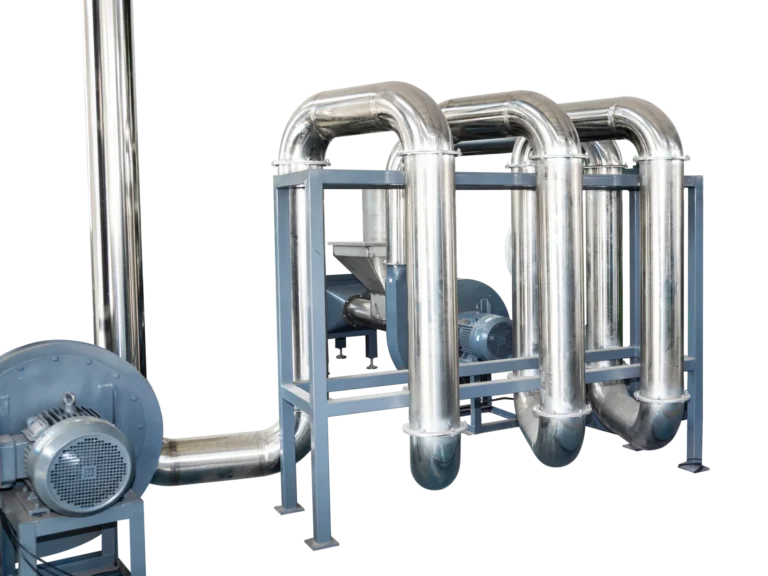
Pipeline Hot Air Drying System
Continuous hot-air system for rigid flakes with moisture targets below 2%.
View Details ->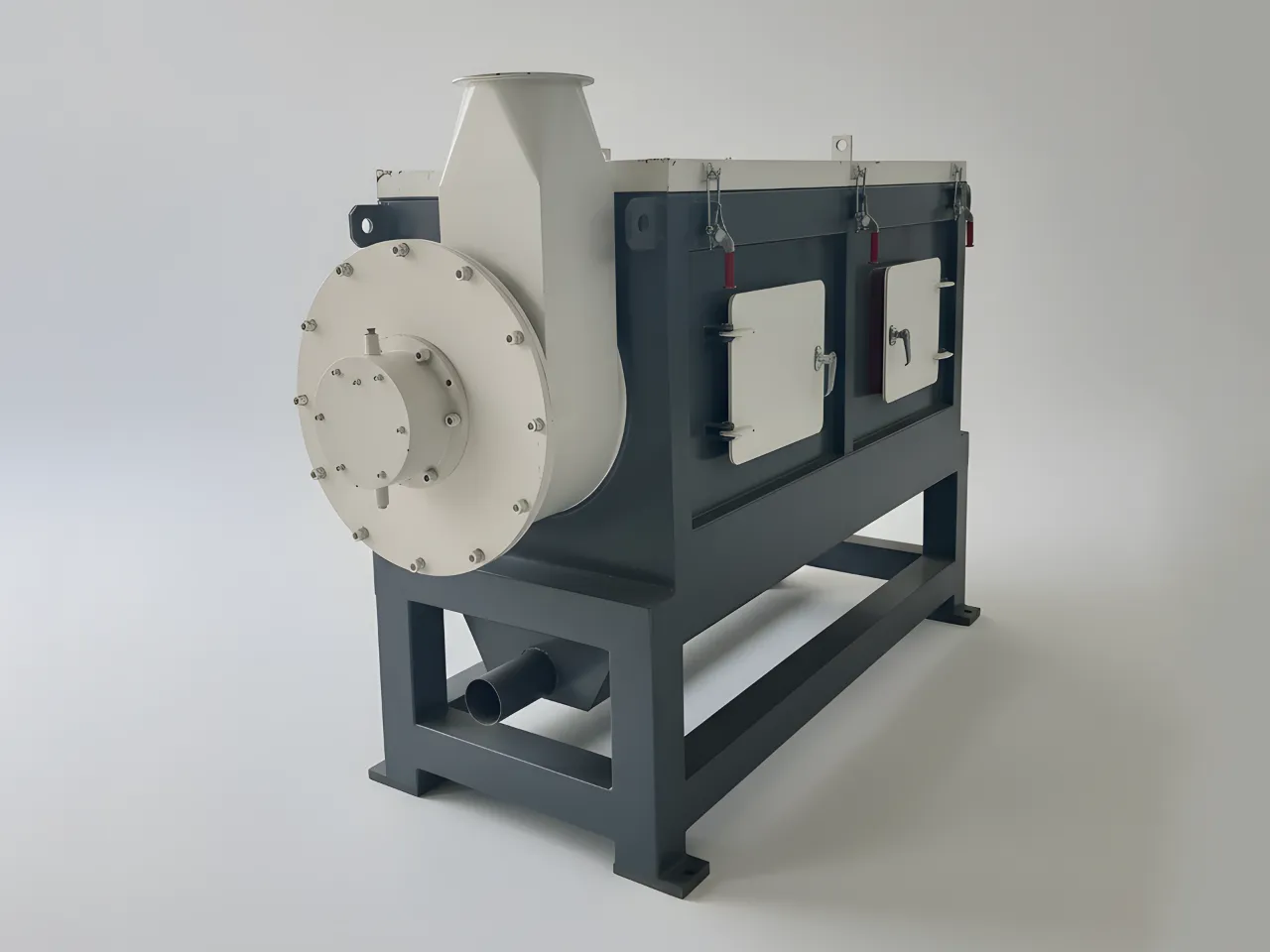
High-Speed Friction Washer
Removes fines and residual moisture before final drying and extrusion feed.
View Details ->Quantifiable Benefits
Higher Material Value
Low and stable moisture supports better resale pricing.
Lower Operating Costs
Mechanical dewatering reduces thermal energy demand.
Increased Production Rates
Dry feed lowers downstream interruption and improves throughput.
Fewer Downstream Defects
Moisture control reduces extrusion and molding quality issues.
Frequently Asked Questions
What is the difference between mechanical and thermal drying?
Mechanical dewatering (squeezer or centrifugal dryer) removes bulk water with lower energy. Thermal drying then evaporates remaining moisture for low final values, often required for PET and higher-spec output.
Which drying system is right for my plastic material?
It depends on material type and moisture target. For PE/PP films, a film squeezer is often used. For rigid flakes such as PET, centrifugal drying plus pipeline hot-air drying is commonly selected.
What final moisture level can I expect?
Typical targets are 1-5% for films with squeezing and under 2% for rigid flakes with centrifugal and thermal stages. Final values depend on feed moisture and configuration.
Can you design a complete washing, drying, and pelletizing line?
Yes. The line is configured from feedstock, contamination profile, throughput, and moisture target. Drying modules are selected to keep extrusion stable and pellet quality consistent.
Ready to Optimize Your Drying Process?
Share your material type, target moisture, and throughput. We will propose a drying configuration and provide a quote. For turnkey projects from washing to pelletizing, start with Recycling Solutions.
Request a Free Proposal