

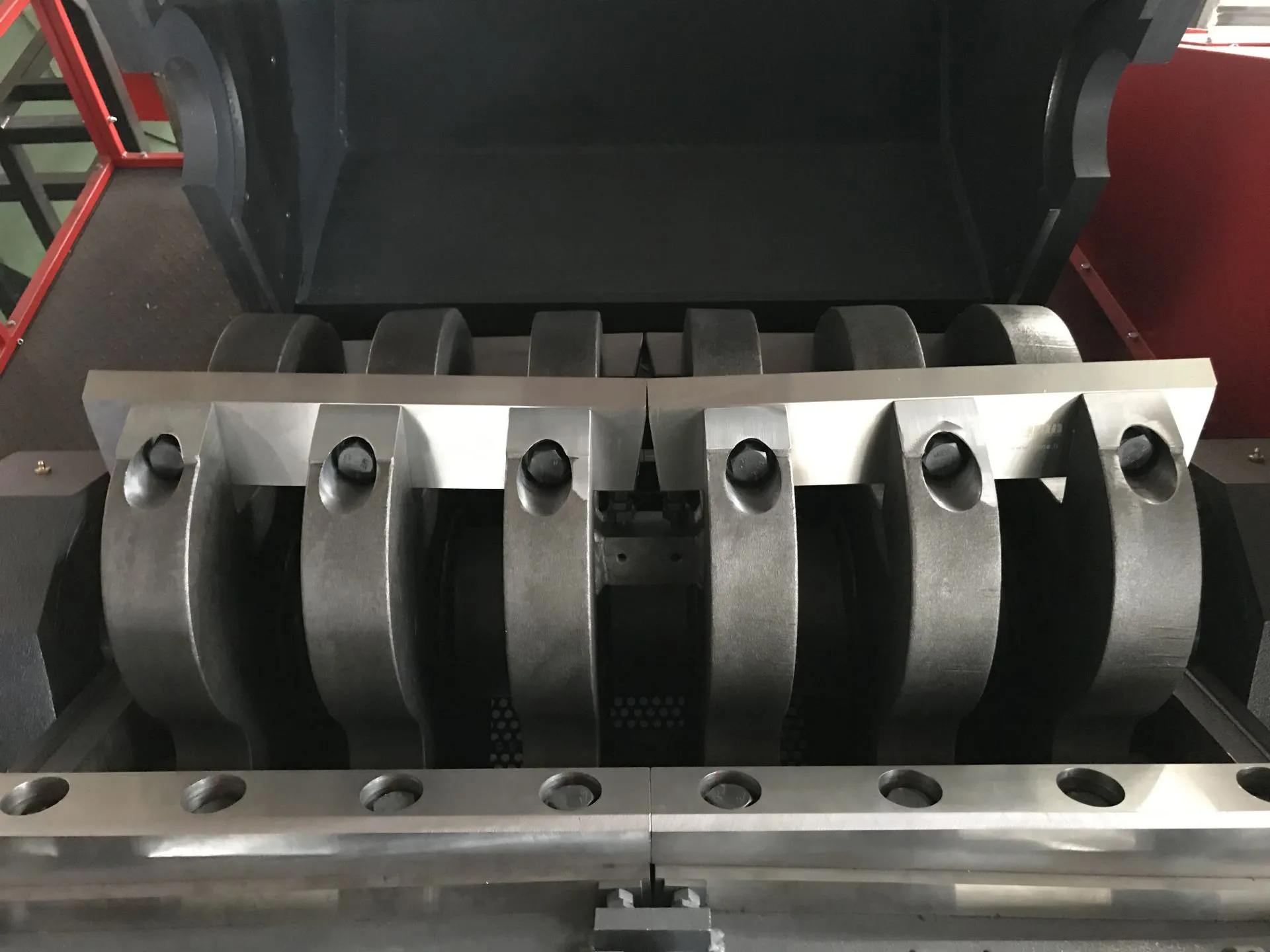
Heavy-Duty Plastic Crusher Buyer’s Guide: Elevate Your Recycling Line
Heavy-duty plastic crusher is a core size-reduction tool in advanced recycling. But it is not always the right first machine. Selecting the correct plastic recycling machine depends on material geometry, contamination risk, throughput targets, and downstream requirements (washing, extrusion, pelletizing). This guide provides experience-driven criteria and practical “avoid-mistakes” rules for buyers.
In this comprehensive resource, you’ll find:
- Up-to-date machine selection criteria and purchasing strategies
- US market-centric checklist: compliance, energy, and safety
- Hands-on device comparison and visual decision guides
- Buyer pitfalls: when not to use a crusher, when “heavy-duty” is overkill, and what features are often wasted
Why a Heavy-Duty Plastic Crusher Is Essential (When It’s the Right Tool)
In modern recycling, size reduction isn’t simply a process step—the consistency achieved by high-performance crushers determines downstream stability and product quality.
- Uniform regrind reduces clogs and melt variations in extrusion or injection molding
- Rugged engineering supports demanding applications (e.g., rigid plastics, thick-walled parts)
- Proper guarding, interlocks, and dust control support site safety expectations
- Best-fit for operations that need repeatable granule size (via screen control) rather than rough pre-cutting
Main Selection Criteria & Buyer Checklist
1) Material Geometry & Output Requirement
- Plastics accepted: PE, PP, PET, PVC, ABS, PA (confirm additives/fillers)
- Define feed form: bottles/containers, sheet, pipe offcuts, purgings, lumps
- Define target screen size for final granule (and downstream tolerance)
- Plan throughput for current + 3–5 year growth
2) Power, Safety, and Maintenance Practicality
- Motor sizing: match to material toughness and duty cycle (avoid “overspec”)
- Safety interlocks, guarding, dust/noise control aligned with plant EHS needs
- Maintenance access: chamber opening, tool-free screen access, blade change ergonomics
- Confirm parts availability and response time to control downtime risk
When You Should Not Use a Plastic Crusher
A crusher is designed for controlled granulation. If your input is too large, too long, too dirty, or too elastic, a crusher can become an expensive wear-and-jam machine.
- Very long items: long pipe, profiles, film strips, woven bags, straps, ropes, fishing nets — high risk of wrapping and rotor overload.
- Bulky, dense, thick solids: large purgings, blocks, pallets, lumps — usually need a shredder (or pre-cut) first.
- High contamination: metal inserts, stones, heavy sand, unknown mixed waste — choose pre-sorting + shredder + metal detection first.
- When you only need “rough size reduction”: for transport volume reduction, a shredder is typically more economical than a high-speed crusher.
- Heat-sensitive/low-melt materials in high friction: risk of smearing or partial melting if process control is weak.
Crusher Types Comparison
| Blade Type | Suitable Materials | Key Application | Strength | Limitations |
|---|---|---|---|---|
| Claw (V-type) | Tough/bulky plastic, injected lumps, automotive parts | HDPE/PP/PVC rigid; auto, packaging | Strong grip, less clogging | Higher cost, needs routine sharpening |
| Flake | Sheets, pipes offcuts, profiles | PVC/PP/PC rigid processing | Versatile, finer granulation | Slower on thick/high-hardness plastics |
| Flat | Bottles, thin-wall items, lightweight packaging | PE/PET thin packaging | Lower noise, stable output | Not for tough, bulky, highly rigid plastics |
Crusher vs Shredder: Choose by Material Length and Feed Form
Buyers often choose by “power” or “brand,” but the fastest way to prevent wrong purchases is to choose by length + elasticity + bulk density.
| Material Condition | Recommended First Step | Why |
|---|---|---|
| Long / stringy (film strips, woven bags, straps, nets, long profiles) | Shredder (low-speed, high-torque) + optional crusher | Avoid wrapping and rotor jamming; shredder creates manageable feed size |
| Large & dense (purgings, lumps, thick blocks, pallets) | Shredder (or pre-cut) then crusher if granules required | Crusher efficiency drops; wear spikes without pre-reduction |
| Short / regular (bottles, containers, small rigid scrap, pre-cut pipe) | Crusher | High-speed cutting + screen control produces consistent granules |
| Need precise granule size for washing/extrusion/pelletizing | Crusher (screen-based control) | Stable particle size reduces downstream instability |
Tip: For optimized lines, use shredder for pre-size reduction, then crusher for final granulation when you need consistent flakes/granules.
Below What Capacity Is a “Heavy-Duty Crusher” Not Recommended?
“Heavy-duty” adds cost (structure, bearings, rotor mass, drive). If your required throughput is small or intermittent, you will pay for capacity you cannot use.
- < 300 kg/h: typically not recommended to purchase a heavy-duty crusher unless the plastic is extremely tough or your duty cycle is continuous.
- 300–600 kg/h: consider heavy-duty only if your material is thick-walled, high hardness, or you need 24/7 stability.
- > 600 kg/h: heavy-duty designs usually become cost-effective due to uptime and wear control.
Which “Heavy-Duty Options” Are Often a Waste of Money?
Some configurations look premium on a quotation but do not improve output or reliability for typical buyers. Use this as a negotiation checklist.
Common “Over-Spec” Items
- Oversized motor without material justification (higher energy + no real throughput gain)
- Ultra-hard blade materials for clean PE/PP (paying for wear resistance you don’t need)
- Excessively small screen when downstream does not require it (kills throughput and increases heat)
- Complex automation without stable upstream feeding (PLC cannot fix poor feeding consistency)
When “Premium” Is Actually Worth It
- External bearings and proper seals when dust/water exposure is real
- Real safety interlocks and guarding aligned with site compliance expectations
- Maintenance-friendly chamber access (fewer hours per blade change)
- Metal protection strategy (magnet/metal detector) when contamination risk exists
Featured Equipment Detail Card
Energycle Extra-Large Rigid Plastic Granulator
Designed for high-output granulation and stable operation on rigid plastics. Configurable to match your screen size, feed form, and maintenance needs.
- Application: rigid containers, bulky parts, automotive plastics
- Configurable screens: 12–40 mm
- Maintenance-focused design for fast blade and screen access
Where Energycle Crushers Fit Best: Clear Use-Case Scenarios
To reduce wrong inquiries and speed up quotation, define your scenario clearly. Energycle crushers are best matched to the following buyer situations:
- Rigid plastics with predictable feed size: injection scrap, containers, bottles, thick-wall parts (pre-cut as needed)
- Lines that require consistent granules: direct feed to washing, extrusion, or pelletizing systems
- High uptime expectations: continuous production where downtime cost is significant
- Facilities prioritizing maintenance efficiency: fast access design reduces labor per blade change
- Upgrades from “light-duty” grinders: when wear, vibration, and output instability limit your growth
Fast RFQ Tip: If you share (1) material photos, (2) max piece length/size, (3) target kg/h, and (4) desired granule size, we can propose the correct crusher configuration quickly.
Decision Guide: Must-Have Features (Buyer-Focused)
- Load protection strategy (to avoid overload trips and blade damage)
- Energy-efficiency and realistic motor sizing (avoid overspec energy waste)
- Blade and screen access that reduces maintenance hours
- Dust and noise management aligned with your site requirements
- Parts availability and service response plan
FAQs
- How often should blades be replaced? It depends on material abrasiveness and contamination. Establish inspection intervals and sharpen/rotate blades proactively.
- How do I know if a crusher is safe for my site? Require guarding, interlocks, and a documented lockout/tagout approach aligned with your EHS rules.
- Can I integrate the crusher with SCADA/MES? Yes—define what signals you actually need (current, load, alarms, runtime) to avoid unnecessary automation costs.
