

Polyethylene (PE) films are among the most versatile and widely used materials in packaging, agriculture, construction, and countless other industries. Known for their durability, flexibility, and cost-effectiveness, PE films come in various forms, each with distinct properties suited to specific applications. However, when it comes to recycling or cleaning these films—whether for reuse or sustainability efforts—their unique characteristics dictate different washing requirements. In this article, we’ll explore the main types of PE films, their practical uses, and the washing processes needed to maintain or recycle them effectively. Let’s dive in!
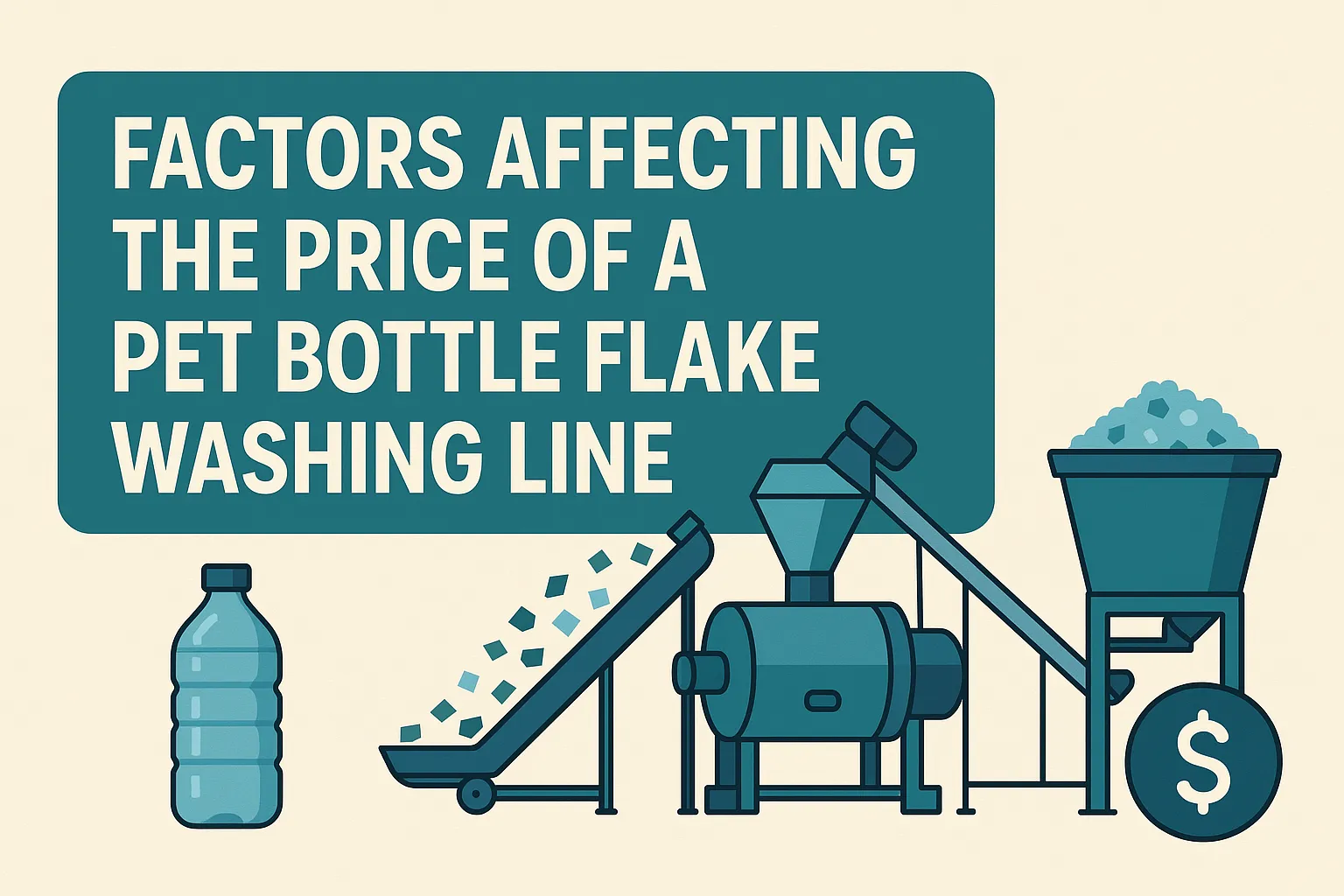
The recycling industry has seen tremendous growth in recent years, driven by increasing demand for sustainable practices and materials. One critical component of this industry is the PET (Polyethylene Terephthalate) bottle flake washing line—a sophisticated system designed to clean and process used PET bottles into high-quality flakes for reuse. Whether you're a recycling startup or an established business looking to upgrade your equipment, understanding the factors that influence the price of a PET bottle flake washing line is essential for making informed purchasing decisions. In this article, we’ll explore the key elements that affect the cost of these systems, offering practical insights to help you budget effectively and optimize your investment.
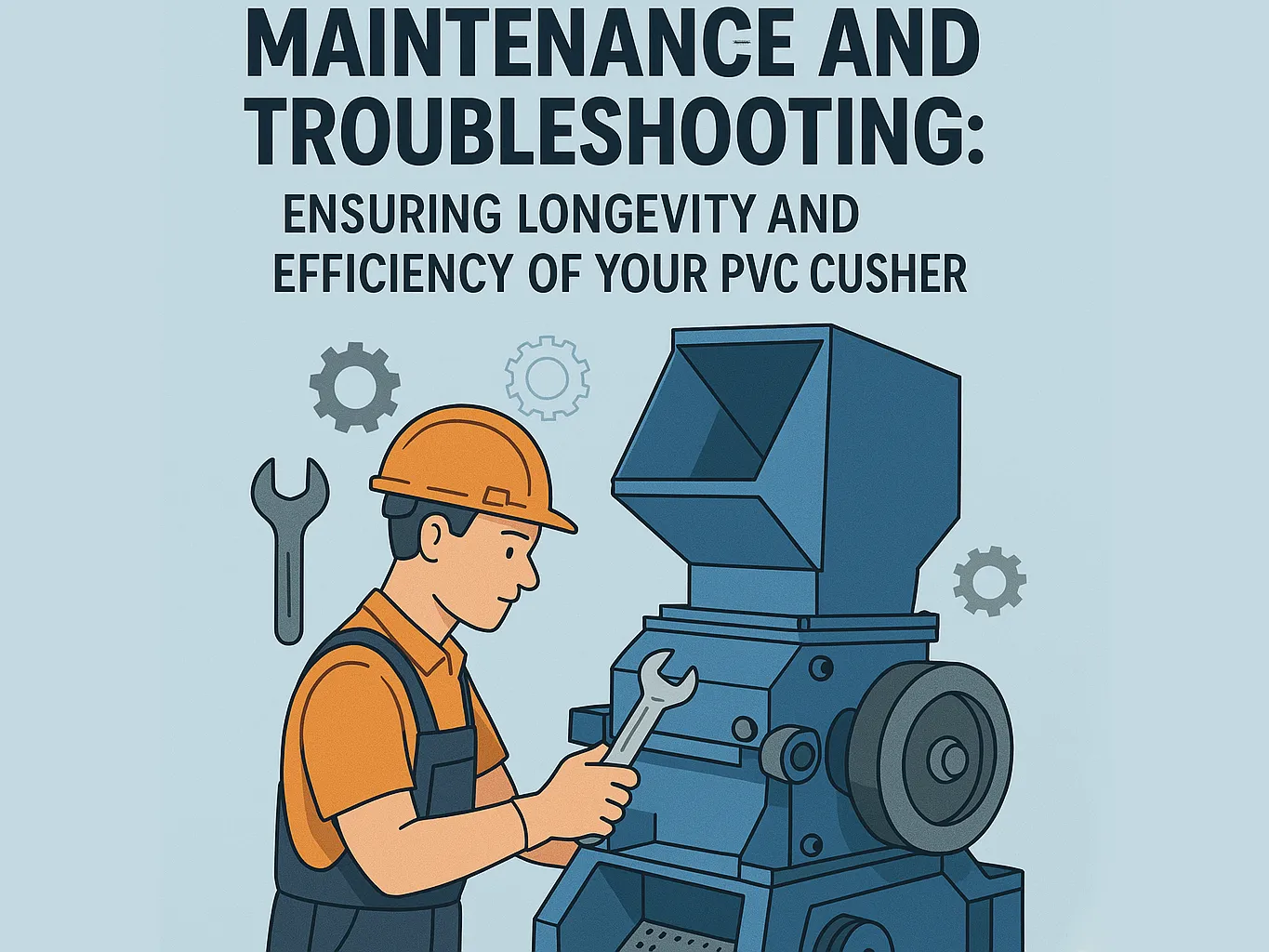
Proper maintenance is essential for ensuring the long-term efficiency, reliability, and safety of PVC crushers . Regular maintenance can prevent breakdowns, reduce downtime, and extend the lifespan of the machine. Here are some key maintenance tips and common troubleshooting methods:
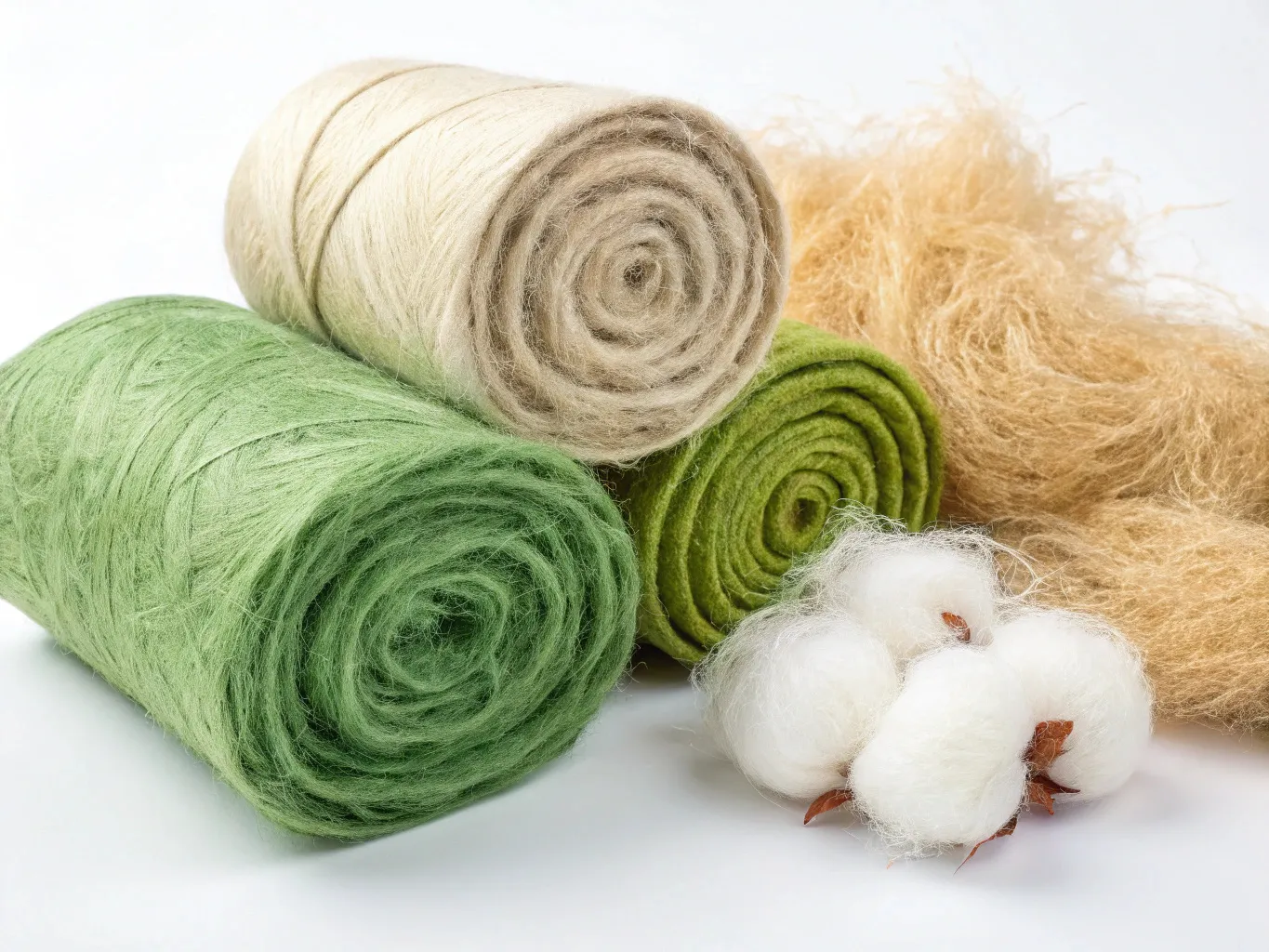
This article examines recycled polyethylene terephthalate (PET) fibre, covering its production, properties, applications, and environmental benefits. Designed for industry professionals, it highlights the role of PET bottle recycling machines in transforming waste into sustainable textiles.
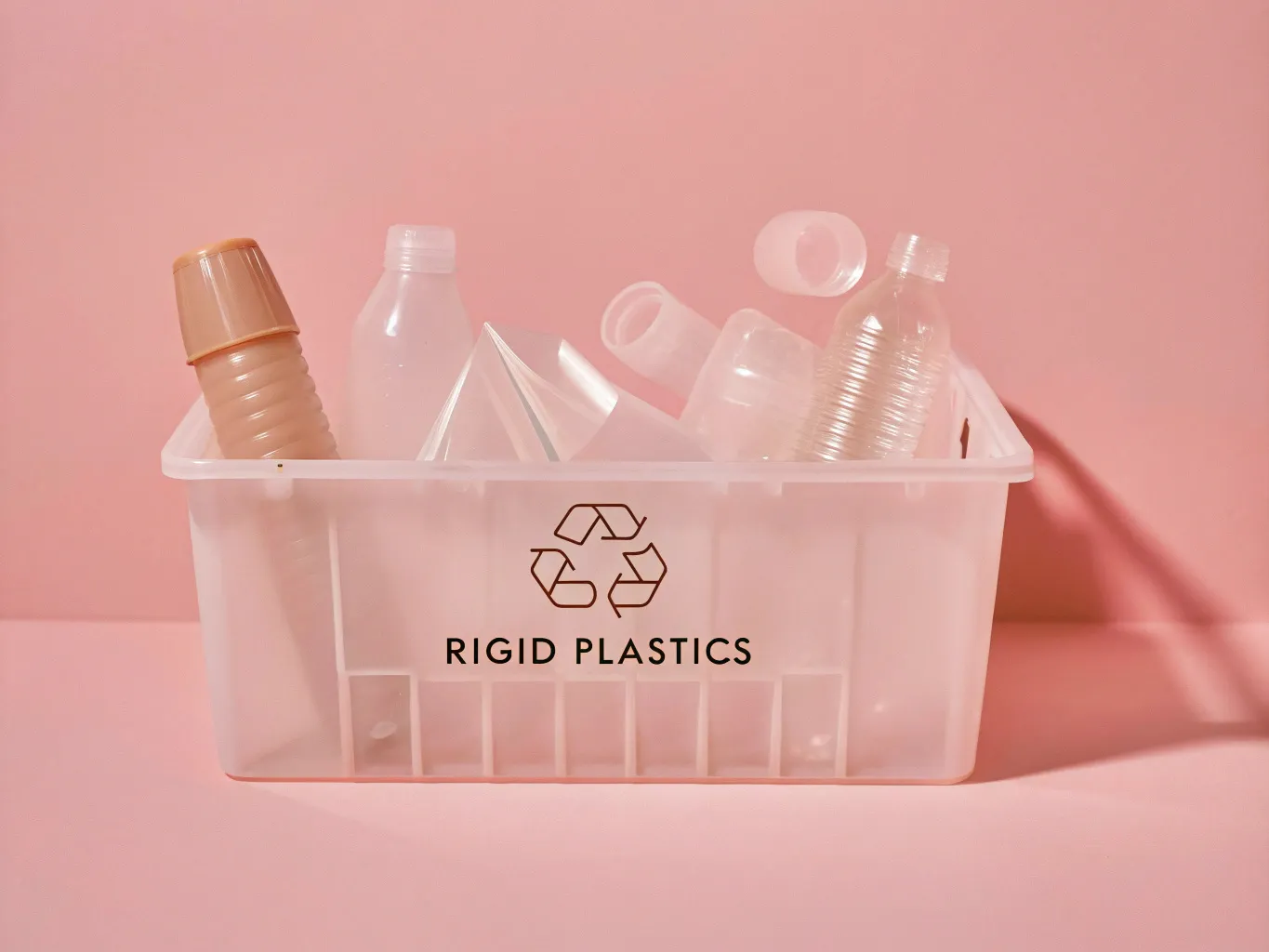
Plastics can be categorized in various ways, including by their resin identification code (number) or by their physical properties, such as being rigid or flexible. This article delves into the world of rigid plastics – materials characterized by their stiffness, structural integrity, and ability to maintain shape under normal conditions. Given their widespread use across numerous industries, understanding the different types of rigid plastics and, crucially, how to effectively recycle them is essential for sustainability.
In an era where sustainability is paramount, recycling polyethylene terephthalate (PET) has become a crucial part of waste management. Found in everything from drink bottles to food packaging, PET is highly recyclable—but only if properly processed. A PET flake washing line is where the magic happens, transforming grubby, discarded plastic into pristine flakes ready for reuse.
Selecting an appropriate PVC crusher is key to improving recycling efficiency, cutting operational costs, and producing consistently high-quality recycled material. To find the best fit, businesses should take into account the following crucial factors:
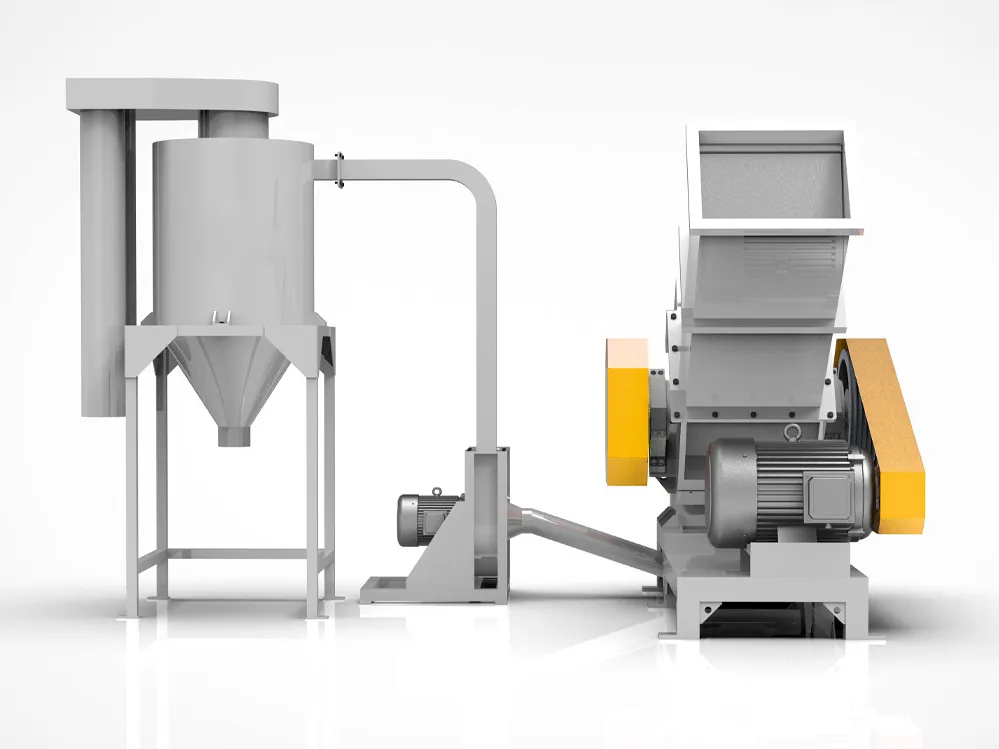
When processing PVC profiles and similar materials, specialised PVC profile crushers demonstrate distinct advantages over standard crushers in both design and performance. This comparison highlights key differences, particularly in handling lengthy profiles, dust reduction, and improving recycled pellet quality - crucial factors for informed equipment selection.
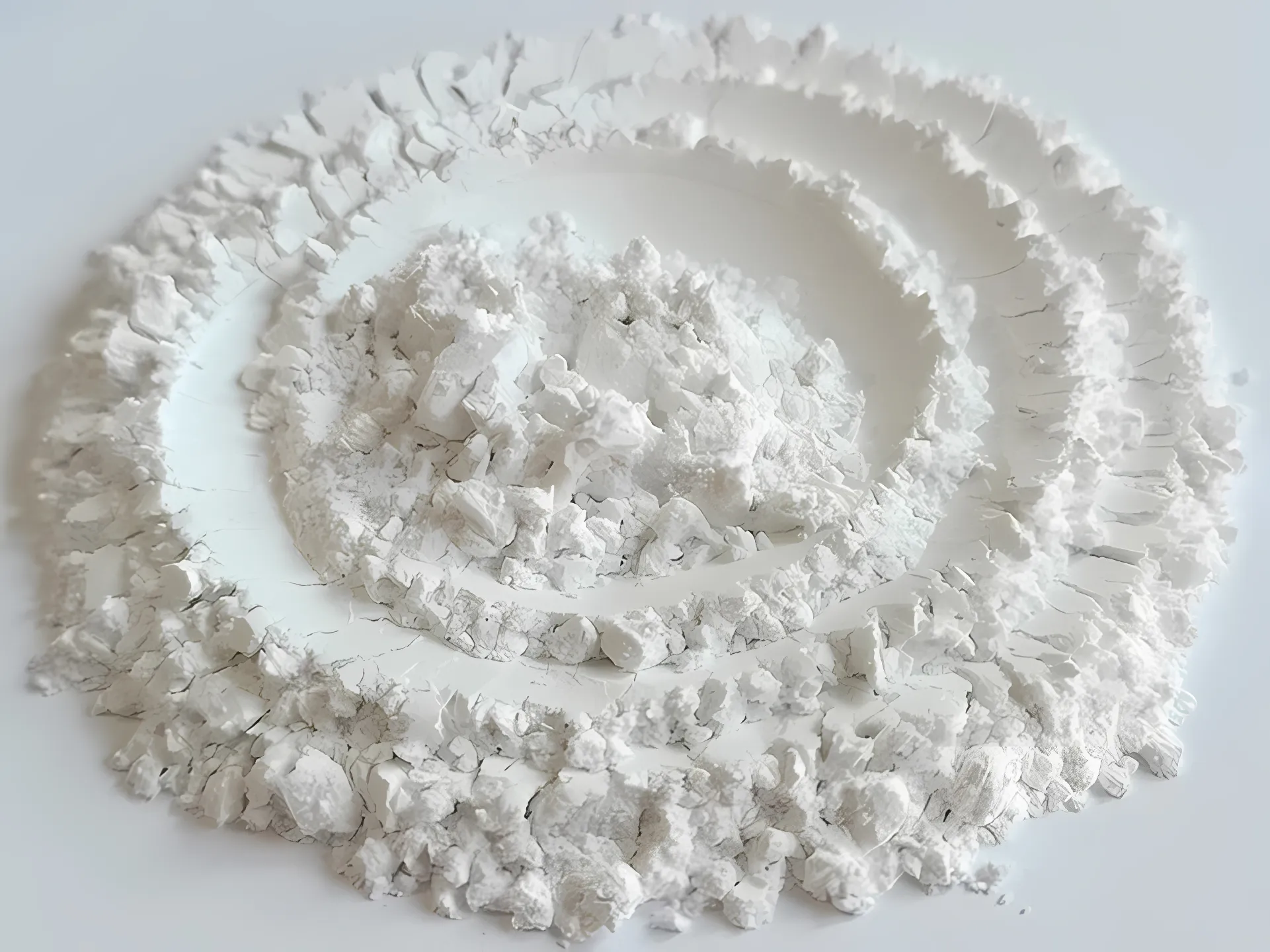
Polyvinyl chloride (PVC) is among the most versatile and widely used plastics globally, prevalent in industries such as construction, packaging, and electrical insulation. To enhance properties and reduce costs, manufacturers commonly add fillers like calcium carbonate (often referred to as calcium powder). While calcium powder provides clear benefits—such as enhanced stiffness, improved dimensional stability, and significant cost reduction—it also profoundly affects the performance of PVC grinding equipment. Understanding this relationship is critical for manufacturers and recyclers aiming to optimize both production quality and machine efficiency.
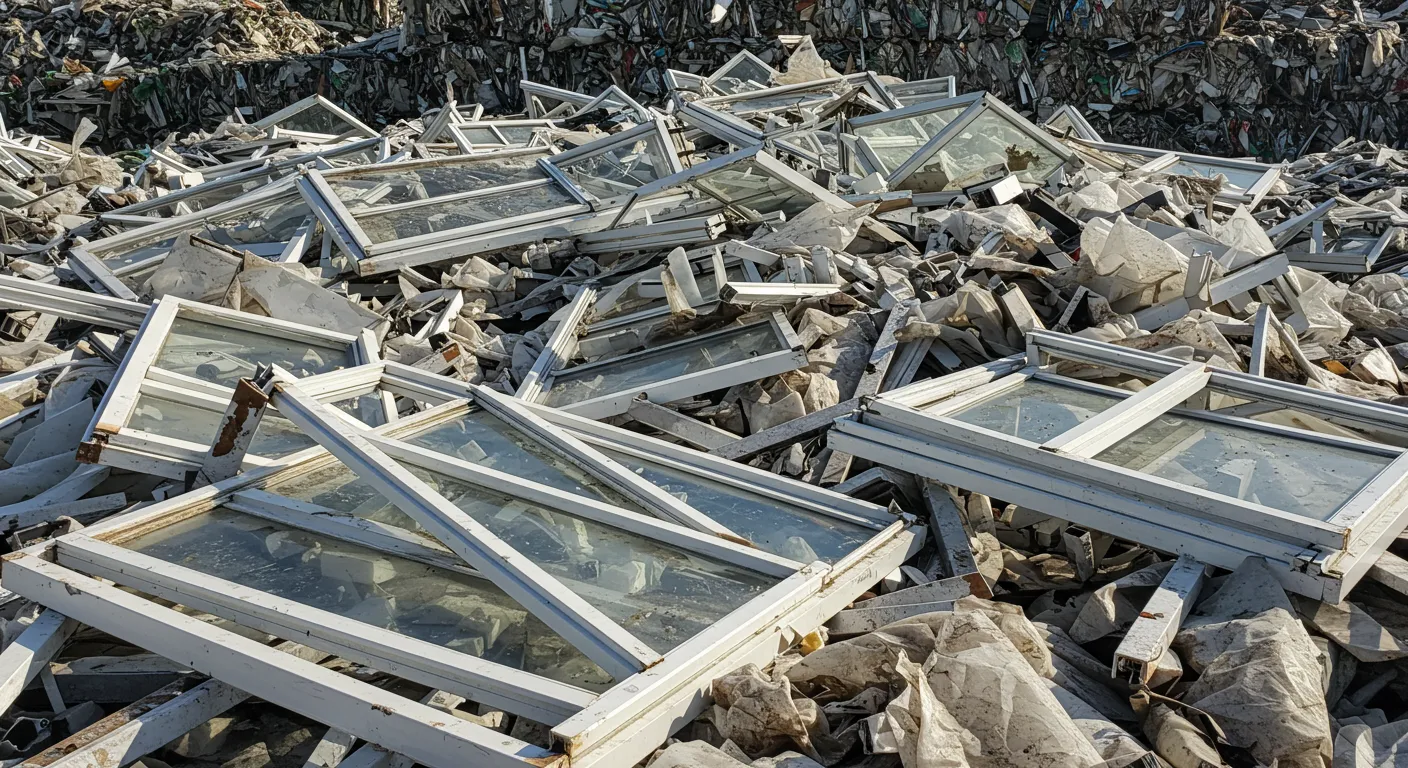
Polyvinyl chloride (PVC) stands as one of the most adaptable and widely utilized plastics globally, prized for its durability, cost-efficiency, and versatility across various industries. For those involved in manufacturing, recycling, or material processing, grasping the distinctions between different types of PVC and their specific grinding requirements is essential for optimizing production and ensuring top-notch results. This article delves into the characteristics of the main PVC types—rigid PVC, flexible PVC, and copolymers—and offers practical advice on how these properties affect grinding processes, equipment choices, and best practices.
Selecting the right polyethylene (PE) film washing line is vital for enhancing recycling efficiency, product quality, and profitability. With numerous options on the market, understanding what to prioritise ensures informed decision-making. This article provides practical guidance on the essential factors professionals and investors should evaluate before investing in a PE film washing system.