

Modern PET bottle washing lines rely on centrifugal dryers to achieve the stringent moisture standards required for high-quality recycled PET flakes. These systems combine mechanical efficiency with advanced automation to deliver energy savings, material preservation, and operational reliability.
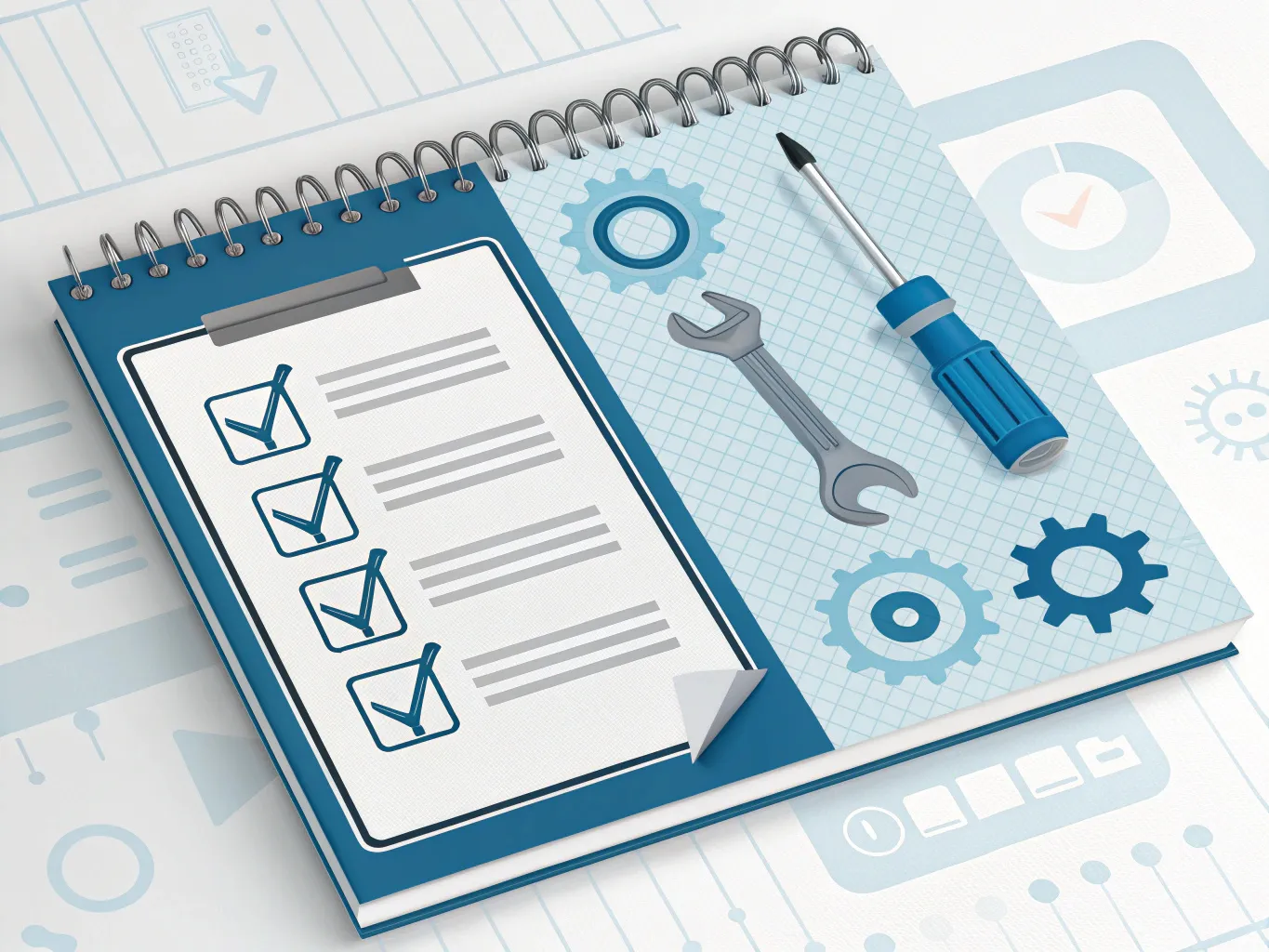
If you're running a PET bottle washing line, you already know how crucial it is for turning used plastic into high-quality flakes ready for reuse. But let’s face it—keeping this equipment in top shape isn’t always easy. Regular maintenance is the key to avoiding costly downtime, extending the life of your machines, and ensuring your operation runs like a well-oiled machine. Here’s a practical, no-nonsense guide to keeping your PET bottle washing line in peak condition.
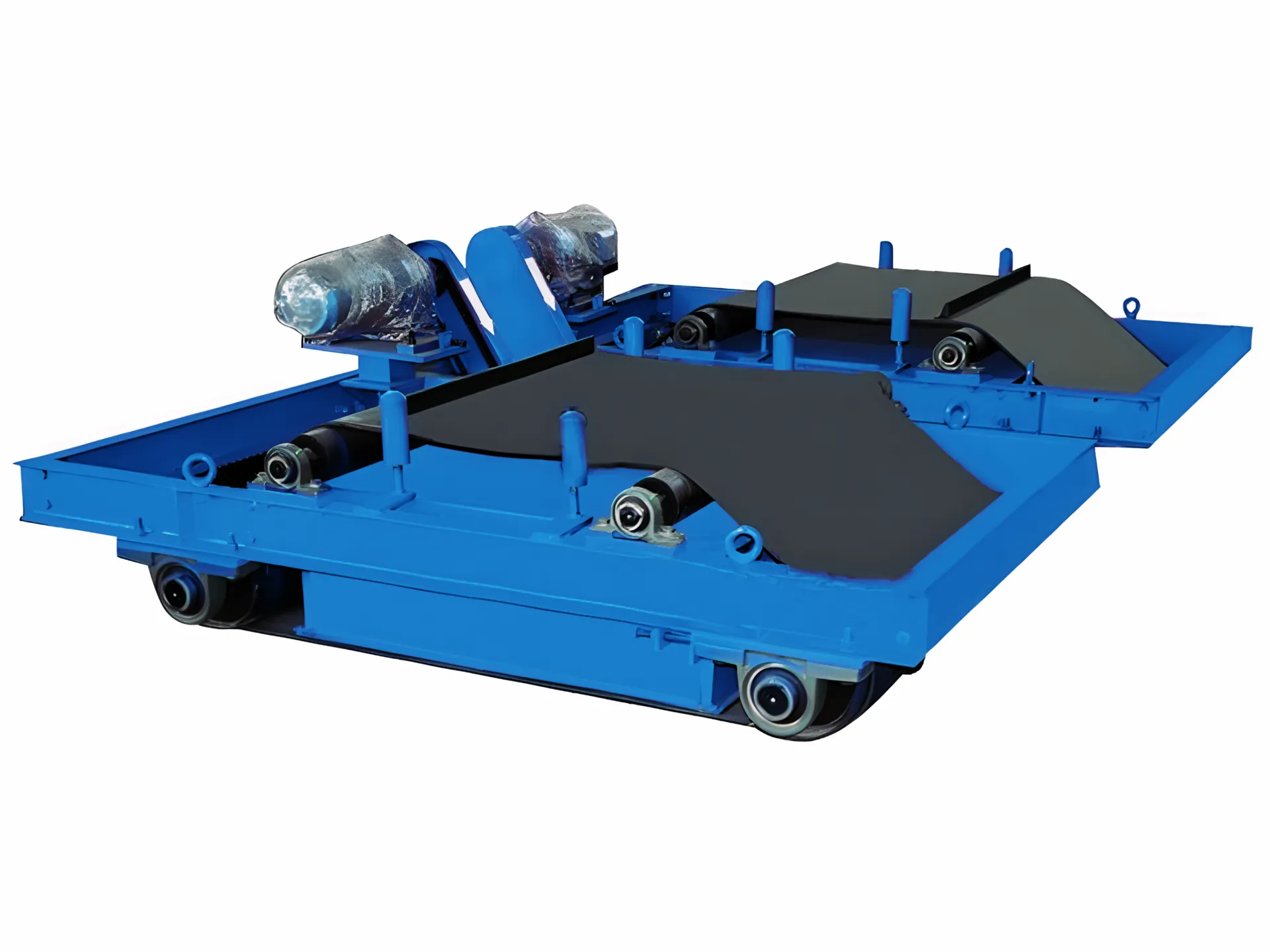
Suspended Self-Discharging Magnetic Separators are specialized industrial equipment designed to remove ferrous metals from conveyor belts. They are suspended above the conveyor and feature an automated self-cleaning mechanism, such as a continuously moving belt, to discharge captured metal into a collection bin or chute. This automation ensures uninterrupted operation, making them ideal for high-volume industrial processes.
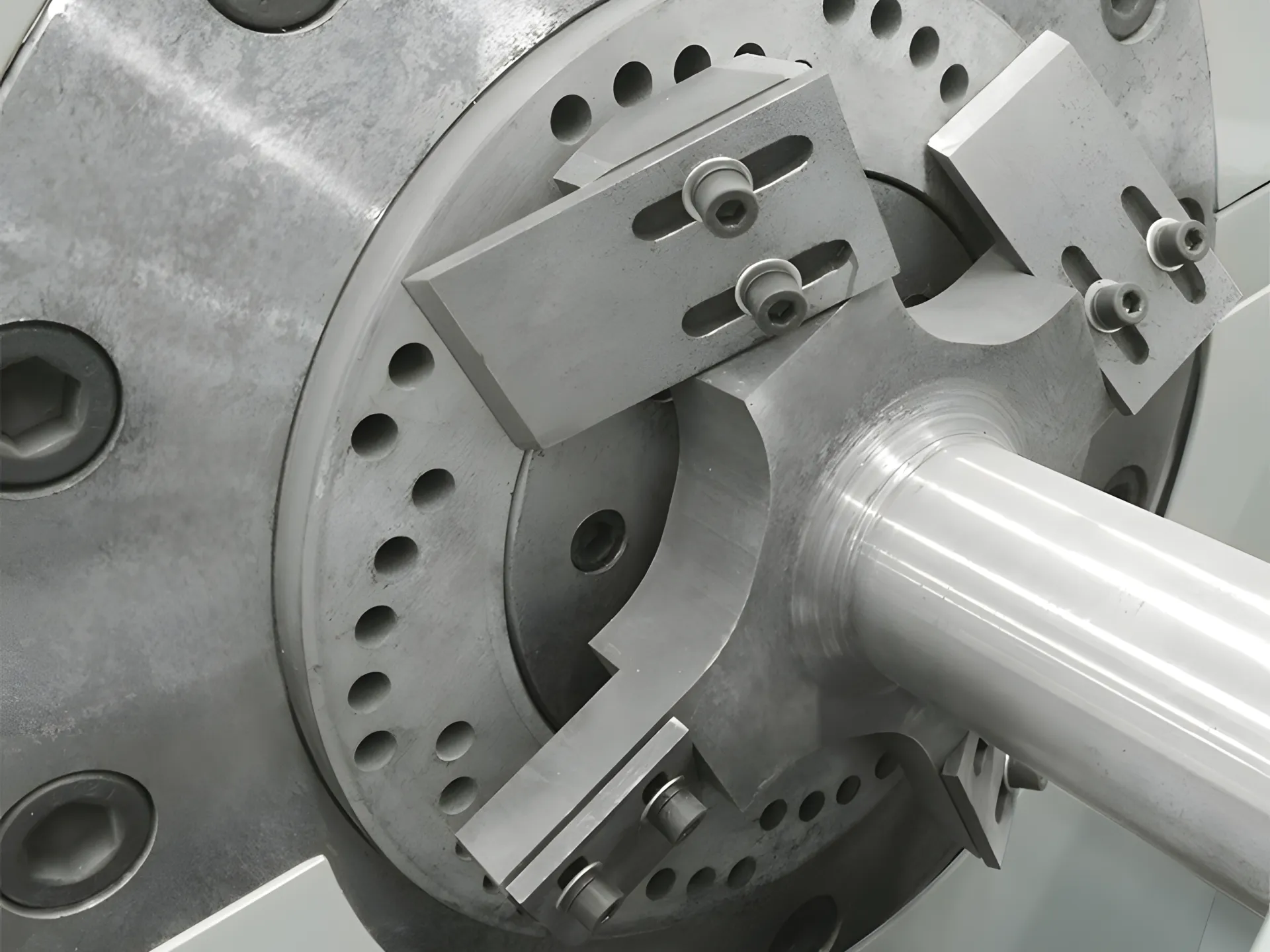
Plastic pelletizing machines play a crucial role in converting plastic waste or raw materials into small granules, which are widely used in manufacturing injection-molded products, films, and sheets. Among the core processes of pelletizing, the cutting method directly influences the uniformity and quality of the granules. Based on existing research, the “cutting method” primarily consists of three techniques: gantry cutting, horizontal water ring cutting, and underwater cutting. These methods encompass both cold-cut and hot-cut techniques.
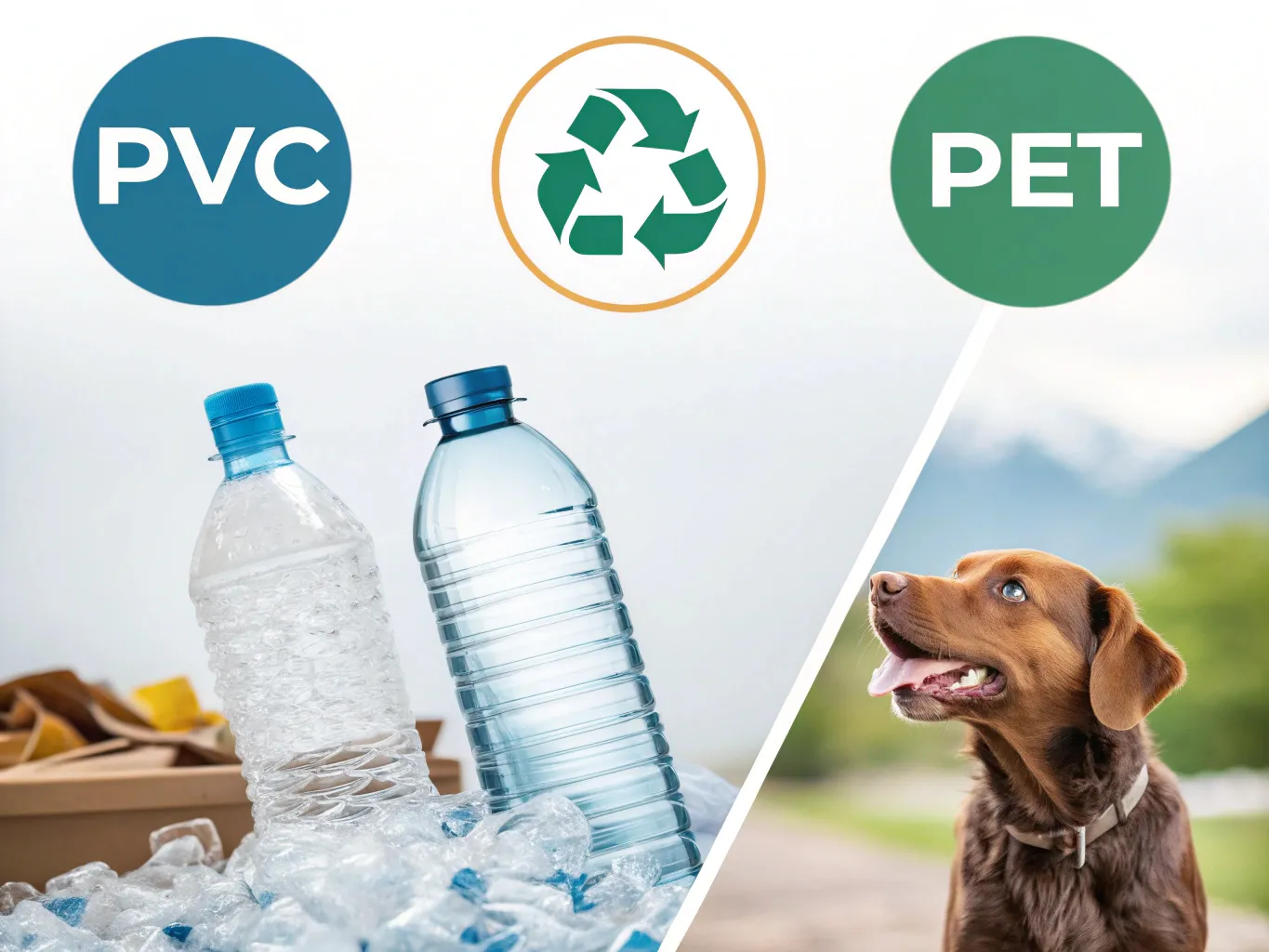
In the world of PET recycling, PVC (polyvinyl chloride) is a dreaded contaminant. Even in trace amounts, PVC can wreak havoc during the processing and remanufacturing of post-consumer PET resin, leading to significant quality issues in the final product. For context, PVC contamination as low as 50 parts per million (ppm)—equivalent to just 0.05 kg of PVC in 1,000 kg of PET flakes—can cause severe problems. This minuscule concentration (0.005%) can lead to the breakdown of PET resin, resulting in brittleness, discoloration (yellowing), and the release of hazardous chlorine vapors. These issues undermine two of PET's most valued properties: clarity and impact strength.
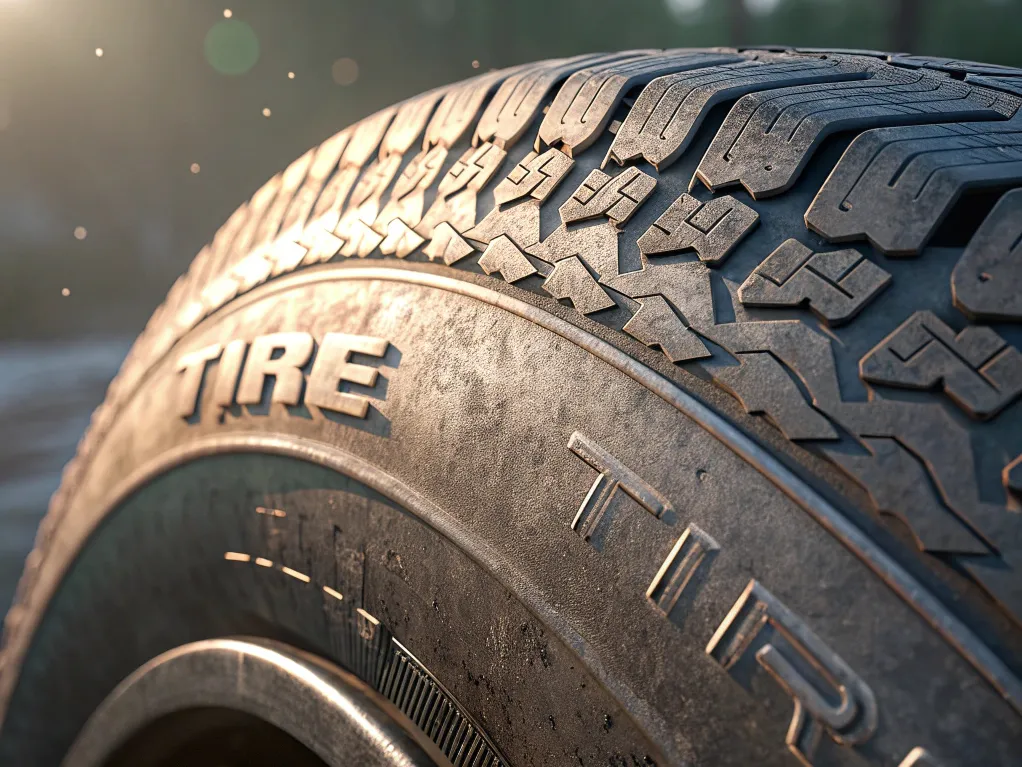
Tire recycling is an essential process in managing the increasing volume of discarded tires. A critical step in this process involves cutting the sidewall of the tire. Understanding the rationale behind this step highlights its significance in the recycling chain and its impact on material recovery and equipment efficiency.