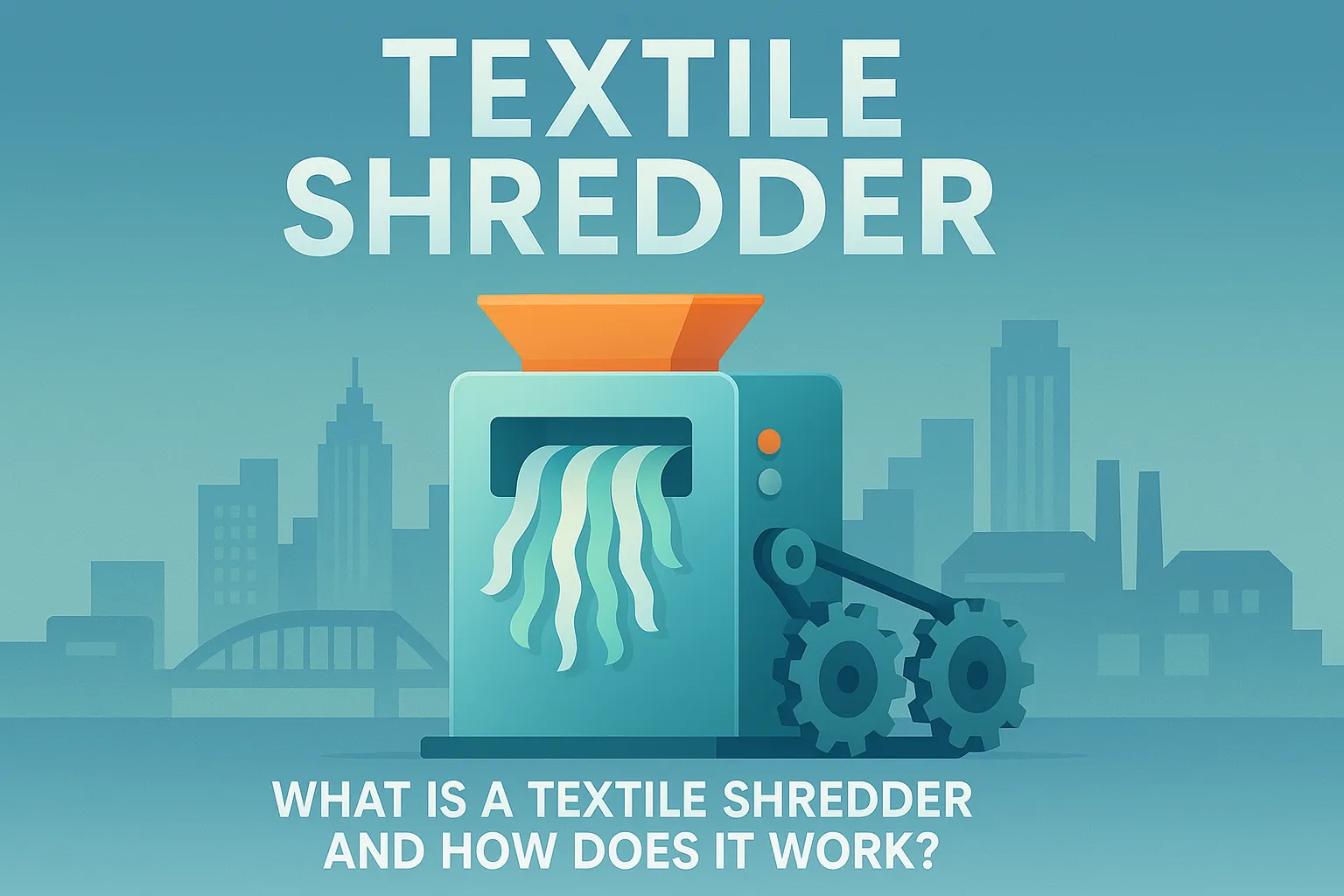
A textile shredder reduces fabric waste — used clothing, production offcuts, carpet, upholstery, nonwoven, and industrial textiles — into fiber or strip for...
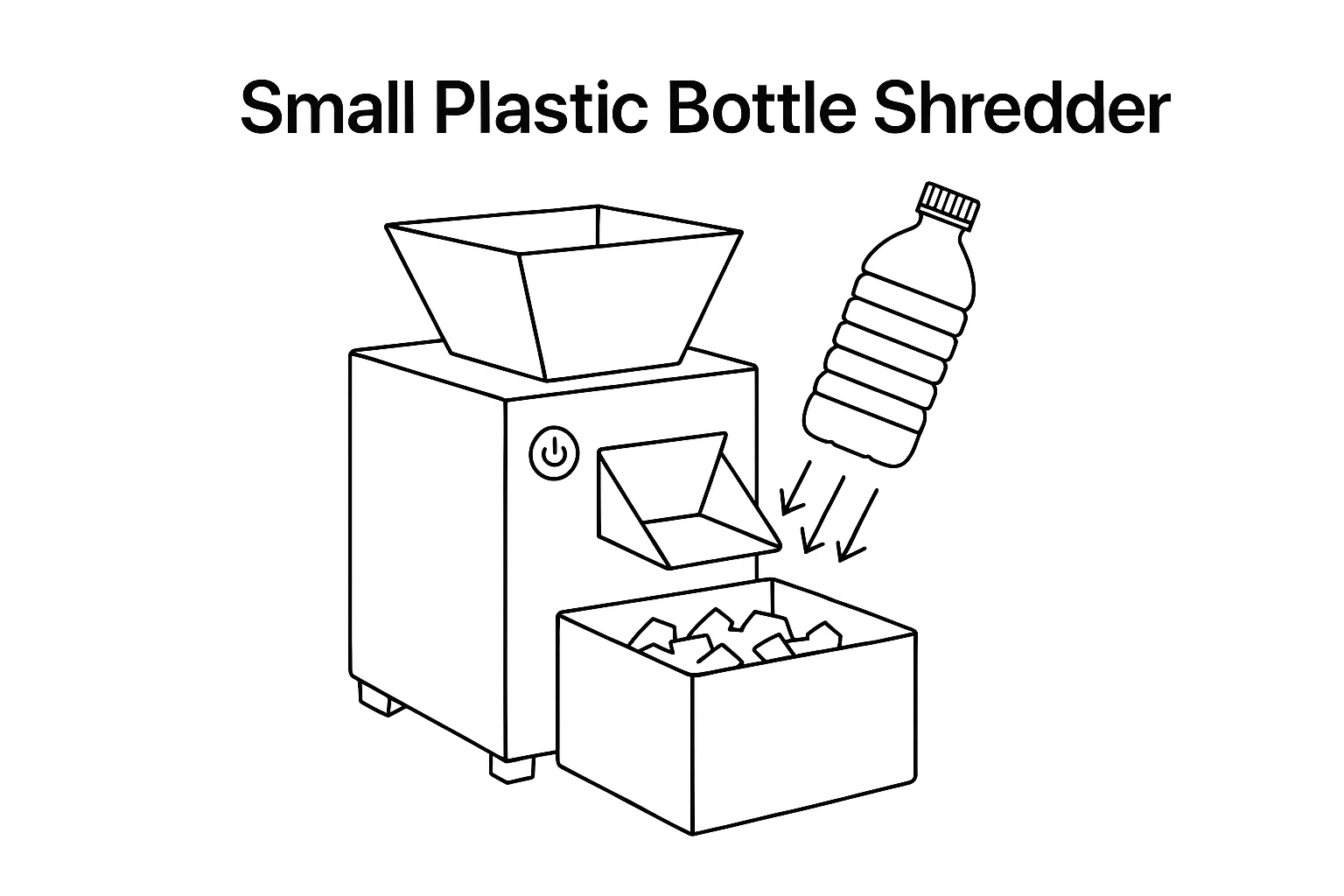
A desktop plastic shredder bridges the gap between office paper shredders and full-scale industrial shredding lines. These compact machines — typically under...
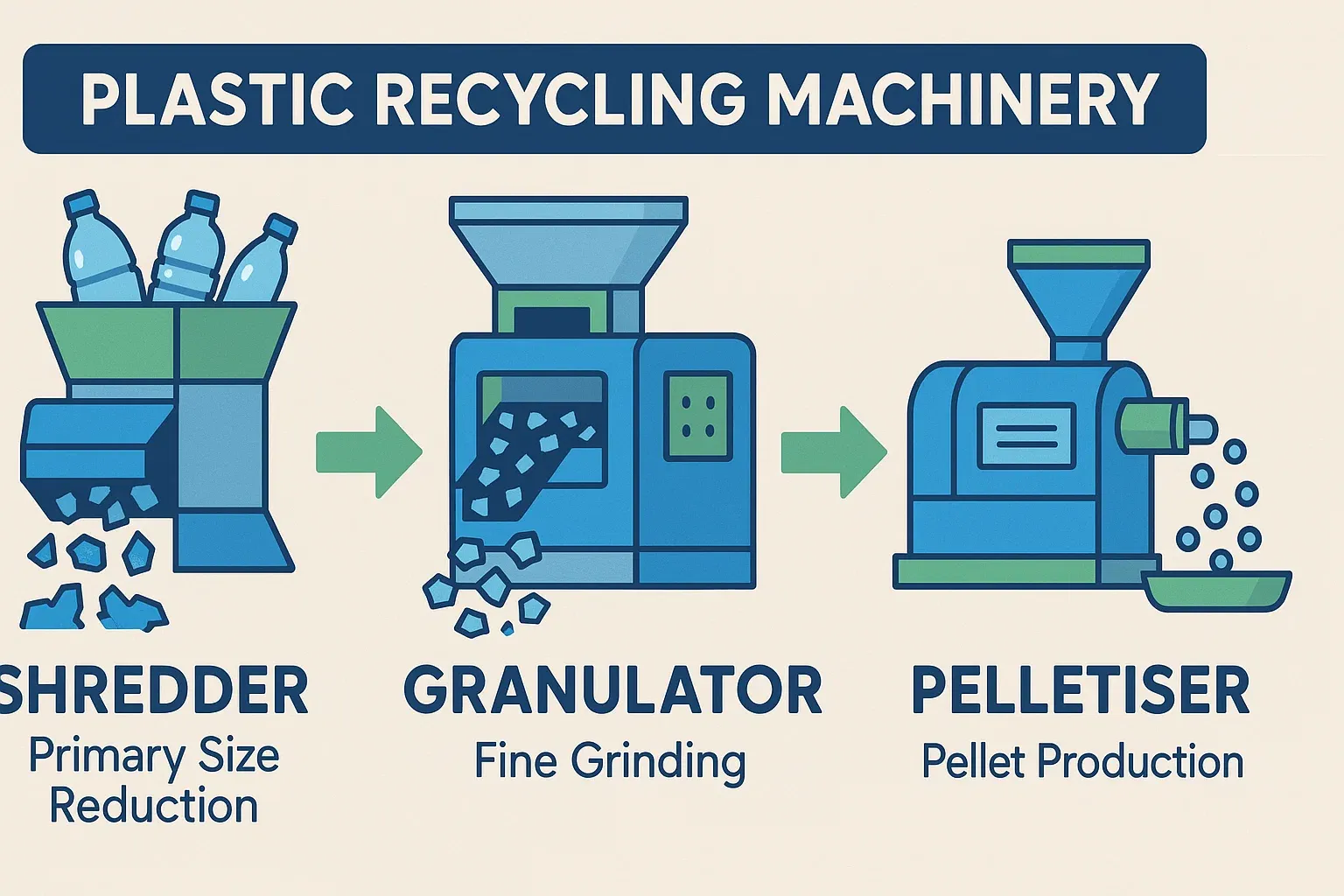
A plastic film recycling machine turns post-industrial and post-consumer PE and PP film waste into clean, reusable pellets that go straight back into producti...
PVC grinding vs crushing determines the efficiency and output quality of plastic recycling and compounding lines. While operators often use these terms intercha...
Plastic film dewatering equipment determines the thermal load and volumetric efficiency of downstream extrusion lines. Wet polyethylene (PE) and polypropylene (...
With rising energy costs and stricter recycled-content mandates expected in 2026, relying on outdated grinding technology is no longer viable. Choosing the righ...
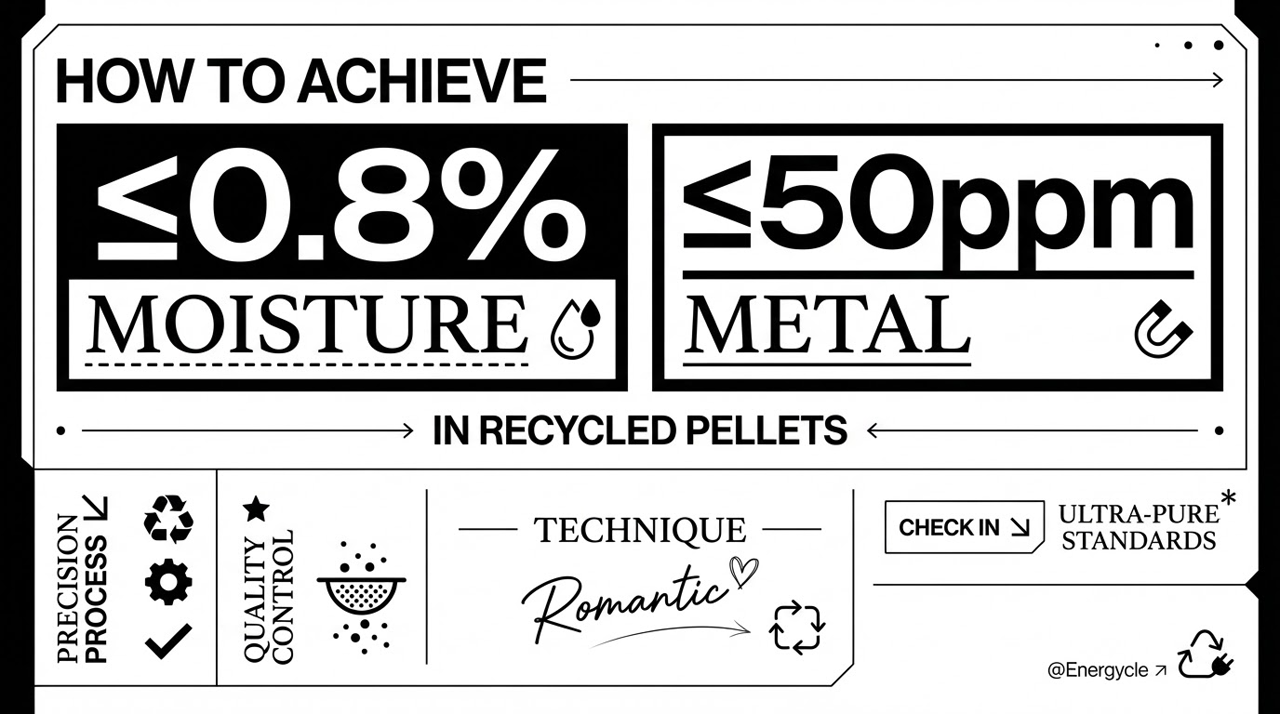
You run a recycling plant. You wash film or flakes, and you need the final pellets to hit two tight targets: moisture at 0.8 percent or lower and metal contamin...
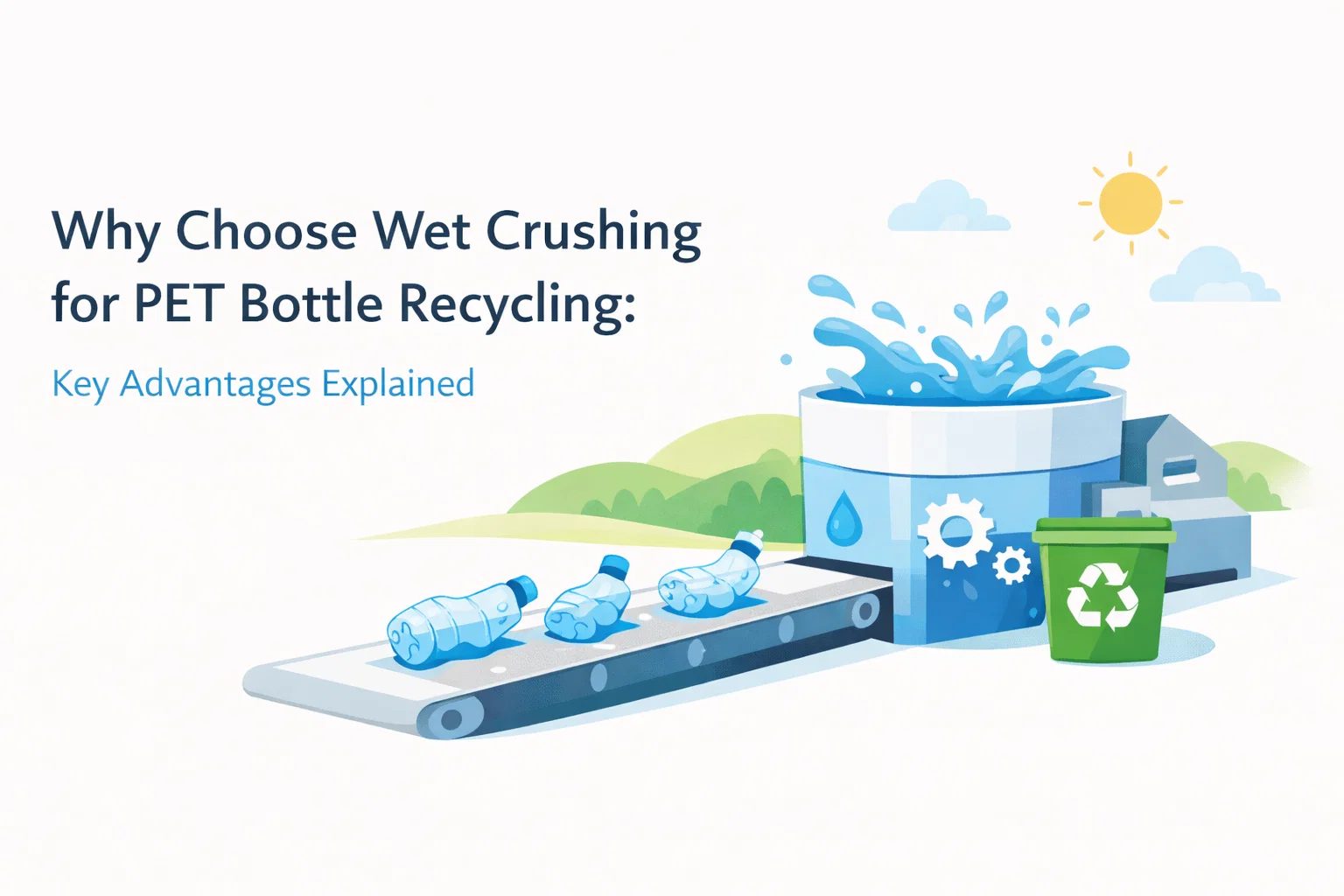
At Energycle, we process thousands of tons of PET bottles each year. We have tested both wet and dry crushing methods in real facilities. Time and again, wet cr...
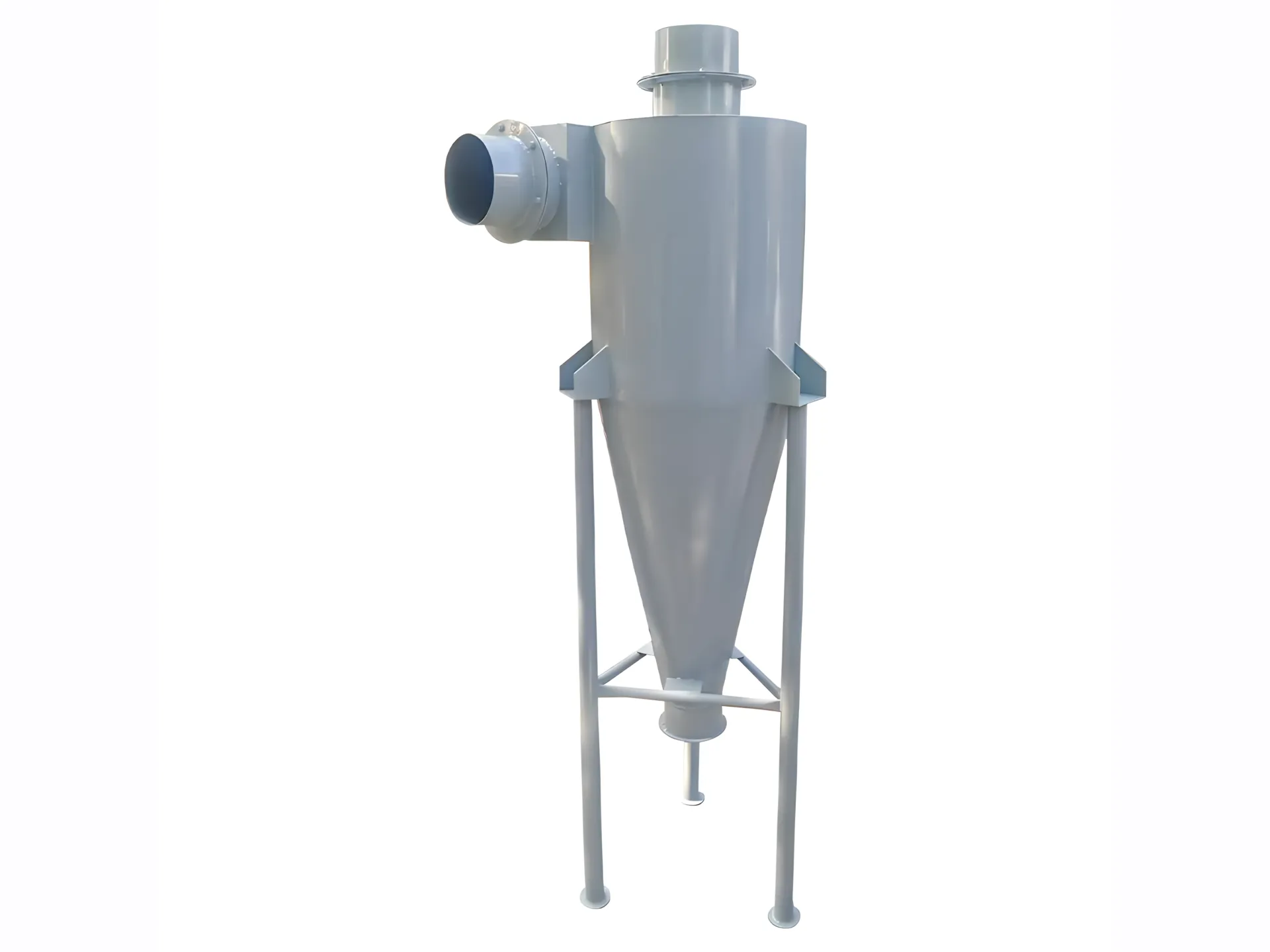
Cyclone separators in plastic recycling help remove dust, fines, labels, and lightweight contaminants from shredded or granulated materials. These systems use a...