Industrial shredder blades are the teeth of your recycling operation. When they dull, your entire production line slows down, energy costs spike, and output qua...
Every percentage point of recovery matters when you’re processing thousands of tons per year. If you purchase 1,000 tons of baled plastic and only sell 70...
In a plastic washing line, the centrifugal dryer is the handoff between wet processing and final drying/pelletizing. It removes free surface water mechanically,...
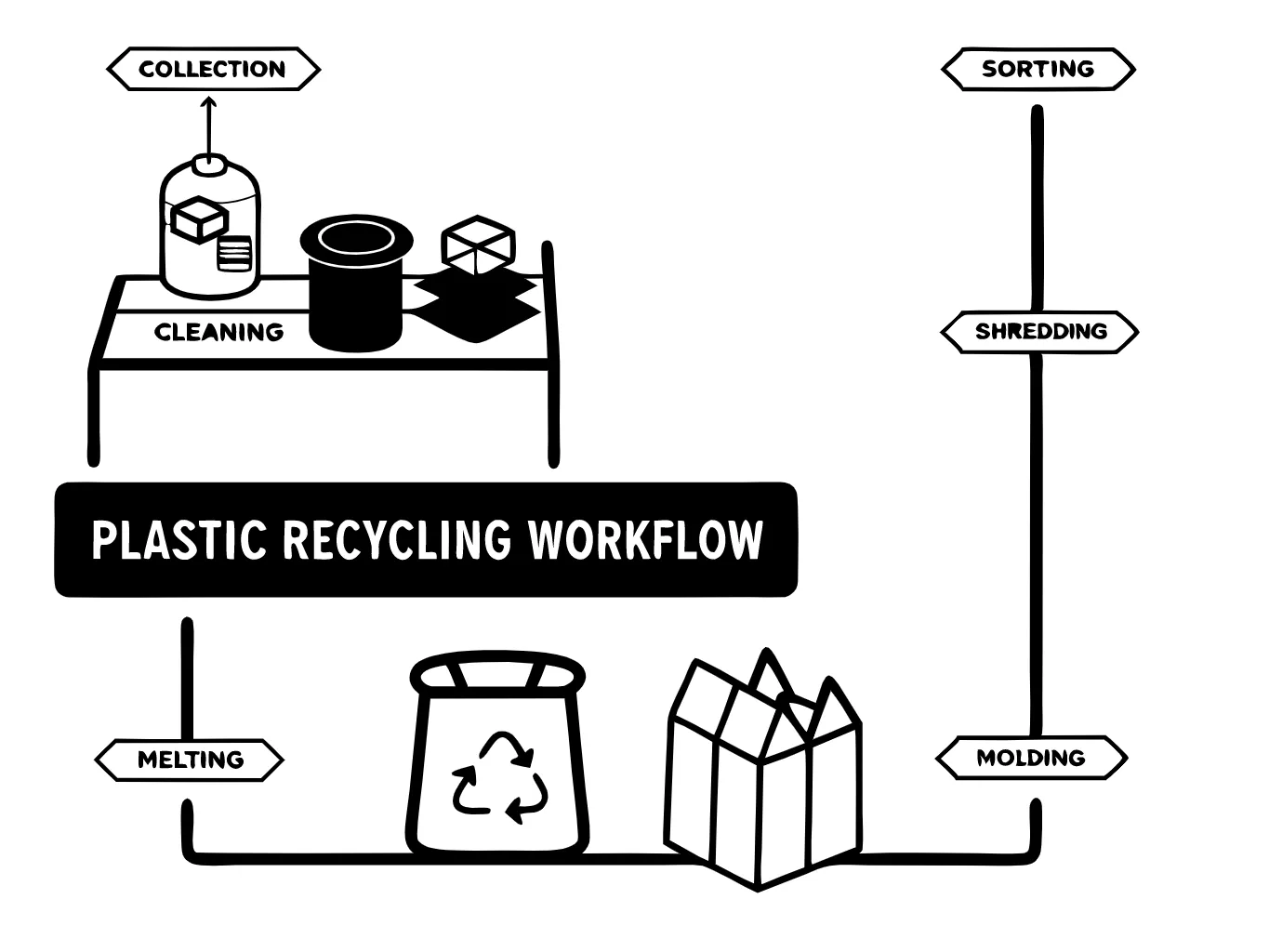
There isn’t a universal plastic recycling machine. Equipment that works well on rigid HDPE regrind can struggle with thin LDPE film, and a line sized for clea...
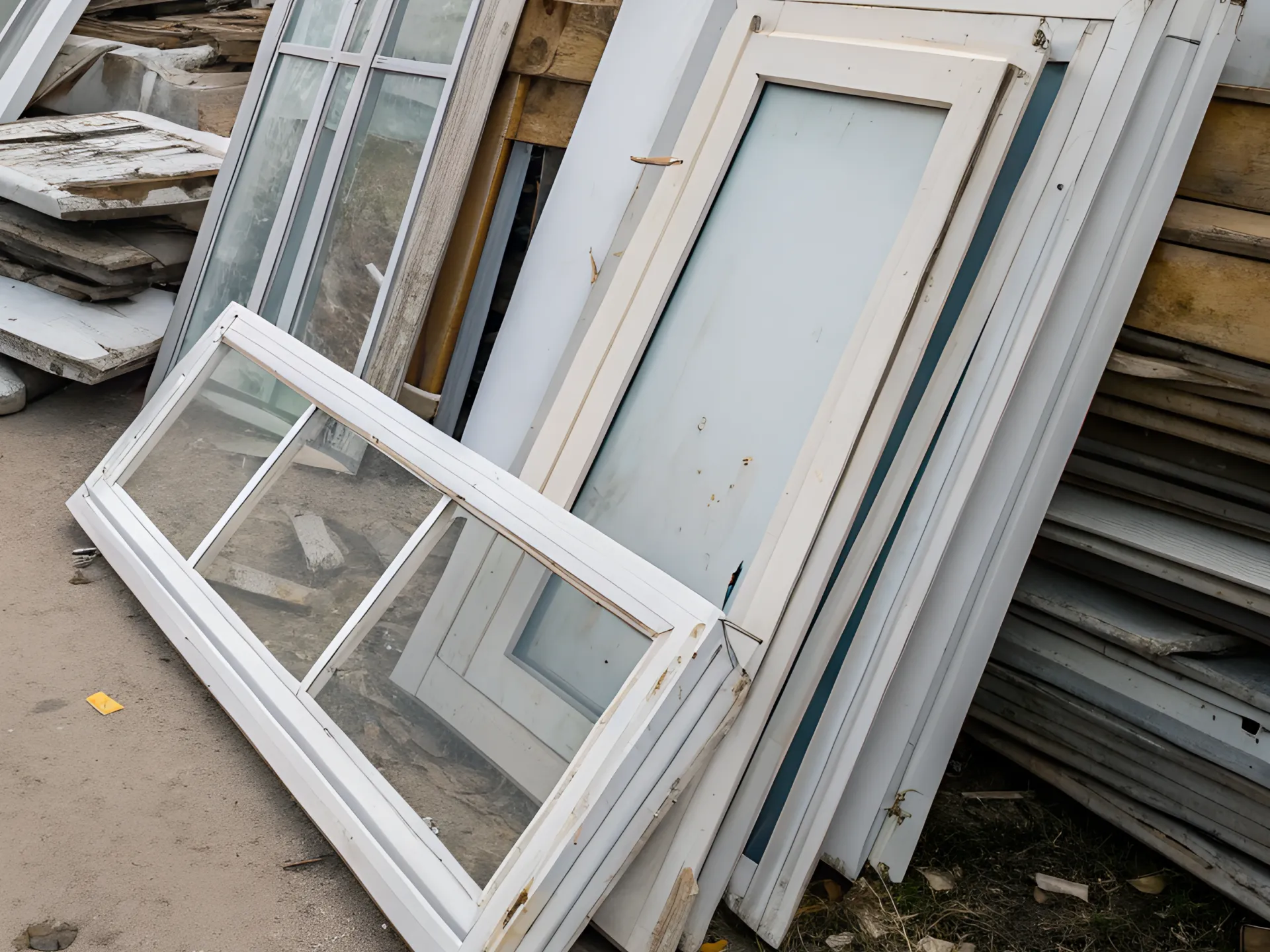
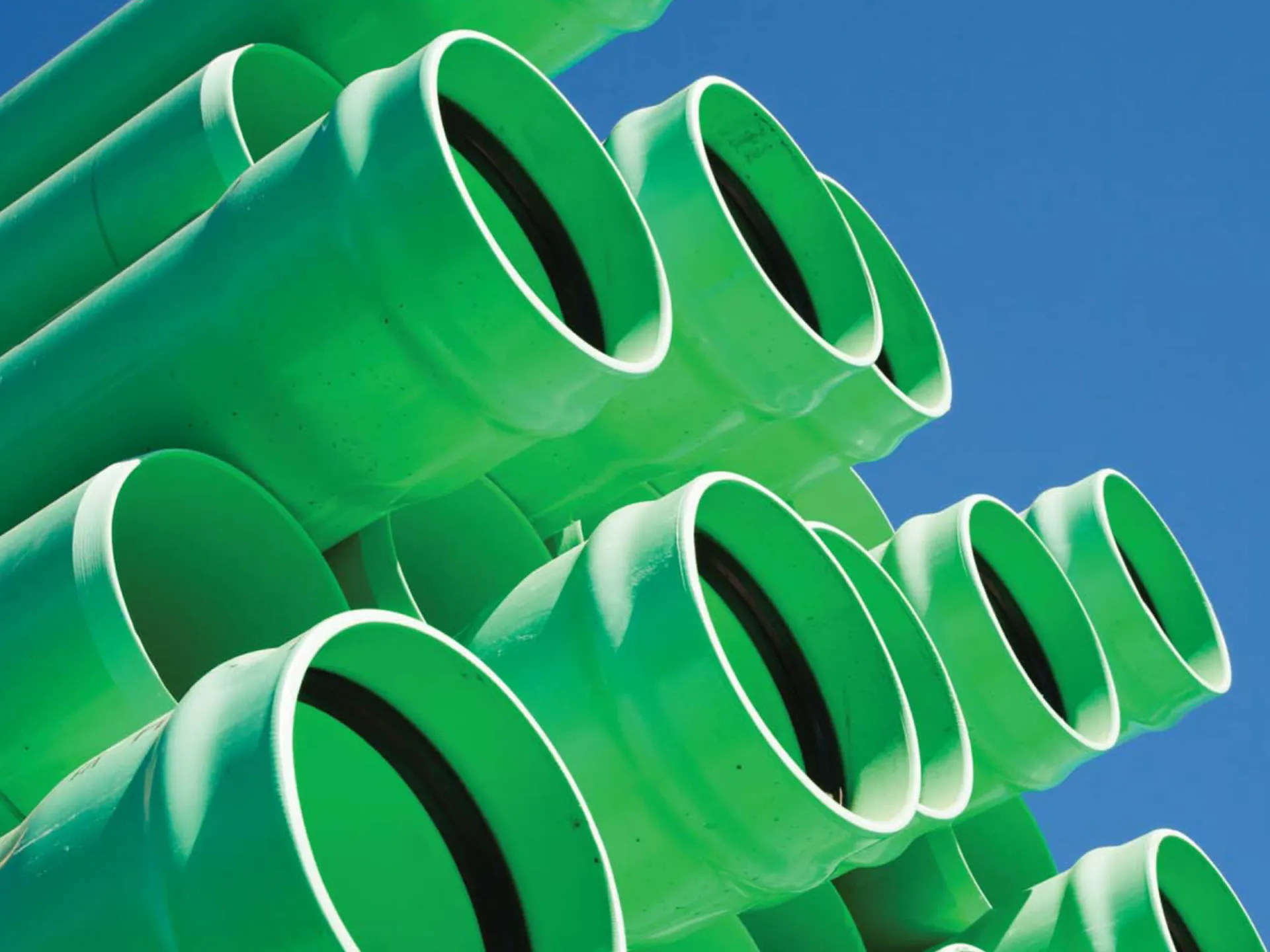
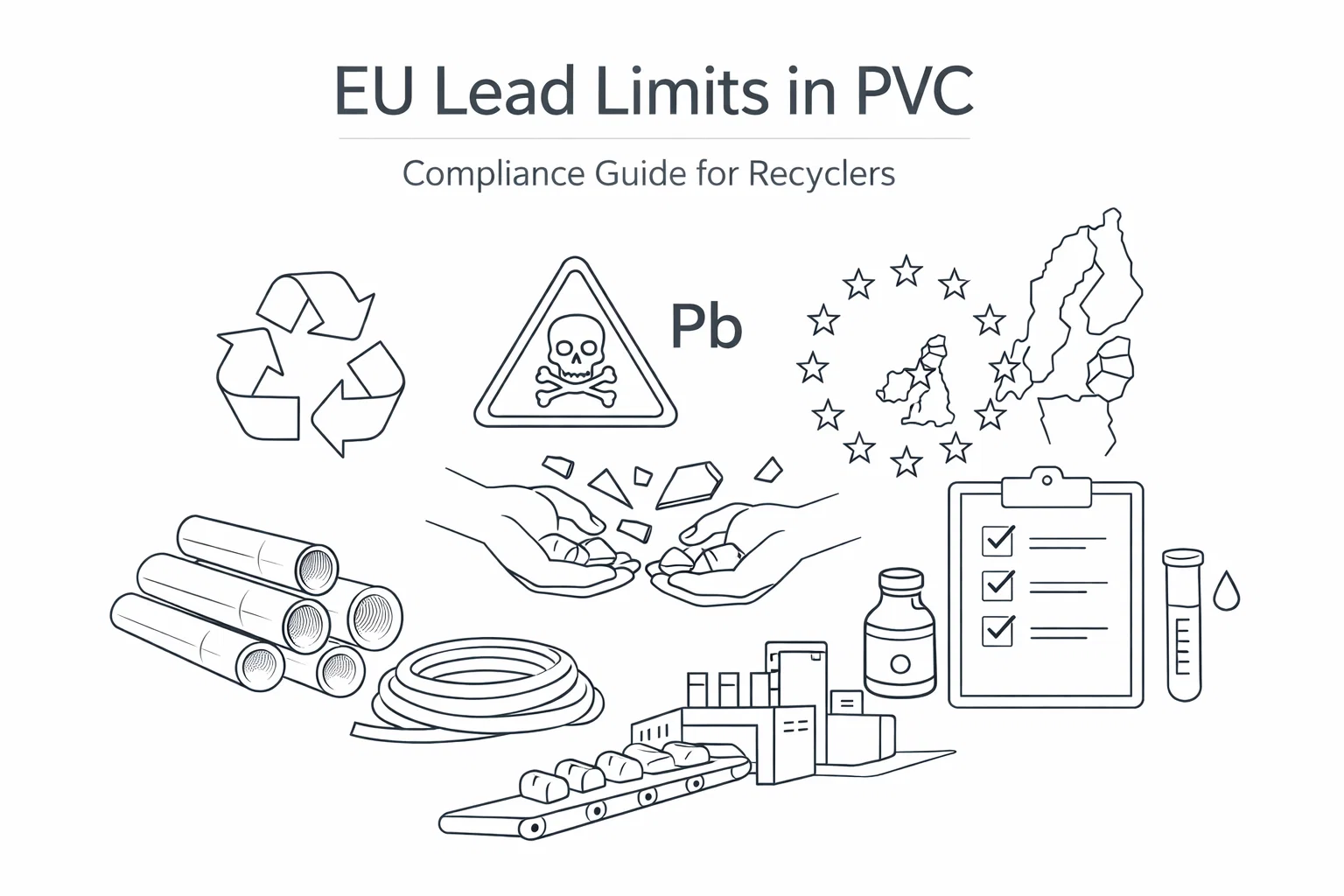
PVC is widely used in long-life applications such as pipes, profiles, and building products. When that material reaches end of life, recyclers and manufacturers...
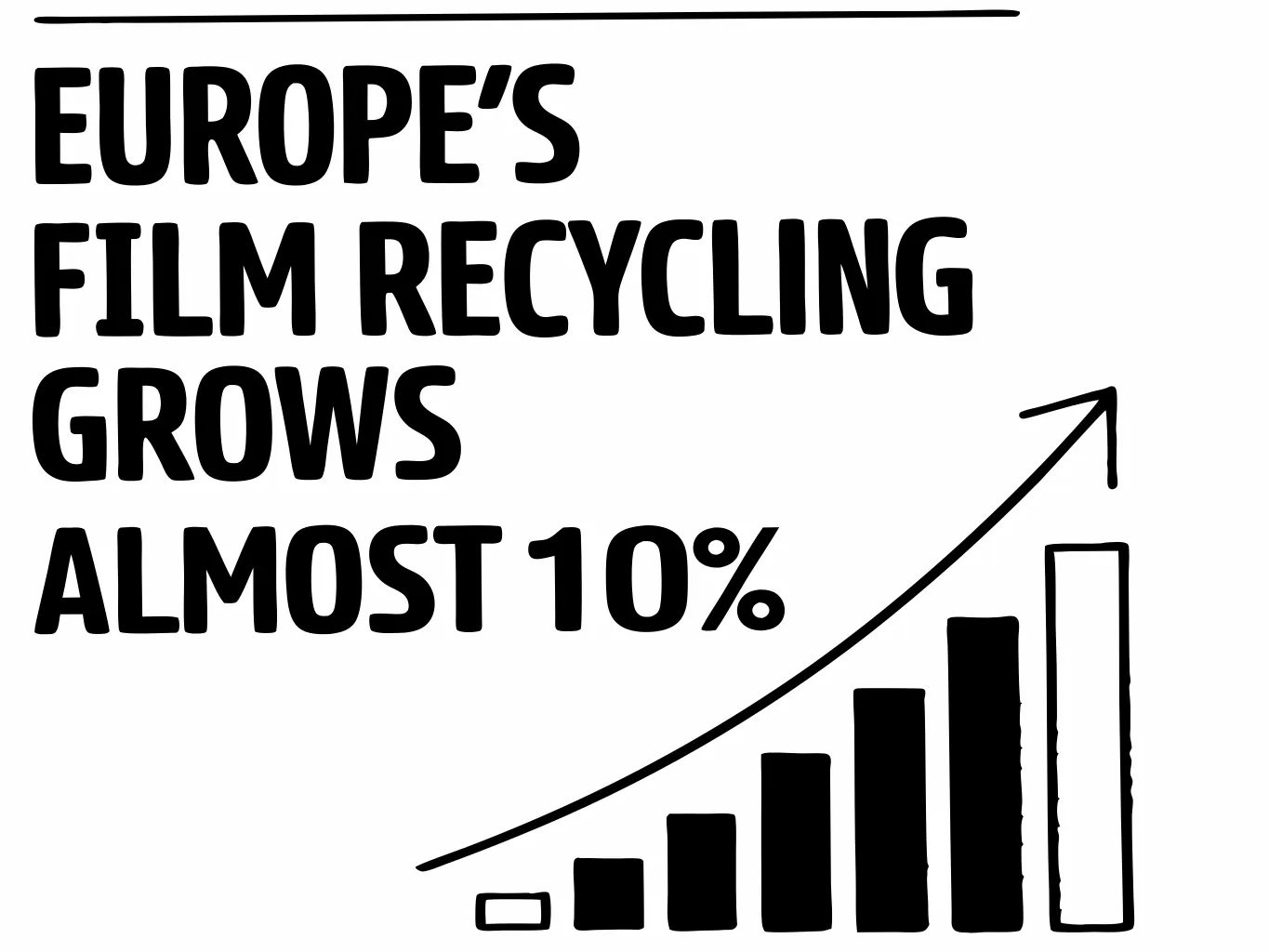
Flexible film (LDPE/LLDPE) is one of the hardest high-volume plastic streams to recycle well. When capacity grows, it usually means the market has found ways to...
Polyvinyl Chloride (PVC) is a cornerstone material in modern infrastructure, from underground piping to window profiles. However, its complex formulation—ofte...
Some older PVC products—especially in building applications—used lead-based stabilizers. As those products reach end of life, recyclers can encounter “leg...
Expanded polystyrene (EPS) is technically recyclable, but it’s often treated as “not worth it” because of one practical issue: volume. Loose EPS is mostly...
Drying is one of the biggest operating costs in a plastic recycling line. The decision is not “centrifugal dryer vs hot air.” It is how far you need to push...