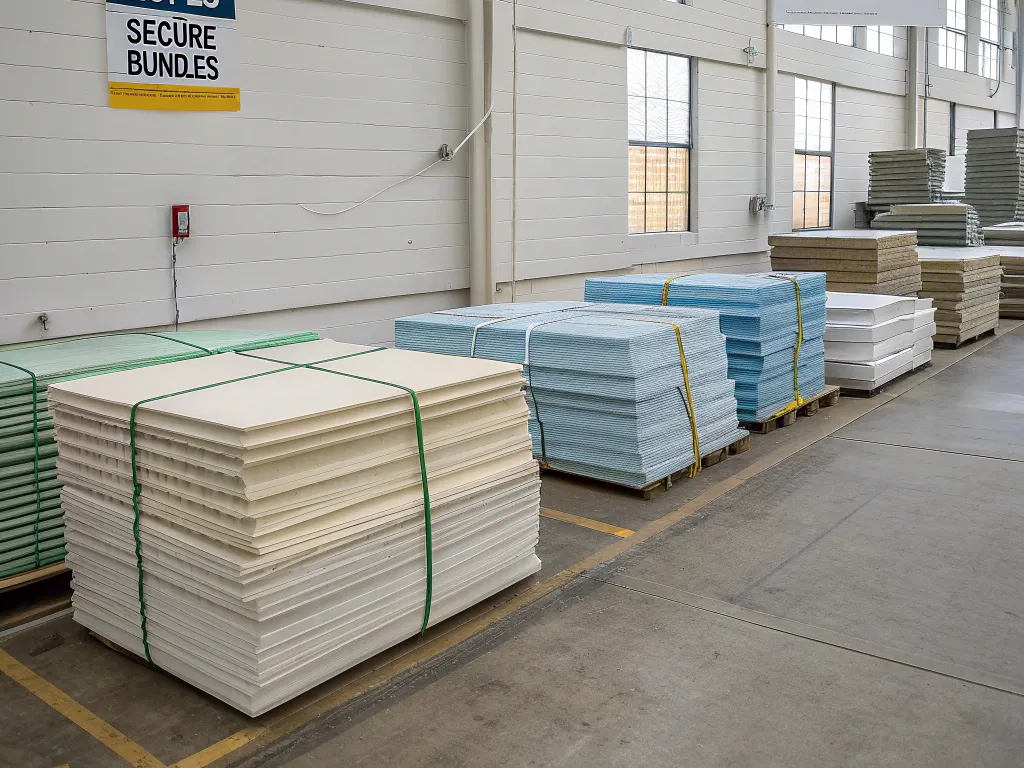
Vinyl siding is typically PVC-based, which makes it a valuable scrap stream when collected in volume. The difficulty is not the base polymer—it’s the contam...
PVC recycling markets develop where three conditions line up: steady PVC waste streams (often from construction and renovation), end markets that can absorb rPV...
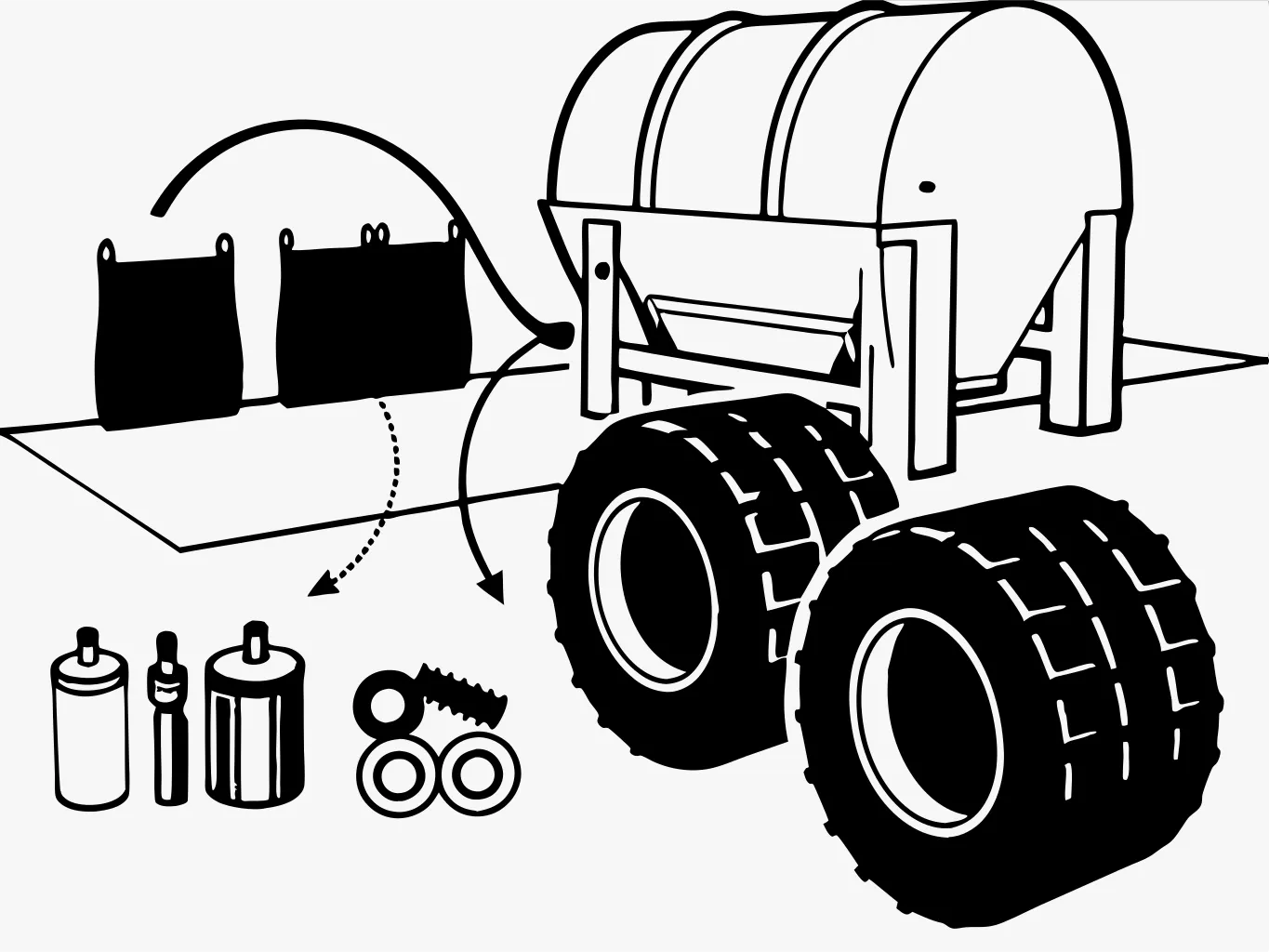
Tires are composite products: rubber compounds reinforced with steel wire and textile fiber. That structure is exactly why tire recycling requires a staged proc...
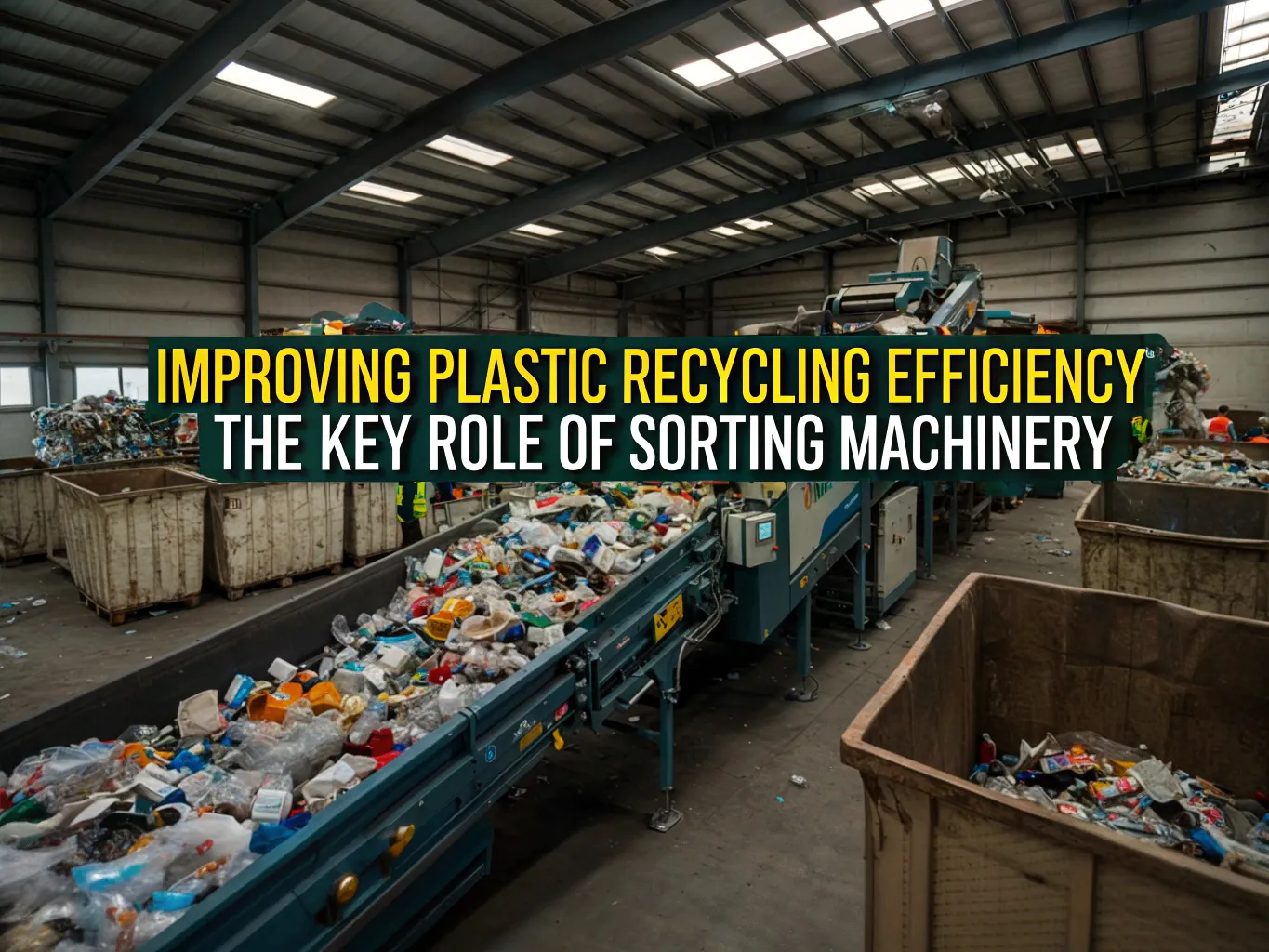
In recycling, “efficiency” is not only tons per hour. It’s the ability to produce a consistent output grade without constant downtime caused by contaminat...
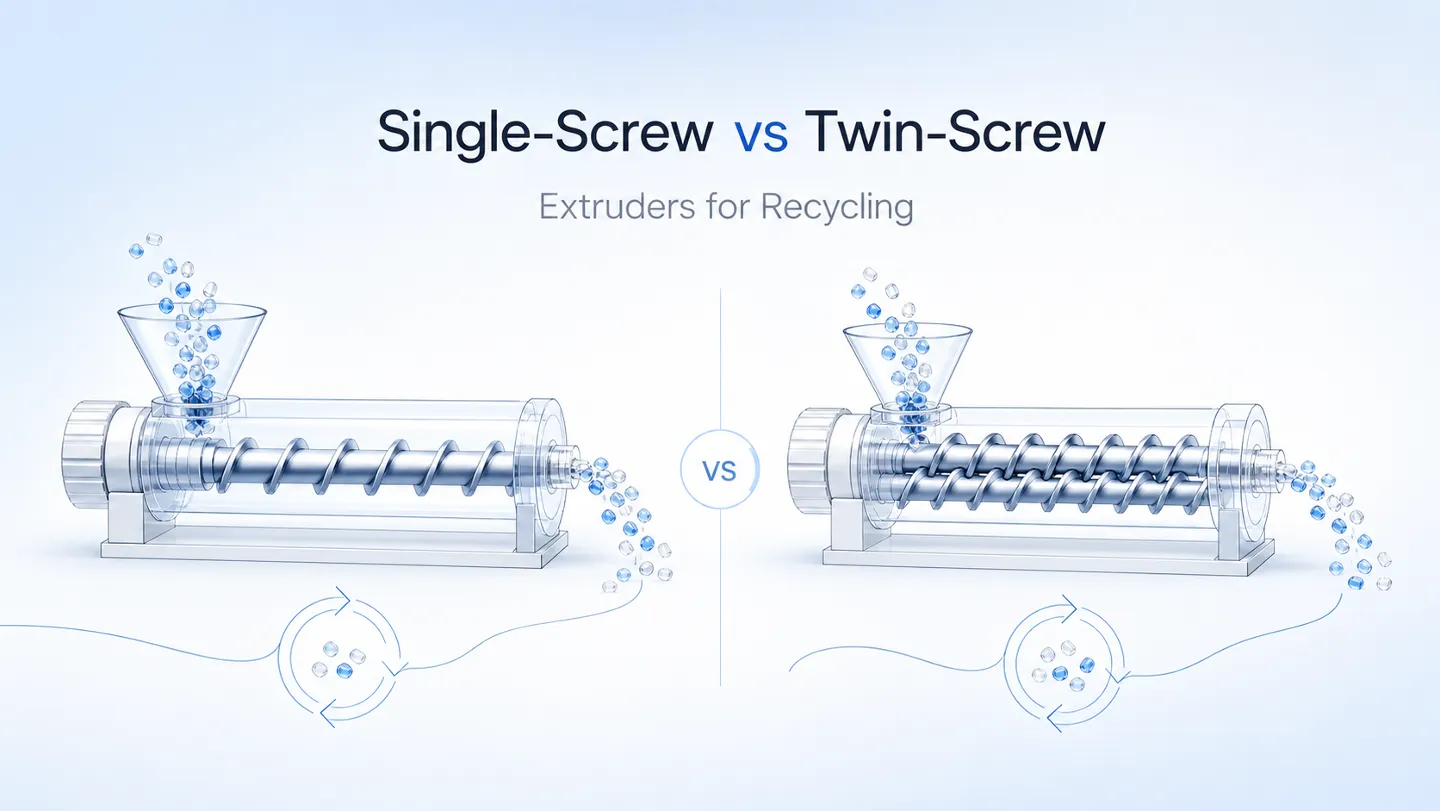
If you’re building a recycling pelletizing line, you’ll eventually face a key decision: single-screw or twin-screw extrusion. Both are proven technologies,...
Troubleshooting a single shaft shredder works best when you treat it like a system: feeding (hydraulic pusher), cutting (knives/counter knife/screen), and power...
A single shaft shredder can run for years with predictable upkeep—or turn into a constant source of unplanned stops if the cutting system and hydraulics drift...
A single shaft shredder looks simple from the outside: one rotor, one chamber, one pusher. In the field, uptime and throughput depend on details—how consisten...
Single screw extruders are common in plastics processing, and they can also pelletize PET bottle flakes into rPET pellets—if the line controls moisture, volat...
Rigid plastics (containers, crates, pipes) and flexible plastics (film, bags, woven material) are not just “different polymers.” They behave differently in...