

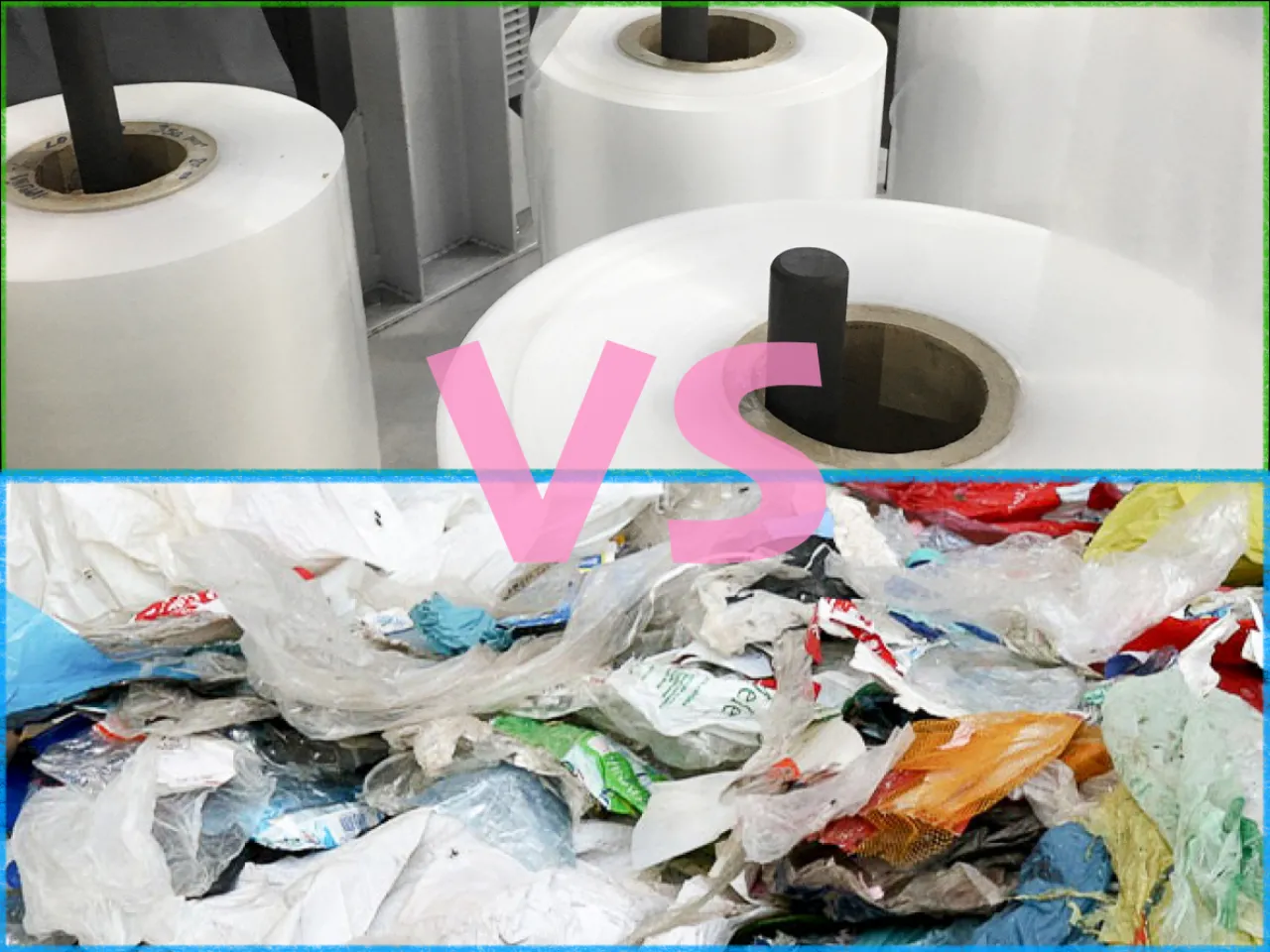
Due impianti possono entrambi affermare di "riciclare la plastica" e tuttavia richiedere attrezzature molto diverse. La differenza più grande è da dove proviene la materia prima:
- Post-industriale (spesso chiamato PIR): scarti di fabbrica e rifiuti di produzione generati in ambienti controllati
- Post-consumo (spesso chiamato PCR): rifiuti raccolti dopo l'uso da fonti domestiche e commerciali
Questa distinzione è importante perché modifica il rischio di contaminazione, il consumo di acqua, le esigenze di selezione e i requisiti di filtrazione del melt. Se si progetta un progetto PCR come un progetto PIR, potrebbe "funzionare", ma spesso produce risultati incoerenti, tempi di fermo più lunghi e una resa vendibile inferiore.
Conclusioni rapide
- Il PIR è solitamente più pulito e più uniforme; molte linee possono ridurre o saltare il lavaggio.
- La PCR è spesso umida, sporca e mista; la selezione e il lavaggio diventano moduli fondamentali.
- Con l'aumento della contaminazione e dell'umidità, aumentano anche le esigenze di filtrazione e degasaggio.
- Confronta le proposte su produzione vendibile all'ora in base a condizioni di materia prima definite, non solo in base alle dimensioni della macchina.
PIR vs PCR: le differenze pratiche che guidano la scelta delle apparecchiature
| Fattore | Post-industriale (PIR) | Post-consumo (PCR) | Perché gli acquirenti sono interessati |
|---|---|---|---|
| Coerenza | Solitamente stabile per fonte e fornitore | Spesso variabile in base al lotto e alla stagione | La variabilità causa tempi di inattività e variazioni della qualità. |
| Intensità di ordinamento | Spesso minimo | Spesso richiesto (metalli, polimeri non target) | La selezione protegge le attrezzature e aumenta il valore del prodotto. |
| Lavaggio / gestione dell'acqua | A volte ridotto o saltato | Comunemente richiesto; la gestione dell'acqua diventa un sistema | L'acqua sporca si trasforma in fiocchi sporchi; il controllo dell'acqua influisce sulla resa. |
| Umidità | Spesso più bassi e più stabili | Spesso più alti e meno prevedibili | L'umidità determina i costi di essiccazione e la stabilità dell'estrusione. |
| Filtrazione a fusione | La filtrazione di base può essere sufficiente | Carico più elevato; spesso è richiesta una strategia di filtrazione più forte | I tempi di fermo della filtrazione possono influire negativamente sulla produzione vendibile. |
Aspetto tipico di una linea PIR (e perché può essere semplice)
Le fonti tipiche di PIR includono rifilatura dei bordi, spurgo iniziale, parti fuori specifica e scarti di fabbrica. Molti flussi sono monopolimeri e relativamente puliti.
Approccio comune alle apparecchiature (varia in base al polimero e al fattore di forma):
1) riduzione dimensionale (solo se necessario) 2) densificazione/alimentazione controllata (soprattutto per film e scarti leggeri) 3) estrusione e pellettizzazione con filtrazione di base
Questo è il motivo per cui molti progetti PIR iniziano con un sistema di tipo compattatore-pelletizzatore piuttosto che con una linea di lavaggio completa. Energycle's macchine per la pellettizzazione della plastica La panoramica è un utile riferimento per la terminologia quando si confrontano le proposte.
Cosa cambia nella PCR (e perché le linee PCR hanno bisogno di più "moduli")
I flussi PCR spesso includono:
- sporco, sabbia, carta ed etichette
- residui di cibo e oli
- polimeri misti e articoli non plastici
- umidità e qualità delle balle incoerenti
Di conseguenza, gli elenchi delle apparecchiature PCR spesso aggiungono:
- smistamento e rimozione dei metalli in anticipo
- fasi complete di lavaggio e separazione (spesso con lavaggio a caldo a seconda del polimero e della contaminazione)
- disidratazione e asciugatura dimensionate per materiale umido
- filtrazione a fusione più forte per gestire un carico di contaminanti più elevato
- degasaggio sotto vuoto per umidità e sostanze volatili durante la pellettizzazione
Se la pulizia e la ripetibilità della PCR sono importanti, di solito è meglio iniziare da un concetto di lavaggio completo. Energycle's sistema di lavaggio a riciclo è un punto di riferimento per i moduli che compaiono nei progetti PCR.
Tipica enfasi dell'attrezzatura tramite flusso PCR (esempi)
La PCR non è un flusso unico. Questi esempi mostrano come "PCR" cambi l'importanza dell'attrezzatura:
| flusso PCR | Ciò che solitamente determina la complessità | Moduli che spesso decidono il successo |
|---|---|---|
| bottiglie in PET | Rischio PVC, rimozione etichetta/adesivo, lavaggio e asciugatura stabili | Selezione, controllo del lavaggio a caldo, risciacquo, asciugatura/controllo dell'umidità |
| Pellicola PE/PP | Bassa densità apparente, elevata contaminazione superficiale, difficoltà di disidratazione | Pianificazione dell'alimentazione/densificazione, lavaggio intensivo, disidratazione e filtrazione |
| Imballaggio rigido in PP/HDPE | Etichette, carta, metalli occasionali e polimeri non target | Punti di controllo di pre-selezione, consistenza del lavaggio, separazione e controllo qualità |
Il problema nascosto della PCR: la variabilità (non solo lo sporco)
Il PIR tende a comportarsi in modo prevedibile; il PCR no. Anche all'interno di una stessa "classe di balle", la composizione può variare in base al metodo di raccolta, alla stagione e al mix di confezionamento locale.
Se si sta creando una linea PCR, è necessario pianificare:
- campionamento in entrata e audit delle balle (tipico e caso peggiore)
- una finestra operativa che copre i lotti buoni e cattivi
- Punti di controllo QC (rischio PVC per PET, indicatori di ceneri/polveri fini, controlli dell'umidità, andamento della pressione di filtrazione in caso di pellettizzazione)
L'obiettivo non è progettare per un "input perfetto". L'obiettivo è progettare per una finestra operativa definita che è possibile acquistare e gestire.
Scelta dell'output: scaglie contro pellet (dove PCR e PIR divergono di nuovo)
Molti impianti danno per scontato che "la pellettizzazione sia il passaggio finale", ma la scelta migliore dipende dal mercato finale e dagli obiettivi qualitativi.
- Produzione di scaglie può essere il modello di business giusto se hai acquirenti che pellettizzano o preparano composti e se riesci a raggiungere costantemente gli obiettivi di pulizia e umidità.
- Produzione di pellet Può aumentare la flessibilità del mercato, ma richiede estrusione, filtrazione e un controllo più rigoroso dell'umidità. Per la PCR, spesso richiede un lavaggio e un'asciugatura a monte più stabili.
Se devi scegliere tra scaglie e pellet, inizia dai test di accettazione dell'acquirente e dalle penalità per la deriva, quindi adatta l'attrezzatura a tali test.
Cosa inserire nella richiesta di preventivo (affinché i preventivi siano confrontabili)
Molte proposte "economiche" lo sono perché le ipotesi di input sono irrealisticamente chiare. Per evitare questo problema, inserisci questi elementi nella tua richiesta di preventivo:
- polimero/i, fattore di forma e finestra di contaminazione prevista
- umidità nei punti chiave (in entrata e dopo il lavaggio, se noto)
- output target (scaglie o pellet) e come viene testato
- definizione di produttività: produzione vendibile all'ora in condizioni di materia prima definite
- ciclo di lavoro previsto (turni e ore)
Se condividi le foto del tuo materiale e le specifiche del tuo prodotto target, Energycle può consigliarti un concetto di linea tramite il suo pagina dei contatti.
FAQ (Domande reali sugli appalti)
1) Posso eseguire la PCR su un pelletizzatore "tipo PIR" senza lavarlo?
A volte per flussi relativamente puliti, ma è un percorso ad alto rischio. La variabilità della PCR si manifesta con oscillazioni di umidità, picchi di contaminazione e maggiori tempi di fermo dovuti a filtrazione e pulizia. Un pellettizzatore può essere regolato per funzionare in una giornata buona e avere comunque difficoltà in una giornata cattiva. Per testare la fattibilità, è necessario definire una condizione rappresentativa del "caso peggiore" della materia prima ed eseguire una prova che misuri la produzione vendibile, gli scarti di riavvio e il comportamento della filtrazione. Se la linea richiede un intervento costante dell'operatore o frequenti arresti, l'aspetto economico solitamente si sposta a favore dell'aggiunta di smistamento e lavaggio piuttosto che spingere un sistema semplice oltre la sua finestra di tolleranza.
2) Quali sono i primi tre aggiornamenti che solitamente danno i loro frutti sul PCR (prima di acquistare macchine più grandi)?
La maggior parte dei miglioramenti nell'efficienza della PCR deriva dalla stabilizzazione dell'input e dalla pulizia, non dall'aumento delle dimensioni del motore. Innanzitutto, è necessario rafforzare il controllo qualità e la selezione in ingresso per escludere metalli e polimeri non target. In secondo luogo, è necessario stabilizzare il lavaggio e la separazione in modo che la qualità dell'acqua e il tempo di residenza non subiscano variazioni. In terzo luogo, è necessario migliorare il controllo della disidratazione e dell'essiccazione in modo che l'umidità all'alimentazione dell'estrusione sia stabile. Questi miglioramenti riducono le fermate non pianificate e aumentano la resa vendibile. Attrezzature più grandi sono utili solo quando il processo è già stabile. Se si condividono i dettagli del flusso, Energycle può aiutare a mappare gli aggiornamenti ai colli di bottiglia attraverso il suo pagina dei contatti.
3) Come dovrei definire il termine "rendimento" in modo che i fornitori non forniscano cifre irrealistiche?
Richiedi throughput come prodotto vendibile all'ora a una condizione di materia prima definita. Specificare polimero, umidità e una finestra di contaminazione (etichette/carta/sabbia/metalli). Quindi richiedere delle ipotesi: intervallo di cambio filtro, tempi di fermo macchina pianificati per la pulizia, numero di operatori e perdite previste per scarti/riavvii. Senza queste definizioni, i fornitori possono gonfiare la "capacità" presumendo materiali più puliti o ignorando i tempi di fermo macchina e la perdita di resa. Una buona richiesta di preventivo collega le prestazioni a condizioni misurabili e test di accettazione. Questo rende le diverse proposte confrontabili e vi protegge dall'acquisto di ipotesi anziché di prestazioni delle apparecchiature.
4) Ho sempre bisogno della pellettizzazione o posso vendere i fiocchi?
Puoi vendere scaglie se i tuoi acquirenti accettano la pulizia, l'umidità e la distribuzione granulometrica. La vendita di scaglie può ridurre i costi in conto capitale e semplificare le operazioni perché evita estrusione, filtrazione e gestione della qualità dei pellet. La pellettizzazione può aumentare la flessibilità del mercato, ma richiede una pulizia a monte stabile e un controllo dell'umidità, oltre a una maggiore competenza di processo. Inizia chiedendo agli acquirenti quali test utilizzano e cosa rifiutano (macchie, carta, odore, umidità, flusso di fusione). Quindi scegli il formato di output più adatto al tuo mercato e alla tua capacità operativa. Se prevedi di pellettizzare, Energycle macchine per la pellettizzazione della plastica la pagina aiuta ad allineare la terminologia di pelletizzazione tra le citazioni.
5) Quali documenti di riferimento mi aiutano a scrivere una specifica realistica per le balle e la contaminazione?
Utilizza un riferimento di settore per il linguaggio relativo alla contaminazione, quindi adattalo al tuo flusso e al mercato finale. Le specifiche modello per le balle dell'Association of Plastic Recyclers (APR) sono ampiamente utilizzate come punto di partenza per descrivere i fattori di qualità delle balle e i contaminanti. L'obiettivo non sono "balle perfette", ma una finestra di qualità delle balle che la tua linea può elaborare senza fermate costanti e variazioni di qualità. Scrivi i requisiti per i contaminanti che compromettono la qualità (ad esempio, elementi a rischio PVC nel PET) e i contaminanti che compromettono i tempi di attività (metalli, pietre, sporco elevato). Quindi allinea il controllo qualità in entrata a tali requisiti in modo che le specifiche siano applicabili.
