

Granulatori per riciclo e regrind interno
Confronta granulatori compatti, a umido, per impieghi gravosi e specialistici per tubi o lastre. Abbina la bocca di alimentazione, il sistema di taglio e la griglia ai tuoi scarti e ai requisiti del macinato a valle.
Scegli un granulatore per i tuoi scarti plastici
Seleziona in base alla forma dello scarto e alle necessità di carico, quindi conferma il funzionamento a secco o a umido, la scelta della griglia e il processo a valle.
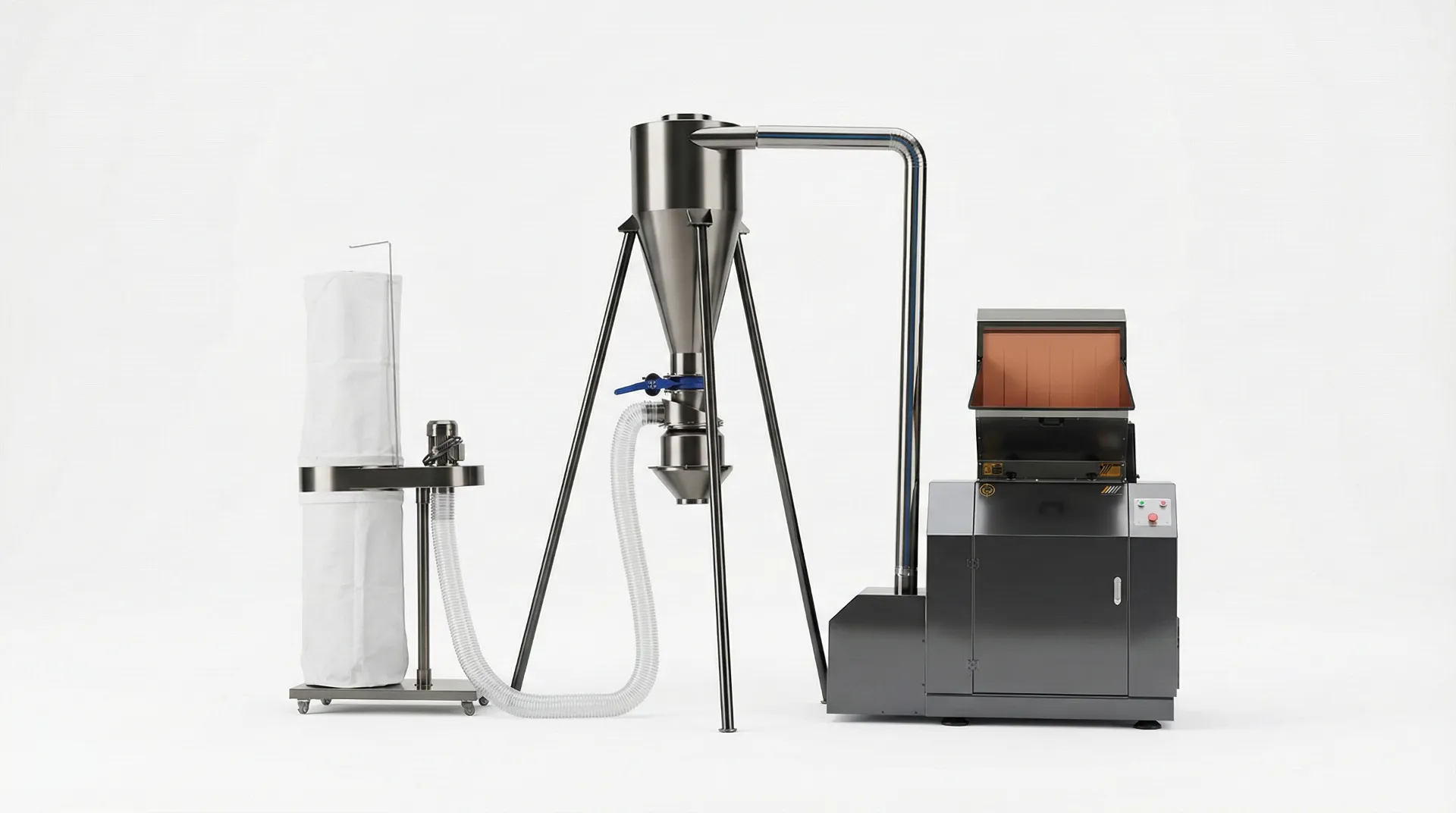
Piccolo frantoio
Materozze rigide, canali di colata, rifili e piccoli scarti di stampaggio. Verifica dimensioni dei pezzi, temperatura dello scarto e requisiti di macinato del processo produttivo.
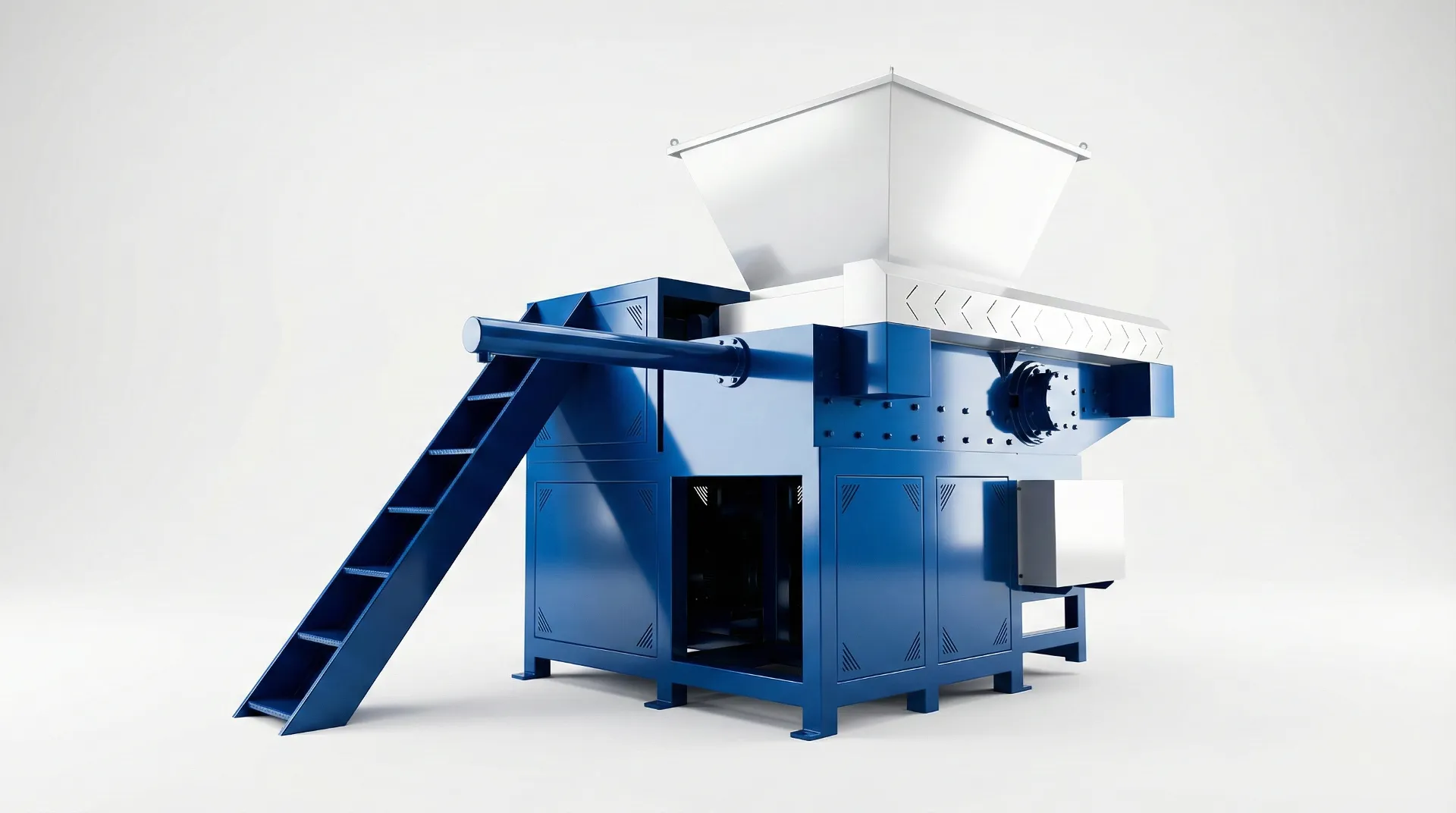
Trituratore-granulatore integrato
Scarti voluminosi che richiedono triturazione primaria prima della granulazione fine. Abbina entrambi gli stadi di taglio al materiale, alla portata e alla pezzatura finale.
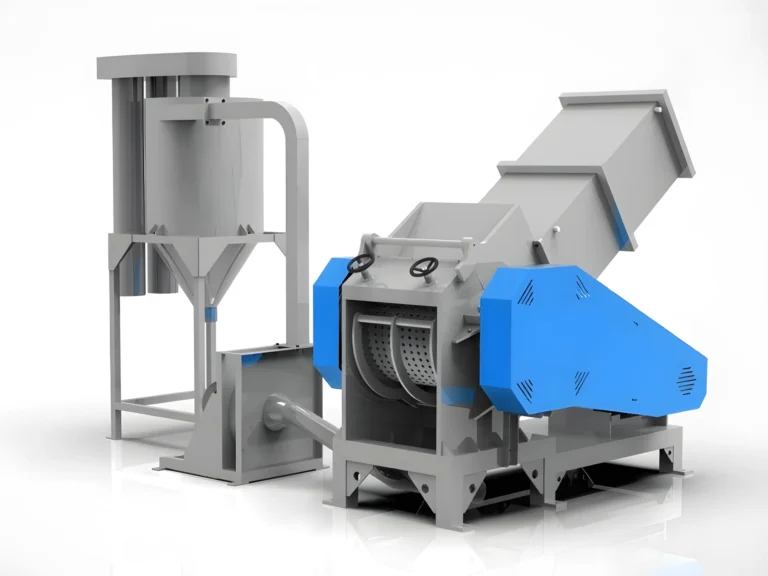
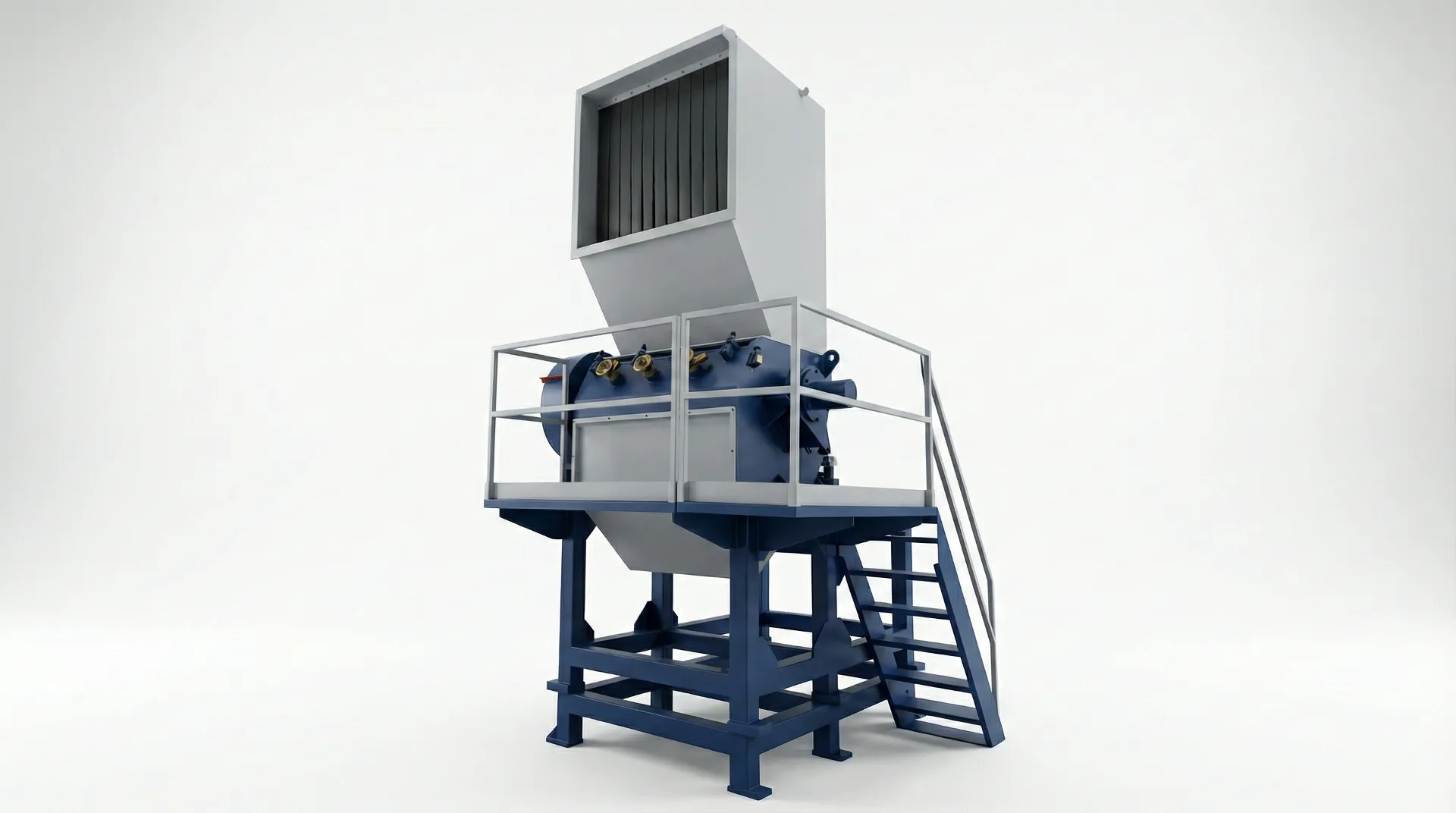
Granulatore verticale per tubi PVC e profili finestra
Tubi rigidi lunghi e profilati per finestre in PVC. Verifica sezione, spessore parete, lunghezza e limiti della tramoggia per l'alimentazione diretta con spintore idraulico.
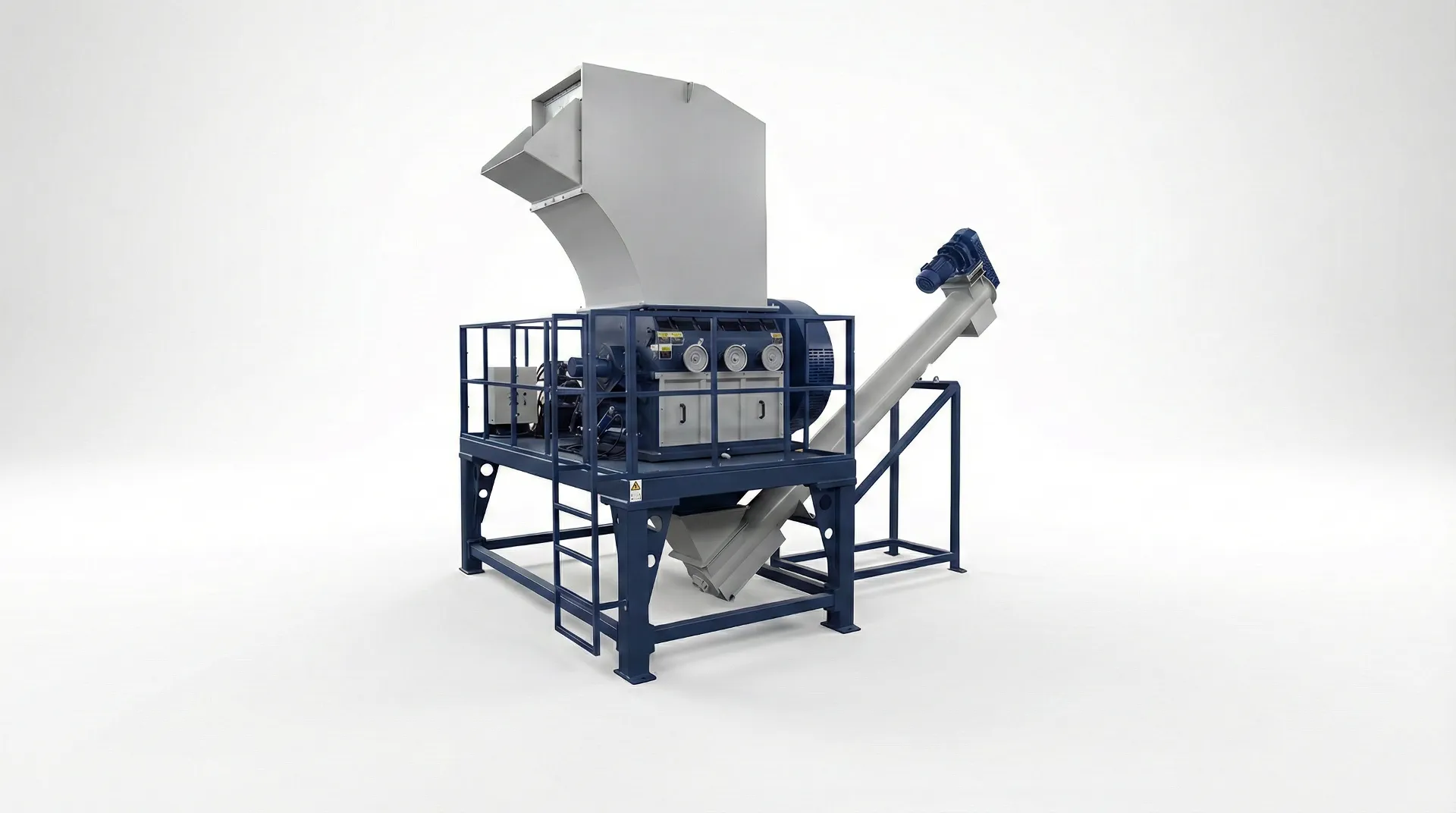
Granulatore per plastica umida
Bottiglie, contenitori o film idonei trattati a umido. Combina taglio, raffreddamento e prelavaggio prima delle fasi a valle di separazione, lavaggio e asciugatura.
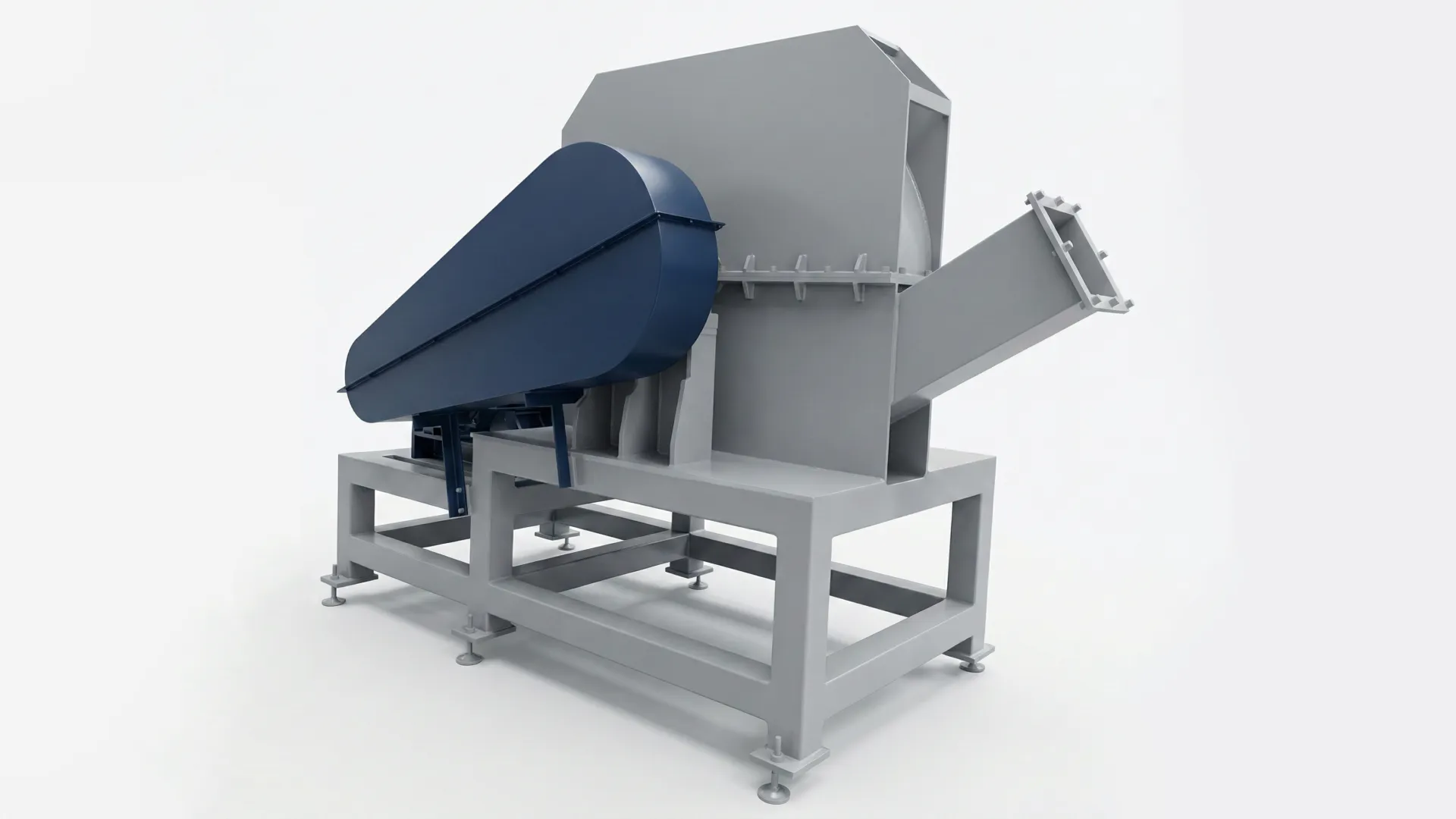
Frantumatore per tubi HDPE di grande diametro
Tubi di grandi dimensioni in HDPE e altre plastiche compatibili. Abbina diametro, spessore della parete e lunghezza al modello e al sistema di spinta idraulica.
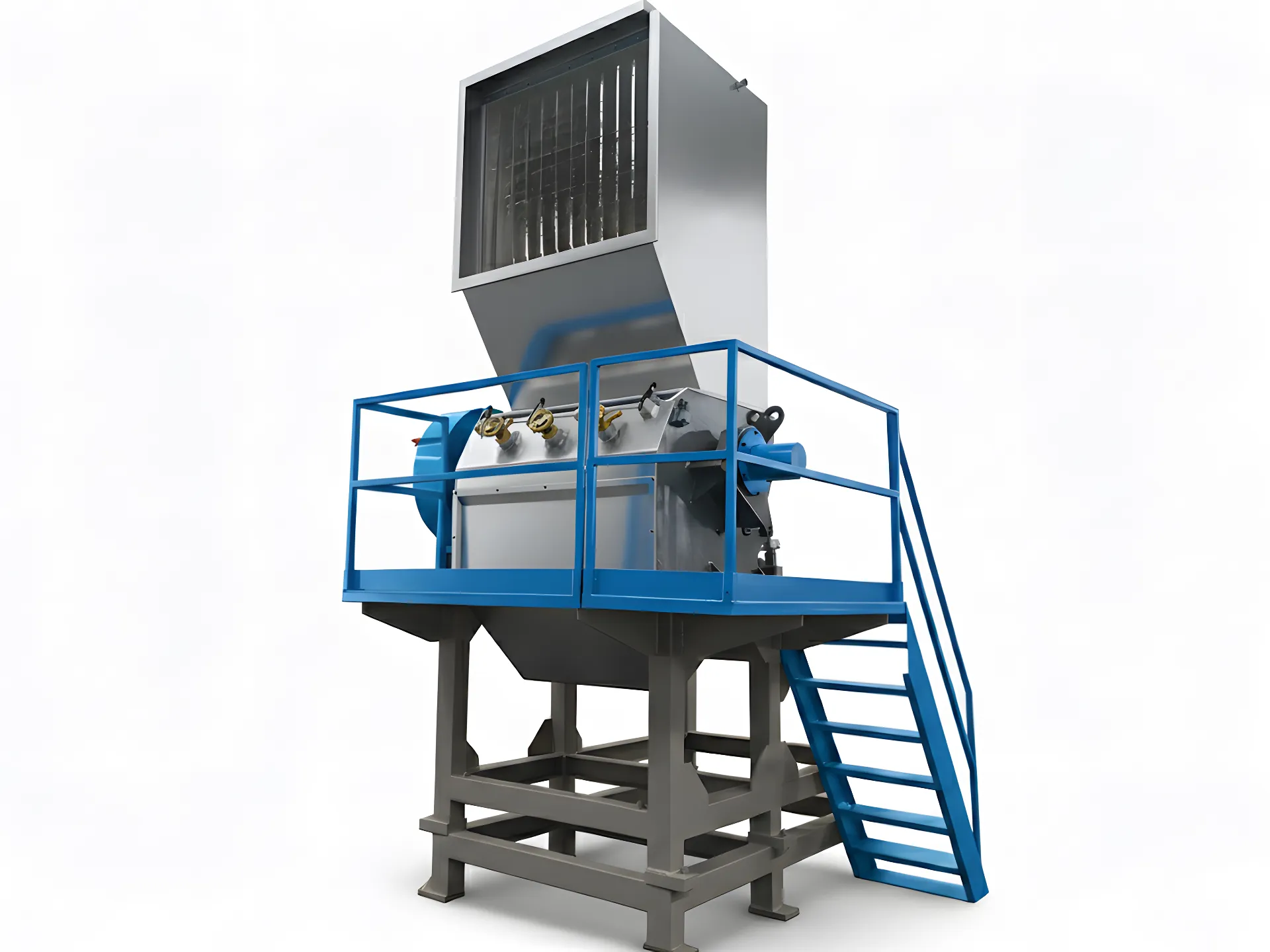
Granulatore in plastica rigida extra large
Fusti, casse, bancali e pezzi stampati scartati di grandi dimensioni. Verifica luce di carico, spessore parete, modalità di alimentazione ed eventuale necessità di pre-triturazione.
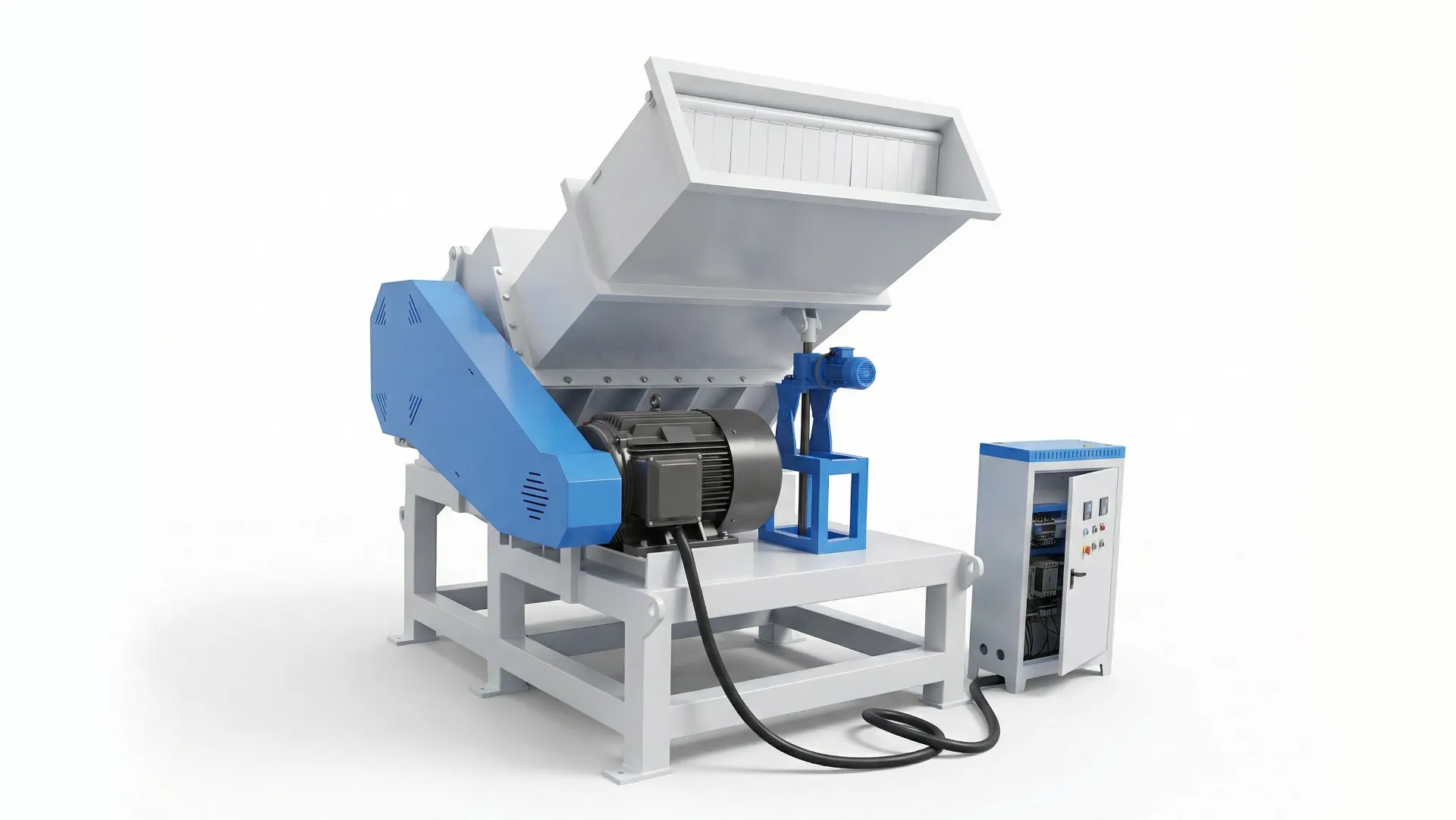
Frantumatore orizzontale per vassoi e lastre in PVC
Rifili di lastre larghe, vassoi e pannelli rigidi compatibili. Abbina larghezza, spessore e modalità di presentazione dello scarto all'alimentatore orizzontale e alla camera di taglio.
Confronta i tipi di granulatore in base al materiale di alimentazione
Utilizza questa guida per scegliere la serie di macchine adatta. Apri la scheda prodotto corrispondente per visualizzare le specifiche del modello e la configurazione di riferimento.
| Famiglia di macchine | Modello / serie di riferimento | Potenza del motore | Alimentazione / camera di taglio | Tipo di processo | Azione |
|---|---|---|---|---|---|
| Mulino compatto | Configurazione di riferimento | 7,5 kW | Camera 400 × 250 mm; griglia di riferimento 8 mm | A secco (materozze e scarti interni di stampaggio) | Visualizza modello e specifiche |
| Trituratore-granulatore integrato | Sistema integrato a due stadi | Trituratore: 18,5–75 kW; Granulatore: 15–55 kW | Doppia camera integrata; griglia 5–15 mm | A secco (riduzione volumetrica a due stadi) | Visualizza modello e specifiche |
| Granulatore per tubi & profili in PVC | VGP500 / VGP730 / VGP830 / VGP900 | 22 / 55 / 75 / 110 kW | Diam. rotore: 500–900 mm; spintore idraulico orizzontale | A secco (tubi rigidi lunghi e profili) | Visualizza modelli e specifiche |
| Granulatore umido | ERM-WPG-500 / 600 / 700 / 800 | 45 / 55 / 90 / 110 kW | Camera per impieghi gravosi con iniezione d'acqua; circuito di scarico | A umido (bottiglie, contenitori e prelavaggio film) | Visualizza modelli e specifiche |
| Frantumatore per tubi di grande diametro | Serie heavy-duty progettata su misura | Dimensionato in base al diametro e allo spessore del tubo | Rotore a bassa velocità e coppia elevata; spintore idraulico PLC | A secco (tubi di grande diametro a parete spessa) | Visualizza modello e specifiche |
| Granulatore per impieghi gravosi per plastiche rigide | SW-600 / SW-800 / SW-1000 / SW-1200 | 37 / 55 / 75 / 90 kW | Bocca di carico maggiorata; rotore antiurto per carichi gravosi | A secco (fusti, casse, scarti stampati ingombranti) | Visualizza modelli e specifiche |
| Frantumatore orizzontale per lastre & vassoi | ECH-560 / ECH-730 / ECH-1000 | 22–37 / 55–75 / 90–110 kW | Diam. rotore: 380–560 mm; spintore load-sensing | A secco (lastre larghe, vassoi e blocchi di spurgo) | Visualizza modelli e specifiche |
Scorri orizzontalmente per visualizzare l'intera tabella.
Confermate il modello esatto, la potenza del motore, la camera di taglio, le lame, il vaglio e le utenze nel vostro preventivo. La produttività dipende dal materiale di alimentazione, dal vaglio, dal metodo di caricamento e dalla qualità di uscita richiesta.
Quattro controlli prima di dimensionare il vostro granulatore
Fornite questi dettagli in modo che la macchina, il sistema di alimentazione e le apparecchiature a valle possano essere adattati agli stessi requisiti.
1. Descrivere il materiale e la forma
Indicare il polimero, le dimensioni dei pezzi, lo spessore della parete, la densità apparente e la temperatura degli scarti. Foto e campioni rappresentativi aiutano a valutare l'alimentazione, il taglio e l'eventuale necessità di pre-triturazione.
2. Definire la resa continua
Specificare la resa oraria netta di macinato conforme, le ore di funzionamento e la continuità di alimentazione. Adeguare capacità e polmoni di accumulo all'intero processo, compresi cambi formato e limiti a valle.
3. Specificare i requisiti del macinato
Concordare la curva granulometrica target e il limite delle frazioni fini con la fase successiva o con l'acquirente. Testare i vagli previsti con il vostro materiale; il diametro dei fori del vaglio da solo non garantisce la dimensione massima delle particelle. Leggete la guida alla selezione del vaglio.
4. Verificare contaminazione e utenze
Registrate umidità, etichette, sabbia, metalli e polimeri incompatibili. Pianificate la selezione e la separazione dei metalli prima della granulazione, quindi verificate il trattamento dell'acqua, l'aspirazione, l'alimentazione elettrica e il circuito di lavaggio a valle.
Leggete la guida completa alla selezione del granulatore per maggiori dettagli su alimentazione, sistemi di taglio e configurazione.
Come la granulazione si inserisce nel vostro processo di riciclaggio
Le lame rotanti e fisse tagliano la plastica; un vaglio consente di controllare lo scarico. Il macinato può essere riutilizzato in un processo idoneo o inviato a lavaggio, asciugatura ed estrusione.
| Attrezzatura / fase | Ingresso tipico | Compito principale | Uscita |
|---|---|---|---|
| Trituratore | Scarti plastici voluminosi o difficili da alimentare | Riduzione primaria delle dimensioni per preparare il materiale alla fase successiva | Pezzi grossolani; le dimensioni dipendono dalla configurazione del trituratore |
| Granulator | Scarti idonei o plastica pre-triturata | Taglio a lame con scarico vagliato da griglia | Macinato o scaglie per riutilizzo compatibile o ulteriore lavorazione |
| Polverizzatore | Materiale preparato compatibile con il processo di polverizzazione | Macinazione fine per una specifica granulometrica concordata | Polvere per l'applicazione prevista |
| Linea di pellettizzazione per estrusione | Materia prima plastica preparata e compatibile | Fusione, filtrazione e taglio del granulo con adeguato degasaggio o essiccazione | Granuli riciclati; la qualità dipende dall'alimentazione e dalla configurazione della linea |
Scorri orizzontalmente per visualizzare l'intera tabella.
Un granulatore compatto può alimentare un ciclo interno di recupero scarti. I rifiuti ingombranti possono richiedere prima un trituratore, mentre il materiale contaminato necessita di una linea di lavaggio dedicata. Confronta i ruoli di trituratore, granulatore e pellettizzatore. Per la polverizzazione fine, vedi granulatore vs polverizzatore. Per un progetto completo, inizia con Soluzioni per il riciclaggio.
Adattare il granulatore al processo a valle
Lo stesso polimero può richiedere diverse configurazioni di alimentazione, taglio e lavaggio a seconda della forma e delle condizioni.
Bottiglie in PET
Preparare le scaglie per selezione, lavaggio ed essiccazione. I progetti bottle-to-bottle richiedono anche decontaminazione adeguata e rigorosi controlli di qualità. Leggi la guida alla progettazione delle linee PET. Attrezzatura consigliata: Granulatore per plastica umida.
Fusti, cassette & contenitori IBC in HDPE
Valutare dimensioni e spessore dei pezzi in plastica. Rimuovere gabbie metalliche, raccordi e corpi estranei, verificando che i pezzi interi siano compatibili con il sistema di alimentazione previsto. Attrezzatura consigliata: Granulatore in plastica rigida extra large (o pre-trituratore per pezzi sovradimensionati).
Sacchi tessuti in PP & film in PE
Verificare che rotore, sistema di carico e scarico siano idonei a materiali flessibili. La granulazione ad umido può integrarsi in una linea di lavaggio con separazione ed essiccazione a valle. Attrezzatura consigliata: Granulatore per plastica umida.
Tubi, profili & lastre in PVC
Configurare l'alimentazione in base a lunghezza, diametro, larghezza e spessore di parete. Separare i materiali incompatibili e rimuovere inserti metallici prima del riciclo del PVC. Attrezzatura consigliata: Vertical Crusher for PVC Pipe and Profiles per sezioni lunghe, o Frantumatore orizzontale per vassoi e lastre in PVC per lastre larghe.
Materozze interne & particolari scartati
Un mulino compatto a bordo macchina può raccogliere gli scarti di stampaggio o estrusione. Verificare resina, temperatura dello scarto e qualità del macinato rispetto ai requisiti di riutilizzo dell’impianto. Attrezzatura consigliata: Piccolo frantoio.
Polimeri caricati con fibra o vetro
Eseguire prove con campioni rappresentativi per valutare resa di taglio e usura. Definire lame idonee, protezioni antiusura e sistemi di aspirazione polveri adeguati al compound e alla geometria del pezzo. Opzione consigliata: Configurazione lame antiusura D2 / SKD-11.
Definire il sistema di taglio e le apparecchiature ausiliarie
Configurare la serie di macchine scelta in base al materiale in ingresso, alla portata richiesta e alle utenze di stabilimento disponibili.
Alimentazione e controllo del carico
Selezionare tramoggia, nastro trasportatore o spintore idraulico in funzione della pezzatura degli scarti. Verificare la risposta ai sovraccarichi e l'integrazione con gli impianti a monte e a valle.
Rotore e lame
Adattare geometria del rotore, acciaio e regolazione delle lame all'applicazione. Sono disponibili esecuzioni in D2 o SKD-11 sui modelli indicati; confermare la specifica esatta nel preventivo.
Screening e scarico
Definire foratura della griglia, struttura e facilità di sostituzione. Verificare la portata del trasporto o dello scarico a umido per garantire un deflusso continuo del macinato dalla camera.
Acqua, usura e accessibilità
Per flussi umidi o abrasivi, verificare la gestione dell'acqua, i componenti bagnati idonei e la protezione antiusura. Prevedere spazio di accesso per ispezione, pulizia e sollevamento di lame o griglie.
Affilatura delle lame e pianificazione dei ricambi soggetti a usura
Pianificare le lame di ricambio, le griglie e gli interventi di manutenzione in base alla macchina scelta e allo stato delle sue parti soggette a usura.
Affilatrice automatica per lame
Adattare l'affilatrice alla lunghezza delle lame, al montaggio e ai requisiti di affilatura. Il margine di riaffilatura e le dimensioni finali della lama determinano quando è necessaria la sostituzione.
GuidaScegliere le Lame per Granulatore
Verificare il materiale, la geometria e le condizioni di usura delle lame prima di confermare le specifiche dei taglienti per la propria macchina.
Guida ai costiMateriale delle lame e costi operativi
Confrontare costi di acquisto, vita utile, affilatura e tempi di fermo macchina a parità di materiale e condizioni operative.
Per le lame o le griglie di ricambio, includere il modello della macchina, le dimensioni e foto o disegni nella richiesta.
Utilizzare un programma di manutenzione adeguato alla propria macchina
Seguire il manuale fornito e registrare l'andamento di usura, carico e resa produttiva. Sezionare l'alimentazione della macchina e bloccare il rotore prima di aprire la camera di taglio.
Lame e gioco di taglio
Ispezionare i taglienti e regolare il gioco secondo le specifiche approvate per quella disposizione di rotore e lame. Monitorare le variazioni di carico, rumorosità, polveri fini e forma delle particelle.
Griglie e superfici antiusura
Controllare l'eventuale presenza di crepe, deformazioni, fori allargati e scarichi ostruiti. Sostituire le parti danneggiate e riverificare la qualità del macinato dopo il cambio della griglia. Scoprite come le griglie influiscono sulla qualità del macinato.
Affilatura o sostituzione
Basare la manutenzione sulle condizioni del tagliente e sui limiti di riaffilatura indicati dal costruttore. Sostituire le lame danneggiate o con dimensioni inferiori a quelle utili; un numero fisso di cicli di affilatura non è applicabile a tutti i taglienti.
Cuscinetti, cinghie e trasmissioni
Seguire le istruzioni di lubrificazione e tensionamento per i componenti installati. Monitorare temperatura, vibrazioni e usura. Consultare la guida alla manutenzione e guida alla risoluzione dei problemi.
Granulatore per plastica – Domande frequenti
Risposte alle domande frequenti su scelta della macchina, prezzi, griglie, lame, potenza e progettazione di linee complete.
Richieda una soluzione personalizzata e un preventivo
Per conoscere i prezzi aggiornati, i tempi di consegna e trovare un frantoio o un granulatore adatto al vostro materiale e alla dimensione desiderata dei fiocchi, inviateci le vostre richieste. Se avete bisogno di una linea completa che comprenda la triturazione, il lavaggio, l'essiccazione e la pellettizzazione, iniziate con Soluzioni per il riciclaggio.
Dicci di cosa hai bisogno
Tipo di materiale, quantità target kg/h, dimensione della lamella preferita, processo umido o secco, e se si tratta di una macchina autonoma o parte di una linea di riciclaggio completa.
Guide ai granulatori e risorse tecniche
Proseguite con la guida adatta alla vostra prossima esigenza di selezione o gestione operativa.
Guida alla selezione del granulatore per plastica
Scoprite le tipologie di macchine, i principi di taglio e i dettagli tecnici necessari per la scelta.
Guida alla scelta della dimensione del vaglio
Definire la distribuzione granulometrica target e pianificare una prova rappresentativa della griglia.
Guida alla manutenzione dei granulatori
Ispezionare lame, griglie, cuscinetti e trasmissioni secondo le istruzioni del costruttore.
Risoluzione dei problemi: ostruzioni e rumori
Analizzare i problemi di alimentazione, usura e scarico prima di apportare modifiche al processo.
Granulatore vs mulino di macinazione
Confrontare la riduzione dimensionale e la macinazione fine per soddisfare i diversi requisiti del prodotto finito.
Guida alla progettazione di linee PET
Pianificare la granulazione all'interno di un più ampio project di riciclo di bottiglie in PET.