

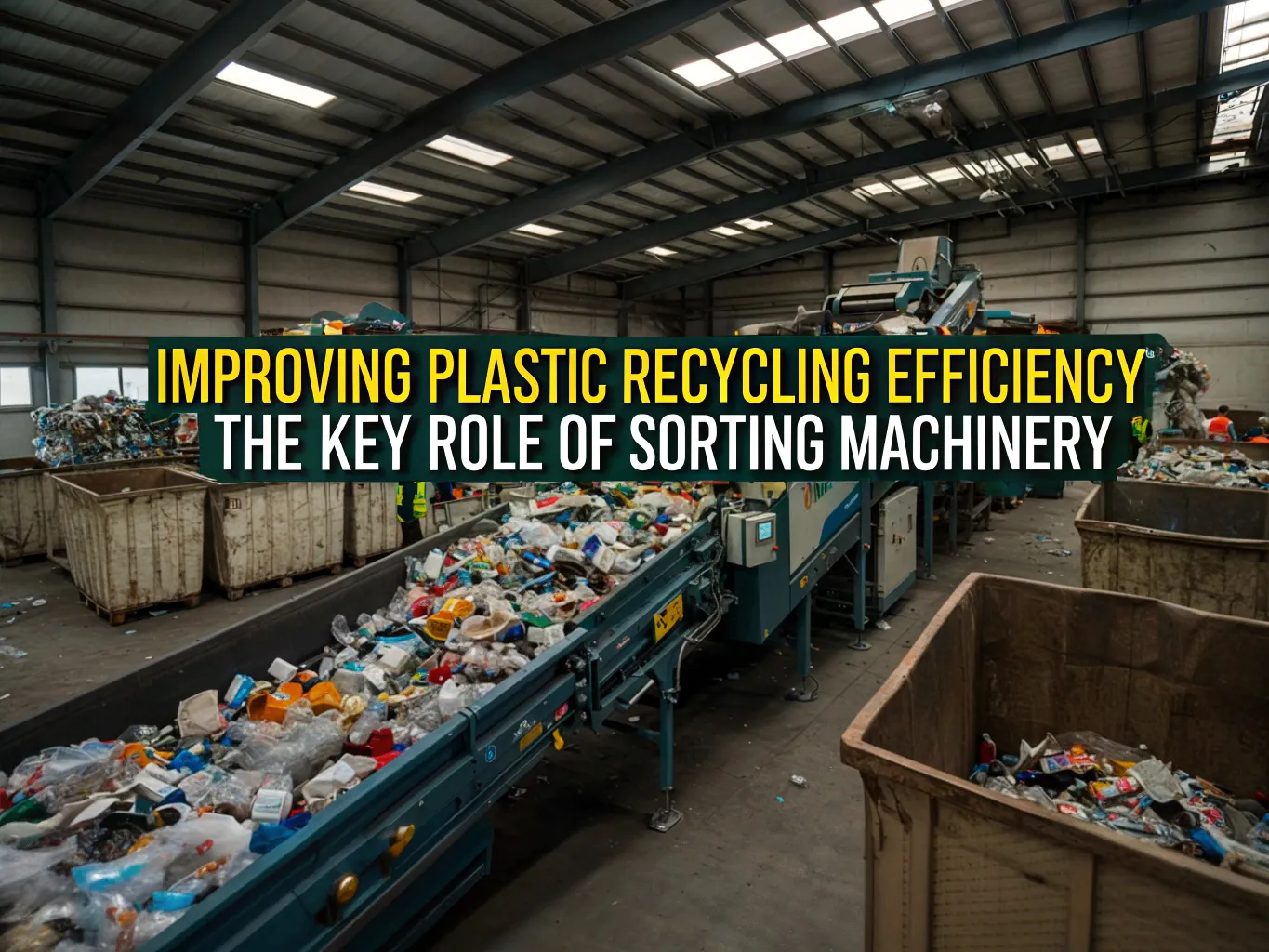
Nel riciclaggio, l'"efficienza" non si riduce solo alle tonnellate all'ora. È la capacità di produrre un output di qualità costante senza tempi di fermo costanti causati dalla contaminazione. I macchinari di selezione sono il punto in cui la maggior parte degli impianti vince o perde questa battaglia, perché decidono cosa entra nella linea di lavaggio e cosa raggiunge l'estrusore.
Questa guida spiega le principali fasi di selezione utilizzate nelle moderne linee di riciclaggio della plastica e come ciascuna fase influisce sulla purezza, sulla resa e sulla protezione delle apparecchiature.
Conclusioni rapide
- La selezione ha due funzioni: proteggere le attrezzature e aumentare il valore del prodotto attraverso la purezza.
- La selezione meccanica prepara il flusso; la selezione tramite sensori lo affina in base al polimero/colore.
- La rimozione del PVC è un'operazione di qualità fondamentale per i riciclatori di PET perché può danneggiare la qualità dell'rPET.
Una pratica mappa "Sorting Stack"
Utilizzate questa tabella come riferimento rapido per capire cosa effettivamente rimuove ogni modulo. È anche un'utile checklist per le richieste di preventivo quando confrontate i fornitori.
| Fase di smistamento | Scopo principale | Rimuove / separa | Attenzione per l'acquirente |
|---|---|---|---|
| Pre-selezione + ispezione | Tieni fuori i "killer di linea" | Metallo, legno, mattoni, materiali non plastici di grandi dimensioni | Definire le regole di accettazione; altrimenti l'ordinamento diventa un lavoro manuale infinito |
| Screening delle multe | Ridurre il carico di graniglia | Sabbia, frammenti di vetro, piccoli detriti | Le polveri trasportano umidità e contaminazione; pianificare la gestione della polvere/dei rifiuti |
| Separazione 2D/3D | Migliorare la presentazione | Pellicola/carta (2D) vs bottiglie/rigidi (3D) | La qualità della presentazione determina le prestazioni di smistamento ottico |
| Magnete / correnti parassite | Proteggere il taglio e l'estrusione | Metalli ferrosi e non ferrosi | Posizionare le fasi in cui il metallo viene liberato; pianificare la routine di pulizia |
| Selezione ottica (NIR/colore) | Separare polimeri e gradi | PET vs PVC vs PP/PE; colori; determinati oggetti | Sporcizia/etichette/umidità possono ridurre il rilevamento; la manutenzione è importante |
| Robotica (visione) | Lucidare e recuperare | Contaminanti mirati o oggetti di valore | Funziona meglio dopo la separazione in blocco; necessita di un carico stabile della cinghia |
Cosa cerca di ottenere l'ordinamento
La maggior parte dei progetti di riciclaggio mira a tre risultati:
- Rimuovere le materie non plastiche (metalli, vetro, pietre, legno) che danneggiano i macchinari
- Separato dal polimero (PET vs PVC vs PP/PE) per soddisfare le specifiche di qualità
- Separati per grado (colore, fattore di forma, tipo di prodotto) per migliorare l'accesso al mercato finale
La pila esatta dipende dalla materia prima (balle di MRF, scarti industriali, plastica per autoveicoli, pellicola) e dall'obiettivo di produzione (scaglie o pellet, mercati di imballaggio o non imballaggio).
Le principali tecnologie di ordinamento (nell'ordine in cui solitamente appaiono)
1) Vagliatura meccanica e separazione delle forme
Queste fasi controllano il funzionamento successivo della selezione tramite sensori: – rimozione delle particelle fini – separazione del 2D (pellicola/carta) dal 3D (bottiglie/rigidi) – stabilizzazione della presentazione del nastro per la selezione ottica
Separatori balistici e trommel sono strumenti comuni in questa fase.
2) Separazione magnetica e a correnti parassite (rimozione dei metalli)
Il metallo è uno dei contaminanti più pericolosi per le apparecchiature di riduzione dimensionale e di estrusione.
Approccio tipico: – magneti per la rimozione di materiali ferrosi – sistemi a correnti parassite per la rimozione di materiali non ferrosi (ove giustificato dal flusso)
3) Selezione ottica (separazione di polimeri e colori)
Le tecnologie di sensori nel vicino infrarosso (NIR) e correlate possono separare molti polimeri quando la presentazione è coerente. L'espulsione a getto d'aria crea frazioni separate per il lavaggio o la lavorazione diretta.
In termini pratici, le prestazioni di selezione ottica dipendono da: – caricamento del nastro e singolarizzazione (gli oggetti devono essere visibili al sensore) – condizioni della superficie (sporcizia, etichette e umidità possono ridurre la qualità del rilevamento) – disciplina di calibrazione e manutenzione
4) Robotica e sistemi di visione (prelievo mirato)
I sistemi di prelievo robotizzati possono aiutare a rimuovere contaminanti specifici o a recuperare oggetti di valore da flussi misti. Sono spesso utilizzati come fase di lucidatura (dopo la separazione in massa) piuttosto che come unico metodo di smistamento.
Come scrivere un test di accettazione dell'ordinamento (in modo che le prestazioni siano misurabili)
Se si acquista un'attrezzatura di smistamento, definire le prestazioni come purezza e recupero su una condizione di input definita. Altrimenti, otterrai una demo che sembra buona su un campione ridotto e poi si discosta in produzione.
| Articolo di accettazione | Cosa definire | Perché è importante |
|---|---|---|
| Condizione di input | Foto + finestra di contaminazione + condizioni di umidità + rapporto 2D/3D | I risultati della selezione dipendono fortemente dalla presentazione e dalla contaminazione. |
| Obiettivo di purezza | Purezza del polimero target (e limiti di colore ove pertinenti) | La purezza determina il prezzo di vendita e l'accettazione da parte dell'acquirente. |
| Obiettivo di recupero | % del polimero bersaglio catturato nella frazione di accettazione | Un'elevata purezza con un basso recupero può comunque rivelarsi un risultato negativo per l'azienda. |
| Piano di campionamento | Con quale frequenza, quanti campioni e come si misura la purezza/recupero | Evita risultati "selezionati" e rende la messa a punto ripetibile. |
| Intervallo di pulizia | Ore tra la pulizia delle lenti, la pulizia della cinghia e la manutenzione del sensore | Il tempo di attività effettivo dipende dall'accesso alla manutenzione e dalla disciplina di routine. |
Realtà della manutenzione: la selezione delle prestazioni è un piano di manutenzione
La selezione ottica non fallisce solo a causa dei sensori, ma anche a causa di lenti sporche, caricamento instabile del nastro trasportatore e preparazione a monte non uniforme. Quando si valuta una proposta di selezione, è importante chiedersi:
- dove si trovano i punti di accesso per la pulizia (lenti, paraluce, getti d'aria, scivoli)
- cosa succede quando le cinghie trasportano polvere e particelle fini (raccolta e pulizia della polvere)
- se la calibrazione può essere effettuata dagli operatori con procedure chiare
Questi dettagli determinano se otterrai prestazioni stabili nel sesto mese e non solo nella prima settimana.
Applicazione critica: gestione del PVC nel riciclaggio del PET
La contaminazione da PVC nei flussi di PET è un rischio comune per la qualità. Se riscaldato, il PVC può rilasciare acido cloridrico (HCl), che può corrodere le apparecchiature e compromettere la qualità del polimero.
Azioni pratiche: – ridurre il PVC nella fase di smistamento (smistamento ottico e controlli di qualità) – rimuovere le etichette e le guaine in PVC ove possibile – creare un piano di ispezione per le balle in arrivo e l’uscita dei fiocchi
Energycle integra moduli di smistamento e progetti di linee complete per progetti che richiedono un output di purezza più elevato; vedere il suo panoramica delle soluzioni di riciclaggio.
Come scegliere la pila di smistamento giusta
Prima di acquistare, definire: – fonte di materia prima e variabilità (con quale frequenza cambia la composizione) – polimero target e specifiche di qualità – obiettivo di produttività e ore di funzionamento – manodopera disponibile per i punti di controllo qualità manuale – vincoli di spazio e potenza
Se condividi le foto del tuo flusso di input e le specifiche del tuo prodotto di destinazione, Energycle può consigliare un layout di ordinamento e una configurazione della linea tramite il suo pagina dei contatti.
FAQ (Domande reali sugli appalti)
Ho bisogno della selezione ottica se ho già uno stendino?
Spesso sì, se le specifiche di output richiedono la purezza del polimero. Il lavaggio rimuove lo sporco e una certa contaminazione superficiale, ma non separa in modo affidabile polimeri come il PVC dal PET o i tappi in PP/PE dal PET senza la giusta strategia di separazione a monte. La selezione ottica può creare frazioni più pulite prima del lavaggio, in modo che la linea di lavaggio pulisca il materiale corretto invece di mescolare i materiali problematici. La decisione dipende dalla variabilità delle materie prime e dai criteri di scarto dell'acquirente. Se i clienti penalizzano il PVC e i polimeri misti, la selezione ottica di solito ripaga riducendo gli scarti e proteggendo le apparecchiature a valle.
Perché la contaminazione del PVC è un problema così grave nel riciclo del PET?
Poiché il PVC si comporta diversamente al calore e può danneggiare la qualità del prodotto. Se riscaldato, il PVC può rilasciare acido cloridrico (HCl), che è corrosivo e può contribuire a problemi di apparecchiature e qualità se il PVC entra in processi a caldo. Ecco perché le linee PET spesso trattano la rimozione del PVC come un'attività critica di controllo qualità. Il miglior controllo del rischio è ridurre il PVC il più presto possibile con punti di controllo di smistamento e ispezione e definire un limite di accettazione misurabile. (Fonte: Guida tascabile NIOSH — cloruro di idrogeno)
Come faccio a decidere tra un ordinamento più meccanico e uno più basato sui sensori?
Iniziare con ciò che causa i maggiori tempi di fermo o scarti. La selezione meccanica è solitamente il metodo più conveniente per rimuovere i contaminanti sfusi, migliorare la separazione 2D/3D e presentare il materiale in modo pulito ai sensori. La selezione tramite sensori è il processo in cui si separano polimeri e gradi per raggiungere specifiche di valore più elevato. Se i sensori non raggiungono i target, la soluzione è spesso a monte: migliore rimozione delle particelle fini, migliore singolarizzazione e minore sovrapposizione sui nastri. Chiedete ai fornitori di mostrare come gestiranno la presentazione (velocità del nastro, progettazione dello spreader e accesso per la pulizia), non solo i marchi dei sensori.
Vale la pena implementare i robot di smistamento o è solo una questione di marketing?
I robot possono rivelarsi utili quando vengono utilizzati per compiti mirati: lucidare un flusso dopo la selezione ottica, rimuovere una piccola quantità di contaminanti ricorrenti o ridurre la manodopera in zone ripetitive. Di solito falliscono quando un impianto prevede che i robot sostituiscano tutta la preparazione a monte. La chiave è definire gli oggetti target e misurare il successo con la purezza dell'output e i tassi di recupero alla propria capacità produttiva. Richiedere un piano di prova, una routine di pulizia/calibrazione e una modalità di fallback per i tempi di fermo. Se una proposta non include questi elementi, non è un progetto di produzione serio.
Cosa dovrei fornire ai fornitori affinché possano progettare la pila di smistamento giusta?
Fornire una specifica di input (foto, elenco di contaminazioni tipiche e peggiori, condizioni di umidità), le specifiche del prodotto target (polimero, limiti di colore, limiti di contaminazione) e la produttività e il ciclo di lavoro. Includere anche come si misurerà l'accettazione (piano di campionamento) e come si gestiranno gli scarti. Se si acquistano balle, allineare il linguaggio alle specifiche di mercato; le specifiche del modello di balle di APR sono un riferimento comune per la descrizione di balle e contaminazione. (Fonte: Specifiche del modello APR Bale)
Come posso verificare le prestazioni di ordinamento prima di acquistare?
Richiedete un caso di riferimento su un flusso simile e quindi richiedete un piano di test di prova o di accettazione. Il test dovrebbe definire gli obiettivi di purezza e recupero, la frequenza di campionamento e cosa succede in caso di calo delle prestazioni (azioni di pulizia, calibrazione e manutenzione). È inoltre necessario confermare il significato operativo di "successo": ore tra una pulizia e l'altra, tempo per la sostituzione di nastri o telecamere e pezzi di ricambio in loco. Un'apparecchiatura di smistamento che funziona bene in una demo può avere prestazioni inferiori in produzione se la presentazione e la manutenzione non sono integrate nel sistema.
