Plastic washing lines move a lot of water. If you let water quality drift, you see the impact immediately: dirt redeposits on flakes, pumps clog, friction washe...
Rigid plastic recycling continues to move toward higher consistency: tighter contamination windows, more repeatable washing performance, and better process moni...
If you’re building a recycling pelletizing line, you’ll eventually face a key decision: single-screw or twin-screw extrusion. Both are proven technologies,...
A centrifugal dryer runs fast, sees abrasive fines, and lives in a wet environment. That combination makes it one of the highest-maintenance machines in a washi...
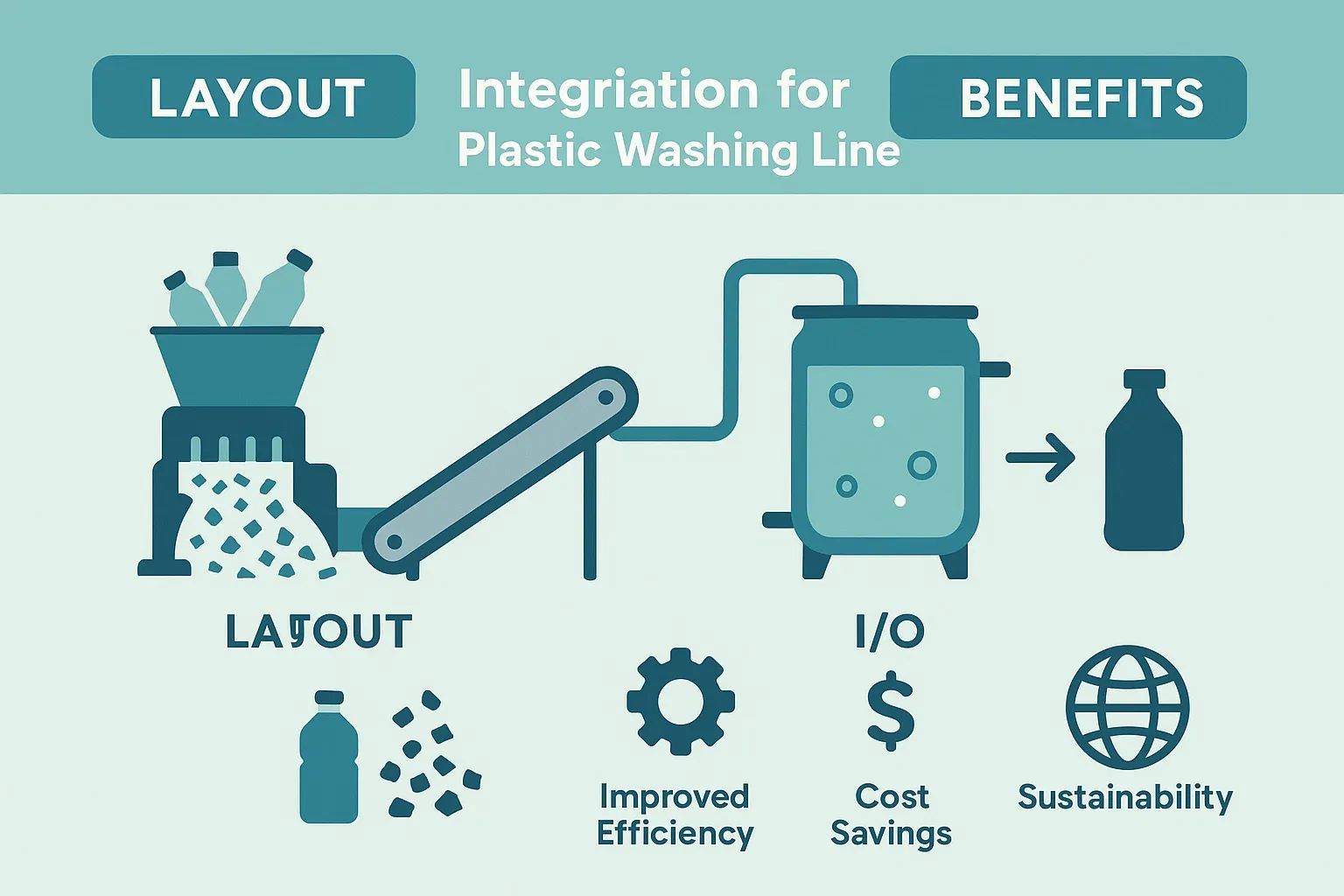
Recycling lines rarely fail because the core machine can’t melt or cut plastic. They fail because the plant layout creates bottlenecks: poor material flow, un...
There isn’t a universal plastic recycling machine. Equipment that works well on rigid HDPE regrind can struggle with thin LDPE film, and a line sized for clea...
“Efficiency” in PET recycling is not only about running faster. It’s about producing sellable rPET flake or pellets consistently with minimal downtime and...
In a plastic washing line, the centrifugal dryer is the handoff between wet processing and final drying/pelletizing. It removes free surface water mechanically,...
Used recycling equipment can be a smart way to add capacity faster or reduce upfront spend—but only if you inspect the right items and price the project as a...
Plastic pelletizer pricing varies because pelletizers are built around the material. A line designed for clean post-industrial scrap is not the same machine as...