

UW PARTNER IN RECYCLINGINNOVATIE
Pionieren in de toekomst van plastic recycling
Welkom bij Energiecel! Wij zijn gespecialiseerd in apparatuur voor plasticrecycling en richten ons op R&D, productie en verkoop van efficiënte en betrouwbare machines. Omdat we het cruciale belang van plasticrecycling voor milieubescherming en duurzaamheid begrijpen, zetten we ons in om klanten te helpen plasticafval om te zetten in waardevolle hernieuwbare materialen door middel van geavanceerde technologie en innovatieve oplossingen. Onze productlijn omvat belangrijke processen zoals verpletteren, wassen, ontwatering, En pelletiserenOntworpen om te voldoen aan diverse recyclingbehoeften met uitstekende prestaties, een laag energieverbruik en een stabiele werking. Kiezen voor ons betekent kiezen voor een hoge verwerkingsefficiëntie en een professionele partner om samen de groene circulaire economie te bevorderen.


Bekijk de video over de plastic waslijn
Krijg oplossingen voor plastic recyclingmachines
VOOR UW BEDRIJF
KRIJG PREMIUM PRODUCTEN
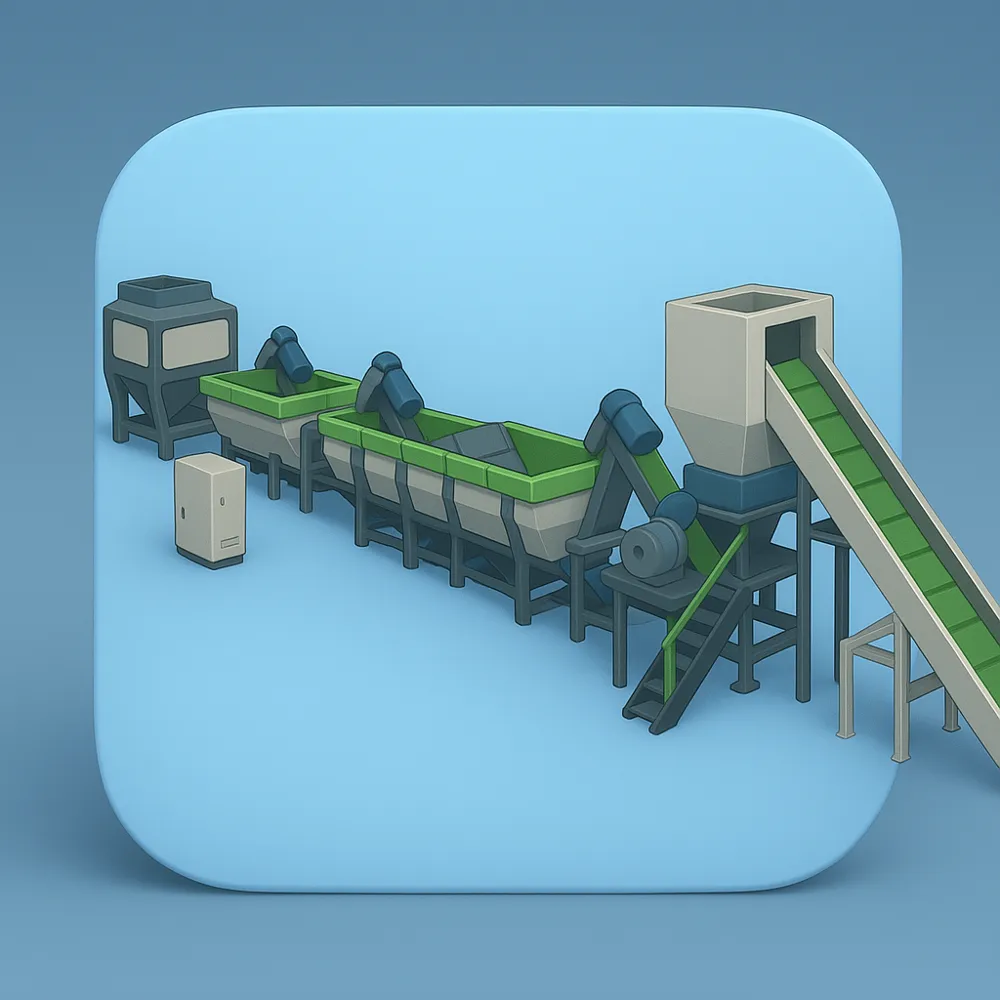
Waslijn voor plasticfolie
Maximaliseer materiële waarde: Transformeert verontreinigd folieafval tot uitzonderlijk schone, verwerkingsklare grondstof.
Meer informatie →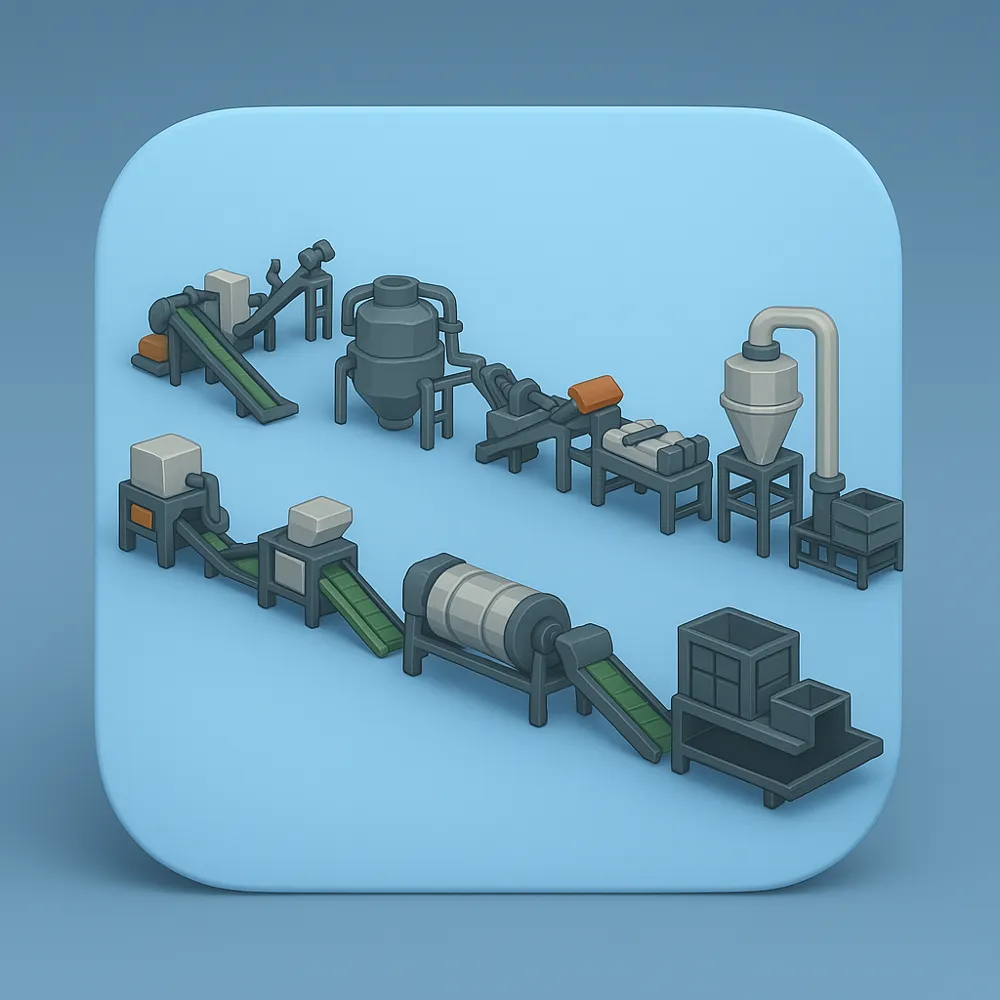
PET-flessenrecyclingmachine
Van baal tot vlok, wij voegen waarde toe: Onze geïntegreerde systemen transformeren gebruikte flessen in zeer zuivere vlokken die klaar zijn voor hergebruik.
Meer informatie →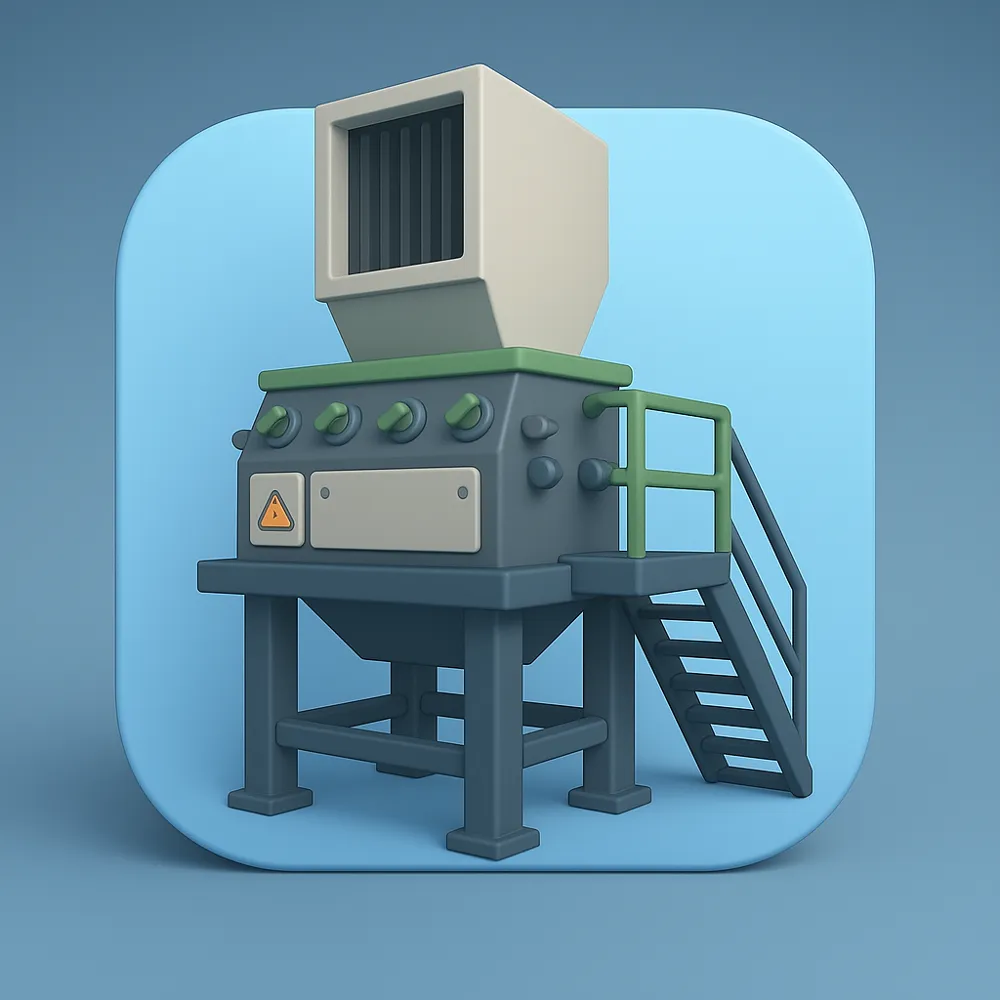
Kunststof granulator/breker
Ontworpen voor uniformiteit: Zet op betrouwbare wijze divers plastic afval om in consistente, hoogwaardige korrels die geoptimaliseerd zijn voor hergebruik.
Meer informatie →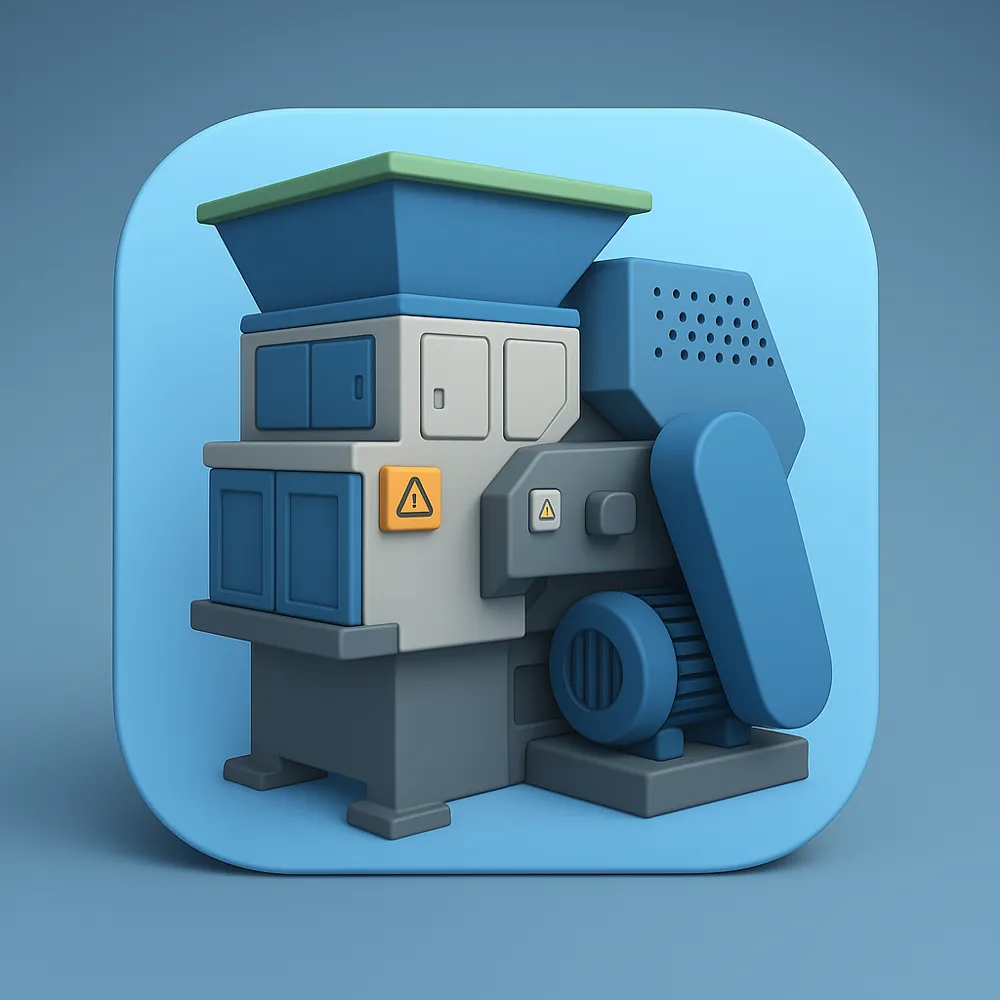
Plastic versnipperaar
Vermindering van de grootte bij hoog koppel: Onze robuuste shredders verwerken volumineuze kunststoffen voor efficiënte verdere verwerking.
Meer informatie →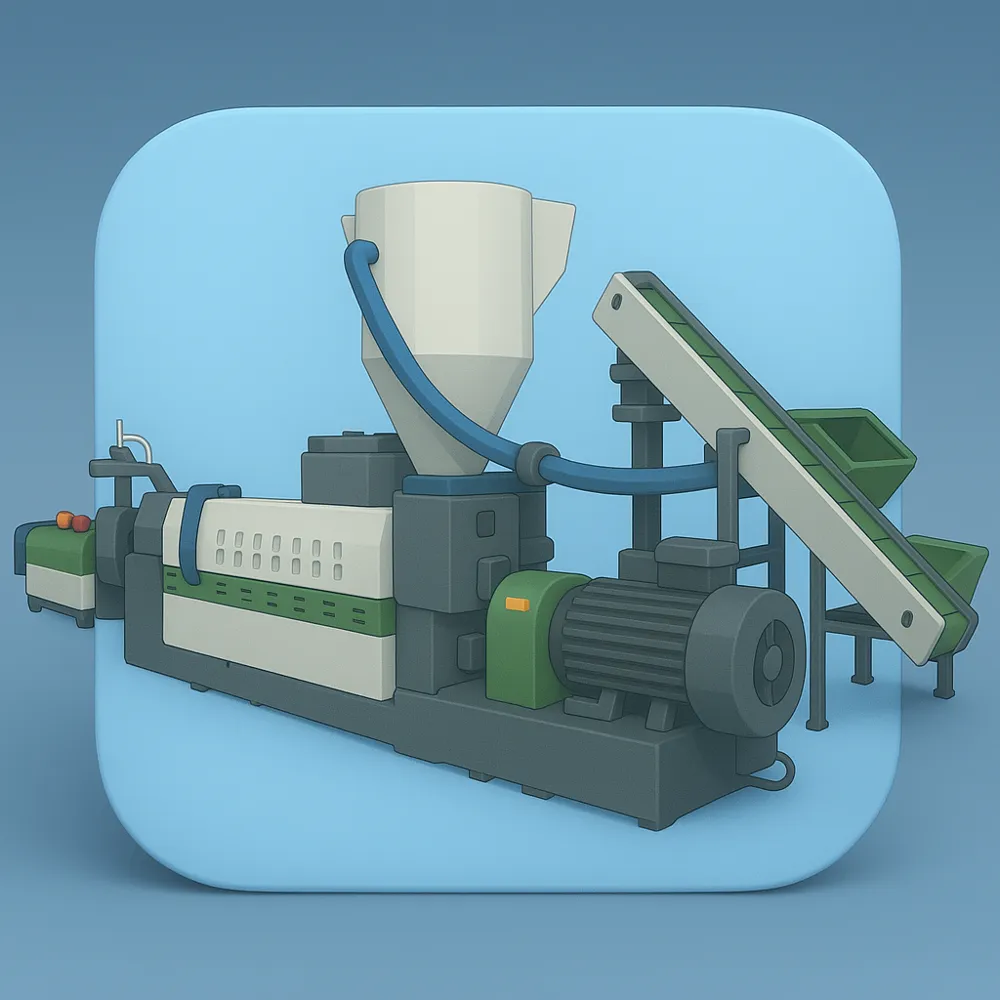
Kunststof pelletiseermachine
Maak hoogwaardige pellets: Onze precisiesystemen zetten gerecyclede kunststoffen om in homogene, marktklare pellets voor veeleisende toepassingen.
Meer informatie →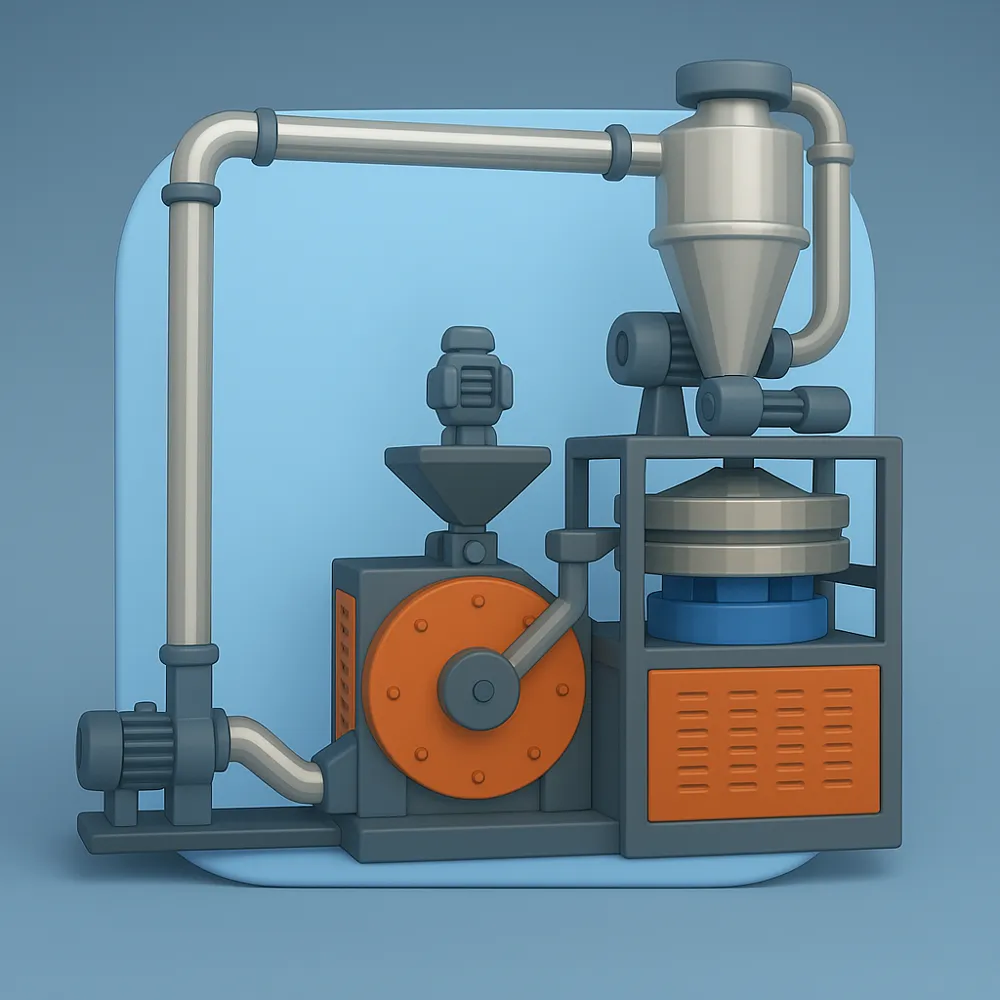
Kunststof slijpmachine
Precisiepulveriseren: Ontdek nieuwe materiaaltoepassingen door kunststoffen te vermalen tot fijne, uniforme poeders die zijn afgestemd op uw specifieke deeltjesgroottebehoeften.
Meer informatie →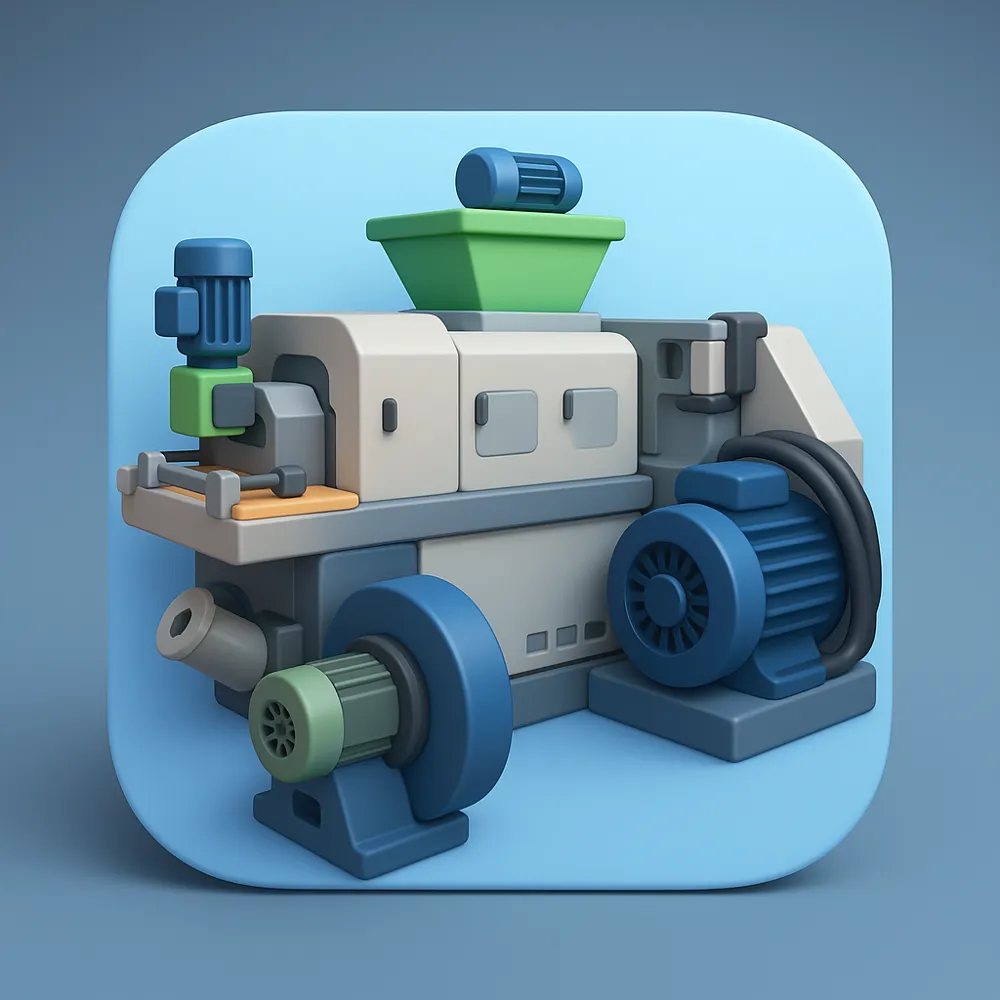
Kunststof droogsysteem
Verhoog de doorvoer en kwaliteit: Onze uiterst efficiënte systemen verwijderen vocht snel, voorkomen defecten en zorgen ervoor dat kunststoffen optimaal geschikt zijn voor verwerking.
Meer informatie →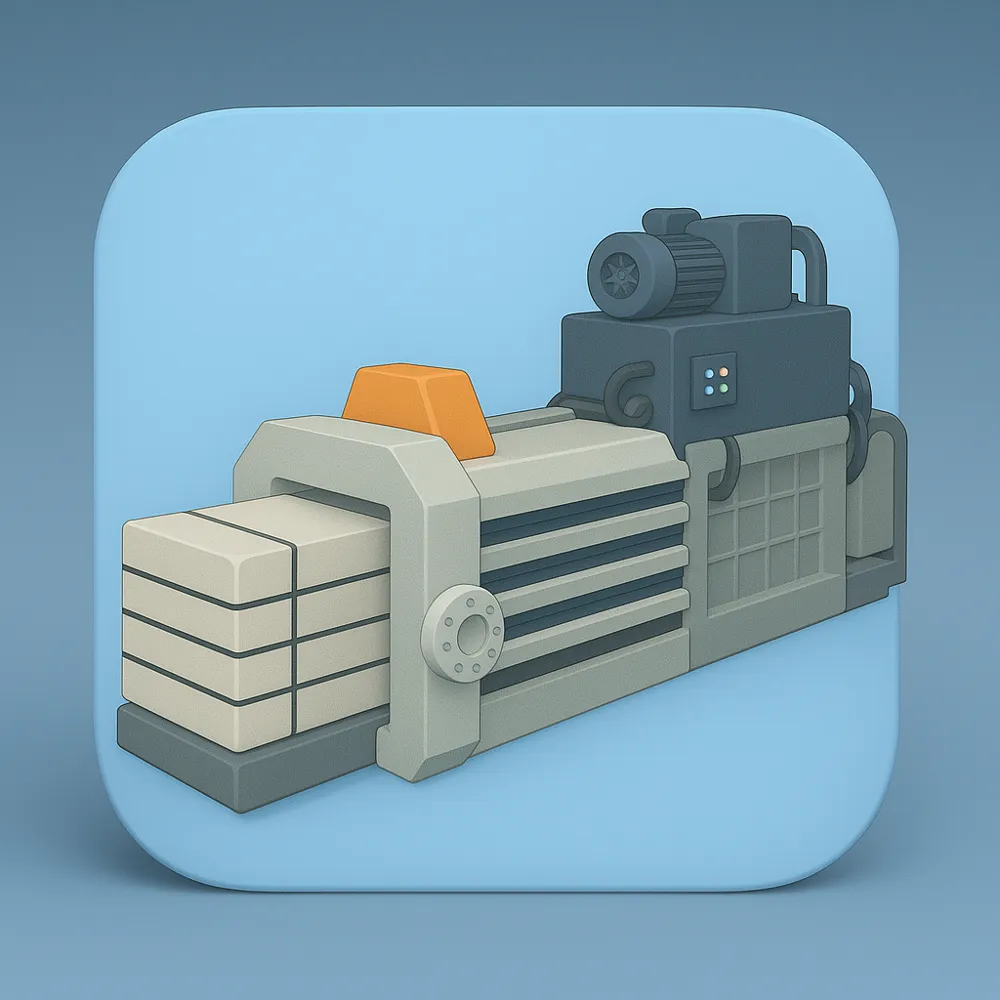
Balenpersmachine
Optimaliseer logistiek en kosten: Onze krachtige balenpersen maken dichte, uniforme balen, waardoor u de opslagruimte en transportkosten drastisch verlaagt.
Meer informatie →WAT WIJ DOEN
HOE GAAN WIJ AAN UW PROJECT WERKEN?
Installaties op locatie
Wij leveren efficiënte en betrouwbare oplossingen voor kunststofrecycling aan klanten wereldwijd. Ontdek onze succesvolle installaties, van de eerste planning tot de uiteindelijke ingebruikname.
Mobiele pijpversnipperaar in Nieuw-Zeeland
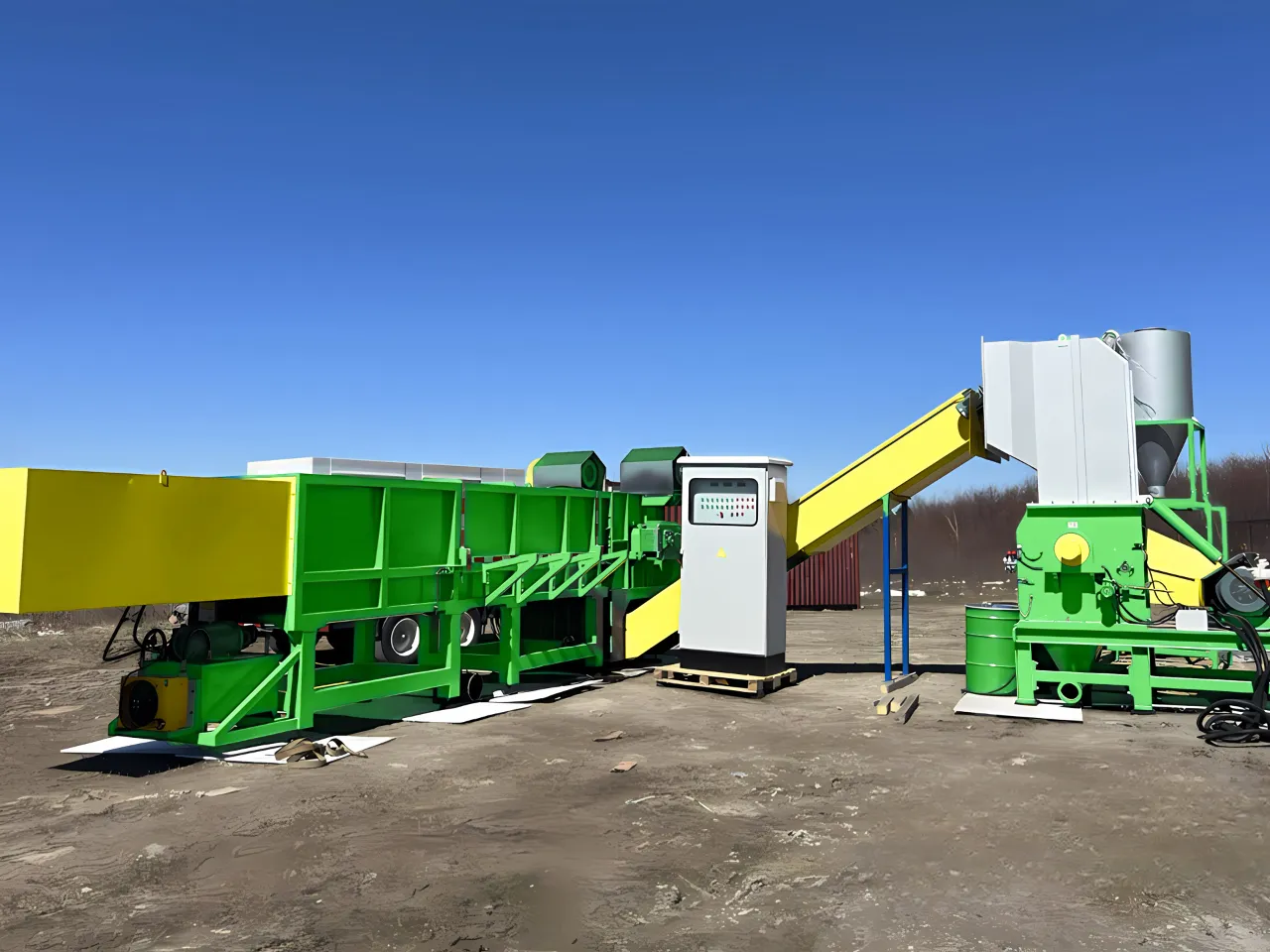
500kg/u stijve kunststof granulatielijn in de VS
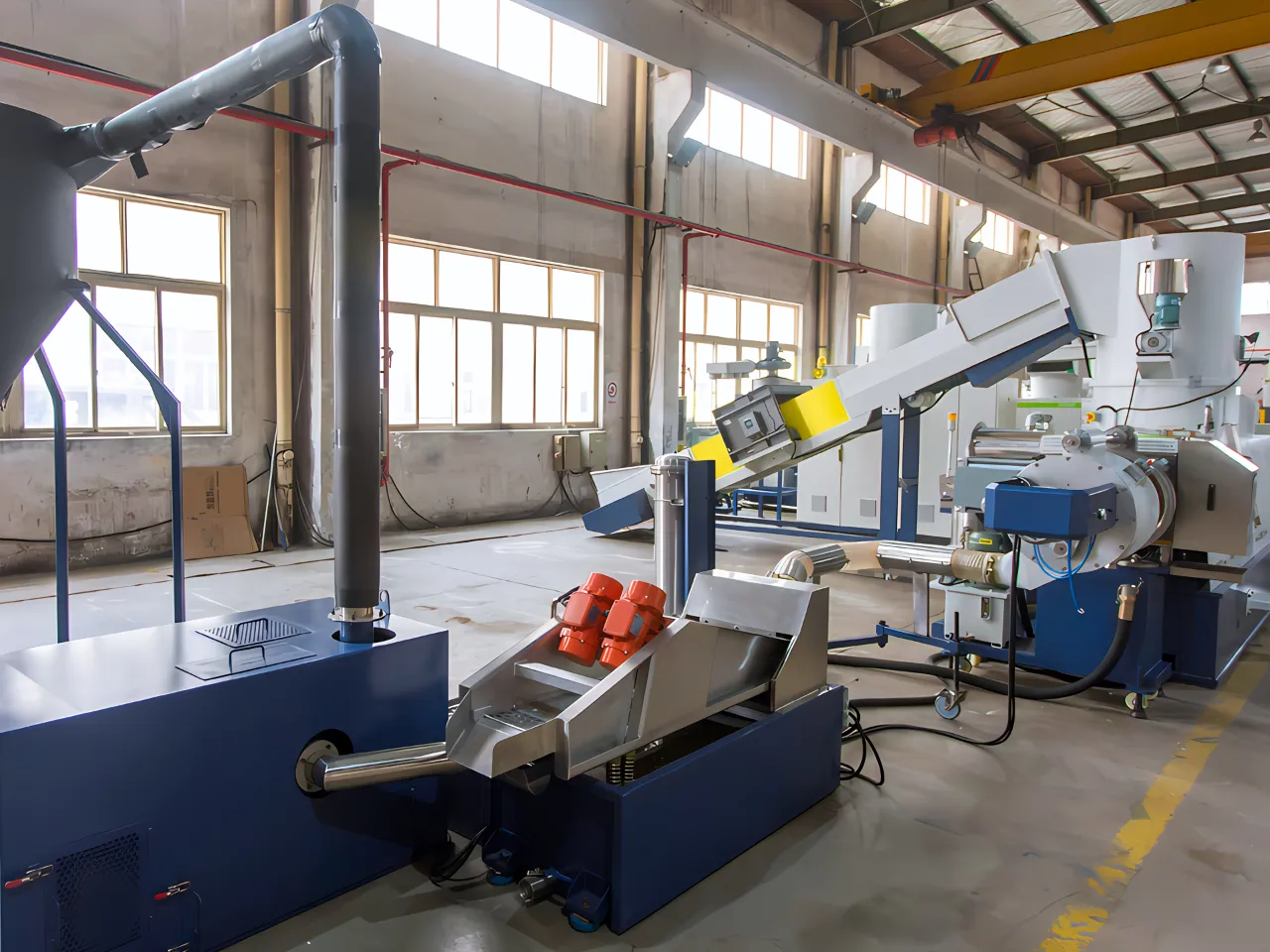
1500 kg/u PET-flessenwaslijn in Indonesië
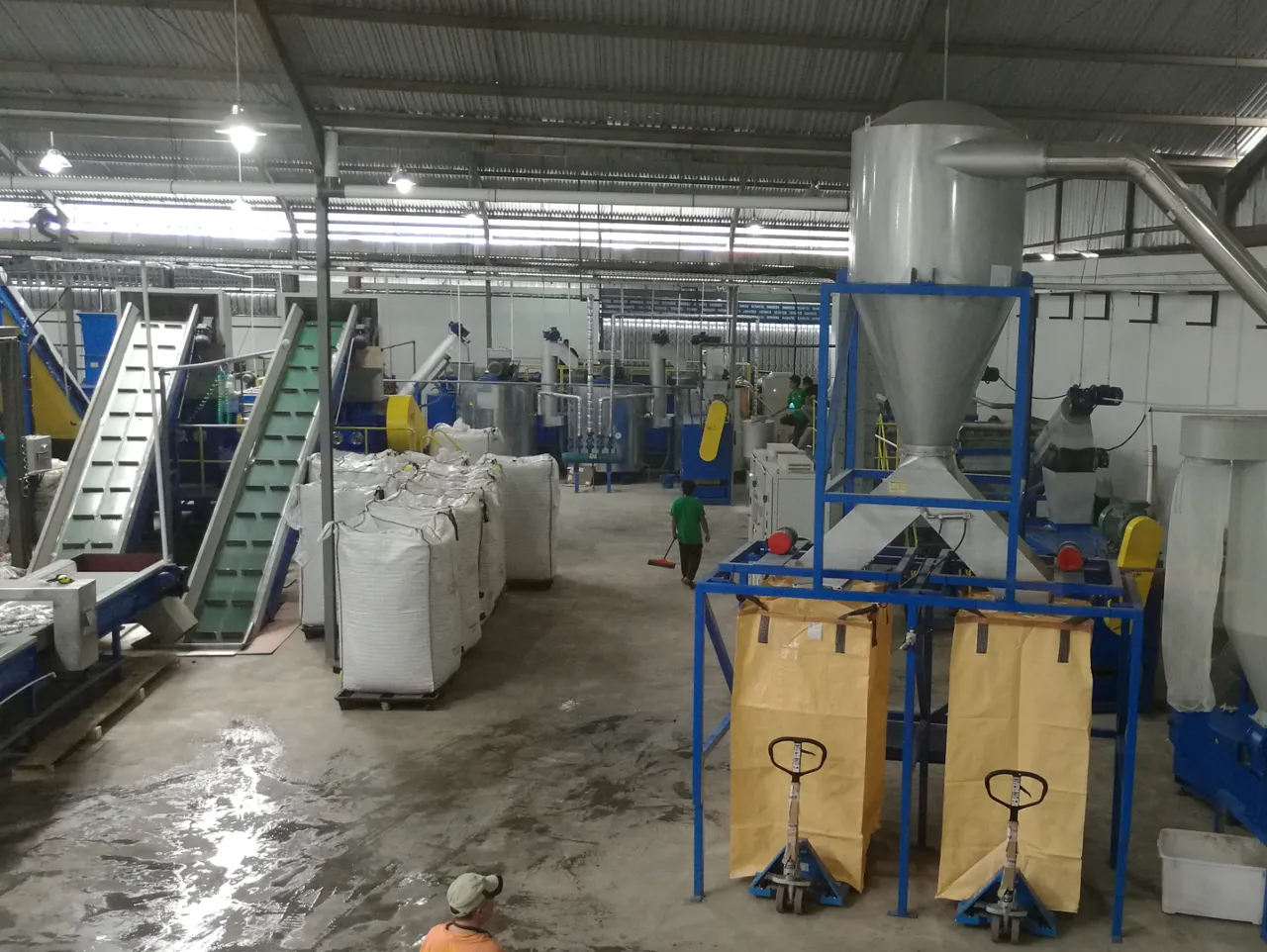
Uruguay: MSW-sorteermachine
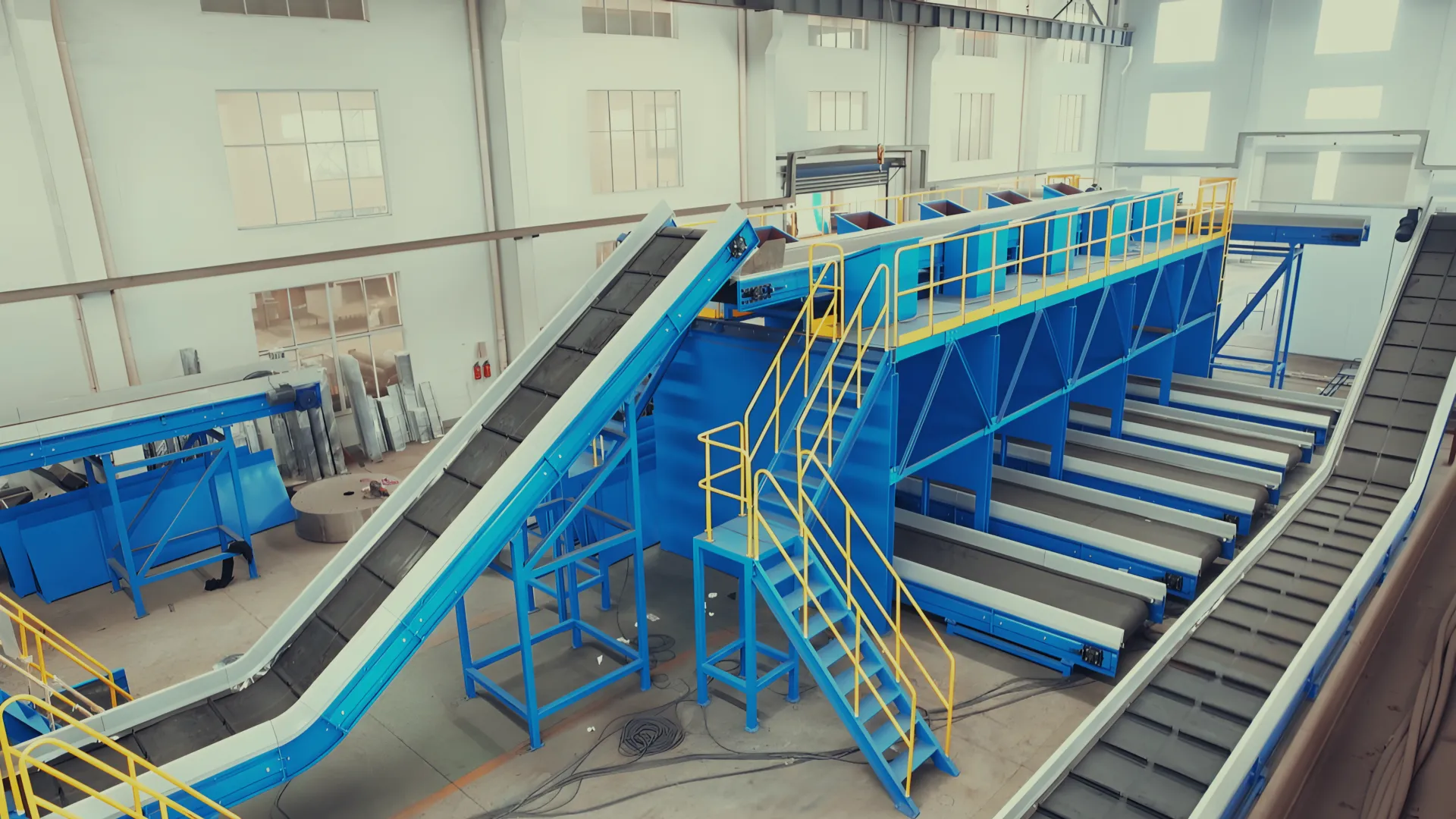
Polen: Afvalfilmpelletiseerder

Kenia: PE-filmwaslijn

Duitsland: Elektrische besturing van pelletiseermachines

Zuid-Amerika: Transportband

HEEFT U EEN PROJECT?

WAAROM KIEZEN VOOR ONS
Veelgestelde vragen
Wij zijn toegewijd aan het leveren van recyclingmachines van topklasse die efficiëntie, duurzaamheid en waarde combineren. Wij begrijpen de aanzienlijke investering die gepaard gaat met de aanschaf van recyclingapparatuur, en daarom streven wij naar uitmuntendheid in elk aspect. Wij nodigen u uit om onze fabriek te bezoeken en onze toewijding met eigen ogen te ervaren.
Hoeveel kost uw recyclingmachine?
Wat is de productietijd?
Recycling- en waslijnen voor kunststof: tussen 60 en 90 dagen.
Maatwerkprojecten: Tijdlijn gespecificeerd in het contract.
Kan ik uw machines testen?
Ja, wij moedigen testen ten zeerste aan. Voor complete systemen voeren we een uitgebreide proefrun uit vóór verzending. Wij nodigen u uit om deel te nemen aan deze cruciale fase om ervoor te zorgen dat de machines aan uw normen voldoen.
Garantie
Biedt een uitgebreide garantie van één jaar op alle machines en onderdelen, zodat deze vrij zijn van defecten.
Installatie
Ja, wij bieden een volledig installatiepakket.
Onze gecertificeerde engineers helpen u met de installatie en inbedrijfstelling van uw machines. De klant is verantwoordelijk voor het regelen en betalen van de reis en accommodatie voor onze engineers. De installatieduur varieert per projectgrootte en duurt doorgaans 7-14 dagen.
Blijf altijd op de hoogte met onze nieuwste blogberichten
LAATSTE NIEUWS
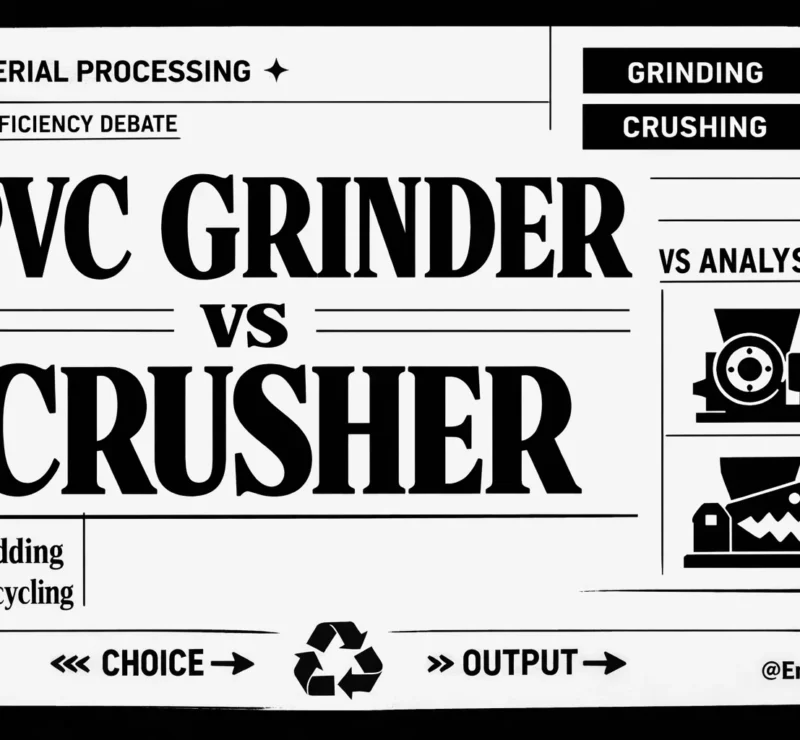
Het malen versus vermalen van PVC bepaalt de efficiëntie en de kwaliteit van de output van kunststofrecycling- en compoundeerlijnen. Hoewel operators deze termen vaak door elkaar gebruiken, vertegenwoordigen ze twee verschillende mechanische processen die na elkaar worden toegepast. Vermalen zorgt voor een eerste volumevermindering van grof afval, terwijl malen zorgt voor een nauwkeurige, secundaire verkleining om hoogwaardig, herbruikbaar poeder te produceren. Energycle ontwerpt industriële systemen voor verkleining die beide fasen integreren om de materiaalkwaliteit en een continue doorvoer te garanderen.
De keuze voor het juiste proces hangt af van de afmetingen van de aangeleverde grondstof, de gewenste deeltjesgrootte van het eindproduct en de thermische beperkingen van polyvinylchloride. Deze handleiding beschrijft de mechanische verschillen, de operationele parameters en de selectiecriteria voor de apparatuur bij de verwerking van hard PVC.
Primaire verkleining: PVC-vergruizing
Operators zetten een PVC-breker Het doel is om grote, harde plastic voorwerpen te verkleinen tot grove vlokken of onregelmatige brokken. In deze eerste fase wordt direct omvangrijk afval verwerkt, zoals lange buizen, dikke raamprofielen, harde platen en productieschroot.
Verpletteringsmachines maken gebruik van zware compressie, impactkrachten of snel roterende snijmessen. Deze mechanismen breken het plastic snel totdat de stukken door een zeef kunnen. De standaardafmetingen voor verpletterd PVC liggen tussen 5 mm en 20 mm.
Omdat bij het breken de nadruk ligt op volumevermindering en er gebruik wordt gemaakt van intermitterend snijden in plaats van continue wrijving, genereert het proces matige warmte en verbruikt het minder energie per ton. Fabrieken gebruiken brekers om bulkmaterialen voor te bereiden voor transport, fabrieksafval te verdichten of schroot voor te bewerken voordat het in een fijnmaalinstallatie terechtkomt.
Secundaire verkleining: PVC vermalen (verpulveren)
PVC-vermalen, of verpulveren, is een proces waarbij de grove vlokken van 5-20 mm die door een vergruizer worden gegenereerd, worden verkleind tot fijn, uniform poeder. PVC-slijpmachine Het proces berust op continue slijtage en wrijving die worden gegenereerd door snel roterende schijven, hamers of frezen om deze secundaire verkleining uit te voeren.
Maalmachines produceren deeltjesgroottes tussen 0,1 mm en 0,5 mm, wat overeenkomt met een maaswijdte van 30-80 mesh. Het bereiken van deze fijne, uniforme consistentie is een strikte voorwaarde voor de verdere productie. Compoundeerders en fabrikanten hebben poeder met een maaswijdte van 30-80 mesh nodig om een snelle smelt en een goede menging met nieuw PVC te garanderen tijdens her-extrusie of spuitgieten.
In tegenstelling tot vermalen, genereert slijpen extreme thermische belastingen als gevolg van wrijving bij hoge snelheden. PVC is zeer hittegevoelig; oververhitting zorgt ervoor dat het polymeer smelt, degradeert of corrosief zoutzuurgas (HCl) vrijkomt. Industriële PVC-slijpmachines vereisen actieve waterkoelsystemen die door de maalbehuizing en de stationaire schijven circuleren om warmte af te voeren en de moleculaire structuur van het polymeer te beschermen.
Technische vergelijkingsmatrix
| Parameter | PVC-vergruizing | PVC vermalen (verpulveren) |
|---|---|---|
| Doel-invoermateriaal | Grote, stijve voorwerpen (buizen, raamkozijnen, platen) | Voorgemalen grove vlokken (5–20 mm) |
| Werkingsprincipe | Compressie-, slag- of hogesnelheidsroterende messen | Slijtage en wrijving door roterende schijven/molens |
| Uitvoergrootte | 5 mm – 20 mm (grove schilfers/brokken) | 0,1 mm – 0,5 mm (poeder met een maasgrootte van 30–80 mesh) |
| Warmteopwekking | Matig (Basis koeling met omgevingslucht of water) | Hoog (Vereist actieve waterkoelingscircuits) |
| Energieverbruik | Lagere prijs per ton (snelle volumevermindering) | Hoger per ton (Langzamere, nauwkeurige reductie) |
| Primaire toepassing | Initiële volumevermindering, voorbereiding voor transport | Voorbereiding voor her-extrusie, compounding |
Sequentiële integratie in verwerkingslijnen
Industriële recyclingbedrijven kiezen zelden tussen deze methoden; ze passen ze sequentieel toe. In de installaties wordt ruw, grof PVC-schroot in zware vergruizers gevoerd om een consistente korrelgrootte van 5-20 mm te verkrijgen. Dit uniforme grove materiaal dient vervolgens als gecontroleerde, voorspelbare grondstof voor de vergruizer, waardoor mechanische blokkades en overbelasting van de motor worden voorkomen.
Vochtbeheersing tussen deze fasen is cruciaal, vooral bij het recyclen van afval van consumenten dat gewassen moet worden. Het verwerken van nat of vochtig materiaal in een hogesnelheidsmaalmachine veroorzaakt ernstige poederagglomeratie en verstopt direct de zeefschermen. Als uw proces natte granulatie omvat, is het raadzaam het materiaal door een centrifugale ontwateringsmachine Onttrekt oppervlaktevocht aan de vlokken. Dit zorgt voor een droge, continue toevoer naar de verpulveringskamer.
Apparatuurselectie en onderhoudscontroles
Hard PVC bevat schurende additieven zoals calciumcarbonaat, wat de slijtage van snijvlakken versnelt. Fabrieksingenieurs moeten bij het specificeren van apparatuur rekening houden met specifieke onderhoudsintervallen en veiligheidsmechanismen.
Geef prioriteit aan de volgende operationele criteria:
- Vervanging van slijtageonderdelen: De roterende messen van de breekmachine vereisen frequente afstelling en slijpen om de snij-efficiëntie te behouden. De slijpschijven of hamers van de maalmachine moeten volledig worden vervangen of opnieuw bewerkt zodra de doorvoer afneemt of de stroomsterkte van de motor toeneemt.
- Thermische monitoring: Maalsystemen moeten zijn voorzien van automatische temperatuursensoren die zijn gekoppeld aan het invoersysteem. Het systeem moet de snelheid van de invoerschroef automatisch verlagen als de temperatuur in de maalkamer de drempelwaarden voor PVC-degradatie nadert.
- Stofbestrijding: Het produceren van poeder met een maasgrootte van 30-80 mesh brengt risico's met zich mee op het gebied van zwevende deeltjes. Verpulveringslijnen vereisen gesloten pneumatisch transport, hogesnelheidscycloonafzuiging en pulsstraalfilters om ophoping van brandbaar stof te voorkomen.
Veelgestelde vragen
Kan ik dikke PVC-buizen rechtstreeks in een slijpmachine invoeren?
Nee. Maalmachines (verpulveraars) vereisen uniform, vooraf gesorteerd materiaal met een korrelgrootte van 5–20 mm. Het rechtstreeks invoeren van grote, harde voorwerpen in een maalmachine zal de maalschijven onmiddellijk blokkeren, motorstoringen veroorzaken en mogelijk de interne onderdelen beschadigen. Grote, harde voorwerpen moeten eerst door een primaire vergruizer worden verwerkt.
Waarom vereist het vermalen van PVC een hoger energieverbruik dan het verpletteren ervan?
Bij het vermalen wordt grof plastic door een microspleet tussen gekartelde schijven geperst, waarbij gebruik wordt gemaakt van aanhoudende wrijving op hoge snelheid om een poeder met een deeltjesgrootte van 30-80 mesh te verkrijgen. Het continue toerental dat nodig is om deze wrijving te genereren, in combinatie met het vermogen dat wordt verbruikt door actieve watergekoelde pompen en pneumatische transportblazers, vereist een aanzienlijk hoger motorvermogen per ton verwerkt materiaal in vergelijking met breken.
Hoe voorkom ik dat PVC tijdens het slijpproces degradeert of smelt?
Thermische degradatie wordt voorkomen door ervoor te zorgen dat de actieve waterkoelingscircuits van de maalmachine werken met de gespecificeerde debieten en temperaturen. Industriële maalmachines circuleren gekoeld water door de stationaire schijfbehuizing en de lagerconstructies om wrijvingswarmte af te voeren. Daarnaast moeten geautomatiseerde toevoersystemen de temperatuur in de kamer bewaken en de toevoersnelheid verlagen als de temperatuur het smeltpunt van het polymeer nadert.
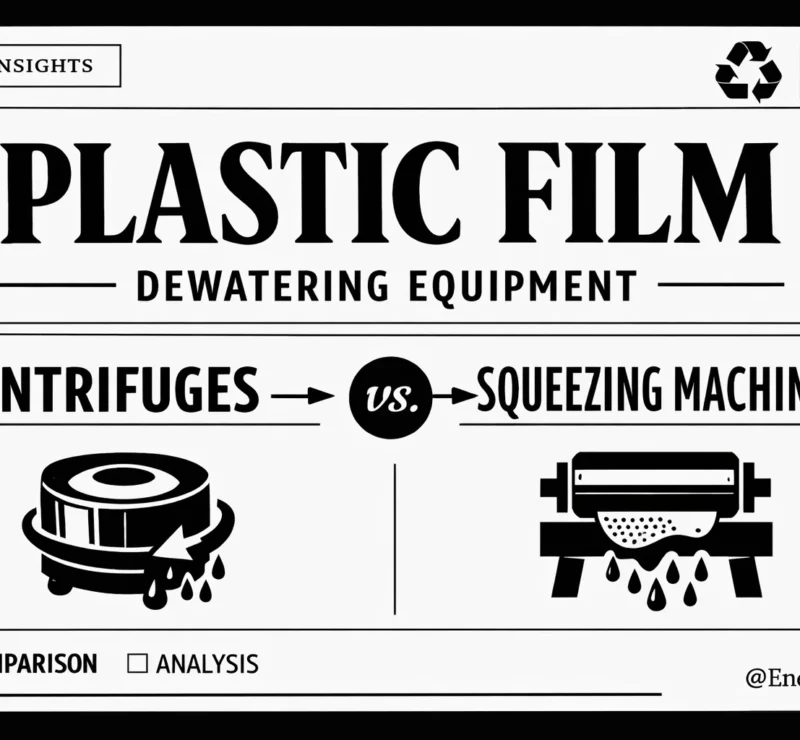
De ontwateringsapparatuur voor plastic folie bepaalt de thermische belasting en het volumetrisch rendement van de daaropvolgende extrusielijnen. Natte polyethyleen (PE) en polypropyleen (PP) folies verhogen het energieverbruik voor het drogen en veroorzaken vaak brugvorming in de trechters van de extruder. Het upgraden van mechanische ontwateringsinstallaties kan de thermische droogtijd met wel 30% verkorten. Energycle ontwerpt deze systemen specifiek voor de fysieke eigenschappen van flexibele verpakkings- en landbouwfolies.
Processtroom en mechanische principes
Het verwijderen van oppervlakte- en capillairvocht uit flexibele kunststoffen vereist apparatuur die is afgestemd op de structurele beperkingen van het materiaal. Bedrijven installeren hoofdzakelijk twee soorten machines: centrifugesystemen en persmachines.
Centrifugale ontwateringsmechanismen
A centrifugale ontwateringsmachine Het maakt gebruik van hoge rotatiekrachten om oppervlaktewater te scheiden van zwevende plastic vlokken. Onderzoek naar de centrifugatie van films van polyethyleen met hoge dichtheid (HDPE) toont aan dat flexibele materialen de neiging hebben om een dichte "plastickoek" tegen het buitenste scherm te vormen [1]. Door capillaire werking wordt restwater gevangen in de gedraaide lagen en microscopische poriën van deze koek.
Om deze capillaire werking te doorbreken, vereisen systemen specifieke rotorconfiguraties en een nauwkeurige materiaalgrootte. Door de afmetingen van de grondstofvlokken tussen 1 en 2 cm te houden, wordt overmatige overlapping voorkomen en waterretentie geminimaliseerd. Deze systemen bereiken doorgaans binnen enkele minuten een reductie van het oppervlaktevochtgehalte tot wel 90%.
Principes van mechanisch persen
Foliepersmachines verwerken gewassen PP-, PE- en geweven zakken door middel van mechanische compressie. Een conische schroef met hoog koppel perst het natte materiaal tegen een beperkende matrijs of een set rollen. Deze fysieke verdichting perst de vloeistof door geperforeerde zeven in de cilinder.
De intense mechanische wrijving die tijdens het verdichten ontstaat, produceert warmte, waardoor de verdamping van het resterende vocht op gang komt. Dit proces met dubbele werking verlaagt het uiteindelijke vochtgehalte tot onder de 5%. Fabrieken die dit verdichte, voorverwarmde materiaal in extruders verwerken, zien regelmatig een toename van 20% in de pelletproductie [2].
Specificaties en prestatieparameters van de apparatuur
De keuze tussen vochtverwijdering op basis van rotatie en op basis van compressie bepaalt de energiebehoefte en de lay-out van de installatie.
| Parameter | Centrifugale ontwatering | Persmachines |
|---|---|---|
| Primair mechanisme | Rotatie met hoge snelheid (G-kracht) | Mechanische verdichting (conische schroef) |
| Doelvochtproductie | Tot 90% waterreductie | Onder 5% eindvochtgehalte |
| Ideale grondstof | 1–2 cm HDPE/LDPE-vlokken | Gewassen PP- en PE-folies, geweven tassen |
| Operationeel voordeel | Vermindert het energieverbruik van thermische drogers met 15%. | Verhoogt de extruderdoorvoer met 20% |
| Ruimtevereiste | Verticale of horizontale voetafdruk | Zeer compacte inline-integratie |
Beperkingen met betrekking tot grondstoffen en materiaalcompatibiliteit
De keuze van de machine hangt sterk af van de geometrie en dikte van het aangevoerde materiaal. Dunne, zeer flexibele folies drogen snel onder centrifugale krachten, maar vereisen de juiste zeefgrootte om materiaalverlies te voorkomen. Dikkere landbouwfolies en non-woven stoffen vereisen de hogere mechanische kracht die persapparatuur levert.
Ingenieurs moeten het motorvermogen nauwkeurig afstemmen op de verwachte doorvoer. Bij continu gebruik met een hoog volume zal een rotor met een te laag vermogen vastlopen, wat direct knelpunten in de productielijn veroorzaakt. Operators moeten ook de perforatiegrootte van het zeefdoek afstemmen op het te verwerken polymeer om verstopping van het zeefdoek te voorkomen.
Slijtageonderdelen, onderhoud en risico's met betrekking tot bedrijfszekerheid
Mechanische ontwatering vindt plaats onder omstandigheden met sterke wrijving en een hoge luchtvochtigheid, waardoor de slijtage van componenten versnelt. Preventief onderhoud is bepalend voor de levensduur van het systeem.
- Rotorbladen en schroefgangen: Onderhevig aan constante slijtage door microscopische verontreinigingen; vereisen hardingsbehandeling of regelmatige vervanging om de compressieverhoudingen te behouden.
- Roestvrijstalen schermen: Gevoelig voor verstopping door gesmolten plastic of onregelmatige schilfers; vereist periodieke hogedrukreiniging en dikte-inspecties.
- Lagers en afdichtingen: Door de hoge snelheid en de nabijheid van water zijn strikte smeerschema's noodzakelijk om catastrofale lagerstoringen te voorkomen.
- Aandrijfmotoren: De riemspanning en de uitlijning van de motor moeten maandelijks worden gecontroleerd om vermogensverlies te voorkomen.
Checklist voor inbedrijfstelling en acceptatie op locatie
Controleer de prestaties van de apparatuur tijdens de fabriekstest (Factory Acceptance Testing, FAT) of de locatietest (Site Acceptance Testing, SAT) met behulp van meetbare criteria.
- Controle van het vochtgehalte: Neem elke 30 minuten monsters van de output om te controleren of het uiteindelijke vochtgehalte onder de 5% blijft (knijpers) of voldoet aan de reductiebasislijn van 90% (centrifuges).
- Doorvoer- en belastingstests: Laat het systeem 4 uur lang onafgebroken draaien op het nominale vermogen van de 100% om te controleren op stroompieken in de motor of thermische overbelasting.
- Trillingsanalyse: Registreer de basisverplaatsing van de lagerhuizen van de centrifuge om vroegtijdige tekenen van rotoronbalans te detecteren.
- Consistentie van de ontlasting: Controleer of de geautomatiseerde afvoermechanismen het verwerkte materiaal zonder ophoping of blokkering in de overgangsgoten afvoeren.
Veelgestelde vragen
Wat veroorzaakt een hoge vochtretentie in centrifugale ontwateringssystemen?
Vochtretentie in een centrifugeersysteem wordt doorgaans veroorzaakt door een onjuiste vlokvorm of een onvoldoende rotorsnelheid. HDPE- en LDPE-folies hebben de neiging om te vouwen en water vast te houden in capillaire ruimtes, waardoor een dichte materiaalkoek ontstaat. Operators moeten de afmetingen van het invoermateriaal tussen 1 en 2 cm houden om deze capillaire waterophoping te voorkomen. Daarnaast beperkt verstopping van het zeefoppervlak door versleten wisserbladen de waterafvoer. Regelmatige inspectie van het zeefoppervlak en het handhaven van de gespecificeerde motorsnelheden zorgen ervoor dat de machine de vereiste vochtreductiemarge van 90% behaalt.
Welke invloed hebben foliepersmachines op de energiekosten van het daaropvolgende extrusieproces?
Foliepersmachines comprimeren lichtgewicht materialen zoals geweven zakken en polyethyleenfolie tot dichtere, halfdroge agglomeraten. Deze fysieke verdichting perst water door een zeef in de cilinder, terwijl er interne wrijvingswarmte ontstaat die het resterende vocht verdampt tot minder dan 51 TP7T. Het toevoeren van dit dichte, voorverwarmde materiaal aan een extruder voorkomt verstoppingen in de trechter en stabiliseert de smeltdruk. Fabrieken die conventionele thermische drogers vervangen door persmachines, meten vaak een daling van 151 TP7T in de totale verwarmingskosten en een toename van 201 TP7T in de continue extruderproductie.
Wat zijn de belangrijkste oorzaken van defecten aan foliedrukschroeven?
De meest voorkomende oorzaak van defecten aan foliepersschroeven is slijtage van de schroefbladen, wat de compressieverhouding direct verlaagt en overtollig vocht in het plastic achterlaat. Secundaire defecten treden op in de druklagers, die tijdens het verdichtingsproces enorme axiale belastingen opvangen. Onvoldoende smering of overbelasting van de machine met te grote, harde plastics versnelt de slijtage van de lagers. Operators moeten schroeven met een harde coating specificeren en de temperatuur van de tandwielkastolie in de gaten houden om de levensduur van de componenten te maximaliseren en onverwachte productiestilstand te voorkomen.