

High-Torque Reduction for Wood and Pallet Waste
Wood Waste & Pallet Shredder — Single-Shaft
This industrial wood waste shredder is a heavy-duty single-shaft wood and pallet shredder for pallets, timber offcuts, MDF, particleboard, crates, and bulky woodworking waste. The hydraulic ram, low-speed high-torque rotor, and screen-controlled discharge help plants reduce volume, produce uniform wood chips, and convert waste wood into a usable biomass or board-making feedstock. Available in multiple capacities — request a quote for pricing.
Why Wood Processors Choose a Single-Shaft Wood Shredder
Bulky wood waste consumes floor space, transport budget, and disposal cost. This machine is configured to convert wood scrap into controlled chips with stable feeding and lower handling cost. See our guide to wood pallet recycling for the process, end markets, and how to size a machine.
Turn Bulky Wood Waste Into Useful Biomass or Reusable Feedstock
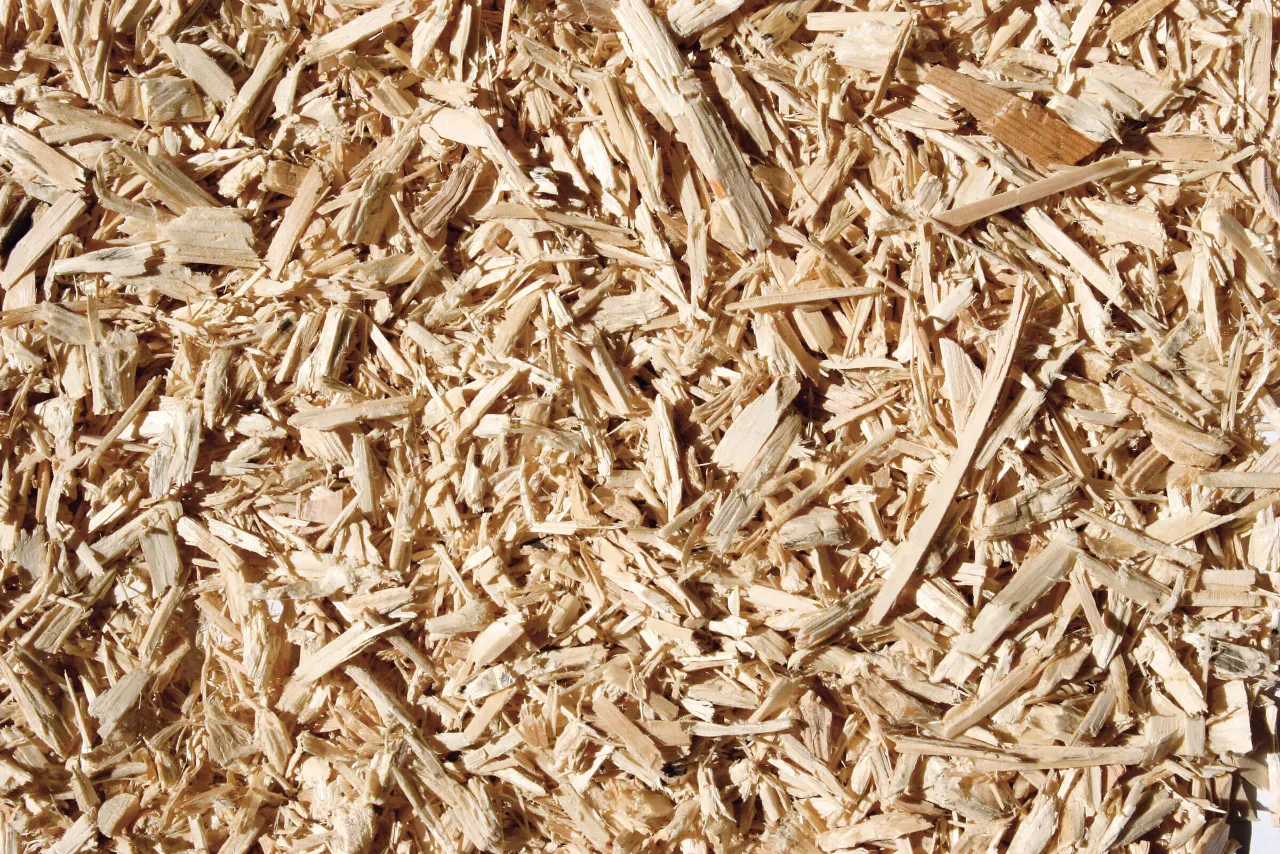
Used pallets, timber offcuts, MDF, crates, and board waste take up valuable storage space and are expensive to move. A single-shaft wood shredder reduces this material into more uniform chips that are easier to convey, store, burn, or reuse in wood product applications.
Consistent Output for Biomass and Fuel Use
Uniform chips help support biomass boilers, furnaces, and energy recovery systems where feed consistency affects handling and combustion stability.
Lower Transport and Disposal Cost
Volume reduction makes waste wood easier and cheaper to store, load, move, and dispose of across sawmills, factories, and recycling centers.
Heavy-Duty Build for Industrial Wood Waste Streams
The hydraulic pusher, hardened knives, and strong frame are designed for industrial-duty wood waste processing with adjustable working widths, rotor diameters, and drive sizes based on the actual material and throughput requirement.
How the Wood Shredder Works
A controlled four-stage process for turning bulky timber and pallet waste into uniform wood chips.
Hopper Loading
Whole pallets, wood offcuts, timber waste, and board material are loaded directly into the shredder hopper.
Hydraulic Ram Feed
The hydraulic ram pushes wood toward the rotor with stable pressure, helping maintain bite on bulky and irregular material.
Low-Speed High-Torque Shearing
The rotor equipped with hardened knives tears and cuts wood against the counter-knife for controlled size reduction.
Screened Chip Discharge
A heavy-duty screen controls final chip size, commonly in the 12 to 80 mm range, before material is discharged.
Typical Applications
Suitable for wood recyclers, sawmills, furniture factories, logistics centers, and biomass fuel producers.
Pallets and Crates
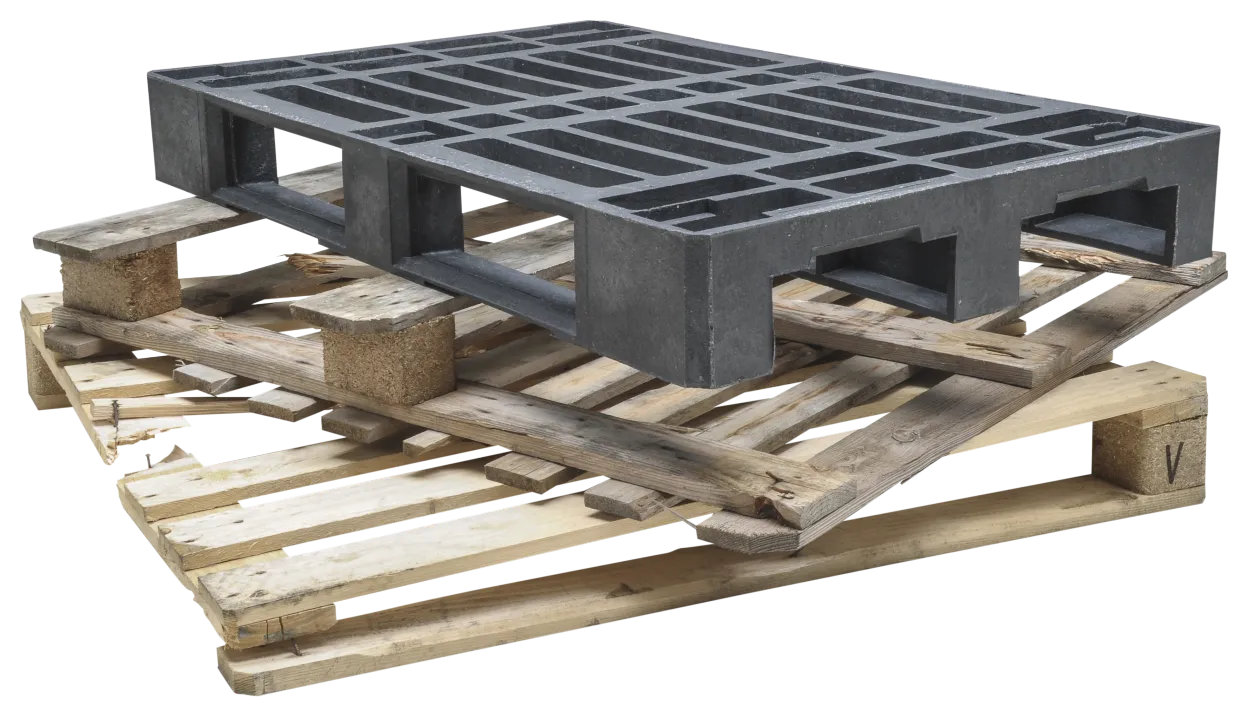
Processes used pallets, broken crates, and transport wood waste into compact, manageable chips.
Furniture and Joinery Offcuts
Handles panel offcuts, wood trim, joinery scrap, and production waste from woodworking plants.
MDF and Particleboard Waste
Suitable for boards, veneers, chipboard, and composite wood material that need controlled size reduction.
Biomass Fuel Preparation
Produces wood chips suited for biomass co-generation, wood chip furnaces, or briquette-related feed preparation.
Wood Single-Shaft vs. Double-Shaft Shredders
The right solution depends on whether you need more controlled chip sizing or more aggressive first-stage tearing of bulky wood waste.
| Selection Factor | Waste Wood Single-Shaft Shredder | Double-Shaft Shredder |
|---|---|---|
| Best For | Pallets, offcuts, boards, and wood waste that need more defined output | More aggressive first-stage tearing of bulky mixed waste |
| Output Size Control | Screen-controlled chip size for biomass or reuse | Less precise output, often followed by another reduction step |
| Feeding Method | Hydraulic ram feeding for stable rotor contact | Shafts pull material directly into the cutting zone |
| Typical Use Goal | Volume reduction plus usable wood chip output | Primary tearing where output uniformity is less critical |
Swipe horizontally to view the full table.
Watch It in Action
This YouTube video shows the wood and pallet shredder processing bulky wood waste into uniform chips.
Machine Gallery
Representative wood waste feedstock and machine visuals for wood and pallet size reduction.
Technical Specifications
Reference models for wood and pallet size reduction. Final throughput depends on wood type, moisture, nails or contamination, and chosen screen size.
| Model | Shaft Diameter | Moving Knives | Max Capacity | Motor Power | Chamber Size |
|---|---|---|---|---|---|
| ERM-600 | 320 x 45 mm | 12 | 800 kg/h | 18.5 x 2 kW | 600 x 780 mm |
| ERM-800 | 320 x 45 mm | 16 | 1000 kg/h | 22 x 2 kW | 800 x 780 mm |
| ERM-1000 | 400 x 50 mm | 20 | 2000 kg/h | 45 x 2 kW | 1000 x 880 mm |
| ERM-1200 | 400 x 50 mm | 24 | 3000 kg/h | 55 x 2 kW | 1200 x 880 mm |
Swipe horizontally to view the full table.
Reliable Support Throughout the Equipment Lifecycle
From installation planning to routine maintenance, our service team helps keep your equipment operating safely, consistently, and efficiently.
1-Year Limited Warranty
Coverage includes manufacturing defects in major mechanical and electrical components for one year. Normal wear parts and damage caused by improper operation are handled separately.
Installation Guidance
We provide layout, foundation, utility, clearance, line-integration, and commissioning guidance to support a smooth installation and reliable startup.
Spare Parts Supply
Replacement wear parts, bearings, seals, sensors, electrical components, and other service items are available for scheduled maintenance and long-term operation.
Technical Assistance
Remote troubleshooting, operating recommendations, maintenance guidance, and optional on-site service are available when your project needs additional support.
Frequently Asked Questions
Key questions about wood types, chip sizing, customization, and use in biomass or recycling operations.
It can process mixed woodworking waste including pallets, crates, hard and soft wood, timber offcuts, veneers, particleboard, MDF, and other bulky wood waste commonly generated in industrial operations.
The final granulate size is determined by the perforated screen installed below the rotor. Screen openings from around 12 mm to 80 mm can be selected depending on your biomass, transport, or downstream process requirement.
Yes. Working width, rotor diameter, drive power, and screen size can be adjusted based on your wood type, throughput target, and site layout.
Yes. The shredder can prepare a more consistent wood chip feed for biomass furnaces, co-generation systems, and other downstream fuel preparation steps, depending on the required size and contamination level.
Please share the wood type, largest feed size, contamination such as nails or metal, target throughput, and desired output chip size. That determines the correct rotor, hopper, and power configuration.
Price is project-based and scales with capacity, motor power, screen size, and automation. A compact single-shaft wood shredder costs far less than a high-throughput industrial wood waste shredder line. Send your wood type, daily tonnage, and target chip size and we will quote the right model.
Yes. As a single-shaft pallet shredder, it takes whole pallets, including the nails, and reduces them to uniform chips. The hydraulic ram keeps the feed steady and the screen sets the output size for biomass, board, or further processing.
Turn Wood Waste Into a More Valuable Output
Tell us what wood waste you process, your target chip size, and whether the output is for biomass, recycling, or transport reduction. We will recommend the right shredder configuration for your operation.