

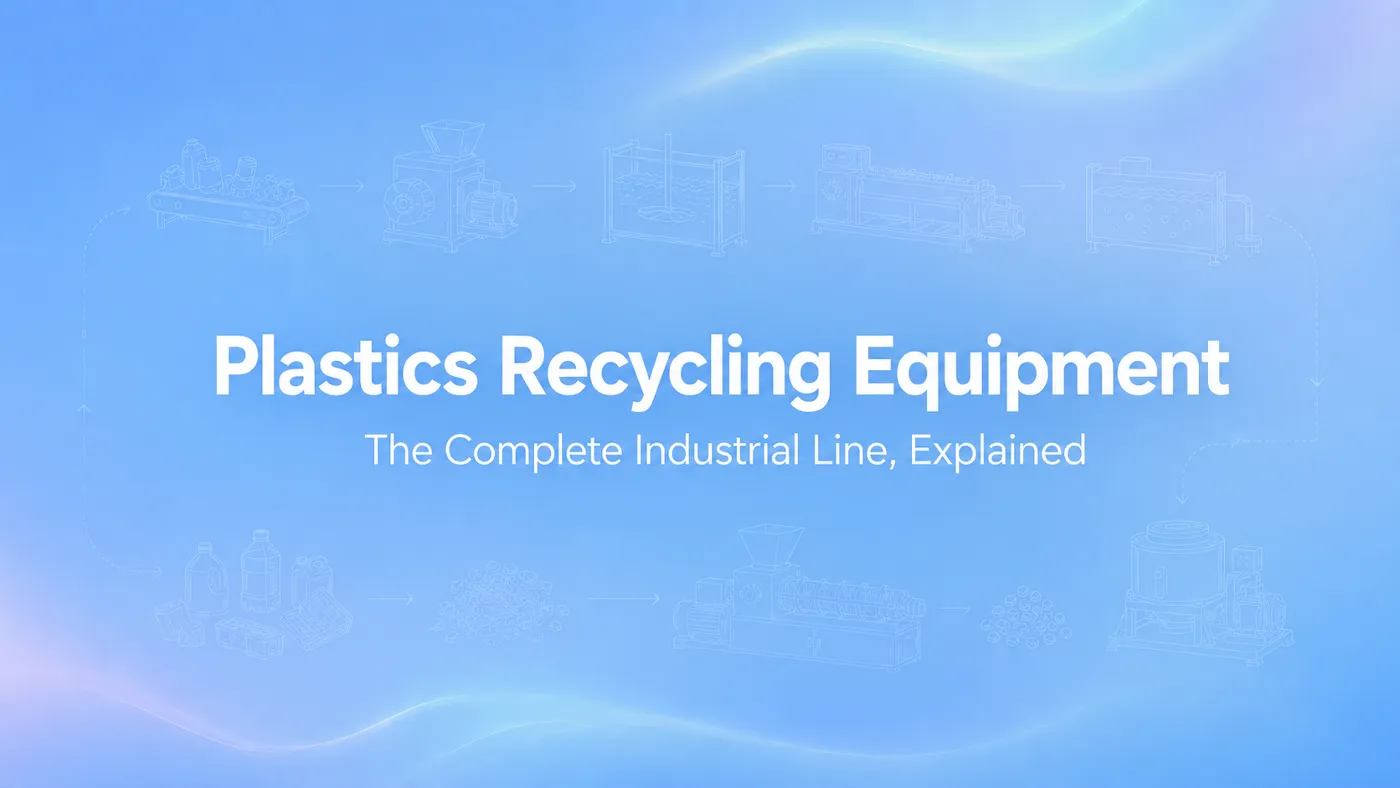
Rychlá odpověď: Výrobní zařízení pro recyklaci plastů je průmyslová technika, která přeměňuje post-consumer nebo post-industriální plastový odpad na čistý, opětovně použitelný surový materiál - obvykle granulát nebo šupiny. Plná linka zahrnuje šest vzájemně vyhovujících etap: před-seřazení a zmenšení velikosti, granulování, mytí, sušení, granulování a kontrola kvality. Správné zařízení závisí na polymeru (PET, PE, PP, HDPE, PVC, EPS), čistotě vstupního materiálu a cílovém průtoku.
Co znamená skutečně výrobní zařízení pro recyklaci plastů
Když kupci hledají výrobní zařízení pro recyklaci plastů, obvykle znamenají jednu z dvou věcí: jednotlivé stroje, které vykonávají jednu etapu (smaškávač, granulátor, granulátor), nebo kompletní recyklační linku, která kombinuje několik strojů do kontinuálního procesu. Tento článek pokrývá oba - ale důraz je kladen na linku, protože to rozhoduje o tom, zda se projekt stane ziskovým.
Kompletní linka pro recyklaci plastového odpadu zpracovává smíšený nebo seřazený plastový vstup (bottly, film, regrind, post-industriální odpad) a vyrábí materiály, které kupci v polymerovém dodavatelském řetězci zaplatí - čisté šupiny, umytý regrind nebo granulát s kontrolovaným MFI (index proudění taveniny) a vlhkostí. Každá etapa v lince buď přidává hodnotu (čistění, měření velikosti, homogenizace) nebo představuje skrytou nákladovou položku (energie, voda, práce). Úkolem při výběru zařízení je minimalizovat druhou, přičemž chránit první.
Klíčový závěr: Nákup zařízení jednotlivě za strojem stojí téměř vždy více než návrh linky předem. Kapacitní nevyváženosti mezi etapami vytvářejí úzká místa, která brzdí celou linku.
Šest etap recyklační linky pro plast
Skoro každý průmyslový systém pro recyklaci plastů, bez ohledu na surovinu, sleduje stejných šest etap. Stroje, které vyplňují každou etapu, se liší podle polymeru a podmínek vstupního materiálu, ale sekvence je konzistentní.
| # | Fáze | Zařízení | Co to dělá | Typická kapacita (kg/h) |
|---|---|---|---|---|
| 1 | Před-seřazení a zmenšení velikosti | Smaškávače, drcovací stroje, balířky | Zmenšuje příchozí balíky nebo objemný odpad na ovladatelné kousky | 300 – 3,000 |
| 2 | Granulování | Granulátory s mřížkovými otvory 8–20 mm | Přeměňuje roztroušený plast na jednotné šupiny | 300 – 2,500 |
| 3 | Mytí | Frakční myčky, horké mycí nádrže, oddělovače vodní hladiny | Odstraňuje etikety, nečistoty, oleje, potravinářské zbytky a nežádoucí polymery | 500 – 4,000 |
| 4 | Sušení | Centrifugální sušičky, termální sušičky, skladovací sila | Sníží vlhkost na <1% před extrudací | 500 – 4,000 |
| 5 | Granulování / extrudování | Jednosoustrunné nebo dvousoustrunné extrudéry s degasováním | Taví šupiny a vyrábí homogenní granulát s kontrolovaným MFI | 300 – 2,000 |
| 6 | Kontrola kvality a seřazení | Detektory kovů, eddy-current separátory, NIR sortéry | Odstraňuje kovovou kontaminaci a neodpovídající materiály před balením | Celková kapacita linky |
Krok 1 — Předseparace a zmenšení velikosti
Každá linka začíná zde. Balík post-consumer PET je příliš hustý k tomu, aby se mohl přímo podávat do mycí nádrže; jediná softová láhev je příliš malá k tomu, aby se s ní mohlo pracovat bez jejího zmenšení na kontrolovanou částici velikosti. Drtiče — jednoválcový pro měkké vstupy jako film, dvojválcový pro smíšené tuhé vstupy — snížit materiál na přibližně 30–80 mm kousky. Výstup jde přímo do granulátoru, pokud linka neobsahuje předmytí pro velmi nečistý surový materiál.
Krok 2 — Granulace
Granulátory vzít roztroušený výstup a vyrobit jednotlivé šupiny (často 8–14 mm pro PET, 10–16 mm pro film). Velikost síta určuje konzistenci šupin a efekt mytí. Menší šupiny se myjí důkladněji, ale vyžadují více energie k výrobě a vytvářejí více jemin, které se ztrácejí v následných fázích.
Krok 3 — Mytí
Mytí je nejdražší linka v rozpočtu po pelletingu — a nejdůležitější. Slabý stupeň mytí je největší důvod, proč se recyklované plastové granule prodávají s slevou. Pro PET láhve odstraní pláštěk s etiketami plné horké mytí s kyanidem; pro PE/PP film odstraní frictionské mycí válce zemědělskou půdu a reziduální pesticidy. Oddělovače na základech oddělují PET (potápí se) od PP/PE kapek a etiket (plyvou) — toto jediné oddělení může zdvojnásobit hodnotu výstupu.
Krok 4 — Sušení
Mokré šupiny ničí výstup extrudéru. PET zejména hydrolyzuje při teplotě extrudování, pokud je vlhkost vyšší než 50 ppm — výsledný pokles IV činí granule nevhodnými pro vláknové nebo fóliové aplikace. Centrifugální sušičky zvládnou odstranění velkého množství vody; termální sušičky nebo vakuové hody přinesou konečnou vlhkost do specifikace.
Krok 5 — Pelletizace a extrudování
Ten/Ta/To extruder roztopí, filtre, odstraní volné plyny a znovu vytvoří polymer. Dvojválcové extrudéry jsou nyní standardem pro PET, protože je potřebné vyfukování k odstranění zbytkové vlhkosti a volných znečišťujících látek. Jednoválcové extrudéry zůstávají pracovním koněm pro čisté PE, PP a HDPE regrind. Podvodní pelletizace vyrábí kulaté granule oblíbené injekčními lisovateli; vřetenová pelletizace vyrábí válcové granule oblíbené výrobci vláken a fólií.
Krok 6 — Kontrolování kvality
Detektory kovů jsou nevyjednatelné — jediný kovový úlomek může zničit extrudérský válec hodnotný desítkami tisíc dolarů. Indukční oddělovače odstraní kovové slitiny (aluminiovou folii z potravinářského balení je typický viník). NIR (přesné infračervené) oddělovače identifikují druh polymeru rychle a odmítnou neodpovídající materiál předtím, než znečišťuje výstupní proud.
Výběr vybavení pro recyklaci plastů podle polymeru
Polymerová chemie určuje téměř každé rozhodnutí o vybavení. Stejná linka nemůže ekonomicky zpracovávat PET a LDPE film bez velkých úprav. Tabulka níže shrnuje rozdíly v vybavení pro čtyři nejčastější průmyslové suroviny.
| Polymer | Typický vstup | Kritické vybavení | Obvyklý výstup | Chyba, kterou se vyhnout |
|---|---|---|---|---|
| PET | Post-consumer láhve, láhve na šupiny | Předmytí, horké mytí s kyanidem, oddělovače na základech, termální sušička, dvojválcový extrudér s vyfukováním | Bottle-grade pellets, fibre-grade pellets | Přeskočení kyanidového mytí → zbytky lepidla → pokles IV |
| PE / PP Film | Agricultural film, shopping bags, industrial film | Jednoválcový šrotovací stroj, frictionské mycí válce, centrifugální sušička, densifier, dvojválcový extrudér | Recycled film pellets | Mokré granule — film drží vodu; nedostatečné sušení ničí výstup |
| HDPE / PP Rigid | Kolby, bedny, automobilové díly | Dvojosoustranný shredder, granulátor, horké mytí, jednosoustranný extruder | Rigid-grade granule pro fúzní a injekční lití | Smíšená polymerová kontaminace — povinné je stáčení na dno a na povrch |
| EPS / Polystyren | Rybí krabice, odpadní balíky | Zahušťovač nebo kompresor, granulátor, jednosoustranný extruder | Zahuštěné ingoty EPS, GPPS granule | Pokoušíte se o přepravu nízkozákladní EPS — zahuštění na místě je nepřekonatelné |
Velikost výkonu: přizpůsobení vybavení průtoku
Výkon uváděný výrobci je často nižší, než skutečný výkon v produkci. Uveřejněné číslo je obvykle maximální průtok s čistým, suchým, dokonalě velkým vstupem – podmínky, které existují pouze v laboratorních testech. Reálný výkon se pohybuje mezi 60–80% jmenovitého výkonu, v závislosti na kontaminaci vstupu a dočasné výpadky.
Užitečná pravidla plánování:
- Definujte roční cíl v tunách (např. 6 000 tun/rok čistých PET granulí).
- Převeďte na hodinový průtok za předpokladu 6 000 provozních hodin ročně – v tomto příkladu, 1 000 kg/h.
- Specifikujte vybavení s jmenovitým výkonem 1,3× vyšším než požadovaný hodinový průtok, tedy 1 300 kg/h.
- Velikost každého předchozího stupně alespoň 1,2× větší než následující stupeň – granulátor je obvykle úzkým hrdlem a nikdy nesmí být podnásilněn.
Klíčový závěr: Pokud váš granulátor běží při 80% využití, zatímco čistící linka běží při 50%, přepłáceli jste na čistící kapacitu. Pokud je tomu naopak, granulátor nedosáhne svého specifického cíle. Srovnávejte linky, poté prodávejte granuláty.
Nové vs. používané vybavení pro recyklaci plastů
Používané vybavení pro recyklaci plastů je široce dostupné – existuje aktivní trh se sekundárním užíváním pro extrudéry, granulátory a mycí linky. Níže je upřímné srovnání; správná odpověď závisí na fázi projektu a toleranci na riziko.
| Faktor | Nové vybavení | Používané vybavení |
|---|---|---|
| Kapex | Vysoký – plná cena plus instalace | 30–60% nové ceny; starší jednotky 70–80% sleva |
| Dodací lhůta | 8–16 týdnů pro standardní modely | Dostupné okamžitě, pokud je nalezeno |
| Záruka | 12–24 měsíců, díly a práce | Typicky 'tak jak je' nebo omezené 30denní |
| Energetická účinnost | Současná efektivita motoru a pohonu | Starší motory mají o 15–30% vyšší kWh na tunu |
| Díly | Dostupné od výrobce po celou životnost produktu | Riziko zastaralých dílů na strojích starších 15 let |
| Nejlepší pro | Dlouhodobá výroba, regulační citlivý výstup, potraviny v kontaktu | Pilotní linky, sekundární kapacita, nízkomarginový komoditní výstup |
Co se ptát výrobců zařízení pro recyklaci plastů (kontrolní seznam poptávek)
Většina poptávek selže na jedné nebo druhé straně, protože specifikace je příliš tenká. Níže uvedený seznam je minimální informace, kterou vážný výrobce potřebuje, aby vám mohl poskytnout významnou nabídku a realistický harmonogram.
Specifikace vstupu
- Typ polymeru(ů) a procentní směs
- Forma: balený, volný, granulovaný, vyčištěný/nevyčištěný
- Úroveň kontaminace: organická %, kov %, nepožadovaný polymer %
- Hustota a velikost částic příchozího materiálu
- Vlhkost obsah (zvláště pro film a PET)
Specifikace výstupu
- Cílový produkt: šupiny, recyklovaný materiál nebo granulát
- Cílová specifická tabulka: rozsah MFI, IV (pro PET), hustota, barva, zbytková vlhkost
- Kvalita pro konečné použití: potraviny v kontaktu (FCM-kvalita), vlákno, balení, injekční formování
- Geometrie a velikost granulátu, pokud je relevantní
Profil a provoz
- Požadované tuny za rok, plus předpokládané provozní hodiny/rok
- Počet směn (1, 2 nebo 3)
- Dostupný prostor - plán podlahy s rozměry
- Dostupné služby: kW připojené, rychlost vody, stlačený vzduch, pára
Komerční a po-prodejní
- Podmínky záruky v písemné formě, s dobou dodání náhradních dílů
- Nadřízení instalace a školení obsluhy zahrnuto nebo za příplatek
- Síť služeb ve vaší oblasti - doba odpovědi na místě
- Reference zákazníků s podobným polymerem a profilem
Pět drahých chyb při nákupu zařízení pro recyklaci plastů
Tyto chyby naši inženýři nejčastěji vidí při modernizaci nebo záchraně recyklačních linek, které nedosáhly očekávaných výsledků podle obchodních plánů.
- Velikost pelletizéru je třeba zvolit nejprve, poté všechno ostatní. Koupeť je klíčový krok. Velikost koupeť je pro vstupní nestabilitu, poté vyhovuje kapacitě dolního toku.
- Nákup obecné linky pro specifický polymer. PET horká koupel vybavení ničí PE film; LDPE frictionsky mycí válce nejsou schopny zvládnout PET. Vysokorychlostní linky pro jediný polymer jsou lepší.
- Přeskočení detektoru kovů, abychom ušetřili $8,000. Jedinečný kovový fragment může vypnout $250,000 extruder na dva týdny. Vždy jej instalujte před extruderem.
- Podvelikost drying stage. Sušení je nejlevnější fáze k překročení specifikace a nejdražší k opravě později. Nadměrná vlhkost poškozuje každý následující komponent.
- Ignorování dolního toku před uvedením do provozu. Návrh zařízení je dolní část specifikací kupujícího. Pokud kupující chce 0.85 IV PET pelleti, linka nemůže být uvedena do provozu kolem jednosoustranného extrudéru.
Často kladené otázky o vybavení pro recyklaci plastů
Kolik stojí kompletní recyklační linka na plasty?
Kompletní linka pro recyklaci plastového odpadu se pohybuje od přibližně $250,000 pro malé EPS densifier setup až po $3–5 milionů pro plnou PET láhev do pelleti linku při 2,000 kg/h. Největšími faktory nákladů jsou fáze mytí a konfigurace extrudéru (jednosoustranný vs dvousoustranný, venturovaný vs neventurovaný).
Jaké vybavení pro recyklaci plastů potřebuji, abych mohl začít?
Minimální funkční linka pro jakýkoli polymer potřebuje pět vyhovujících fází: šrotování nebo zmenšení velikosti, granulování, mytí, sušení a pelletizace. Kvalitativní kontrolní senzory (detektory kovů nejdříve, NIR sortery druhé) jsou technicky nepovinné, ale vracejí se do 12–18 měsíců pro jakoukoli linku nad 500 kg/h.
Je zařízení na recyklaci použitých plastů dobrý nápad?
Použité zařízení má smysl u pilotních linek, sekundárních kapacit a komoditní produkce, kde energetická účinnost není tak důležitá jako investiční náklady. Není vhodnou volbou pro výrobu potravinářských výrobků, vláken nebo jakoukoli výrobu citlivou na předpisy, kde záleží na provozuschopnosti linky a sledovatelnosti.
Jaký je rozdíl mezi plastovým drcičem a plastovým šrotovacími strojem?
Šrotovací stroj snižuje objemný vstup (balíky, kanystry, velké díly) na hrubé kousky, obvykle 30–80 mm. Granulátor tyto kousky převede na rovnoměrné šupiny, obvykle 8–16 mm. Většina průmyslových linek potřebuje oba – šrotovací stroj před granulátorem. Několik nízkoproudých linek je kombinuje v jednom stroji nazývaném granulátor-šrotovací stroj.
Může stejné zařízení zpracovávat PET a PE/PP fólie?
To není ekonomické. PET mytí používá vysoké teploty a kyselé dávky, které by ničily PE film a poškozovaly těsnění zařízení; PE film frictionsky mycí válce nejsou schopny vygenerovat potřebnou dobu pobytu k odstranění PET etiketové lepicího materiálu. Postavte dedikované linky podle rodiny polymerů, nebo přijměte významnou dobu přestavby a ztrátu kvality.
Jaký výstup by měl kupující očekávat od jedné tuny směsného plastového odpadu?
Výnos závisí silně na čistotě vstupu. Dobře sesortovaný balík PET láhví vydá 850–920 kg láhvových pelletů na tunu (zbytek jsou etikety, krytky a ztráta v průběhu procesu). Míšený post-consumer film balík vydá 600–750 kg na tunu, protože musí být odstraněna organická kontaminace a nežádoucí polymery. Pilotní testy s vaším skutečným vstupním materiálem jsou jediným způsobem, jak přesně předvídat výnos.
Sestavení
Vybavení pro recyklaci plastů není nákup z katalogu. Stroje musí být sladěny mezi sebou a s polymerem, kvalitou vstupu a zákazníkem, jemuž je prodáván výstup. Specifikace linky od výstupní specifikace – co kupující chce v pelletech – je jediný obor, který odděluje ziskové recyklační operace od těch, které se potýkají s problémy.
Energycle navrhuje a dodává průmyslové linky pro recyklaci plastů PET, PE/PP fólie, HDPE/PP pevné, a EPS vstupní materiály, od pilotní kapacity 300 kg/h do výrobních linek s kapacitou několika tun za hodinu. Pokud jste ve fázi specifikace, můžeme zkontrolovat vaše vstupní/výstupní požadavky a vrátit konfiguraci linky s komponenty vyhovujícími kapacitě do pěti pracovních dnů.
Další krok: Požádejte o konfiguraci zařízení a cenovou nabídku. Pošlete nám váš vstupní materiál a cílovou specifikaci výstupu – vrátíme vám návrh krok za krokem.
