

Rigid Plastic Washing Line for PP, HDPE, PVC
High-performance processing for PP, HDPE, and PVC regrind including crates, caps, bottles, drums, pipes, profiles, and molded housings. The integrated line combines pre-washing, wet granulation, friction washing, density separation, dewatering, and drying to produce clean, high-value flakes.
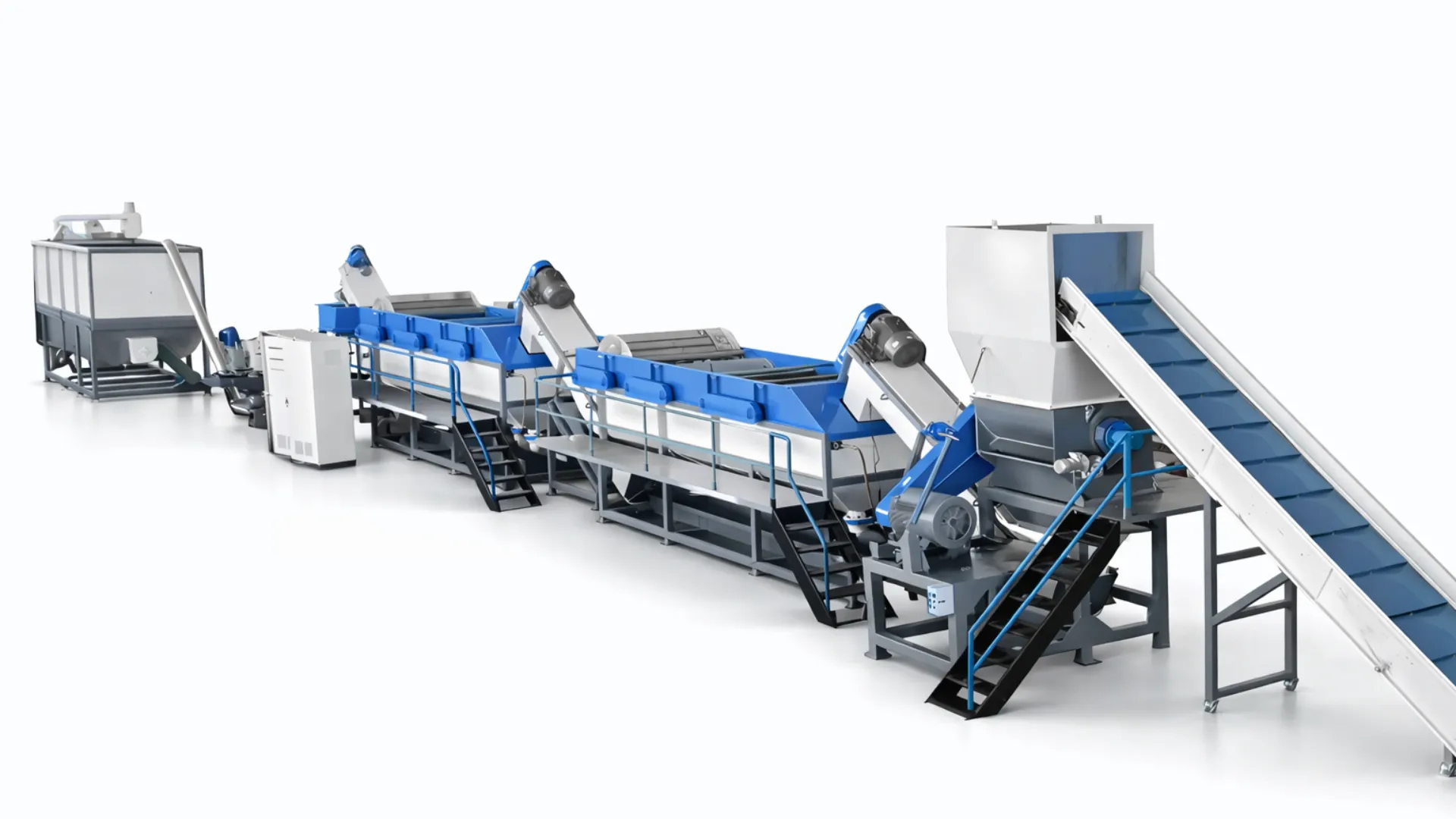
Primary Factors That Define the Line Configuration
Rigid regrind washing projects depend on material mix, contamination, moisture target, water strategy, maintenance load, and available footprint. These factors determine module selection, utility sizing, and output consistency.
Moisture Target
Discharge moisture is set by the dewatering and thermal drying configuration. The drying stage is sized to match your extrusion or storage requirements.
Decontamination
Cleaning intensity is selected according to label load, oil or adhesive contamination, fines content, and whether cold or hot washing is required.
Material Mix
Sink-float separation and optional air classification are selected according to PP/PE mixes, PVC risk, heavy contaminants, and light impurities.
Water Loop
Open or closed-loop water design affects filtration, wastewater handling, operating cost, and environmental compliance for your site.
Maintenance
Wear protection and maintenance intervals are driven by abrasive fines, label glue, hard particles, and the operating load across granulation and friction washing.
Footprint
Conveyor routing and machine placement are configured around your available workshop space, material handling plan, and operator access requirements.
Rigid Regrind Streams for High-Purity Flakes
The line is engineered to process a wide range of rigid plastics into clean feedstock for extrusion, compounding, pelletizing, or resale.
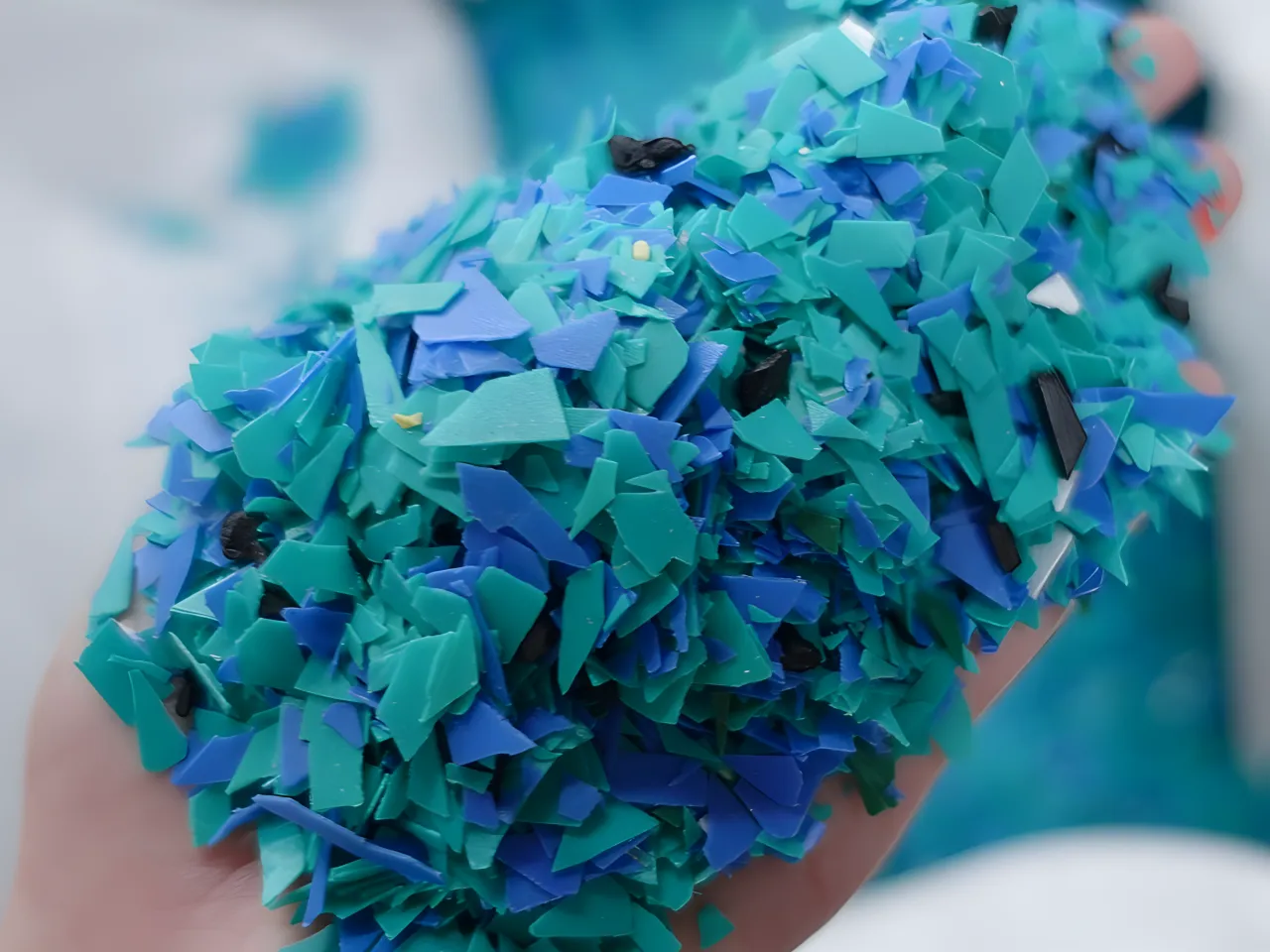
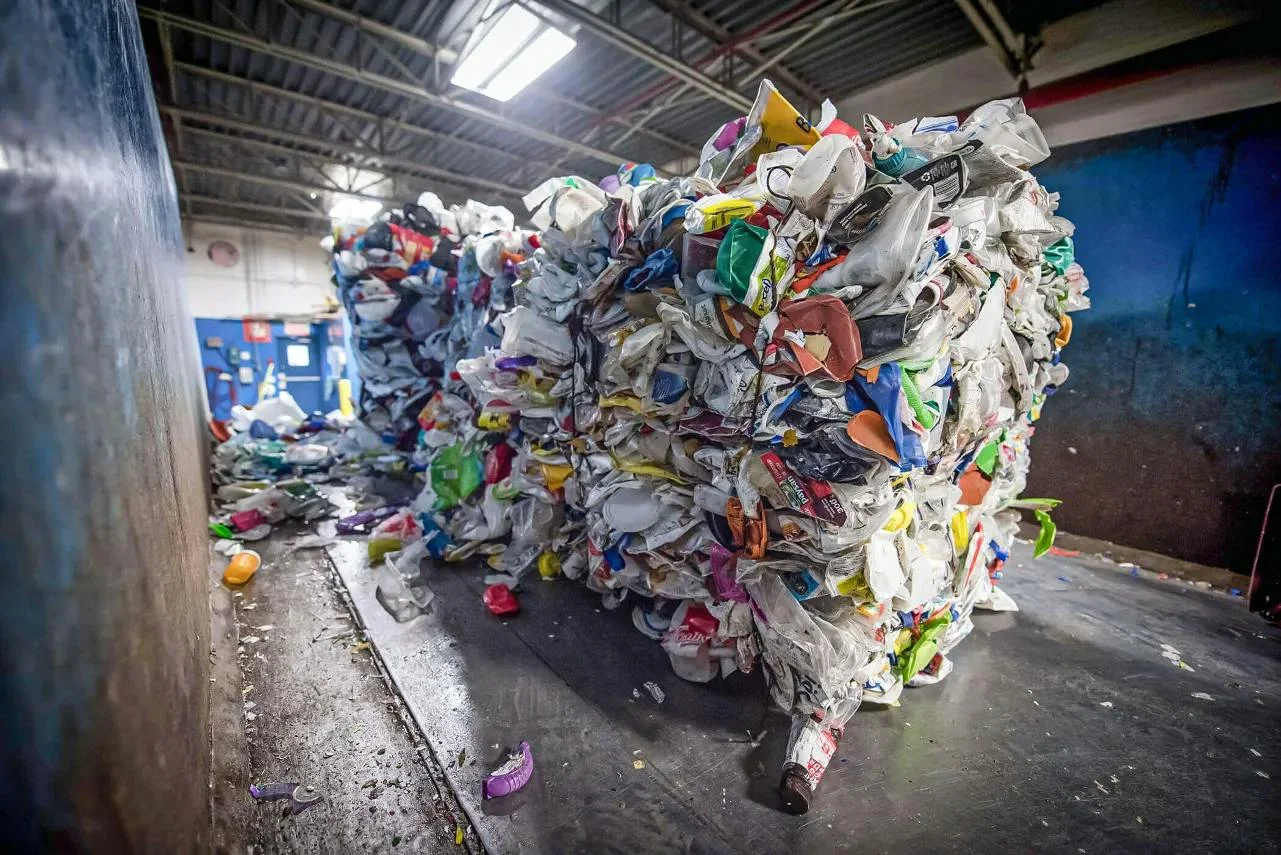
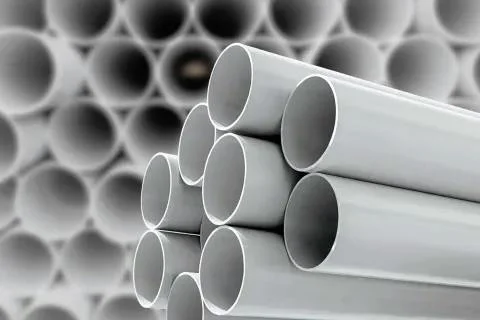
Multi-Stage Workflow from Infeed to Thermal Drying
A proven sequence removes contamination, controls flake size, separates density fractions, and stabilizes residual moisture before downstream reuse.
Pre-Washing & Sorting
Loose rigid scrap enters the line for contaminant knockdown and primary sorting before size reduction.
Wet Granulation
The crusher reduces rigid plastics to consistent flakes while water assists first-rinse cleaning and heat control.
Intensive Washing
High-shear scrubbing lifts labels, oil residue, paper fines, and dirt from the flake surface.
Density Separation
Sink-float separation isolates usable PP or HDPE fractions from heavier contamination and mixed-material carryover.
Mechanical Dewatering
Centrifugal force rapidly removes free water and prepares washed flakes for low-moisture finishing.
Thermal Drying
A final hot-air stage stabilizes moisture and delivers clean flakes ready for downstream extrusion or compounding.
Core Equipment Modules
Each core module is paired with its matching image, function, and configuration notes for faster equipment review.
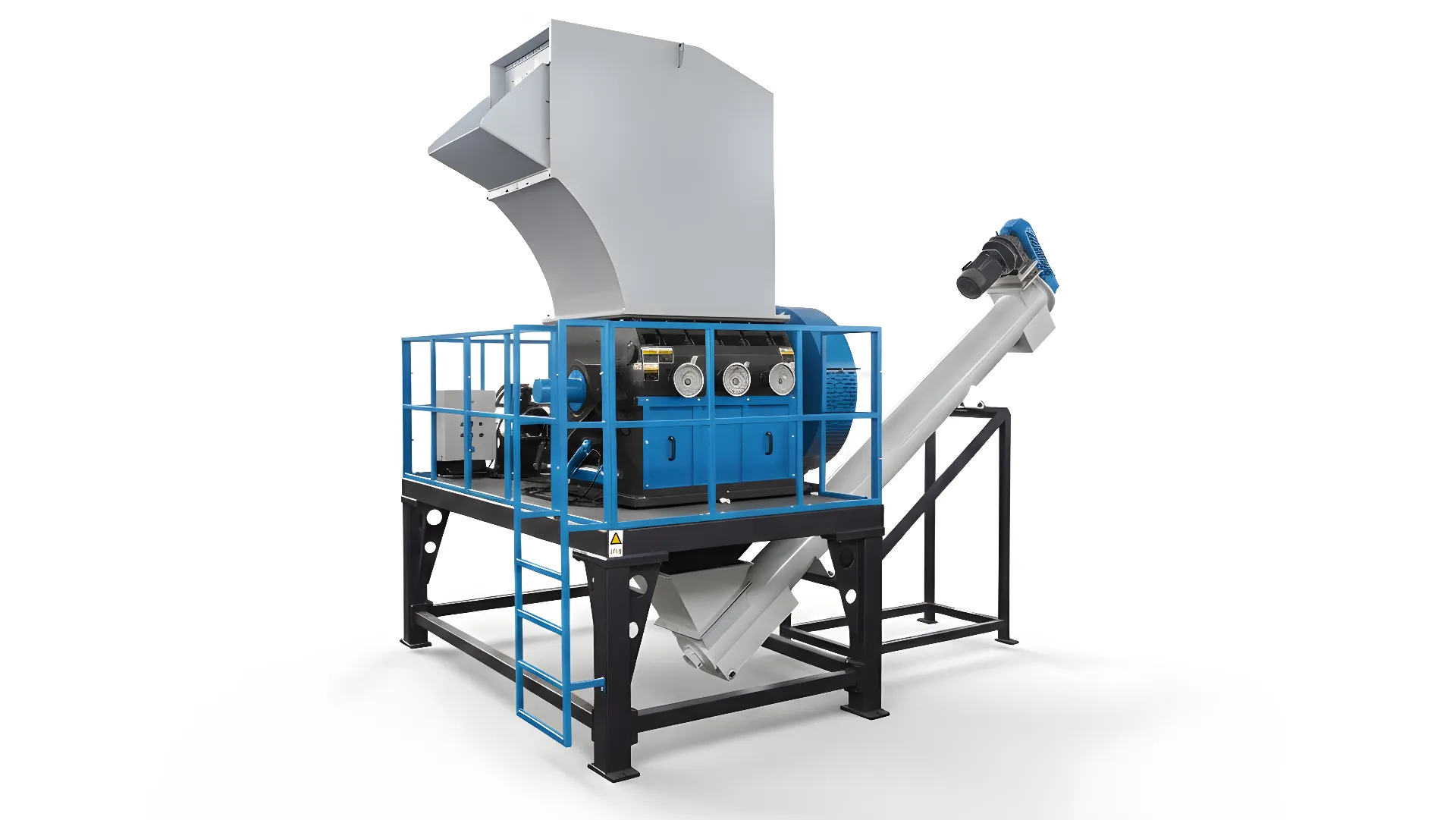
1. Wet Plastic Crusher
Function: Optimized for rigid regrind, providing consistent flake sizing and initial contaminant release.
Configuration:
- D2 high-carbon, high-chromium steel blades
- V-shape or double-scissor cutting arrangement
- Water-inlet for simultaneous cutting and rinsing
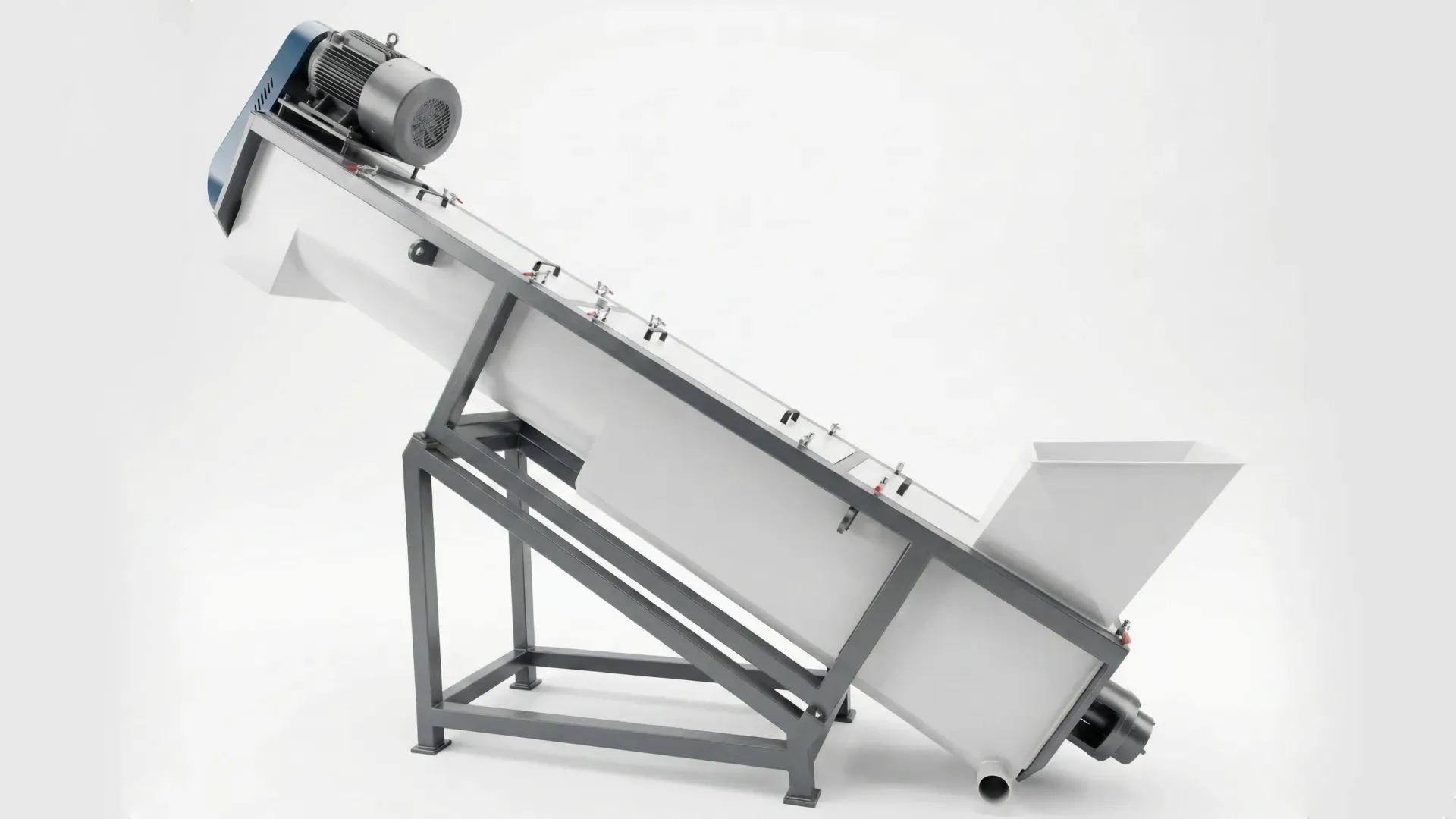
2. Friction Washer
Function: High-speed mechanical scrubbing to effectively remove label glue, stubborn oils, and paper fines.
Configuration:
- Rotor speed 500-600 RPM for intensive surface cleaning
- Continuous water flow to discharge suspended contaminants
- Replaceable high-wear components for long service life
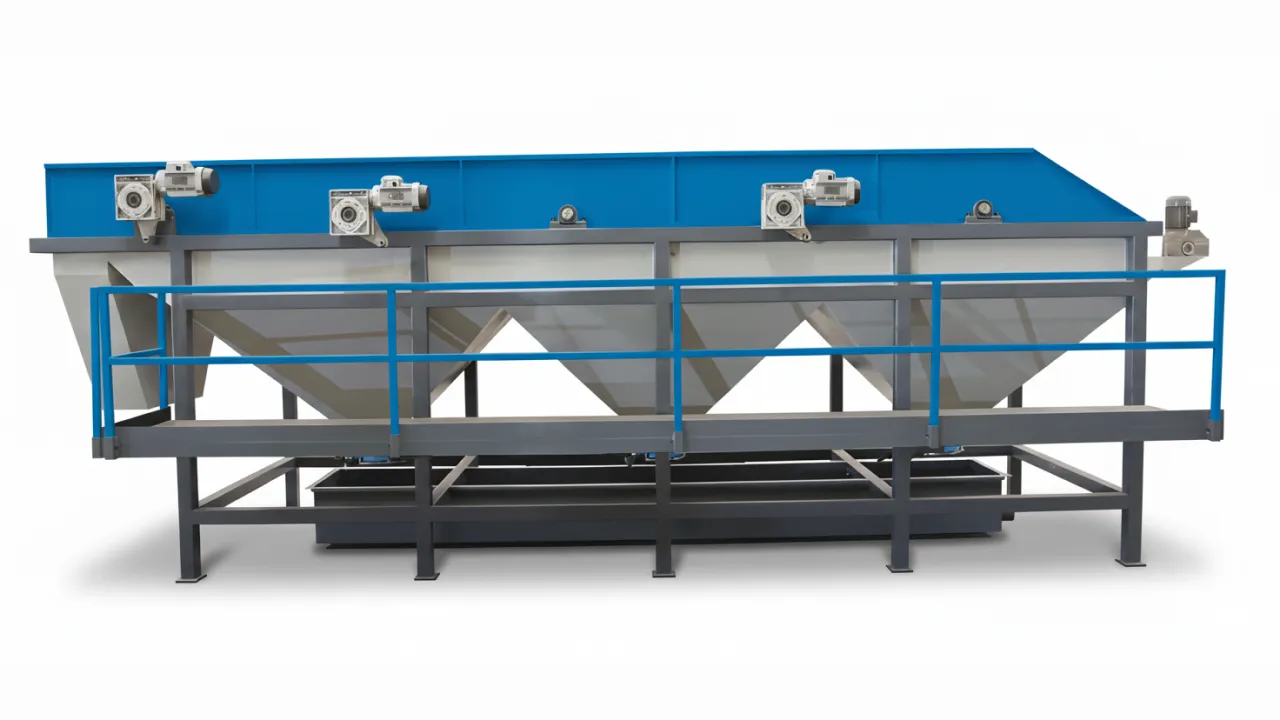
3. Sink-Float Tank
Function: Precision density separation to isolate PP/PE from heavier contaminants like PVC or metals.
Configuration:
- All-304 stainless steel construction
- Adjustable paddle speed for different material densities
- Multi-section design for higher separation accuracy
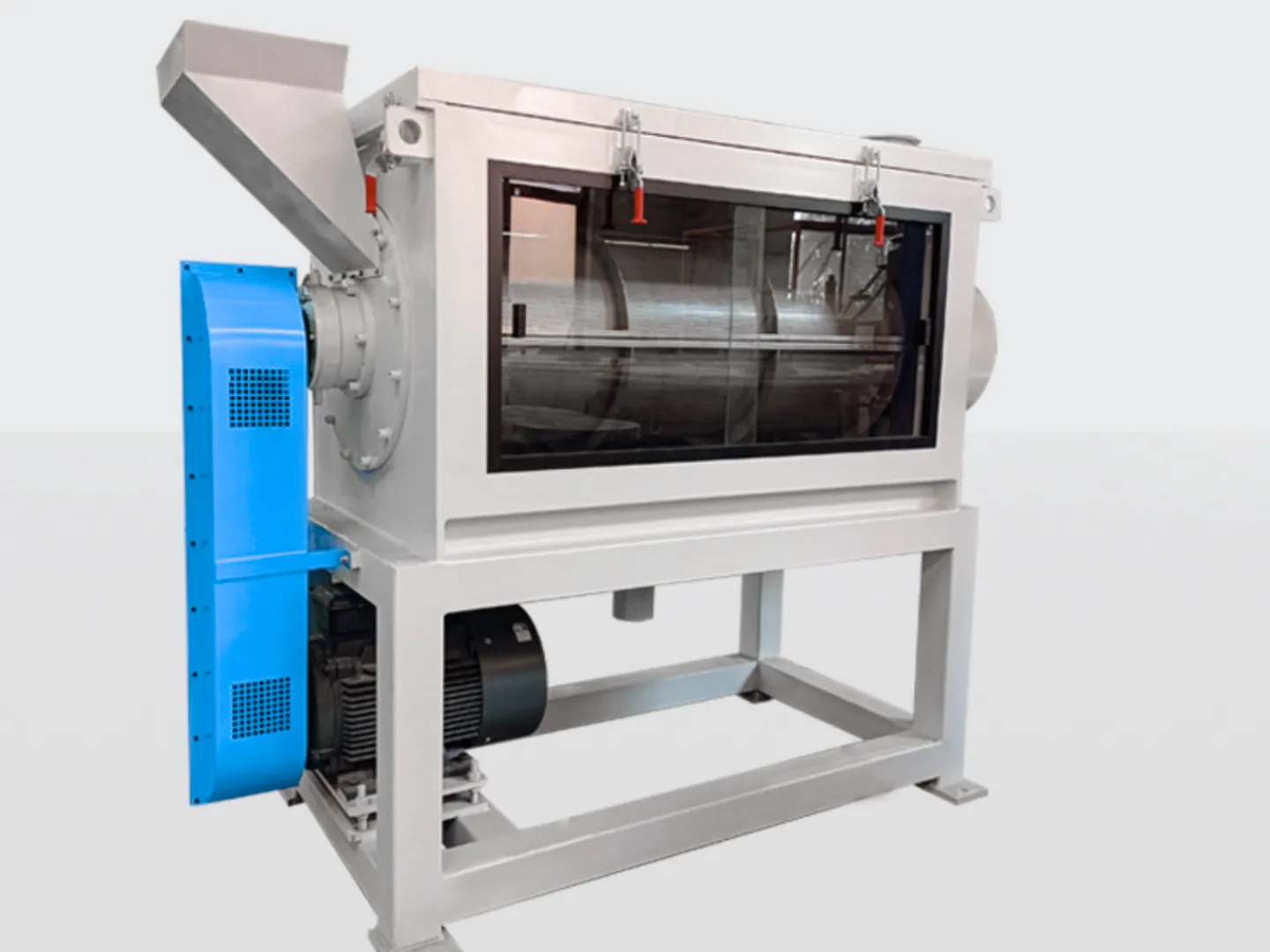
4. Centrifugal Dewatering Machine
Function: High-speed centrifugal spin drying to rapidly extract surface water from rigid flakes after washing.
Configuration:
- Dynamically balanced high-speed rotor shaft
- Wear-resistant stainless steel screen basket
- Integrated water discharge drainage and wash-down nozzles
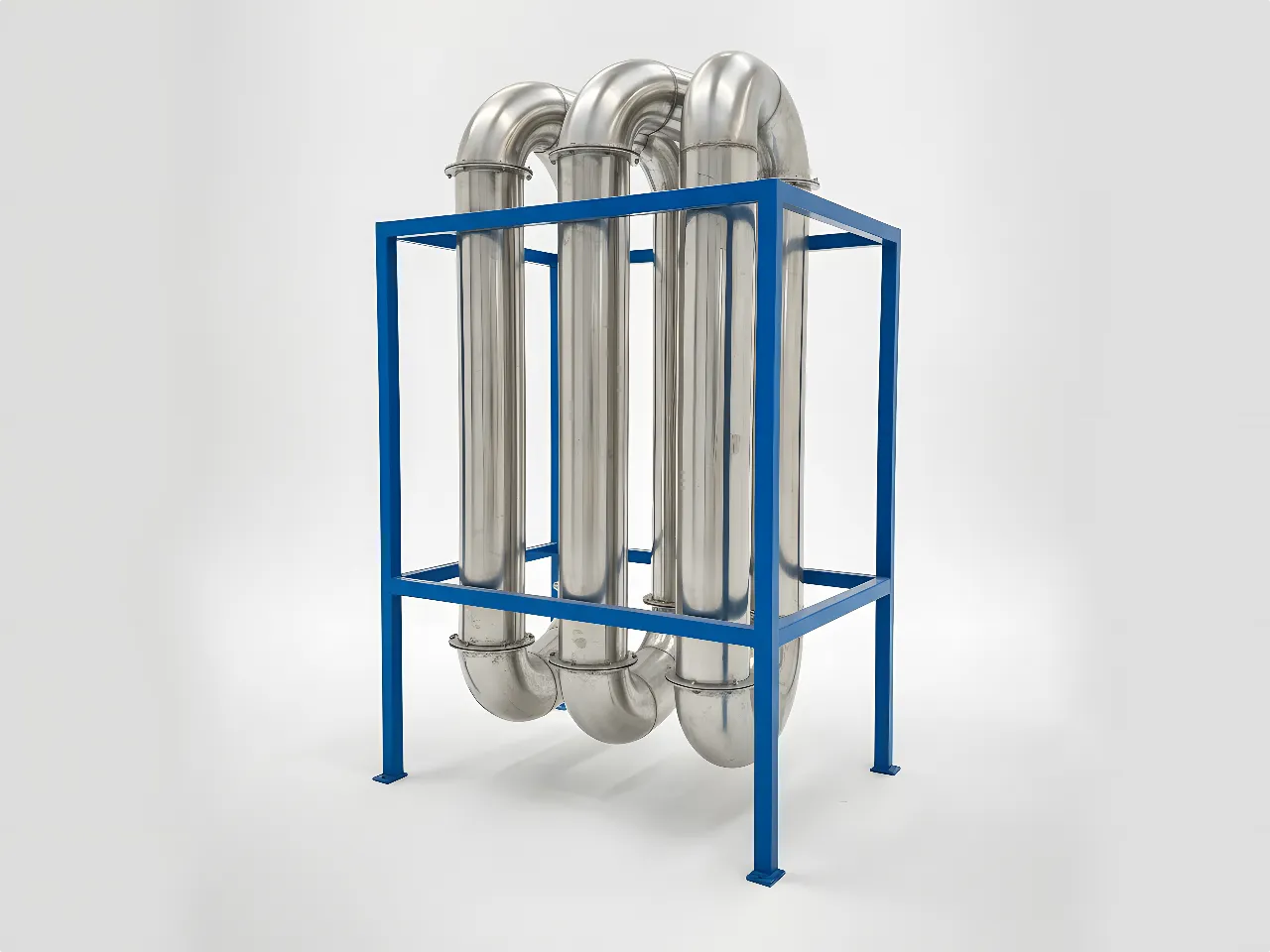
5. Thermal Drying System
Function: Continuous hot-air pipeline drying to reduce residual moisture below 1-3% for direct extrusion or storage.
Configuration:
- Multi-pass stainless steel drying pipes with high-efficiency cyclone discharge
- Electric, steam, or gas heat exchanger options with digital PID temperature control
- Acoustic insulated conveying blower for reliable material transport
Watch the Line in Operation
Preview the rigid plastic washing line workflow, then load the full YouTube video on demand.
Technical Specifications
Indicative planning data for rigid plastic washing lines. Final specifications are customized based on feedstock contamination levels, target output quality, and site layout.
| Capacity (kg/h) | Power (kW) | Area (m²) | Staff | Water (m³/h) | Steam (MPa) |
|---|---|---|---|---|---|
| 500 | 162 | 500 | 4 | 3 | 0.6-0.8 |
| 1000 | 250 | 800 | 4 | 4 | 0.6-0.8 |
| 2000 | 368 | 1000 | 4 | 5 | 0.6-0.8 |
Swipe horizontally to view the full table on mobile.
Technical FAQ
Common questions about rigid plastic washing line configuration, output quality, and installation.
What does a rigid plastic washing line include?
A rigid plastic washing line can include a shredder, granulator, pre-wash float tank, hot or cold wash system, friction washer, sink-float separation tank, rinsing system, dewatering centrifuge, and drying system. Configuration varies by material and contamination level.
What output quality can the line achieve?
A well-configured line can produce clean flakes suitable for extrusion, compounding, pelletizing, or resale. Output quality depends on input contamination, washing route, separation accuracy, and drying target.
Which regrind materials are supported?
The line is optimized for rigid PP, HDPE, and PVC regrind including crates, caps, bottles, pipes, and profiles. ABS and rigid PET can be supported with specialized separation modules.
What output moisture can I expect?
Residual moisture is typically below 3% with matched dewatering and thermal drying stages, but the final target depends on material type, flake thickness, and downstream extrusion requirements.
How about installation and layout?
Energycle can support layout design, foundation guidance, equipment integration, operator training, and on-site or remote commissioning to fit your facility constraints.
Request a Custom Proposal
Share your regrind type, contamination profile, moisture target, and throughput goal. We will recommend the right washing, separation, and drying configuration for your plant.
- PP, HDPE, PVC, or mixed rigid scrap
- Custom line layout and quotation
- Water, drying, and separation planning
Talk to Sales
Explore Related Washing and Drying Equipment
All Washing Systems
Explore washing modules used across PET, rigid plastic, and film recycling lines.
Buyer GuideRigid Washing Line Pricing
Review cost drivers and planning factors for rigid plastic washing projects.
Drying SystemsDewatering and Drying
Compare centrifugal, thermal, and screw press drying options for washed flakes.
SeparationSink-Float Tank
Density separation for PP, PE, PET, PVC, metals, stones, and heavy contaminants.