

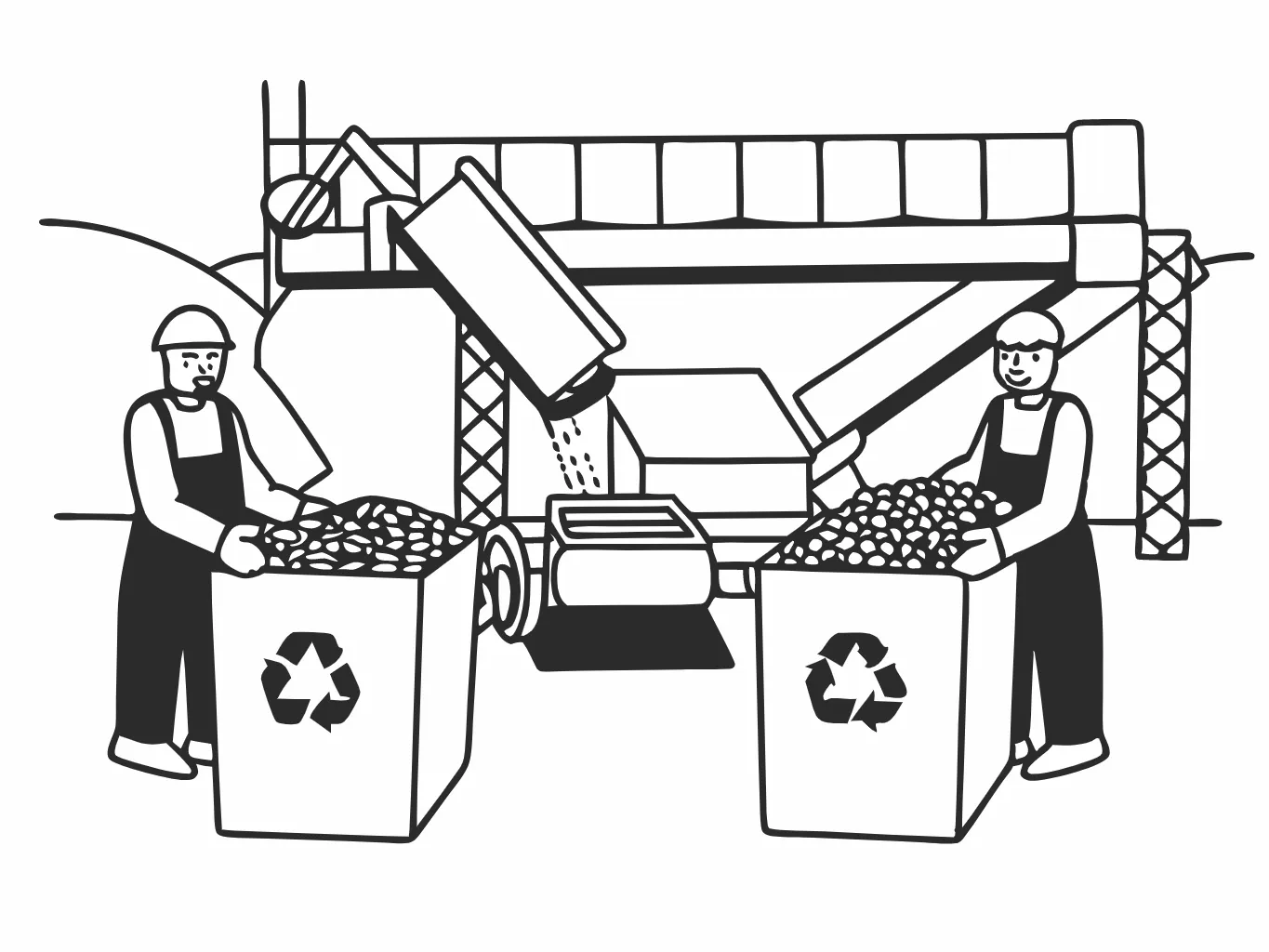
Het recyclen van polystyreen wordt vaak als moeilijk beschreven, maar de belemmering ligt meestal niet in de chemie, maar in... ophalen en vervoeren. Geëxpandeerd polystyreen (EPS)-schuim neemt relatief veel ruimte in beslag ten opzichte van zijn gewicht. Zonder verdichting kunnen de opslag- en transportkosten de economische haalbaarheid domineren.
Recyclingmachines voor polystyreen lossen dat probleem op door los schuim om te zetten in dichtere vormen die gemakkelijker te hanteren, te verzenden en te verwerken zijn tot korrels of andere producten.
Belangrijkste punten (voor kopers)
- Als uw afvalstroom EPS-schuim bevat, is verdichting meestal de eerste stap die een recyclingprogramma werkbaar maakt.
- De "juiste" machine hangt af van het uitvoerformaat (stammen/staven/pellets), de mate van verontreiniging en hoe gecentraliseerd uw verwerking zal zijn.
- Als u van plan bent PS te pelletiseren, beschouw sorteren, reinigen en smeltfiltratie dan als essentiële vereisten – niet als extraatjes.
PS versus EPS: weet wat je in handen hebt.
Polystyreen komt in verschillende vormen voor: – Stijve PS (vaak GPPS/HIPS) gebruikt in diverse stijve producten en verpakkingen – EPS-schuim Het wordt gebruikt voor demping en isolatie vanwege de lage volumieke massa.
De ontwerprichtlijnen van APR voor PS/EPS vermelden dat de lage volumieke massa van EPS een van de redenen is waarom het wordt gebruikt voor isolatie en demping, en benadrukken ook dat de toegang tot inzamelingspunten in veel regio's beperkt kan zijn. Daarom moet uw businesscase een realistisch beeld schetsen van de inzameling en logistiek, en niet alleen van de verwerkingsapparatuur. (Bron: APR PS/EPS Ontwerprichtlijnen)
De drie uitvoerformaten die bepalend zijn voor uw apparatuurkeuze
De meeste kopers kiezen uiteindelijk voor een van deze "outputpaden". Elk pad heeft verschillende investeringskosten, nutsvoorzieningen en operationele risico's.
| Uitvoerformaat | Wat het is | Welke machines heb je doorgaans nodig? | Waar het past |
|---|---|---|---|
| Gecomprimeerde EPS-logbestanden | Mechanisch samengeperst schuim (niet volledig gesmolten) | EPS-pers + basis sorteer- en opslagmogelijkheden | Schone verpakkingsschuimstromen; gedistribueerde inzamelpunten die een centrale verwerker voeden. |
| Thermisch verdichte staven | Schuim dat door hitte is samengeperst tot compacte blokken. | Thermische verdichter + ventilatie + veilige hantering/verzameling | Locaties die een hogere dichtheid vereisen voor scheepvaart en die ventilatie en warmtebeheersing kunnen bieden. |
| PS-korrels | Geëxtrudeerd en gepelletiseerd gerecycled PS | Verdichting (indien EPS) + versnipperen/vermalen + extrusie + smeltfiltratie + pelletiseren | Bedrijven die gestandaardiseerde grondstoffen aan verwerkers verkopen; hogere eisen aan de kwaliteitscontrole. |
Als je een stapsgewijze handleiding wilt, kijk dan op de website van Energycle. Overzicht van de workflow van de EPS-recyclingmachine en zijn Overzicht van machines voor het recyclen van geëxpandeerd polystyreen (EPS)..
Kernmodules van de machine (wat er echt toe doet in de dagelijkse bedrijfsvoering)
1) Sortering en beheersing van besmetting
De waarde van PS en EPS daalt snel wanneer stromen worden gemengd met andere kunststoffen, papier, voedselresten of fijne deeltjes. Definieer wat u wel en niet accepteert.
Koper controleert: – hoe materiaal wordt geïnspecteerd (inkomende kwaliteitscontrole) – hoe gemengde kunststoffen worden verwijderd (handmatig of geautomatiseerd) – hoe voedselcontactverpakkingen worden behandeld (besmettingsrisicobeheer)
2) Verdichting (voor EPS-stromen)
Dit is de module die de logistieke kostencurve wijzigt.
Twee veelvoorkomende benaderingen: – Koude verdichting (mechanisch): Perst schuim samen tot blokken. Eenvoudiger en vaak met lagere energiebehoeften. Thermische verdichting: Schuim wordt door verhitting samengeperst tot blokken. Een hogere dichtheid is mogelijk, maar vereist ventilatie en warmtebeheersing.
3) Verkleining (wanneer u van plan bent te pelletiseren)
Verdicht materiaal moet nog steeds stabiel in een extruder worden gevoerd. Dat betekent meestal dat het tot een gecontroleerde grootte moet worden versnipperd of vermalen.
4) Extrusie, filtratie en pelleteren (wanneer u pellets verkoopt)
Als uw productiedoel gestandaardiseerde pellets zijn, wordt u beoordeeld op consistentie. Dat betekent doorgaans: – stabiele toevoer (voorkom schommelingen) – smeltfiltratie afgestemd op de mate van verontreiniging – pelletiseermethode afgestemd op het polymeer en het bedrijfsmodel van de fabriek
Voor downstream-opties, Energycle's machines voor het pelletiseren van kunststof Deze pagina is een handig naslagwerk voor lijnconfiguraties.
Wat u in een offerteaanvraag moet opnemen (zodat offertes vergelijkbaar zijn)
| Offerteaanvraagitem | Waarom het belangrijk is | Wat te specificeren |
|---|---|---|
| Materiaalvorm | EPS versus stijf PS verandert de hele productielijn. | EPS-schuim versus stijf PS; typische stukgrootte; verontreinigingen |
| Verontreinigingsprofiel | Voorziet in de behoeften op het gebied van sorteren, reinigen en filteren. | Papier/etiketten, voedselresten, gemengd plastic, fijne deeltjes |
| Uitvoerformaat | Definieert het machinetype en de hulpprogramma's. | Houtblokken/staven/pellets; verpakkings- en hanteringseisen |
| Doorvoer en inschakelduur | Bepaalt de benodigde afmetingen en het onderhoudsplan. | kg/u streefwaarde en aantal shifts per dag; piekbelasting versus gemiddelde belasting |
| Nutsvoorzieningen en terreingrenzen | Blokkeert vaak projecten na aankoop. | Beschikbaar vermogen, ventilatiebeperkingen, ruimte, geluidsbeperkingen |
Markt- en regelgevingsinformatie (wat de verkoopprijs beïnvloedt)
Bij PS- en EPS-projecten is de materiaalkeuze slechts de helft van het werk. De verkoopprijs hangt af van de vraag of uw output kan voldoen aan de toepassingsvereisten van de koper.
- Geur en residu: EPS-verpakkingen voor de voedingsindustrie kunnen resten bevatten die geurklachten veroorzaken. Als uw afzetmarkt hier gevoelig voor is, plan dan een grondigere reiniging en een strengere kwaliteitscontrole van de binnenkomende producten.
- Tolerantie voor verontreiniging: Kopers van PS letten vaak op zichtbare vlekjes en de aanwezigheid van gemengde polymeren. Stel regels op voor bemonstering en partijscheiding, zodat "één slechte lading" niet de volledige dagproductie verontreinigt.
- Ambitie op het gebied van voedselcontact: Als u zich richt op toepassingen die in contact komen met levensmiddelen, raadpleeg dan tijdig de relevante regelgeving en verwacht strengere documentatie en procescontrole. In de VS publiceert de FDA richtlijnen over chemische aspecten van gerecyclede kunststoffen in voedselverpakkingen. (Bron: Richtlijnen van de Amerikaanse FDA)
FAQ (Echte vragen over inkoop)
Is EPS-schuim daadwerkelijk recyclebaar, of is het "technisch gezien wel recyclebaar, maar wordt het niet ingezameld"?
Beide beweringen kunnen waar zijn, afhankelijk van uw regio. Mechanisch gezien kan EPS verwerkt worden als u het schoon kunt inzamelen en verdichten, zodat verzending zinvol is. De praktische belemmering is vaak dat EPS omvangrijk is, waardoor de inzamelings- en transportkosten de waarde van het materiaal kunnen overstijgen, tenzij verdichting vroegtijdig plaatsvindt. De ontwerprichtlijnen van APR voor PS/EPS vermelden ook dat de toegang tot inzamelpunten voor PS of EPS in sommige gebieden beperkt kan zijn. Daarom moet een recyclingplan beginnen met realistische inzamelkanalen en maatregelen ter beheersing van verontreiniging. Beschouw de apparatuur als de tweede stap, nadat u de aanvoer en de afnemers hebt gevalideerd. (Bron: APR PS/EPS-ontwerprichtlijnen)
Moet ik een koudverdichter of een thermische verdichter voor EPS kopen?
Kies op basis van de reinheid van uw input, de benodigde voorzieningen en het logistieke model. Koude verdichters zijn doorgaans eenvoudiger in gebruik en kunnen schonere verpakkingsschuimstromen verwerken. Thermische verdichters kunnen een dichtere output creëren, maar vereisen wel extra warmtebeheer en ventilatie. De belangrijkste beslissing is waar de verdichting plaatsvindt: ter plaatse bij inzamelpunten (om het verzendvolume te verminderen) of in een centrale verwerkingslocatie. Als u twijfelt, begin dan met het outputformaat dat uw afnemer verkiest en kies vervolgens de eenvoudigste verdichtingsmethode die aan die specificaties voldoet.
Kan ik direct van EPS-verdichting naar pellets overgaan?
Meestal niet zonder extra stappen. Verdichting maakt EPS verzendbaar, maar de pelletproductie is afhankelijk van een constante aanvoer, smeltfiltratie en stabiele extrusie. In de meeste fabrieken wordt verdicht EPS verkleind (versnipperd of gemalen) voor een stabiele aanvoer, vervolgens geëxtrudeerd met filtratie die is afgestemd op de verontreinigingsgraad, en daarna gepelletiseerd. Als uw aangevoerde schuim voedselresten of gemengde kunststoffen bevat, kunt u verwachten dat de sorteer- en reinigingsvereisten snel toenemen. Als pellets uw doel zijn, vraag leveranciers dan om een offerte voor het complete productieconcept, niet alleen voor de verdichter.
Wat zijn de grootste kwaliteitsrisico's bij de productie van gerecyclede PS-korrels?
Verontreiniging en variabiliteit. Gemengde polymeren, papier en residuen kunnen zich manifesteren als gelachtige defecten, geurproblemen of instabiele verwerking. Uw proces heeft duidelijke kwaliteitscontroleregels voor de inkomende materialen, een sorteerplan en een filtratiestrategie nodig die aansluit op de werkelijke verontreinigingsbelasting. Het is ook belangrijk om te definiëren wat "goedgekeurd" voor uw klant betekent: consistentie van de smeltstroom, visuele verontreinigingslimieten en geurverwachtingen. Beschouw de pelletkwaliteit als een systeemresultaat (verzameling + sortering + filtratie + pelletiseren), niet als een eigenschap van de extruder alleen. Vraag leveranciers om een proefplan voor te stellen dat is gekoppeld aan uw acceptatietests.
Vereist de recycling van PS speciale ontwerprichtlijnen voor verpakkingen en etiketten?
Als uw afvalstroom verpakkingen bevat, is het nuttig om te begrijpen hoe het verpakkingsontwerp de recyclebaarheid en het risico op verontreiniging beïnvloedt. APR heeft richtlijnen voor het ontwerp van PS/EPS-verpakkingen die zowel stijf PS als EPS behandelen en bespreken hoe componenten zoals etiketten, inkten en lijmen de recyclingstromen kunnen beïnvloeden. Zelfs als u geen verpakkingsontwerper bent, zijn de richtlijnen nuttig omdat ze uitleggen welke soorten componenten doorgaans problemen veroorzaken bij mechanische recycling. Gebruik ze om uw kwaliteitscontroleregels voor binnenkomende producten op te stellen en om afwijzingsredenen aan leveranciers uit te leggen. (Bron: APR PS/EPS-ontwerprichtlijnen)
Waar kan ik meer informatie vinden over de bredere context en definities van plasticrecycling?
Voor de context van normen biedt ISO 15270 richtlijnen voor plastic afval en recycling. Voor de context van materialen op nationaal niveau in de VS publiceert de EPA materiaalspecifieke gegevens over kunststoffen in haar rapportagekader "Facts and Figures". Dit kan u helpen te controleren hoe kunststoffen op hoog niveau worden bijgehouden en besproken (het vervangt uw eigen marktonderzoek niet, maar het helpt verwarring te voorkomen). Voor specifieke inzamelingsinspanningen en -plannen voor polystyreen publiceert de Polystyrene Recycling Alliance (PSRA) materiaal gericht op het vergroten van de toegang en capaciteit. (Bronnen: Overzicht van ISO 15270, Materiaalspecifieke gegevens van het Amerikaanse EPA over kunststoffen, PSRA)
Referenties
- Energycle — Werkproces voor EPS-recycling
- Energycle — Overzicht van EPS-recyclingmachines
- Energycle — Machines voor het pelletiseren van kunststof
- Vereniging van kunststofrecyclers (APR) — Ontwerprichtlijnen voor PS/EPS
- Amerikaanse EPA — Materiaalspecifieke gegevens over kunststoffen (feiten en cijfers)
- Polystyreen Recycling Alliantie (PSRA)
- ISO — Richtlijn voor de recycling van kunststoffen (overzicht ISO 15270)
- Amerikaanse FDA — Chemische overwegingen voor gerecycled plastic in voedselverpakkingen (richtlijn)
