

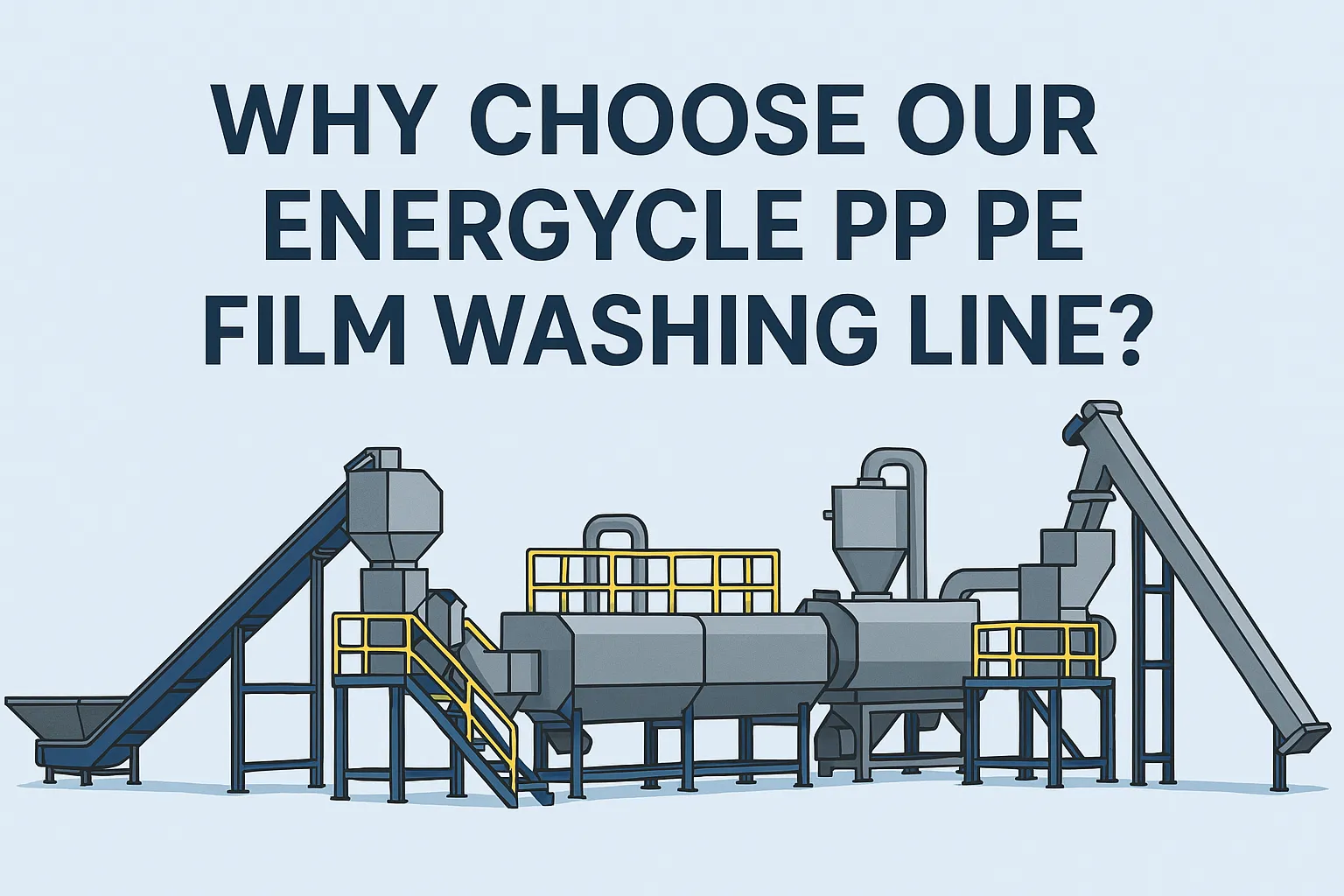
A PP/PE film mosóvonalt a nyersanyag és a készen álló termék körül kell konfigurálni, nem egy szabványos eszközlistán. A film forrása, polimer keverék, föld, címkék, nedvesség, nyomtatás és szükséges kimenet meghatározza az indulási, szétválasztási, vágási, mosási, szétválasztási, szárítási és víztisztítási fázisokat. A kapacitás és a költség csak akkor válik jelentőssé, ha ezek az feltételek bekerülnek az árajánlatba.
Kezdje a nyersanyaggal és a eladható termékkal
A kereskedelmi célú húrozott csomagolófólia, a vegyes csomagolófólia, az agrár fólia és a szövetes PP táskák különböző terheket rónak egy vonalra. Jegyezze fel a tömb sűrűségét, a szabad nyersanyag jellemzőit, a polimer összetételt, a szennyeződést, a nedvességet, a fémeket, a papírt, az organikus anyagokat és az évszakos változásokat. Ezután határozza meg, hogy a folyamat következő szakasza tiszta granulátumot, szűrő agglomerátumot vagy granulizálásra előkészített anyagot igényel-e.
Ha a nyersanyagkeverék még nem ismert, először tekintse meg PE film típusok és tisztítási követelményeik. A termék specifikációban meg kell adni a szennyeződés, nedvesség, részecskeszám és bármely polimer-elválasztási követelmény tesztelési módszereit és mintavételezési pontjait.
Általános folyamatmodulok és azok igénybevétele
| Modul | Cél | Kérdések kiválasztása |
|---|---|---|
| Bála nyitása és irányított adagolás | Oldja fel a tömörített filmet és stabilizálja a terhelést a későbbi gépek számára. | Kocka alakú, tömeges sűrűség, kézi szortírozási igények és idegen tárgy veszélye. |
| Előszortírozás és fémmegállapítás | Eltávolítja az eszközök károsodását vagy a kimenet szennyezését előidéző nem megfelelő anyagokat. | Polimer keverék, fémek, merev műanyagok, papír és veszélyes tárgyak. |
| Szalagvágás vagy tördelés | Létrehoz egy kezelhető méretet a mosás és szétválasztáshoz. | Film rugalmassága, csomagolási hajlama, szennyeződés, kívánt méret és nedves-száraz működés. |
| Előmosás és dörzsölőmosás | Oldja le a szabad földet, címkéket, maradványokat és felületi szennyeződéseket. | Szennyeződés típusa, mosási intenzitás, vízminőség és kopás. |
| Úszó-mosogató elválasztás | Leválasztja a lebegő PP/PE-t sok sűrű szennyeződéstől. | Film forma, tartály tartózkodási ideje, leöblítés és aljbevezetési terhelés. |
| Öblítés | El távolítja a kiszabadult szennyeződést és, ha alkalmazott, a mosó kémiai anyagot. | Kimeneti követelmény, vízcsapadék és maradék szűrés irányítása. |
| Mechanikai víztelenítés és nyomásos szűrés | El távolítja a szabad vizet és lehetségesen sűrűsíti a kis tömegű filmeket. | Bejárati konzisztencia, szükséges kezelési forma és a következő extruder. |
| Levegős vagy hőszárítás | További nedvességtartalom csökkentést biztosítja, ha a folyamat folytatásához szükséges. | Mértésmód, klíma, energiaforrás és végleges tárolás. |
| Vízkezelés | Folyamatvíz minőségének fenntartása és a szilárd anyagok, olaj és lepedék kezelése. | Szennyezőanyag terhelés, újrahasznosítási cél és helyi kiáramlási feltételek. |
Hogyan hasonlítsuk össze a megadott kapacitást
Ne csak a névleges kg/h számot hasonlítsuk össze. Kérdezzük meg, hogy a kapacitást szennyezett bevitelként, nedves köztes anyagként vagy száraz eladható kimenetként mérik-e. Kérjük az elvárt bevitel összetételét, működési időt, elérhetőséget, elutasítási arányt és kimeneti specifikációt. A sűrű, tiszta ipari film viselkedése különböző lesz a nedves mezőgazdasági filmmel, még akkor is, ha mindkettőt PP/PE néven nevezik.
Minden modulnak azonos tervezési alapra kell rendelkeznie. A szortírozás, tartályok, víztelenítés, szállítás, víztisztítás és csomagolás korlátozhatja a vonalat, még akkor is, ha a zúzó felesleges kapacitással rendelkezik. A pufferelés segíthet a rövid ingadozások kezelésében, de nem korrigálja a folyamatosan alultervezett szakaszt.
Vizes zúzás vagy száraz zúzás
A vizes zúzás kombinálhatja a méretcsökkentést az első tisztítással és anyag szállítással. A száraz zúzás kizárja a vizet ebből a szakaszból, de megfelelő por, hő és szállítási kontrollokat igényel. A döntés befolyásolja a kopást, a vízmennyiséget, a padló elrendezését és a későbbi tisztítást. Lásd részletes összehasonlításunkat a vizes és száraz zúzásról PE film tisztítási vonalban.
Szárítás és sűríté
A film víztartalmat tart a redőkben, és nehezen adható be alacsony tömörűségi sűrűség esetén. Egy mechanikai szárító eltávolítja a szabad vizet; egy nyomógép további vizet távolíthat el a tömörítés közben; levegő vagy hőszárítás következik, ha az output specifikáció ezt igényli. Nincs egyetlen nedvességtartalom, amely minden film keverékre és mérésmódra alkalmazható.
Határozza meg, hol és milyen gyorsan vesznek mintákat, mely eljárást alkalmazzák, és milyen anyagbeviteles feltételek érvényesek. Ellenőrizze, hogy a sűrített anyag megfelel-e a tervezett extruder számára, ne csak az megjelenést tekintse elfogadási kritériumként.
Mik azok, amelyek meghatározzák a projekt költségeit
Az eszköz ára a teljesítmény alapján változik, a szennyezettség, a szétválasztási és mosási fázisok száma, az építőanyagok, kopásvédelem, automatizálás, víztisztítás, szárítás terhe és helyi mérnöki munka miatt. A teljes projekt költségei között szerepelhetnek a szállítási költségek, alapok, acélmunka, emelés, csővezeték, kábelezés, áramellátás, melegellátás, szennyvízkezelés, üzembe helyezés, képzés és kezdeti alkatrészek is.
Az üzemeltetési költségeket helyi áram, meleg, víz, kémiai anyag, munkaerő, kopásalkatrész és hulladékkezelési feltételek alapján kell modellezni. Az eredmény is ugyanolyan fontos: egy olcsó vonal, amely használható anyagot küld el a kihulladások közé vagy instabil kimenetet termel, magasabb költséget eredményezhet a eladható termék tonnánkénti költsége.
Árajánlat és elfogadási ellenőrző lista
- Kivonatokat és alapanyagösszetételt tartalmazó minták.
- Bevezetési áramlás és garantált eladható kimenet külön állítva.
- Kimeneti specifikáció, mintavételezési eljárás és lefelé irányuló felhasználás.
- Teljes berendezés, vezérlés, víztisztítás és használati határ.
- Elrendezés, helyi feszültség, klíma, védőberendezések és megfelelési követelmények.
- Tesztanyag és időtartam a teljesítmény elfogadásához.
- Képzés, dokumentáció, alkatrészek, garancia és szolgáltatási kör.
Egy teljes vonal folyamatjavaslatát megtalálja a PP/PE film szalagoló és tömítési vonal oldal.
Gyakran ismételt kérdések
Milyen kapacitás megfelelő egy PP/PE film mosó vonalnak?
Az elérhető alapanyagok, szennyezettség, eladható kimenet szükséges mennyisége, üzemidő, energiaellátás és a lefelé irányuló kereslet határozza meg. Határozd meg az output kapacitást a megállapodott anyagfeltételek alapján a gépméret kiválasztása előtt.
Minden filmmosó vonalnak szüksége van forró mosásra?
A hőmérséklet és kémiai értékek indokoltsága a szennyezettség és a termék specifikációja szerint kell legyen. Ezek növelik a mosás, az energia és a víztisztítási követelményeket is.
A film szűrő helyettesíti a mosást vagy szétválasztást?
Nem. A szűrő eltávolítja a vizet és sűrűsíti a előkészített filmet. Nem távolítja el a szennyeződéseket, amelyeket felforgatni, mosni vagy szétválasztani kellett volna előre.
Források és további olvasmányok
- Plastik Reciklálók Egyesülete: PE rugalmas tervezési iránymutatások
- CEFLEX: Újrahasznosíthatósági irányelvek
- RecyClass: Tesztelési protokollok
Kérjen konfigurációs áttekintést
Küldje el az Energycle képviselőnek a nyersanyag információit, a szükséges kimenetet, a működési ütemtervet, az energiaforrásokat és a helyszín korlátait. Mi megtervezzük a szükséges modulokat, a kapacitási alapokat és a beszállítási határokat a projekt árajánlatának készítése előtt.
