

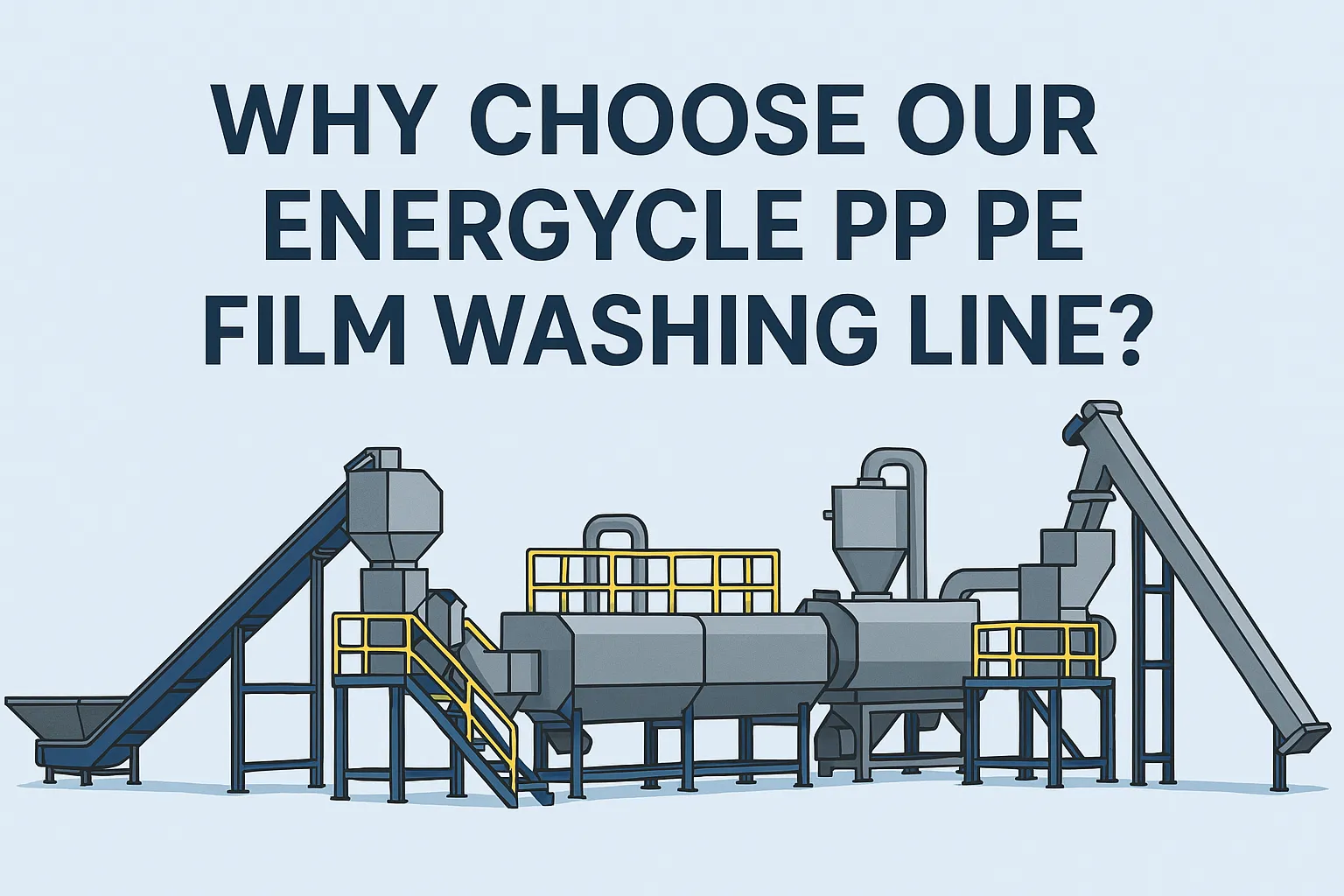
Una linea di lavaggio di pellicola PP/PE dovrebbe essere configurata attorno al materiale di partenza e al prodotto finale, non una lista di attrezzature standard. La fonte di pellicola, il miscuglio di polimero, lo sporco, le etichette, l'umidità, la stampa e l'output richiesto determinano le fasi di apertura, ordinamento, taglio, lavaggio, separazione, asciugatura e trattamento dell'acqua. La capacità e il costo diventano significativi solo dopo che queste assunzioni sono state scritte nella quotazione.
Inizia con il materiale e il prodotto vendibile
La pellicola di imballaggio estensibile post-commerciale, il film di imballaggio misto, il film agrico e le sacche tessute di PP impongono carichi diversi su una linea. Registrare la densità del fieno, le caratteristiche del materiale spargibile, la composizione polimerica, lo sporco, l'umidità, i metalli, la carta, gli organici e le variazioni stagionali. Poi definire se il processo a valle richiede scaglie pulite, agglomerati schiacciati o materiale preparato per la granulazione.
Se la miscela di materia prima non è ancora compresa, prima esaminare Tipi di pellicola PE e i loro requisiti di lavaggio. La specifica del prodotto dovrebbe indicare i metodi di test e il punto di campionamento per la contaminazione, l'umidità, la forma delle particelle e qualsiasi requisito di separazione polimerica.
Moduli di processo tipici e quando sono necessari
| Modulo | Scopo | Domande di selezione |
|---|---|---|
| Apertura dei balle e alimentazione controllata | Rilassa la pellicola compatta e stabilizza il carico per le macchine a valle. | Forma delle balle, densità specifica, necessità di sorteggio manuale e rischio di oggetti estranei. |
| Pre-sorteggio e controllo dei metalli | Rimuove i materiali incompatibili prima che danneggino l'equipaggiamento o contaminino l'output. | Miscela di polimero, metalli, plastiche rigide, carta e oggetti pericolosi. |
| Taglio o triturazione | Crea una dimensione gestibile per il lavaggio e la separazione. | Tessura del film, tendenza alla involuzione, sporco, dimensione desiderata e operazione umido-su asciutto. |
| Pre-lavaggio e lavaggio a sfregamento | Rilascia lo sporco libero, etichette, residui e contaminazione superficiale. | Tipo di contaminazione, intensità del lavaggio, qualità dell'acqua e usura. |
| Separazione galleggiante-affondante | Separa il PP/PE galleggiante da molti contaminanti densi. | Forma del film, residenza del serbatoio, rimozione della superficie e scarico di fondo. |
| Risciacquo | Rimuove la contaminazione rilasciata e, se utilizzato, la chimica di lavaggio. | Requisito di uscita, cascata d'acqua e controllo del trasporto. |
| Dessiccamento meccanico e schiacciamento | Rimuove l'acqua libera e può densificare il film a bassa densità volumica. | Coerenza del materiale di alimentazione, forma di gestione richiesta e estrusore a valle. |
| Asciugatura a aria o termica | Fornisce una ulteriore riduzione dell'umidità quando il processo a valle lo richiede. | Metodo di misurazione, clima, fonte di energia e stoccaggio finale. |
| Trattamento dell'acqua | Mantiene la qualità dell'acqua di processo e gestisce solidi, oli e fanghi. | Carico di contaminanti, obiettivo di riutilizzo e condizioni di scarico locale. |
Come confrontare la capacità dichiarata
Non confrontare solo un valore nominali kg/h. Chiedere se la capacità è misurata come input contaminato, materiale intermedio umido o output vendibile asciutto. Richiedere la composizione del materiale di alimentazione presunta, il tempo di funzionamento, la disponibilità, il tasso di rifiuto e la specifica di output. La pellicola post-industriale densa e pulita si comporterà diversamente dalla pellicola agricola umida, anche se entrambe vengono chiamate PP/PE.
Ogni modulo deve supportare la stessa base di progetto. La manodopera di sorteggio, i serbatoi, la dewatering, il trasporto, il trattamento dell'acqua e il confezionamento possono limitare la linea anche se il frantumatore ha capacità di riserva. La buffering aiuta a gestire fluttuazioni brevi ma non corregge una fase continuamente sottodimensionata.
Frantumazione umida o frantumazione asciutta
La frantumazione umida può combinare la riduzione delle dimensioni con la pulizia iniziale e il trasporto del materiale. La frantumazione asciutta mantiene fuori dall'acqua quella fase ma richiede controlli adeguati per la polvere, il calore e il trasporto. La decisione influisce sull'usura, il carico idrico, la disposizione del pavimento e la pulizia a valle. Vedi la nostra comparazione dettagliata di frantumazione umida e asciutta in una linea di lavaggio pellicola PE.
Secchezza e densificazione
Il film trattiene acqua in pieghe e è difficile da alimentare a bassa densità volumetrica. Un essiccatore meccanico rimuove l'acqua libera; un estrattore può rimuovere ulteriore acqua while compattando il materiale; può seguire l'essiccazione aerea o termica quando la specifica di uscita lo richiede. Non esiste una percentuale di umidità singola applicabile a ogni miscela di film e metodo di misurazione.
Definire dove prelevare i campioni, la velocità con cui vengono testati, quale procedura viene utilizzata e quali condizioni di alimentazione si applicano. Verificare anche se il materiale densificato è adatto per l'estrusore pianificato piuttosto che trattare l'apparenza come l'unico criterio di accettazione.
Cosa determina il costo del progetto
Il prezzo dell'attrezzatura varia in base al volume di produzione, alla contaminazione, al numero di fasi di separazione e lavaggio, ai materiali di costruzione, alla protezione dall'usura, all'automazione, al trattamento dell'acqua, all'essiccazione, all'ingegneria specifica del sito. Il costo totale del progetto può includere anche il trasporto, le fondamenta, la struttura metallica, il sollevamento, le tubature, il cablaggio, la distribuzione di energia, il riscaldamento, le opere di fognatura, la messa in servizio, la formazione e le parti di ricambio iniziali.
Il costo operativo dovrebbe essere modellato con ipotesi locali di elettricità, calore, acqua, chimica, lavoro, parti di usura e smaltimento. La resa è altrettanto importante: una linea economica che invia materiale utilizzabile ai rifiuti o che produce un output instabile può avere un costo per tonnellata di prodotto vendibile più alto.
Checklist di preventivo e accettazione
- Esempi rappresentativi e gamma di composizione del materiale di partenza.
- Tasso di input e output garantito vendibile specificati separatamente.
- Specifiche di output, procedura di campionatura e utilizzo a valle.
- Impianto completo, controlli, trattamento dell'acqua e confine delle utenze.
- Pianificazione, tensione locale, clima, protezione e requisiti di conformità.
- Materiale di prova e durata per l'accettazione delle prestazioni.
- Formazione, documentazione, ricambi, garanzia e ambito di servizio.
Un progetto proposto per una linea completa è disponibile su linea di triturazione e densificazione di pellicole PP/PE pagina.
Domande frequenti
Quale è la capacità giusta per una linea di lavaggio di pellicole PP/PE?
Dipende dal materiale di alimentazione disponibile, dalla contaminazione, dalla quantità di output vendibile richiesta, dal calendario di funzionamento, dalle utenze e dalla domanda a valle. Definire la capacità di output in base alle condizioni materiali concordate prima di selezionare le dimensioni della macchina.
Ogni linea di lavaggio di pellicola PP/PE necessita di un lavaggio a caldo?
No. La temperatura e la chimica devono essere giustificate dalla contaminazione e dalla specifica del prodotto. Incrementano anche le esigenze di lavaggio, energia e trattamento dell'acqua.
Un estrattore di pellicola sostituisce il lavaggio o la separazione?
No. Un estrattore rimuove l'acqua e densifica la pellicola preparata. Non rimuove la contaminazione che dovrebbe essere stata ordinata, lavata o separata in precedenza.
Fonti e ulteriori letture
- Association of Plastic Recyclers: PE Flexible Design Guidance
- CEFLEX: Linee Guida sulla Riciclabilità
- RecyClass: Protocolli di Test
Richiesta di revisione della configurazione
Inviare informazioni sul materiale di alimentazione rappresentativo, output richiesto, orario di funzionamento, utilità e vincoli del sito. Possiamo mappare i moduli necessari, il fondamento di capacità e i limiti di fornitura prima di preparare la quotazione del progetto.
