

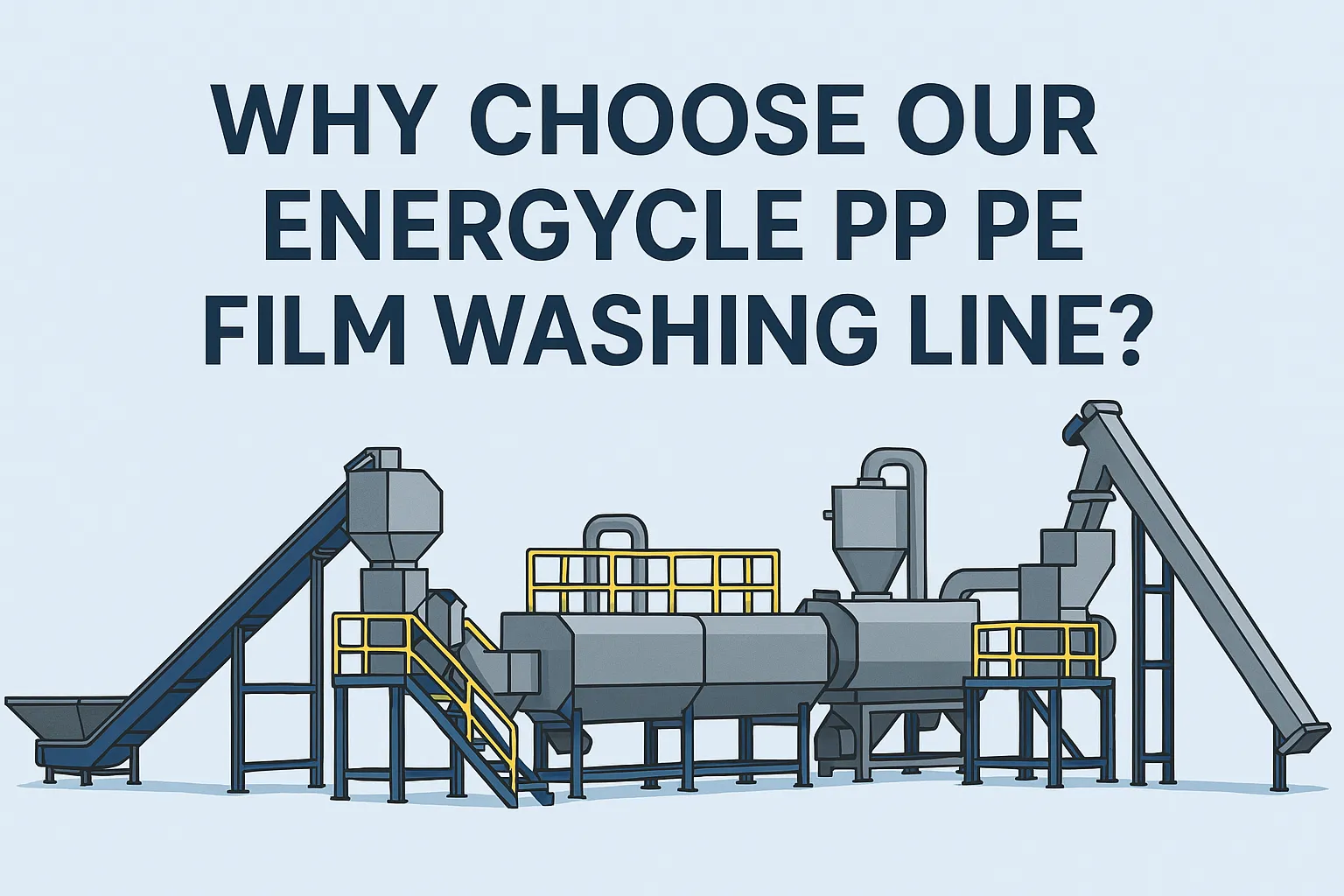
Eine PP/PE-Filmspülanlage sollte um den Rohstoff und den nachgelagerten Produktumgang konfiguriert werden, nicht um eine Standardausrüstungsliste. Filmquelle, Polymermischung, Erde, Etiketten, Feuchtigkeit, Druck und erforderlicher Ausgang bestimmen die Öffnungs-, Sortier-, Schnitt-, Spül-, Trenn-, Trocknungs- und Wasserbehandlungsstufen. Kapazität und Kosten werden erst nach diesen Annahmen in der Angebotsberechnung sinnvoll.
Beginnen Sie mit dem Material und dem verkaufsfähigen Produkt
Post-kommerzielle Stretchfolie, gemischte Verpackungsfolie, Agrarfolie und gewebte PP-Bäume belasten eine Anlage unterschiedlich. Protokollieren Sie Ballendichte, Eigenschaften loser Materialien, Polymerzusammensetzung, Schmutz, Feuchtigkeit, Metalle, Papier, organische Stoffe und saisonale Schwankungen. Definieren Sie dann, ob der nachgelagerte Prozess saubere Pellets, komprimierte Agglomerate oder Material für die Pelletisierung benötigt.
Wenn die Rohstoffmischung noch nicht verstanden wird, überprüfen Sie zunächst PE-Filmarten und ihre Spülanforderungen. Die Produktbeschreibung sollte die Testmethoden und Probenahmepunkte für Kontamination, Feuchtigkeit, Partikelform und alle Polymer-trennenden Anforderungen angeben.
Typische Prozessmodule und wann sie benötigt werden
| Modul | Zweck | Auswahlfragen |
|---|---|---|
| Bündel öffnen und kontrollierte Fütterung | Entspannt komprimierte Folie und stabilisiert die Last für nachfolgende Maschinen. | Bündelform, Schüttgutdichte, Bedarf an manueller Sortierung und Fremdkörpergefahr. |
| Vorsortierung und Metalleinsatzkontrolle | Entfernt inkompatible Materialien, bevor sie die Ausrüstung beschädigen oder die Ausgangsqualität verschlechtern. | Kunststoffmischungen, Metalle, harte Kunststoffe, Papier und gefährliche Gegenstände. |
| Zerkleinern oder Zerkleinern | Erzeugt eine handhabbare Größe für das Waschen und Trennen. | Filmhärte, Wicklungstendenz, Schmutz, gewünschte Größe und Feuchtigkeitsgehalt versus Trocknung. |
| Vorwaschen und Reibungswaschen | Löst lose Erde, Etiketten, Rückstände und Oberflächenkontaminationen ab. | Verunreinigungstyp, Waschintensität, Wasserqualität und Abrieb. |
| Schwimm-Sink-Trennung | Trennt flottierende PP/PE von vielen dichten Verunreinigungen. | Filmform, Behälterverweilzeit, Entfernung von Oberflächenschmutz und Unterflüssigkeitsablauf. |
| Spülung | Entfernt freigesetzte Verunreinigungen und, falls verwendet, Waschchemie. | Ausgangsanforderung, Wasserkaskade und Übertragungskontrolle. |
| Mechanische Entwässerung und Zerkleinerung | Entfernt freies Wasser und kann die Dichte von niedrigem Volumengewichtsfilm verdichten. | Futterkonsistenz, erforderliche Behandlungsform und nachfolgender Extruder. |
| Luft- oder thermische Trocknung | Bietet zusätzliche Feuchtigkeitsreduzierung, wenn dies der nachfolgende Prozess erfordert. | Messungsmethode, Klima, Energieträger und Endlagerung. |
| Wasserbehandlung | Behält die Prozesswassertaugkeit bei und verwaltet Feststoffe, Öl und Schlamm. | Belastung mit Verunreinigungen, Ziel der Wiederverwendung und lokale Abfallentsorgungskonditionen. |
Wie man angegebene Kapazität vergleicht
Vergleichen Sie nicht nur eine nominale kg/h-Zahl. Fragen Sie, ob die Kapazität als kontaminierte Eingabe, feuchtes Zwischenmaterial oder trockenes verkaufsfähiges Endprodukt gemessen wird. Erfordern Sie die angenommene Futterzusammensetzung, Betriebszeit, Verfügbarkeit, Ablehnungsrate und Ausgangsspezifikation. Dichte, saubere Post-Industrie-Filme verhalten sich unterschiedlich zu feuchter landwirtschaftlicher Folie, selbst wenn beide PP/PE genannt werden.
Jedes Modul muss den gleichen Designgrundlage unterstützen. Sortierarbeit, Behälter, Entwässerung, Förderung, Wasseraufbereitung und Verpackung können die Linie limitieren, selbst wenn der Brecher überkapazitär ist. Pufferung hilft, kurzfristige Schwankungen zu managen, korrigiert aber nicht einen kontinuierlich unterschätzten Schritt.
Feuchtzerkleinern oder trockener Zerkleinerer
Feuchtzerkleinern kann die Kombination von Zerkleinerung mit initialer Reinigung und Materialtransport ermöglichen. Trockener Zerkleinerung hält Wasser aus dieser Stufe heraus, erfordert jedoch geeignete Staub-, Hitze- und Förderkontrollen. Die Entscheidung beeinflusst den Verschleiß, den Wasseraufwand, die Bodenlayout und die nachfolgende Reinigung. Sehen Sie sich unsere detaillierte Vergleichsübersicht an: Feucht- und Trockenzerkleinerung in einer PE-Filmspülanlage.
Trocknung und Verdichtung
Das Filmmaterial hält Wasser in Falten fest und ist bei niedriger Schüttgutdichte schwer zu füttern. Ein mechanischer Trockner entfernt freies Wasser; ein Presser kann zusätzliche Wasser entfernen und das Material komprimieren; bei spezifischen Ausgangsbedingungen kann eine Luft- oder thermische Trocknung folgen. Keine einzige Feuchtigkeitsprozentzahl gilt für jeden Filmmix und Messungsmethode.
Definieren Sie, wo Proben entnommen werden, wie schnell sie getestet werden, welche Verfahren verwendet werden und welche Fütterungsbedingungen gelten. Überprüfen Sie auch, ob das verdichtete Material für den geplanten Extruder geeignet ist, anstatt nur das Erscheinungsbild als einzigen Annahmekriterium zu behandeln.
Was beeinflusst den Projektkosten
Der Gerätepreis variiert je nach Durchsatz, Kontamination, Anzahl der Trenn- und Waschstufen, Baustoffen, Verschleißschutz, Automatisierung, Wasseraufbereitung, Trocknungsbelastung und spezifischer Ingenieurplanung. Der Gesamtkostenaufwand kann auch Fracht, Fundamente, Stahlbau, Heben, Rohrleitungen, Kabel, Stromverteilung, Wärmeversorgung, Abwasseranlagen, Inbetriebnahme, Schulung und Ersatzteile umfassen.
Die Betriebskosten sollten mit lokalen Strom-, Heizungs-, Wasser-, Chemikalien-, Arbeits-, Verschleißteil- und Abfallannahmen modelliert werden. Der Ertrag ist ebenfalls wichtig: Eine günstige Linie, die verwendbare Materialien in Abfälle oder instabile Ausgaben sendet, kann eine höhere Kosten pro Tonne verkaufsfähiges Produkt haben.
Angebots- und Annahmefragenliste
- Repräsentative Proben und Zusammensetzung des Rohstoffes.
- Eingangsrate und gewährleistete verkaufsfähige Ausgangsleistung getrennt angegeben.
- Ausgangsspezifikation, Probenahmeverfahren und nachgelagerte Verwendung.
- Komplettes Equipment, Steuerung, Wasseraufbereitung und Nutzungsrand.
- Anordnung, lokale Spannung, Klima, Schutzeinrichtungen und Einhaltungsvorschriften.
- Prüfmaterial und Dauer für Leistungszulassung.
- Schulung, Dokumentation, Ersatzteile, Garantie und Servicenumfang.
Ein Prozessvorschlag für eine vollständige Linie ist auf unserer PP/PE-Film Zerkleinerungs- und Verdichtungslinie Seite.
Häufig gestellte Fragen
Welche Kapazität ist für eine PP/PE-Film-Waschanlage geeignet?
Es hängt von der verfügbaren Rohstoffmenge, der Kontamination, der erforderlichen verkaufsfähigen Ausbeute, dem Betriebsplan, den Energieversorgungsanlagen und der Nachfrage der Nachverarbeitung ab. Definieren Sie die Auslastung unter den vereinbarten Materialbedingungen, bevor Sie die Maschengrößen auswählen.
Braucht jede Filtrationswaschanlage eine heiße Waschung?
Die Temperatur und Chemie sollten durch die Verschmutzungs- und Produkt specification gerechtfertigt werden. Sie erhöhen ebenfalls die Anforderungen an das Spülen, die Energie und die Wasserbehandlung.
Ersetzt ein Filmmischer die Reinigung oder Trennung?
Kein. Ein Pressgerät entfernt Wasser und verdichtet vorbereitete Folie. Es entfernt keine Verunreinigungen, die bereits in der Vorstufe sortiert, gewaschen oder getrennt worden sein sollten.
Quellen und weiterführende Lektüre
- Association of Plastic Recyclers: Konstruktionsleitfaden für flexible PE-Verpackungen
- CEFLEX: Recyclabilitätsrichtlinien
- RecyClass: Prüfprotokolle
Anfrage zur Konfigurationsprüfung
Senden Sie dem Vertreter von Energycle Informationen über den Rohstoff, erforderliche Ausgangsprodukte, Betriebsplan, Versorgungsanlagen und Standortbeschränkungen. Wir können die notwendigen Module, den Kapazitätsgrund und die Versorgungsengrenzen vor der Erstellung eines Projektangebots abstimmen.
