

Data przeglądane: 12 sierpnia 2026 roku. Statystyki produkcji i utylizacji PVC często są łączone z różnych źródeł, lat, regionów i definicji. Ta podręcznik oddziela globalne dane dotyczące wszystkich plastików od danych specyficznych dla programu europejskiego PVC i wyjaśnia, co mogą – i nie mogą – pokazywać poszczególne liczby.
Potwierdzone dane i ich zakres
| Metryczny | Rok odniesienia | Zgłoszona wartość | Zakres i ograniczenia |
|---|---|---|---|
| Globalna produkcja plastików | 2019 | 460 milionów ton | Wszystkie plastiki; szacunki OECD, nie tylko produkcja PVC |
| Globalny odpad plastikowy | 2019 | 353 miliony ton | Wszystkie plastiki; szacunki OECD |
| Ostatecznie przetworzony odpad plastikowy | 2019 | 9% | Wszystkie plastiki po stratach recyklingowych; nie jest to wskaźnik recyklingu PVC |
| Odpad plastikowy spalony | 2019 | 19% | Wszystkie plastiki; globalny model OECD |
| Odpad plastikowy składowany na wysypiskach | 2019 | Prawie 50% | Wszystkie plastiki; kategoria sanitarnego wysypiska w raportach OECD |
| Odpad plastikowy niewłaściwie utylizowany | 2019 | 22% | Wszystkie plastiki; niekontrolowane wyrzucanie, otwarte palenie lub wycieki |
| Odpad PVC przetworzony w ramach VinylPlus | 2025 | 765,972 ton | Ramowy program VinylPlus; nie dotyczy globalnego recyklingu PVC |
Źródła: OECD Globalny Outlook na Plastiki i VinylPlus Podsumowanie postępów 2026 roku podkreśla. Wartości są reprodukowane z ich oryginalnym zakresem, zamiast być łączone w nowy globalny wskaźnik PVC.
Dlaczego tutaj nie ma jednej aktualnej liczby “globalnej produkcji PVC”
Publiczne dane dotyczące PVC pochodzą z szacunków produkcji żywicy, prognoz popytu, zużycia polimerów, użycia przetwórców i danych handlowych. Mogą obejmować tylko surową żywicę lub obejmować związki i zawartość przetworzoną; różnią się również regiony i lata kalendarzowe. Raporty rynkowe często publikują szacunki bez pełnego dostępu do metody.
Defensywna wartość globalnej produkcji PVC powinna identyfikować organizację raportującą, rok, region, jednostkę, granice produktu oraz czy metoda jest dostępna. Bez tych pól, dokładnie wyglądająca wartość może wprowadzać w błąd porównania.
What the OECD numbers mean
OECD oszacowała, że roczna produkcja plastików wzrosła z 234 milionów ton w 2000 roku do 460 milionów ton w 2019 roku, podczas gdy odpady z plastiku zwiększyły się z 156 milionów ton do 353 milionów ton. Po uwzględnieniu strat recyklingu, zgłosiła, że 9% odpadów z plastiku zostało w końcu recyklingowane.
Te liczby dostarczają globalnego kontekstu dla plastików jako całości. Nie należy ich przedstawiać jako specyficznych dla PVC wskaźników produkcji, utylizacji lub recyklingu. PVC ma różne okresy życia produktów i zastosowania od krótkotrwałych polimerów opakowaniowych; produkty budowlane mogą być używane przez dziesięciolecia, więc roczna produkcja polimerów i roczna generacja odpadów z PVC nie są wymiennymi.
What the latest VinylPlus figure means
VinylPlus reports that 765,972 tonnes of PVC waste were recycled within its framework in 2025. Its public summary states that 58.8% was pre-consumer waste and 41.2% was post-consumer waste. The report is a current, auditable measure of the programme’s European activity.
Nie jest to całkowita ilość recyklingowanego PVC na całym świecie, całkowita ilość odpadów z PVC generowanych w Europie ani globalny wskaźnik recyklingu. Granice programu, uczestniczące kraje, weryfikacja danych oraz liczone strumienie powinny pozostać załączonymi, gdy liczba jest podawana.
PVC applications make waste timing difficult to compare
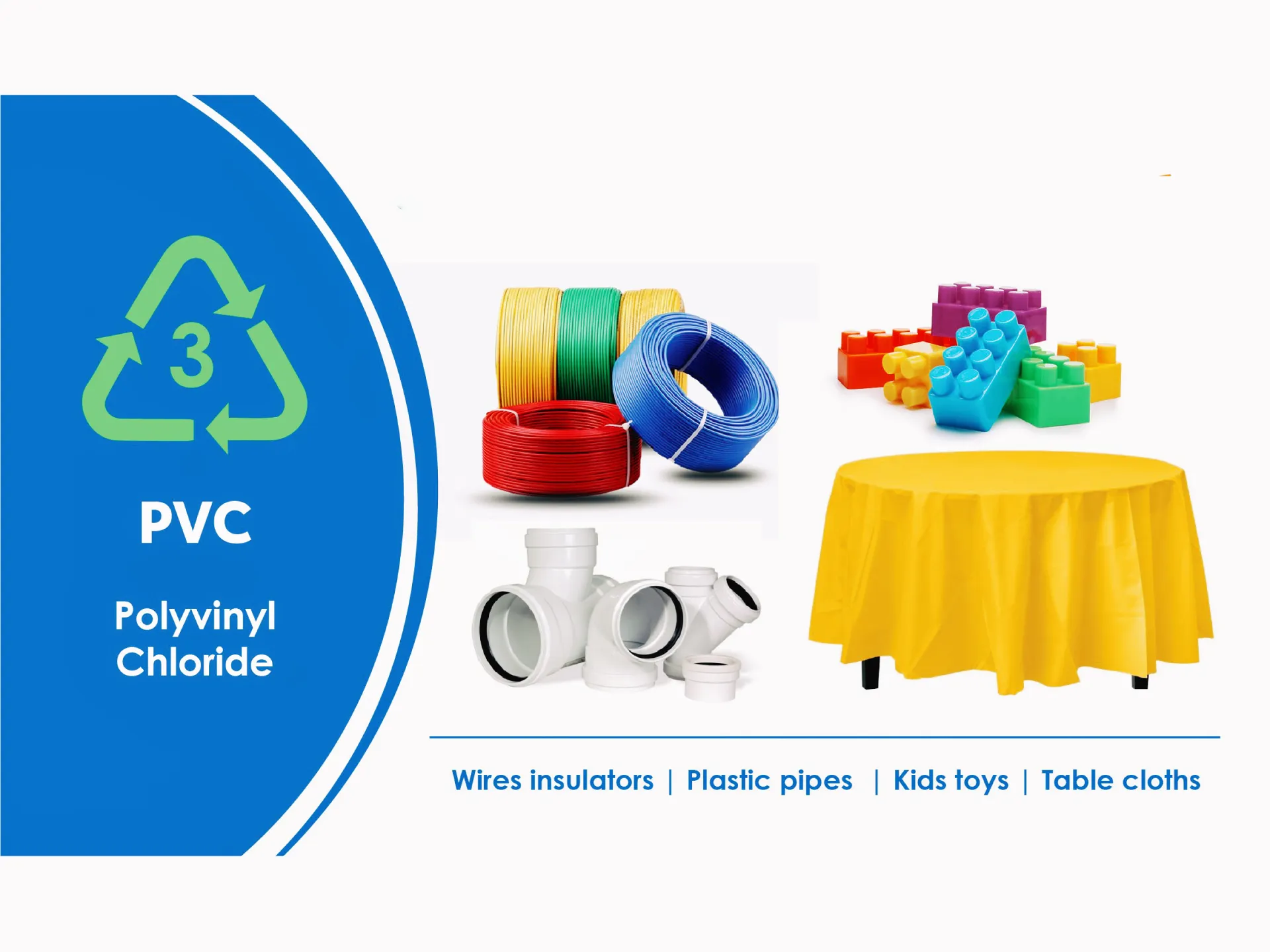
PVC jest używany w długowiecznych produktach budowlanych takich jak profile, rury, podłogi i kable, jak również w krótkotrwałych opakowaniach i produktach konsumenckich. Dodatki, wypełniacze, plastyfikatory, stabilizatory, kolory i kompozytowe konstrukcje różnią się w tych zastosowaniach.
Roczna produkcja nie staje się odpadem w tym samym roku. Przydatne badania przepływu materiałowego wymagają okresów eksploatacji produktów, importu i eksportu, zapasów w użyciu, działalności demontażowej i zbierania. Dlatego liczba produkcji nie powinna być bezpośrednio łączyona z bieżącą tonażem recyklingu, aby obliczyć procent recyklingu PVC.
Disposal terms must be defined
“Unieszkodliwianie” może oznaczać tylko składowanie na wysypisku, ale może być również używane luźno dla wszystkich materiałów niepodlegających recyklingowi. OECD oddziela recykling, spalanie, sanitarną składowisko i niewłaściwie zarządzany odpad dla swojego modelu wszystkich plastików z 2019 roku. Narodowe statystyki mogą używać różnych kategorii, zwłaszcza gdzie odzysk energii jest raportowany osobno.
Porównując dane PVC, sprawdź, czy spalanie obejmuje odzysk energii, czy eksportowany odpad jest przypisany do eksportującego lub importującego kraju oraz czy recykling jest mierzony przy zbieraniu, sortowaniu wejściowym lub akceptowanym wyjściu recyklingu.
Why PVC matters in PET bottle recycling
PVC jest kluczowym zanieczyszczaczem w recyklingu PET, ponieważ oba materiały często są raportowane do frakcji osadzającej w zbiorniku wodnym. Separacja gęstości może usunąć wiele pływających zamknięć z PE lub PP z osadzającego się PET, ale nie może niezawodnie oddzielić PVC od PET.
PVC can degrade under PET processing conditions and affect colour and material properties. The allowable level depends on the buyer, application and test method rather than one universal threshold. The Association of Plastic Recyclers’ PET rigid design guidance treats PVC components as detrimental to PET reclaiming.
See the separate technical article on zanieczyszczenie PVC w recyklingu butelek PET for detection and process controls.
How recyclers control PVC-containing streams
- Define the stream: utrzymuj butelki PET, profile PVC, rury, kable, podłogi i mieszane odpady sztywne pod osobnymi specyfikacjami wejściowymi, gdzie to praktyczne.
- Sort before shredding: usuń identyfikowalne produkty niecelowe, gdy są wystarczająco duże, aby je rozpoznać.
- Use validated detection: sortowanie za pomocą czujnika optycznego lub innego powinno być testowane pod kątem rzeczywistego koloru, kształtu, etykiet i przepustowości.
- Apply density separation correctly: używaj go do zgodnych par float/sink, nie jako dowód na to, że PET i PVC zostały oddzielone.
- Control additives and legacy products: zdefiniuj substancje ograniczone i zastosowania z nabywcą końcowym oraz odpowiednimi regulacjami.
- Test outputs: use a laboratory method and frequency that match the buyer’s specification.
Equipment does not make every PVC stream equivalent
A linia myjąca z tworzyw sztucznych może być skonfigurowany do określonego PVC lub mieszanej żywicy sztywnych, ale mycie usuwa zanieczyszczenia powierzchniowe, które są celem; nie usuwa różnic w polimerze, dodatkach lub historii produktu. Strumień profilu PVC sztywnego i kompozycji kabla PVC elastycznego może wymagać różnego sortowania, zmniejszenia rozmiaru, kontroli pyłu i wyjść.
Wybierz mielarkę, granulator, pralnię, separator i suszarkę tylko po udokumentowaniu materiału i końcowych specyfikacji. Zatrzymaj suchą masę bilansu surowca, odrzuconych materiałów i akceptowanego produktu, aby stwierdzenia dotyczące recyklingu odnosiły się do rzeczywistej wytworzonej ilości.
How to cite PVC statistics responsibly
- wymień oryginalnego wydawcę i podaj dokładny link do źródła;
- wskazuj rok odniesienia, region oraz zakres polimera;
- rozróżniaj produkcję, konsumpcję, generowanie odpadów, zbieranie oraz akceptowane surowce wtórne;
- state whether data are measured, reported by participants or modelled;
- nie przekształcaj tonażu programu w globalny wskaźnik recyklingu;
- pokaż datę ostatniej przeglądy tabeli danych.
Często zadawane pytania
Ile PVC produkuje się na całym świecie każdego roku?
Opublikowane szacunki różnią się w zależności od roku i granic produktu. Artykuł nie powtarza pojedynczej wartości bez bieżącego, przejrzystego źródła, które definiuje tworzywę sztuczne, kompozycje, zawartość recyklingu i geografię.
Czy wskaźnik recyklingu OECD 9% dotyczy recyklingu PVC?
No. It is the OECD’s estimate for all global plastic waste in 2019 after recycling losses, not a PVC-specific rate.
Czy zbiornik zanurzeniowy może oddzielić PVC od PET?
Nie solidnie, ponieważ oba zwykle toną w wodzie. Recyklingowe maszyny do PET wymagają sortowania wstępnego, potwierdzonego wykrywania oraz testowania wyjściowego w celu kontroli PVC.
Use scoped data in project decisions
Dla projektu recyklingu PVC dostarcz Energycle strumień produktu, region, roczną masę zebranych surowców, informacje o dodatkach oraz specyfikację kupującego. Statystyki mogą ustanowić kontekst, ale zdolność sprzętu i roszczenia dotyczące wyjścia muszą pochodzić z reprezentatywnych prób materiałowych.
