



Choosing the best blades for plastic recycling is one of the most critical decisions affecting operational uptime, maintenance costs, and flake quality. In high-throughput plastic size-reduction systems — including shredders, granulators, and crushers — the right blade steel balances wear resistance, impact toughness, edge geometry, and heat treatment to suit your specific feedstock.
Whether processing clean PET bottle flake, abrasive post-consumer film, or high-impact purgings, this engineering guide compares the primary tool steels (SKD-11, D2, DC53, and 55SiCr) and provides practical maintenance rules to maximize blade lifespan and reduce costly downtime.
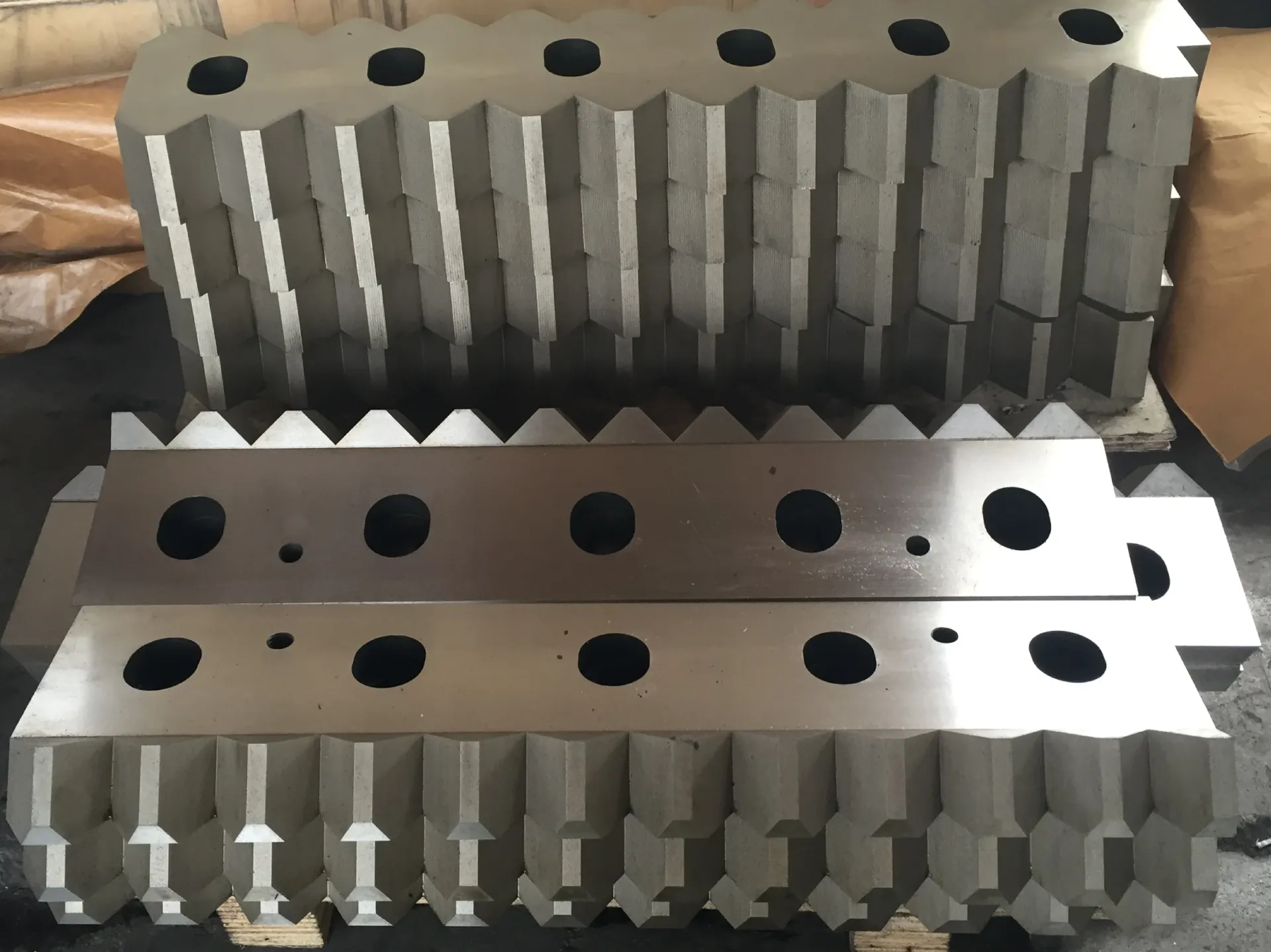
Quick Selection: Which Plastic Recycling Blade Should You Choose?
The “hardest” blade is not always the best choice. In recycling facilities, excessive hardness often leads to catastrophic edge chipping under tramp metal or heavy shock loads. A recycling plant needs the right balance of wear resistance, toughness, edge geometry, and heat treatment for its feedstock.
- Clean PET, HDPE, and PP: D2 ili SKD-11 usually gives strong wear resistance at a controlled cost when the feed is clean and magnetic separation happens before crushing.
- Mixed Rigid Scrap & Purgings: DC53 is often better for purgings, thick sprues, and hard lumps because it handles repeated impact and edge chipping significantly better than standard D2.
- Film, Raffia & Woven Bags: D2 ili SKD-11 works for clean film, while dirty post-consumer film needs stricter sharpening intervals and better washing or screening.
- Shock-Loaded Coarse Cutting: 55SiCr suits large knives and low-speed coarse shredding where toughness and fatigue resistance matter more than maximum edge life.
The Four Primary Blade Steels We Supply: D2 vs. SKD-11 vs. DC53 vs. 55SiCr
Plastic recycling knives usually fail through dulling, edge chipping, cracking, or mounting-hole wear. Steel grade matters, but heat treatment and knife geometry decide whether that steel performs as expected. For the metallurgy behind these grades — carbide structure, heat treatment, and why DC53 steel behaves differently from D2 — the table below summarizes the key trade-offs:
| Materijal | Tipična uloga | Key Strength | Ograničenje | Najbolje pristaje |
|---|---|---|---|---|
| SKD-11 | Cold-work tool steel (JIS standard close to D2 family) | Visoka otpornost na habanje i dimenzionalna stabilnost | Može se oštetiti čip pri snažnom udarcu | Čiste plastike, čestice plastičnih boca, kruti otpad |
| D2 | High-carbon, high-chromium tool steel (AISI) | Izvrsna otpornost na habanje za tu cijenu | Manja čvrstoća od udarno otpornih čelika | Opće oštrice za drobilice i noževi za drobilice |
| DC53 | Modified cold-work steel (higher toughness D2 upgrade) | Better toughness than D2 while keeping high hardness (60–62 HRC) | Viša cijena kupnje | Miješana plastika, izbacivanja, tvrde grudice, prljava sirovina |
| 55SiCr | Jesenja čelik za visoka udarna opterećenja | Dobra čvrstoća i otpornost na zamor | Manja otpornost na habanje od D2 ili DC53 | Veliki noževi, drobilice niske brzine, grubo rezanje |
| Tvrdokovni / obloženi | Posebno sredstvo za čišćenje nošenih leća | Duži vijek trajanja pri abrazivnom radu | Krhak ako je napajanje nestabilno ili je udar snažan | Struje ispunjene staklom, mineralima ili vrlo abrazivne |
Note: Material names vary by region. For reference, Sverker 21 is listed in the D2 / SKD 11 family, and general tool steel classifications describe D-series steels as high-carbon, high-chromium cold-work steels.
Birajte čelik za oštrice prema sirovini, a ne samo prema nazivu.
The same steel can perform differently in PET bottles, dirty film, purgings, or tire rubber. Start with the material stream and failure mode before changing blade grade:
- PET & HDPE Containers: D2 ili SKD-11 dobro funkcionira kad je hrana čista i kad uklanjanje metala uzvodno štiti drobilicu.
- Film & Raffia: Čisti film je lako upravljiv; pijesak, zemlja i vlaga brzo skraćuju vijek trajanja oštrice i zahtijevaju češće inspekcije.
- Rigid Purgings: DC53 vrijedi razmotriti kada se oštrice lome uslijed udarca, a ne troše se normalno.
- Tire & Rubber: Otpornost često znači više od ekstremne tvrdoće jer pukotine mogu oštetiti rotor i sita.
Geometrija oštrice, toplinska obrada i tvrdoća
Oštrica visoke tvrdoće i dalje može prerano otkazati ako rezni razmak, kut oštrice, moment zatezanja vijka ili brzina rotora ne odgovaraju materijalu.
- Kut kuke: Agresivni kvačci lakše izvlače mekane folije i šuplje boce, ali se mogu previše zabiti u debele ostatke.
- Relief Angle: Premalo olakšanja povećava trenje i toplinu; previše olakšanja slabi oštricu i može ubrzati ljuštenje.
- Knife Clearance: Usko razmak poboljšava kvalitetu reza, ali loše poravnanje može brzo oštetiti rotacijske noževe i fiksne noževe.
- Heat Treatment: Many plastic recycling blades run around 56–62 HRC, but the target depends on steel grade, blade size, and feedstock.
Blade Maintenance: Sharpening, Rotation, and Replacement Rules
Blade maintenance should follow operating signals, not guesswork. Track output rate, amperage, particle size, dust, vibration, and blade temperature:
| Signal / Symptom | Vjerojatni razlog | Korektivna akcija |
|---|---|---|
| Motorno opterećenje raste dok izlaz opada. | Tupe oštrice ili začepljena rešetka | Inspect cutting edges, screen, and rotor clearance |
| More fines, dust, or melted powder | Blades rubbing rather than cutting clean | Sharpen blades, adjust clearance, and inspect screen opening |
| Velike neujednačene čestice | Broken edge or excessive knife gap | Stop machine and inspect rotor and fixed knives |
| Čipovi na rubovima oštrice | Udarna oštećenja, kontaminacija metalom ili prekomjerna tvrdoća | Improve upstream metal removal; consider DC53 or geometry change |
| Ponovljeno otpuštanje vijaka | Vibration, worn knife seats, or incorrect torque | Provjerite površine za montažu i zamijenite oštećene pričvrsne elemente. |
Uskladite oštrice s cijelom reciklažnom linijom
A blade set lasts longer when upstream feeding, metal removal, washing, rotor design, and screen sizing work together:
- Recikliranje PET boca: Uparite oštrice za drobljenje s uklanjanjem etiketa pri ulazu, detekcijom metala i rasporedom pranja u Sustav recikliranja PET bočica.
- Film Recycling: Prljavi film i rafija zahtijevaju stabilnu predobradu u linija za rezanje i zagusinjenje PE/PP filma.
- Granulators & Crushers: Dizajn rotora, veličina sita i otvor za hranjenje na plastični granulator ili drobilica može biti jednako važno kao i razred čelika.
- Knife Grinding: An Automatska oštrilica noževa helps recycling plants control sharpening records, blade parallelism, and replacement timing.
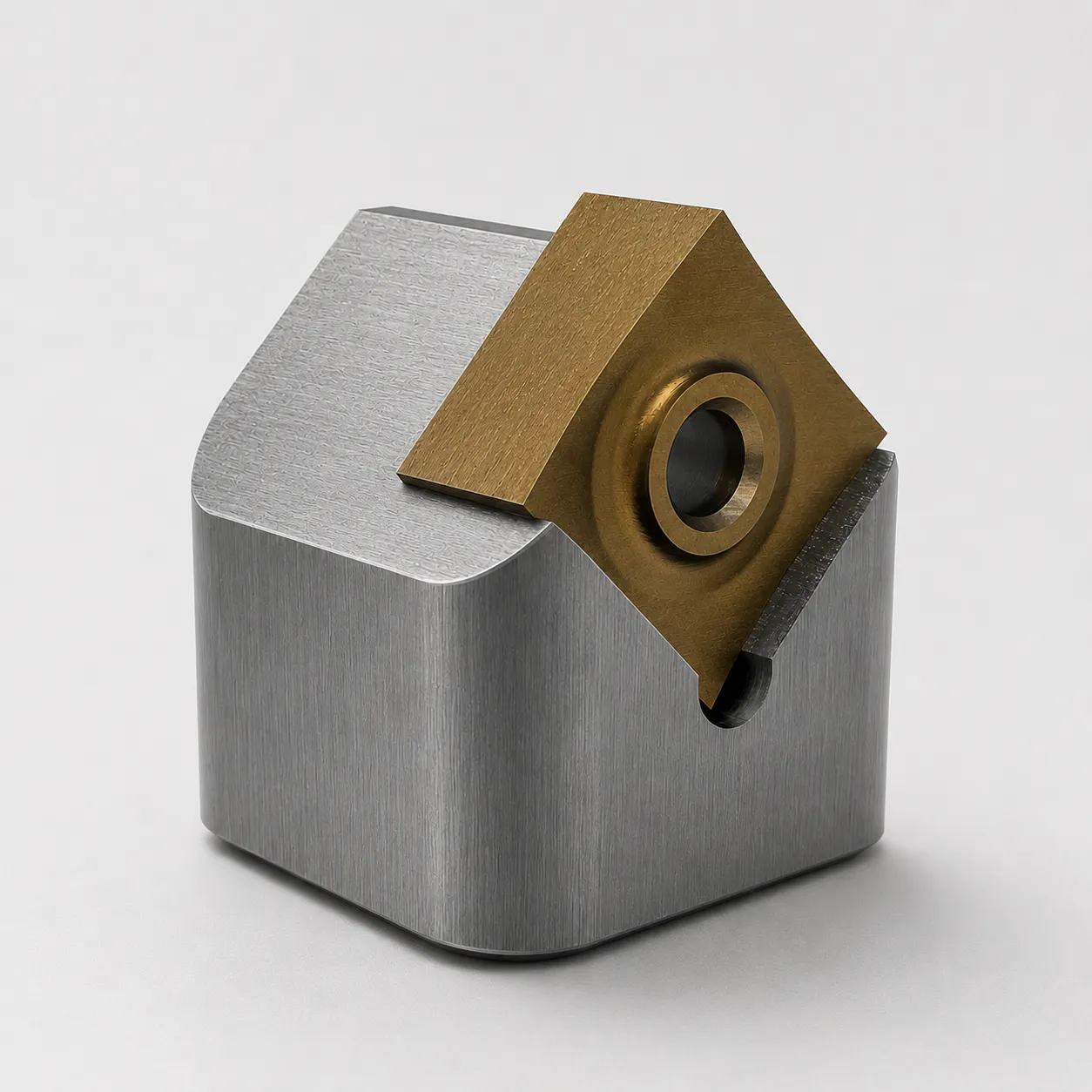
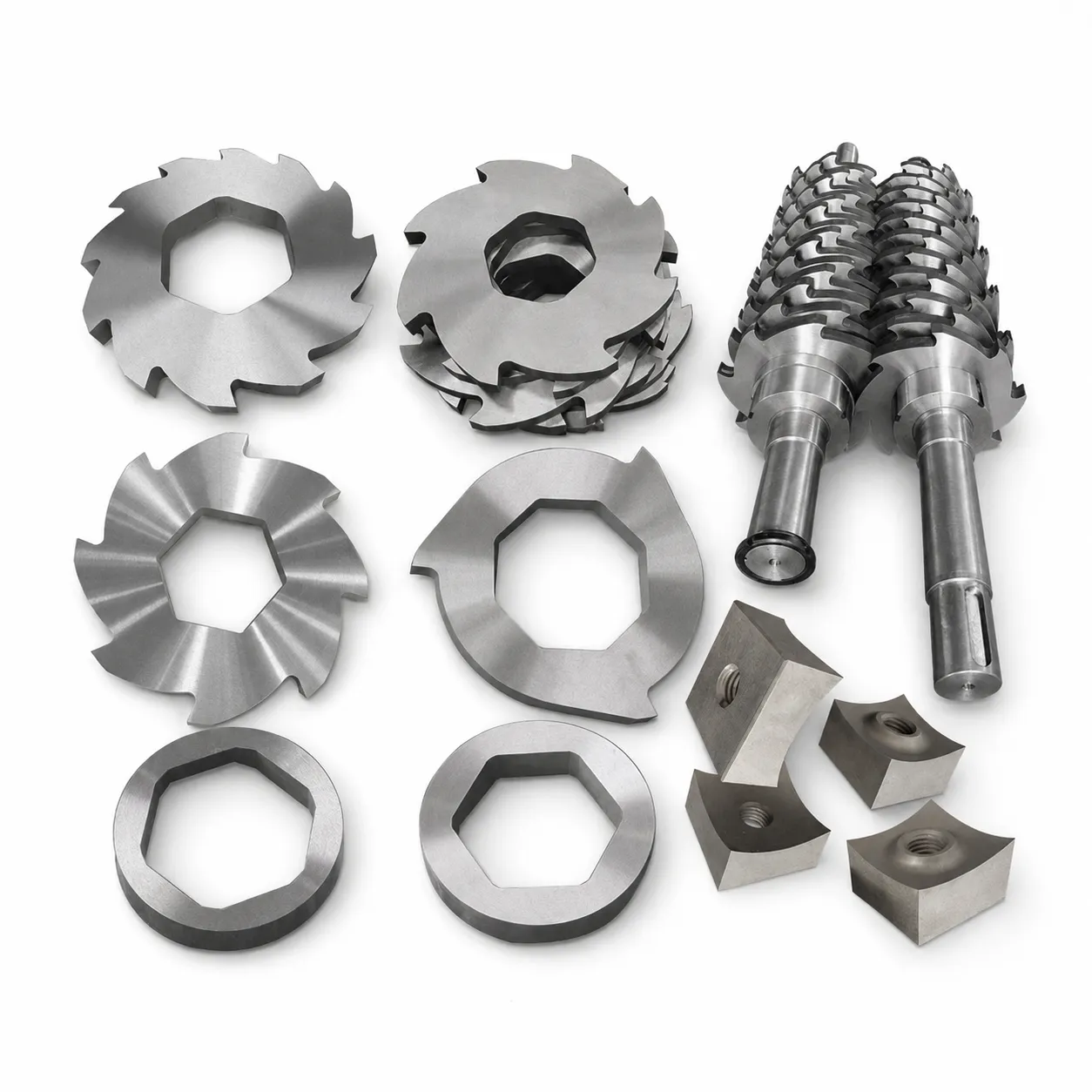
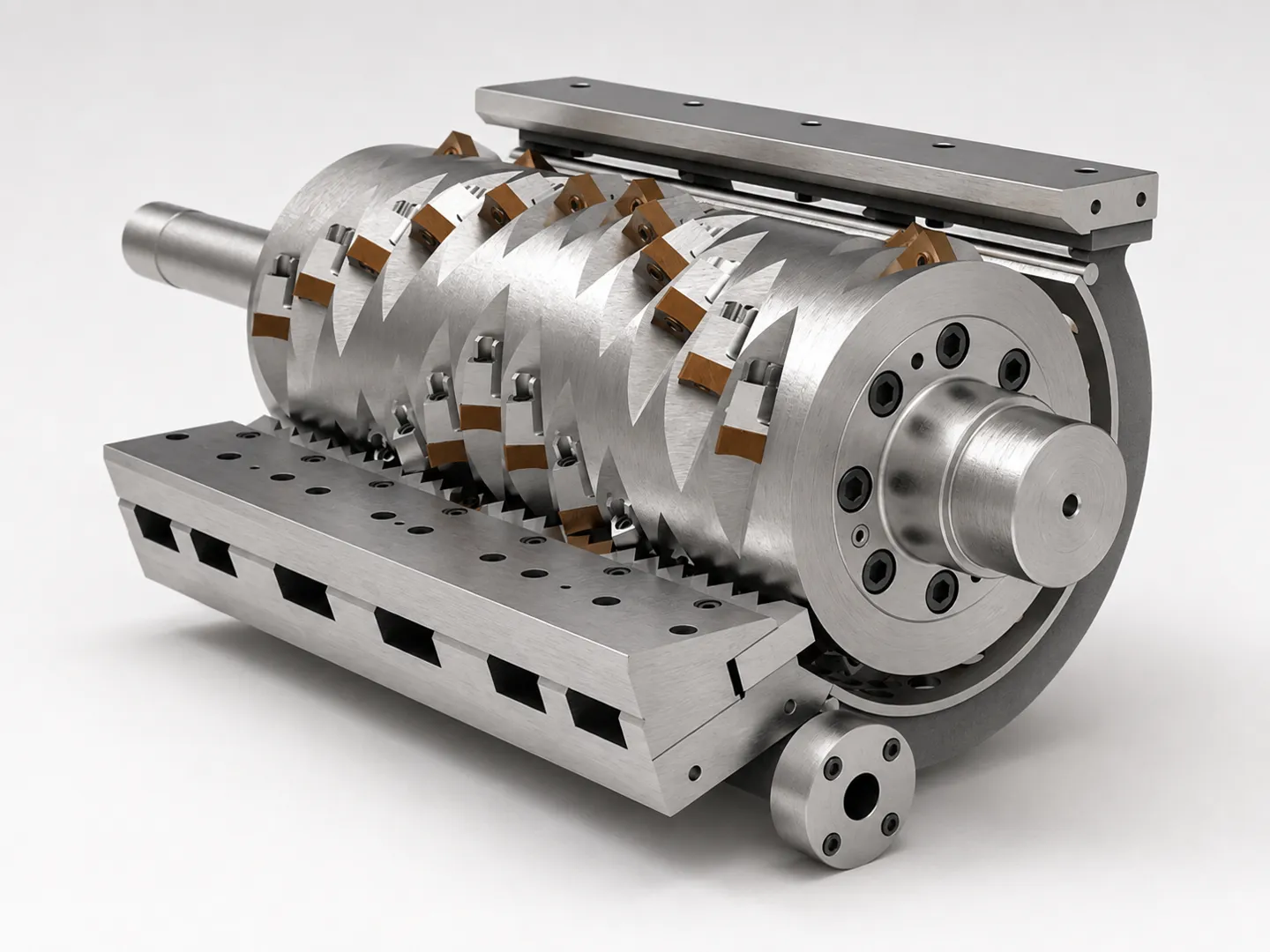
Product Gallery: Shredder Blades and Rotor Shafts
Reference views of shredder rotor knives, stationary bed blades, and heavy-duty rotor assemblies used in industrial plastic size-reduction machinery:
Često postavljana pitanja (FAQ)
Koji je najbolji materijal za noževe za reciklažu plastike?
Za opću reciklažu plastike, D2 ili SKD-11 obično je najpraktičniji izbor jer pruža snažnu otpornost na trošenje uz kontrolirane troškove. Za abrazivno ili teško opterećeno sirovište, DC53 je često bolji izbor jer bolje podnosi oštećenja.
Je li DC53 bolji od D2 za noževe drobilice?
DC53 je bolji od D2 kada oštrica podnosi ponovljene udarce, miješanu plastiku, tvrde grudice ili blagu kontaminaciju. D2 je i dalje prikladan za čist otpad plastike gdje je abrazija važnija od udarnog opterećenja.
Kakvu tvrdoću trebaju imati oštrice drobilice plastike?
Many plastic shredder and crusher blades run around 56–62 HRC after heat treatment. The right target depends on the steel, blade size, cutting geometry, and feedstock; pushing hardness too high can increase cracking risk.
Koliko često treba oštriti oštrice za reciklažu plastike?
Primjene s čistim folijama ili česticama boca mogu raditi stotinama sati prije oštrenja, dok nečiste folije, tkane vreće, gume ili plastika ojačana staklenim vlaknima mogu zahtijevati servis puno ranije. Pratite opterećenje motora, veličinu čestica i brzinu proizvodnje kako biste postavili interval.
Mogu li se stare oštrice drobilice popraviti ili ponovno naoštriti?
Da. Mnoge oštrice drobilica i usitnjivača mogu se nekoliko puta ponovno naoštriti ako montažne rupe, debljina i geometrija oštrice još uvijek ostaju unutar tolerancije. Zamijenite oštrice s pukotinama, teškim udubljenjima ili neujednačenim trošenjem koje mijenja razmak reza.
Trebate pomoć pri odabiru zamjenskih oštrica?
Pošaljite model stroja, crtež noža, fotografije sirovine i ciljnu veličinu izlaznog materijala. Energycle može uskladiti materijal noža, tvrdoću, geometriju reznog ruba i plan oštrenja s vašom linijom za recikliranje.
