

Quality Control & Safety
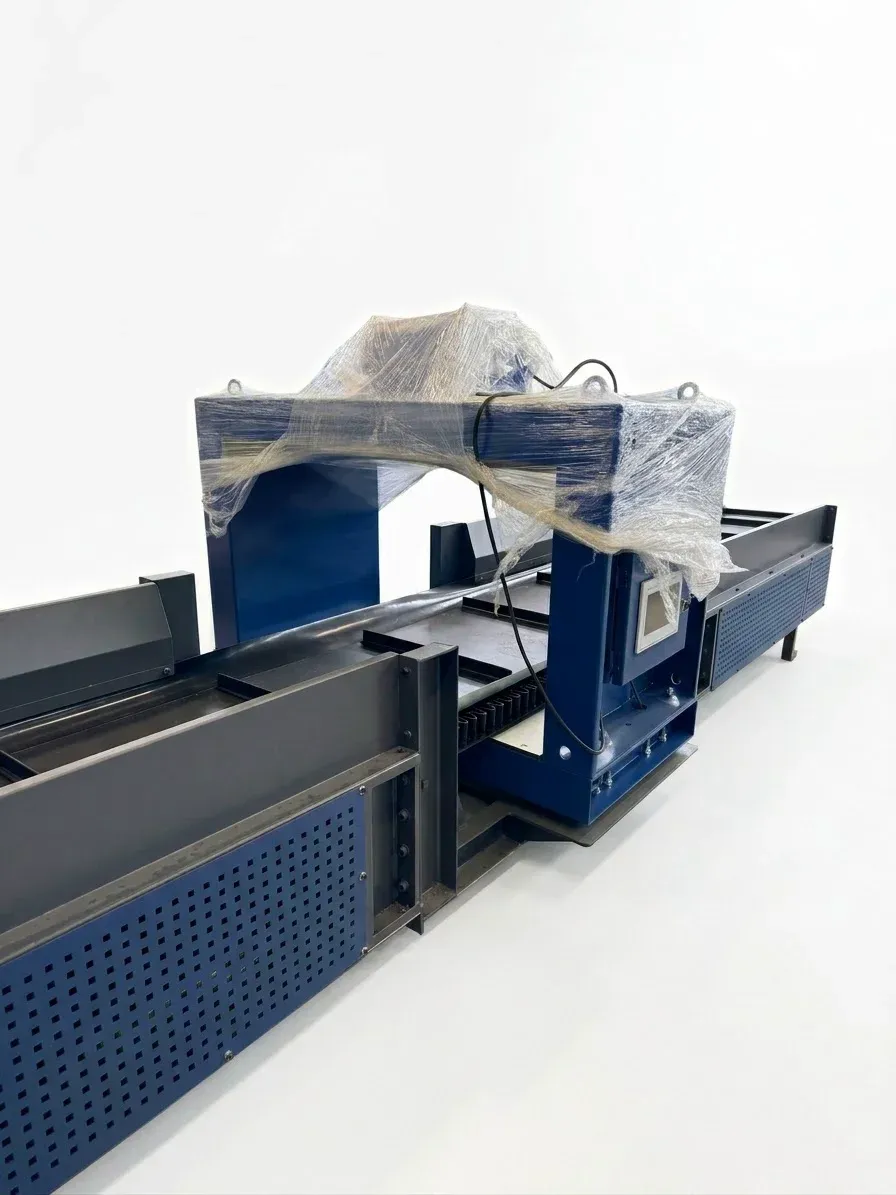
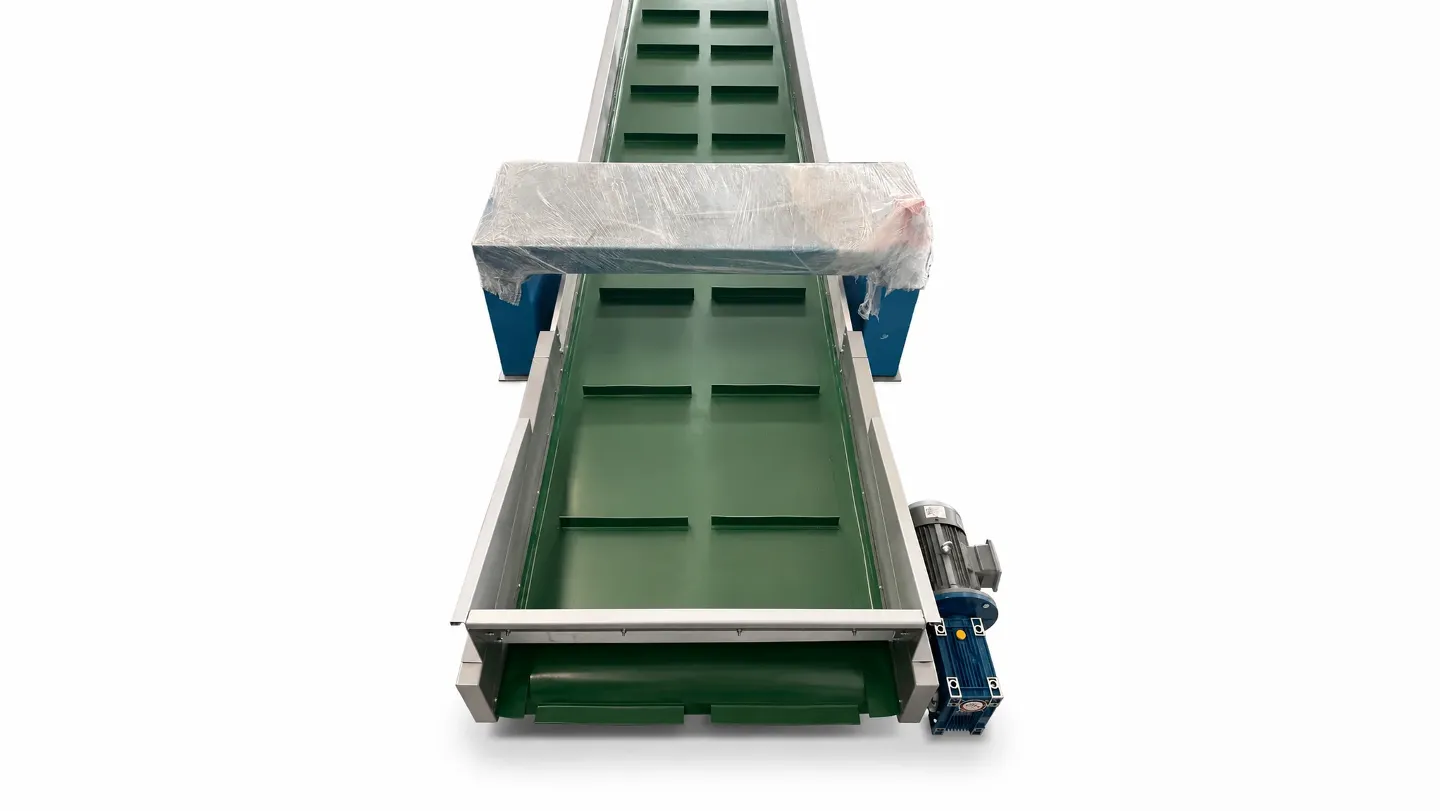
Metal Detector on Plastic Recycling Conveyor Belt
Protect downstream equipment and ensure product purity with advanced metal detection technology. Instantly identify ferrous, non-ferrous, and stainless steel contaminants in your plastic recycling stream with audio-visual alarms and optional automatic rejection systems.
Why Install a Metal Detector on Your Conveyor
Critical protection for expensive downstream machinery and consistent product quality in plastic recycling operations.
Equipment Protection
Prevents costly damage to shredders, granulators, extruders, and other processing equipment by detecting metal before it enters machinery.
Product Quality
Ensures output material meets purity standards, eliminating metal contamination that could affect end-product quality.
Multi-Metal Detection
Identifies ferrous metals such as iron and steel, non-ferrous metals such as aluminum, copper, and brass, plus stainless steel contaminants.
Real-Time Detection
Continuous monitoring at line speed with instant audio-visual alarms when metal contaminants are detected.
Minimize Downtime
Reduce unplanned maintenance stops and emergency repairs caused by metal contamination damaging equipment.
High Sensitivity
Detects even small metal fragments hidden within the plastic material flow, with final sensitivity depending on aperture size and metal type.
Easy Integration
Mounts directly onto existing conveyor systems with minimal modification and can integrate with reject mechanisms.
Data Logging
Track detection events, alarm history, and system performance for quality control and process optimization.
How Metal Detection Works
Electromagnetic field technology combined with alarms or automated rejection for reliable contamination control.
Material Flow
Plastic materials travel along the conveyor belt through the detector tunnel or aperture at normal processing speed.
Field Generation
The detector creates a balanced electromagnetic field across the conveyor belt width using precision coils.
Metal Detection
Any metal passing through disrupts the electromagnetic field. Sensors instantly detect this disturbance and trigger an alarm.
Alarm & Response
The system triggers an audio-visual alarm, or an optional rejection device diverts contaminated material.
Material Flow
Plastic materials travel along the conveyor belt through the detector tunnel or aperture at normal processing speed.
Field Generation
The detector creates a balanced electromagnetic field across the conveyor belt width using precision coils.
Metal Detection
Any metal passing through disrupts the electromagnetic field. Sensors instantly detect this disturbance and trigger an alarm.
Alarm & Response
The system triggers an audio-visual alarm, or an optional rejection device diverts contaminated material.
Applications in Plastic Recycling
Essential protection across every stage of the plastic recycling process.
Post-Collection Sorting
Detect metal contaminants in mixed plastic waste before sorting and washing processes to protect separation equipment.
Pre-Shredding Protection
Install before shredders and granulators to prevent blade damage, motor overload, and catastrophic equipment failure.
Post-Washing Verification
Verify material purity after washing operations, catching metal fragments released during the cleaning process.
Pre-Extrusion Quality
Final check before extruders and pelletizers to ensure only clean material enters high-value processing equipment.
Finished Product QC
Verify final pellet or flake output meets customer specifications and industry purity standards.
Bale Processing Lines
Monitor material as bales are opened and fed onto processing lines to catch wire, staples, and other metal debris.
Typical Metal Detector Configuration
Typical configurations for plastic recycling conveyor applications. Custom sizes and sensitivities are available.
| Parameter | Standard Configuration |
|---|---|
| Detection Aperture Width | 300 mm – 1500 mm, customizable |
| Detection Aperture Height | 80 mm – 300 mm, customizable |
| Belt Speed Compatibility | Up to 120 m/min |
| Ferrous Metal Sensitivity | Fe diameter 1.0 mm, depending on aperture size |
| Non-Ferrous Metal Sensitivity | Diameter 1.5 mm – 2.0 mm for aluminum, copper, and brass |
| Stainless Steel Sensitivity | SUS diameter 2.0 mm – 3.0 mm |
| Detection Method | Balanced coil electromagnetic induction |
| Power Consumption | Up to 200 W |
| Alarm System | Audio, visual, and relay output |
| Display Interface | LED or LCD touchscreen, model dependent |
| Operating Temperature | -10 C to 50 C |
| Frame Material | Stainless steel 304 |
Belt Conveyor Metal Detector Gallery
Reference views of the conveyor-mounted metal detector gate and belt conveyor configuration for plastic recycling lines.
Maintenance & Safety Considerations
Keep your metal detector operating at peak performance with regular maintenance and proper calibration.
Regular Inspections
Daily visual checks of detector housing, conveyor belt condition, and reject mechanism function. Weekly test piece verification.
Cleaning Routine
Clean detector aperture and conveyor belt regularly to prevent material buildup that could affect detection sensitivity.
Calibration Checks
Monthly calibration verification using certified test pieces. Re-calibrate after relocation or major repairs.
Operator Training
Ensure staff understand test procedures, alarm responses, and basic troubleshooting before operating the system.
Documentation
Maintain logs of detection events, calibration records, and maintenance activities for quality assurance and audits.
Safety Measures
Install emergency stops, safety guards around reject mechanisms, and clear signage for contamination collection areas.
Frequently Asked Questions
Configure Your Metal Detection System
Share your belt width, line speed, material type, and sensitivity requirements. Our engineers will recommend the right detector configuration for your application.
- Custom aperture size for conveyor width and material bed height
- Audio-visual alarm or optional automatic rejection
- Integration support for new or existing recycling lines