

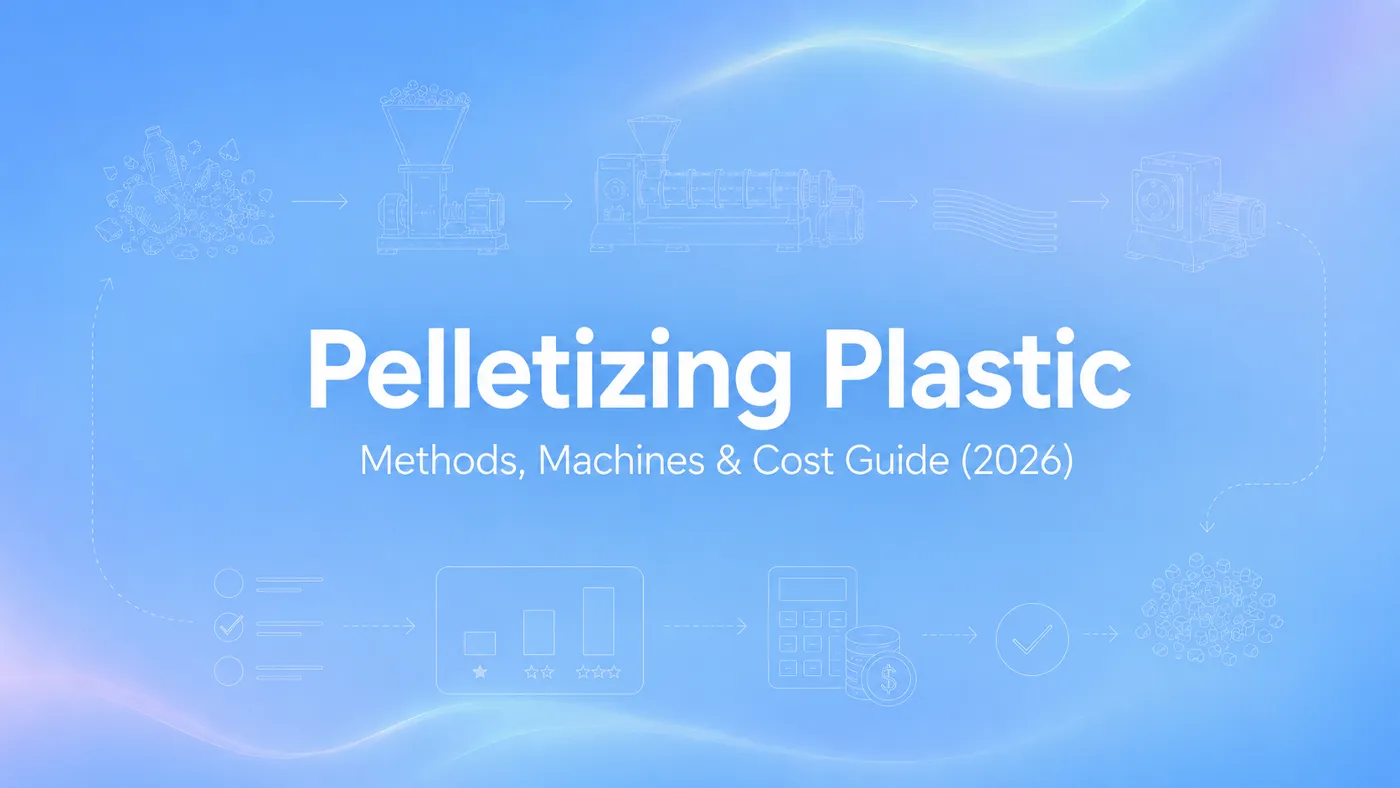
Pelletizace plastu převádí smíšený odpad, film, vlákno nebo flake z konzumentů na jednotné granule, za které injektovací formovací stroje, extrudéry a kompozitní stroje skutečně zaplatí. Metoda, kterou zvolíte – nitový, vodní kruh, podvodní nebo horký die-face – určuje vaši kapacitu, kvalitu granulátu, účet za elektřinu a prodejní cenu za tunu. Tento průvodce porovnává čtyři základní metody, přiřazuje každou jednu k PET, HDPE, PP a PE filmu a poskytuje realistické rozpětí nákladů na vybavení pro rok 2026, abyste mohli správně vybavit linku již při prvním pokusu. Pokud si nejprve chcete prohlédnout hardwar, procházejte naše plastic pelletizing machines řada.
Obsah
- Co znamená skutečně pelletizace plastu
- Porovnání čtyř metod pelletizace
- Rozvržení linky pelletizace: vysvětlení každého kroku
- Specifické průvodce materiály: PET, HDPE, PP, PE film
- Volba mezi granulátorem a pelletizérem
- Velikost výkonu a rozpětí nákladů pro rok 2026
- Obvyklé chyby, které ničí kvalitu granulátu
- Často kladené otázky
Co znamená skutečně pelletizace plastu
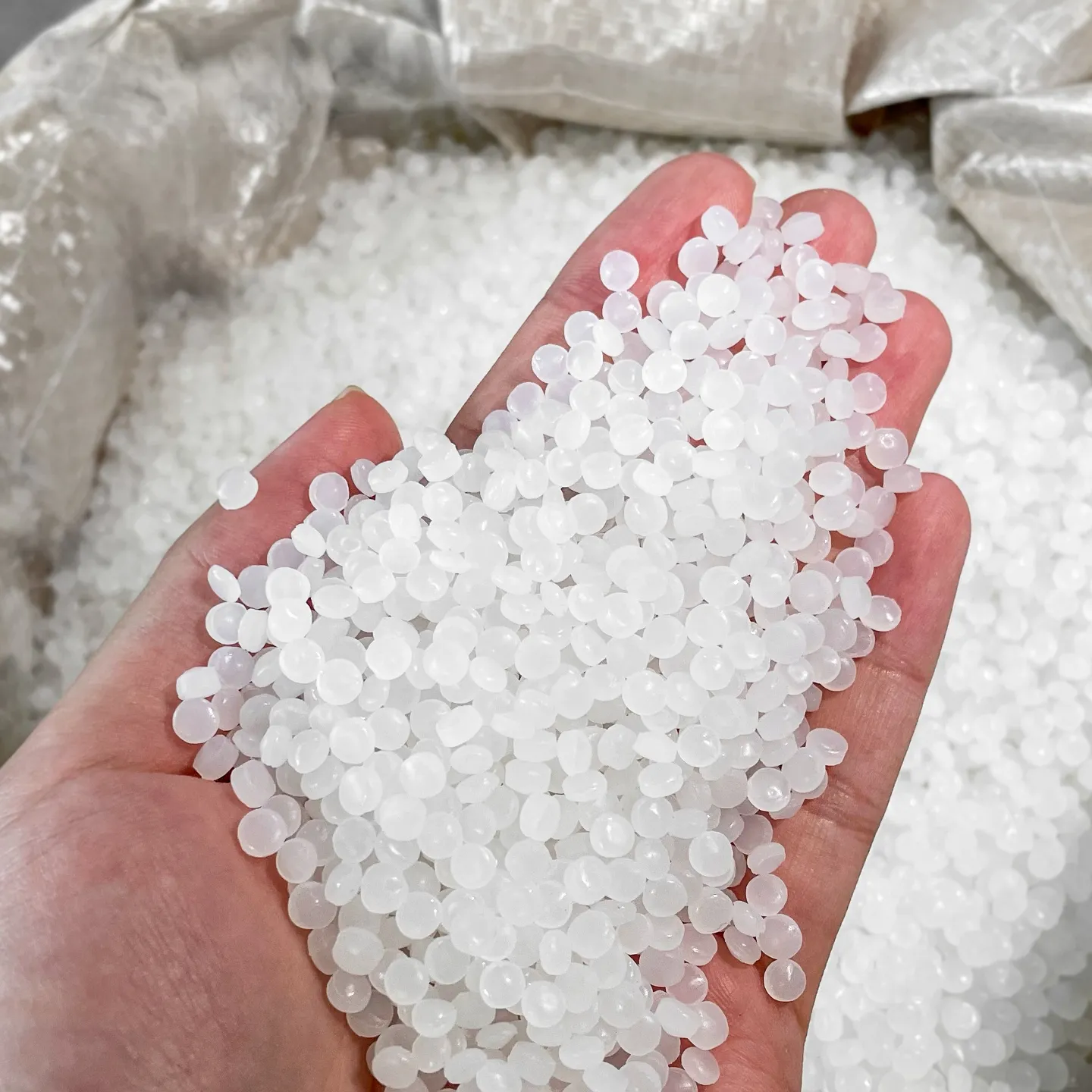
Pelletizace plastu je konverze rozkrájeného, vyčištěného nebo rozpustného odpadního plastu na malé, jednotné granule – obvykle 2–5 mm – které lze znovu tavit v běžném zpracovacím vybavení. Granule je obchodní jednotkou recyklace průmyslu: makléři uvádějí cenu za tunu granulátu, ne za tunu odpadu, protože tvar a hustota granulátu určují, jak stroj dále krmy.
Stroj na pelletizaci plastu se nachází na konci recyklační linky. Vstupy jsou rozkrájení, vyčištění a sušení; pelletizér rozpustí čistý flakýř, jej projde filtrem, extruduje jej a řezá jej. Řezací metoda je to, co odlišuje čtyři pelletizační technologie pokryté níže.
Klíčový závěr: “Pelletizace” je řezací krok, ne celá linka. Nejprve zvolte řezací metodu, poté velikost extrudéru a dodavatelského systému kolem ní.
Porovnání čtyř metod pelletizace
Každý komerční pelletizér plastu používá jednu z čtyř řezacích zásad. Každá vyhovuje různému materiálu a specifikaci granulátu.
Čtyři se rozdělily na dvě rodiny. Chladné řezání zpevní polymer předtím, než se nože dotknou, což je vlnový pelleting, někdy prodávaný jako portálový řezací stroj, kde jsou chlazené vlny podávány přes stojanový sadu nožů. Teplé řezání řezá taveninu na tváři die a poté ji ochlazuje, což zahrnuje vodní kruh, podvodní a teplý die-face vzduchochlazený. Chladné řezání poskytuje nejrovnější válcový pellet na pevném materiálu; teplé řezání zvládá měkké, lepkavé a vysokoprodukční proudy, které by nikdy nepřežily koupel ve vodě jako vlny.
| Metoda | Jak řezá | Nejlepší pro | Typický průtok | Tvar pelet | Energie (kWh/t) |
|---|---|---|---|---|---|
| Strand pelleting | Návrh nití přes vodní lázeň, poté suchý řez rotujícím nožem | Rigidní HDPE, PP, ABS, PS | 100–2,000 kg/h | Válcový | 280–380 |
| Peletizace vodokružným peletováním | Nožem řezá rozpustné nitě na die face; vodní kruh ochlazuje | PE, PP, masterbatch | 150–1,500 kg/h | Prstence / disk | 250–340 |
| Podvodní pelletizace | Die face je ponořen; granule řezají a ochlazují se současně | PET, inženýrský polymer, vysoký výkon PE | 300–6,000 kg/h | Těsně kulaté | 220–310 |
| Hot-die-face / air-cooled | Blade cuts at die face; pellets fall, cooled by air | Soft PE film, foam, low-melt material | 80–800 kg/h | Lens / teardrop | 200–280 |
When strand pelletizing wins
Strand pelletizing is the workhorse for clean rigid scrap — bottle flake, industrial regrind, fiber waste. Tooling is cheap, blade changes take minutes, and pellet length is easy to tune. The weak point is wet material: strands break in the water bath if moisture is above ~1%, causing stop-starts that wreck throughput.
When water-ring pelletizing wins
Water-ring sits between strand and underwater. The die face is in the open air but a high-velocity water ring quenches the pellet the instant it is cut. Operators get underwater-style pellet shape without the operating complexity of a pressurized water chamber. It is the default for PE/PP masterbatch lines under 1,500 kg/h.
When underwater pelletizing wins
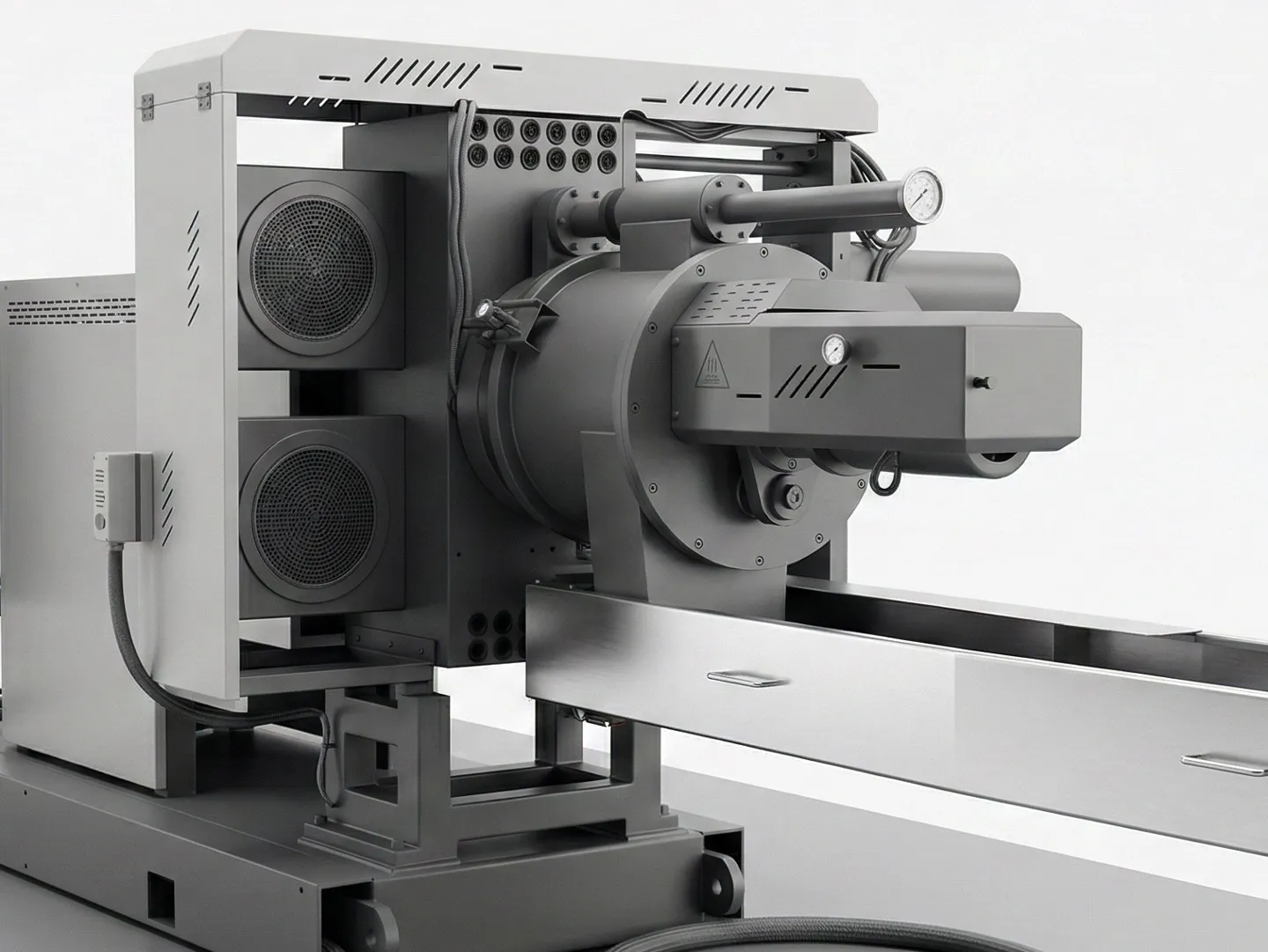
Pro přeprocesing plastového odpadu recyklační linka je jedinou rozumnou volbou. Peletizace PET above 500 kg/h and for any line that has to crystallize pellets inline (most PET bottle-to-bottle plants). The submerged cut gives a perfectly spherical pellet, which improves dryer airflow and downstream feeding consistency. The trade-off: tighter process control, higher capex, and dies that cost 3–5× a strand die.
When hot-die-face air-cooled wins
Air-cooled pelletizing is the rescue method for materials that hate water. Soft LDPE film with high MFI, EVA, hot-melt adhesives, and some TPEs all stick or clump in water. Air cooling gives a forgiving process at the cost of lower output and a slightly irregular pellet.
Rozvržení linky pelletizace: vysvětlení každého kroku
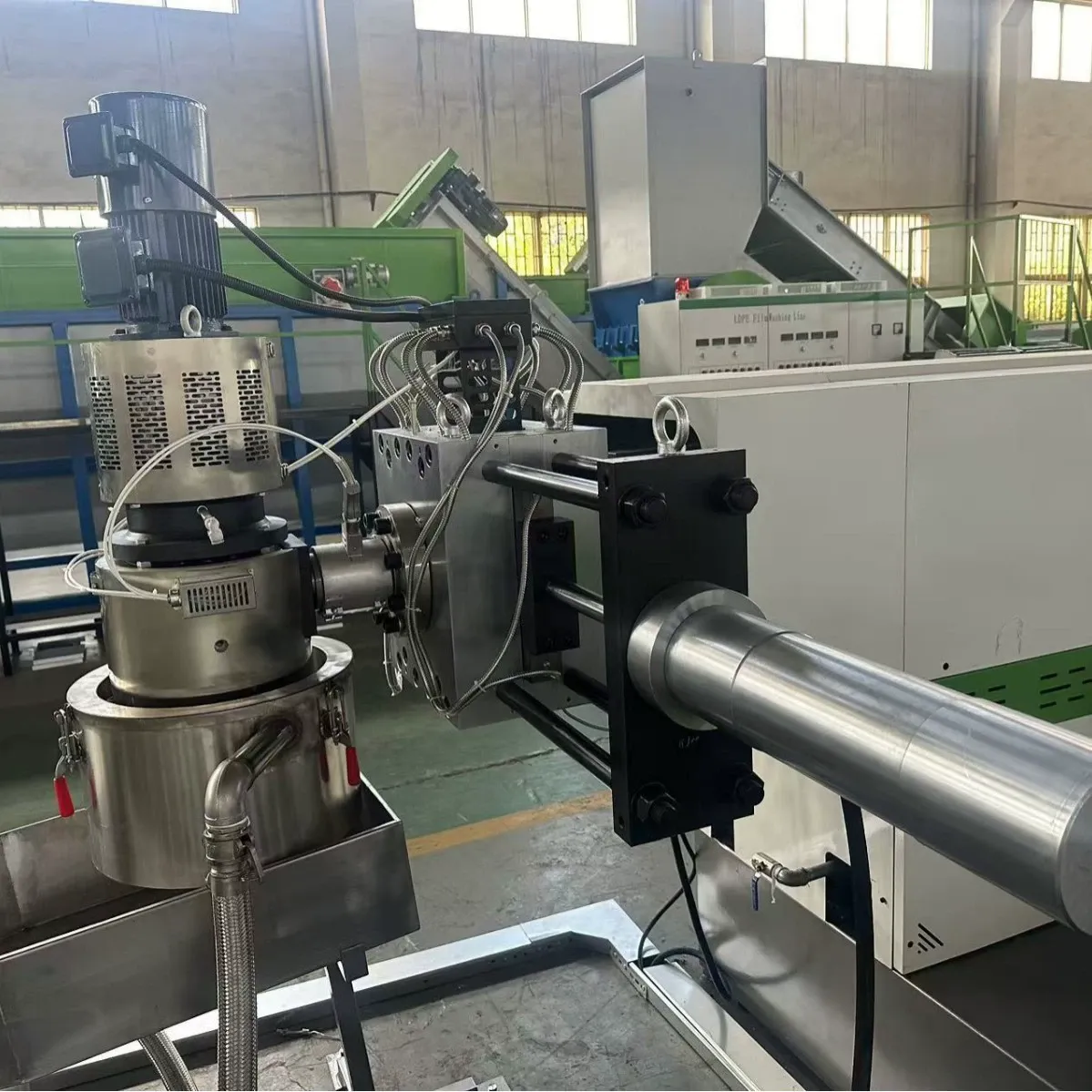
Typical post-conPelletizing machine for plastic recycling je jedním z článků v delším řetězci. Typická linka na recyklaci spotřebitelského filmu vypadá nějak takto:<}
- Infeed and metering Zde je překlad do češtiny:
- Pre-compaction (for film/fiber) — single-shaft compactor or agglomerator densifies low-bulk-density material to 300–450 kg/m³ so the extruder can feed it
- Extruze — single-screw for clean scrap, twin-screw for contaminated or multi-material feed; degassing zones remove moisture and volatiles
- Filtrace taveniny — screen changer (continuous or backflush) holds 80–250 µm screens to catch paper, aluminum, gels
- Die and pelletizing head Profilovací die, die s vodním kroužem nebo podvodní deska die – velikost pelet vychází z průměru otvorů a rychlosti rotace nožů.
- Chlazení a sušení — water bath + centrifugal dryer (strand), or pellet/water separator + dewatering screen (underwater)
- Classification and storage Pro zajištění stabilního provozu a vysokého výstupu je tato recyklační linka vybavena vibračním sítem, které odstraňuje jemné částice a převelké kusy materiálu. Získané pelety jsou následně odesílány do sýpky nebo zařízdí určeného k balení do velkých sáčků.
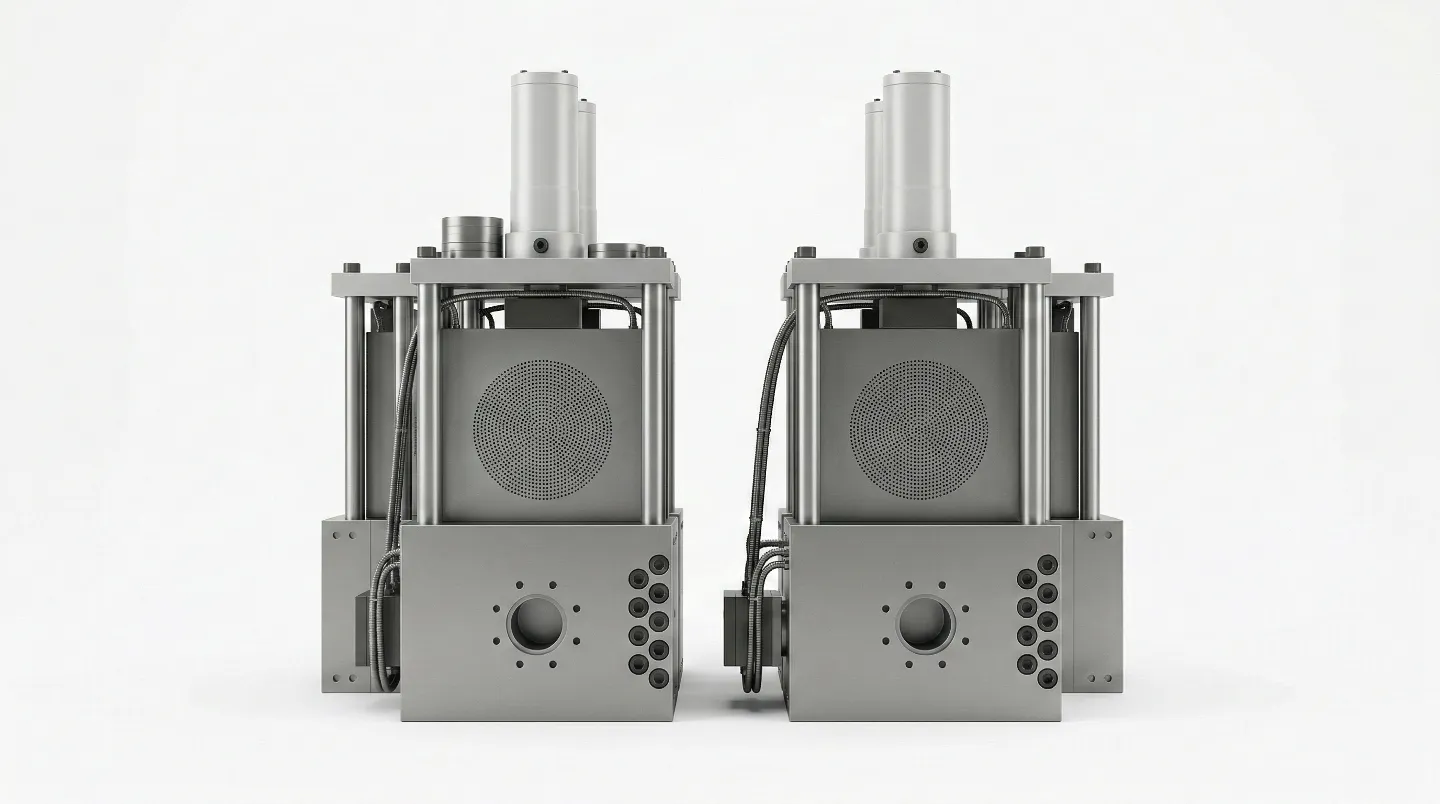
The single most-skipped stage is filtrace taveniny. Buyers spec pellet contamination in ppm; a backflush filter at 80 µm is the difference between a $900/ton resale price and a $400/ton one.
Sledujte provoz granulátorské linky
Kompletní filmová granulátorská linka provozující výše uvedené fáze – dodávka, extruze, filtrace a řezání.
Specifické průvodce materiály: PET, HDPE, PP, PE film
Peletizace PET
PET se hydrolyzuje při rozpuštění mokrého. Každá granulátorská stroj na recyklaci PET potřebuje: Pro projekty od láhve k láhvi, Směrnice pro návrh evropské platformy pro PET láhve vysvětlují, co dělá nádrž láhví recyklovatelnou už od začátku.
- Crystallizer + dryer ahead of the extruder (drop moisture below 50 ppm)
- Twin-screw extruder with two vacuum vents, or single-screw with high-vacuum degassing
- Jistě, zde je překlad do češtiny: Podvodní granulátor s integrovaným krystalizačním zařízením na vytvání kuliček během zpracování – toto ňastavení zabra
Skip any of these and intrinsic viscosity (IV) drops from ~0.80 to ~0.65 dl/g, which kills bottle-grade resale. Peletizace PET lines are the highest capex per ton/hour of any common plastic — budget 2–3× a comparable PP line. For washed PET bottle flake at 300–1,500 kg/h, a dedicated PET bottle flake single-screw pelletizer gives the best cost-per-ton — single-screw simplicity with PET-specific screw geometry and a vacuum vent sized for bottle-grade moisture.
Peletování HDPE
A HDPE peletovací stroj je nejpřijatelnější z nich. Flak z HDPE láhve, recyklovaný odpad z fólie a recyklovaný trubkový materiál se snadno provozují na jednosoustrunném extrudéru s vodní kruhovým nebo vlnovým pelletizérem. Typická linka: lisovací stroj → mytí → sušení → 120–160 mm jednosoustrunný extrudér → zpětné vyplachování filtra → vodní kruhový pelletizér. Spotřeba energie se pohybuje mezi 280–320 kWh/t; prodej granulátu sleduje cenu primárního HDPE s 20–35% slevou.
PP pelletizing
A PP peletovací stroj uses the same building blocks as HDPE, with two adjustments: a longer L/D screw (33:1 or 36:1) to handle PP’s narrower melt window, and a slightly cooler die. PP fiber and raffia waste — common at woven-bag plants — needs an agglomerator first because shredded fiber has a bulk density under 100 kg/m³.
PE film pelletizing
PE film pelletizing je místo, kde většina začínajících linek selhává. Fólie nelze přímo podávat do extrudéru; šroub pouze protlačí vzduch. Řešení je kompresor na boční podávání, který zahušťuje film na přibližně 400 kg/m³ předtím, než dosáhne šroubu, plus intenzivní degazace, protože tiskovaný film obsahuje barvy a lepidla. Dvojsoustrunné extrudéry dominují v tomto segmentu, protože snášejí 8–12% kontaminaci, která přežije mytí.
Volba mezi granulátorem a pelletizérem
Terminy se každý den zaměňují. Rozdíl je důležitý při psaní nákupního objednávky. Identifikace polymeru následuje ASTM D7611, standard kódování zažitého 1–7 symbolu polymeru.
| Plastový granulátor | Plastic pelletizer | |
|---|---|---|
| What it produces | Irregular flake, 6–20 mm | Uniform pellet, 2–5 mm |
| Heat involved | None — mechanical cutting only | Yes — material is melted |
| Position in line | Upstream (size reduction) | Downstream (final product) |
| Typical anchor part | Rotor with fixed knives | Extruder + die + cutter |
| Resale value of output | Low (intermediate) | High (drop-in replacement for virgin) |
A stroj na drcení plastu snížíte objemný odpad na velikost, kterou mohou zpracovat vaše mycí linka a extruder. Plastové drcovací stroje neohlazujte žádné materiály – pokud váš dodavatel označuje ohřevací stroj jako “granulátor,” používá tento termín volně. Pro kompletní recyklační linku potřebujete oba: granulátor pro přípravu suroviny a pelletizér pro dokončení.
Energycle vybavuje obě fáze – viz škála plastových granulátorů pro vybavení pro snížení velikosti a škála plastových pelletizerů pro linky hotových pelletů.
Velikost výkonu a rozpětí nákladů pro rok 2026
největší chyba investičních nákladů je nákup pelletizéru, který odpovídá vašemu maximálnímu surovému materiálu místo průměrného. Snažte se dosáhnout využití 70–80% při průměrném surovém materiálu; prostor absorbuje výkyvy surového materiálu a dobu výměny síťky.
| Velikost linky | Propustnost | Typický extruder | Indikativní investiční náklady 2026 (USD, pouze linka) | Instalace výkonu |
|---|---|---|---|---|
| Malá / pilotní | 150–300 kg/h | 75 mm jednosoustranný | $55,000 – $110,000 | 75–110 kW |
| Střední | 500–800 kg/h | 120 mm jednosoustranný nebo 65 mm dvousoustranný | $140,000 – $260,000 | 180–260 kW |
| Průmyslový | 1,000–1,500 kg/h | 160 mm jednosoustranný nebo 75 mm dvousoustranný | $280,000 – $480,000 | 320–450 kW |
| Velký | 2,000–3,000 kg/h | 180 mm jednosoustranný nebo 92 mm dvousoustranný | $520,000 – $850,000 | 550–780 kW |
| PET láhev do láhve | 1,500–4,000 kg/h | Dvojitý vrták + krystalizátor + SSP | $1.2M – $3.5M | 700–1,400 kW |
rozmezí se vztahuje pouze na linku (extrudér, filtr, pelletizér, sušička, ovládání). Přidejte 15–25% na instalaci, úpravy budovy a náhradní díly. Mycí linky, lisovací stroje a skladování jsou samostatné.
Pro upřímnou odhad návratnosti zadejte své čísla do tohoto papírového zápisníku:
Návratnost (roky) = Kapex ÷ ((Cena pelletu − Cena odpadu − náklady na energii − práce) × Roční tuny)
Středně velká linka HDPE v oblasti s $0.08/kWh energií a s rozdílem ceny odpadu až do $250/t na pellet obvykle návratnost dosáhne za 18–28 měsíců.
Obvyklé chyby, které ničí kvalitu granulátu
Tyto pět chyb odpovídají většině stížností na kvalitu pelletu, které vidíme při nasazení:
- Přeskočení detektoru kovů. Jedna nerezová mazací šroubovka může zničit sítový balík, poškodit šroub a vyrobit 200 kg černých pelletů s vadnými skvrnami, než si někdo všimne.
- Malý filtr na taveninu. Sítka o síle 200 mřížek na lince 1,000 kg/h se vyplachuje každých 4 minuty. Specifikujte filtr pro nejnečistější očekávaný vstup, ne pro nejčistší.
- Vodní lázeň příliš teplá. Přes 60 °C zůstávají HDPE vlákna gumičnaté a pelletizérní nože kousají místo toho, aby řezaly. Udržujte vstupní teplotu lázně na 30–40 °C s chladičem.
- Nesprávný poměr L/D šroubu pro materiál. Šroub 25:1 vyrobený pro PE nebude správně tavit a degazovat PP – dostanete neztavené částice a viditelnou gelovou hmotu v pelletu.
- Chybějící síť na pellety. Prach (5 mm) ucpávají následující podávání. Dvojdílná vibracní síť stojí pod $4,000 a odstraní stížnosti.
Maintenance Essentials
- Denní: Inspect die plate for blocked holes; clean screen changer; check water temperature in cooling system
- Týdně: Verify screw torque and motor amperage (rising amps indicates barrel wear); inspect pellet cutter blades
- Měsíční: Lubricate gearbox; check heater band function on each zone; inspect screen changer seals
- Every 2,000–4,000 hours: Measure screw and barrel wear (replace when clearance exceeds 0.5 mm per side)
- Každoročně: Full inspection of screw, barrel, die plate, gearbox, and electrical systems
For complete maintenance programs, see our pelletizer maintenance checklist a porovnání čtyř pelleting metod výše.
Často kladené otázky
Jaký je rozdíl mezi extruzním a kompresním pelletizací?
Extruzní pelletizace tavit plastic v šroubovém extruderu a řezá jej po die – to je to, co každá pelletingová stroj na recyklaci plastu v tomto průvodci dělá. Kompresní pelletizace (používána pro biomasse a některé prášky) tlačí materiál přes kruhový die bez plného tavení. Kompresní zařízení nemůže zpracovávat termoplastický odpad na prodejní pellety.
Může jediný pelletingový stroj zpracovávat PET, HDPE a PP?
mechanicky ano, komerčně ne. Geometrie šroubu, teplota die a následné sušení pro PET jsou dostatečně odlišné od HDPE/PP, takže změna materiálu znamená plný vypnutí, vytažení šroubu a 4–8 hodin čistění. Vyspělé linky na polymery se téměř vždy vyplatí rychleji než “všeobecná” linka, která běží 50% času.
Jak malá může být pelletingová stroj na recyklaci plastu?
Nejmenší komerčně využitelná linka běží přibližně 80–100 kg/h na 65 mm jednovrtákovém extruderu, v roce 2026 ceněného přibližně $35,000–$55,000. Cokoli nižšího je hobby jednotka – vhodná pro výzkum a vývoj nebo přípravu filamentu pro 3D tisk, ne pro výrobu pro prodej.
Jaký je přijatelný stupeň kontaminace pelletů?
Pro komoditní HDPE a PP regrind kupci obvykle přijímají 200–500 ppm cizích částic. Specifikace pro potravinářskou kvalitu a vláknovou kvalitu klesají pod 50 ppm, což vyžaduje neustálé opačné vyplachování filtrační jednotky a často druhou fázi filtrace taveniny. Specifikace kupců obvykle následují APR Design® Guide, referenční materiál, proti němuž většina severoamerických recyklačních podniků píše své kritéria přijetí.
Jak dlouho vydrží nože na pelleting?
Na čistém PE/PP odpadu běží nože řezacího vlákna mezi regeneracemi 800–2,000 hodin. Na skleněných nebo minerálních naplněných kompozitech klesá životnost pod 100 hodin – počítejte s tvrzenými nebo povrchově upravenými noži na abrazivní vstup.
Je vzduchochlazený pelleting levnější než podvodní?
investiční náklady ano – chlazený vzduchem hlava je 30–50% levnější než podvodní. Provozní náklady závisí na materiálu. Pro měkký LDPE a EVA vyhrává chlazení vzduchem na obou osách. Pro vysoký výkon PE nebo jakýkoli PET vyhrává podvodní chlazení na provozní náklady na tunu, i když stroj stojí více.
Kolik prostoru na podlaze potřebuje linka pro výrobu granulátu?
Linka s výkonem 500 kg/h zabírá přibližně 25 × 8 m (200 m²), včetně sekce pro chlazení a sila pro granulát. Linka s výkonem 2,000 kg/h pro PET s krystalizátorem a SSP potřebuje 60 × 15 m (900 m²) plus myčnu.
Další krok
Správná linka pro výrobu granulátu je taková, která odpovídá vašemu surovinám, ceně elektřiny a specifikacím cílového kupujícího — v této pořadí. Pokud znáte materiál a přibližný objem, tým inženýrů společnosti Energycle specifikuje extruder, granulátor a filtraci v návrhu na jedné stránce.
Připraven specifikovat řetězec? Procházejte rozsah strojů na pelleting z plastu a pošlete nám svůj materiál a tunáž odtamtud, nebo kontaktujte náš inženýrský tým přímo.
Související čtení:
- Jak vyrobit granulát z plastu: 7 kroků procesu — procesní příručka, která doplňuje tento výběrový průvodce
- Plastové granulátorské stroje – celý rozsah Energycle plastových granulátorských strojů
- PET bottle flake single-screw pelletizer — dedikovaná linka pro flíčky PET lahví
- Stroj na peliberaci filmu — dedikovaná linka pro PE film
- Dvoušnekový extruderový systém — pro kontaminované nebo vícekomponentní suroviny
- Plastové drcovací stroje — zařízení pro zmenšení velikosti, která dodává materiál do granulátoru
- Jednovrstvý drcník — první stupeň pro objemný odpad
