

Pelletizacija plástika pretvara mješovite otpadke, film, vlakno ili post-konzumerski prah u uniformne granule koje injekcijski formi, extruderi i kompozitori zapravo plaćaju. Metoda koju izaberete — vrpčana, vodena kružnica, podvodna ili vruća die-face — odlučuje vašu granicu proizvodnje, kvalitet granula, račun za energiju i ponovnu prodajnu cijenu po tuni. Ovaj vodič uspoređuje četiri ključne metode, mapira svaku jednu na PET, HDPE, PP i PE film, i daje realne rasponove troškova opreme do 2026 tako da možete prvi put ispravno izmjeriti liniju. Ako želite prvo vidjeti hardver, pregledajte naš plastične granulizatorske strojeve linija.
Sadržaj
- Što zapravo znači pelletizacija plástika
- Usporedba četiri metode pelletizacije
- Raspored linije pelletizacije: objašnjenje svake faze
- Specifični vodiči za materijale: PET, HDPE, PP, PE film
- Izbor plastičnog granulatora ili pelletizera
- Mjera proizvodnje i granice troškova 2026
- Uobičajene greške koje uništavaju kvalitet granula
- Često postavljana pitanja
Što zapravo znači pelletizacija plástika
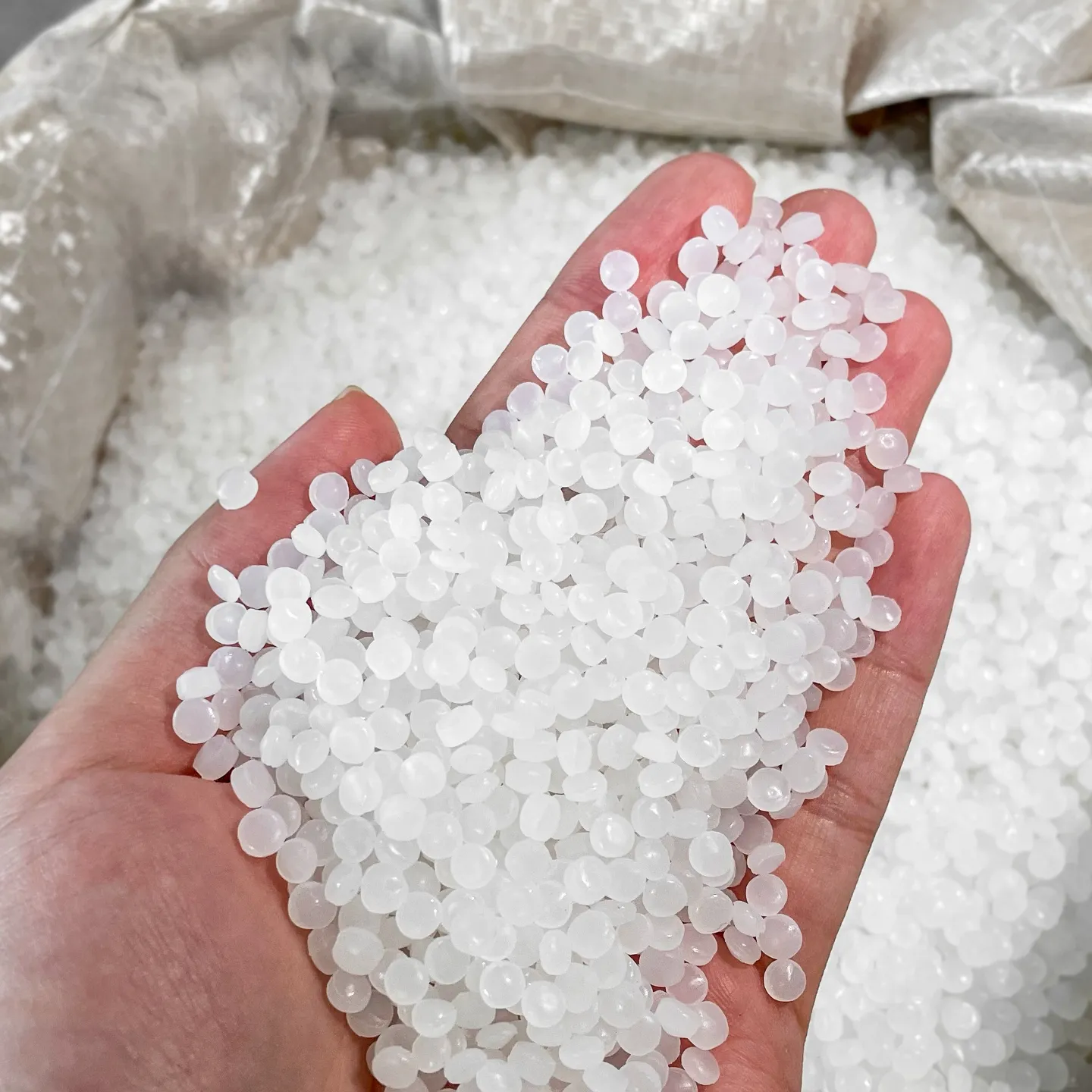
Pelletizacija plástika je pretvorba raspršenog, očišćenog ili toplog otpadnog plástika u male, jednolike granule – obično 2–5 mm – koje mogu biti ponovno topljene u standardnom obradnom opremu. Granula je tržišna jedinica recikliranja: trgovci cijene po tuni granula, ne po tuni otpada, jer oblik granule i gustoća određuju kako posljednja mašina dozira.
Plastična reciklacijska pelletizacijska mašina se nalazi na kraju reciklacijske linije. Iznad tebe raspršuješ, očišćuješ i suhišes; pelletizator topi čist prah, ga filtrira, extrudira i rezuje. Način rezanja odvaja četiri pokrivena pelletizacijska tehnologija.
Ključni izvod: “Pelletizacija” je korak rezanja, ne cijela linija. Prvo izaberite način rezanja, zatim veličinu extrudera i sustav za doziranje oko toga.
Usporedba četiri metode pelletizacije
Svaka komercijalna plastična pelletizacijska mašina koristi jedan od četiri načina rezanja. Svaki se prilagođava različitom materijalu i specifikaciji granula.
Sedam se razdvojilo u dvije obitelji. Hladno rezanje sprema polimera prije nego što se nož dodirne s njim — to je vrtložno peliranje, ponekad prodano kao portalni stroj za rezanje, gdje se ohlađene vrtloge dovode kroz postavu noževa na stropnom sustavu. Toplo rezanje rezuje topljinu na izlazu die i zatim je hlađi, što obuhvaća vodeni prsten, podvodno i toploizlazni zračno ohlađeni. Hladno rezanje daje najuniformniji kuglasti pelot na tvrdom materialu; toplo rezanje obavlja tekućine, lepljive i visokotonske struje koje nikada ne bi preživele vodeni kup.
| Metoda | Kako rezuje | Najbolji izbor za | Tipični protok | Oblik peleta | Energija (kWh/tuna) |
|---|---|---|---|---|---|
| Strand pelatizacija | Vrpce prolaze kroz vodenu kupu, zatim su suhi-rezane rotirajućim nožem | Rigidni HDPE, PP, ABS, PS | 100–2,000 kg/h | Cilindričan | 280–380 |
| Peletiranje vodenim prstenom | Nož rezuje vruće vrpce na die-lici; vodena kružnica hlađi | PE, PP, masterbatch | 150–1,500 kg/h | Lupa / disk | 250–340 |
| Podvodna pelletizacija | Die-lica je potopljena; granule se rezaju i hlađe istovremeno | PET, inženjerski resin, visokoproduktni PE | 300–6,000 kg/h | Gotovo-sferične | 220–310 |
| Gorječni die-lječnik / zraka ohlađen | Bladom se izreže na die-lječniku; granule padaju, ohlađene zrakom | Mekanjski PE film, šuma, niskotopljivi materijal | 80–800 kg/h | Lupa / suknja | 200–280 |
Kada je strand peliranje najbolje
Strand peliranje je glavni radnik za čistu tvrdu otpadnu stvar — flake od boća, industrijski pregrijan materijal, otpadni vlaknast materijal. Alatna oprema je jeftina, zamjena noža traje minutama, a duljina granule je lako prilagodljiva. Slaba točka su vlažni materijali: trake se prekida u vodnoj kupatili ako je vlažnost iznad ~1%, što uzrokuje prekidanje rada što uništava količinu proizvodnje.
Kada je vodno-lječničko peliranje najbolje
Vodno-lječnik se nalazi između trake i podvodnog prostora. Die-lječnik je na otvorenom zraku, ali visokosposobna vodna lupa ohlađuje granulu trenutno kad se izreže. Operateri dobivaju podvodni oblik granule bez složenosti radnog procesa kompresorne vodne komore. To je standard za PE/PP masterbatch linije ispod 1,500 kg/h.
Kada je podvodno peliranje najbolje
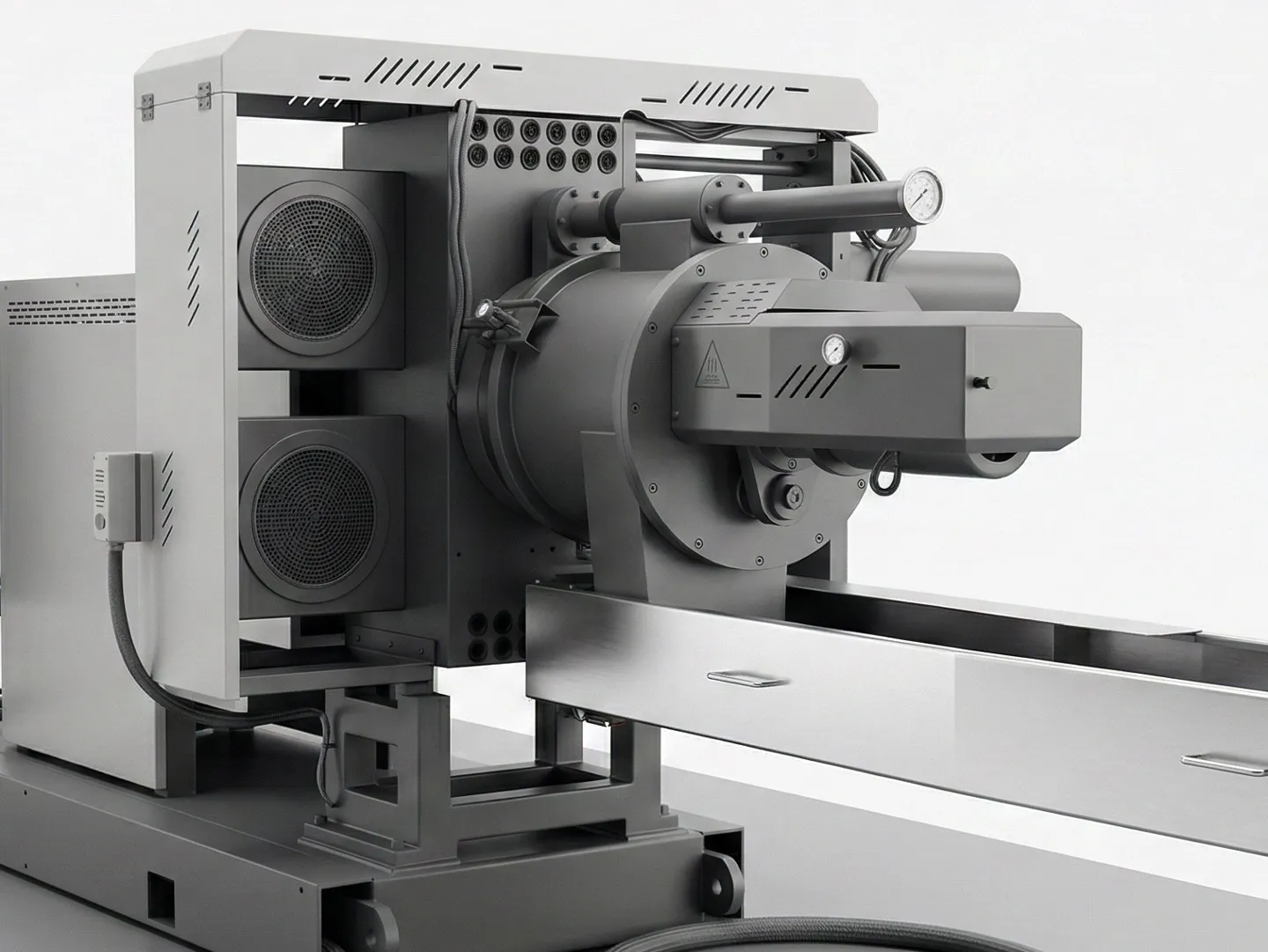
Podvodno peliranje je jedina razumno izbora za PET peletiranje iznad 500 kg/h i za svaku liniju koja mora da kristalizira granule u liniji (većina PET boća u boću tvornica). Submersed izrez daje savršeno kuglastu granulu, što poboljšava protok zraka sušilnika i konzistenciju daljnjeg napajanja. Izmjena: strožiji procesni kontrola, viši kapitalni trošak, i die koji stojinu 3–5× više od trake die-a.
Kada je gorječni die-lječnik zraka ohlađen najbolje
Zraka ohlađeni peliranje je spašavajući metod za materijale koji se ne slažu s vodom. Mekanjski LDPE film s visokim MFI, EVA, topljivi lepljivi, i neki TPE se lepi ili klupaju u vodi. Zraka ohlađenje daje prilagođeni proces na račun niske izlaznosti i malo nepravilnih granula.
Raspored linije pelletizacije: objašnjenje svake faze
Pelirna mašina za recikliranje plastičnih materijala je jedan čvor u dužem lancu. Tipična linija za poslovnog potrošača izgleda ovako:
- Ulaz i merenje — traka s metal detektorem; težinsko gubitnički napajalac za masterbatch ili dodaci
- Pre-kompakcija (za film/fiber) — jednospratni kompaktor ili aglomerator gusci nisku gustinu materijala na 300–450 kg/m³ tako da ga extruder može napajati
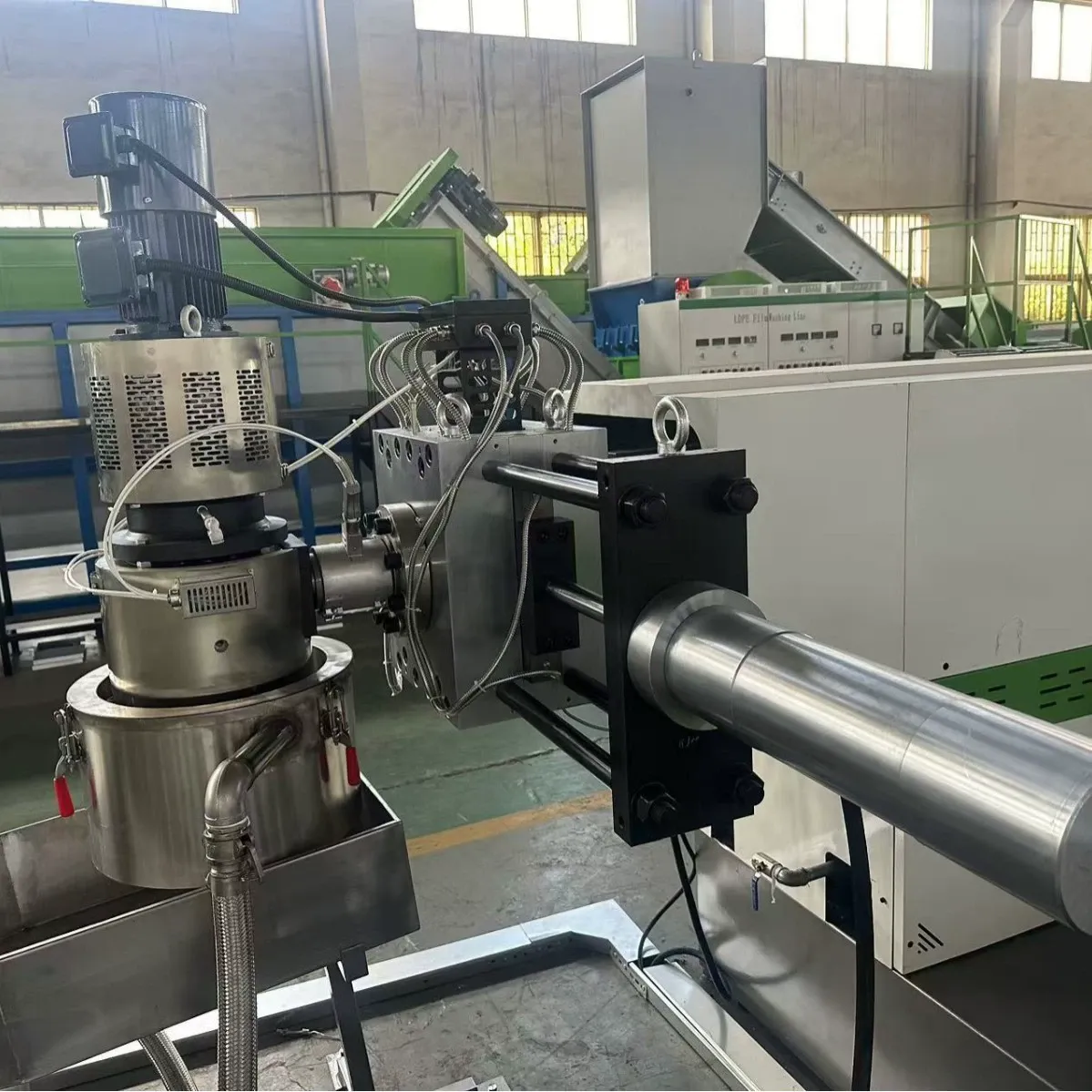
- Istiskivanje — jednospravni za čist otpad, dvojspravni za kontaminirani ili višematerijalni unos; degazacijske zone uklanjaju vlagu i volatilne tvari
- Filtracija taline — filter (kontinuirani ili povratni) drži 80–250 µm mreže da bi uhapsio papir, aluminij, gume
- Die i glava za peliranje — traka die, vodno-lječnički die, ili podvodna die ploča; veličina granule postavljena dijametrom otvora i brzinom noža
- Cooling and drying — vodna kupatila + centrifugalni sušilnik (traka), ili separator granula/voda + odvajajući ekran (podvodno)
- Klasifikacija i pohranjava — vibracijski ekran uklanja prah i prevelike granule; granule idu u silo ili veliki sanduk
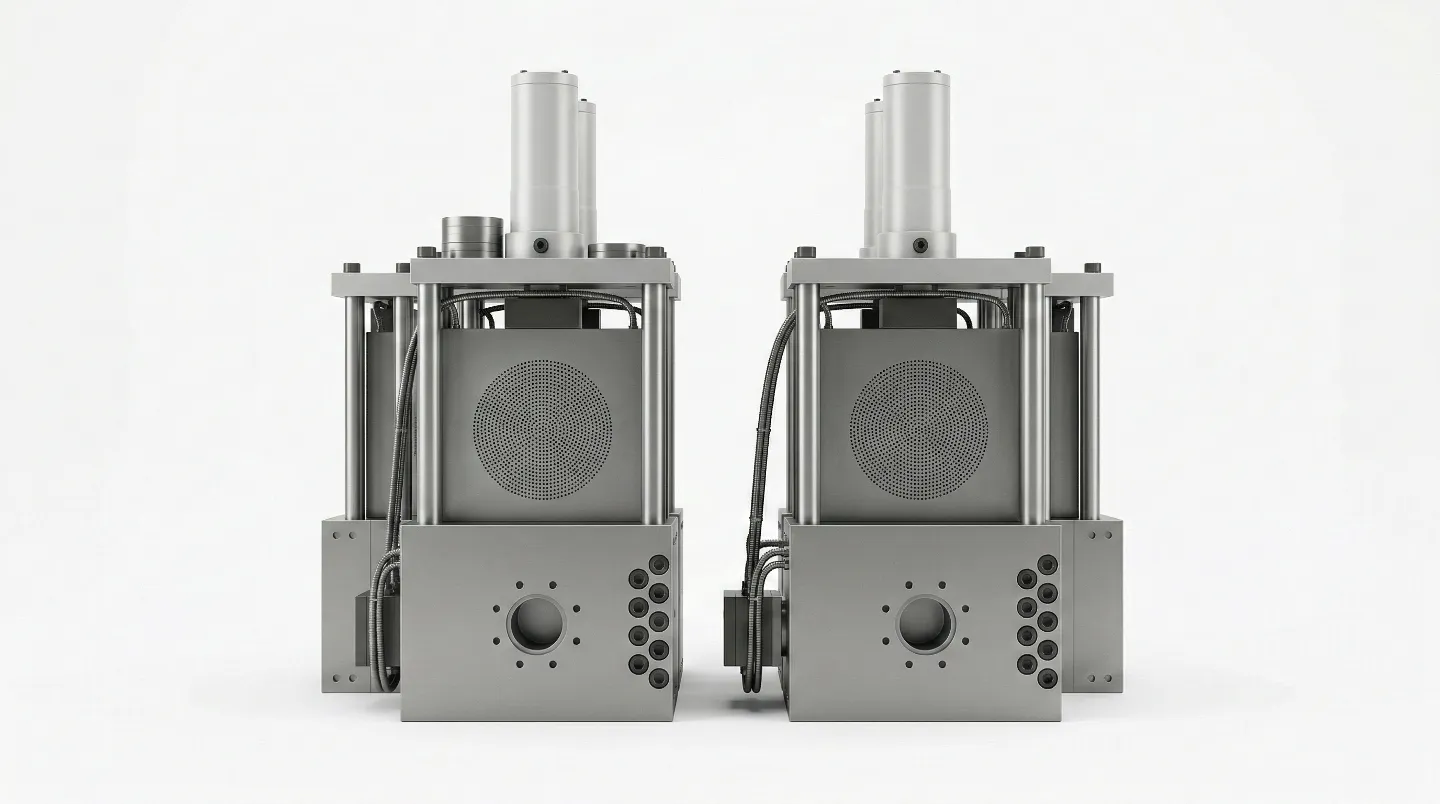
Najviše izostavljeni stupanj je filtracija taline. Kupci specifikuju kontaminaciju granula u ppm; backflush filter na 80 µm je razlika između cijene $900/tuna i $400/tuna.
Gledajte pelleting liniju u radu
Savršena linija za pelleting filma koja provodi navedene staje: doziranje, ekstrudacija, filtracija i rezanje.
Specifični vodiči za materijale: PET, HDPE, PP, PE film
PET peletiranje
PET se hidrolizira kada se zagrije vlažan. Svaka PET reciklacijska pelleting mašina treba: Za projekte od boce do boce, Smernice dizajna Europske platforme za PET boce navode što čini tok boce reciklabilnim u prvom redu.
- Kristalizator + sušilica ispred ekstrudera (sniži vlagu ispod 50 ppm)
- Dvojsučni ekstruder s dva vakuum ventila, ili jednosučni s visokovakuumnom degazacijom
- Podvodni granulator s ugrađenim kristalizatorom za granule (inako se granule zadrže u skladu)
Preskoči bilo koji od ovih i intrinsična viskoznost (IV) se smanji sa ~0.80 do ~0.65 dl/g, što uništi ponovnu prodaju za butle. PET peletiranje linija su najviši kapitalni trošak po tonu/sat svih uobičajenih plastičnih materijala — budžetiraj 2–3× za usporedbenu PP liniju. Za očišćeni PET prstenastu čahuru na 300–1,500 kg/h, posvećeni PET prstenasta čahura jednosučni granulator daje najbolju cijenu po toni — jednosučna jednostavnost s specifičnom geometrijom suča za PET i vakuum ventila veličine za prstenastu vlagu.
HDPE peletiranje
A HDPE stroj za peletiranje je najtolerantnija izmedu svih. Otpadak od HDPE butele, bljeskati otpadak i prekovanje cijevi se čisto provode na jednospretnom extrudеру s vodnom kružnicom ili vrpčanom peltilizatorom. Tipična linija: režač → pranje → sušenje → 120–160 mm jednospretni extruder → povratna filter → vodna kružnica peltilizatora. Trošak energije iznosi 280–320 kWh/t; ponovna prodaja granula sledi prvenstvenom HDPE s popustom od 20–35%.
PP granulizacija
A PP stroj za peletiranje koristi iste graditeljske blokove kao HDPE, s dvije prilagođenje: dulji L/D suč (33:1 ili 36:1) za rukovanje užim toplinskim prozorom PP, i malo hladniji die. PP vlakno i otpad rafija — uobičajeno u tvornicama za vezane torbe — zahtijeva aglomerator prvo jer komprimirano vlakno ima gustinu ispod 100 kg/m³.
Granulizacija PE filma
Granulizacija PE filma je mjesto gdje većina početnih linija propada. Film se ne može direktno dostaviti extrudеру; vilica će samo gurati zrak. Popravak je stranih ulaza kompaktor koji zagusci film na ~400 kg/m³ prije nego što dođe do vilice, plus teško degaziranje jer tiskani film nosi tinte i lepljive sastojke. Dvojspretni extruderi dominiraju ovom segmentu jer toleriraju 8–12% kontaminaciju koja preživi pranje.
Izbor plastičnog granulatora ili pelletizera
Termini se miješaju svaki dan. Razlika je važna kada pišete naručni list. Identifikacija smola slijedi ASTM D7611, standard koda iza poznatih 1–7 simbola smole.
| Plastični granulator | Plastični granulator | |
|---|---|---|
| Što proizvodi | Neravnomjerna čahura, 6–20 mm | Jednolika granula, 2–5 mm |
| Uključeni toplinski proces | Nema — samo mehaničko rezanje | Da — materijal se topli |
| Pozicija u liniji | Gore (smanjenje veličine) | Dolje (konačni proizvod) |
| Tipični osnovni dio | Rotirajući s fixiranim nožem | Ekstruder + die + reznik |
| Prodajna vrijednost izlaza | Niska (srednja) | Visoka (zamjena za prvenstveni) |
A mehanizam za granulaciju plástika smanjuje veliki otpad do veličine koju može obraditi tvoja očišćivač i ekstruder. Granulatori za plástik Nemojte topiti ništa — ako vaš dobavljač naziva stroj za topljenje “granulatorom,” koristi se riječ lako. Za potpunu reciklačku liniju trebate oboje: granulator za pripremu ulaznog materijala i pelitizer za završetak.
Energycle izrađuje oboje stadije — pogledajte razred plastic granulatora za opremu za smanjivanje veličine i razred plastic pelletizera za linije završenih pelleta.
Mjera proizvodnje i granice troškova 2026
Najveći greška u kapitalnim troškovima je kupnja peltilizatora koji odgovara vašem vršnom ulazu umjesto prosječnog. cilj je 70–80% iskorištavanje pri prosječnom ulazu; prostor za kretanje sprema promjenama ulaznog materijala i vremenu za zamjenu filtra.
| Veličina linije | Protok | Tipični extruder | Indikativni trošak kapitalnog ulaganja 2026. (USD, samo linija) | Instalacija snage |
|---|---|---|---|---|
| Mala / pilot | 150–300 kg/h | 75 mm jednosučni | $55,000 – $110,000 | 75–110 kW |
| Srednja | 500–800 kg/h | 120 mm jednosučni ili 65 mm dvostruki | $140,000 – $260,000 | 180–260 kW |
| Industrijski | 1,000–1,500 kg/h | 160 mm jednosučni ili 75 mm dvostruki | $280,000 – $480,000 | 320–450 kW |
| velika | 2,000–3,000 kg/h | 180 mm jednosučni ili 92 mm dvostruki | $520,000 – $850,000 | 550–780 kW |
| PET butelja u butelu | 1,500–4,000 kg/h | Dvostruki + kristalizator + SSP | $1.2M – $3.5M | 700–1,400 kW |
Rasponi se odnosi samo na liniju (extruder, filter, peltilizator, sušilnik, kontrola). Dodajte 15–25% za instalaciju, izmjene u zgradu i rezerve. Pranje linije, režači i skladištenje su posebne.
Za iskrenu procjenu povratka uložaka, uvezite svoje brojeve u ovu papirnu kovčeg:
Payback (years) = Capex ÷ ((Pellet price − Scrap price − Power cost − Labor) × Annual tons)
Srednje velika linija HDPE u regiji s cijenom električne energije od $0.08/kWh i širinom cijena otpada do granula od $250/tona obično se povratak isplati u 18–28 mjeseci.
Uobičajene greške koje uništavaju kvalitet granula
Ove pet grešaka odgovaraju većini primjetki o kvaliteti granula koje primjećujemo tijekom postavljanja:
- Skipping the metal detector. Jedan nehrđajući bolćić uništava paket mreže, oštećuje vijak i proizvodi 200 kg crveno-zabranjenih granula prije nego što netko primjeti.
- Undersized melt filter. Mreža od 200 mreža na liniji od 1,000 kg/h očiscava se svakih 4 minuta. Specifikujte filter za najgore očekivano ulazno napućenje, ne za najčistiji.
- Water bath too warm. Iznad 60 °C, HDPE vrpce ostaju gume i nož granulatora se žuje umjesto rezati. Zadržite ulazni vodotok u kupatilu na 30–40 °C s hlađačem.
- Wrong screw L/D for the material. Trak 25:1 izgrađen za PE neće pravilno topiti i degazovati PP — dobivate neotopljive i vidljive gline u granulama.
- No pellet sieve. Fines (5 mm) jam downstream feeders. A 2-deck vibrating sieve costs under $4,000 and removes the complaint.
Osnovne manteniranske radnje
- Dnevno: Inspect die plate for blocked holes; clean screen changer; check water temperature in cooling system
- Tjedni: Verify screw torque and motor amperage (rising amps indicates barrel wear); inspect pellet cutter blades
- Mjesečno: Lubricate gearbox; check heater band function on each zone; inspect screen changer seals
- Svaki 2,000–4,000 sata: Measure screw and barrel wear (replace when clearance exceeds 0.5 mm per side)
- Godišnje: Full inspection of screw, barrel, die plate, gearbox, and electrical systems
Za potpunije manteniranske programe, pogledajte naš popis održavanja granulizatora i Sporočeno četiri peliranja metoda iznad.
Često postavljana pitanja
The difference between extrusion pelletizing и compression pelletizing ležи у томе што екструдер користи високотемпературни парафин за производњу гранула, док компресија метода користи механички притисак за саглобђај материѨала у грануле.
Pelijizacija ekstrudacijom topi plastiču u ekstruderskom traku i rezuje ju nakon die-a — to čini svaka plastička reciklacijska peliizrudna mašina u ovoj priručnici. Kompresijska pelijizacija (koristena za biomasu i neke prahove) gomiže materijal kroz prstenast die bez potpunog topljenja. Kompresijsko opremu ne može procesirati termoplastični otpad u granule za ponovnu prodaju.
Može li jedan peliizrudni stroj obraditi PET, HDPE i PP?
Mehanički da, komercijalno ne. Geometrija vilice, temperatura die-a i sljedića sušenja za PET razlikuju se dovoljno od HDPE/PP tako da prebacivanje materijala zahtijeva potpuni izostanak, izvlačenje vilice i 4–8 sati čišćenja. Posvećene linije po polimeru uglavnom se vraćaju brže nego “univerzalna” linija koja radi 50% vremena.
How small can a plastic recycling pelletizing machine get?
Najmanja komercijalno isplativo linija radi oko 80–100 kg/h na 65 mm jednoskrtnom ekstruderskom stroju, cijena se kreće oko $35,000–$55,000 u 2026. sve što je ispod toga je hobby jedinica — prilagođena za istraživanje i razvoj ili pripremu filamenta za 3D-printanje, ne za proizvodnju za ponovnu prodaju.
What pellet contamination level do buyers accept?
Za tržišni HDPE i PP regrind, kupci obično prihvaćaju 200–500 ppm stranih čestica. Specifikacije za hranu i vlaknaste specifikacije spadaju ispod 50 ppm, što zahtijeva kontinuirani backflush filter i često drugi stupanj melt-filtracija. Kupci specifikacije obično slijede APR Design® vodič, referencu koju većina sjevernoameričkih reclaimera piše svoje kriterije prihvaćanja protiv.
How long do pelletizing blades last?
Na čistom PE/PP otpadu, noževi za rezanje trake rade 800–2,000 sati između regrindova. Na stakleno-punjenom ili mineralno-punjenom spoju, životnost noževa spada ispod 100 sati — budžetirajte za nože od ugljikovog ugljika ili pokrivenih noževa za abrazivnu hranu.
Is air-cooled pelletizing cheaper than underwater?
Kapitalni trošak da — hladnički glava je 30–50% jeftinija nego podvodna. Trošak operativni ovisi o materijalu. Za mekani LDPE i EVA, hladnički glava pobjeđuje na obje osi. Za visokoprodukcijski PE ili bilo koji PET, podvodna pobjeđuje na troškovima po tuni iako stroj stoji više.
How much floor space does a pelletizing line need?
Linija od 500 kg/h se uklapa u oko 25 × 8 m (200 m²), uključujući sekciju hlađenja i silo za granule. Linija od 2,000 kg/h za PET s kristalizatorom i SSP treba 60 × 15 m (900 m²) plus instalaciju za pranje.
Sljedeći korak
Pravilna linija za peliranje je ta koja se slaže s vašom početnom sirovinom, tarifom struje i specifikacijama ciljnog kupca — in that order. If you know the material and approximate tonnage, Energycle’s engineering team will spec the extruder, pelletizer, and filtration in a one-page proposal.
Spremni za specifikaciju linije? Pregledajte razpon pelirnih strojeva za plastične pelote i pošaljte nam vaš materijal i tonozu od tamo, ili kontaktirajte našu inžinjersku tim direktno.
Related reading:
- How to make plastic pellets: 7-step process — tutorial procesa koji se parira s ovim vodičem za izbor
- Plastic pelleting mašine — cjelokupni raspon Energycle plastic pelleting mašina
- PET prstenasta čahura jednosučni granulator — dedicated PET bottle-flake line
- Mашina za peliranje filma — dedicated PE film line
- Sustav dvopužnog ekstrudera — for contaminated or multi-material feed
- Granulatori za plástik — oprema za smanjivanje veličine koja napaja peliru
- Jednorjetvorni režnik — first stage for bulky scrap
