

Transformarea plasticului în granule transformă deșeurile mixte, filmul, fibra sau flăcările post-consumator în granule uniforme pe care molderii de injecție, extrudorii și compounderii le vor plăti cu adevărat. Metoda pe care o alegi - înfășurare, cu circulație de apă, subapă sau cu capăt cald - determină capacitatea de producție maximă, calitatea granulelor, factura de energie și prețul de vânzare pe tonă. Acest ghid compară cele patru metode de bază, le mapre fiecare la PET, HDPE, PP și filmul PE, și oferă intervale realiste de costuri ale echipamentelor pentru 2026, astfel încât să poți dimensiona corect linia la prima încercare. Dacă dorești să vezi echipamentul mai întâi, navighează prin plastic pelletizing machines lineup.
Tabel de conținut
- Ce înseamnă de fapt transformarea plasticului în granule
- Cele patru metode de granulare comparate
- Aranjamentul liniei de granulare: fiecare etapă explicată
- Ghide specifice materialelor: PET, HDPE, PP, filmul PE
- Alegerea unui granulator de plastic față de un granulator
- Dimensionarea capacității de producție și intervalele de cost din 2026
- Eroarele comune care ucid calitatea granulelor
- Întrebări frecvente
Ce înseamnă de fapt transformarea plasticului în granule
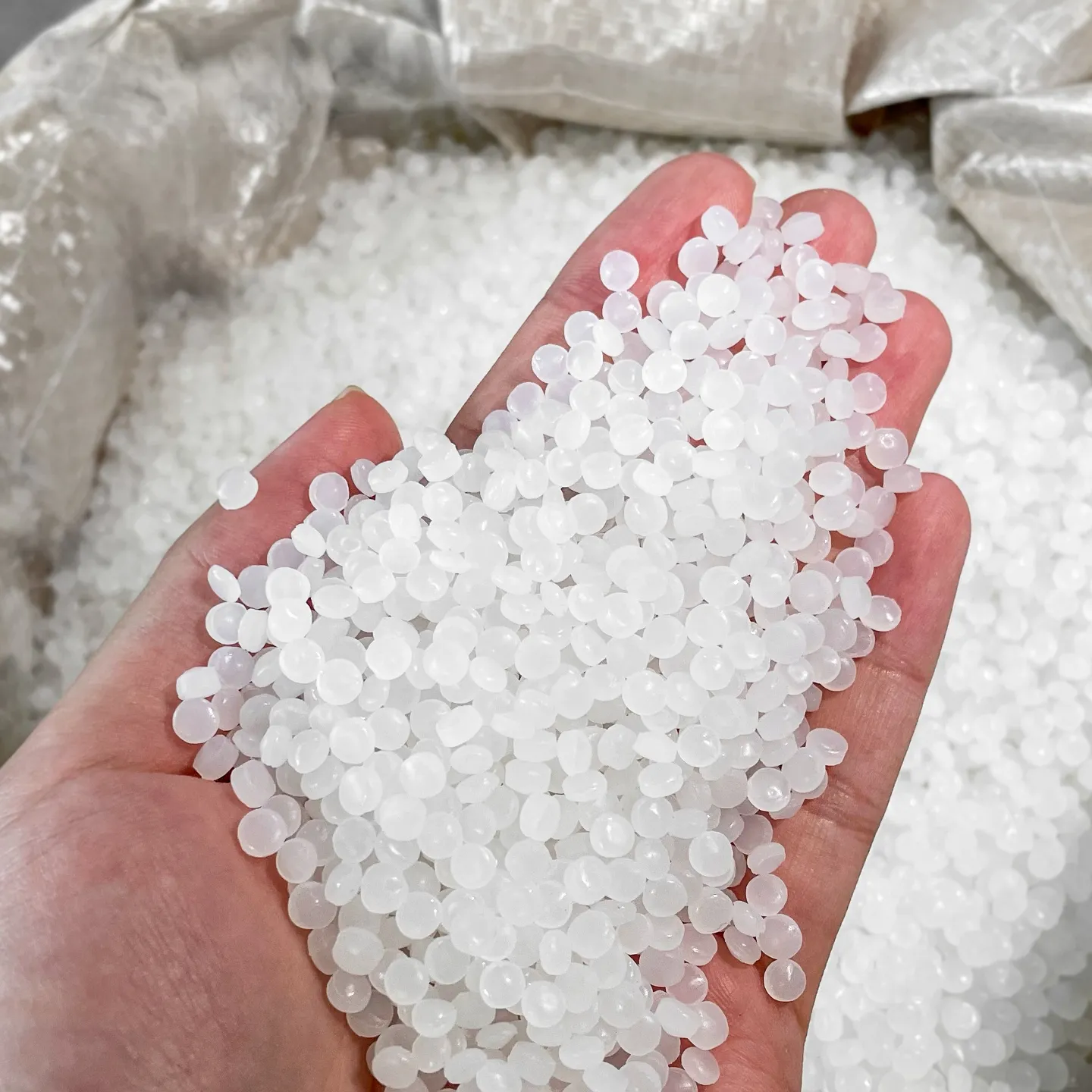
Transformarea plasticului în granule este conversia deșeurilor de plastic sparte, spălate sau topite în granule mici, uniforme - de obicei de 2–5 mm - care pot fi reciclate în echipamente de procesare standard. Granula este unitatea de tranzacționare a industriei de reciclare: brokerii cotează pe tonă de granulă, nu pe tonă de deșeuri, deoarece forma și densitatea volumetrică a granulelor determină modul în care mașina de mai jos alimentează.
O mașină de granulare pentru reciclarea plasticului se află la sfârșitul unei linii de reciclare. În partea superioară, spargi, speli și usci; granulatorul topește flăcăruța curată, o filtrează, o extrudează și o taie. Metoda de tăiere este ceea ce diferențiază cele patru tehnologii de granulare prezentate mai jos.
Rezumat important: “Granularea” este doar pasul de tăiere, nu întreaga linie. Alege mai întâi metoda de tăiere, apoi dimensionează extruderul și sistemul de alimentare în jurul acesteia.
Cele patru metode de granulare comparate
Fiecare granulator comercial de plastic folosește una dintre cele patru principii de tăiere. Fiecare se potrivește unui material și unui specific de granulă diferit.
The four split into two families. Cold cutting solidifies the polymer before the blade touches it — that is strand pelletizing, sometimes sold as a mașină de tăiat cu portal, unde firele răcite sunt alimentate prin un set de foarfece montat pe un brâu. Hot cutting taie materialul topit la fața die-ului și îl răcește ulterior, ceea ce acoperă metodele de răcire cu apă în cerc, subacvatică și răcire cu aer la fața die-ului cald. Tăierea la rece oferă cel mai uniform granul cilindric pe material rigid; tăierea la cald gestionează fluxurile moi, lipicioase și cu randament ridicat care nu ar supraviețui unui băi de apă ca fire.
| Metodă | Cum taie | Cea mai bună alegere pentru | Rata de producție tipică | Forma granulelor | Energie (kWh/ton) |
|---|---|---|---|---|---|
| Strand pelletizing | Firele trec prin un băț de apă, apoi sunt tăiate cu un cuțit rotativ | HDPE rigid, PP, ABS, PS | 100–2,000 kg/h | Cilindric | 280–380 |
| Peletizare cu inel de apă | Cuțitul taie firele topite la fața de die; circulația de apă răcește | PE, PP, masterbatch | 150–1,500 kg/h | Lentilă / disc | 250–340 |
| Granularea subacvatică | Fața de die este scufundată; granulele sunt tăiate și răcite simultan | PET, rezina de inginerie, PE cu randament ridicat | 300–6,000 kg/h | Aproape sferice | 220–310 |
| Hot-die-face / air-cooled | Blade cuts at die face; pellets fall, cooled by air | Soft PE film, foam, low-melt material | 80–800 kg/h | Lens / teardrop | 200–280 |
When strand pelletizing wins
Strand pelletizing este mașina de bază pentru deșeurile rigide curate — flăcări de sticlă, reciclare industrială, deșeuri de fibru. Echipamentul este ieftin, schimbarea foilor durează minute, iar lungimea granulelor este ușor de ajustat. Punctul slab este materialul umed: firele se rupe în băile subacvatice dacă umiditatea este mai mare de ~1%, cauzând oprirea și pornirea care distrug randamentul.
When water-ring pelletizing wins
Water-ring se situează între strand și underwater. Placa de die este în aer liber, dar un cerc de apă cu viteză mare răcește granula instant ce este tăiată. Operatorii obțin forma granulelor subacvatice fără complexitatea operării unei camere de apă la presiune. Este implicit pentru linii de masterbatch PE/PP sub 1,500 kg/h.
When underwater pelletizing wins
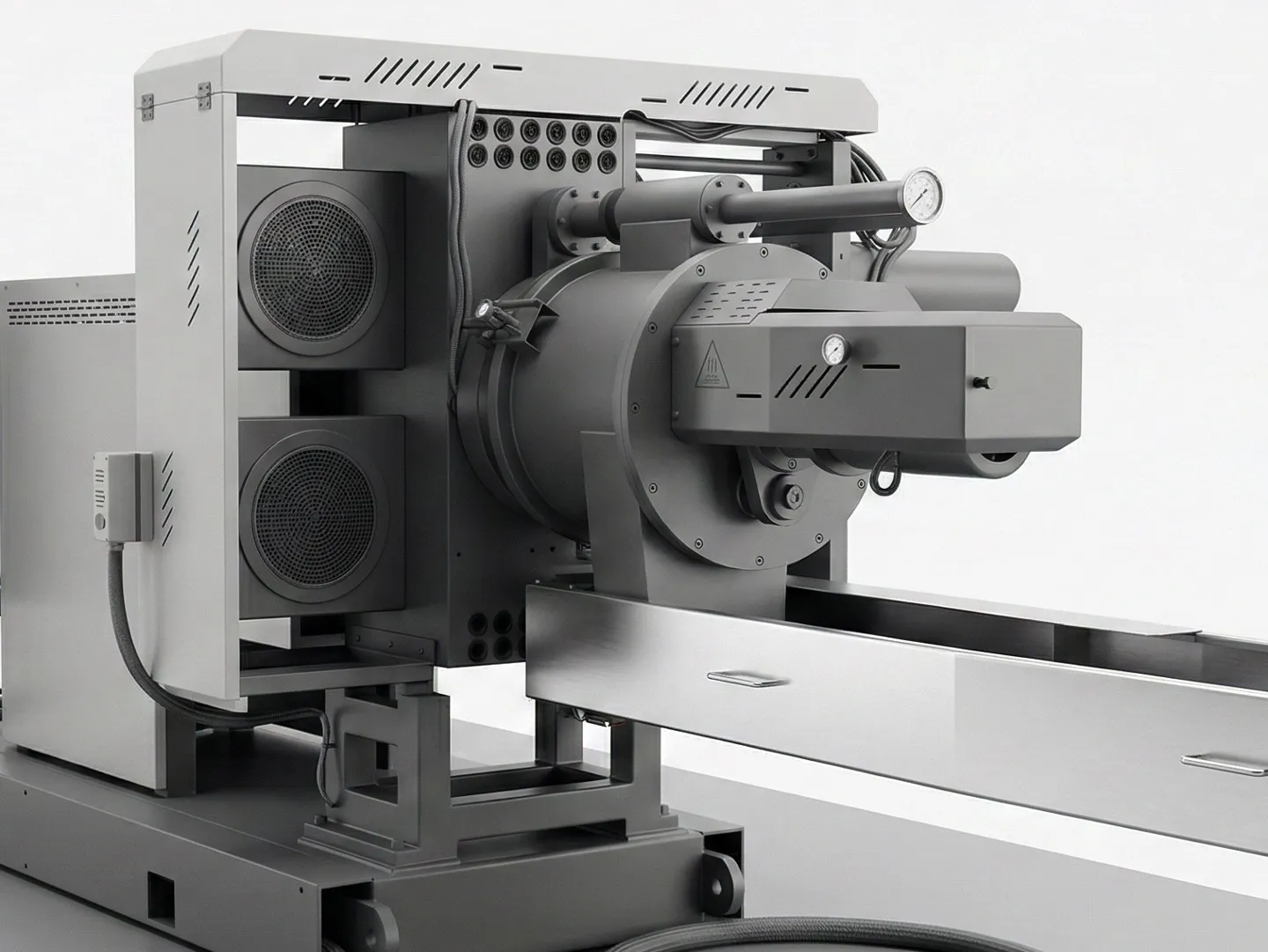
Underwater este singura alegere rațională pentru Peletizare PET Peste 500 kg/h și pentru orice linie care trebuie să cristalizeze granule pe loc (majoritatea fabricilor de sticle PET de la sticlă la sticlă). Tăierea imersă oferă o granulă perfect sferică, ceea ce îmbunătățește fluxul de aer al uscătorului și consistența alimentării în aval. Contrazicerea: control mai strict al procesului, costuri de capital mai mari și matrice care costă 3–5× de cât costă o matrice de bandă.
When hot-die-face air-cooled wins
Pentru materialele care nu îi place apa, metoda de granulare cu răcire prin aer este metoda de salvare. Filmul LDPE moale cu MFI ridicat, EVA, adezivi topitori și unele TPE se lipesc sau se aglomerează în apă. Răcirea prin aer oferă un proces mai indulgent, cu costul unei producții mai mici și al granulelor mai puțin regulate.
Aranjamentul liniei de granulare: fiecare etapă explicată
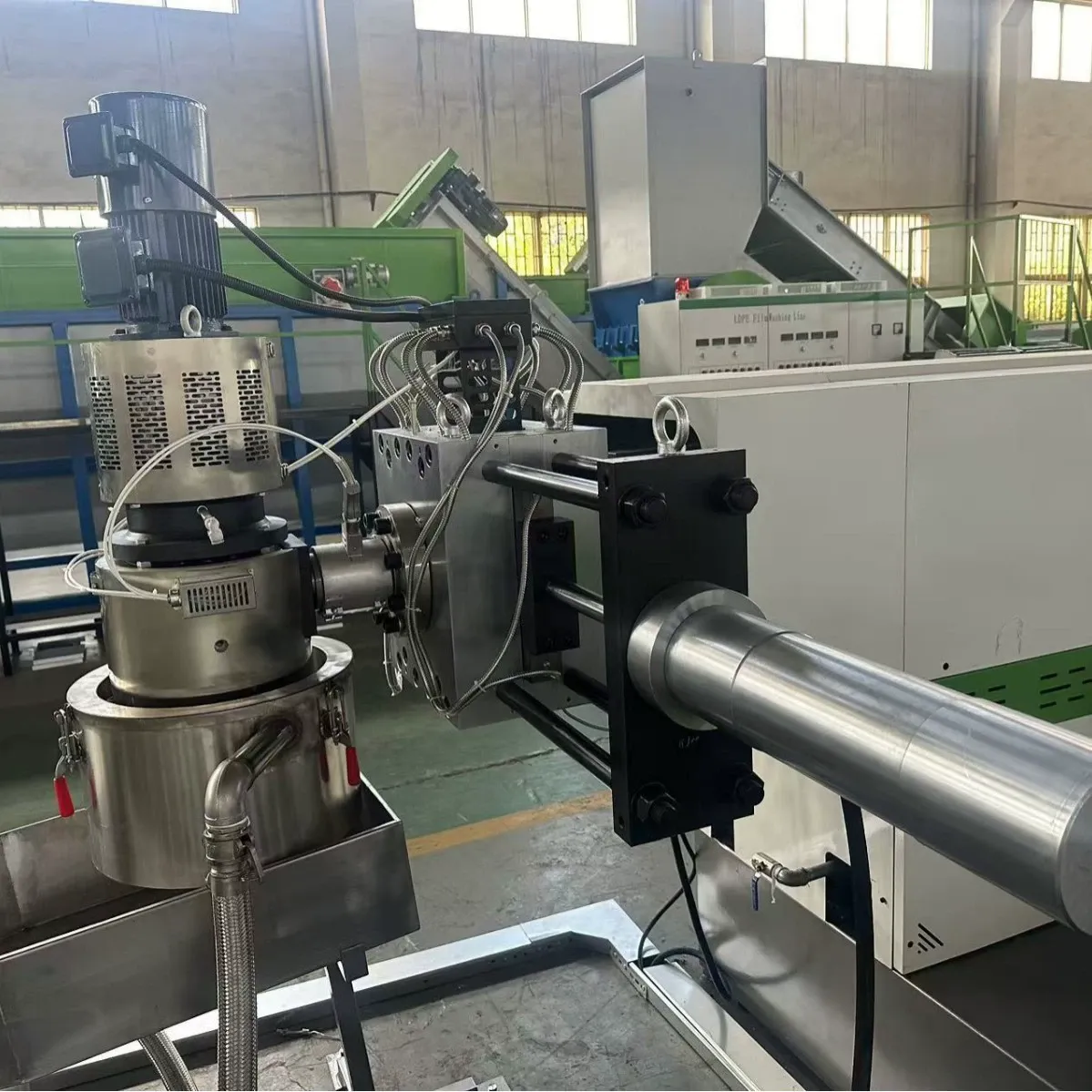
O mașină de granulare pentru reciclarea plasticului este un nod într-o șir mai lung. O linie tipică de film post-consumator arată astfel:
- Infeed and metering — transportor cu detectoare de metale; alimentatoare de pierdere în greutate pentru masterbatch sau aditivi
- Pre-compaction (for film/fiber) — comprimat sau aglomerator cu un singur ax pentru materialul cu densitate mică, pentru a-l densifica la 300–450 kg/m³ astfel încât extruderul să-l poată alimenta
- Extrudare — singură bobină pentru deșeuri curate, dublă bobină pentru deșeuri contaminate sau aliment cu mai multe materiale; zonele de degazificare elimină umezeala și substanțele volatile
- Filtrarea topiturii — screen changer (continuous or backflush) holds 80–250 µm screens to catch paper, aluminum, gels
- Die and pelletizing head — die de bandă, die cu circulație de apă sau plăcile de die subacvatice; mărimea granulelor este setată prin diametrul găurilor și viteza lamei
- Cooling and drying — water bath + centrifugal dryer (strand), or pellet/water separator + dewatering screen (underwater)
- Classification and storage — siftul vibrant elimină particulele fine și cele de dimensiuni mari; granulele ajung la silo sau stația de saci mari
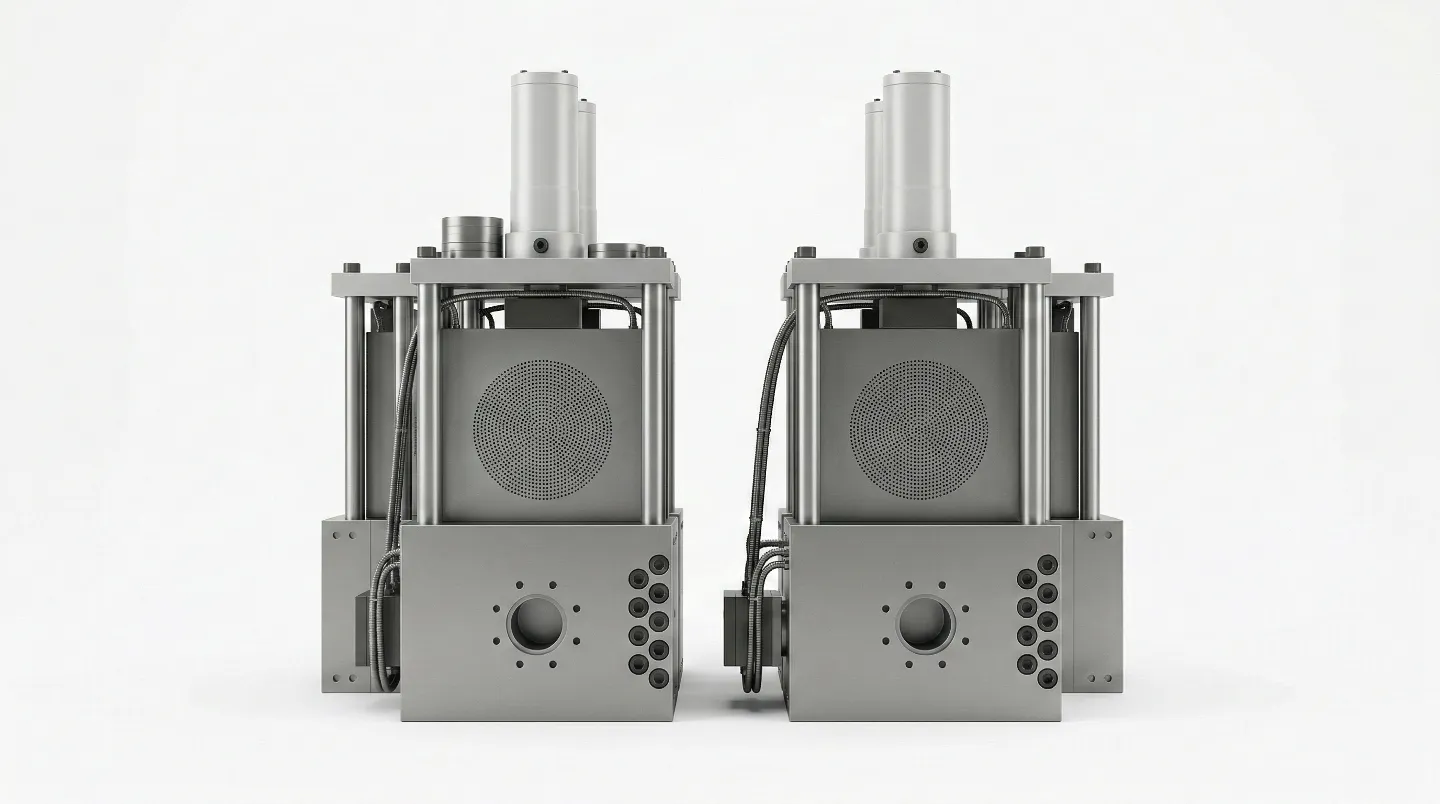
The single most-skipped stage is filtrare topită. Cumpărătorii specifică contaminarea granulelor în ppm; un filtru de backflush la 80 µm face diferența între un preț de re-vânzare de 900 USD/tonă și unul de 400 USD/tonă.
Urmărește o Linie de Granulare în Funcționare
O linie completă de granulare a filmului care rulează stagiile descrise mai sus — alimentare, extrudare, filtrare și tăiere.
Ghide specifice materialelor: PET, HDPE, PP, filmul PE
Peletizare PET
PET se hidrolizează atunci când se topește umed. Fiecare mașină de granulare pentru reciclarea PET necesită: Pentru proiectele de sticlă la sticlă, Ghidurile de design ale Platformei Europeană a Sticlei PET stabilesc ce face ca un flux de sticle să fie reciclabil în primul rând.
- Crystallizer + dryer ahead of the extruder (drop moisture below 50 ppm)
- Extruder cu două ventile de vid, sau cu un singur cilindru și degazificare la vid înalt
- Granulator subacvatic cu cristalizator de granule pe linie (altfel granulele se lipesc în depozit)
Păstrați oricare dintre acestea și viscozitatea intrinsecă (IV) scade de la ~0.80 la ~0.65 dl/g, ceea ce omoară prețul de re-vânzare pentru sticle. Peletizare PET liniile sunt cele mai mari investiții CAPEX pe ton/oră dintre orice plastic comun — buget de 2–3× o linie comparabilă cu PP. Pentru flăcările de sticle PET spălate la 300–1,500 kg/oră, o PET bottle flake single-screw pelletizer oferește cel mai bun cost pe ton — simplitatea unui extruder cu singur cilindru și geometria cilindrului specific PET și o ventilă de vacuum dimensionată pentru umezeala de grad de sticlă.
Peletizare HDPE
O Mașină de peletizare HDPE este cea mai indulgentă dintre ele. Flăcările de butelie HDPE, deșeurile de umplutură și regriindul de tubă se curăță bine pe un extruder cu singur cilindru și cu înfășurare de apă sau de înfășurare de sârmă. Linie tipică: măcinător → spălare → uscător → extruder cu cilindru unic de 120–160 mm → filtru de backflush → înfășurare de apă. Consumul de energie se situează la 280–320 kWh/tonă; vânzarea granulelor urmărește HDPE virgin la o reducere de 20–35%.
PP pelletizing
O Mașină de peletizare PP uses the same building blocks as HDPE, with two adjustments: a longer L/D screw (33:1 or 36:1) to handle PP’s narrower melt window, and a slightly cooler die. PP fiber and raffia waste — common at woven-bag plants — needs an agglomerator first because shredded fiber has a bulk density under 100 kg/m³.
PE film pelletizing
PE film pelletizing este locul unde cele mai multe linii de începători eșuează. Filmul nu poate fi alimentat direct la un extruder; cilindrul va împinge doar aer. Soluția este un compactor de partea laterală care densifică filmul la ~400 kg/m³ înainte de a ajunge la cilindru, plus degazificare intensă deoarece filmul tipărit conține inchi și adezivi. Extrudorii cu două cilindri domină acest segment deoarece tolerează contaminarea de 8–12% care supraviețuiește spălării.
Alegerea unui granulator de plastic față de un granulator
Termenii se amestecă zilnic. Diferența contează atunci când scrii o comandă de cumpărare. Identificarea rezinei urmează ASTM D7611, standardul de codare din spatele simbolurilor de rezină familiare 1–7.
| Granulator de plastic | Plastic pelletizer | |
|---|---|---|
| What it produces | Irregular flake, 6–20 mm | Uniform pellet, 2–5 mm |
| Heat involved | None — mechanical cutting only | Yes — material is melted |
| Position in line | Upstream (size reduction) | Downstream (final product) |
| Typical anchor part | Rotor with fixed knives | Extruder + die + cutter |
| Resale value of output | Low (intermediate) | High (drop-in replacement for virgin) |
O mașină granulator de plastic reduce deșeurile voluminoase la o dimensiune care poate fi gestionată de mașina ta de spălare și de extruder. Granulatori de plastic do not melt anything — if your supplier calls a melting machine a “granulator,” they are using the term loosely. For a complete recycling line you need both: a granulator to prepare feed and a pelletizer to finish it.
Energycle builds both stages — see the plastic granulator range for size-reduction equipment and the plastic pelletizer range for finished-pellet lines.
Dimensionarea capacității de producție și intervalele de cost din 2026
Cel mai mare greșel de investiții este cumpărarea unui granulator potrivit pentru materiile prime de vârf în loc de media. Obțineți o utilizare de 70–80% la media materiilor prime; spațiul de rezervă absoarbe fluctuațiile materiilor prime și timpul de înlocuire a ecranelor.
| Line size | Capacitate | Typical extruder | Indicative 2026 capex (USD, line only) | Power install |
|---|---|---|---|---|
| Small / pilot | 150–300 kg/h | 75 mm single-screw | $55,000 – $110,000 | 75–110 kW |
| Mid | 500–800 kg/h | 120 mm single-screw or 65 mm twin-screw | $140,000 – $260,000 | 180–260 kW |
| Industrial | 1,000–1,500 kg/h | 160 mm single-screw or 75 mm twin-screw | $280,000 – $480,000 | 320–450 kW |
| Mare | 2,000–3,000 kg/h | 180 mm single-screw or 92 mm twin-screw | $520,000 – $850,000 | 550–780 kW |
| PET bottle-to-bottle | 1,500–4,000 kg/h | Eroziune dublă + cristalizator + SSP | $1.2M – $3.5M | 700–1,400 kW |
Intervalurile sunt pentru linie doar (extruder, filtru, granulator, uscător, control). Adăugați 15–25% pentru instalare, modificări ale construcției și piese de schimb. Linii de spălare, măcinătoare și depozitare sunt separate.
Pentru o estimare sinceră a rambursării, introduceți numerele în această notă de buzunar:
Rambursare (ani) = Investiție inițială ÷ ((Prețul granulelor − Prețul de deșeuri − Costul energiei − Muncă) × Tone anuale)
O linie de HDPE de dimensiuni medii dintr-o regiune cu o putere de $0.08/kWh și o diferență de preț de $250/ton între deșeuri și granule, de obicei se rambursează în 18–28 de luni.
Eroarele comune care ucid calitatea granulelor
Aceste cinci greșeli sunt responsabile pentru majoritatea plângerilor legate de calitatea granulelor pe care le vedem în comisionare:
- Săritul detectorului de metale. Un bumbet din oțel inoxidabil distruge un pachet de ecrane, lovește șurubul și produce 200 kg de granule neconforme cu speța, înainte ca cineva să observe.
- Filtru de topire subdimensionat. Un ecran de 200 de grămadă pe o linie de 1,000 kg/h se spală la fiecare 4 minute. Specificați filtrul pentru cele mai murdare alimente așteptate, nu pentru cele mai curate.
- Băi de apă prea calde. Peste 60 °C, firele de HDPE rămân elastice și tăierea cuțitului granulatorului devine mai mult o mușcătură decât o tăiere. Păstrați intrarea băii la 30–40 °C cu un frigider.
- Screw L/D incorect pentru material. Un șurub de 25:1 construit pentru PE nu va topi și degaza corect PP — obțineți neîntinși și gel vizibil în granule.
- Lipsa sievei de granule. Fracțiunile (5 mm) blochează alimentatorii inferiori. Un sift de vibrație cu două etaje costă sub $4,000 și elimină plângerile.
Maintenance Essentials
- Zilnic: Verificați placa de die pentru găuri blocate; curățați schimbătorul de ecran; verificați temperatura apei în sistemul de răcire
- Săptămânal: Verificați momentul de torsiune al șurubului și curentul motor (creșterea curentului indică uzura cilindrelor); inspectați foile mașinii de tăiere a granulelor
- Lunar: Lubricate gearbox; check heater band function on each zone; inspect screen changer seals
- Every 2,000–4,000 hours: Măsoarați uzura șurubului și cilindrelor (înlocuiți când spațiul liber depășește 0.5 mm pe fiecare parte)
- Anual: Full inspection of screw, barrel, die plate, gearbox, and electrical systems
For complete maintenance programs, see our pelletizer maintenance checklist și patru metode de granulare comparate above.
Întrebări frecvente
Ce este diferența dintre granularea prin extrudare și granularea prin comprimare?
Granularea prin extrudare topește plasticul într-un extruder cu șurub dublu și taie după die — acesta este ceea ce face fiecare mașină de granulare de reciclare de plastic din această ghid. Granularea prin comprimare (folosită pentru biomase și unele pulberi) comprimă materialul prin un die de cerc fără a-l topi complet. Echipamentele de comprimare nu pot procesa deșeurile de termoplastic în granule de vânzare.
Poate o mașină de granulare să gestioneze PET, HDPE și PP?
Mecanic da, comercial nu. Geometria cilindrului, temperatura die-ului și uscarea de la capătul inferioară pentru PET sunt diferite destul de mult de la HDPE/PP, astfel încât schimbarea materialelor înseamnă o oprire completă, trageți cilindrul și 4–8 ore de curățare. Linii dedicate per polimer sunt aproape întotdeauna mai rapide la rambursare decât o linie “universală” care rulează 50% de timp.
Cât de mic poate fi o mașină de granulare de reciclare de plastic?
Cea mai mică linie comercializabilă rulează aproximativ 80–100 kg/h pe un extruder cu șurub de 65 mm, prețuit în jur de $35,000–$55,000 în 2026. Orice mai mic este o unitate de hobby — potrivită pentru cercetare și dezvoltare sau pregătirea filamentului pentru imprimantă 3D, nu pentru vânzarea în producție.
Ce nivel de contaminare cu granule acceptă cumpărătorii?
Pentru regriindul HDPE și PP de bază, cumpărătorii acceptă de obicei 200–500 ppm de particule străine. Specificațiile de grad alimentar și de grad fibru scad sub 50 ppm, ceea ce necesită un filtru de backflush continuu și adesea un al doilea stadiu de filtrare a topirii. Specificațiile cumpărătorilor urmează în general Ghidul de Design APR®, referința împotriva căreia cei mai mulți reciclatori nord-americani își scriu criteriile de acceptare.
Cât timp durează tăierea granulelor?
Pe deșeurile curate de PE/PP, tăierea cuțitului de fire are o durată de viață de 800–2,000 de ore între regrinduri. Pe compoziții umplute cu sticlă sau minerale, durata vieții tăierii scade sub 100 de ore — bugetați pentru tăietori din wolfram de carburați sau acoperiți cu strat special pe materiale abrazive.
Este mai ieftin să se răcească granulele cu aer decât sub apă?
Investiții da — capătul de capex al capului răcit cu aer este cu 30–50% mai ieftin decât subapă. Cheltuielile operaționale depind de material. Pentru LDPE și EVA moi, răcirea cu aer câștigă pe ambele axe. Pentru PE cu randament ridicat sau orice PET, răcirea subapă câștigă pe cheltuielile operaționale pe tonă chiar dacă mașina costă mai mult.
How much floor space does a pelletizing line need?
A 500 kg/h line fits in roughly 25 × 8 m (200 m²) including the cooling section and pellet silo. A 2,000 kg/h PET line with crystallizer and SSP needs 60 × 15 m (900 m²) plus the wash plant.
Pasul următor
Linia de granulare corectă este cea care se potrivește cu materiile prime, tariful tău de energie și specificațiile cumpărătorului tău țintă — in that order. If you know the material and approximate tonnage, Energycle’s engineering team will spec the extruder, pelletizer, and filtration in a one-page proposal.
Gotați să specificați o linie? Rulați prin gamă de mașini granulatoare de plastic și trimiteți-ne materialul și tonajul de acolo, sau contactați echipa noastră de inginerie direct.
Related reading:
- How to make plastic pellets: 7-step process — ghid de procesare care se potrivește acestui ghid de selecție
- Mașini de granulare pentru plastic — întregul spectru de mașini de granulare Energycle de plastic
- PET bottle flake single-screw pelletizer — dedicated PET bottle-flake line
- Mașină de granulare a filmului — dedicated PE film line
- Sistem de extrudare cu două șuruburi — for contaminated or multi-material feed
- Granulatori de plastic — echipament de reducere a dimensiunilor care alimentează granulatoarele
- Shredder pe un singur ax — first stage for bulky scrap
