

Plasztik granulálása a keverékes hulladékot, filmet, szálakat vagy fogyasztói hulladékot egységes granulátumokká alakítja, amelyekért az injektálók, extrudálók és keverítők valóban fizetnek. A választott módszer – szál, vízkör, víz alatt vagy forró die-faces – meghatározza a kapacitás határát, a granulátum minőségét, az energiaáramlást és a tonnánkénti áresést. Ez az útmutató összehasonlítja a négy alapvető módszert, mindeniket hozzárendeli a PET, HDPE, PP és PE filmhez, és valós 2026-os berendezési költségek tartományát adja meg, hogy az első próbálkozásban megfelelő sorozatot válassz. Ha először szeretnéd megnézni a hardvert, böngészd meg a plastic pelletizing machines sorozat.
Tartalomjegyzék
- Miért jelent a plasztikus granulálás
- A négy granulálási módszer összehasonlítása
- Granulálási vonal elrendezése: minden szakasz magyarázata
- Anyag specifikus útmutatók: PET, HDPE, PP, PE film
- Plasztikus granuláló kiválasztása a granulálótól
- Kapacitásmérés és 2026-os költségek
- A granulátum minőségét elpusztító gyakori hibák
- Gyakran ismételt kérdések
Miért jelent a plasztikus granulálás
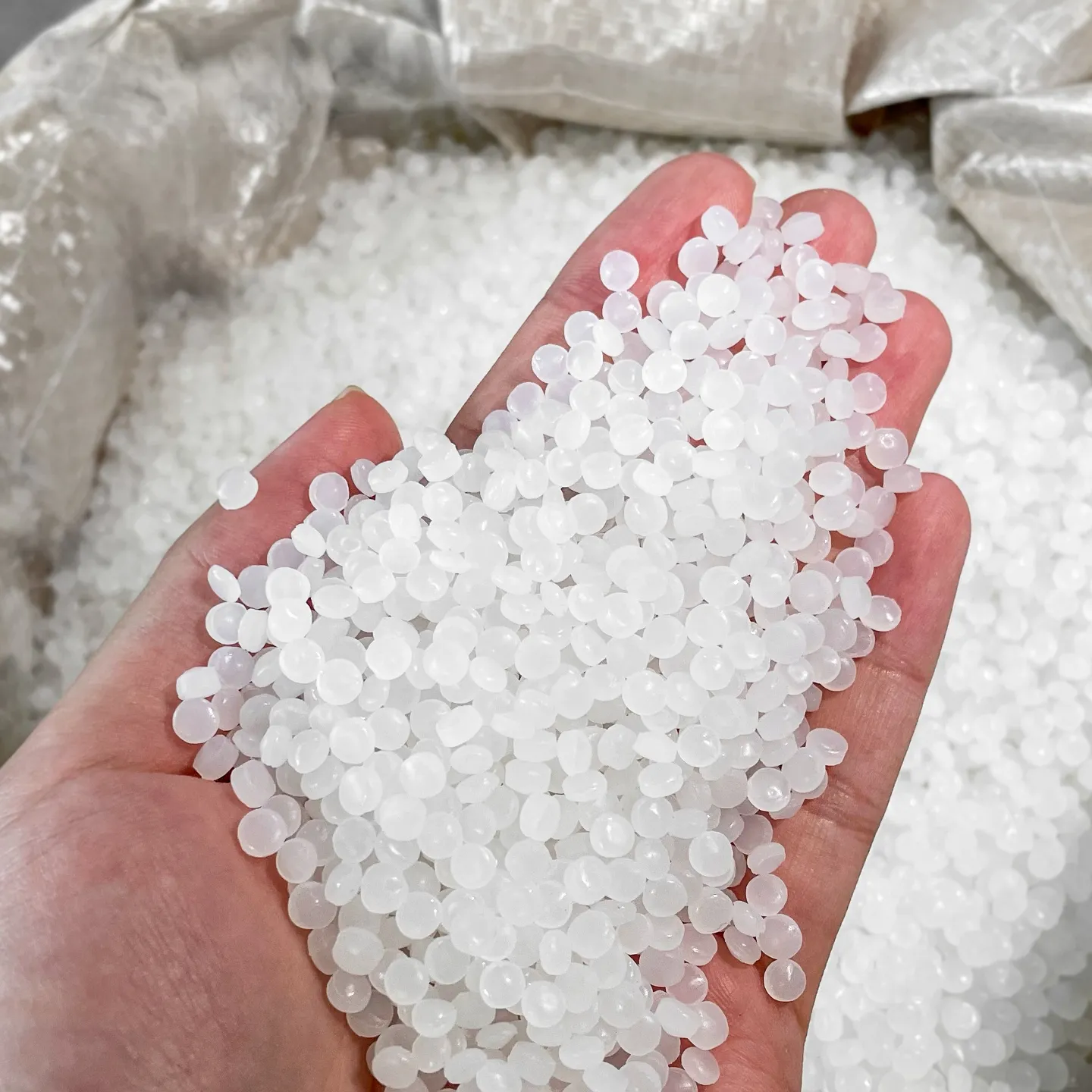
A plasztikus granulálás a darált, mosott vagy olvadó hulladék plázta kis, egységes granulátumokká történő alakítása – általában 2–5 mm átmérőjű – amelyet a szabványos feldolgozási berendezésekben újraolvasztanak. A granulátum a hulladékgyűjtési ipar kereskedelmi egysége: a brókerek tonnánkénti granulátum áron adnak árat, nem tonnánkénti hulladék áron, mert a granulátum alakja és tömítettsége határozza meg, hogyan táplálja a lefelé irányuló gép.
A plasztikus hulladék granulálási gép a hulladékgyűjtési vonal végén helyezkedik el. Az előző szakaszokban darálják, mossák és szárítják; a granuláló az tisztított granulátumot olvasztja, szűri, extrudálja és vágja. A vágási módszer az alábbiakban bemutatott négy granulálási technológia különbsége.
A legfontosabb tanulság: “A granulálás” a vágási lépés, nem az egész vonal. Először válassza ki a vágási módszert, majd mérethessen ki az extrudálót és a táplálási rendszert köréje.
A négy granulálási módszer összehasonlítása
Minden kereskedelmi plasztikus granuláló egyetlen négy vágási elvet használ. Mindegyik más anyaghoz és granulátum specifikációhoz illik.
The four split into two families. Cold cutting solidifies the polymer before the blade touches it — that is strand pelletizing, sometimes sold as a portálvágó gép, ahol a hűtött szálak egy gerendás fémrácsos vágólemezek során keresztül kerülnek be. Hot cutting vágja a hűtött anyagot a die felületen, majd hűti azt, amely magában foglalja a vízkörös, aljvízi és meleg die felületű levegőhűtéses változatokat. A hideg vágás a legegyenletesebb hengeres granulátumot biztosít merev anyagok esetében; a meleg vágás kezel soft, ragadós és magas kimenetű folyamatokat, amelyek soha nem bírnák meg a vízforrást szálakként.
| Módszer | Hogyan vágtat | Legjobb választás | Általános teljesítmény | Pellet alakja | Energia (kWh/t) |
|---|---|---|---|---|---|
| Szál granulálás | Szálak vízkörön keresztül haladnak át, majd egy forgó vágólap által szárazon vágtatnak | Rigida HDPE, PP, ABS, PS | 100–2,000 kg/h | Hengeres | 280–380 |
| Vízgyűrűs pelletizálás | Vágólap vágtatja a forró szálakat a die-facesen; vízkör hűti le | PE, PP, mesterséges keverék | 150–1,500 kg/h | Lencse / lemez | 250–340 |
| Víz alatti granulálás | A die-faces elmerül; a granulátumok egyidejűleg vágva és lehűtve kerülnek | PET, mérnöki műanyag, magas kimenetű PE | 300–6,000 kg/h | Közel-kúpos | 220–310 |
| Hot-die-face / air-cooled | Blade cuts at die face; pellets fall, cooled by air | Soft PE film, foam, low-melt material | 80–800 kg/h | Lens / teardrop | 200–280 |
When strand pelletizing wins
A szál granulálás a tiszta merev hulladék munkagépe — palackporlaszt, ipari újrahasznosított anyag, szál hulladék. Az eszközök olcsók, a vágóhegyek cseréje percenként megtörténik, és a granulátum hossza könnyen beállítható. A gyenge pont a nedves anyag: a szálak megszakadnak a vízforrástálban, ha a nedvesség meghaladja a ~1%-ot, ami megállásokat okoz, amelyek tönkreteszik a teljesítményt.
When water-ring pelletizing wins
A vízkör körül helyezkedik el a szál és az alámerülő között. A hengerlemezt nyitott levegőben helyezik el, de egy magas sebességű vízkör azonnal hűti le a granulátumot, amikor levágják. Az operátorok alámerülési stílusú granulátumot kapnak a nyomott vízkamra működési bonyolultsága nélkül. Ez az alapértelmezett választás PE/PP mesterséges keverővonatok számára, amelyek teljesítménye 1,500 kg/h alatt van.
When underwater pelletizing wins
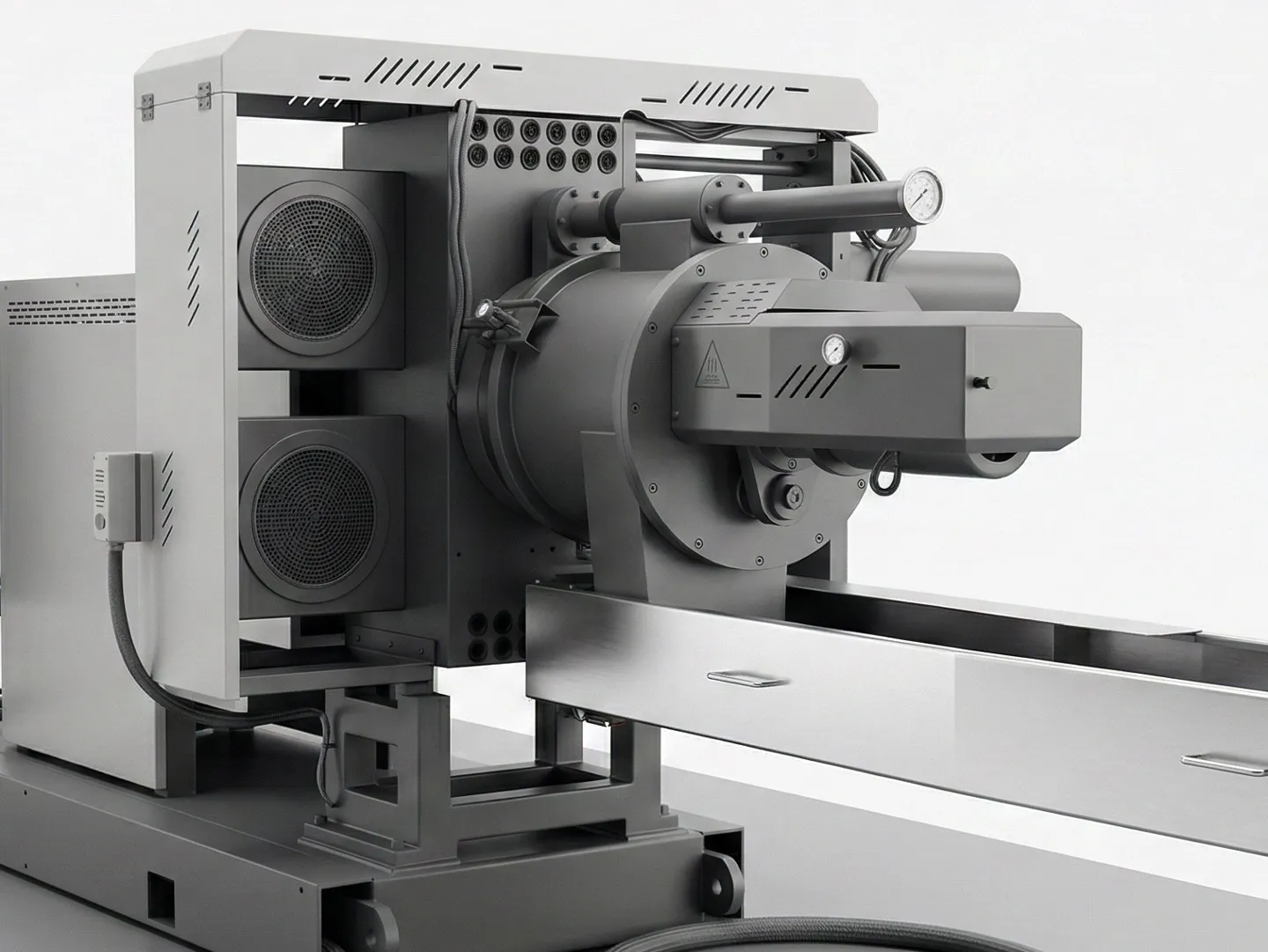
Az alámerülő az egyetlen ésszerű választás PET pelletizálás 500 kg/h felett és minden olyan vonal esetében, amelynek a granulátumoknak helyben kristályosodnia kell (a legtöbb PET palackból palackba történő üzem). A merülő vágás tökéletes gömbölyű granulátumot eredményez, amely javítja a szárító levegőáramlását és a következő etapokban történő táplálás egyenletességét. Az átváltás ára: szigorúbb folyamatirányítás, magasabb berendezési költség és a szálvágó kaliberához képest 3–5× drágább kaliber.
When hot-die-face air-cooled wins
Az levegőhűtéses granulálás azok anyagok mentőeszköze, amelyek nem tűrik a vizet. A magas MFI-vel rendelkező puha LDPE film, az EVA, a melegolajos ragasztóanyagok és néhány TPE vízben ragad vagy tömörül. Az levegőhűtés egy bocsánatos folyamatot biztosít, de ezzel csökken a kimenet és a granulátum kissé szabálytalan lesz.
Granulálási vonal elrendezése: minden szakasz magyarázata
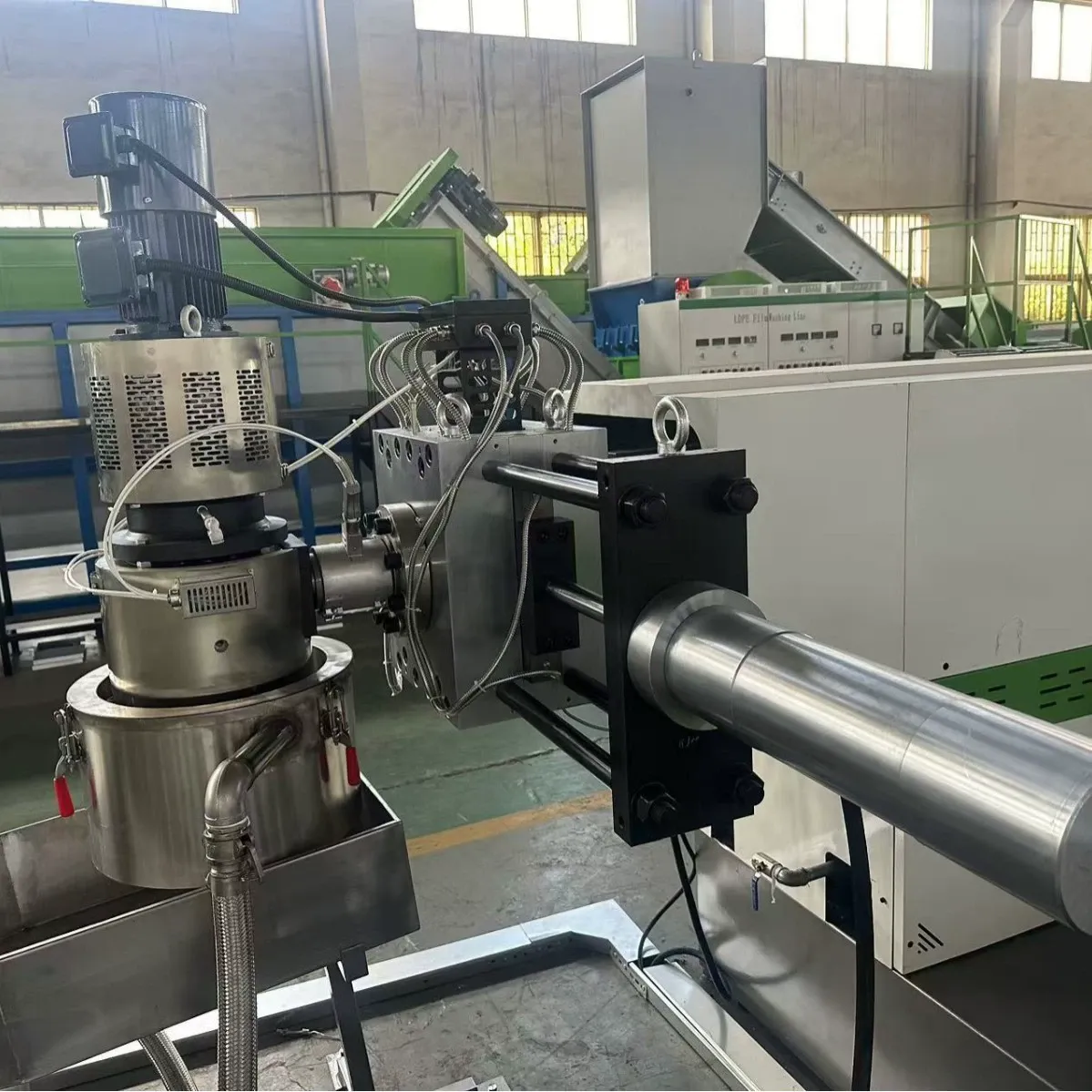
A műanyag újrahasznosítására szolgáló granulálógép egy hosszabb lánc egy csomópontja. Egy tipikus fogyasztói film vonal így néz ki:
- Infeed and metering — acélmérővel rendelkező szalagfutó; tömegvesztéses adagolók mesterséges keverékek vagy hozzáadóanyagokhoz
- Pre-compaction (for film/fiber) — egytengelyes összenyomó vagy agglomerátor, amely a kis tömegű anyagot 300–450 kg/m³-ra sűrűsíti, hogy az extruder be tudja adni
- Extrudálás — egytengelyes kaliber a tisztított hulladékhoz, kettős tengelyes kaliber a szennyezett vagy többanyagú tápláláshoz; a degázolási területek eltávolítják a nedvességet és a szilárd gázokat
- Olvadékszűrés — screen changer (continuous or backflush) holds 80–250 µm screens to catch paper, aluminum, gels
- Die and pelletizing head — szál die, vízgyűrű die vagy víz alatti die lap; a granulátum mérete a lyuk átmérőjétől és a vágósebességtől függ
- Cooling and drying — water bath + centrifugal dryer (strand), or pellet/water separator + dewatering screen (underwater)
- Classification and storage — rezgő szita eltávolítja a finérceket és az oversized darabokat; a granulátum a silóba vagy nagyzsák állomásra kerül
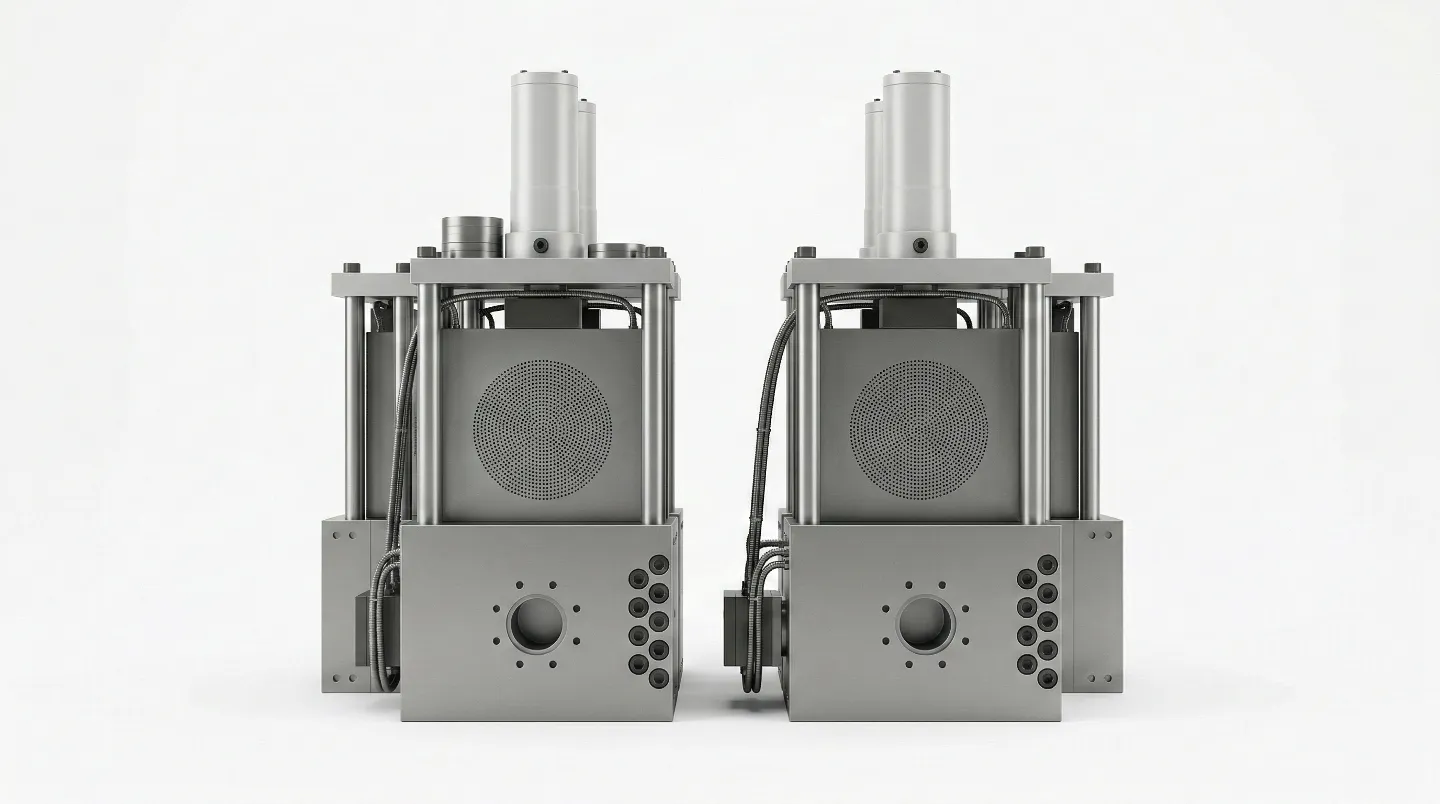
The single most-skipped stage is olvadékszűrés. A vevők a granulátum szennyezettségét ppm-ben határozzák meg; egy 80 µm-es visszafolyásos szűrő a 900 USD/tonna újraértékesítési ár és a 400 USD/tonna ár közötti különbség.
Nézze meg a granulálási vonal működését
Egy teljes film granulálási vonal, amely a fent leírt szakaszokat futtatja — bejárás, extrudálás, szűrés és vágás.
Anyag specifikus útmutatók: PET, HDPE, PP, PE film
PET pelletizálás
A PET vízoldékony, amikor nedvesen olvad. Minden PET granulálási gépnek szüksége van: A palackból-palackba projekt esetén, a Európai PET palack platform tervezési irányelvei meghatározzák, mi teszi a palackfolyadékot újrahasznosíthatóvá először.
- Crystallizer + dryer ahead of the extruder (drop moisture below 50 ppm)
- Két ventilláló csapágyú kétszárnyú extruder, vagy magas szívóerővel működő egy szárnyú extruder
- Víz alatti granulátor csatlakoztatott hosszirányú kristályosítóval (egyébként a granulátum a raktározásban ragadna)
Hagyja ki bármelyiket is, és az intrinsikus viszkozitás (IV) ~0.80-ról ~0.65 dl/g-re csökken, ami elpusztítja a palackos újraértékesítést. PET pelletizálás a legmagasabb kapitalbefizetés tonnánként vagy óránként bármely közönséges műanyag esetében — költségvetés 2–3× egy hasonló PP vonalhoz. 300–1,500 kg/h tisztított PET palackporrá, egy különálló PET bottle flake single-screw pelletizer a legjobb tonnánkénti költséget biztosítja — egyszerű egytengelyes egyszerűség, PET specifikus szivattyúgeometriával és palackminőségű nedvességet méretezett szívó ventillummal.
HDPE pelletizálás
Egy HDPE pelletizáló gép a legkevésbé követelményes a csoportban. Az HDPE palack darabok, fújásos hulladék és cső újrahasznosítás tisztaan fut egyetlen hengeres extruderrel vízkörös vagy szál pelletizátorral. Tipikus vonal: daraboló → mosás → szárító → 120–160 mm egyhengeres extruder → visszafolyásos szűrő → vízkörös pelletizátor. Az energiafogyasztás 280–320 kWh/tonnánál landol; a pellet újraértékesítése a prémium HDPE-t 20–35%-kal kedvezményesen követi.
PP pelletizing
Egy PP pelletizáló gép uses the same building blocks as HDPE, with two adjustments: a longer L/D screw (33:1 or 36:1) to handle PP’s narrower melt window, and a slightly cooler die. PP fiber and raffia waste — common at woven-bag plants — needs an agglomerator first because shredded fiber has a bulk density under 100 kg/m³.
PE film pelletizing
PE film pelletizing itt bukik el a legtöbb kezdő vonal. A film nem adható közvetlenül az extruderhez; a henger csak levegőt tol. A megoldás egy oldalirányú tömítőszerelő, amely a filmet ~400 kg/m³-ra sűrűsíti, mielőtt elérné a hengert, valamint intenzív degázítás, mert a nyomtatott film festékeket és ragasztókat hordoz. Kettős hengeres extruderek dominálnak ezen a szegmensben, mert tolerálják a 8–12%-os szennyeződést, amely a mosás után túlél.
Plasztikus granuláló kiválasztása a granulálótól
A kifejezések naponta keverednek. A különbségek fontosak, amikor megírja a beszerzési rendelést. A gyanta azonosítása követi ASTM D7611, a 1–7 gyanta szimbólumok ismert kódolási szabvány mögött.
| Műanyag granulátor | Plastic pelletizer | |
|---|---|---|
| What it produces | Irregular flake, 6–20 mm | Uniform pellet, 2–5 mm |
| Heat involved | None — mechanical cutting only | Yes — material is melted |
| Position in line | Upstream (size reduction) | Downstream (final product) |
| Typical anchor part | Rotor with fixed knives | Extruder + die + cutter |
| Resale value of output | Low (intermediate) | High (drop-in replacement for virgin) |
Egy plasztikus granulátor gép csökkenti a nagyobb hulladék méretét arra a méretre, amelyet a mosó és az extruder kezelni tud. Plasztikus granulátorok Nem olvassz semmit el – ha a beszállító granulátornak nevezi a hevítgetőgépet, széles körben használja a kifejezést. Egy teljes körű hulladékgyűjtő vonalhoz mindkettőt szükséged van: granulátort a táplálék előkészítéséhez és granulátort a kész pellet előállításához.
Energycle mindkét fázist építi – lásd a plasztik granulátor sorozatot a méretcsökkentő berendezésekhez és a plasztik granulátor sorozatot a kész pellet vonalakhoz.
Kapacitásmérés és 2026-os költségek
A legnagyobb beruházási hiba az, ha a pelletizátort a csúcsnyersanyaghoz igazítják, nem pedig az átlagoshoz. Célzsony 70–80% használati arány az átlagos nyersanyaghoz; a szabad kapacitás elnyeli a nyersanyag ingadozásait és a szűrőcsere leállítását.
| Vonal mérete | Kapacitás | Tipikus extruder | Jellegzetes 2026 beruházási költség (USD, vonal) | Erőátvitel |
|---|---|---|---|---|
| Kicsi / pilóta | 150–300 kg/h | 75 mm egytengelyes | $55,000 – $110,000 | 75–110 kW |
| Közepes | 500–800 kg/óra | 120 mm egytengelyes vagy 65 mm kettőtengelyes | $140,000 – $260,000 | 180–260 kW |
| Ipari | 1,000–1,500 kg/h | 160 mm egytengelyes vagy 75 mm kettőtengelyes | $280,000 – $480,000 | 320–450 kW |
| Nagy | 2,000–3,000 kg/h | 180 mm egytengelyes vagy 92 mm kettőtengelyes | $520,000 – $850,000 | 550–780 kW |
| PET palackból palackba | 1,500–4,000 kg/h | Kettőtengelyes + kristályosító + SSP | $1.2M – $3.5M | 700–1,400 kW |
A tartományok vonalra szólnak (extruder, szűrő, pelletizátor, szárító, irányítás). Adjunk hozzá 15–25%-ot az installációhoz, épület módosításokhoz és tartalék alkatrészekhez. A mosóvonatok, darabolók és raktározás különállóak.
Egy őszinte megtérülési becslés érdekében, helyezze be a számait ebbe a papírdoboz hátsó oldalába:
Payback (years) = Capex ÷ ((Pellet price − Scrap price − Power cost − Labor) × Annual tons)
Egy közepes méretű HDPE vonal egy $0.08/kWh áramárú régióban és $250/ton hulladék-rétegszélesítés esetén általában 18–28 hónap alatt térül meg.
A granulátum minőségét elpusztító gyakori hibák
Ezek az öt hiba felelős a legtöbb pelletminőségű panaszért, amelyeket üzembe helyezéskor tapasztalunk:
- Skipping the metal detector. Egy rozsdamentes csavar tönkreteszi a szűrőcsomagot, karcosítja a csavart, és 200 kg fekete pontos nem megfelelő pelletet termel, mielőtt bárki észrevenne.
- Undersized melt filter. Egy 200 szemes szűrő egy 1,000 kg/h vonalon minden 4 percben backflushol. Szabja meg a szűrőt a legrosszabb elvárt bevitelére, ne a legtisztábbra.
- Water bath too warm. 60 °C felett az HDPE szálak rugalmasak maradnak, és a pelletizáló vágólap kenyérlapozik helyett vág. Tartsa a fürdő bejáratát 30–40 °C-on hűtővel.
- Wrong screw L/D for the material. A 25:1 szárnyú PE-re épített szárny nem olvad meg és szivárgó nem megfelelően PP-t - a granulátumokban látható gél és nem olvadó anyag keletkezik.
- No pellet sieve. Fines (5 mm) jam downstream feeders. A 2-deck vibrating sieve costs under $4,000 and removes the complaint.
Maintenance Essentials
- Napi: Ellenőrizze a hengerlemezt elzáródott lyukakért; tisztítsa meg a szűrőcsereberét; ellenőrizze a hűtési rendszer vízhőmérsékletét
- Heti: Ellenőrizze a szivattyú nyomatékát és a motor áramát (emelkedő áramok a henger kopására utalnak); ellenőrizze a granulálógépet vágóhegyek
- Havi: Lubricate gearbox; check heater band function on each zone; inspect screen changer seals
- Every 2,000–4,000 hours: Mérje meg a szivattyú és henger kopását (cserélje ki, ha a szabadon maradó hely meghaladja a 0,5 mm-t oldalanként)
- Évente: Full inspection of screw, barrel, die plate, gearbox, and electrical systems
For complete maintenance programs, see our pelletizer maintenance checklist és a four pelletizing methods compared felett.
Gyakran ismételt kérdések
What is the difference between extrusion pelletizing and compression pelletizing?
Az extrudációs granulálás a műanyagot egy szárnyas extrudorban olvadja meg, majd a die után vágja le - ezeket a granulálási gépeket minden a kézikönyvben szereplő műanyag visszanyerő gép végzi. A szilárd halmazállapotú anyagokhoz és néhány porhoz használt összenyomási granulálás a halmazállapotot egy kör alakú die-n keresztül nyomja át, anélkül hogy teljesen felolvasztaná. Az összenyomási berendezések nem képesek hőszilárd hulladékot felhasználni eladható granulátumok előállítására.
Egy granulálási gép képes-e PET, HDPE és PP feldolgozására?
Mechanically yes, commercially no. The screw geometry, die temperature, and downstream drying for PET are different enough from HDPE/PP that switching materials means a full shutdown, screw pull, and 4–8 hours of cleaning. Dedicated lines per polymer almost always pay back faster than a “universal” line that runs 50% of the time.
How small can a plastic recycling pelletizing machine get?
A legkisebb kereskedelmi szinten működő vonal körülbelül 80–100 kg/h ütemben működik egy 65 mm-es egy szárnyas extrudorral, 2026-ban körülbelül $35,000–$55,000 áron. Ez alatt a mennyiség hobby egységnek számít - megfelelő R&D vagy 3D-nyomtatási szál előkészítésére, nem gyártási értékesítésre.
What pellet contamination level do buyers accept?
A kereskedelmi HDPE és PP újrahasznosított anyag esetén a vevők általában elfogadják a 200–500 ppm idegen részecskék mennyiségét. Az élelmiszeripari és szálipari specifikációk 50 ppm alá csökkennek, ami folyamatos visszafolyásos szűrőt és gyakran második olvadásszűrési szakaszt igényel. A vevői specifikációk általában követik a APR Design® irányelvet, amely a legnagyobb észak-amerikai újrahasznosítók által írt elfogadási kritériumok referenciája.
How long do pelletizing blades last?
Tiszta PE/PP hulladék esetében a szálvágó vágólapok 800–2,000 órán keresztül működnek újrahasznosítás között. Üvegbe vagy ásványanyagokkal töltött keverékek esetében a vágólap élettartama 100 óra alatt csökken - számoljon be volfrám-karbiddal vagy bevonatott vágólapokkal a rozsdás anyagokhoz.
Is air-cooled pelletizing cheaper than underwater?
Kapitalbefizetés igen — az levegőhűtéses fej 30–50% olcsóbb az aljvízinél. Az üzemeltetési költségek a anyagtól függnek. A puha LDPE és EVA esetében levegőhűtés nyeri meg mindkét tengelyt. Magas kimenetű PE vagy bármely PET esetében az aljvízi hűtés nyeri meg az üzemeltetési költségeket tonnánként, még akkor is, ha a gép költsége magasabb.
How much floor space does a pelletizing line need?
Egy 500 kg/h vonal körülbelül 25 × 8 m (200 m²) helyet foglal el, beleértve a hűtő részt és a granulátortárolót. Egy 2,000 kg/h PET vonal kristályosítóval és SSP-vel 60 × 15 m (900 m²) helyet igényel, valamint a mosó üzemhez.
Következő lépés
A megfelelő granulálási vonal az, amely megfelel a nyersanyagodnak, az áramdíjaidnak és a célvásárló specifikus követelményeinek ezek sorrendjében. Ha ismersz anyagot és becsült tonnázatot, a Energycle mérnöki csapata egy oldalas javaslatban meghatározza az extrudort, a granulátort és a szűrőrendszert.
Ready to specify a line? Browse the plastic pelletizer machine range és küldje el nekünk az anyagát és a tonnázatát innen, vagy kapcsolatba lépjen mérnöki csapatunkkal directly.
Kapcsolódó olvasmányok:
- Hogyan készíts plastic pellets: 7 lépéses folyamat — folyamat útmutató, amely kiegészíti ezt a kiválasztási útmutatót
- Plasztikus granuláló gépek — a teljes Energycle plastikus granuláló gép sorozat
- PET bottle flake single-screw pelletizer — dedikált PET palackpor vonal
- FILM gyűjtőgép — dedikált PE film vonal
- Kétcsigás extruder rendszer — szennyezett vagy többanyagú nyersanyaghoz
- Plasztikus granulátorok — méretcsökkentő berendezés, amely a granulálót táplálja
- Egytengelyes daráló — az első szakasz a nagyvolumenű hulladékhoz
