

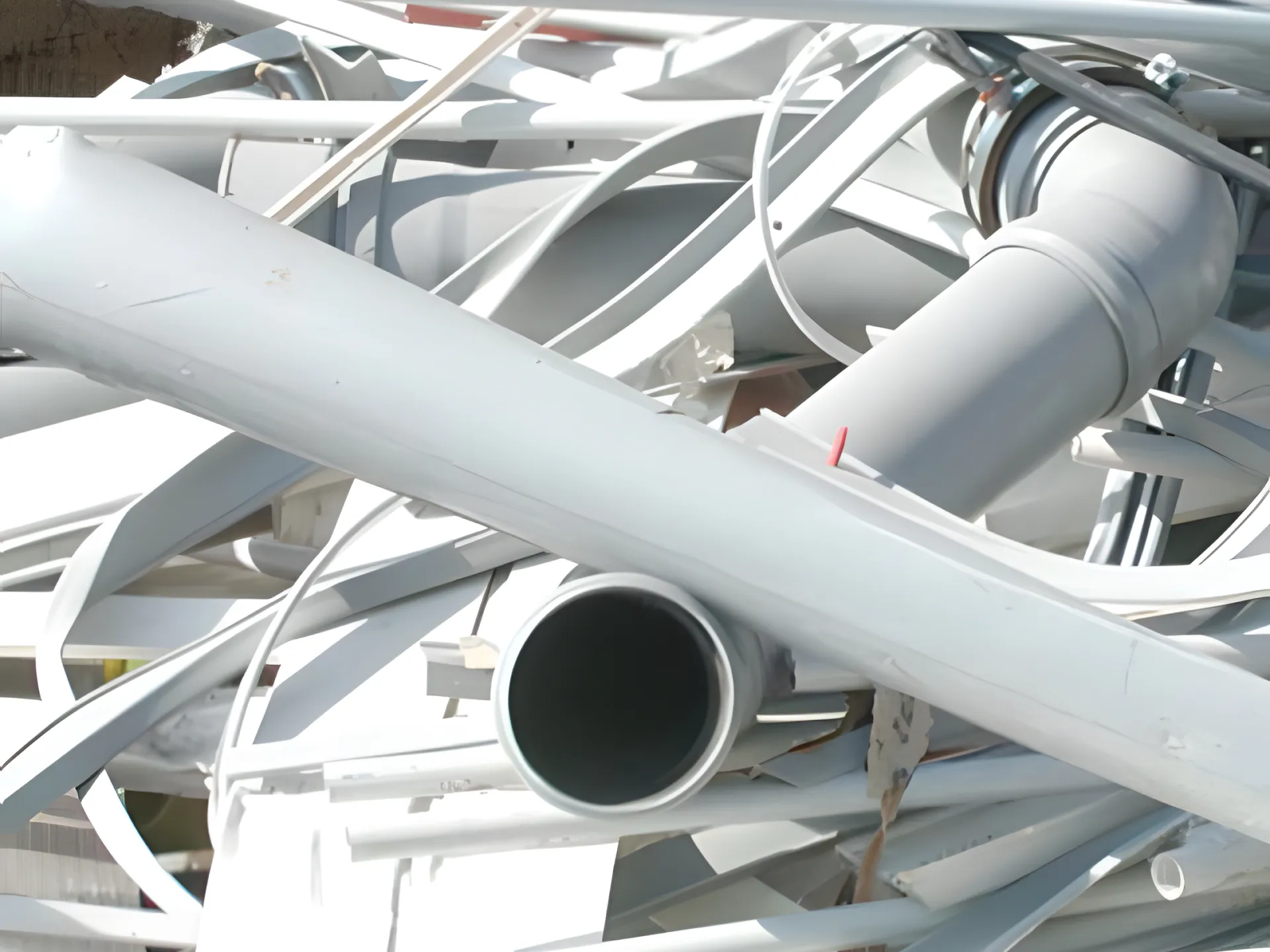
Der Wert von recyceltem PVC hängt weniger von der Herkunft des Abfalls ab, sondern vielmehr davon, was zuverlässig produziert werden kann: gemischtes Mahlgut, sauberes Granulat oder gleichmäßiges Pulver. Abnehmer höherer Qualitätsansprüche fordern in der Regel eine strengere Kontrolle von Verunreinigungen, Feuchtigkeit und der Verwendung von Additiven.
Dieser Leitfaden erläutert die wichtigsten Ausrüstungsmodule, die beim PVC-Recycling eingesetzt werden, und wie jedes Modul dazu beiträgt, eine höhere Ausgabequalität zu erreichen.
Kurzgefasste Erkenntnisse
- Beginnen Sie mit einem klar definierten Ausgabeziel (Remahlgut, Granulat oder Pulver) und gestalten Sie die Produktionslinie entsprechend.
- Waschen und Trennen entscheiden oft darüber, ob man in anspruchsvolleren Anwendungsbereichen verkaufen kann.
- Pulverisieren/Mahlen ist üblich, wenn der Endmarkt PVC-Pulver für die Trockenmischung und Extrusion benötigt.
Schritt 1: Ordnen Sie die Ausrüstung dem von Ihnen verkauften Ausgabeformat zu.
A) Nachmahlen (grob)
Üblicherweise wird es durch Zerkleinern/Granulieren für die interne Wiederverwendung oder für tolerante Endmärkte hergestellt.
Kernanforderungen: – stabile Zerkleinerung – Metallabtrag und grundlegende Reinheitskontrolle
B) Saubere Granulate (Flocken/Mahlgut, geeignet für die Compoundierung)
Häufig erforderlich: – engere Dimensionierung und bessere Entfernung von Verunreinigungen – Waschen und Trocknen entsprechend dem jeweiligen Wasserstrom
C) PVC-Pulver (für Trockenmischungen und Profilprodukte)
Für die Pulverherstellung sind üblicherweise folgende Anforderungen erforderlich: – gleichmäßiges Granulat-Ausgangsmaterial (sauber, kontrollierte Korngröße) – Mahlen/Pulverisieren mit Temperaturkontrolle und Klassierung
Ausrüstungsreferenz für die PVC-Pulververarbeitung: Industrielle PVC-Pulverisierer für das Recycling von Rohren, Profilen und Schrott
Schritt 2: Die Kernmodule einer PVC-Recyclinglinie
1) Zerkleinerung (Zerkleinerer + Granulator nach Bedarf)
Sperrige Profile, Rohre und gemischte starre Teile werden oft zunächst zerkleinert und anschließend granuliert, um eine gleichmäßige Weiterverarbeitung zu gewährleisten.
2) Schadstoffentfernung
PVC-Abfallströme enthalten häufig: – Metalle (Befestigungselemente, Clips) – Gummidichtungen – Schmutz und Bauschutt
Eine Anlage kann je nach Materialstrom Metalltrennung, Waschen und Klassieren umfassen. Referenz für starre Anlagen von Energycle: Wäscheleine aus starrem Kunststoff für PP, HDPE und PVC
Verwandte Energycle-Referenzen: – Leitfaden zur Auswahl von PVC-Recyclinganlagen – Industrielle PVC-Pulverisierer für das Recycling von Rohren, Profilen und Schrott – Wäscheleine aus starrem Kunststoff für PP, HDPE und PVC
3) Mahlen/Pulverisieren und Klassieren (für Pulver)
Mahlsysteme umfassen typischerweise: – Mahlkammer mit Kühlsystem – Vibrationssieb/Klassierer zur Trennung von normgerechtem und überkornigem Pulver – Staubabsaugung für sicheres und gleichmäßiges Pulverhandling.
Schritt 3: Konformitätsprüfung und Additivhistorie
Ältere PVC-Produkte (insbesondere ältere Bauprodukte) können Zusatzstoffe enthalten, die in einigen Märkten beschränkt sind. Wenn Sie in Anwendungsbereichen mit strengeren Vorschriften verkaufen möchten, planen Sie Folgendes ein: – Sortier-/Trennstrategien – Dokumentation und Rückverfolgbarkeit – kundenspezifische Abnahmeprüfungen
Häufig gestellte Fragen
Soll ich rPVC als Mahlgut, Granulat oder Pulver verkaufen?
Verkaufen Sie die Form, die Ihre Käufer tatsächlich benötigen. Pulver kann in Profil-/Rohrverbindungsprozessen eingesetzt werden; sauberes Granulat/Remahlgut eignet sich für die Compoundierung oder die interne Wiederverwendung. Ihre Produktqualität und Kontaminationskontrolle entscheiden darüber, was realistisch ist.
Muss ich PVC vor dem Recycling waschen?
Nicht immer. Industrielle Rohr- und Profilabfälle müssen unter Umständen nur zerkleinert und die Metalle aussortiert werden. Abbruch- und gemischte Bauabfälle müssen oft gewaschen und getrennt werden, um die Reinheitsanforderungen der Abnehmer zu erfüllen.
Welche Tests fordern Käufer am häufigsten an?
Visuelle Verunreinigungen/Geruch, Partikelgrößenverteilung, Feuchtigkeit (insbesondere bei Pelletierung) und Dokumentation zu Zusatzstoffen/Altlasten für regulierte Märkte.
Wie kann ich vermeiden, dass “gut aussehendes” rPVC beim Extrusionsprozess versagt?
Feinanteile, Feuchtigkeit und Wärmevorgeschichte müssen kontrolliert werden. Ein stabiler Zustand des Schneidwerks, eine gleichmäßige Korngröße sowie korrekte Trocknung und Filtration (falls geschmolzen) verhindern viele Folgeprobleme.
Abschluss
Die beste Marktchance ist die, die Sie dauerhaft bedienen können. Beginnen Sie damit, die von Ihren Abnehmern geforderte Ausgabeform (Regranulat, sauberes Granulat oder Pulver) festzulegen. Stellen Sie dann die Anlagenmodule zusammen, die diese Spezifikation gewährleisten – Entfernung von Verunreinigungen, Waschen/Separieren bei Bedarf und stabiles Mahlen/Klassieren für Pulvermärkte. Anlagenkontext: Ein umfassender Leitfaden zur Auswahl der richtigen PVC-Recyclinganlagen
