

Plastic Granulator Machines for Recycling & In-House Regrind
Compare compact, wet, heavy-duty and specialist pipe or sheet granulators. Match the feed opening, cutting system and screen to your scrap and downstream regrind requirements.
Choose a Granulator for Your Plastic Scrap
Select by scrap form and feeding needs, then confirm wet or dry operation, screen selection and the downstream process.
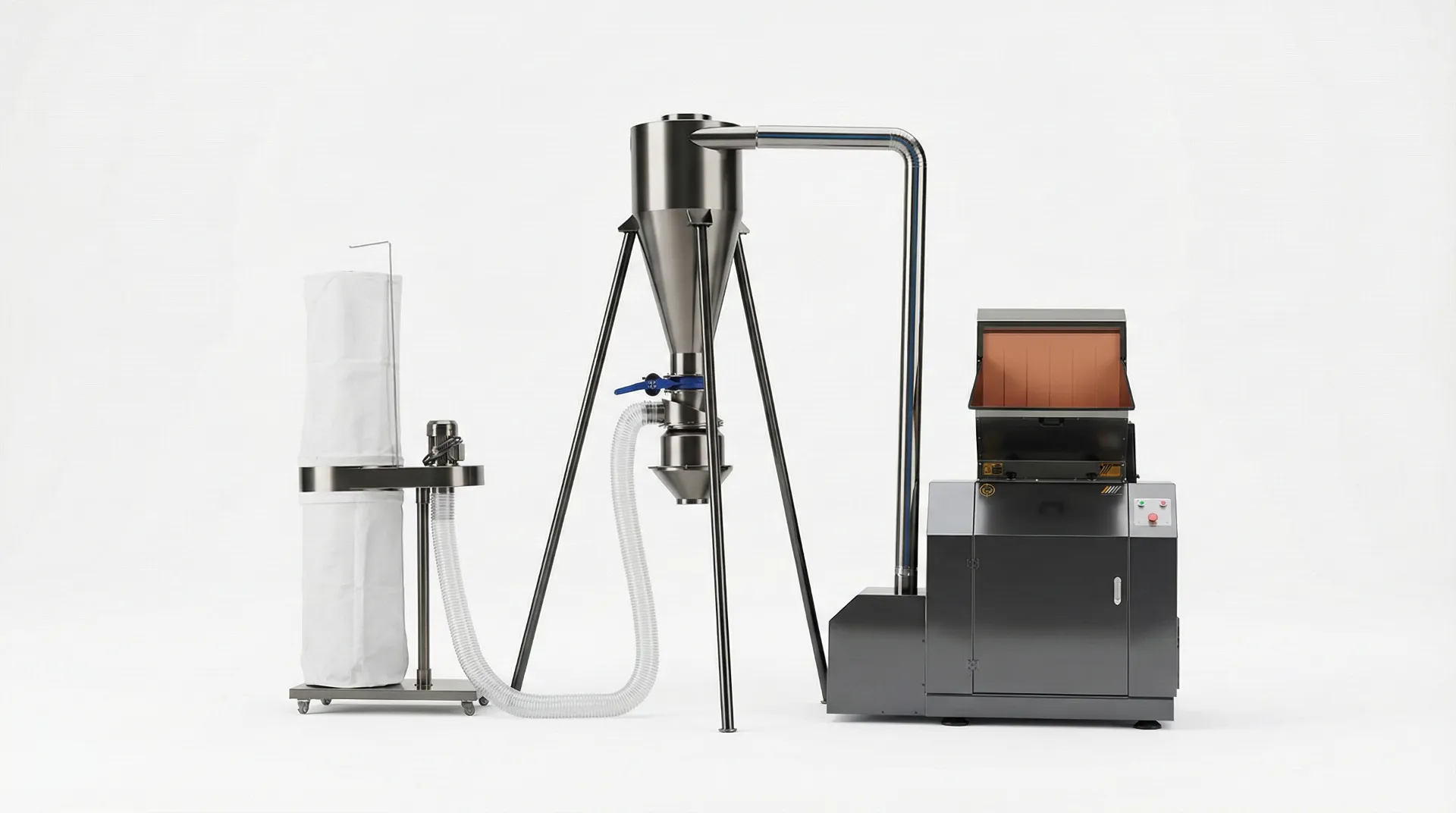
Small Crusher Machine
Rigid sprues, runners, trim and small reject parts. Check part dimensions, scrap temperature and the regrind requirements of your production process.
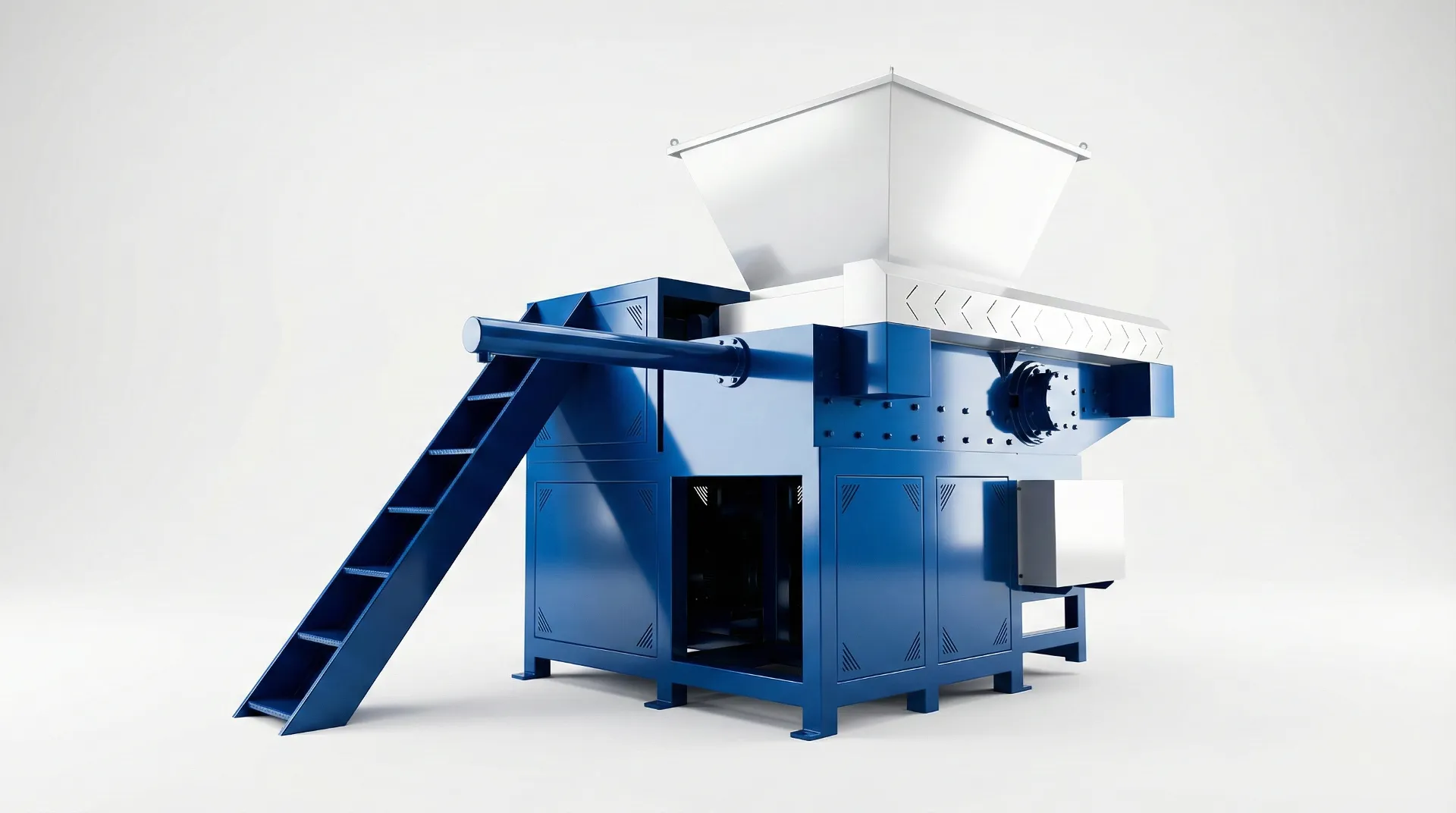
Integrated Shredder-Granulator
Bulky scrap that needs shredding before fine granulation. Match both cutting stages to the material, feed rate and required discharge size.
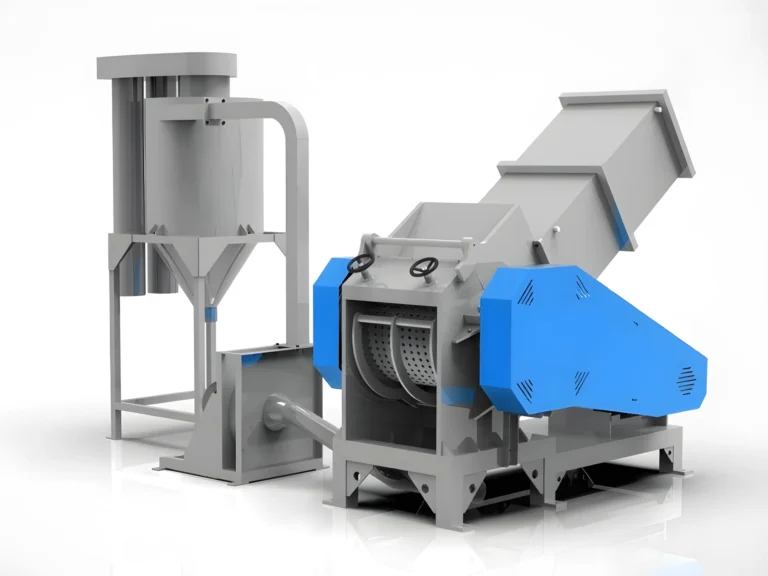
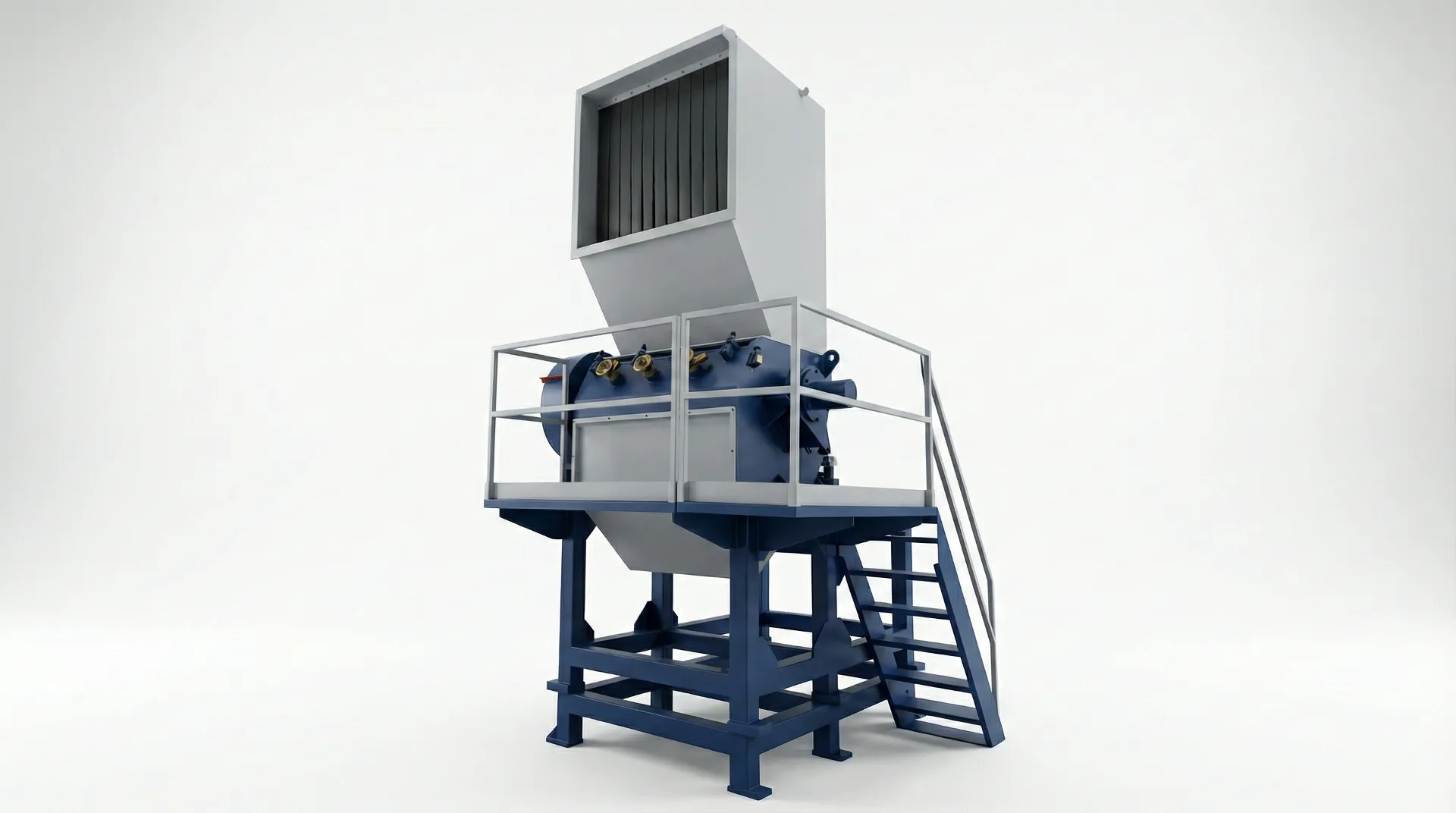
Vertical Granulator for PVC Pipes & Window Profiles
Long rigid PVC pipes and window profiles. Confirm section size, wall thickness, length and hopper limits for direct feeding with a hydraulic ram.
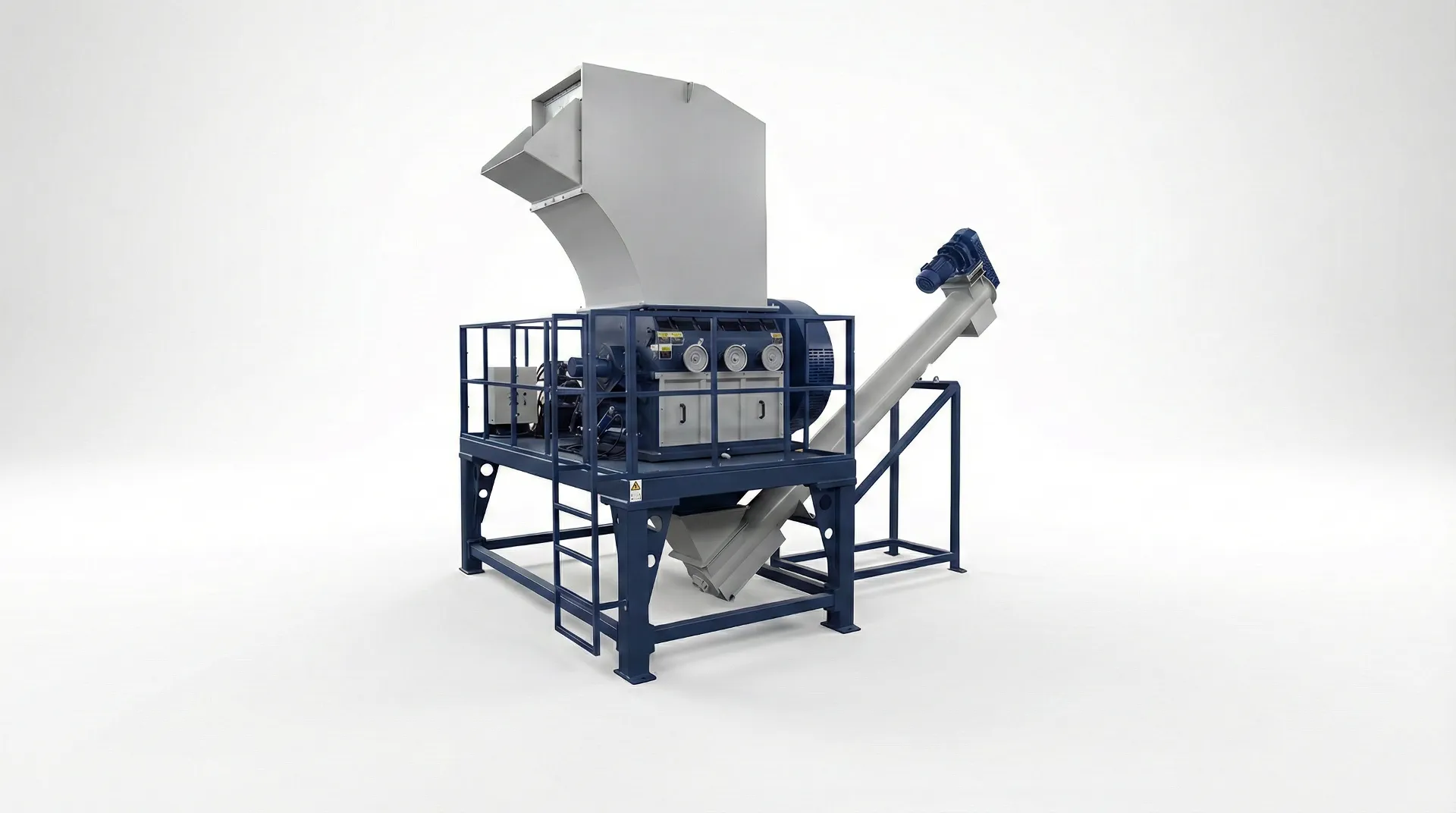
Wet Plastic Granulator
Bottles, containers or suitable film in a wet process. Combines cutting, cooling and pre-washing before downstream separation, washing and drying.
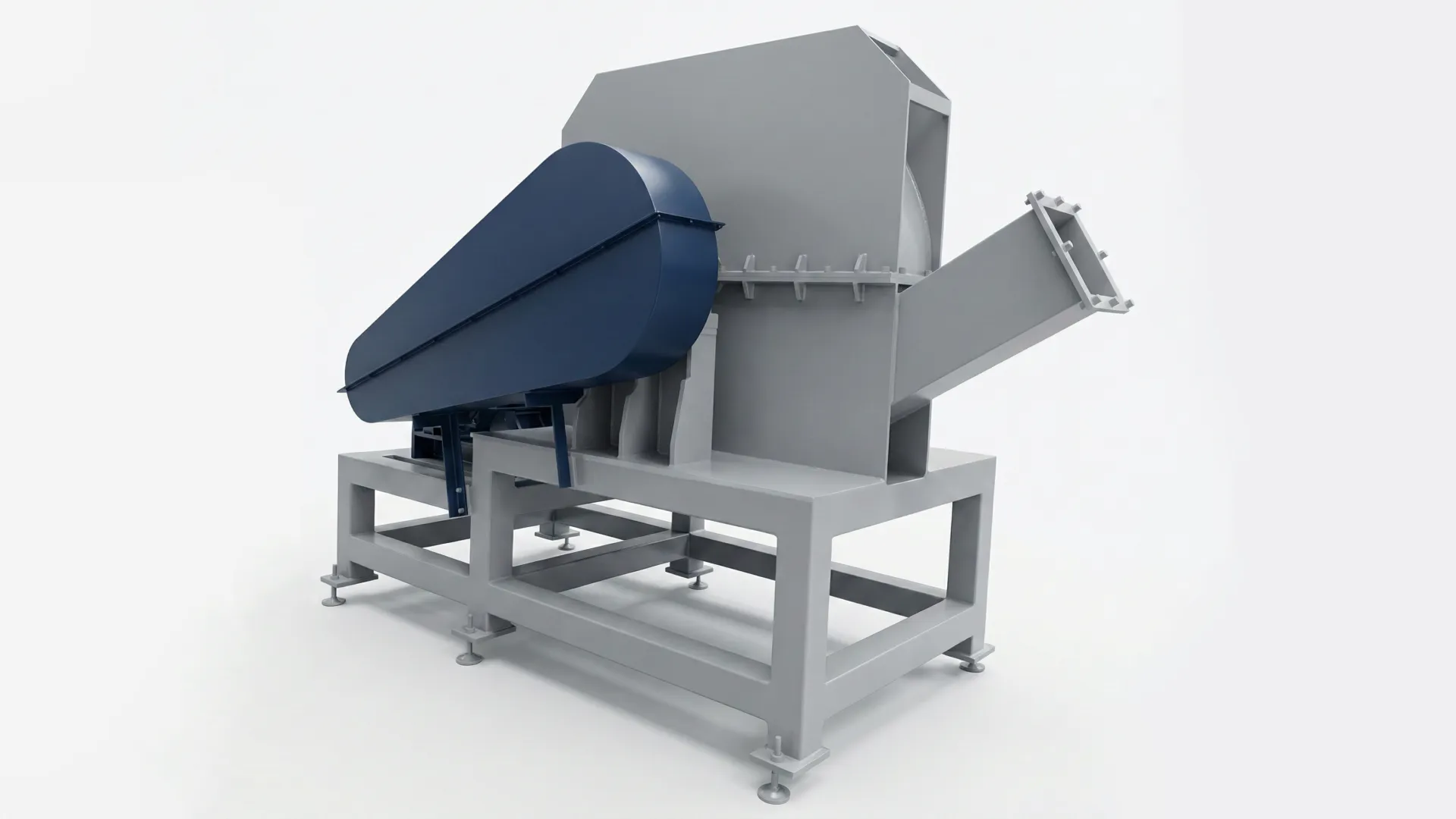
Large Diameter HDPE Pipe Crusher
Large HDPE and other compatible plastic pipes. Match pipe diameter, wall thickness and length to the model and hydraulic feeding arrangement.
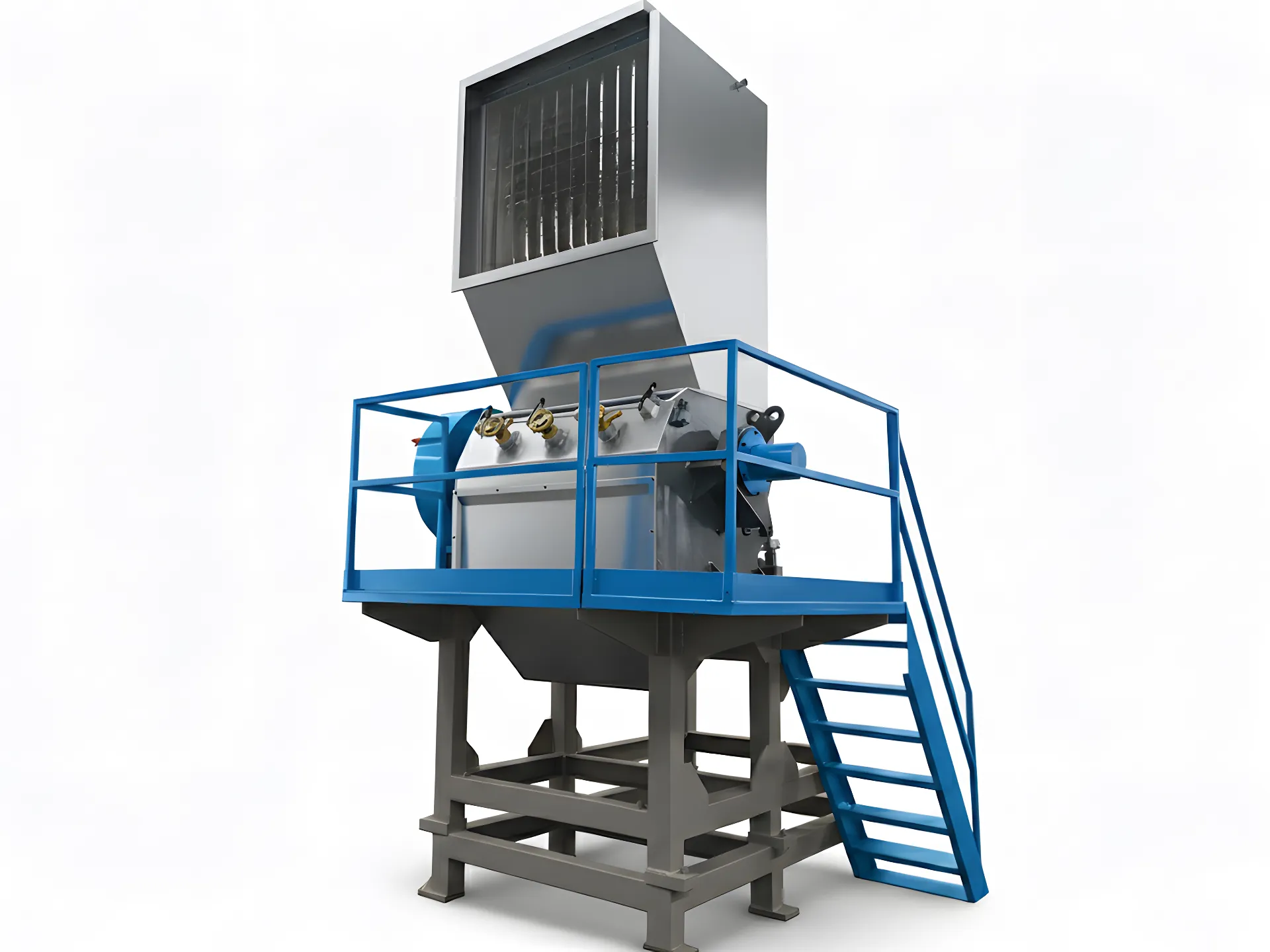
Extra Large Rigid Plastic Granulator
Drums, crates, pallets and large molded rejects. Check opening size, wall thickness, feeding method and whether pre-shredding is needed.
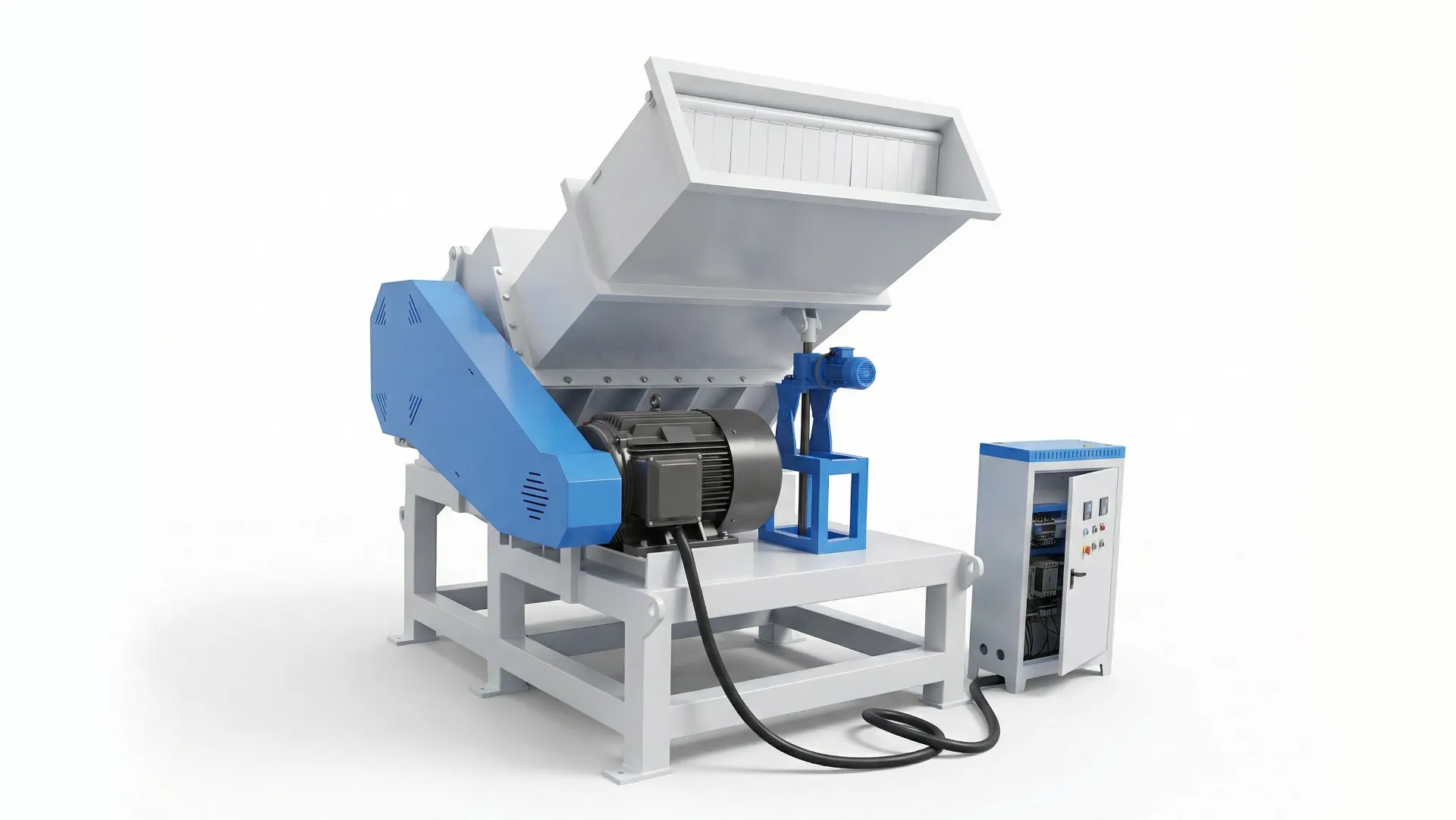
Plastic Tray & PVC Sheet Horizontal Crusher
Wide sheet offcuts, trays and compatible rigid panels. Match width, thickness and scrap presentation to the horizontal infeed and cutting chamber.
Compare Granulator Types by Feedstock
Use this guide to choose a machine family. Open the matching product page for its own model specifications and reference configuration.
| Machine family | Model / reference series | Motor power | Feed / chamber detail | Process type | Action |
|---|---|---|---|---|---|
| Compact crusher | Reference configuration | 7.5 kW | 400 × 250 mm chamber; 8 mm reference screen | Dry (in-house sprues & rejects) | View model & specs |
| Integrated shredder-granulator | Two-stage integrated system | Shredder: 18.5–75 kW; Granulator: 15–55 kW | Integrated dual chamber; 5–15 mm screen | Dry (two-stage size reduction) | View model & specs |
| PVC pipe & profile granulator | VGP500 / VGP730 / VGP830 / VGP900 | 22 / 55 / 75 / 110 kW | Rotor dia: 500–900 mm; horizontal hydraulic ram feed | Dry (long rigid pipes & profiles) | View models & specs |
| Wet granulator | ERM-WPG-500 / 600 / 700 / 800 | 45 / 55 / 90 / 110 kW | Water-injected heavy cutting chamber; drainage circuit | Wet (bottles, containers & film pre-washing) | View models & specs |
| Large-diameter pipe crusher | Heavy engineered series | Sized to pipe diameter and wall thickness | Low-speed high-torque rotor; PLC hydraulic pusher | Dry (large-diameter thick-wall pipes) | View model & specs |
| Heavy-duty rigid granulator | SW-600 / SW-800 / SW-1000 / SW-1200 | 37 / 55 / 75 / 90 kW | Wide-mouth feed opening; heavy shock-resistant rotor | Dry (drums, crates, bulky molded scrap) | View models & specs |
| Horizontal sheet & tray crusher | ECH-560 / ECH-730 / ECH-1000 | 22–37 / 55–75 / 90–110 kW | Rotor dia: 380–560 mm; wide load-sensing ram feed | Dry (wide sheets, trays & purgings) | View models & specs |
Swipe horizontally to view the full table.
Confirm the exact model, motor power, cutting chamber, knives, screen and utilities in your quotation. Throughput depends on the feedstock, screen, feeding method and required output quality.
Four Checks Before Sizing Your Granulator
Provide these details so the machine, feeding system and downstream equipment can be matched to the same requirements.
1. Describe the material and shape
State the polymer, part dimensions, wall thickness, bulk density and scrap temperature. Photos and representative samples help assess feeding, cutting and any need for pre-shredding.
2. Define sustained output
Specify the required net acceptable regrind per hour, operating hours and feed consistency. Match capacity and buffers to the whole process, including changeovers and downstream limits.
3. Specify the regrind requirement
Agree the target particle-size distribution and fines limit with the next process or buyer. Test candidate screens with your material; screen-hole diameter alone does not guarantee maximum particle size. Read the screen selection guide.
4. Check contamination and utilities
Record moisture, labels, sand, metal and incompatible polymers. Plan sorting and metal removal before granulation, then confirm water handling, extraction, electrical supply and the downstream cleaning route.
Read the complete granulator selection guide for more detail on feeding, cutting systems and configuration.
How Granulation Fits Your Recycling Process
Rotating and stationary knives cut the plastic; a screen helps control discharge. The regrind may be reused in a suitable process or sent to washing, drying and extrusion.
| Equipment / stage | Typical input | Main task | Output |
|---|---|---|---|
| Shredder | Bulky or difficult-to-feed plastic scrap | Primary size reduction to prepare material for the next stage | Coarse pieces; size depends on the shredder configuration |
| Granulator | Suitable scrap or pre-shredded plastic | Knife cutting with screened discharge | Regrind or flakes for compatible reuse or further processing |
| Pulverizer | Prepared material compatible with the grinding process | Fine grinding for an agreed powder specification | Powder for the intended application |
| Extrusion pelletizing line | Prepared, compatible plastic feedstock | Melting, filtration and pellet cutting with suitable drying or degassing | Recycled pellets; quality depends on feed and line configuration |
Swipe horizontally to view the full table.
A compact granulator can serve an in-house scrap loop. Bulky waste may need a shredder first, while contaminated material needs a defined cleaning route. Compare shredder, granulator and pelletizer roles. For fine grinding, see granulator vs. grinder. For a complete project, start with Recycling Solutions.
Match the Granulator to the Downstream Process
The same polymer can need different feeding, cutting and cleaning arrangements depending on its form and condition.
PET Bottles
Prepare flakes for sorting, washing and drying. Bottle-to-bottle projects also need appropriate decontamination and quality controls. Read the PET line planning guide. Recommended equipment: Wet Plastic Granulator.
HDPE Drums, Crates & IBC Containers
Assess the plastic component size and thickness. Remove metal cages, fittings and other foreign material, and confirm whether whole parts fit the approved feeding arrangement. Recommended equipment: Extra Large Rigid Plastic Granulator (or pre-shredder for oversized parts).
PP Woven Bags & PE Film
Confirm that the rotor, feed system and discharge arrangement suit flexible material. Wet granulation can be part of a cleaning route with downstream separation and drying. Recommended equipment: Wet Plastic Granulator.
PVC Pipes, Profiles & Sheets
Select the feed arrangement around length, diameter, width and wall thickness. Separate incompatible materials and remove metal attachments before compatible PVC reprocessing. Recommended equipment: Vertical Crusher for PVC Pipe and Profiles for long sections, or Plastic Tray & PVC Sheet Horizontal Crusher for wide sheets.
In-House Runners & Reject Parts
A compact crusher can collect scrap near molding or extrusion equipment. Match resin, scrap temperature and regrind quality to the plant’s approved reuse specification. Recommended equipment: Small Crusher Machine.
Glass- or Fiber-Filled Plastics
Use representative samples to assess cutting performance and wear. Confirm suitable knives, wear protection and dust collection for the actual compound and part geometry. Recommended option: Wear-resistant D2 / SKD-11 blade configuration.
Confirm the Cutting System and Supporting Equipment
Configure the selected machine family around the feedstock, output requirements and available plant services.
Feeding and Load Control
Select the hopper, conveyor or hydraulic feeding arrangement for the scrap geometry. Confirm overload response and integration with upstream and downstream equipment.
Rotor and Knives
Match rotor geometry, knife material and knife setting to the application. D2 or SKD-11 configurations are available on relevant models; confirm the actual specification in the quotation.
Screen and Discharge
Agree screen opening, construction and access for changes. Check conveying or wet discharge capacity so regrind can leave the chamber consistently.
Water, Wear and Access
For wet or abrasive streams, confirm water handling, suitable wetted parts and wear protection. Leave access for inspection, cleaning and lifting knives or screens.
Knife Sharpening and Wear-Part Planning
Plan replacement knives, screens and servicing around the selected machine and the condition of its wear parts.
Automatic Knife Grinder
Match the grinder to knife length, mounting and sharpening requirements. Regrind allowance and final knife dimensions determine when replacement is needed.
GuideSelecting Granulator Blades
Review knife material, geometry and wear conditions before confirming the blade specification for your machine.
Cost GuideBlade Material and Operating Cost
Compare purchase cost, usable life, sharpening and downtime using the same material and operating conditions.
For replacement knives or screens, include your machine model, dimensions and photos or drawings in the enquiry.
Use a Maintenance Schedule Matched to Your Machine
Follow the supplied manual and record wear, load and output trends. Isolate the machine and secure the rotor before opening the cutting chamber.
Knives and Cutting Gap
Inspect edges and set the gap to the approved specification for that rotor and knife arrangement. Review changes in load, noise, fines and particle shape.
Screens and Wear Surfaces
Check for cracks, deformation, enlarged holes and blocked discharge. Replace damaged parts and recheck output quality after a screen change. See how screens affect regrind quality.
Sharpening or Replacement
Base servicing on edge condition and the manufacturer’s regrind limits. Replace knives that are damaged or below their usable dimensions; a fixed number of sharpening cycles is not suitable for every blade.
Bearings, Belts and Drives
Use the lubrication and tensioning instructions for the installed components. Track temperature, vibration and wear. See the maintenance guide and troubleshooting guide.
Plastic Granulator – Frequently Asked Questions
Answers to common questions about machine choice, price, screens, knives, power and complete-line planning.
Get a Custom Solution & Quote
To get latest prices, lead times, and a crusher or granulator matched to your material and target flake size, send us your requirements. If you need a full line from shredding to washing, drying, and pelletizing, start with Recycling Solutions.
Tell us what you need
Material type, target kg/h, preferred flake size, wet or dry process, and whether this is a standalone machine or part of a complete recycling line.
Granulator Guides and Technical Resources
Continue with the guide that matches your next selection or operating question.
Plastic Granulator Selection Guide
Explore machine types, cutting principles and the details needed for selection.
Screen Size Selection Guide
Define the target particle distribution and plan a representative screen trial.
Granulator Maintenance Guide
Inspect knives, screens, bearings and drives using the machine instructions.
Troubleshooting: Blockage & Noise
Investigate feeding, wear and discharge problems before adjusting the process.
Granulator vs. Grinder
Compare size reduction and fine grinding for different output requirements.
PET Line Planning Guide
Plan granulation within a wider PET bottle recycling project.