

Granulatory do recyklingu i regrind wewnętrznego
Porównaj granulatory kompaktowe, do pracy na mokro, do dużych obciążeń oraz specjalistyczne młyny do rur i płyt. Dopasuj otwór zasypowy, układ tnący i sito do swojego surowca oraz wymagań dotyczących przemiału.
Dobierz granulator do swoich odpadów tworzyw sztucznych
Dobierz urządzenie według formy odpadu i sposobu załadunku, a następnie zatwierdź pracę na sucho lub mokro, wielkość sita i dalszy proces.
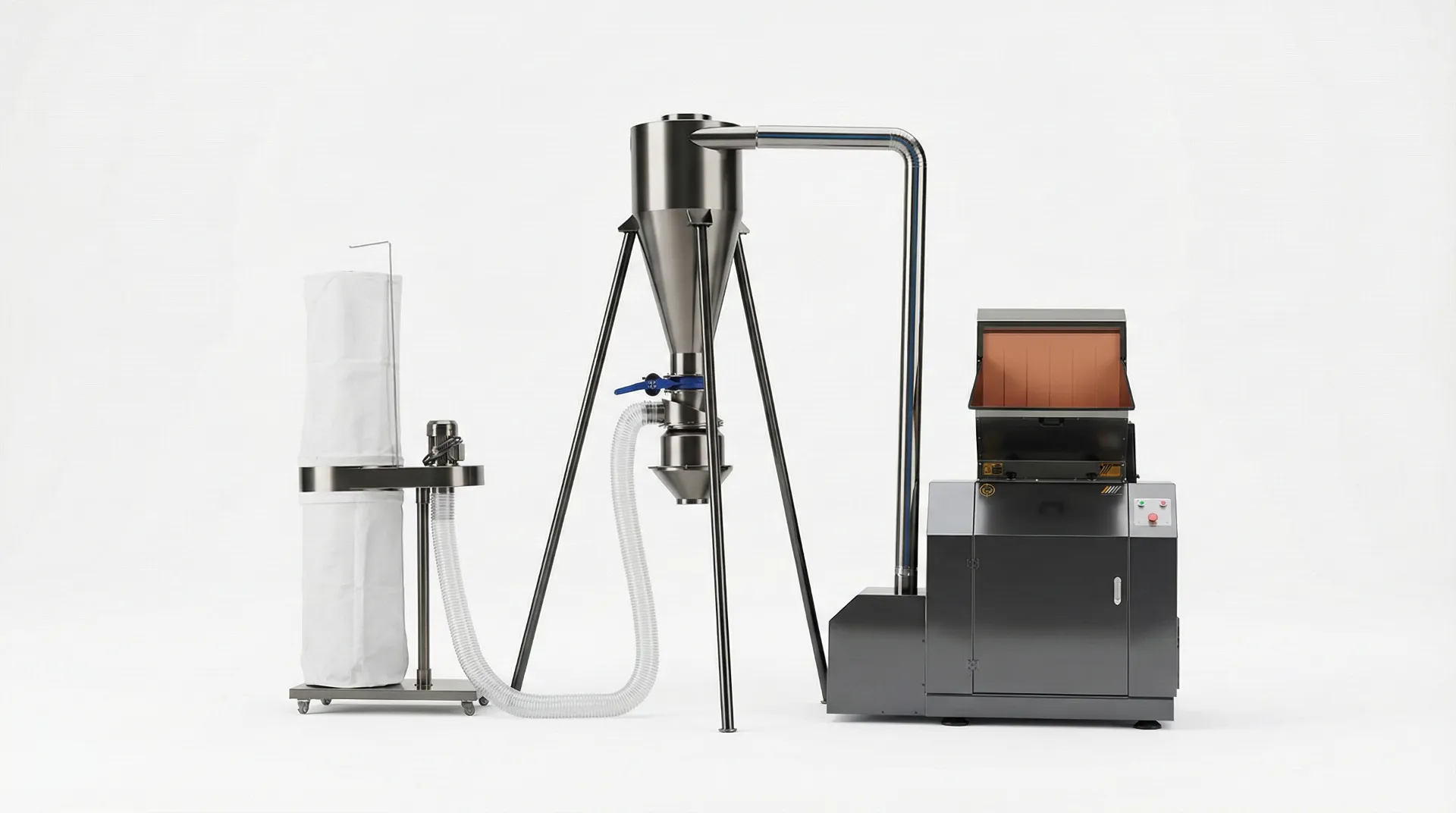
Mała kruszarka
Sztywne wlewki, kanały wlewowe, obrzeża i małe wadliwe wypraski. Sprawdź wymiary elementów, temperaturę odpadu i wymagania dotyczące przemiału w danym procesie produkcyjnym.
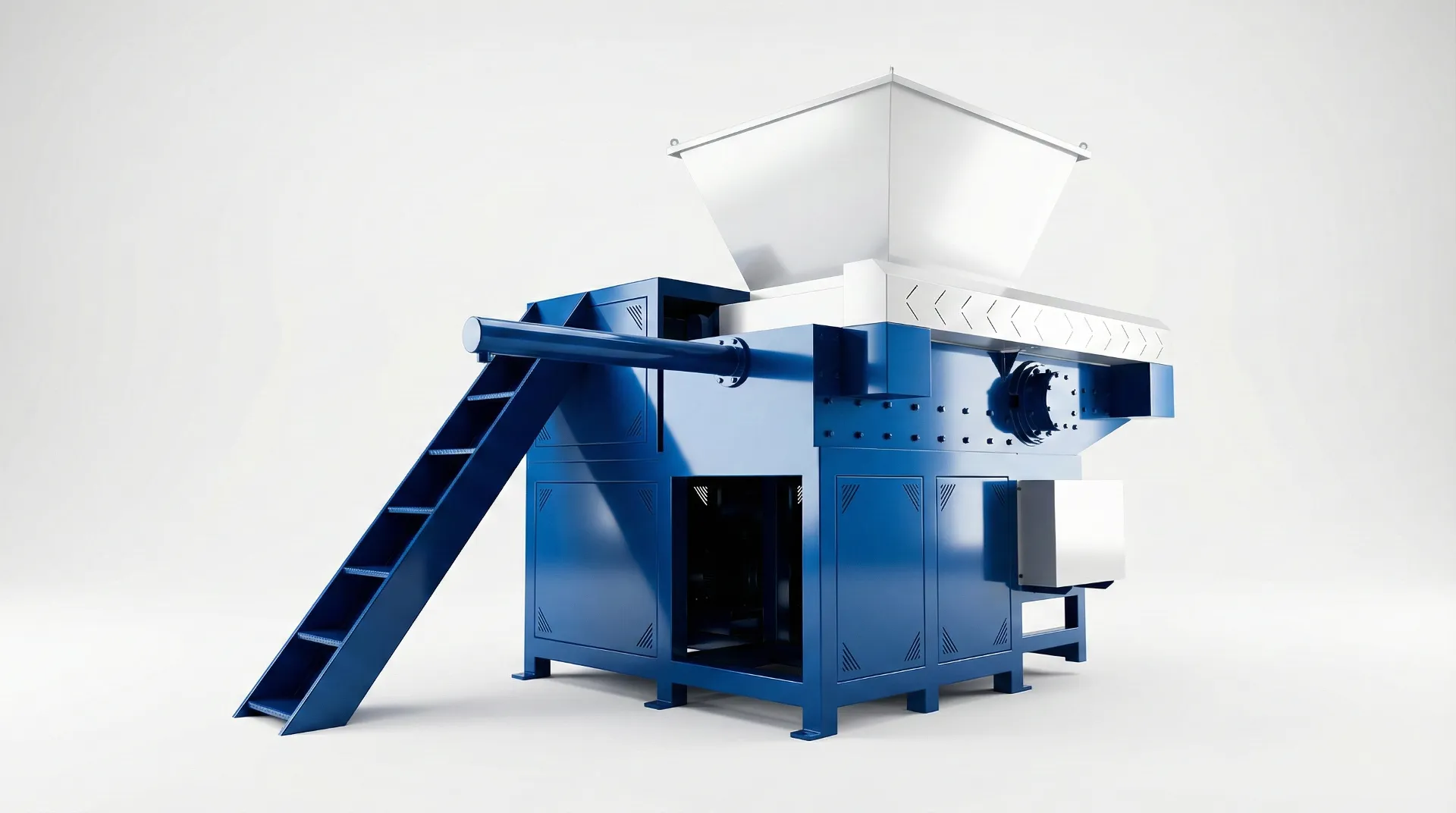
Zintegrowany rozdrabniacz-granulator
Odpady wielkogabarytowe wymagające rozdrobnienia wstępnego przed granulacją dokładną. Dobierz oba stopnie cięcia do materiału, wydajności i pożądanej frakcji końcowej.
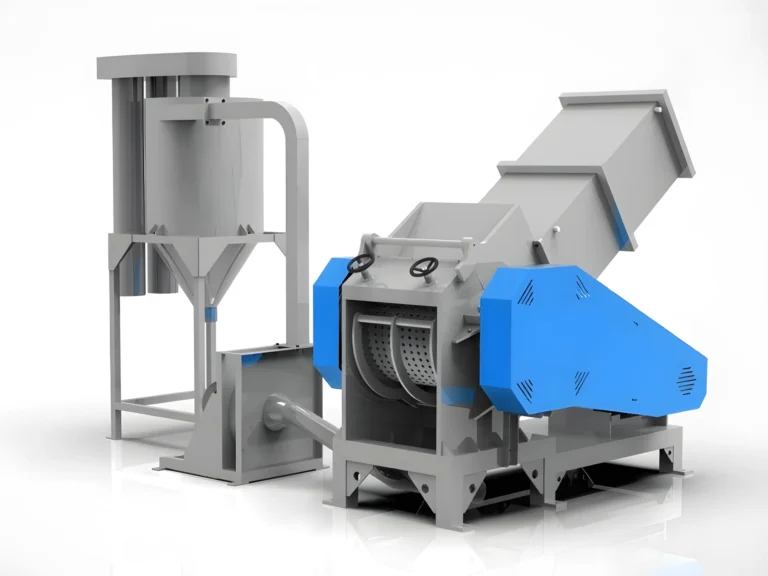
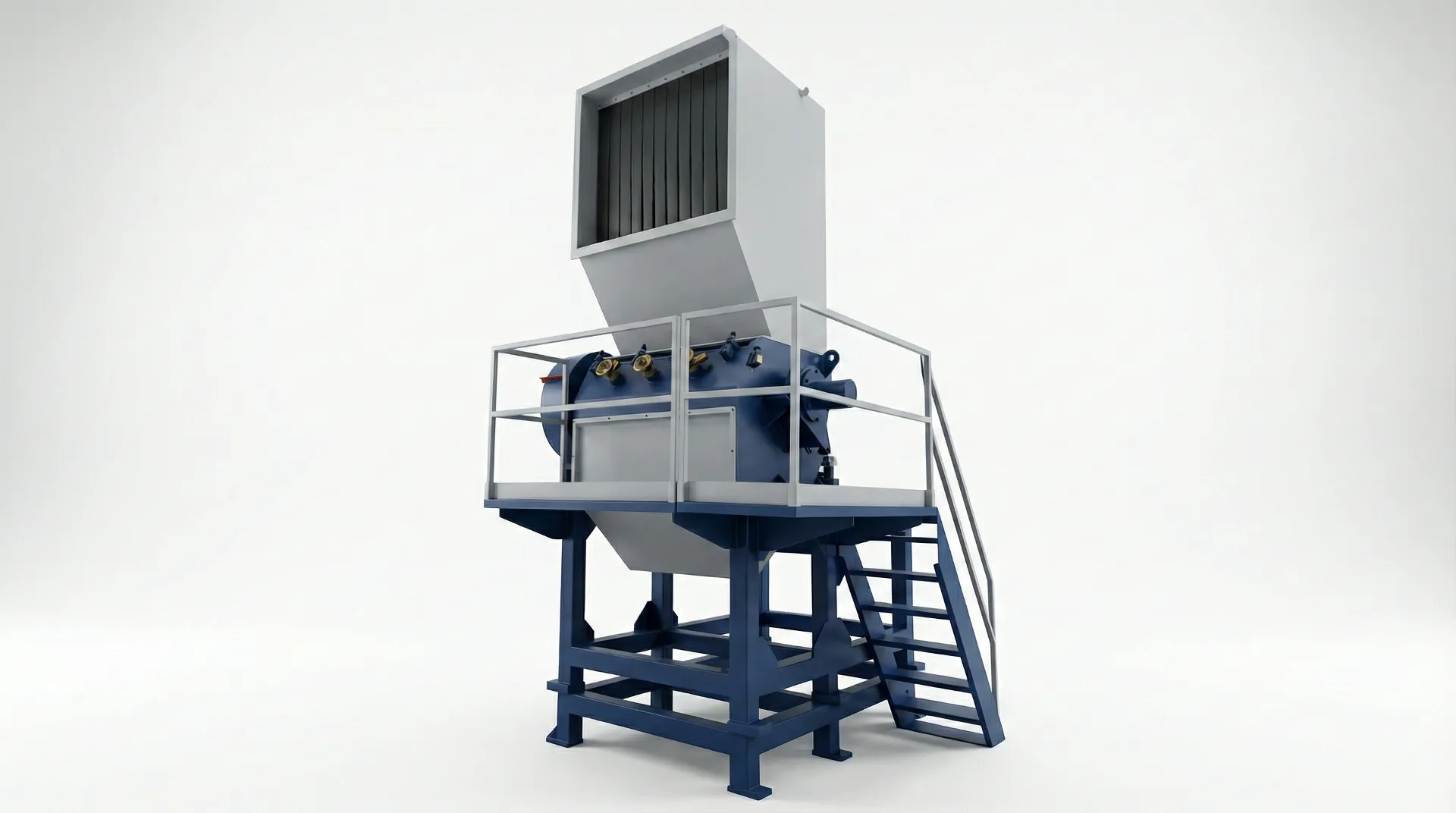
Granulator pionowy do rur PVC i profili okiennych
Długie sztywne rury i profile okienne z PVC. Sprawdź przekrój, grubość ścianki, długość oraz parametry leja zasypowego do bezpośredniego podawania dociskiem hydraulicznym.
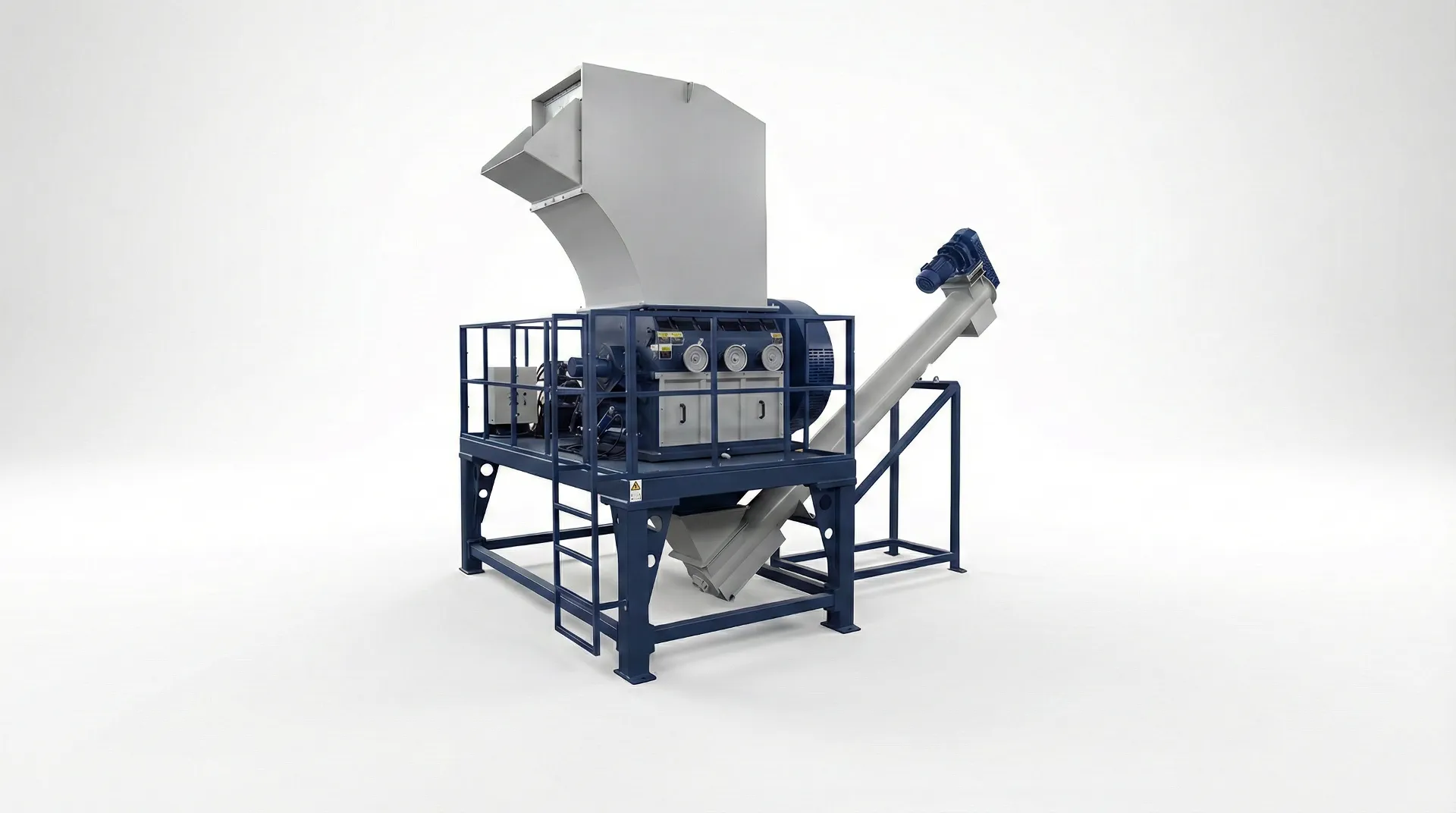
Granulator do mokrych tworzyw sztucznych
Butelki, pojemniki lub odpowiednie folie w procesie na mokro. Łączy cięcie, chłodzenie i mycie wstępne przed dalszą separacją, myciem i suszeniem.
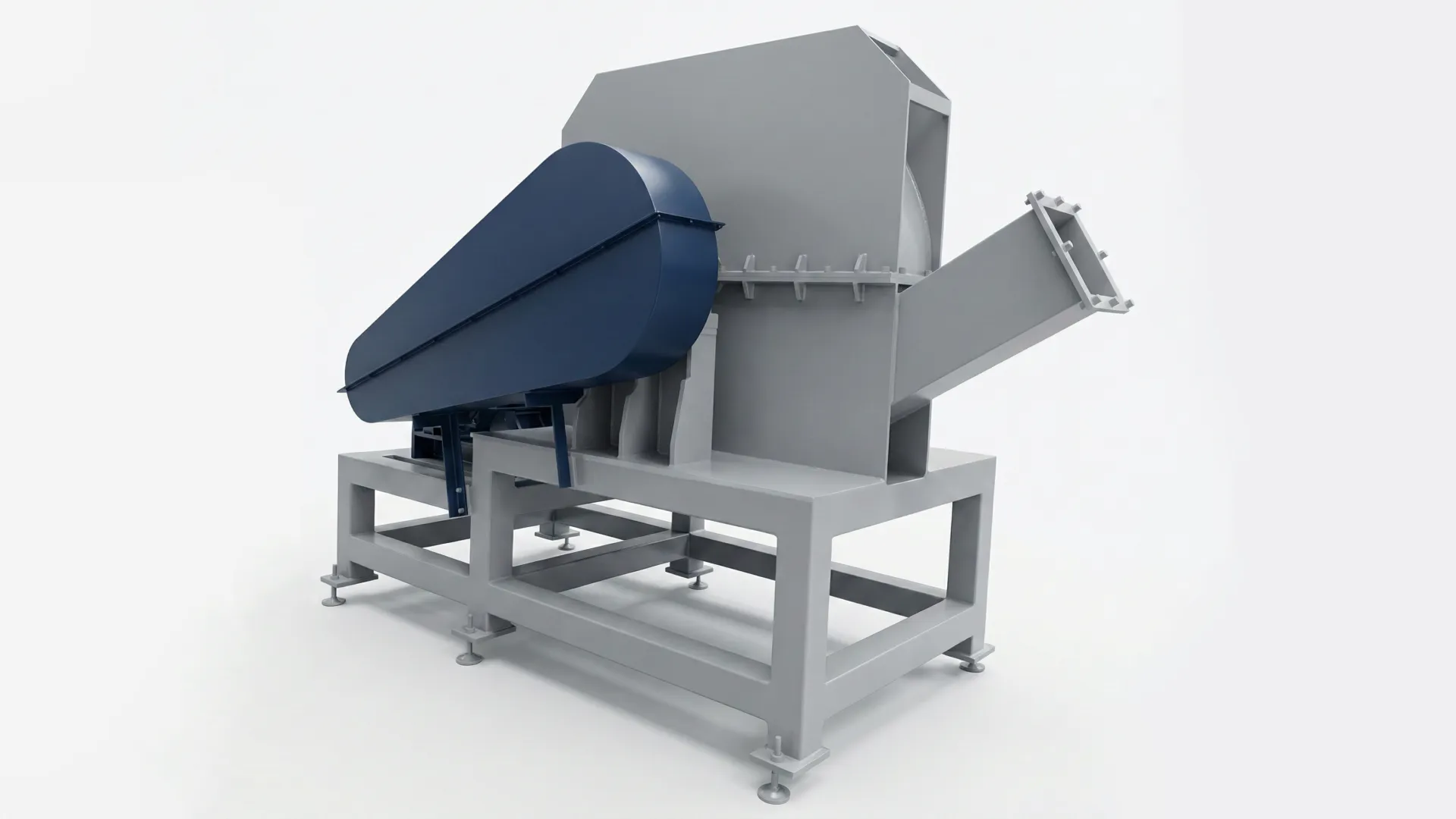
Kruszarka do rur HDPE o dużej średnicy
Rury o dużych średnicach z HDPE i innych zgodnych tworzyw. Dopasuj średnicę, grubość ścianki i długość rur do modelu oraz hydraulicznego systemu załadunku.
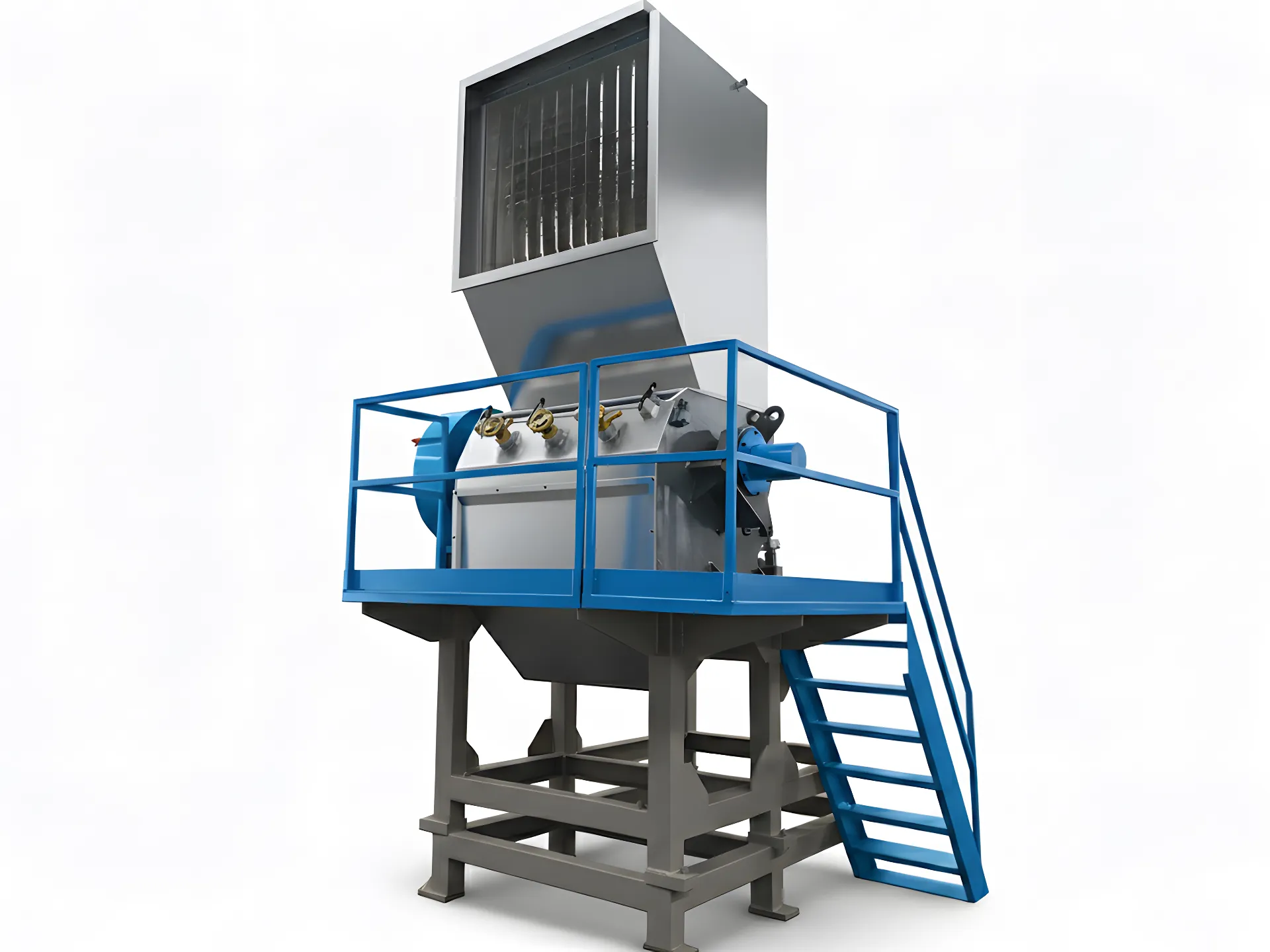
Ekstra duży granulator sztywnego plastiku
Beczki, skrzynki, palety i duże wadliwe wypraski. Sprawdź wymiary wlotu, grubość ścianki, sposób podawania i potrzebę zastosowania rozdrabniacza wstępnego.
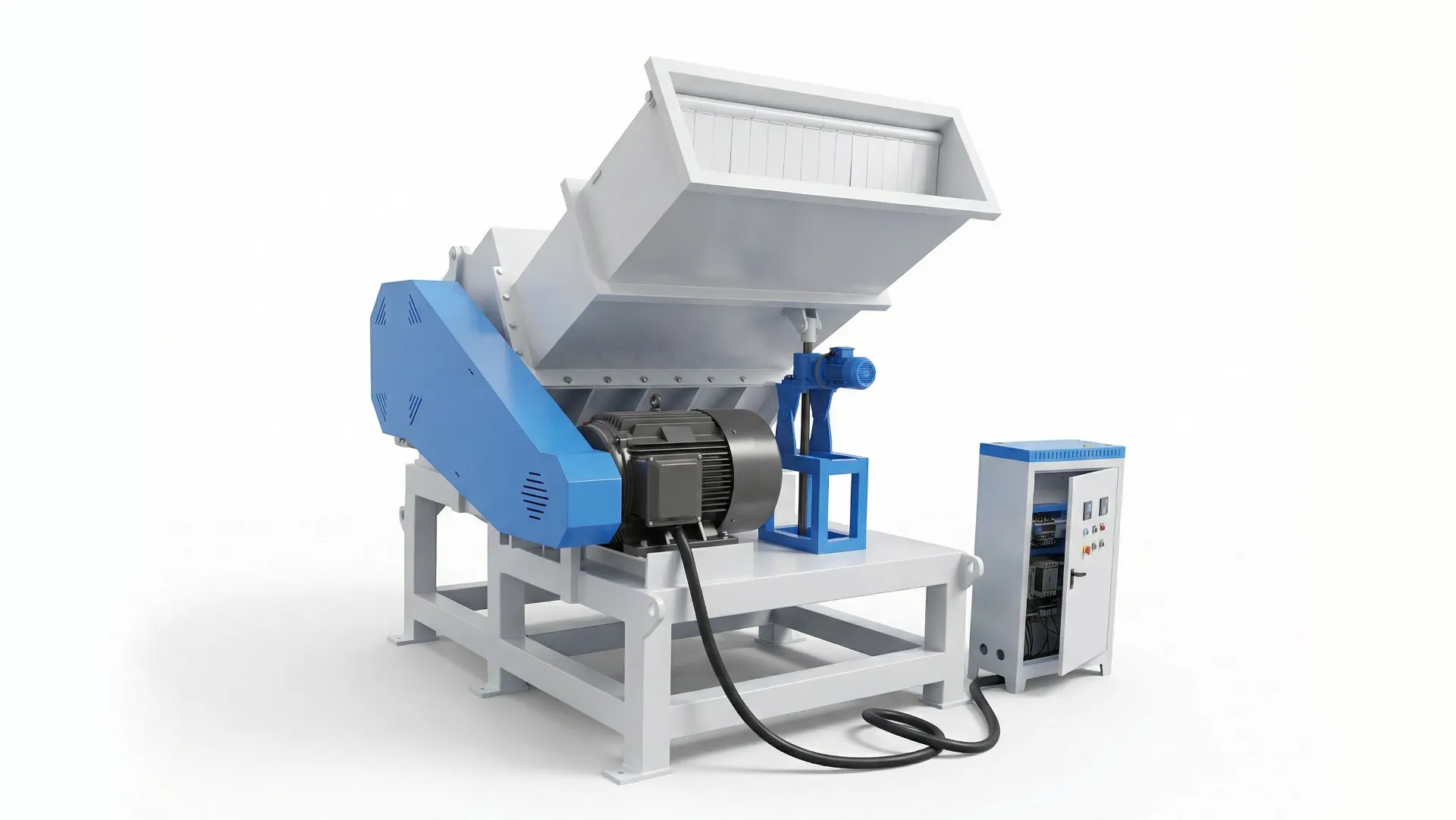
Poziomy crusher do tac plastikowych i płyt PVC
Odcinki szerokich płyt, tacki i pasujące panele sztywne. Dopasuj szerokość, grubość i sposób podawania odpadów do poziomego podajnika i komory tnącej.
Porównaj typy granulatorów według rodzaju surowca
Skorzystaj z tego przewodnika, aby wybrać serię maszyn. Przejdź do strony odpowiedniego produktu, aby poznać dane techniczne i konfigurację referencyjną.
| Seria maszyn | Typowa pasza | Kluczowe kryterium doboru | Typowy kolejny krok |
|---|---|---|---|
| Kompaktowy młynek | Wlewki, kanały wlewowe i małe twarde wypraski wadliwe | Wymiary elementów, rodzaj tworzywa i temperatura odpadu | Zbiórka i zatwierdzone ponowne wykorzystanie wewnętrzne |
| Zintegrowany rozdrabniacz-granulator | Odpady wielkogabarytowe wymagające dwóch etapów | Załadunek rozdrabniacza, obciążenie granulatora i wymiary frakcji wylotowej | Przemiał do wybranego procesu recyklingu |
| Granulator do rur & profili PVC | Długie sztywne rury i profile PVC | Wymiary przekroju, grubość ścianki i długość leja zasypowego | Przemiał do kompatybilnego przetwórstwa PVC |
| Granulator mokry | Butelki, pojemniki lub odpowiednie odpady elastyczne | Zdatność wirnika, obieg wody i czyszczenie końcowe | Wstępnie umyte płatki do separacji, mycia i suszenia |
| Kruszarka do rur o dużej średnicy | Kompatybilne rury z tworzyw sztucznych o dużej średnicy | Średnica, grubość ścianki i limity podawania hydraulicznego | Rozdrobniony materiał do dalszego przetwarzania |
| Wytrzymały granulator do tworzyw sztywnych | Beczki, skrzynki, palety i duże odrzuty poprodukcyjne | Wielkość otworu zasypowego, kontrola podawania i potrzeba wstępnego rozdrabniania | Sztywny przemiał do mycia lub kompatybilnego ponownego użycia |
| Pozioma kruszarka do płyt & tacek | Szerokie odpady płytowe, tacki i sztywne panele | Szerokość materiału, grubość i układ poziomego podawania | Przemiał do odbioru lub kompatybilnego ponownego użycia |
Przeciągnij poziomo, aby zobaczyć pełną tabelę.
Potwierdź w ofercie dokładny model, moc silnika, komorę tnącą, noże, sito i przyłącza mediów. Wydajność zależy od surowca, sita, metody podawania i wymaganej jakości produktu końcowego.
Cztery kwestie do sprawdzenia przed doborem granulatora
Podaj te dane, aby maszynę, system podawania i urządzenia peryferyjne można było optymalnie dopasować do tych samych wymagań.
1. Opisz materiał i kształt
Określ rodzaj polimeru, wymiary detali, grubość ścianki, gęstość nasypową i temperaturę odpadu. Zdjęcia oraz reprezentatywne próbki ułatwiają ocenę podawania, cięcia oraz konieczności wstępnego rozdrabniania.
2. Określ ciągłą wydajność
Określ wymaganą wydajność netto akceptowalnego przemiału na godzinę, czas pracy i równomierność podawania. Dopasuj wydajność i bufory do całego procesu, wliczając przezbrojenia i limity urządzeń odbiorczych.
3. Określ wymagania dotyczące przemiału
Uzgodnij docelowy rozkład wielkości cząstek i dopuszczalny poziom pyłów z kolejnym działem przetwórczym lub odbiorcą. Przetestuj wybrane sita na swoim materiale; sama średnica otworów sita nie gwarantuje maksymalnej wielkości cząstek. Przeczytaj poradnik doboru sita.
4. Sprawdź zanieczyszczenia i dostępne media
Odnotuj wilgotność, obecność etykiet, piasku, metali i niekompatybilnych polimerów. Zaplanuj sortowanie i separację metali przed granulacją, a następnie zweryfikuj obieg wody, odciąg, zasilanie elektryczne oraz ścieżkę mycia.
Przeczytaj kompletny poradnik doboru granulatora aby uzyskać więcej szczegółów na temat podawania, układów tnących i konfiguracji.
Jak granulacja wpisuje się w Twój proces recyklingu
Noże obrotowe i stałe tną tworzywo; sito kontroluje wielkość frakcji na wylocie. Przemiał może być ponownie wykorzystany w odpowiednim procesie lub skierowany do mycia, suszenia i wytłaczania.
| Urządzenie / etap | Typowe wejście | Główne zadanie | Wyjście |
|---|---|---|---|
| Tłucznik | Wielkogabarytowe lub trudne do podawania odpady z tworzyw sztucznych | Wstępne rozdrabnianie w celu przygotowania materiału do kolejnego etapu | Grube kawałki; wielkość zależy od konfiguracji rozdrabniacza |
| Granulator | Odpowiednie odpady lub wstępnie rozdrobnione tworzywo sztuczne | Cięcie nożowe z rozładunkiem przez sito | Przemiał lub płatki do ponownego wykorzystania lub dalszego przetwórstwa |
| Pulweryzator | Przygotowany materiał zgodny z procesem mielenia drobnego | Mielenie precyzyjne do uzgodnionej specyfikacji proszku | Proszek do docelowego zastosowania |
| Linia do granulacji wytłaczarkowej | Przygotowany, kompatybilny surowiec z tworzywa sztucznego | Topienie, filtracja i cięcie granulatu z odpowiednim odgazowaniem lub suszeniem | Granulat z recyklingu; jakość zależy od surowca i konfiguracji linii |
Przeciągnij poziomo, aby zobaczyć pełną tabelę.
Kompaktowy granulator może obsługiwać wewnętrzny obieg zawracania odpadów. Odpady wielkogabarytowe mogą wymagać najpierw rozdrabniacza, a zanieczyszczone surowce wymagają dedykowanej linii mycia. Porównaj role rozdrabniacza, granulatora i linii granulacyjnej. W zakresie mikromielenia zobacz granulator a młyn proszkowy. W przypadku kompletnego projektu zacznij od Rozwiązania dla recyklingu.
Dopasuj granulator do kolejnego etapu procesu
Ten sam polimer może wymagać różnych rozwiązań podawania, cięcia i mycia w zależności od formy i stanu odpadu.
Butelki PET
Przygotowanie płatków do sortowania, mycia i suszenia. Projekty bottle-to-bottle wymagają ponadto odpowiedniej dekontaminacji i kontroli jakości. Przeczytaj przewodnik planowania linii do recyklingu PET.
Beczki, skrzyniopalety & kontenery IBC z HDPE
Oceń rozmiar i grubość ścianek elementów z tworzyw. Zdemontuj metalowe kosze, złączki i zanieczyszczenia obce oraz sprawdź, czy całe elementy mieszczą się w wybranym układzie podawania.
Worki tkane PP & folia PE
Upewnij się, że rotor, system podawania i układ odbioru są dostosowane do materiałów elastycznych. Mielenie na mokro może stanowić element linii mycia wraz z separacją i suszeniem.
Rury, profile & płyty z PVC
Dobierz system podawania pod kątem długości, średnicy, szerokości i grubości ścianek. Przed recyklingiem PVC oddziel materiały niekompatybilne i usuń elementy metalowe.
Wlewki & detale wadliwe z produkcji własnej
Kompaktowy młyn stanowiskowy może odbierać odpady bezpośrednio przy wtryskarkach lub wytłaczarkach. Dopasuj rodzaj żywicy, temperaturę odpadu i jakość przemiału do zakładowej specyfikacji ponownego użycia.
Tworzywa sztuczne zbrojone szkłem lub włóknem
Wykorzystaj reprezentatywne próbki do oceny wydajności cięcia i zużycia. Dobierz odpowiednie noże, zabezpieczenie przeciwzużyciowe i odpylanie do danego kompozytu i geometrii detali.
Dobór układu tnącego i urządzeń peryferyjnych
Skonfiguruj wybraną serię maszyn z uwzględnieniem surowca, wymaganej wydajności i dostępnych mediów zakładowych.
Podawanie i kontrola obciążenia
Wybierz kosz zasypowy, taśmociąg lub podajnik hydrauliczny dopasowany do geometrii odpadu. Sprawdź reakcję na przeciążenia oraz integrację z urządzeniami poprzedzającymi i odbiorczymi.
Rotor i noże
Dopasuj geometrię rotora, gatunek stali noży i ich ustawienie do zastosowania. W odpowiednich modelach dostępne są noże ze stali D2 lub SKD-11; potwierdź dokładną specyfikację w ofercie.
Ekran i rozładowanie
Uzgodnij średnicę otworów sita, konstrukcję i dostęp do wymiany. Sprawdź wydajność odciągu lub rozładunku na mokro, aby przemiał płynnie opuszczał komorę.
Woda, zużycie i dostęp serwisowy
W przypadku strumieni mokrych lub ściernych należy sprawdzić gospodarkę wodną, odpowiednie części mające kontakt z cieczą oraz ochronę przed zużyciem. Zapewnij dostęp do inspekcji, czyszczenia oraz podnoszenia noży lub sit.
Ostrzenie noży i planowanie części zużywających się
Zaplanuj noże wymienne, sita oraz serwis w oparciu o wybraną maszynę i stan jej części eksploatacyjnych.
Automatyczny mielenie noży
Dopasuj szlifierkę do długości noża, sposobu mocowania i wymagań dotyczących ostrzenia. Naddatek na ponowne ostrzenie i ostateczne wymiary noża decydują o konieczności wymiany.
PoradnikWybór ostrzy do rozdrabniaczy
Przeanalizuj materiał, geometrię oraz warunki zużycia noży przed zatwierdzeniem specyfikacji ostrzy dla swojej maszyny.
Przewodnik po kosztachMateriał noży a koszty eksploatacji
Porównaj koszty zakupu, żywotność, koszty ostrzenia i przestoje przy zastosowaniu tego samego materiału i warunków pracy.
W przypadku noży zamiennych lub sit należy podać model maszyny, wymiary oraz zdjęcia lub rysunki w zapytaniu.
Stosuj harmonogram konserwacji dopasowany do swojej maszyny
Postępuj zgodnie z dostarczoną instrukcją i rejestruj trendy zużycia, obciążenia i wydajności. Przed otwarciem komory mielenia odłącz zasilanie maszyny i zabezpiecz rotor.
Noże i szczelina cięcia
Skontroluj krawędzie tnące i ustaw szczelinę zgodnie z zatwierdzoną specyfikacją dla danego układu rotora i noży. Obserwuj zmiany obciążenia, hałasu, udziału pyłu oraz kształtu cząstek.
Sita i powierzchnie cierne
Sprawdź, czy nie występują pęknięcia, odkształcenia, powiększone otwory lub zablokowany wylot. Wymień uszkodzone części i sprawdź jakość przemiału po wymianie sita. Zobacz, jak sita wpływają na jakość przemiału.
Ostrzenie czy wymiana
Czynności serwisowe opieraj na stanie krawędzi tnącej i określonych przez producenta limitach ponownego ostrzenia. Wymieniaj noże uszkodzone lub o wymiarach poniżej dopuszczalnych; sztywna liczba cykli ostrzenia nie sprawdza się przy każdym ostrzu.
Łożyska, pasy i napędy
Stosuj się do instrukcji smarowania i napinania zamontowanych komponentów. Monitoruj temperaturę, wibracje i zużycie. Zobacz przewodnik konserwacji I przewodnik rozwiązywania problemów.
Rozdrabniacz do tworzyw sztucznych – najczęściej zadawane pytania
Odpowiedzi na najczęstsze pytania dotyczące doboru maszyny, cen, sit, noży, mocy oraz planowania kompletnych linii.
Uzyskaj indywidualne rozwiązanie i wycenę
Aby uzyskać najnowsze ceny, terminy dostawy oraz kruszarkę lub granulator dopasowany do Twojego materiału i docelowego rozmiaru łusek, wyślij nam swoje wymagania. Jeśli potrzebujesz pełnej linii od tnienia do mycia, suszenia i pelletizacji, zacznij z Rozwiązania dla recyklingu.
Powiedz nam, czego potrzebujesz
Typ materiału, docelowa ilość kg/h, preferowany rozmiar łupka, proces mokry lub suchy, oraz czy jest to maszyna samodzielna czy część kompletnego systemu recyklingu.
Przewodniki po granulatorach i materiały techniczne
Przejdź do przewodnika odpowiadającego Twoim kolejnym pytaniom dotyczącym doboru maszyny lub eksploatacji.
Przewodnik doboru granulatora do tworzyw sztucznych
Poznaj typy maszyn, zasady cięcia i szczegółowe dane niezbędne do właściwego wyboru.
Przewodnik doboru rozmiaru sita
Określ docelowy rozkład wielkości cząstek i zaplanuj miarodajną próbę przesiewania.
Przewodnik konserwacji granulatora
Kontroluj noże, sita, łożyska i napędy zgodnie z instrukcją obsługi maszyny.
Rozwiązywanie problemów: Zatkanie i Hałas
Zbadaj przyczyny problemów z podawaniem, zużyciem i odbiorem materiału przed zmianą parametrów procesu.
Granulator vs. młyn drobnomielący
Porównaj wstępne rozdrabnianie i mielenie precyzyjne w zależności od wymagań dotyczących produktu końcowego.
Przewodnik planowania linii do recyklingu PET
Zaplanuj proces granulacji w ramach szerszego projektu recyklingu butelek PET.