

Melt Filtration for Stable Pellet Quality
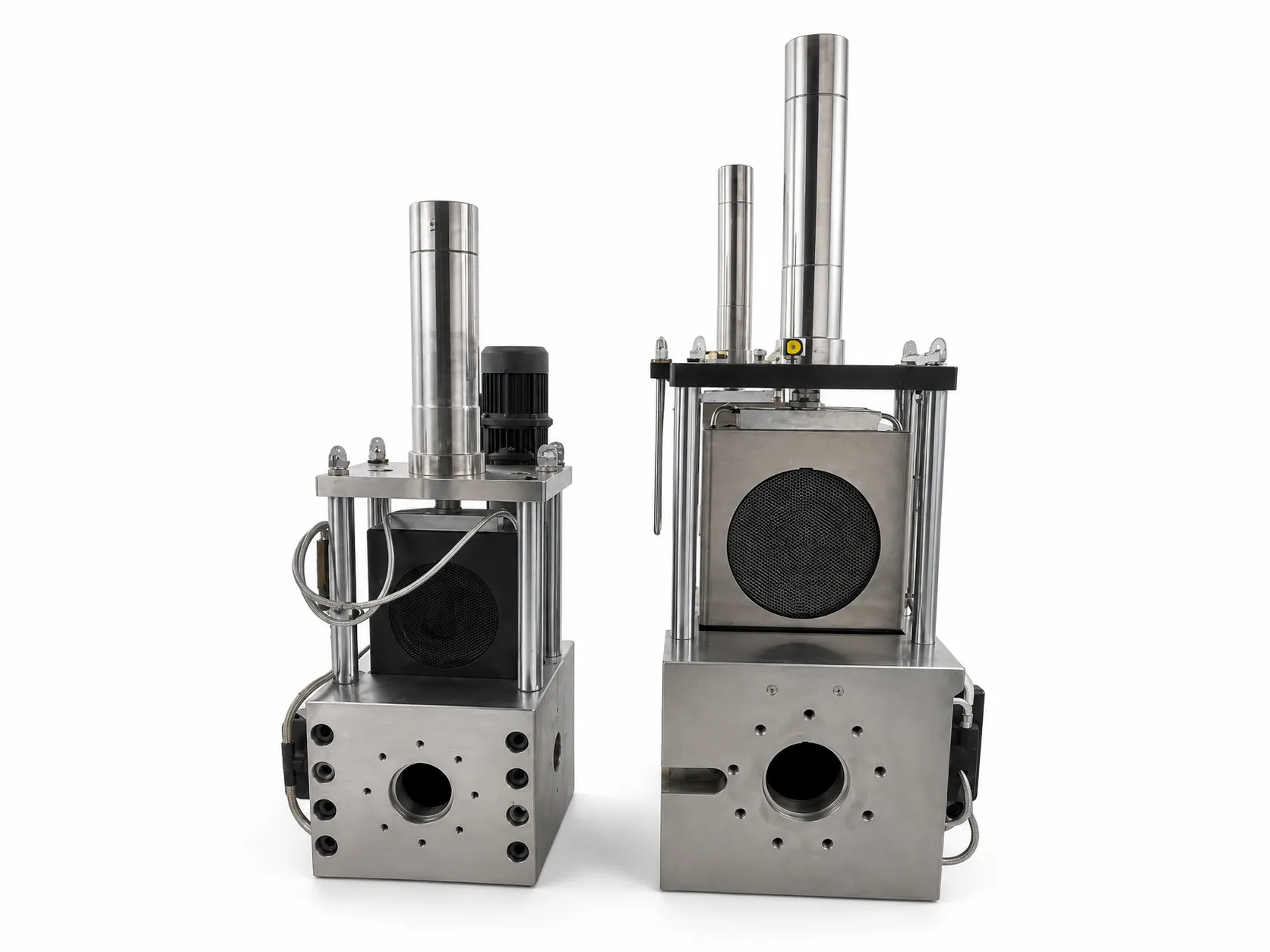
플라스틱 펠릿타이징 라인용 유압 스크린 체인저
원료의 오염 정도, 압출 생산량, 그리고 최종 펠렛의 품질에 맞춰 멜트 필터 시스템을 설계합니다. Energycle는 각 재활용 펠렛 제조 라인에 맞춰 맞춤형 유압 슬라이드 플레이트, 이중 컬럼 연속형, 그리고 자동 역세척 스크린 체인저를 제공합니다.
Three Filtration Routes
오염 물질 및 생산량을 고려하여 스크린 체인저를 선택하십시오.
적절한 설계는 단순히 가장 큰 필터가 아닙니다. 이는 과도한 체류 시간, 열 역사 또는 펠릿 헤드에서의 작동 중단을 유발하지 않으면서 안정적인 용융 압력을 유지해야 합니다.
Hydraulic Slide-Plate Type
오염도가 낮거나 중간 정도인 깨끗한 산업 폐기물 및 세척된 PP/PE 플레이크에 적합합니다. 소형이며 경제적이고 유지보수가 용이하지만, 스크린 교체 시 일시적인 압력 변동이 발생할 수 있습니다.
Dual-Column Continuous Type
두 번째 스크린을 교체하는 동안 한 개의 필터 채널은 계속 작동하여 생산 중단 시간을 줄이고, 더 높은 생산성을 가진 중간 오염도 재활용 라인에서 안정적인 사출 압력을 유지합니다.
Self-Cleaning Backflush Type
역류 세척 기능을 통해 활성 필터 영역에 축적된 오염 물질을 제거합니다. 이는 오염 물질이 많은 경우, 장기간 사용해야 하는 경우, 또는 빈번한 수동 스크린 교체가 생산성을 저하시키는 경우에 적합합니다.
Screen Changer Type Comparison
선택 기준의 첫 세 가지는 오염 수준, 허용 가능한 압력 변동, 그리고 필요한 생산 연속성입니다.
| 사양 선정 요인 | Hydraulic Slide-Plate | Dual-Column Continuous | Self-Cleaning Backflush |
|---|---|---|---|
| Recommended Feed | Clean film scrap, washed flakes, post-industrial regrind | Washed post-consumer flakes and mixed recycled feed | Higher paper, label, ink, or fine solid load |
| Production Continuity | Short pressure disturbance during change | Near-continuous with one filter channel online | Continuous cleaning with periodic contaminant purge |
| Pressure Stability | Good on clean, consistent feed | Very good during screen replacement | 변동하는 먼지 부하를 가진 장거리 운송에 가장 적합합니다. |
| 운영 복잡성 | 최저 | 보통의 | Highest; needs tuned backflush logic |
| Best Project Fit | Cost-controlled standard pelletizing | Commercial lines where downtime is expensive | High-output recycling with difficult contamination |
전체 표를 보려면 가로로 스와이프하세요.
Pellet Grade Control
Selecting an 80-250 µm Filter Opening
작은 개구부는 더 미세한 오염 물질을 포집하지만, 용융 저항을 증가시키고 세척 또는 스크린 교체 간격을 단축시킬 수 있습니다. 펠릿 품질, 압력 안정성 및 전체 처리량 간의 균형을 고려하여 선택해야 합니다.
| Filter Opening | Typical Finished Grade | 대표 용도 | Operating Tradeoff |
|---|---|---|---|
| 180-250 µm | Utility / commodity recycled pellets | Internal reuse, thick-wall products, non-appearance parts | Lower pressure rise and longer screen life |
| 120-150 µm | Standard commercial recycled pellets | General extrusion and injection applications | Balanced cleanliness, output, and change frequency |
| 80-100 µm | Higher-value, fine-filtered pellets | 고급 표면 완성도 및 하위 일관성 | Higher differential pressure; needs larger area or continuous cleaning |
전체 표를 보려면 가로로 스와이프하세요.
Commercial impact: The single most-skipped stage is melt filtration. Buyers spec pellet contamination in ppm; a backflush filter at 80 µm is the difference between a $900/ton resale price and a $400/ton one.
실제 펠릿의 가치는 여전히 폴리머의 순도, 색상, 냄새, 수분 함량, 용융 흐름, 그리고 계약 조건에 따른 구매자의 요구 사항에 따라 달라집니다.
Pressure-Based Operation
차압을 기준으로 스크린 교체 주기를 설정하며, 단순히 시간만 고려하지 마십시오.
안정적인 재료 투입량, 스크류 속도 및 용융 온도에서 클린 스크린의 기준값을 기록하십시오. 필터를 가로지르는 압력 차의 증가는 오염 물질의 축적을 직접적으로 나타냅니다.
Record the Clean Baseline
용융 온도와 생산량이 안정된 후에만, 체인저 전후의 압력을 측정하십시오.
Trend the Pressure Difference
스크류 속도와 온도가 일정하면서 P1 압력이 상승하고 P2 압력이 안정적인 경우, 스크린에 오염 물질이 쌓이고 있는 것입니다.
Change Before Output Falls
승인된 한계에 도달하기 전이나, 사출 성형 공정의 안정성을 저해하고 펠릿 절단을 불안정하게 만들기 전에 스크린 교체 또는 역세척을 시작하십시오.
Tune the Maintenance Interval
실제 압력 곡선 및 오염 물질 기록을 사용하여 필터 개구부, 스크린 면적 및 세척 주기를 최적화하십시오.
Reference Screen-Change Frequency
시간 기반 빈도는 시작점일 뿐입니다. 최종 트리거는 차압, 펠릿 품질 및 압출기, 체인저 및 사출기의 승인된 압력 등급을 따라야 합니다.
깨끗한 산업 폐기물
일반적으로 폴리머 종류와 투입물 준비가 일정할 경우, 교대마다 한 번 또는 그보다 더 긴 주기로 점검합니다.
Washed Post-Consumer Feed
일반적으로 종이, 라벨, 알루미늄, 잉크 및 세척 성능에 따라 1~4시간마다 점검이 필요합니다.
Difficult or Variable Feed
수동 스크린은 10~60분마다 교체해야 할 수 있으며, 더 큰 이중 컬럼형 또는 역세척 시스템을 사용하면 생산 시간을 단축할 수 있습니다.
시스템 통합
스크린 체인저를 압출기 및 펠렛 제조 장치에 적합하게 선택하십시오.
여과 시스템은 용융 생성 단계와 펠릿 형성 단계 사이에 위치합니다. 부적절한 크기 선택은 압출기 상단에 영향을 미치거나, 다운스트림 다이에서 불안정한 흐름을 유발할 수 있습니다.
Extruder Output and Melt Viscosity
Screen area must support the real kg/h at the polymer’s operating temperature and viscosity. Heat-sensitive or high-viscosity materials need lower residence time and more conservative pressure loading.
Upstream MatchConnection and Flow Channel
입구, 출구, 플랜지, 가열 구역, 그리고 내부 흐름 경로는 데드존 없이 압출기 배럴 및 다운스트림 어댑터와 일치해야 합니다.
Heating and Instrumentation
필터 전후의 독립적인 가열 및 압력 측정은 안전한 시동을 가능하게 하며, 압력 차이 기반의 의사 결정을 신뢰성 있게 만들어줍니다.
Pelletizing Head Stability
링, 스트랜드, 그리고 수중 펠릿화 헤드는 모두 안정적인 용융 흐름을 필요로 합니다. 스크린 교체 순서는 다이에 용융 물질이 부족해지거나 과도하게 공급되는 현상을 방지해야 합니다.
Pressure Interlocks
경보 및 교체 임계값은 압출기, 유압 교체 장치 본체, 어댑터, 그리고 펠릿화 다이의 승인된 제한 범위 내에 유지되어야 합니다.
제품 갤러리
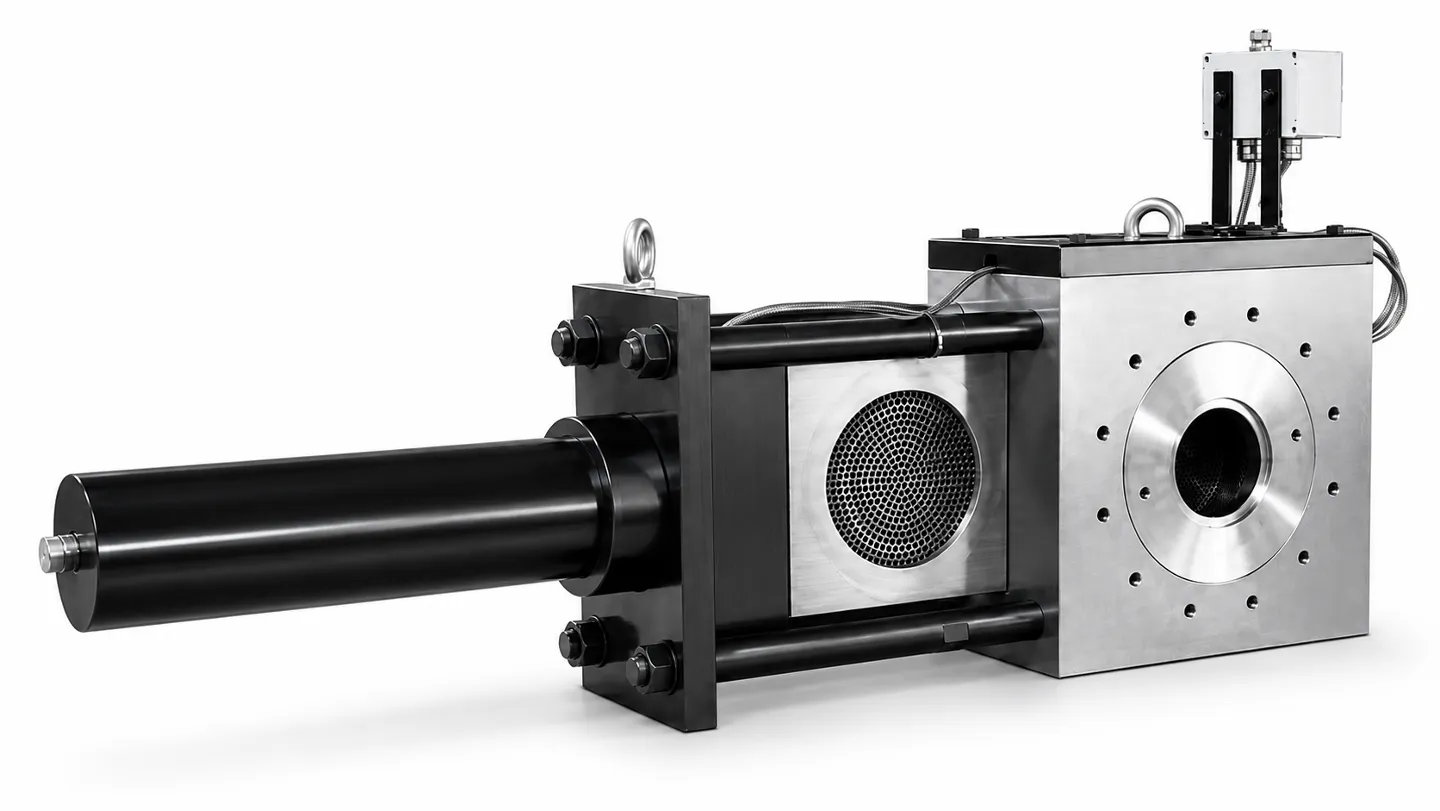
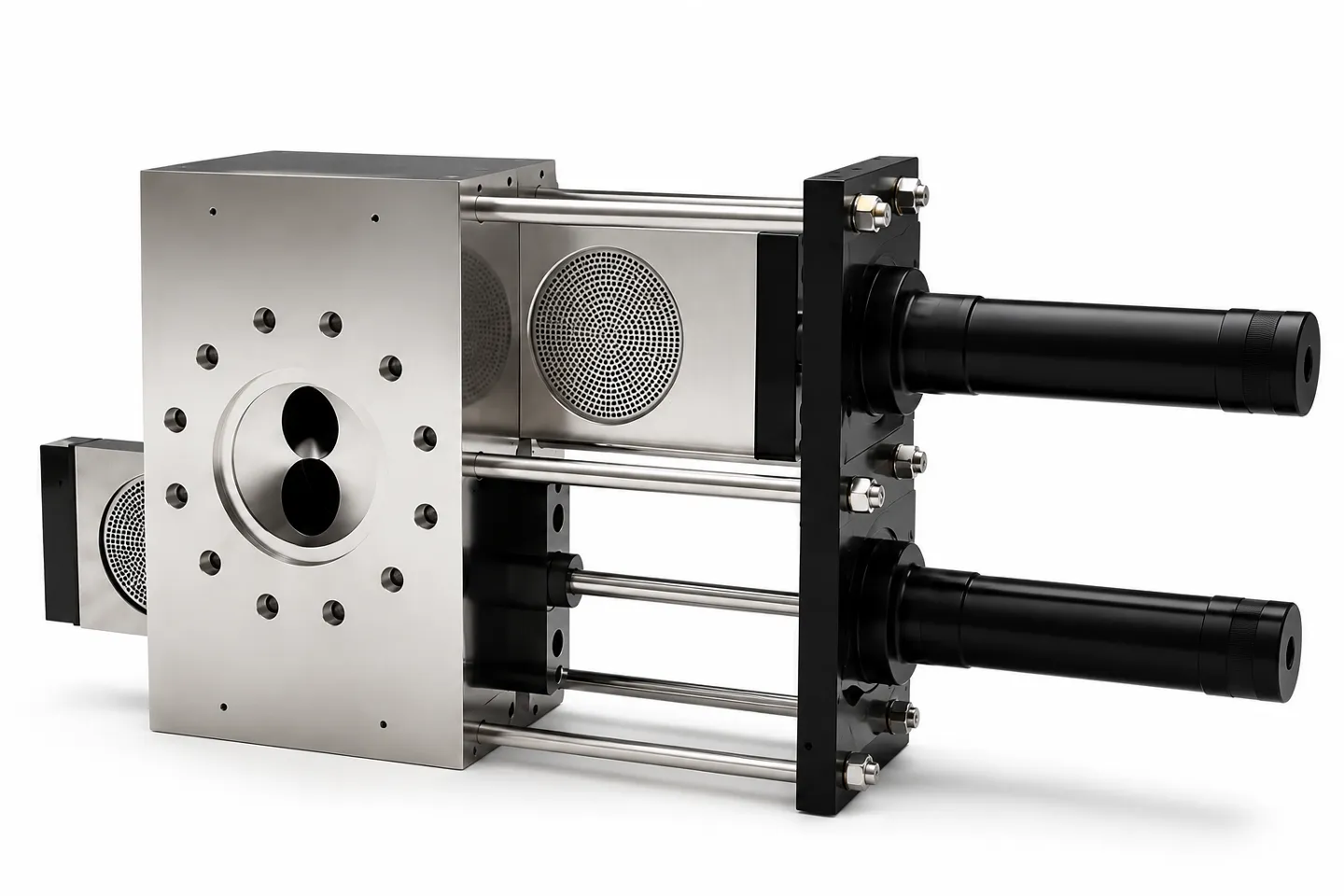
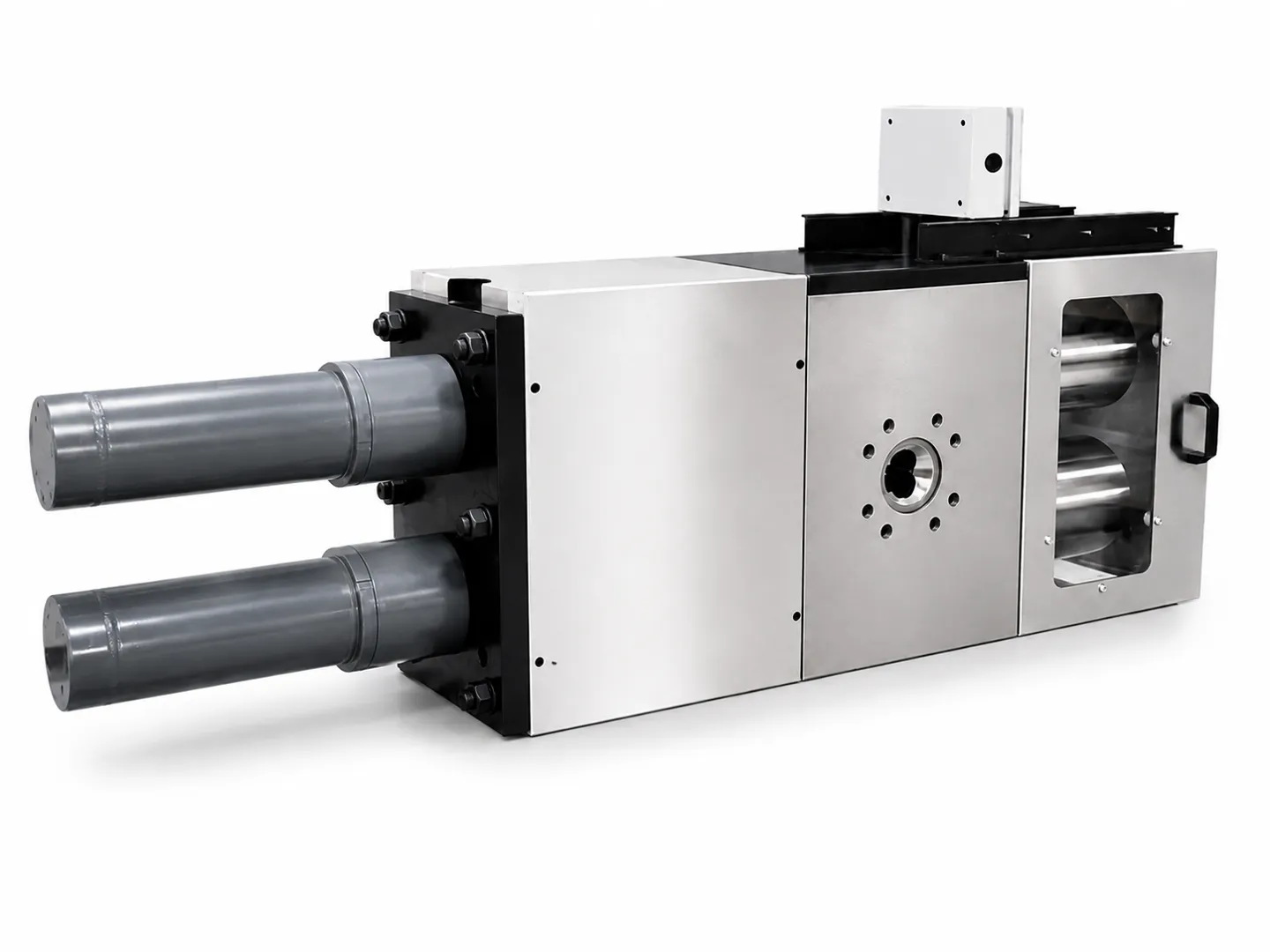
Hydraulic Screen Changer Configurations
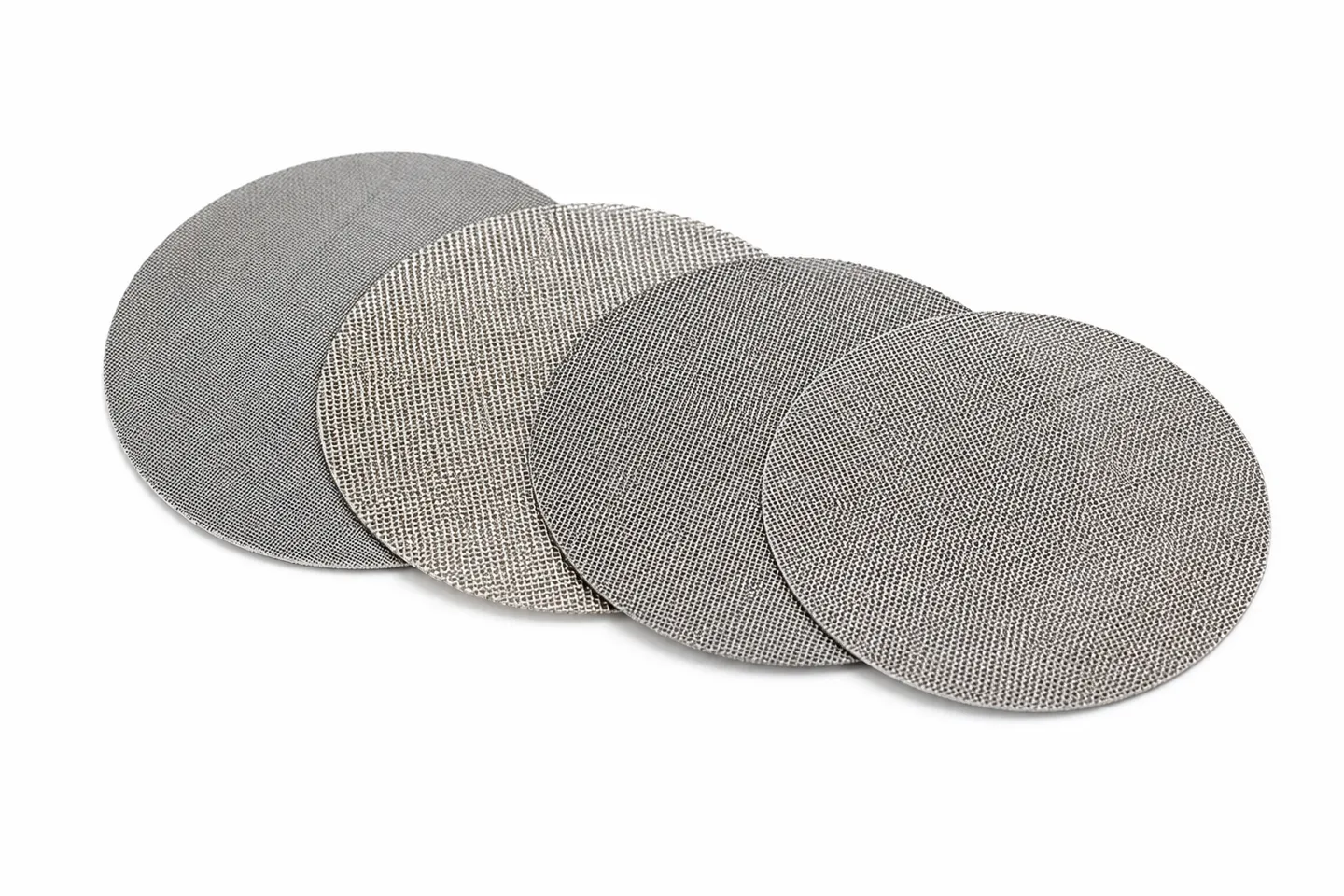
맞춤형 단일 플레이트, 이중 플레이트, 이중 컬럼 및 교체 가능한 용융 필터 스크린 구성의 예시 이미지.
Related Pelletizing Equipment
스크린 체인저를 완벽한 여과 및 펠릿 생산 시스템의 일부로 사용하십시오.
Selection Questions
Hydraulic Screen Changer FAQ
필터 개방, 감압, 스크린 수명, 그리고 펠렛 가공 라인 통합에 대한 일반적인 질문에 대한 답변입니다.
하이드로릭 슬라이드플레이트 체인저를 통해 깨끗한 원료 공급과 비용 관리된 라인을 선택하세요, 압력 안정성과 운영 시간이 중요한 경우 양쪽 열 continuous 체인저를 선택하세요, 더 높은 오염도와 장기 생산 캠페인을 위한 자동 청소 백플러시 시스템을 선택하세요.
일반 용도 펠렛의 경우 180-250 마이크론의 여과를 사용하여 압력 강하를 줄이고, 균형 잡힌 상업용 제품의 경우 120-150 마이크론을 사용하며, 구매자가 더 엄격한 불순물 제거를 요구하는 경우 80-100 마이크론을 사용합니다. 더 작은 개구부는 더 넓은 필터 면적 또는 더 빈번한 청소가 필요합니다.
안정적인 스크류 속도와 용융 온도에서 필터 전후의 압력을 측정합니다. 차압의 지속적인 증가는 필터 막힘을 나타냅니다. 변경 임계값을 승인된 압력 제한 아래로 설정하고, 사출 또는 펠릿 절단이 불안정해지기 전에 설정하십시오.
깨끗한 산업 폐기물은 한 교대 이상 동안 사용할 수 있습니다. 세척된 폐기물은 1~4시간마다 점검이 필요할 수 있습니다. 가공이 어려운 재료는 수동 필터를 10~60분 내에 막을 수 있으며, 이 경우 대형 연속형 또는 역세척 시스템이 유용합니다.
단순.
폴리머 종류, 오염 물질 설명, 목표 처리량(kg/h), 필요한 필터 개구부 크기, 압출기 스크류 직경 및 출력, 용융 온도, 연결 규격, 펠릿 제조 방법, 그리고 사출구 전 압력을 알려주십시오.
Match Melt Filtration to Your Pellet Grade
사용하시는 폴리머 종류, 오염 수준, 목표 처리량, 필터 개구부 크기, 압출기 크기, 그리고 펠렛 제조 방법을 알려주십시오. 저희는 적합한 스크린 체인저 유형, 유효 여과 면적, 압력 측정 장치, 그리고 연결 방식을 추천해 드리겠습니다.